Something has been quietly shifting at America’s most familiar dining tables. The booths are emptier. The social media complaints are louder. The value math simply isn’t working anymore for millions of diners who once trusted these names without a second thought. It’s been a particularly brutal few years for the restaurant industry, starting with the 2020 pandemic and continuing through inflationary pressures and shifting consumer spending habits.
Sales among the nation’s 500 largest restaurant chains increased by just over 3 percent in 2024, the lowest annual increase in 10 years, excluding the 2020 pandemic slowdown. Nearly 40 percent of U.S. restaurants experienced an outright sales decline that same year. The question now isn’t just which chains are struggling. It’s which ones are asking you to pay more while delivering less. Let’s find out.
1. McDonald’s: The Golden Arches Are Getting Pricey
Let’s be real – when people start comparing McDonald’s to a sit-down restaurant in terms of price, something has gone seriously wrong. The average cost of a McDonald’s menu item jumped roughly 40 percent from 2019 to 2024, according to a company fact sheet. That’s not a minor uptick. That’s a fundamental change in who this restaurant is actually for.
According to a FinanceBuzz study, between 2014 and 2024, McDonald’s menu prices for popular items doubled on average, a 100 percent increase that is more than any other fast food chain examined. Think about that for a second. The chain most associated with cheap, reliable meals now leads the industry in price hikes.
McDonald’s recently experienced what executives described as the worst quarter since the 2020 pandemic, with U.S. same-store sales falling by 3.6 percent, the largest three-month drop since the second quarter of 2020. McDonald’s CEO Christopher Kempczinski warned analysts that traffic among low-income customers had fallen “nearly double digits” across the industry. Honestly, when even the golden arches can’t hold onto its core audience, the price problem is real.
2. TGI Fridays: A Party Nobody’s Showing Up To Anymore
There was a time when TGI Fridays felt like a celebration. Flair bartenders, loaded potato skins, that infectious “It’s Friday!” energy. Those days feel very far away. TGI Fridays confirmed it filed for Chapter 11 bankruptcy in 2024 and has continued shuttering restaurants into 2025, with only 85 locations remaining open according to its website.
As new competitors came in and began taking over, TGI Fridays struggled, facing a lack of enthusiasm and even a mozzarella stick lawsuit, all of which culminated in a bankruptcy claim in November 2024, with the restaurant citing 2020 pandemic and its capital structure as reasons for the filing. That mozzarella stick lawsuit alone tells you something about how strained the relationship between this chain and its diners had become.
In the bankruptcy claim, TGI Fridays stated it wouldn’t be closing any restaurants, but just months later it shuttered 30 locations. This followed widespread closures in the lead-up to the bankruptcy filing, and by the end of April 2025, TGI Fridays had just 85 locations around the country. When a chain’s promises and its actions are that far apart, diners tend to vote with their feet.
3. Red Lobster: Sunk by Shrimp and Mismanagement
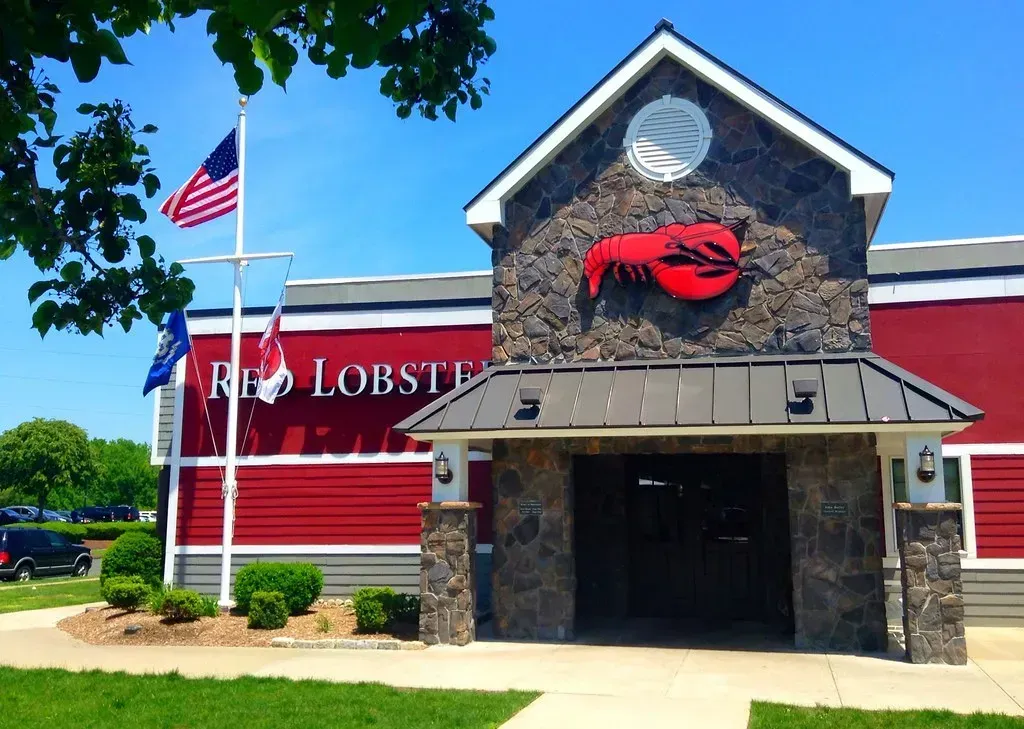
Red Lobster’s collapse is genuinely one of the most shocking restaurant stories of the decade. I think most people expected this chain to simply keep limping along forever. Instead, it went down fast. Red Lobster Management LLC filed voluntary Chapter 11 bankruptcy petitions in May 2024, seeking to simplify operations, renegotiate leases, and pursue a sale while continuing to operate most of its restaurants during restructuring.
The chain’s traffic had tumbled about 30 percent since 2019, according to the bankruptcy filing. Red Lobster had five CEOs since 2021, which is the kind of leadership instability that makes it almost impossible to fix anything. Years of underinvestment in Red Lobster’s marketing, food quality, service and restaurant upgrades hurt the chain’s ability to compete with growing fast-casual and quick-service chains.
Red Lobster was another chain that struggled mightily in 2024, experiencing a sales drop of nearly 23 percent to around $1.68 billion, while its restaurant count plunged 20 percent to 518, according to Technomic. Just shedding debt and unprofitable stores has not been enough to reverse the chain’s fortunes, and sales haven’t returned to pre-bankruptcy levels, with many dining rooms still needing significant upgrades.
4. KFC: The Colonel Has Lost His Crunch
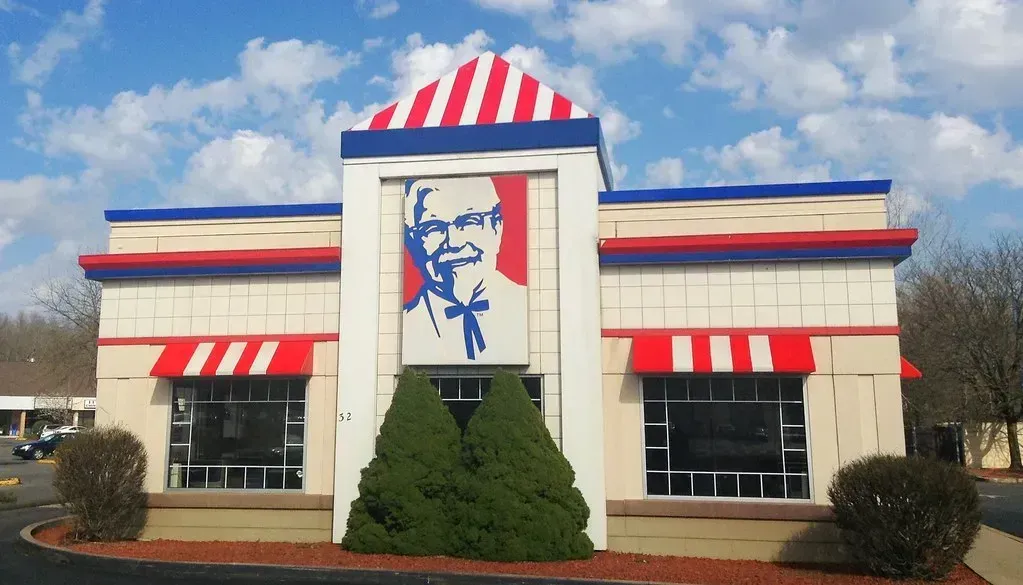
There is something almost poetic about a fried chicken chain losing a battle to other fried chicken chains. KFC practically invented the category in America. Yet here we are. KFC shows the steepest decline of any restaurant in the last year in the American Customer Satisfaction Index’s quick-service table category, falling from 81 in 2024 to 77 in 2025, a 5 percent drop. ACSI also reports KFC U.S. sales were down 5.2 percent in 2024, and in a year when quick-service satisfaction is flat overall, that four-point slide signals a real brand-specific problem.
Customers who say the chain has declined most often talk about its budding inconsistency, including chicken that is not as crisp, flavor differences compared to long-held recipes, longer hold times, and sides that feel hit-or-miss. Those are the exact reasons people went to KFC in the first place, so losing them is catastrophic.
KFC had a difficult time in 2025, with sales declining by a massive 5 percent in the second quarter of the year, continuing a downward trend with a similar 5 percent decrease at the end of 2024. According to Circana’s Definitive U.S. Restaurant Ranking 2025 report, rival chicken chains including Raising Cane’s, Wingstop, Chick-fil-A, Zaxby’s, Bojangles, and Popeyes all saw consumer spending increase in 2024, while KFC saw consumer spending fall by 4 percent to $4.34 billion. The competition has simply outrun it.
5. Denny’s: Breakfast All Day, Except There Aren’t Enough Locations Left
Denny’s is a genuinely nostalgic brand for a lot of Americans. Road trips, late-night pancakes, cheap coffee refills. It carried real sentimental weight. Unfortunately, nostalgia doesn’t pay the rent. Denny’s experienced a terrible 2024 and toward the end of the year announced it was closing 50 of its restaurants in just a few months, citing underperformance as the main reason, following a difficult period where a large number of its restaurants stopped operating round-the-clock in a bid to save money.
Denny’s also stated it was closing 100 further restaurants throughout 2025, and then, just a few months later, said it was pressing ahead with closing dozens more. In total, 180 restaurants were due to close in just 24 months, a huge proportion of its remaining locations. That’s not a slow retreat. That’s a rout.
Paired with a sluggish renovation program that had only affected a few dozen of its restaurants, the chain has made diners feel like it’s falling behind. Denny’s CFO, Robert Verostek, specifically pointed to inflation as the reason for the company’s financial struggles during an earnings call in early 2024. It’s hard to justify the price of a Grand Slam when the experience no longer feels grand.
6. Subway: The World’s Biggest Sandwich Shop Is Quietly Shrinking
Subway is so ubiquitous that it’s easy to overlook just how much trouble the chain is in. It’s a bit like noticing a really tall tree is leaning. You see it every day, so the tilt sneaks up on you. Subway is one of those restaurants that may not feel like it’s struggling due to its sheer size, with around 20,000 locations across the United States. However, at its peak in 2015, it had approximately 27,000 restaurants, and that number has been gradually sinking ever since.
In 2024, Subway had to close a massive 631 restaurants in the U.S., and it spent much of 2025 without a permanent CEO, leaving the company adrift at a time of crisis. A company without stable leadership during a crisis is a bit like a ship without a captain in a storm. Things tend to get worse before they get better.
Meanwhile, consumers have noticed that Subway’s prices have crept up considerably while competitors offer fresher, more exciting builds for similar or even lower prices. Some chains are quietly shrinking down while others are rolling out sweeping ownership changes, untested business strategies, and cost-cutting measures that directly affect the dining experience. When customer complaints start sounding the same across dozens of cities, revolving around quality declines and understaffed locations, it becomes harder to ignore the warning signs.
7. Sonic Drive-In: All the Nostalgia, Fewer of the Basics
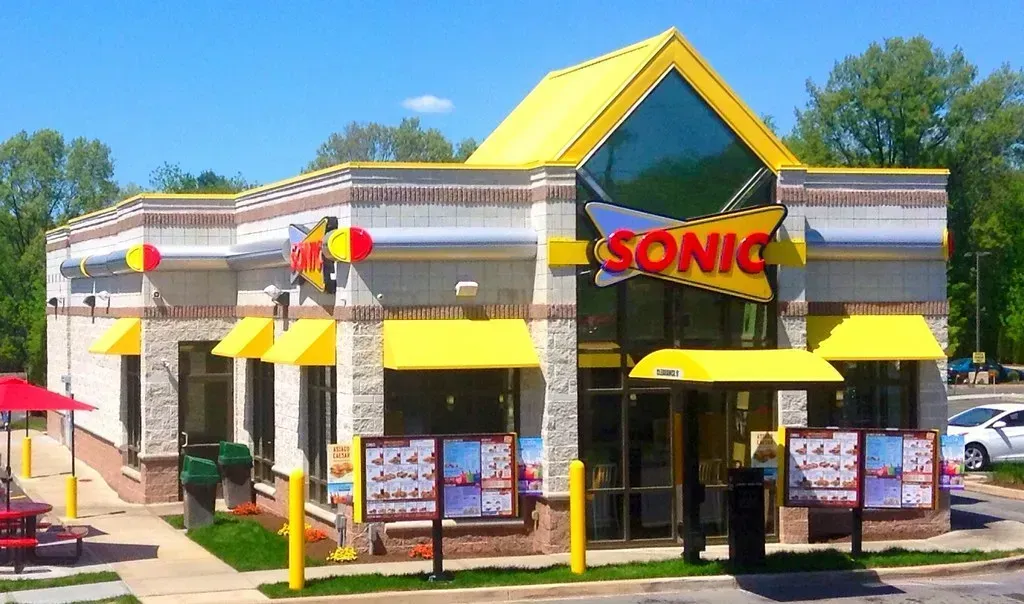
Sonic has always traded heavily on its retro charm. Carhops, slushies, drive-in stalls. It’s a concept that should work beautifully. The problem is that charm only carries you so far when the execution falls apart at the stall. Customers report dealing with rude staff, shakes that arrive runny instead of thick, and an ordering system and app that is often not working. Getting orders wrong appears to be a regular occurrence, and even worse are the complaints about undercooked food.
One customer’s experience captures the extent of Sonic’s problems: after ordering through the app, she waited 50 minutes at a pickup stall, only to receive a meal where nothing was right. The onion rings arrived burnt, and her chicken wrap featured soggy lettuce with hardly any chicken, all served cold. That’s not an isolated incident. Scroll through any review platform and you’ll find dozens just like it.
The drive-in model demands speed and accuracy by design. It’s the entire point of the format. Nearly 80 percent of Americans now believe fast food to be a “luxury,” according to a LendingTree survey. When a brand built on casual affordability starts delivering luxury-level disappointment at elevated prices, it’s a tough sell. Sonic needs to fix the fundamentals before leaning on the nostalgia any further.
8. Wendy’s: Fresh Beef, Stale Trust
Wendy’s built its identity on two things: fresh beef that’s never frozen, and a cheeky attitude that poked fun at its rivals. For years, that combination worked. But in 2026, both the food and the brand’s relationship with its customers are under real pressure. Wendy’s has long positioned itself as the “premium” fast-food burger chain, but 2026 is shaping up to be one of the most unstable years in the company’s history, with a large wave of closings affecting hundreds of locations beginning in late 2025.
Customers have taken to review platforms to express frustration over shuttered stores, unpredictable hours, and stretched-thin staff. There are reports that service at surviving locations feels rushed, understaffed, and inconsistent, and this will only worsen as more stores close.
After word got out about Wendy’s plans to introduce dynamic pricing to menu items in 2024, the brand backed off and promised it wouldn’t increase prices during popular times, though its CEO did not completely rule out the possibility. Consumers were loud and clear about their disapproval, and according to Newsweek, those concerns were well-founded, as Wendy’s showed the third-most inflated menu prices in 2024, with an average 50 percent price hike since 2015. That’s a staggering number for a chain still claiming it’s a value option.
9. Burger King: A Flame That Keeps Flickering
Burger King has been trying to reinvent itself for years now. New logos, new campaigns, revamped menus. Yet the needle keeps pointing downward in terms of customer enthusiasm. After a dismal 2024, Burger King continued struggling, with same-store sales declining 1.3 percent, steeper than analyst estimates of a 0.9 percent decline. A chain that size losing ground to estimates is a significant warning signal.
Wendy’s has seen three straight quarters of worsening sales, while Popeyes, another brand under the same parent company structure as Burger King, has posted same-store sales declines in four of the last five quarters. The entire portfolio of brands in this space seems to be fighting the same uphill battle against consumer skepticism about value.
It’s hard to say for sure whether Burger King can stabilize, but the pattern of overpromising and underdelivering has worn thin. Restaurant and takeout costs have climbed faster than grocery prices, and according to the U.S. Consumer Price Index, “food away from home” rose about 6 percent from January 2024 to September 2025. Against that backdrop, Burger King’s core value proposition is looking shakier than ever.
10. Applebee’s: A Neighborhood That’s Running Out of Neighbors
Applebee’s spent years being the dependable middle-ground of casual dining. Not flashy, not gourmet, just solid and familiar. The problem is that “solid and familiar” doesn’t hold up when prices rise and the food quality gets patchy. Applebee’s domestic same-store sales decreased for three consecutive quarters, with a 0.5 percent drop in the fourth quarter tied to declining traffic. Three straight quarters. That’s not a blip.
Dine Brands, the parent company, planned to close between 25 and 35 restaurants in 2024. Chains like TGI Fridays, Outback Steakhouse, and Applebee’s have strategically closed locations that didn’t meet sales expectations in an attempt to keep their overall brand solvent. Strategically closing is a polite way of saying the model isn’t working everywhere it used to work.
In late 2024, nearly one in three Americans said they did not plan to eat at a restaurant in the next week, the highest rate since early 2021, according to CivicScience data from October 2024. When that many people are skipping dining out altogether, a chain like Applebee’s, which depends entirely on casual discretionary spending, is caught in a very uncomfortable spot. More than two-thirds of restaurant owners reported that customers are ordering less, see less value in their meal, or are upset by costs, according to the IRC and Chase Independent Restaurant Report 2025. The value-to-price equation has tipped too far.