
Most people, when pressed about the worst job they’ve ever had, will reach for something like a summer spent in a sweaty fast food kitchen or a call center shift that never seemed to end. History, though, offers a far grimmer yardstick. Across the centuries, ordinary people held occupations so bizarre, so dangerous, or so fundamentally unsettling that they’d be nearly impossible to explain on a modern résumé.
These weren’t fringe careers. Many of them employed hundreds or thousands of workers and filled genuine gaps in the social fabric of their time. They disappeared not because people lost their nerve, but because technology, medicine, and basic legal protections eventually made them unnecessary. Here are fifteen of the most striking ones.
1. Leech Collector
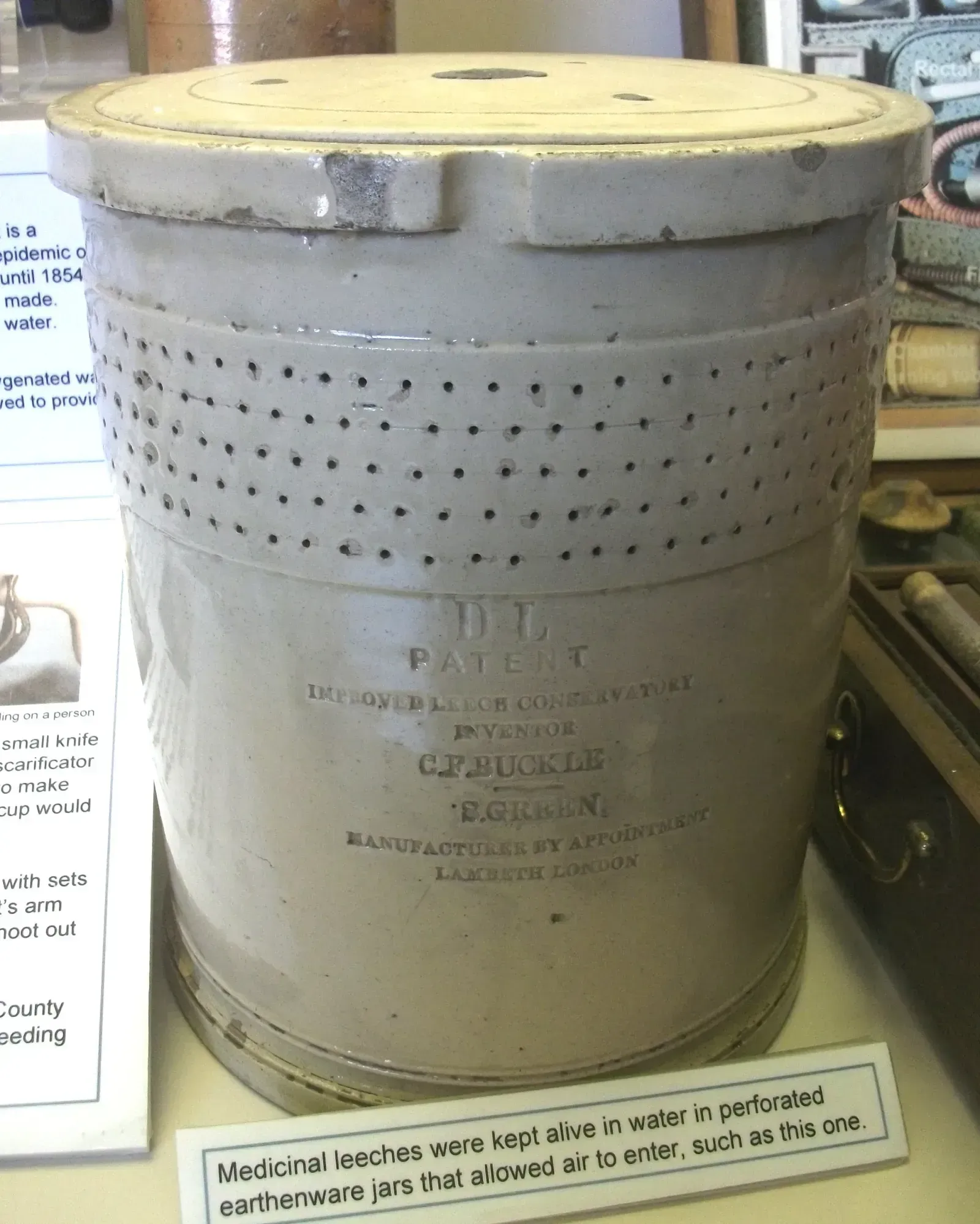
Leeches were once a useful commodity, with both doctors and quacks using the blood-sucking creatures to treat a wide range of ailments, from headaches to what they called “hysteria.” The job of collecting them usually fell to poor country women, who would wade into dirty ponds hoping to attract as many leeches as possible to their bare skin. Once the creatures had attached to the collector’s legs, they’d be prised off and stored in a box or pot. Leeches can survive for up to a year without food, so they could be kept at the pharmacy until a doctor requested them.
The work wasn’t just uncomfortable. It was genuinely dangerous. Collectors often suffered from blood loss, infections, and fainting spells. Demand grew so intense that by the 18th century, leeches had nearly become extinct in Ireland, Wales, the Netherlands, and England. The cruel irony is that the medical theory behind bloodletting was largely wrong, yet the people collecting the leeches paid the physical price all the same.
2. Gong Farmer

In Tudor England, somebody had to clean out the cesspits and privies, and that somebody was the gong farmer. Armed with a shovel and a bucket, they’d head into dark, stinking pits beneath homes and inns and haul out human waste by hand. It was actually illegal to do the job during the day because of the smell. They were paid reasonably well for the era, but no amount of money could undo the long-term damage to their lungs and overall health.
Only permitted to work at night, gong farmers spent all night in deep holes, sometimes up to their waist or even their neck in human excrement. Some died of disease. Others suffocated. Parts of London had as few as sixteen latrines per thirty thousand people in the 14th century, which made the gong farmer’s work genuinely vital to public health. It was one of those jobs that held civilization together at enormous personal cost.
3. Resurrectionist (Body Snatcher)
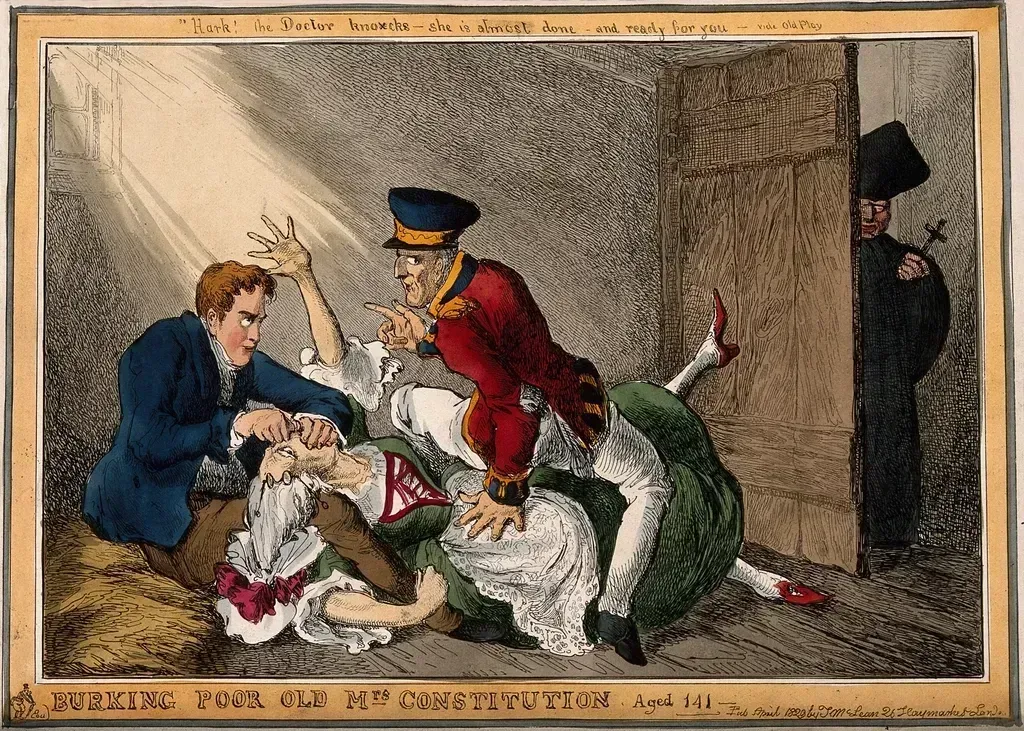
In the early 1800s, Britain’s booming medical schools faced a serious problem: a shortage of cadavers. At the time, the only legal source of bodies for dissection was the corpses of executed criminals. As capital punishment became less common and demand for skilled surgeons grew, medical students and professors grew desperate. Professional grave robbers known as resurrectionists stepped in to fill the void, exhuming recently buried corpses under cover of darkness and selling them to medical institutions. They were so effective that wealthy families began hiring guards to watch over fresh graves.
Resurrectionists struck quickly, usually the night after a burial, before decomposition set in. Using wooden shovels to muffle the sound, they dug only at the head of the coffin, smashed the lid open, looped ropes around the body, and pulled it out. They left clothing and jewelry behind, since stealing those items was considered a felony. The body itself, shockingly, wasn’t yet defined as property and thus couldn’t technically be “stolen.” The Anatomy Act of 1832 eventually made body snatching a criminal offense, bringing the trade to an official close.
4. Whipping Boy

In royal households, especially during the 15th and 16th centuries, it was illegal to physically punish a prince. So courts appointed a whipping boy, a child raised alongside the prince and punished in his place. The idea was that the prince would feel guilt and behave better. In practice, it often meant the whipping boy was hit for things he had nothing to do with. Edward VI of England famously had Barnaby Fitzpatrick as his whipping boy.
Some boys formed close bonds with their royal counterparts, but that didn’t stop the punishments. It was a strange and painful honor, growing up surrounded by luxury while never truly being part of it. A whipping boy endured humiliation and pain for offenses committed by another, and was left with emotional scars that no amount of royal proximity could erase. The very existence of the role says something uncomfortable about how power insulated itself from consequence.
5. Groom of the Stool

The position was invented by King Henry VII during his reign to oversee essentially every aspect of his bowel movements, from attending to the king’s diet to witnessing the act itself. Oddly enough, the job was considered highly prestigious, since it meant spending one-on-one time with royalty and potentially using that access to influence political decisions. The role persisted until 1901, when King Edward VII finally ended the practice.
The English Royal Court’s most intimate job, held from the 15th to 19th centuries, required the holder to assist the king with his most private bodily functions, including bowel movements and maintaining royal hygiene. These grooms were so committed to their role that they would also monitor the monarch’s bowel movements by tracking mealtimes and learning when the king would need to use the commode. They would help him undress, though they reportedly stopped short of wiping. Proximity to power has rarely come with stranger conditions.
6. Sin Eater
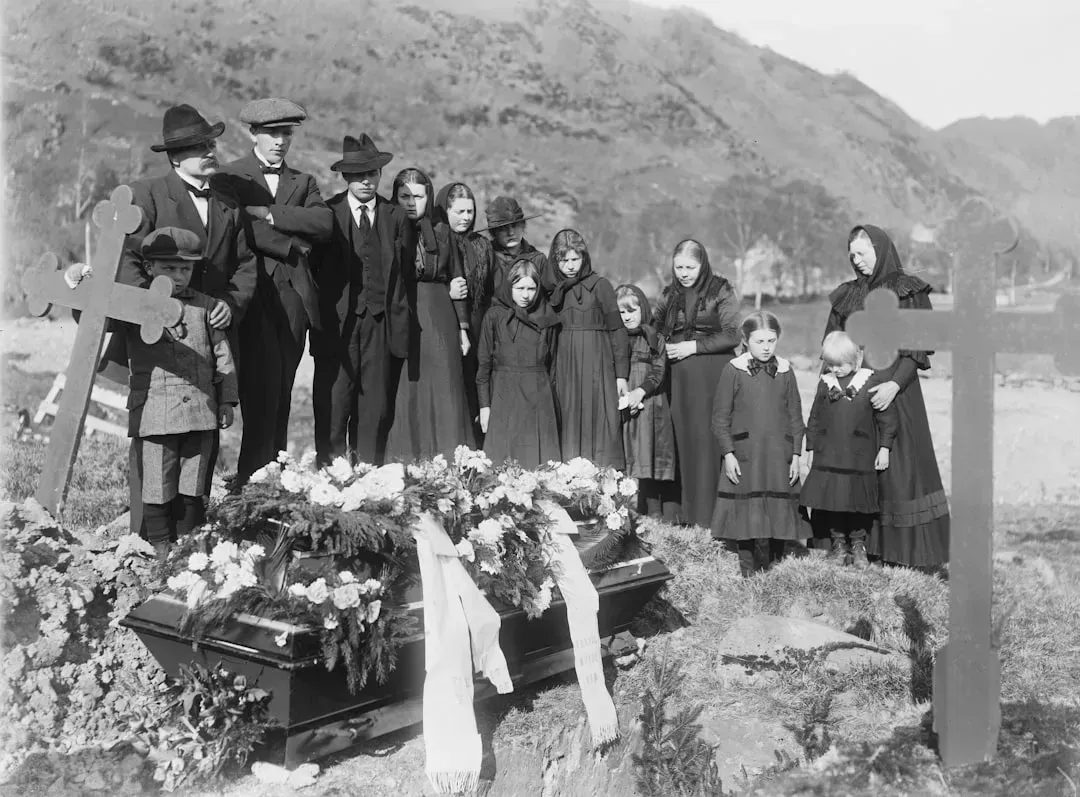
Perhaps one of the most macabre professions ever invented, sin eaters worked in rural Britain from the 17th to 19th centuries. These individuals would attend funerals where they would literally eat bread and drink ale placed on or near the deceased’s chest, believing they were consuming the dead person’s sins. The ritual was thought to cleanse the soul and ensure safe passage to heaven. The practice seems to originate in Welsh culture, though similar concepts appeared in various forms around the world.
Sin eaters were typically social outcasts who lived on the margins, paid a few pennies for taking on what others considered a cursed burden. Most people treated them with fear and disgust, avoiding them entirely. They lived on the fringes of society, performing the ritual for barely enough food to survive. By the end of their lives, they were thought to carry the weight of hundreds of souls. It was a role built entirely on community belief, and the people who filled it paid a real social price for something entirely symbolic.
7. Pure Finder
Despite its clean-sounding name, this job actually involved collecting dog feces from the streets of London to sell to tanners, who used it in the leather-making process. Dog excrement was known as “pure” because it was used to purify the leather and make it more supple. Leather was in tremendous demand in Victorian times, used for horse tack, shoes, boots, bags, and bookbinding.
Pure collectors haunted the streets where stray dogs gathered, scooping up the waste and keeping it in a covered bucket before selling it to the tanners. Some collectors wore a black glove to protect their scooping hand, while others considered a glove harder to keep clean than a bare hand and skipped the protection entirely. Once people realized there was money in this particular trade, competition for dog waste in the city’s streets became surprisingly fierce.
8. Tosher
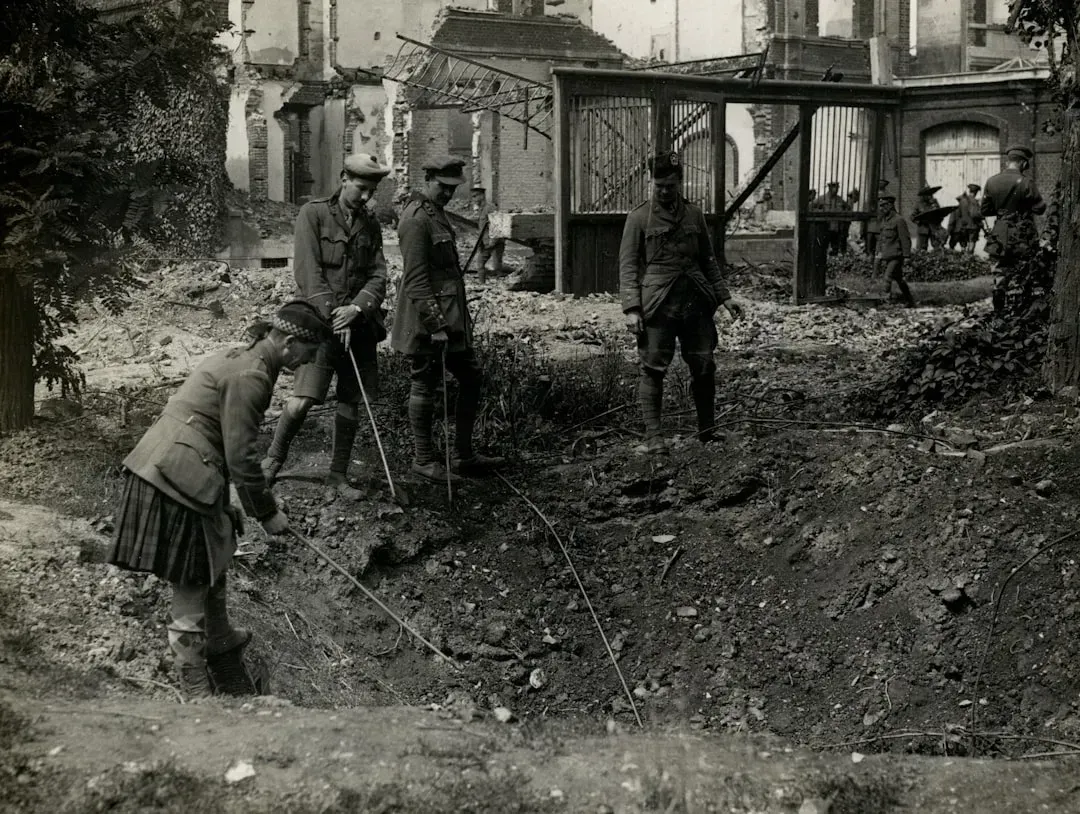
Toshers earned a living by sifting through raw sewage for valuable items in London’s vast sewer network. The job was just as dangerous as it was disgusting, with rats, noxious fumes, crumbling tunnels, and sudden tides of filthy water all posing genuine threats. They’d spend hours wading through the underground filth of the city looking for dropped coins, bits of metal, or anything else that could be sold above ground.
Victorian London had a huge network of overworked sewers washing away the waste of an increasingly crowded metropolis. Toshers worked without protective equipment, without ventilation, and without any legal right to be down there at all. The work attracted the desperately poor, people with no other options, and it carried a mortality rate that was simply never formally counted. That the job produced anything of value at all feels, in retrospect, almost perversely impressive.
9. Loblolly Boy
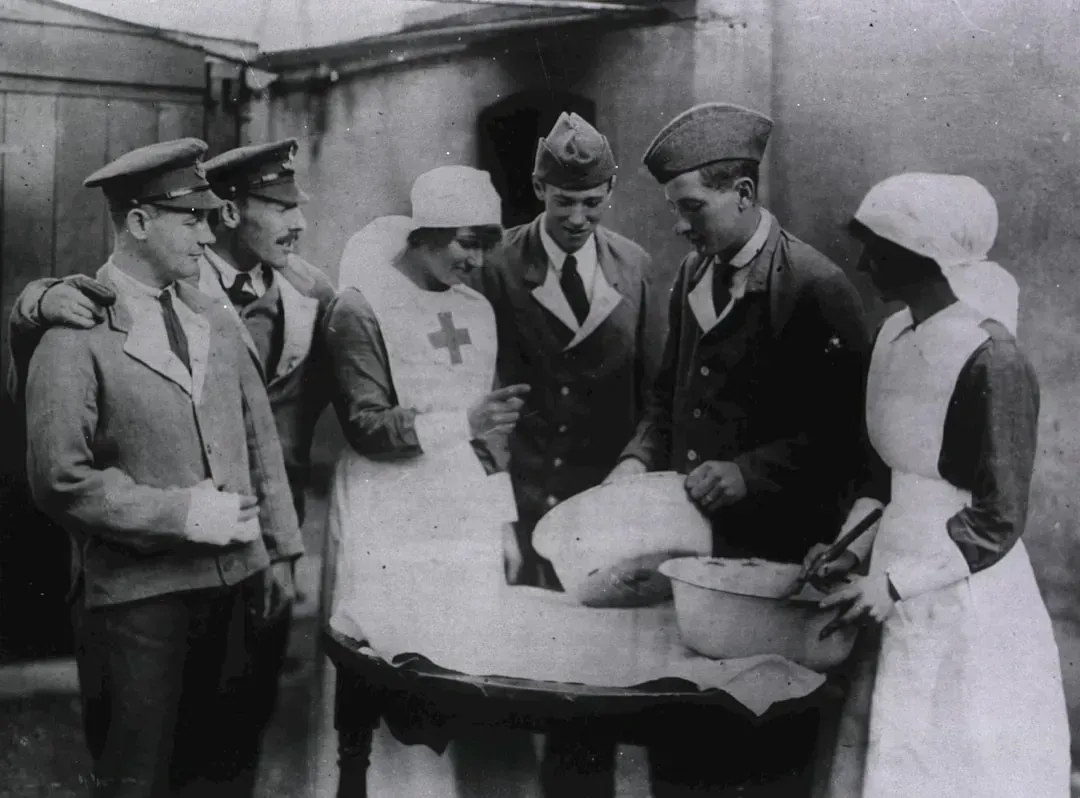
In the early days of the United States Navy, sailors called loblolly boys were tasked with cleaning surgical instruments and physically restraining patients during procedures conducted before the era of anesthesia. If patients had limbs amputated, loblolly boys were responsible for disposing of them. They also served a thick porridge called loblolly on the ships, which is where the name came from.
The role later evolved into that of hospital corpsman or medical assistant, though thankfully the newer version didn’t involve serving meals between surgical procedures. The combination of medical gore and domestic kitchen duty is hard to fully picture. These were often very young men, thrust into situations that even experienced adults would find harrowing, performing essential wartime medical work with no formal training and no real protection.
10. Barber Surgeon
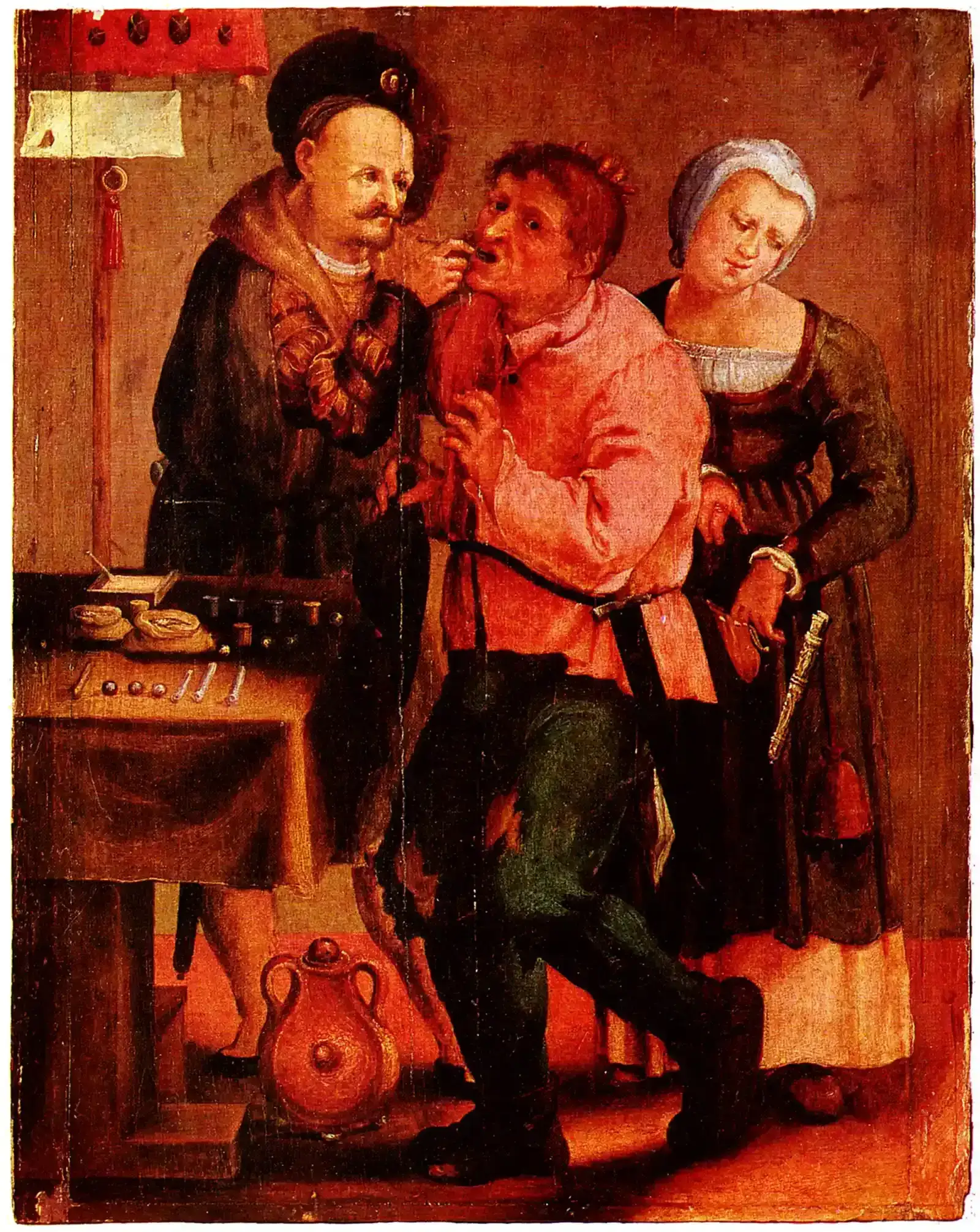
Barber surgeons handled the basics of barbering, including cutting hair, shaving, and washing, but also performed the basics of surgery. Someone could walk in looking for a haircut and walk out having had a tooth pulled. The logic was that barbers were already skilled with sharp objects like knives and razors, so they’d probably be competent at medical procedures too.
Common medical procedures barber surgeons performed included amputations, urine testing, tooth extraction, bloodletting, and other minor surgeries. The red and white barber pole still used today carries a direct reference to this era: red representing blood and white representing bandages. The pole is one of those everyday images most people pass without a second thought, completely unaware it marks the spot where, historically, you might have lost a limb alongside a haircut.
11. Knocker-Up
![11. Knocker-Up (Image Credits: [1], Copyrighted free use)](https://nvmwebsites-budwg5g9avh3epea.z03.azurefd.net/scaredof/2aaa2bd43ff0637e6d1131fe477080d1.webp)
Beginning during the Industrial Revolution and continuing well into the early 20th century, factory life required a more human means of waking up in the morning. While a farmer might rely on a rooster, industrial workers had no such natural alarm. The knocker-up was tasked with knocking on doors and calling out loudly to wake a home’s occupants in time for their shift. For taller apartment buildings, they’d use a long rod to tap on a piece of slate near the window and would not leave until their clients had actually stirred. The upper classes didn’t use this service since they already had servants to do the job.
Armed with a stick, they tapped on windows or doors before dawn, often walking long distances in cold, rain, or snow just to rouse sleepy workers on time. When affordable alarm clocks arrived, their role became unnecessary almost overnight. The interesting philosophical puzzle nobody talks about: who woke up the knocker-up?
12. Mudlark
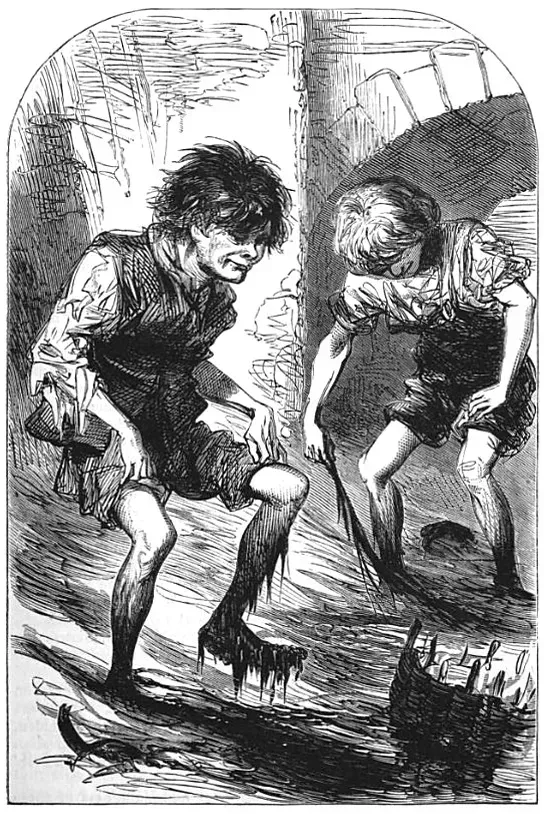
Mudlarks in the Victorian era were mostly children, scrambling up and down the banks of the Thames searching for anything they could sell. It was incredibly dangerous work. The Thames was toxic, full of excrement, industrial chemicals, offal, and worse. The tides were unpredictable and changed rapidly, sweeping many children away as they scraped and scavenged to survive.
In 18th and 19th century London, mudlarks often children scavenged the riverbanks looking for anything remotely sellable: bits of coal, rope, scrap metal, broken glass. These poor children were seen as the lowest of the low. They were hungry, they smelled, and they risked everything day after day for the smallest trinket to sell on. The fact that some of those children survived long enough to grow old is, in its quiet way, remarkable.
13. Match Girl (White Phosphorus Worker)
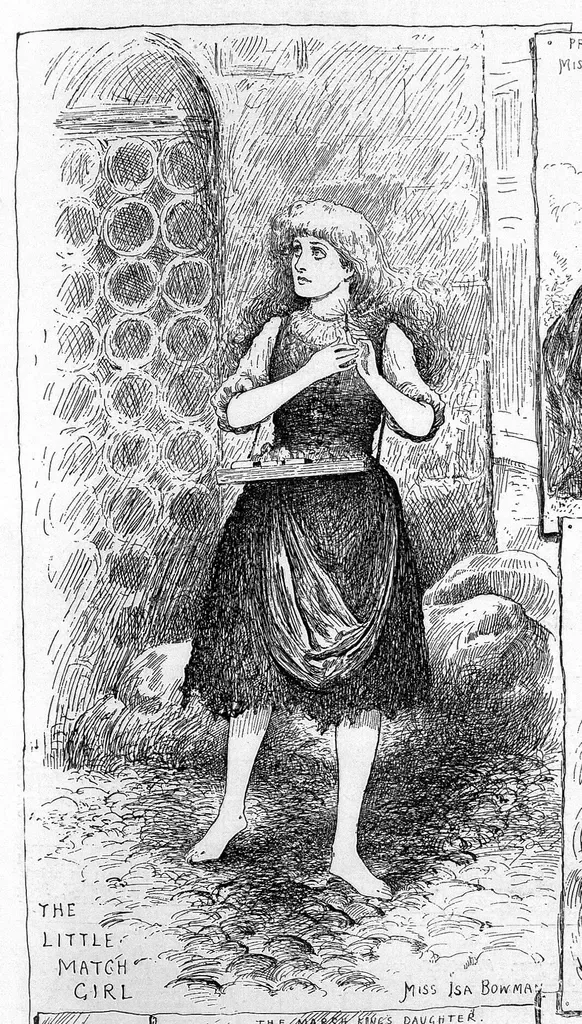
Matchsticks in the Victorian era were made by dipping thin wood sticks into white phosphorus, a highly toxic chemical. This work was mainly performed by teenage girls who worked in terrible conditions, often for twelve to sixteen hours a day with few breaks. The girls were forced to eat at their workstations, meaning the toxic phosphorus contaminated their food, leading some to develop the dreadful condition known as “phossy jaw,” whereby the jawbone became infected, causing severe disfigurement.
In addition to a range of other serious health problems from contact with the substance, factory workers could develop phossy jaw, which began with a toothache and then progressed to swelling of the gums and jawbone. The condition was agonizing, often fatal, and entirely preventable had anyone in power cared enough to act sooner. The 1888 match girl strike in London, organized by these same workers, eventually helped push reform forward and became one of the early milestones of the labor rights movement.
14. Rat Catcher
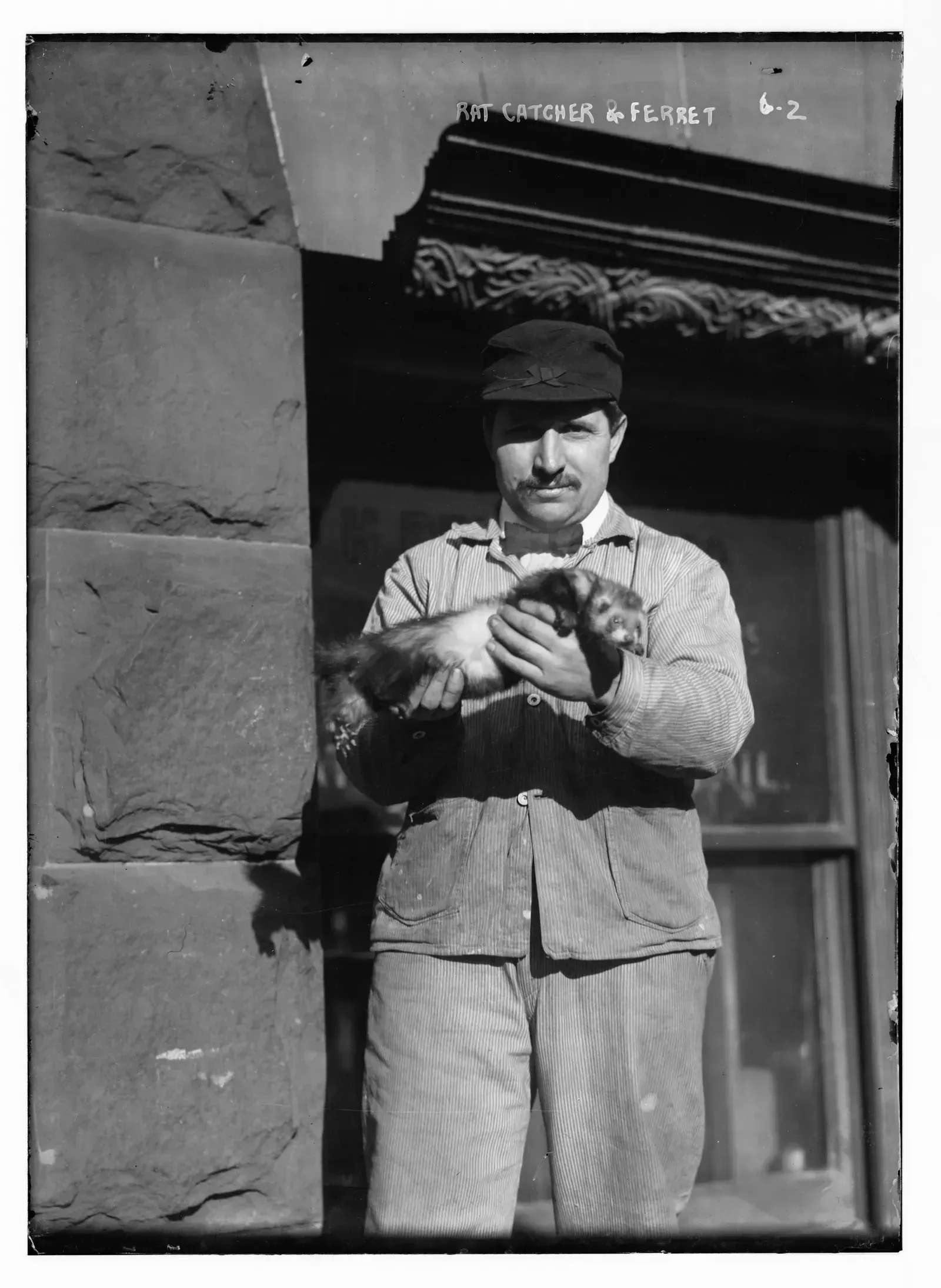
Before modern pest control, European cities employed professional rat catchers to control rodent populations. These essential workers used traps, poisons, trained ferrets, and small dogs to hunt down rats, particularly during plague outbreaks when rodents spread deadly diseases. The most famous rat catcher was Jack Black, who served as Queen Victoria’s official rat catcher and was known for his colorful personality and effective methods.
They used traps, sticks, or their bare hands, facing bites and infections daily. Some even carried rats in cages to show proof of their work. Though they provided an essential public health service, the job was filthy and genuinely hazardous. Ironically, rat catchers themselves often died young. The profession required a particular kind of nerve that most people today simply don’t possess or need, and that’s probably for the best.
15. Plague Burier
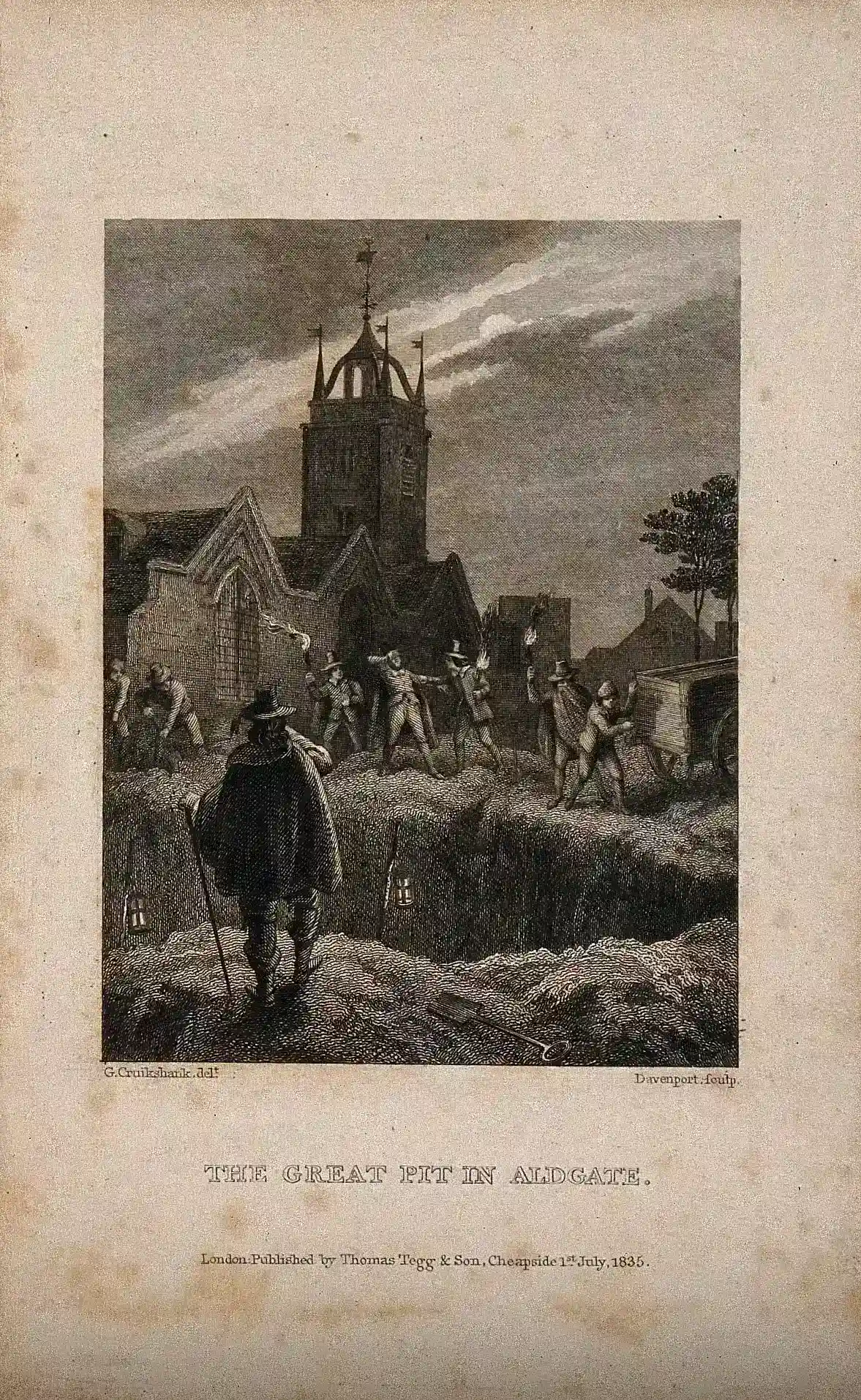
During disease outbreaks in the medieval period, plague buriers had to collect and bury the dead in mass graves. They were highly vulnerable to infection and surrounded by death every single day. Once an outbreak ended, they had to contend with serious social stigma. And they had absolutely no safety gear. In some cities, plague buriers were required to ring a bell while walking through the streets so that people could clear a path, marking them as both essential and untouchable at the same time.
The psychological toll of the job is nearly impossible to measure. These were people who handled death on an industrial scale, often while watching their own colleagues sicken and die alongside the victims they were meant to bury. Each of these forgotten professions emerged from specific historical circumstances, whether responding to medical beliefs, technological limitations, social customs, or basic survival needs. While we might shudder at some of them today, these jobs were essential parts of their respective societies. The plague burier, perhaps more than any other on this list, reminds us how completely different the experience of an ordinary working life once was.
What connects all fifteen of these occupations isn’t just their strangeness. It’s the quiet dignity of people who showed up to do something society needed, regardless of how grim the terms were. The jobs disappeared because conditions improved, not because the people who held them were ever anything less than resilient.