Most guests check out of a hotel genuinely believing they’ve been perfectly fine. They tossed a few things in the bin, left a tip on the nightstand (maybe), and closed the door quietly behind them. From the housekeeper’s side of that door, though, the picture is often quite different. The habits that seem harmless or even considerate from a guest’s perspective can create real, compounding problems for staff who are already working against tight time windows and full floor schedules.
On average, housekeepers are expected to turn over a room in just 20 to 40 minutes, depending on factors like room size, hotel class, room quotas, and the type of cleaning required. That’s not a lot of margin. A May 2024 survey by the American Hotel and Lodging Association found that 76 percent of hoteliers reported staffing shortages, with housekeeping identified as the most pressing need by half of all respondents. The six things below are what housekeeping staff consistently say they wish guests would simply stop doing before they leave.
Leaving the Room in a Genuine Disaster
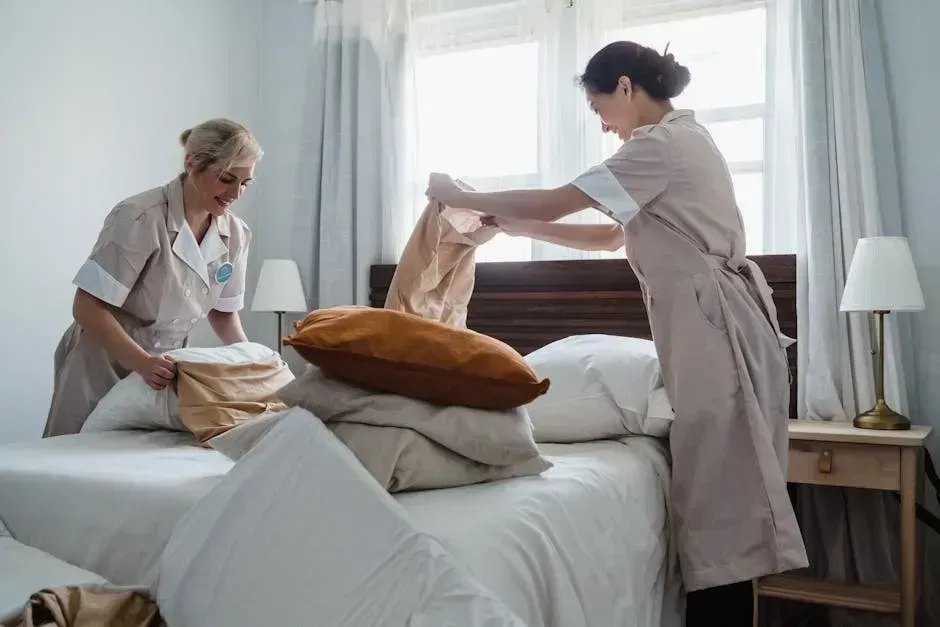
Former hotel housekeepers consistently report that leaving a huge mess at checkout is one of the most frustrating habits guests have. Trash scattered across the entire room instead of collected in one place, and towels thrown in separate corners rather than piled together, add unnecessary time and effort to every turnover. It sounds minor, but across a full floor of checkouts, those extra minutes multiply fast.
Housekeepers work from a checklist of up to 100 inspection points, not just for one room but for anywhere between 13 and 30 rooms per day. When a hotel room is unclean, it takes much longer, throwing off their schedule for the entire day. Beyond the extra cleaning, spilled food and drinks can stain carpets, requiring deep cleaning or even replacement, which hikes up the hotel’s costs and can take a room out of service entirely.
Using Hotel Towels to Remove Makeup
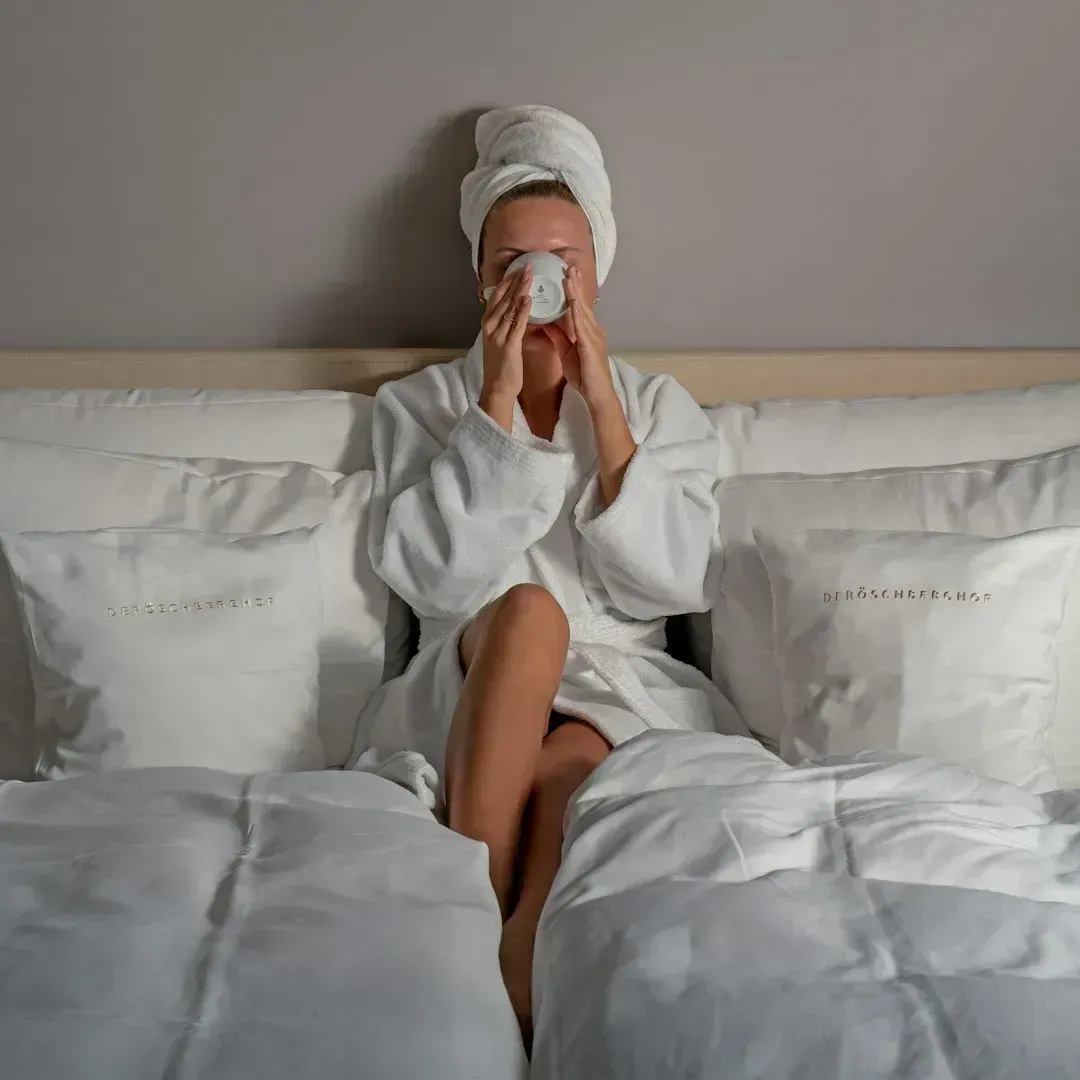
Removing makeup on hotel towels and pillowcases is widely cited as one of the most frustrating habits for housekeeping staff. One housekeeper shared on Reddit that stained linens meant spending extra time in the laundry room trying to lift the marks, often causing them to finish their shift late. Using hand towels for this purpose can result in permanent staining and additional charges to the guest’s bill.
Makeup stains, especially from foundations and waterproof mascaras, often cannot be fully removed even with commercial-grade cleaning agents. Housekeeping checklists require staff to check the cleanliness and condition of all bed linens and towels, ensuring they are fresh and completely free of stains before a room is cleared for the next guest. When stains are found, those items must be pulled from rotation, inspected, and often replaced entirely. Hotels have already reported a nearly 80 percent cost increase in cleaning and housekeeping supplies according to an American Hotel and Lodging Association survey, and stained linen adds directly to those costs.
Scattering Towels in Unexpected Places
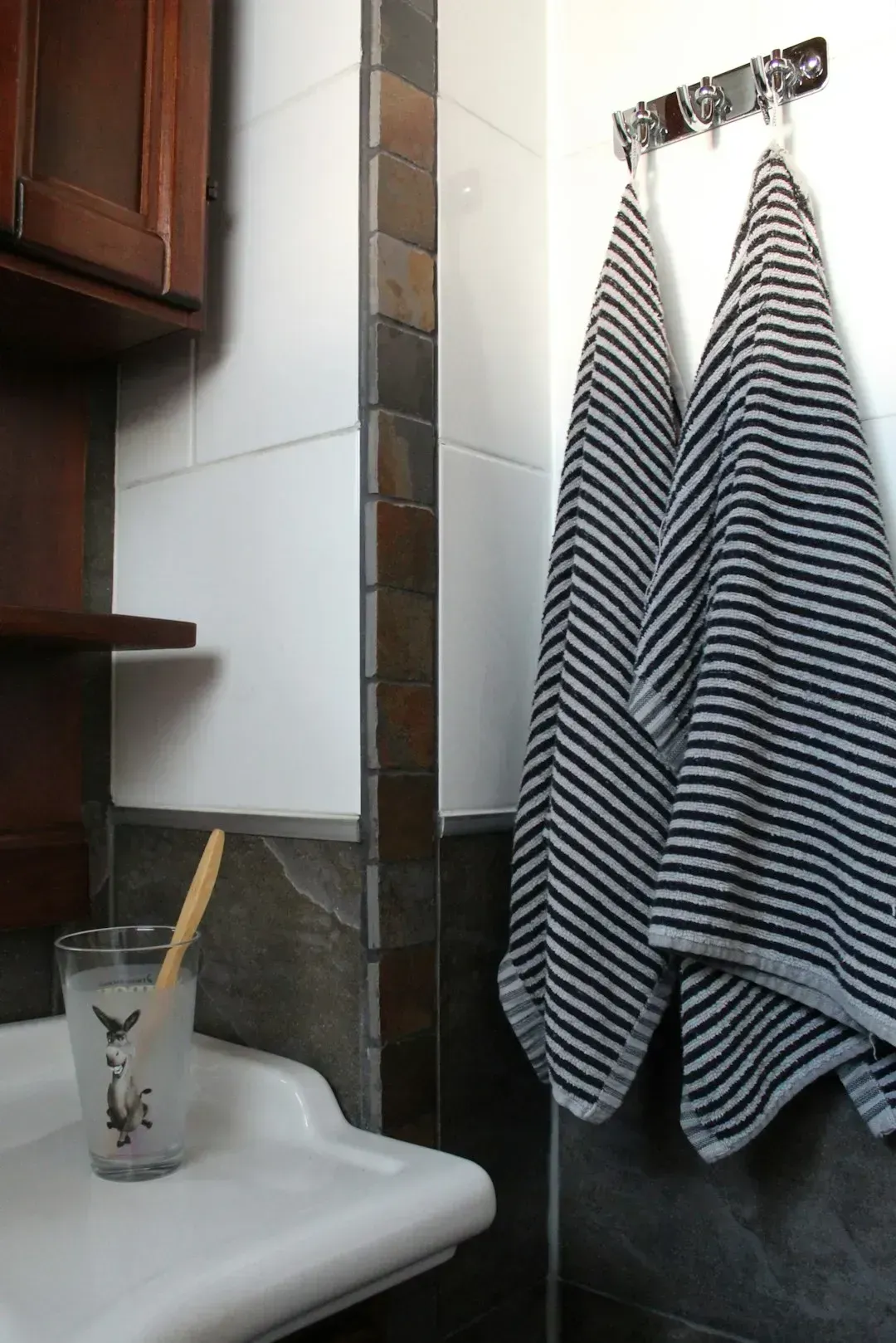
Wet towels shoved behind the bed, crammed into drawers, or hidden under the sink are a consistent source of bewilderment for housekeeping staff. These towels breed mildew fast and can damage wooden furniture. Leaving used towels on the bathroom floor or draped over the tub edge is the universally understood signal that you’d like fresh ones.
Housekeepers already spend the vast majority of their shift on their feet, with studies showing that housekeeping staff spend roughly 97.9 percent of their workday standing, making every unnecessary bend, stretch, or room search a physical toll on an already demanding job. For many housekeeping staff, simple actions like gathering used towels together can make a huge difference to their workload, since having towels in a single pile makes them easier to collect and load into laundry bags.
Leaving Food Scraps and Room Service Leftovers Scattered Around
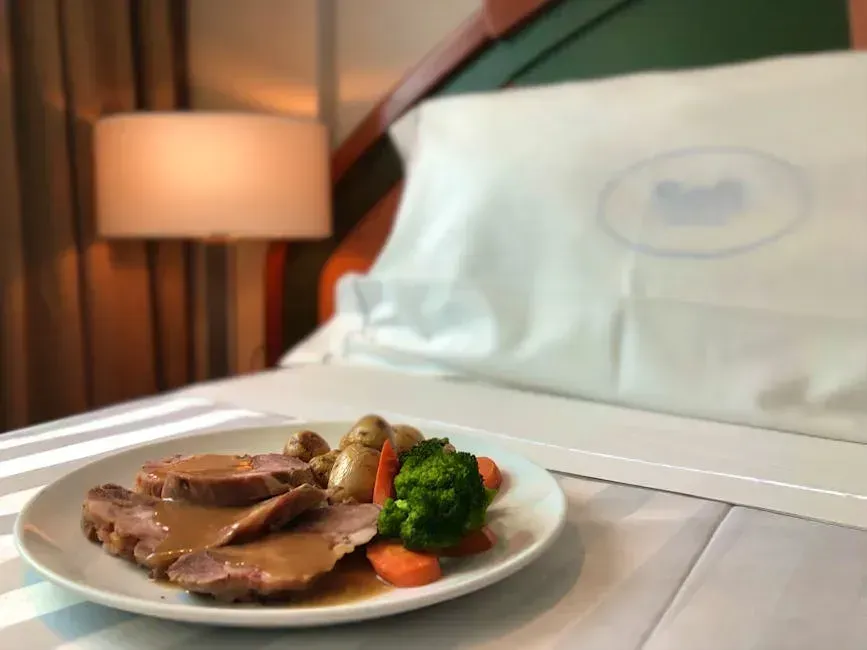
When guests eat in their rooms, leftovers end up in the trash, crumbs get into the bed or onto the floor, and the remnants of a meal create what is essentially a small crime scene by checkout. Scattered dishes also create a hygiene issue that goes beyond appearances, since food attracts pests, and even in high-end hotels, a room that regularly shows up with leftover food exposed can contribute to problems that affect the whole floor.
Housekeepers report finding coffee cups everywhere – on nightstands, desks, bathroom counters, and windowsills. Spilled coffee can stain furniture and linens, and dairy or sugar left in those cups adds real sanitation concerns. Staff with experience point out that if something is not in the bin, they cannot assume it is trash, since they are trained not to throw away guests’ belongings – which means neatly stacked wrappers or containers often get left behind.
Requesting a Late Checkout at the Very Last Minute

Guest complaints about check-in and check-out timings are frequent, and the ripple effect of a last-minute late checkout request is something housekeepers feel instantly. The entire cleaning schedule for a floor is built around predictable checkout times, and when one room holds over by two hours without notice, it can delay multiple rooms from being ready for incoming guests that afternoon.
Guests who ask for late checkout present a real challenge because the longer guests stay in their rooms, the less time housekeeping has to turn over the room for the next round of guests. When a guest simply refuses to leave until mid-afternoon on a day when checkout is noon, it creates a chain reaction that nobody wins. If a late checkout is genuinely needed, communicating it as early as possible makes an enormous difference – the gap between requesting it the night before and requesting it at the last possible moment before standard checkout is enormous.
Never Leaving a Tip – Not Even Once
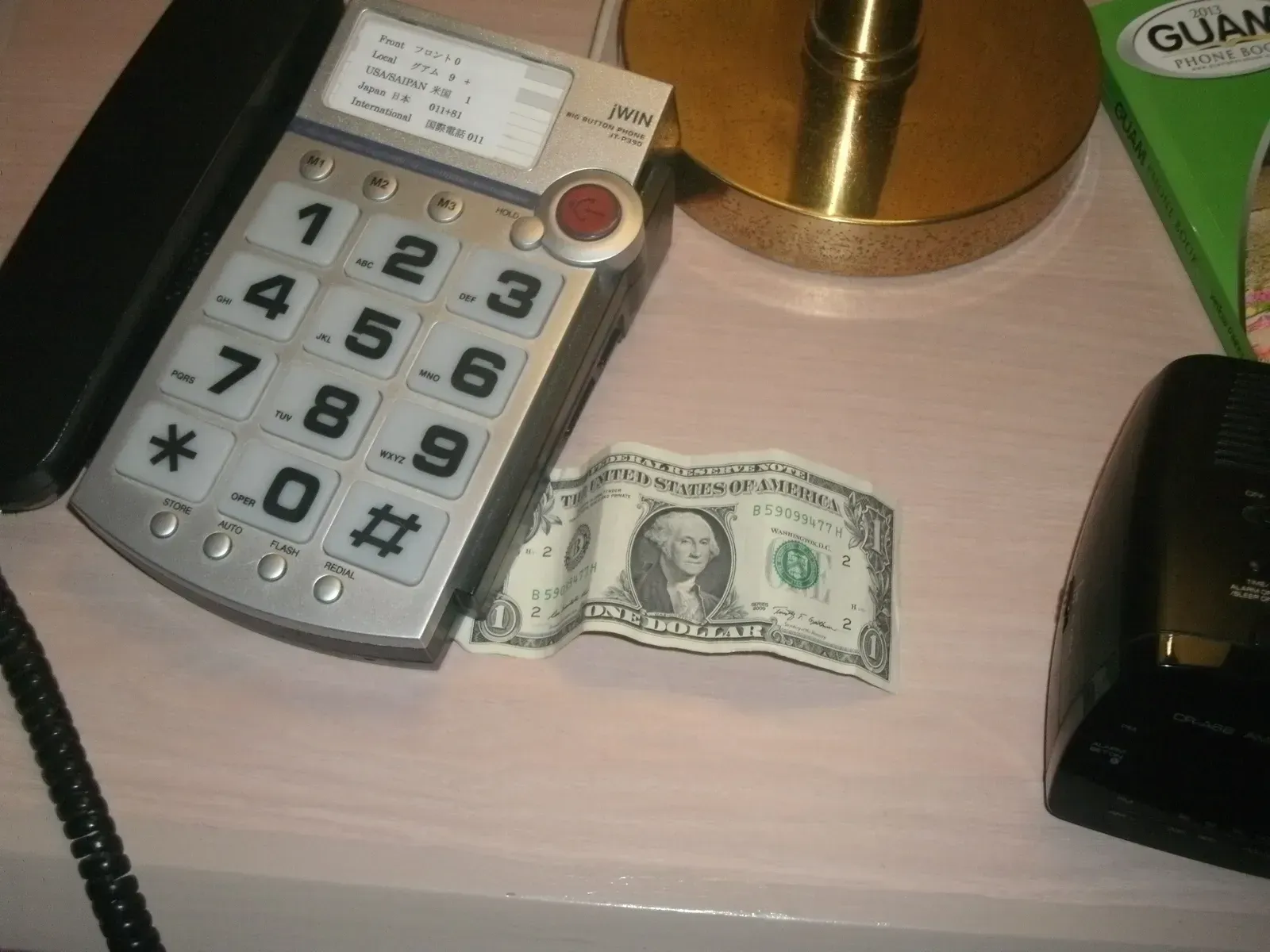
Studies show that only roughly 20 to 30 percent of hotel guests leave a gratuity for the people who clean their rooms, meaning the vast majority of guests walk out the door without leaving a single dollar. The percentage of Americans who always tip hotel housekeepers has been steadily declining, falling to just 23 percent according to a Bankrate survey – meaning the vast majority of guests check out without leaving a single dollar for the person who cleaned their toilet, made their bed, and hauled away their trash.
Etiquette experts advise leaving a tip before heading out for the day rather than depositing a lump sum at the end of a stay, since staff schedules rotate and employees take time off, so this ensures that the person who actually cleaned the room receives the gratuity. The average hourly wage for housekeepers in the U.S. sits at around $14.40 according to the Bureau of Labor Statistics, with tips at standard hotels generally expected in the range of $5 to $10 per night. It’s a small act of acknowledgment that goes a long way for people doing physically demanding, often invisible work.
None of these habits require a dramatic change in behavior. Gathering trash in one spot, keeping towels visible, eating without leaving behind a scattered aftermath, planning checkout timing in advance, and leaving a few dollars on the nightstand – these are small things in isolation. Together, they can be the difference between a housekeeper who finishes on time and one who clocks out late, exhausted, having run through fifteen rooms on an understaffed floor. That’s worth knowing before the next checkout.