
The Mountain Lion – Nature’s Ultimate Hide-and-Seek Champion
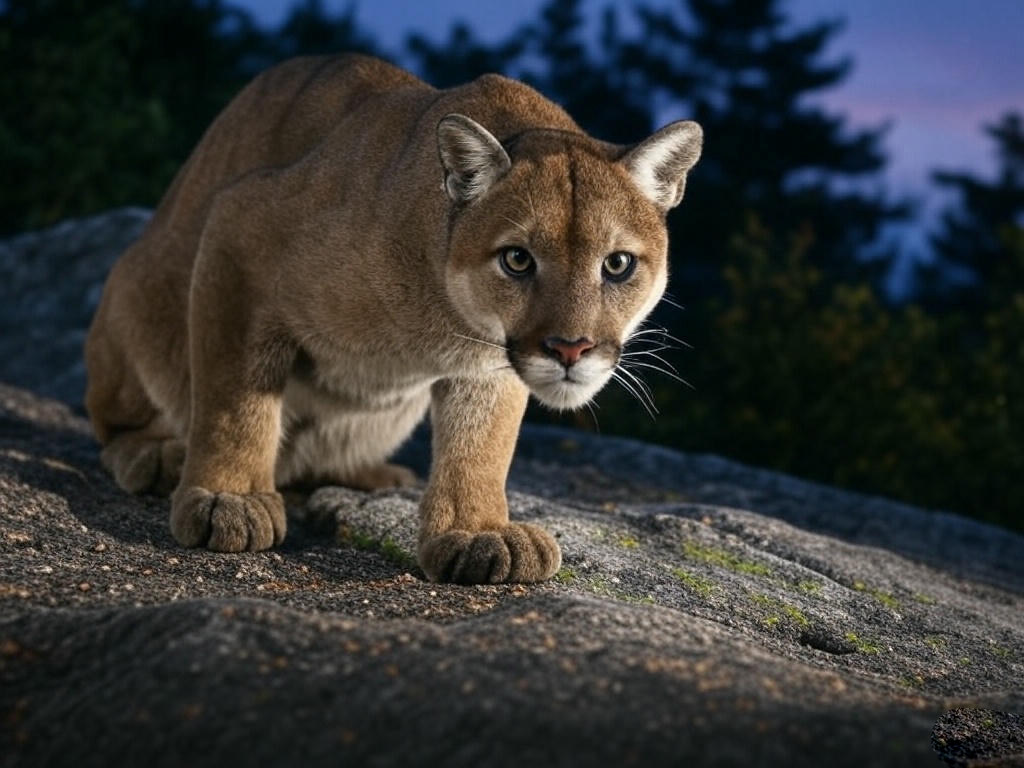
Mountain lions will see you long before you ever see it, making them perhaps the most elusive of all dangerous animals. Despite their fearsome reputation, they are afraid of encounters with mankind and are more likely to run away or hide than to attack. In North America, only 126 attacks from a mountain lion have been recorded in the last 100 years, with 27 of those attacks being fatal.
These magnificent cats possess incredible stealth abilities that would make them formidable predators, yet once the mountain lion realizes he’s not prey, it’s quickly lost interest. Their natural instinct is avoidance, not aggression.
Research shows that between 1986 and 2014, there were only 14 verified mountain lion attacks on humans in CA. You have a much better chance of dying while driving to the trail, with 36,000 Americans dying in motor vehicle accidents every year. This puts their danger into perspective – your commute is statistically far more perilous than hiking in mountain lion country.
Black Bears – The Surprisingly Speedy Escape Artists
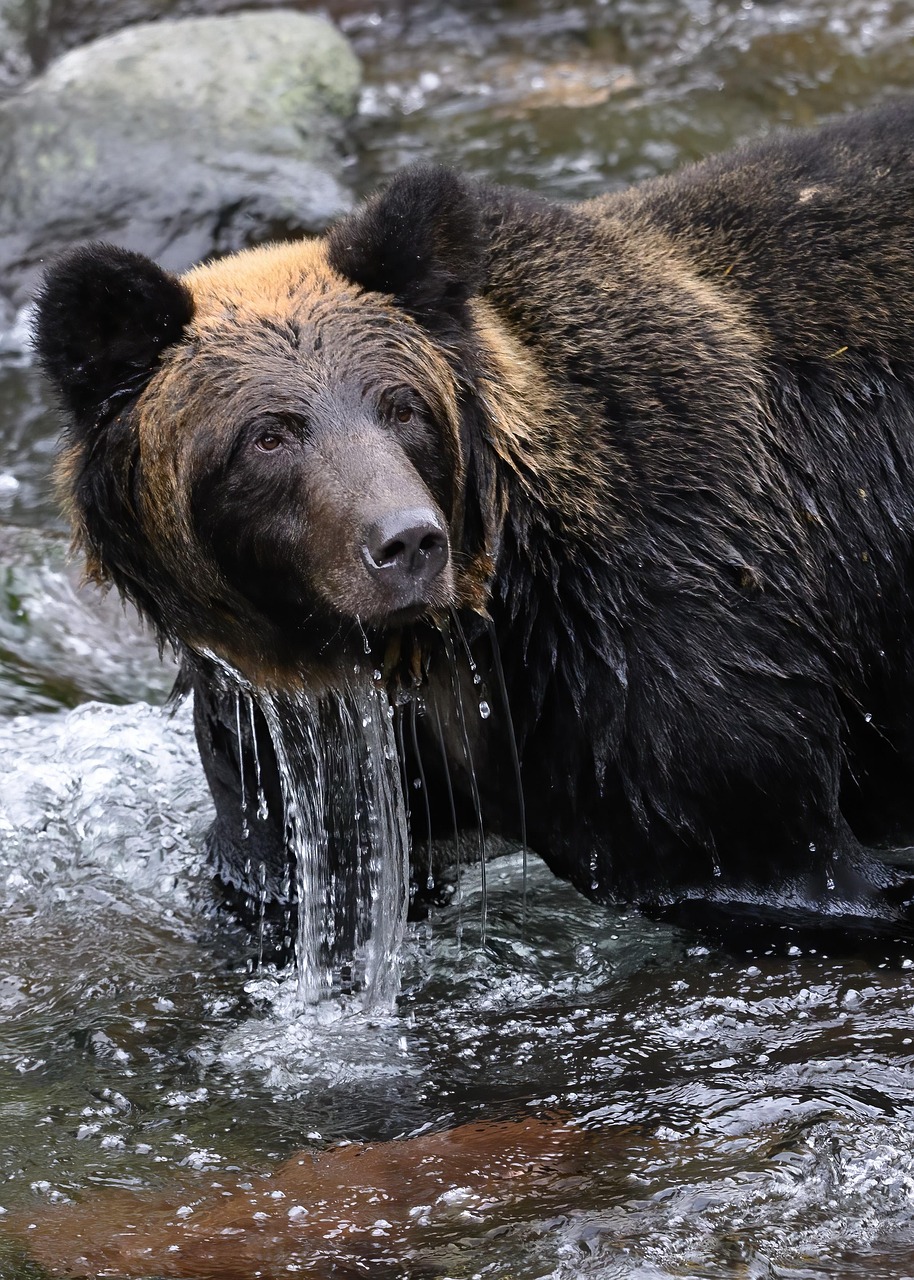
Think bears are slow and clumsy? Think again. Bears can move surprisingly fast, even through dense cover that would seriously impede a human or a horse, yet their default response to human encounters is retreat. The black bears have always run away, according to experienced backpackers who’ve encountered them over decades.
One hiker’s account perfectly illustrates this behavior: When the critter saw me, it ran away FAST. The speed really surprised many witnesses, demonstrating that bears use their athleticism for escape rather than confrontation.
In bear country, people should hike in groups and periodically yell “Hey bear,” to give animals time to leave the vicinity before an encounter. This simple precaution works precisely because bears actively avoid human contact. Their excellent hearing allows them to detect approaching hikers and disappear long before a meeting occurs.
Wolves – The Misunderstood Pack Hunters
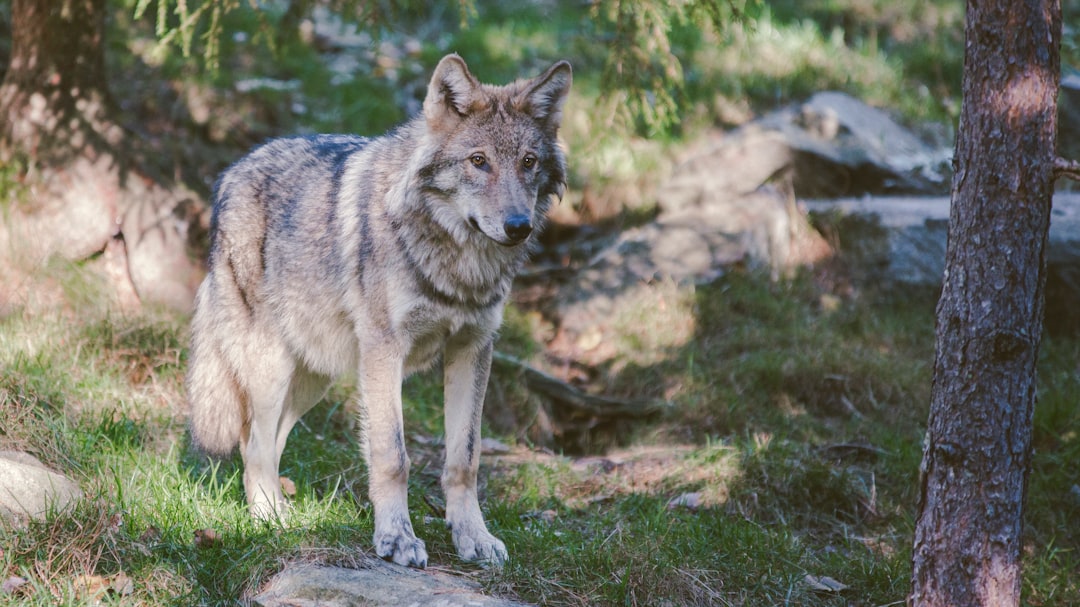
Wolves might be the most misunderstood predators on this list. They tend to fear and avoid humans, especially in North America, despite their fearsome reputation in folklore. Like many large carnivores, wolves are generally afraid of humans and will avoid people, buildings, and roads if possible. The risk of wolves attacking or killing people is low.
The statistics are remarkable: Between 1900-2000, a 100-year period, the study found only 16 cases where wild, healthy wolves bit people across Alaska and Canada, where over 60,000 wolves live. According to the latest research, which studied worldwide data from 2002 to 2020, the risks associated with a wolf attack are “above zero, but far too low to calculate.” The researchers uncovered at least 26 fatal attacks by wolves globally during this 18-year period.
Even more telling, no wolf has attacked a human in Yellowstone National Park since wolves returned in 1995. Yellowstone receives 4 million visitors per year, including tent campers. About 100 wolves live in Yellowstone and are exposed to people, with few issues. This demonstrates their natural inclination to coexist peacefully with humans when left undisturbed.
Tigers – The Ambush Predators Who Prefer Solitude
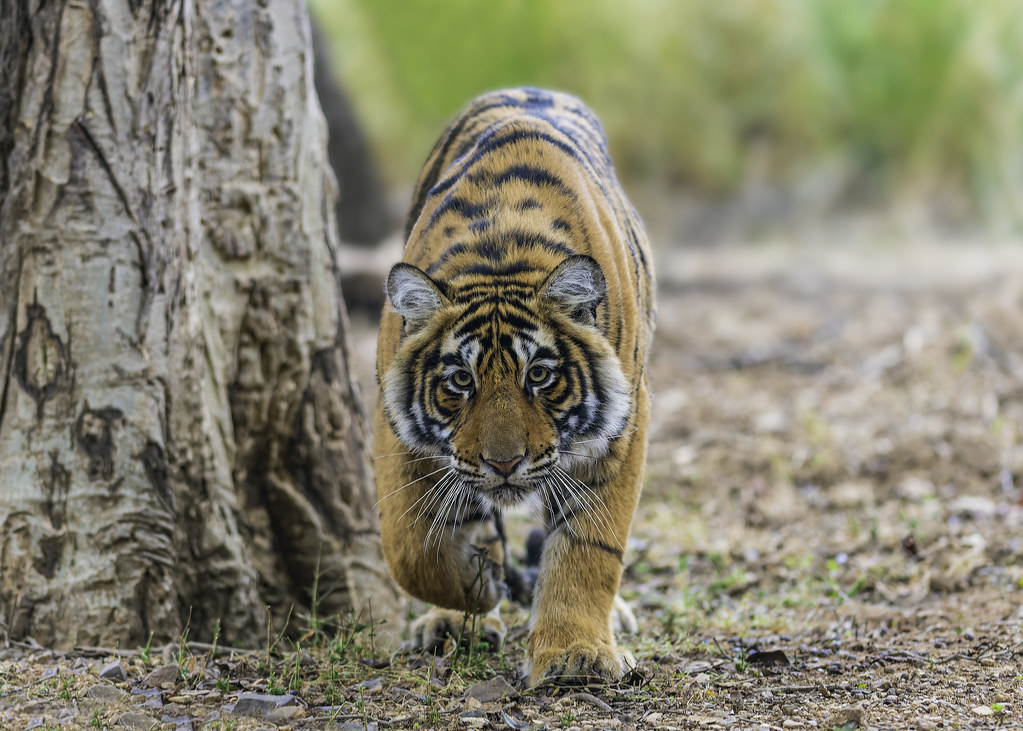
Tigers are arguably the most physically capable predators on this list, yet tigers, while our first “very fast” animal on this list, are ambush hunters and will quickly stop chasing you. Their hunting strategy relies entirely on surprise, making them more likely to retreat when discovered than to engage in prolonged confrontation.
Because these cats are solitary, they are more susceptible to an attack than a lion who lives in a pride, yet this solitary nature also makes them more cautious around humans. They lack the backup of a pride, making discretion the better part of valor in most encounters.
Historically, tigers have shown remarkable adaptability in avoiding human contact. The animals with the strength or tools to kill these big cats mainly do so in defense, suggesting that even apex predators recognize the threat humans pose and prefer avoidance strategies. Their incredible stealth abilities are used primarily for hunting prey animals, not stalking humans.
Javelinas – The Desert’s Misunderstood Residents
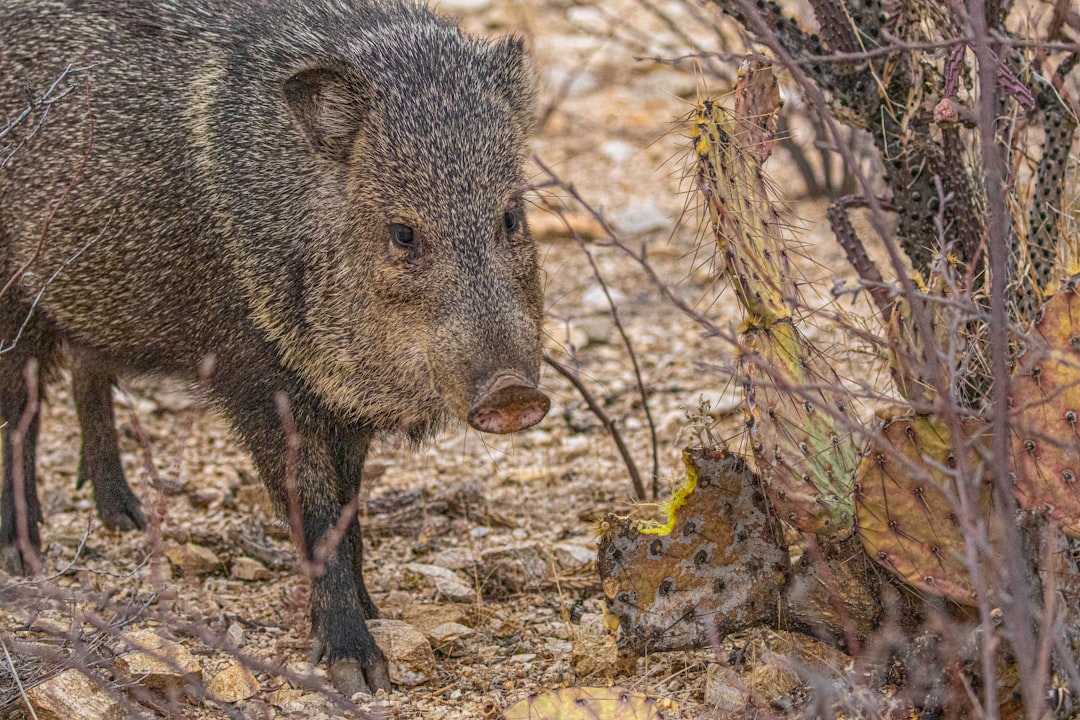
Despite their intimidating tusks and tendency to travel in groups, javelinas try to avoid humans in most situations. Javelina have long held an undeserved reputation for ferocity, when in reality they’re primarily concerned with finding food and avoiding conflicts.
Javelina usually cause only minor problems for people by surprising them or eating a few plants. The key word here is “surprising” – encounters typically occur when neither species expects the other. When startled, javelina will either defend themselves or scatter in a hurry.
Most problems arise from human behavior, not javelina aggression. Javelina occasionally bite humans, but incidents of bites are almost always associated with people providing the javelina with food. When left to their natural behaviors, these desert dwellers prefer to maintain their distance from human settlements.
Leopards – The Stealthy Ghosts of the Wild
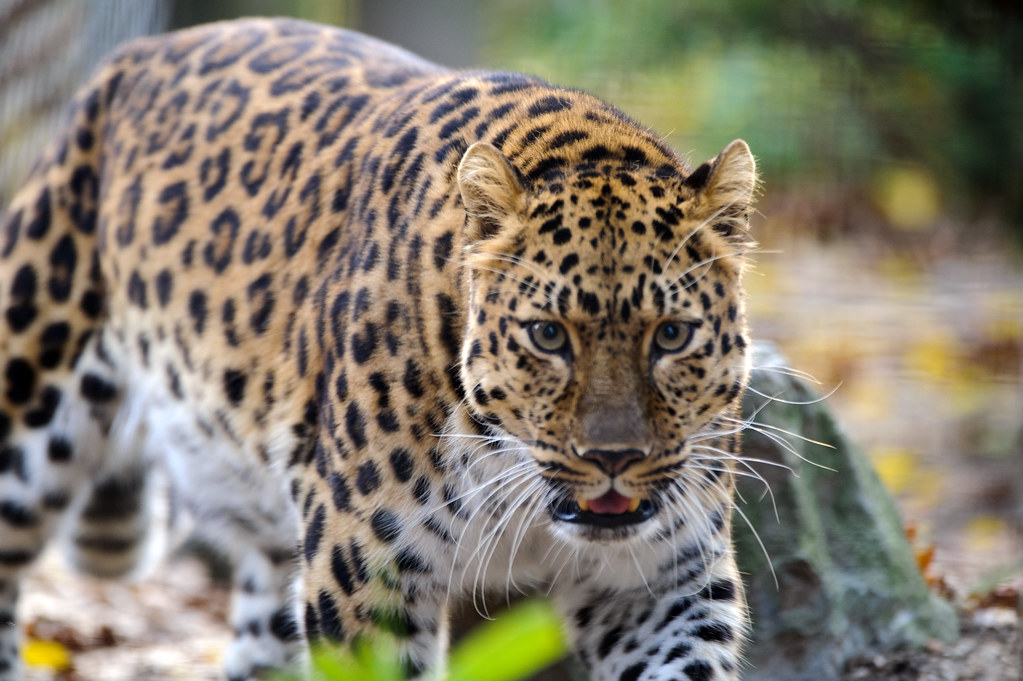
Leopards possess perhaps the most impressive physical capabilities of any big cat, yet while leopards generally avoid humans, they tolerate proximity to humans better than lions and tigers. This tolerance doesn’t translate to aggression – rather, it demonstrates their ability to coexist when necessary.
Leopards can run more than 60 kilometres per hour (37 mph), leap more than 6 metres (20 ft) horizontally and 3 metres (9.8 ft) vertically, and have a more developed sense of smell than tigers. They are strong climbers and can descend down a tree headfirst. These incredible abilities could make them formidable opponents, yet they use these skills primarily for hunting prey and escaping threats.
Their reputation as man-eaters is largely historical, with most incidents occurring in specific circumstances where natural prey was scarce or the animals were injured. Man-eating leopards have earned a reputation as being particularly bold and difficult to track. British hunters Jim Corbett (1875–1955) and Kenneth Anderson (1910–1974) wrote that hunting leopards presented more challenges than any other animal – not because they were aggressive, but because they were so skilled at avoidance.
Wild Boar – The Surprisingly Fast Forest Bulldozers
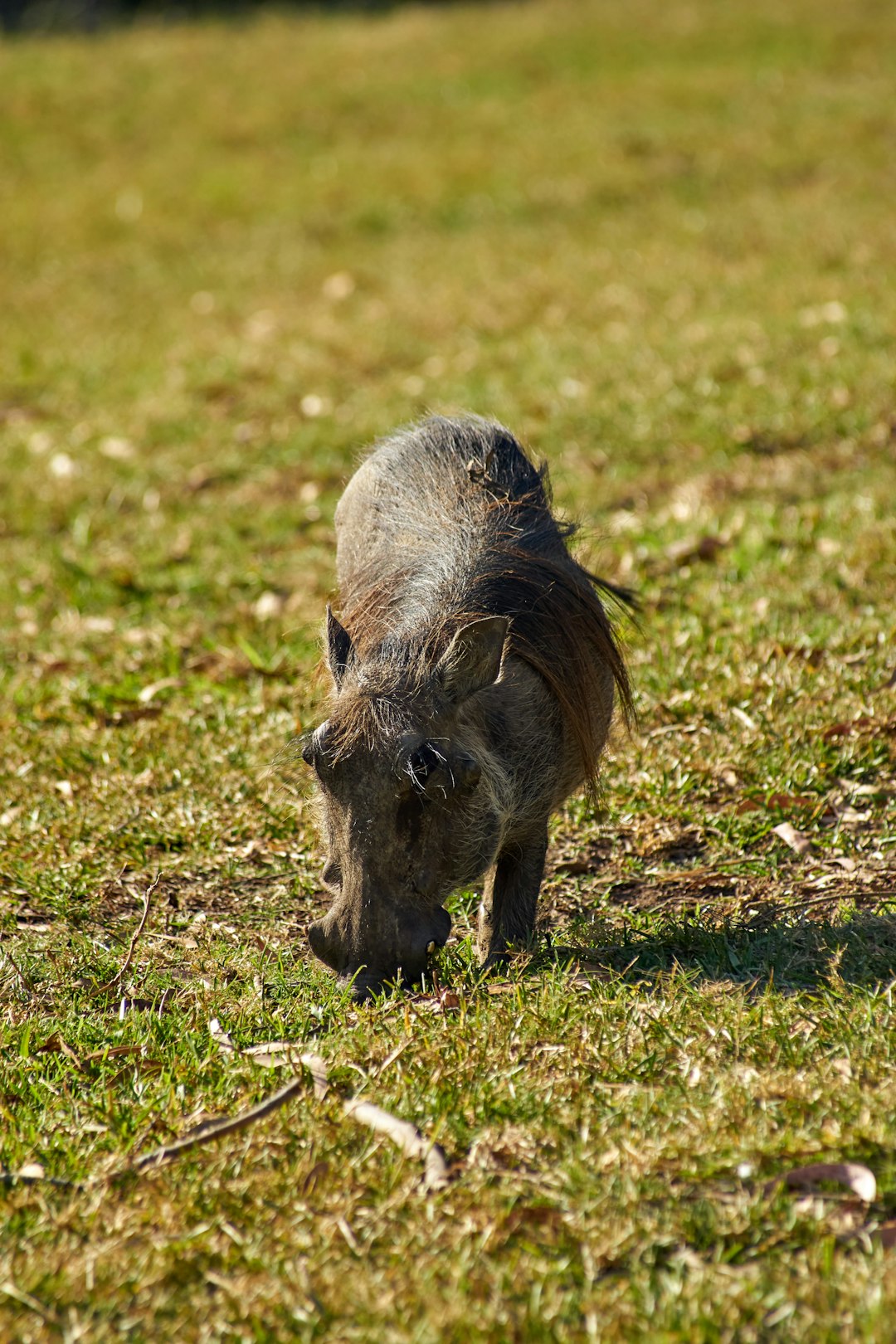
Wild boar might look slow and cumbersome, but they’re deceptively quick when they need to escape. Wild Boar Top Speed: 30 miles per hour Maintainable Distance: 1 mile. Finally, we get to how fast a pig can run a mile! Very fast. Despite their impressive tusks and weight over 600 pounds, grow a skin “shield,” and have sharp tusks, they generally prefer flight over fight.
Their aggressive reputation often stems from protective behavior around their young or when cornered with no escape route. In normal circumstances, wild boar use their impressive speed and agility to disappear into dense vegetation where humans cannot follow.
The key to understanding wild boar behavior lies in recognizing that their physical capabilities evolved for survival, not aggression. Their speed, strength, and defensive features serve them best when used to avoid confrontation entirely. They’re more likely to use that 30-mph sprint to put distance between themselves and potential threats than to charge toward danger.
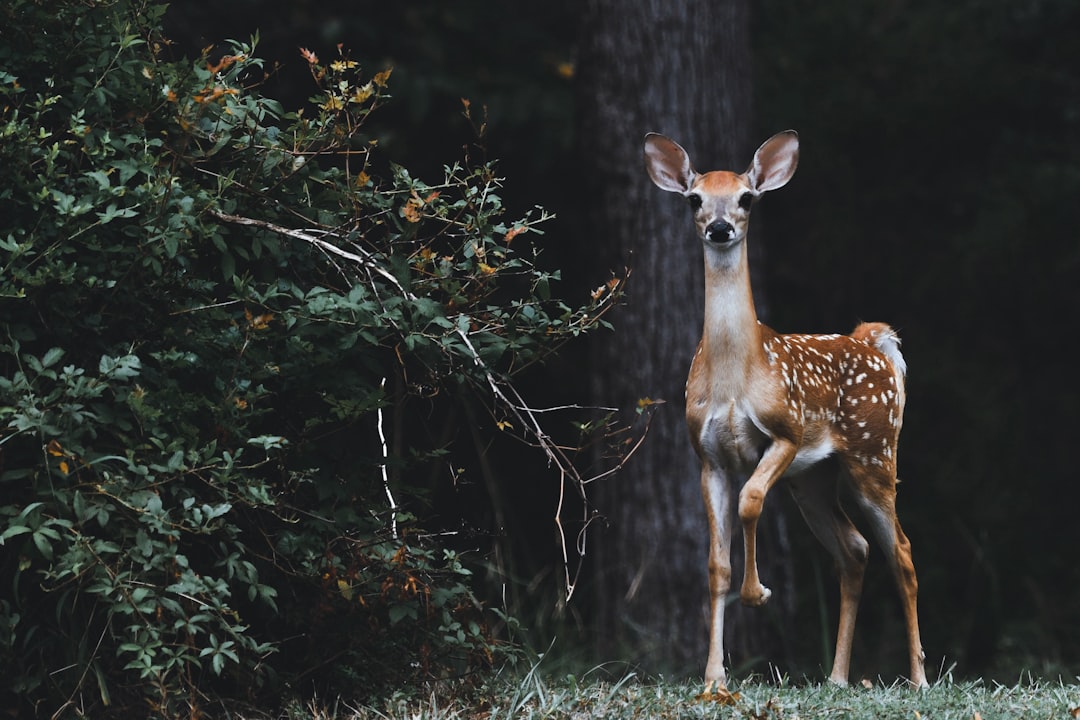
Deer – The Surprisingly Deadly Gentle Giants
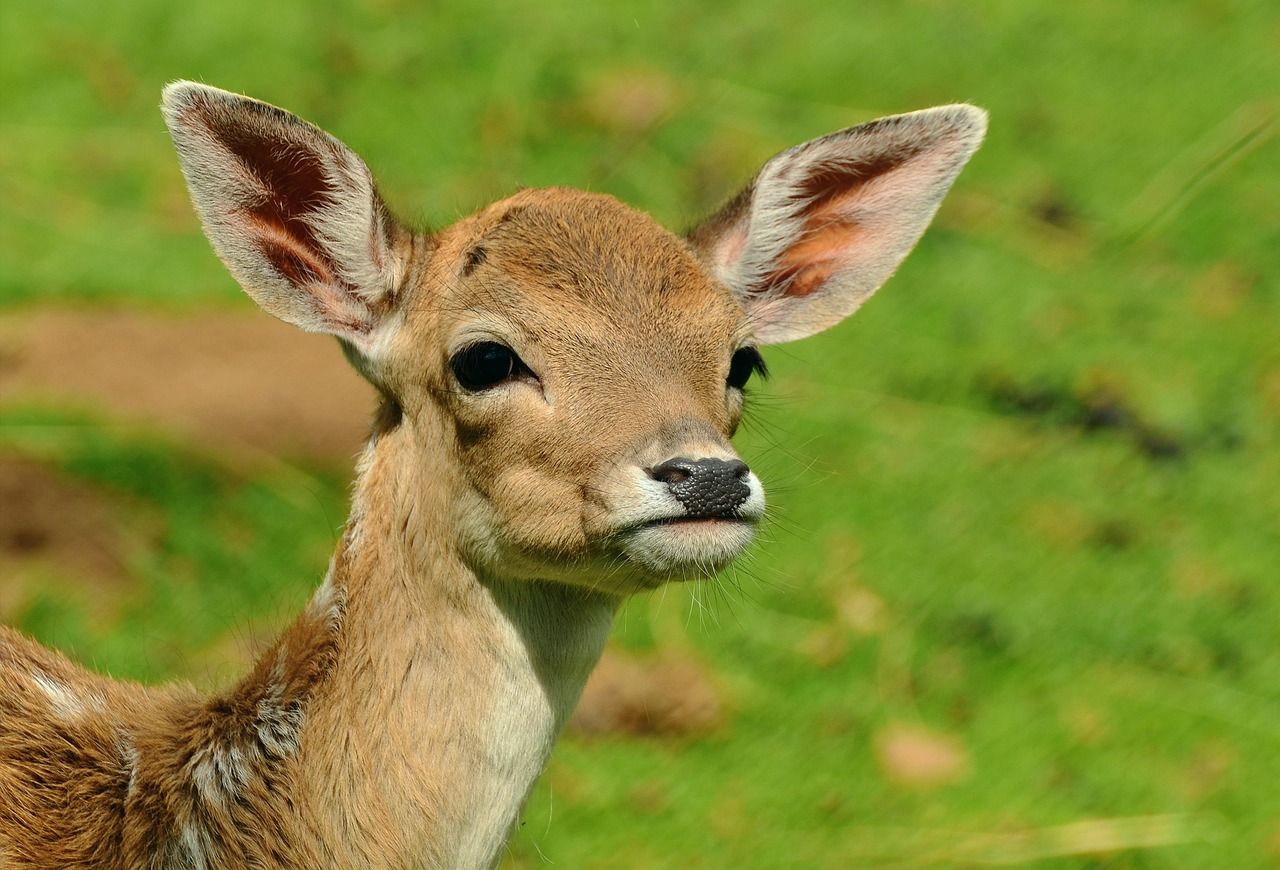
This might be the most shocking entry on our list. Being a herbivore, many would probably consider the deer a safe animal. But as we’ve seen, the deadliest amongst them are the ones we least expect. America’s most dangerous animal is the Deer according to recent statistics.
The danger doesn’t come from deliberate attacks but from vehicle collisions when deer flee across roads. Their natural flight response, which serves them well in avoiding predators, can unfortunately put them in the path of automobiles. Though vegetarians, they kill more than 2000 people a year through these tragic accidents.
If enough mule deer avoid the forest interior for the safety of an open meadow, they will eat more plants in the open meadow than the forest, showing how their avoidance behavior shapes entire ecosystems. Even when creating ecological changes, deer do so through avoidance and movement patterns rather than confrontation.
Why These Animals Choose Flight Over Fight
Here’s something that might surprise you – these animals aren’t backing down because they’re weak or cowardly. They’re making calculated survival decisions that have been hardwired through millions of years of evolution. Fighting is incredibly risky, even for apex predators. A single injury, even a minor one, can mean starvation or becoming vulnerable to other threats in the wild. That’s why a mountain lion would rather sprint away than risk a broken claw, and why a black bear prefers to climb a tree instead of engaging with an unknown threat. Energy conservation plays a huge role too. Hunting or fighting burns massive amounts of calories that these animals can’t afford to waste on unnecessary confrontations. Scientists have found that animals with the strongest flight responses often have the highest survival rates in their populations. It’s not about being chicken – it’s about being smart enough to live another day. The real danger emerges when we accidentally corner these animals or surprise them, removing their preferred escape route and forcing them into defensive mode they desperately wanted to avoid.