
Most people assume that the habits they carry into adulthood will naturally sort themselves out with enough time, experience, or willpower. The reality is more stubborn than that. Research from Duke University shows that habits drive about 40 percent of our daily behaviors, which means a meaningful chunk of every single day is operating on autopilot, including the patterns we’d most like to change.
Some habits feel especially resistant, not because the person is weak or unwilling, but because the brain has spent years reinforcing them. Neural pathways become deeply imprinted with behavioral patterns, making old habits stubborn and new ones challenging to establish. The seven habits below are the ones adults most commonly fear they’ll carry with them indefinitely.
1. Chronic Procrastination

Procrastination is probably the habit people feel the most guilt about, and also the one they most often misunderstand. Research by Joseph Ferrari, a professor of psychology at DePaul University, has found that around 20 percent of U.S. adults are chronic procrastinators. Procrastination is not simply a matter of poor time management or laziness; it is a complex behavior involving various psychological triggers and underlying factors. That distinction matters enormously. Labeling yourself lazy doesn’t get you any closer to changing the behavior.
Chronic or habitual procrastination can be understood as a relatively stable personality trait reflecting difficulties in emotion regulation. In other words, people aren’t avoiding the task itself. They’re avoiding the uncomfortable feelings the task stirs up. Procrastination may relieve pressure in the moment, but it can have steep emotional, physical, and practical costs. Students who routinely procrastinate tend to get lower grades, workers who procrastinate produce lower-quality work, and habitual procrastinators can experience reduced well-being in the form of insomnia or immune system and gastrointestinal disturbance.
2. Endless Phone Scrolling

Scrolling through a feed for “just a few minutes” before bed, or reflexively reaching for a phone during any quiet moment, has become one of the defining habits of modern adult life. A 2024 Reviews.org survey found that over 43 percent of Americans admit feeling addicted to their phones. Meanwhile, nearly four in five said they feel uneasy when they leave their phone behind. That unease is itself a signal of how deeply the behavior has taken root.
Social media use after lights out is a strong predictor of poor sleep, as checking notifications and scrolling before bed can quickly become an automatic habit. Studies have shown that nighttime-specific social media use is linked to shorter sleep duration, later bedtimes, and lower sleep quality. According to a 2024 study in the National Library of Medicine database, people logging more than two hours a day report digital eye strain and poor sleep. The habit compounds quietly, night after night, until the damage is hard to ignore.
3. Negative Self-Talk

Few habits are as invisible and as corrosive as the running commentary people keep about themselves. Negative self-talk is the persistent inner voice of self-criticism and self-doubt that evaluates, belittles, and undermines your thoughts, actions, and sense of worth. Everyone experiences moments of self-criticism, but negative self-talk becomes a problem when it shifts from occasional doubt into a relentless pattern of thinking that erodes self-esteem and blocks goal achievement. It often runs automatically, habitually, and sometimes completely below conscious awareness.
When you engage in repetitive negative thinking, your brain’s threat-detection center activates, treating your own thoughts as if they were an external danger. This kicks off a stress response: your body releases cortisol and adrenaline, the same hormones that surge when you’re in physical danger. Research in cognitive and behavioral therapies shows that persistent self-criticism increases anxiety, depression, avoidance, and burnout. Over time, these thoughts don’t just influence mood; they shape behavior and self-concept. The internal voice that formed in childhood tends to become the loudest one in the room.
4. People-Pleasing and Conflict Avoidance
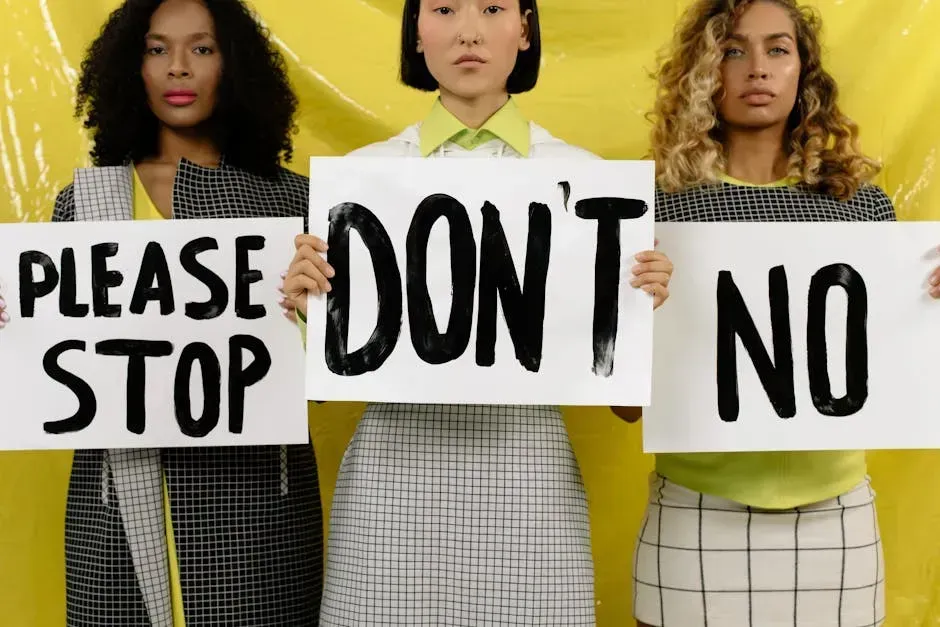
Many adults go through entire decades unable to say no, disagree openly, or hold a boundary without spiraling with anxiety. People-pleasing, sometimes described in clinical literature as “sociotropy” or “fawning,” is rooted in the desire to gain approval and avoid rejection. Those who adopt this behavior pattern often believe that being agreeable will protect them from conflict or abandonment. That belief usually has its roots in early experience, which makes it feel less like a choice and more like a fixed part of the personality.
Research has found that people-pleasers see fulfilling others’ needs as a way to prevent rejection, often staying quiet or compliant to maintain harmony. Yet this chronic accommodation can backfire, nurturing feelings of inferiority and avoidance of relationships altogether, increasing loneliness and distress. A large-scale adult study found that higher levels of conflict avoidance were associated with greater psychological distress. Specifically, among over 1,400 adults, those who reported high conflict avoidance scored significantly worse on distress measures than those who reported low avoidance. Keeping the peace, it turns out, often comes at a hidden personal cost.
5. Bedtime Procrastination and Disrupted Sleep

Staying up too late, even when exhausted, is remarkably common among adults who know better. It has a name in research circles: bedtime procrastination. This pattern reflects bedtime procrastination, where people delay sleep despite knowing it would be better for their health and well-being. In a study on an adult sample, nearly three quarters of people surveyed indicated that they go to bed later than they planned at least once a week, with no external reason for doing so.
The urge to stay connected keeps many people scrolling long past their intended bedtime, making sleep feel secondary to staying updated. Research shows that higher FOMO levels are linked to more frequent nighttime social media use and poorer sleep quality. The anticipation of new messages, posts, or updates can create a sense of social pressure to stay online and reinforce the habit of delaying sleep. The American Academy of Sleep Medicine recommends that adults get at least seven hours nightly, yet according to a 2025 survey, more than half of U.S. adults have tried one of this year’s viral social media trends related to sleep, suggesting the relationship between screens and sleep remains deeply tangled.
6. Avoidance of Uncomfortable Feelings

Emotional avoidance is sneaky. It doesn’t always look like avoidance. It can look like staying busy, binge-watching something, overplanning, or simply finding something more urgent to do whenever difficult feelings start to surface. People who experience frequent self-criticism often stop trying new things. They decline opportunities, delay decisions, or stay silent in conversations because their inner voice predicts failure before they even begin. This pattern limits growth without any external barrier.
Comments that parents, teachers, or peers may have made about mistakes or flaws remain as a negative inner dialogue throughout lives. A child who was told “you never can do anything right” may carry that through to adulthood. The habit of sidestepping discomfort then becomes its own loop: avoidance brings temporary relief, which reinforces the behavior, which makes the original feeling harder to approach the next time. Research shows that habits develop through repeated behavior in a consistent setting, making them resistant to change. Emotional avoidance is no different.
7. Comparison and the Social Media Measuring Stick
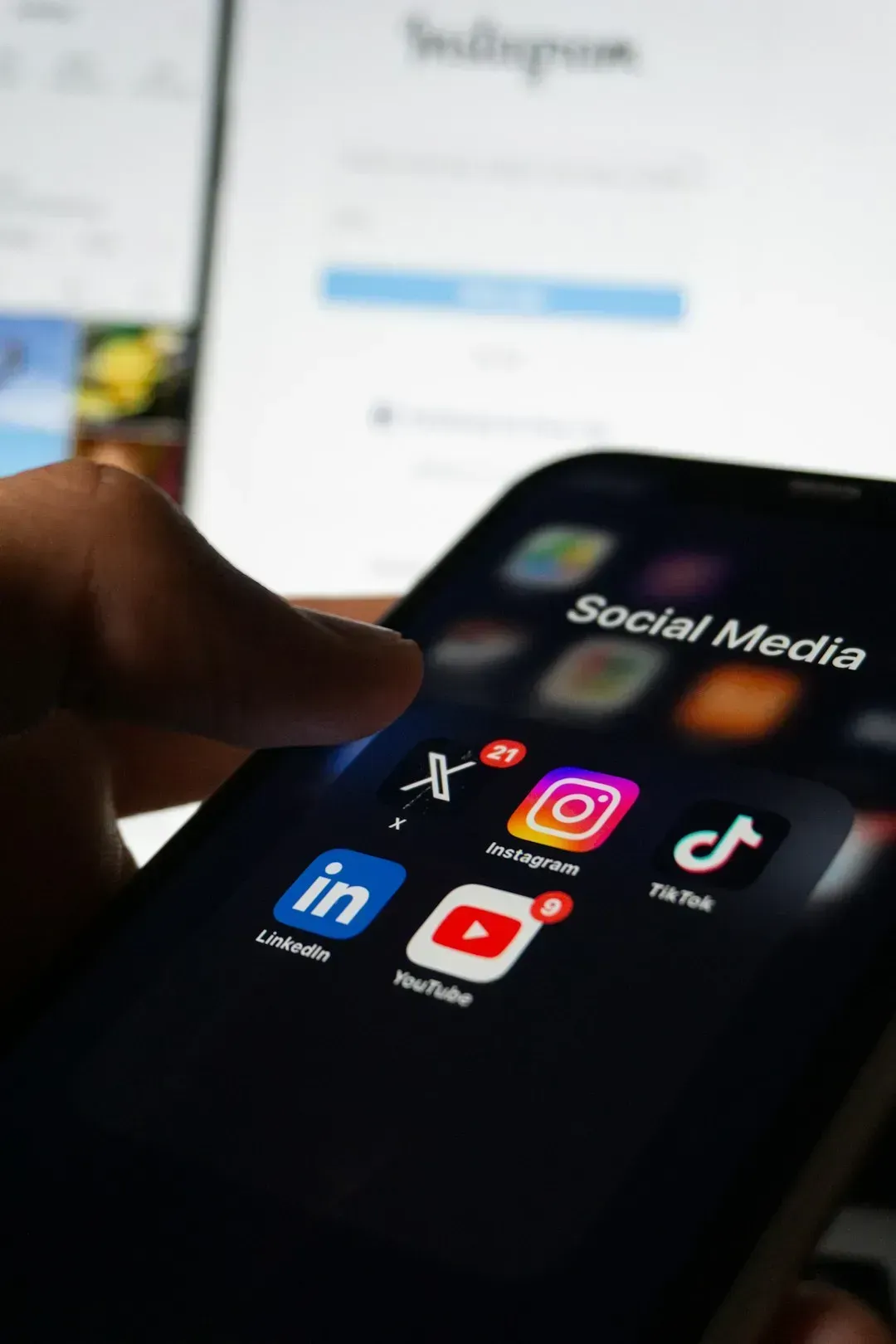
Comparing oneself to others is not new, but social media has given this habit an unprecedented delivery mechanism. Comparison-based thinking is common, especially with constant exposure to curated online lives. The problem is that the comparison rarely feels optional. It happens automatically, mid-scroll, long before any conscious decision to engage with it. In a 2024 study of 830 young adults, researchers found that frequent social media visits and emotional investment were stronger predictors of poor sleep and negative outcomes than total screen time. It’s not just about how long you’re on; it’s about how emotionally hooked you get.
From a neuroscience perspective, repeated negative self-talk and social comparison strengthen neural pathways associated with threat processing and self-evaluation. As these circuits become more established, the body’s stress response is activated more easily, reinforcing cycles of tension, fatigue, and emotional overwhelm. The broader issue is that comparison rarely produces motivation. More often, it produces a quiet, chronic sense of not being enough, which is one of the more exhausting habits a person can carry into their adult years.
None of these habits are signs of permanent character flaws. They’re patterns, and scientists explain habit persistence through the habit loop, which involves cues, routines, and rewards that determine which habits stick. Understanding that mechanism is actually the more useful starting point than willpower alone. The habits that feel most permanent are often the ones that have simply had the most practice, which also means they’re the ones most capable of being unlearned with the right approach.