Words leave marks. Not always visible ones, but the kind that quietly shape how a child sees themselves and the world around them. Most parents know this on some level, yet the phrases that cause the most lasting harm are rarely the cruel, obvious ones. They’re the everyday expressions spoken in rushed mornings, during homework battles, or in trying moments at the playground.
Psychologists note that it’s not the occasional sharp word that cuts deepest into a child’s emotional life. It’s the patterns. The repeated phrases that become a kind of internal soundtrack, ones that quietly communicate “you are too much” or “who you are doesn’t really matter.” Eight of those phrases deserve much closer attention than they typically get.
1. “You’re Okay” (When They’re Clearly Not)

When a child falls on the playground, scrapes a knee, or experiences emotional distress, many parents instinctively respond with “everything is fine.” While well-intentioned, parenting specialists have identified this common expression as potentially damaging to children’s emotional development. The reflex to reassure is natural. The problem is how it lands.
When parents rush to reassure without acknowledging what the child is actually feeling, they can accidentally send the message that the child’s emotions are wrong, exaggerated, or inconvenient. This premature reassurance teaches children that uncomfortable emotions should be suppressed rather than experienced, at a time when emotional literacy – the ability to recognize, understand, and manage one’s emotions – is a crucial life skill.
2. “Stop Crying or I’ll Give You Something to Cry About”
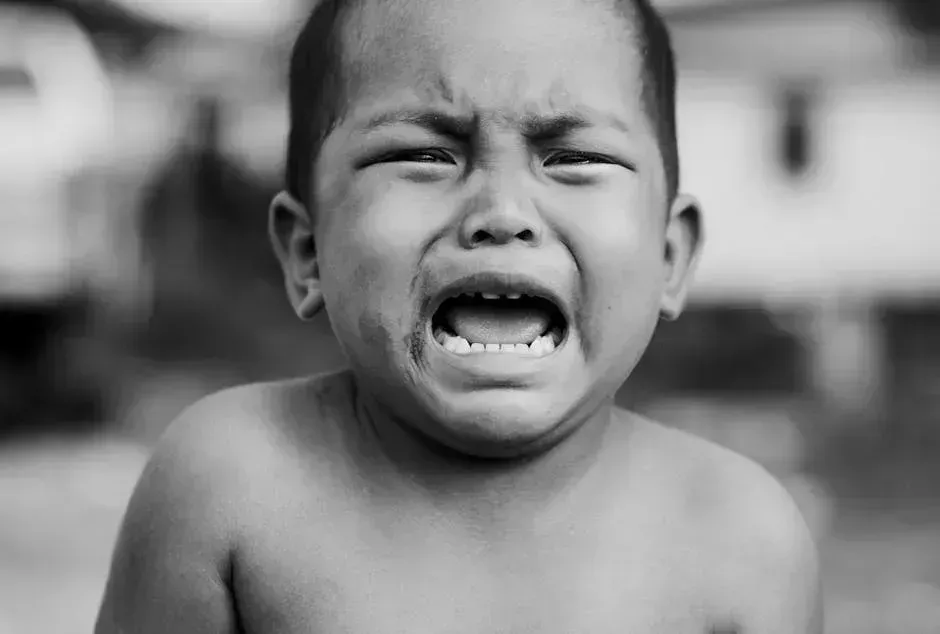
Children need to process emotions to develop healthy coping mechanisms. When kids learn their feelings are “wrong” or dangerous, they stuff them down. Those bottled emotions don’t disappear; they wait to surface later, often in adulthood. A phrase like this short-circuits that natural processing entirely.
In adulthood, this pattern can show up as emotional suppression, explosive anger because there’s no safe middle ground, or an inability to ask for help. Rather than trying to shut down crying, psychologists suggest treating it as a signal rather than a misbehavior, perhaps saying something like “Your crying is telling me something is really big for you right now” while giving a child’s nervous system space to reset.
3. “Why Can’t You Be More Like Your Sister/Brother?”
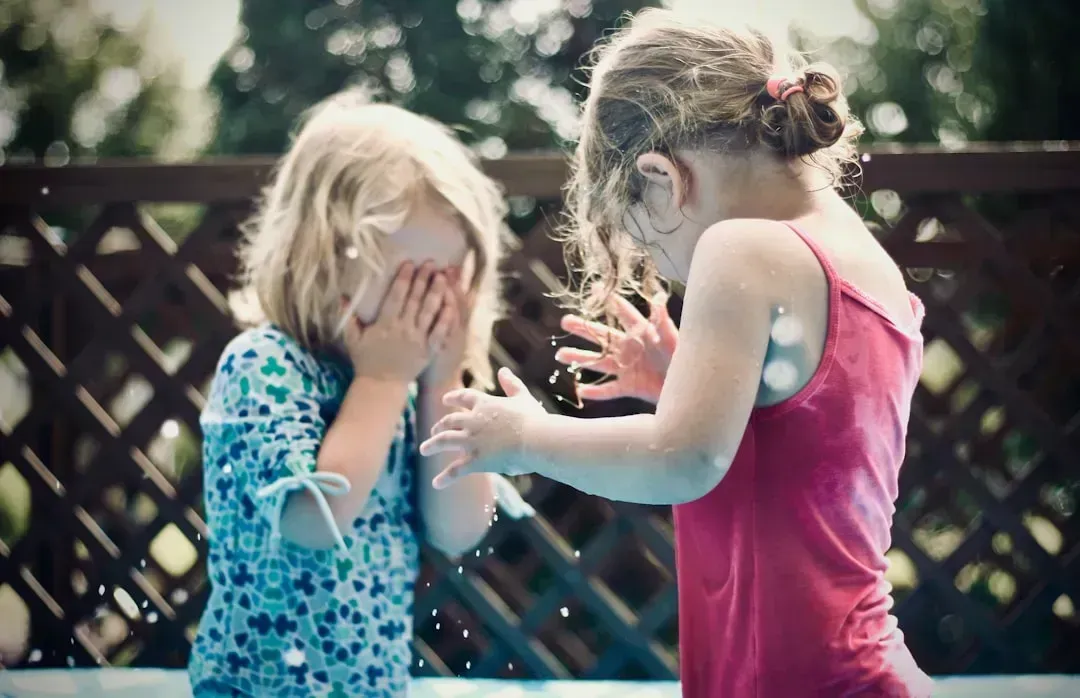
The phrase “Why can’t you be more like your sister?” might seem like it could motivate change. To a child, it feels like a verdict: who you are is not good enough. Psychologists warn that sibling comparison doesn’t just spark rivalry – it plants seeds of shame. That shame compounds quietly over time.
While this kind of statement might seem like it motivates better behavior, comparing children can harm a child’s social and emotional development. Rather than motivating, it can lead to jealousy, competitiveness, and shame. Over time, it can negatively impact a child’s self-esteem and create lasting sibling rivalry.
4. “Be Careful!” (Said Constantly)
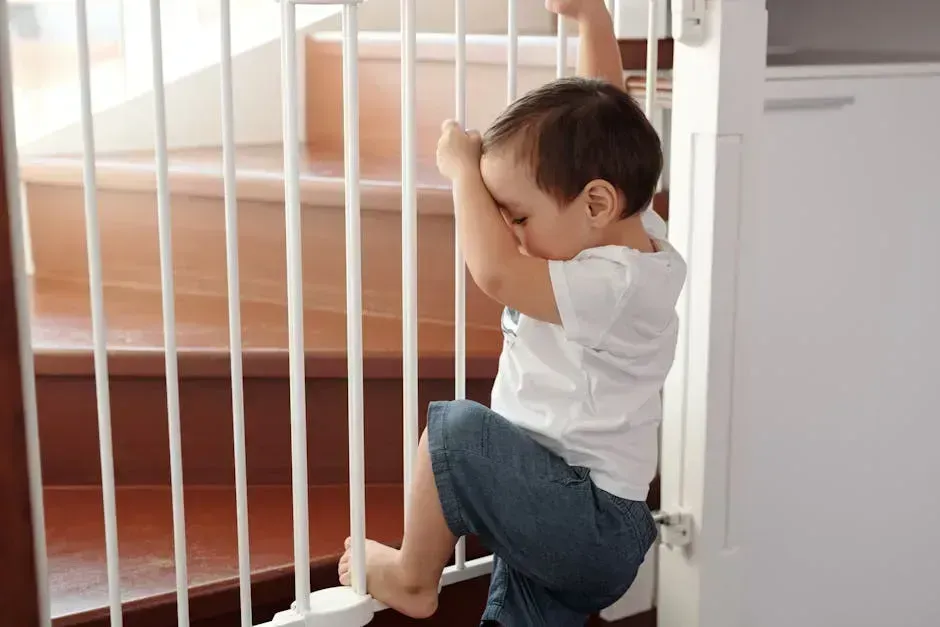
Although meant as protection, a steady diet of “be careful” can teach a child that the world is filled with hidden dangers. Children look to their caregivers to decide whether something is safe. When that message is repeated often enough, it becomes their baseline assumption about risk itself.
Instinctual protective phrases can accidentally cause anxiety and discourage healthy risk-taking in children. Psychologists warn that these habits and the phrases used to support them can unintentionally make children think the world is more threatening than it is. As a result, children may engage in less developmentally appropriate risk-taking and problem-solving, which makes it harder to build the emotional resilience they need.
5. “You’re Too Sensitive”

This phrase taught an entire generation to doubt their own feelings. Whether a child was upset about being teased or crying over a broken toy, being labeled “too sensitive” meant their emotional response was wrong, excessive, and shameful. The damage is subtle precisely because it sounds like a simple observation rather than a verdict.
A phrase like this frames emotional experiences as overreactions, which can cause kids to become deeply uncomfortable when they express themselves. As adults, these individuals may minimize their own needs or only express emotions when they feel completely justified, which can look like not talking about their feelings or saying things are “fine” when they’re not.
6. “I’m Disappointed in You”

Of all these phrases, this one often lands deepest. Children are exquisitely tuned to their caregivers’ approval – it’s survival-level important. Disappointment expressed as a personal failing rather than a situational response sends a very particular message: that the child themselves is the problem, not just the behavior.
Kids often hear this as “Don’t disappoint me” or “Your value depends on your behavior.” It creates pressure to perform or behave in very particular ways rather than creating the space to simply be themselves. Emotional invalidation, even when delivered quietly, can lead to internalizing symptoms like anxiety and externalizing symptoms like aggression or hyperactivity.
7. “You’re Making Me Sad/Stressed”

This one is subtle but powerful. When parents say things like “You’re making me sad” or “You’re stressing me out,” the message a child hears isn’t just “I’m having a hard time” – it’s “Your emotions are a burden.” For a developing mind, that distinction is enormous and not easy to untangle.
Placing inappropriate expectations or emotional responsibilities on a child, or consistently adding stress to an already stressed child, is recognized as a form of psychological harm. Children are not equipped to manage a parent’s emotional world, and when they feel responsible for it, anxiety tends to follow. A more grounded alternative is to model emotional ownership: “I’m feeling frustrated right now and need a moment.”
8. “Just Be Happy”

Ironically, kids feel pressured to act like everything’s fine, even when it’s not. Adolescents report that it feels exhausting trying to be happy around their parents all the time, which can cause them to retreat and hide their real feelings. Cheerfulness becomes a performance, and authenticity starts to feel dangerous.
Some parents worry that acknowledging negative emotions will prolong them, but research suggests the opposite is true. When feelings are validated, children typically move through them more efficiently and develop greater resilience. Rather than dismissing children’s emotions, experts recommend using validating phrases that acknowledge what the child is actually experiencing, helping them feel seen and understood while building their emotional intelligence.
None of these phrases come from a place of malice. Most come from love, exhaustion, or simply repeating what was said to us growing up. Research shows there is a direct relationship between adverse childhood experiences and lifelong negative consequences on physical and mental health, with verbal and emotional patterns forming a significant part of that picture. The encouraging part is that awareness itself changes things. Recognizing a pattern is usually the first step to replacing it with something that actually helps a child feel safe, understood, and capable of handling whatever life brings their way.