
The pitch for downsizing sounds almost too good. Less to maintain, a simpler budget, freedom from endless yard work, and a tidy life in a manageable space. For many homeowners, especially those entering or approaching retirement, it feels like the rational next step. The kids are gone. The rooms sit empty. The house is more work than it’s worth. So you sign the papers, hand over the keys, and expect to feel lighter.
What actually follows can be surprisingly hard. Not for everyone, but for far more people than the real estate brochures suggest. The regrets that surface after downsizing to a condo tend to be quiet at first – a hollow feeling in a hallway that’s too short, a balcony where a garden used to be. Then they become louder. This is an honest accounting of what those regrets look like, and why so many people who made the same move wish someone had told them first.
The Emotional Grief of Leaving Was Real, and Nobody Prepared Me for It

For many people, selling a longtime home means saying goodbye to decades of memories – the house where children grew up, holidays were celebrated, and life unfolded in ways that feel impossible to leave behind. That grief is real, but it tends to get dismissed. This grief response is often complicated by societal expectations that downsizing represents a positive “rightsizing” that should be embraced rather than mourned, and that mismatch between internal emotional experience and external expectations can leave people feeling misunderstood and isolated.
Data from the National Council on Aging shows that roughly two thirds of seniors report anxiety about the unknowns during residential transitions, with this percentage rising even higher for those moving into care communities rather than independent housing. The grief doesn’t announce itself in a single moment. It shows up on a quiet Tuesday afternoon when you reach for a wall that isn’t there, or when you realize there’s no room to pace during a long phone call.
The HOA Fees Were Nothing Like What I Budgeted For
A key force driving dissatisfaction among condo owners is the escalating cost of ownership, particularly skyrocketing HOA fees. Many condominium owners pay monthly homeowners association fees for building maintenance, amenities, and reserves, and in the last five years, these fees have surged dramatically in numerous markets. The numbers tell a clear story. Nationwide, the median monthly assessment for homes listed for sale was up roughly 15 percent in 2024 from the year earlier, according to Realtor.com, with the median reaching $148 in 2024 compared to roughly $126 in 2023.
It’s not uncommon, especially in newer luxury developments or coastal areas, to see HOA dues ranging from $1,000 up to $2,000 per month. On top of that, in 2024, nearly three quarters of HOA boards planned increases of up to 10 percent, while roughly one in five had to push increases between 11 and 25 percent. The fee you agree to in year one rarely holds. Residents of condo buildings typically must pay HOA fees to cover routine maintenance expenses and other property costs, and those fees can range from $200 to $750 per month or more depending on where you live – before any increases kick in.
Special Assessments Hit Like a Financial Ambush

A special assessment is a one-time charge to condo owners for major repairs or unexpected expenses that aren’t covered by regular condo fees or the building’s reserve fund. Unlike your monthly dues, there’s no gradual warning. Boards turn to special assessments for a few key reasons: unexpected emergencies such as flood damage, structural issues, or equipment failures, and capital projects where there aren’t enough reserves, including elevator modernization, lobby renovations, or roof replacement.
Far too many HOAs have severely underfunded reserves, and when an emergency occurs or the need for major repairs arises, these associations have nowhere to pull funds from, resulting in a hefty increase in regular dues or a significant special assessment. The scale of these charges can be staggering. In one documented 2024 case in Florida, condo buyers were informed approximately five months after closing that a special assessment for elevators had been levied, and they were required to pay more than $91,000 for their share. Reviewing a building’s reserve fund health before buying isn’t optional – it’s essential.
The Financial Math Wasn’t Nearly as Clean as Everyone Promised

Ongoing costs for a new condo include homeowners insurance, property taxes, state and local taxes, and homeowners association fees. Stack those together and the savings can look far less impressive. There’s also the cost of getting there. On average, selling a home costs more than $31,000, according to data from HomeLight, including the costs of preparing the home for sale, real estate agents’ commissions, closing fees, and taxes.
Homeowners looking to downsize and move from colder regions to a warmer climate may find that home prices have increased so much in the Sun Belt that they end up buying a smaller home for the same or higher price than the sale price of their existing home. The equity windfall you imagined may shrink considerably once all those transaction costs, moving expenses, new furniture purchases, and rising HOA fees are factored in. If you’re considering downsizing to a condo, be aware that it might not appreciate as much as your single-family home would.
Losing My Outdoor Space Was a Deeper Loss Than I Ever Anticipated
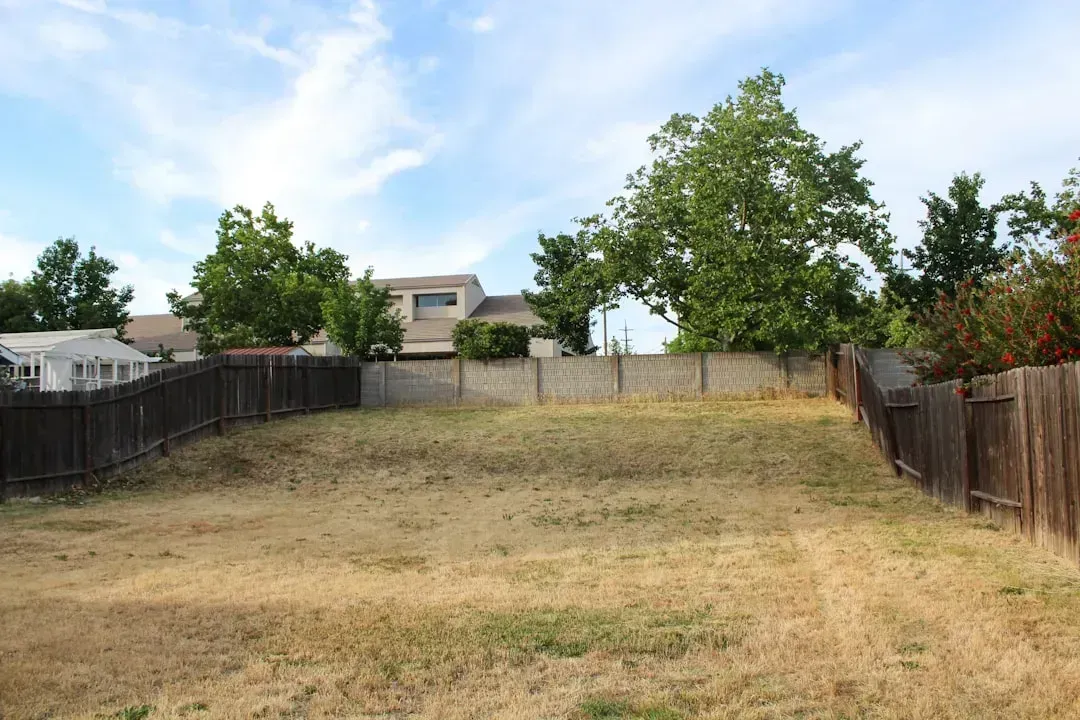
Many apartments and smaller homes don’t have the space for a private yard or a garden, and if that’s something you enjoy, losing it could be something you end up regretting later. There’s something deeply human about having ground you can call yours, and a balcony, no matter how nice, is not the same thing. The outdoor loss is not merely practical. Research shows that living close to parks or having vegetation around one’s home is associated with general mental well-being and may have cumulative benefits over time, with some studies linking plentiful trees and grassland to a decreased probability of depression.
If you’re an avid gardener or someone who simply enjoys keeping your own grass green, taking a step back from lawn care can be an unexpected challenge. Additionally, your condo’s green space is often a communal area, so sharing it with neighbors is likely. A large backyard was perfect for gardening, barbecues, and outdoor activities. Downsizing may mean you’d have a smaller yard or no yard at all, and you’ll no longer have the open space for outdoor entertainment and relaxation.
The Loneliness of Starting Over Caught Me Completely Off Guard

Moving into a new neighborhood or condo community can be a significant adjustment, particularly if most of your friends live near your old home. While you can travel to see them, it’s important to branch out to meet your neighbors and get involved in local community events. That social rebuilding is harder and slower than anyone tells you. A setting with limited social opportunities can lead to loneliness, and loneliness is the part nobody puts in the glossy downsizing brochure – yet it’s the part that sneaks up on you with the most force.
The downsizing trend is actually softening among older homeowners, and there are very clear reasons why. Leaving a longtime home can lead to a feeling of loss of anchorage and disruption of identity and family order, which can also be emotionally destabilizing. The condo building offers physical proximity to other people. It doesn’t automatically offer community. Hallway nods and shared elevator rides are a poor substitute for neighbors you’ve known for fifteen years.
Letting Go of Belongings Was Far More Painful Than Decluttering Guides Suggest

One of the most significant drawbacks of moving to a condo is the reduced living space. Condos typically offer less square footage compared to single-family homes, and that reduced square footage isn’t just a number on a listing – it dictates your entire daily life, from how many people you can have over to whether your dining table even fits in the room. Every piece of furniture becomes a negotiation. Failing to downsize belongings is actually movers’ most common regret, cited by roughly one in five people, and the irony is that you’re caught either way – bring too much and struggle to fit it, or let it go and spend years missing it.
Downsizing with only finances in mind can have a major impact on emotional well-being, especially if it means selling, donating, or throwing out the things that bring nonmonetary value to your life. This is a common issue for people who move into a smaller home. The practical math of square footage collides directly with a lifetime of accumulated meaning. That spacious attic or basement once provided ample room for seasonal items and keepsakes, and downsizing often means losing that luxury entirely.
Hosting Family Became Complicated, and That Hurt More Than Expected
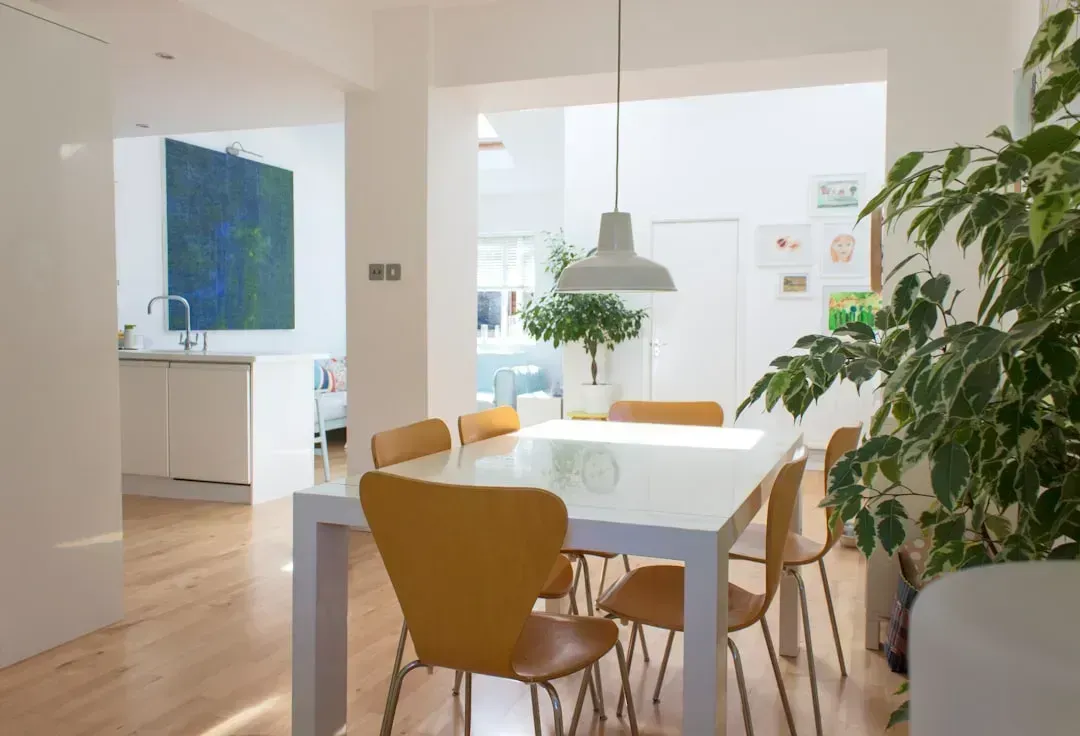
Just because rooms sit vacant sometimes doesn’t mean they stay empty all year. When adult children and grandchildren visit, it’s nice to have bedrooms they can sleep in and a dining room large enough for everyone to gather, and it’s hard to rule out that adult children won’t return for good. A condo changes all of that. Having extra bedrooms for guests is a perk of larger homes that makes hosting friends and family a real pleasure. Accommodating visitors and finding alternative sleeping arrangements can be genuinely tricky in a smaller home, and you may no longer be able to host overnight guests comfortably.
Some homeowners feel cramped after moving to a smaller home, and there may simply not be enough space to accommodate out-of-town guests or host a holiday party. This particular regret tends to build slowly, but it lands hard the first time the whole family comes to visit and you realize there’s nowhere for anyone to sleep. The holidays you pictured spending in your new chapter look different from how they were imagined.
Privacy and Noise Were Problems I Completely Underestimated
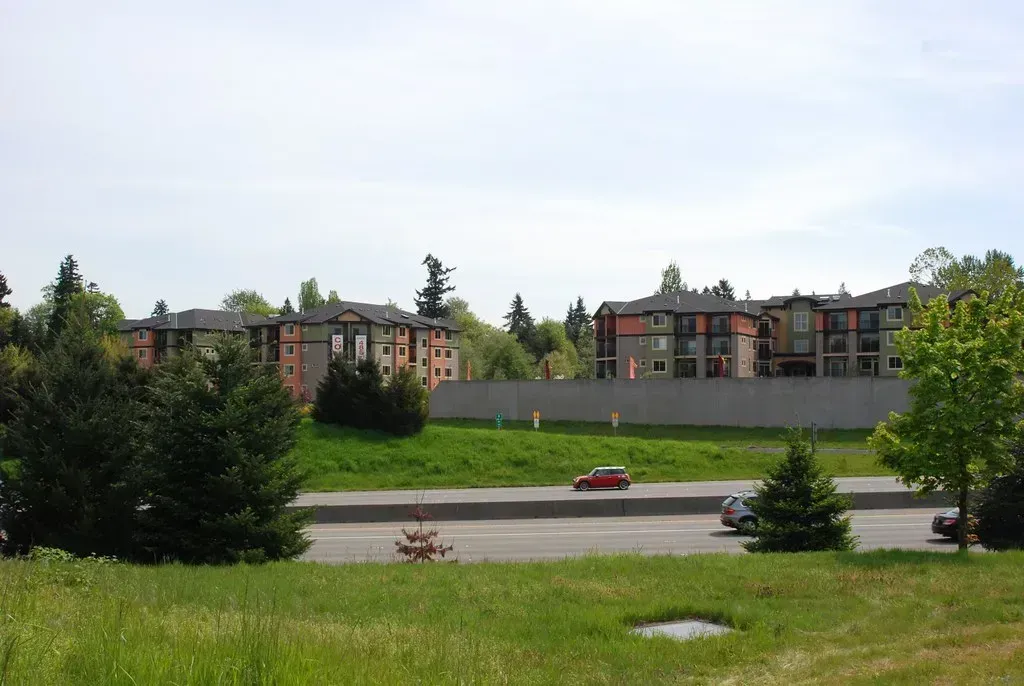
If you’re downsizing from a single-family home, you’ve probably forgotten what it’s like to hear your neighbors. Switching back to shared walls and communal spaces can take some getting used to, and when considering buying a condo while downsizing, you need to recognize that you may lose some privacy or hear more noise. After years of your own house on your own lot, shared walls feel like an intrusion. With shared walls and closer quarters, you’re more likely to hear your neighbors, and outdoor space is often limited to a small patio or balcony.
Condo associations often have rules and restrictions regarding customization and renovations. You may not have the freedom to paint walls, install certain fixtures, or make significant changes to your unit without obtaining approval, and this lack of creative control over your living space can be frustrating for some. The freedom you expected from a smaller, simpler life can feel constrained by rules that govern things as minor as what you hang on your front door or when you’re allowed to run your washing machine.
Moving Regret Is Far More Common Than Anyone Admits

About 82 percent of Americans who moved in 2024 say the process was stressful, with nearly half saying it brought them to tears, according to a survey from Anytime Estimate. The regret that follows doesn’t necessarily mean the move was wrong. It means it was harder than people were told. Fully 70 percent of movers are weighed down by regrets, and a majority of people who moved in 2024 thought a change in location would fix their problems – but more than one in four say they thought they’d be happier after their move, and they’re not.
Studies suggest that nearly half of the people who move experience some level of post-move regret, and knowing this doesn’t make the regret disappear, but it does, at least, make you feel less alone. Rushing the process is a real risk: major life transitions take an emotional toll, and having enough time to think through a move and go through the downsizing process properly can make it much easier to live with, as it’s important to evaluate the financial, emotional, and practical aspects before deciding. The regret, for most people, does soften with time. The key is knowing it’s coming.