
There’s something oddly specific about the food memories of an ’80s childhood. The powdery orange cheese dust on your fingers, the distinct pop of a plastic TV dinner tray, the unmistakable tang of margarine on white toast. At the time, none of it seemed particularly alarming. Parents were feeding their families what the food industry, government guidelines, and morning talk-show doctors were telling them to buy.
Growing up in the ’80s meant being part of a massive nutritional experiment that nobody knew was happening. The science was still catching up, and the gap between what was marketed as healthy and what actually was healthy turned out to be enormous. Looking back through the lens of current nutrition research, some of those regular weeknight dinners read like a cautionary tale.
1. Boxed Macaroni and Cheese with Cut-Up Hot Dogs
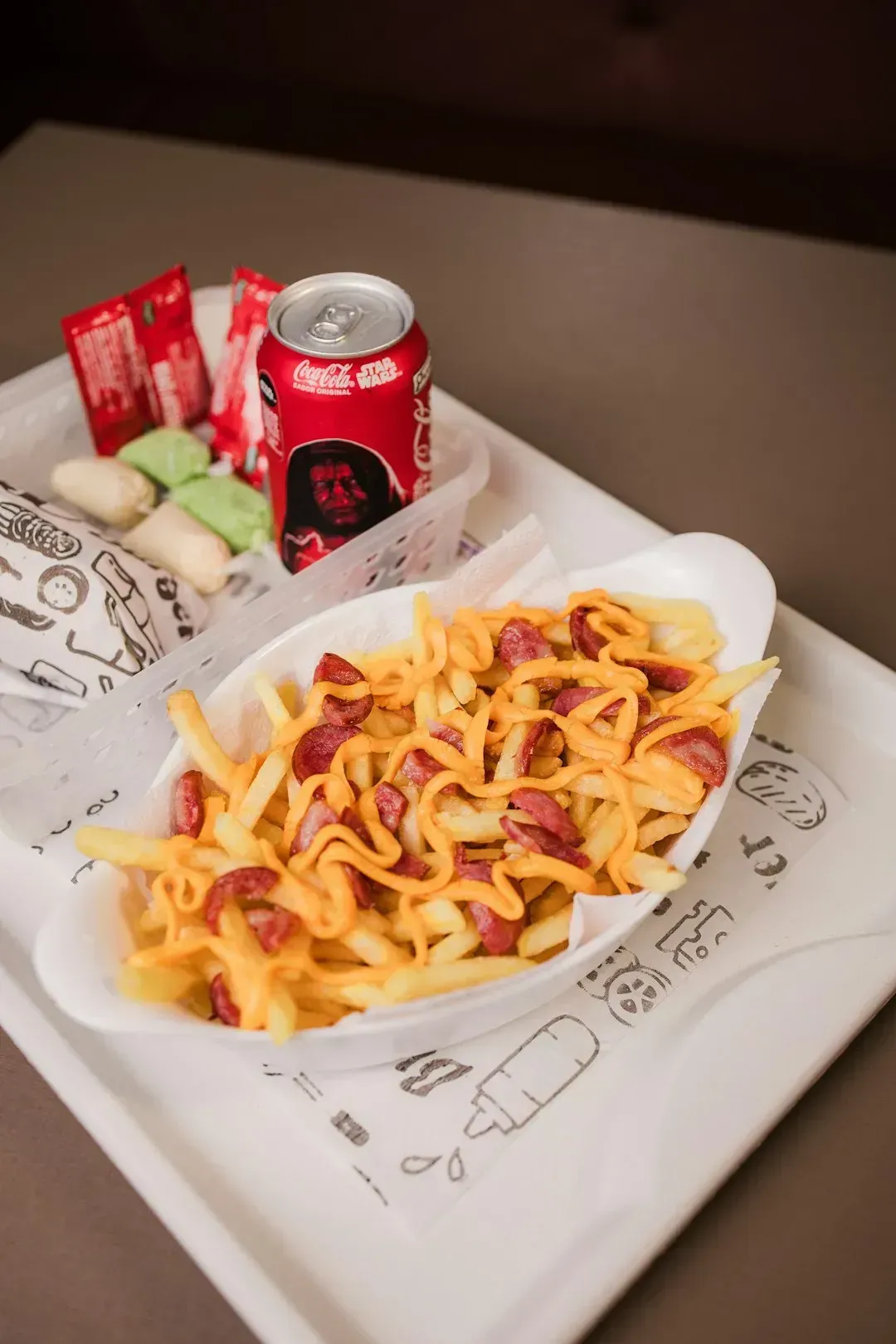
Macaroni and cheese made from a box by the likes of Kraft was a universally popular meal for kids in the 1980s, and it certainly felt like a home-cooked meal. Water had to boil to make sure the elbow pasta got soft, and it needed a little milk and butter to finish the cheese sauce made possible by the mysterious sealed envelope of salty, bright-orange, cheddar-flavored powder. Toss in a handful of sliced hot dogs, and you had what passed for a complete dinner.
Cut-up hot dogs or smoked sausage added cheap protein to turn what was otherwise a pile of nutritionally vapid carbohydrates into what seemed like a somewhat balanced meal. Today, nutrition experts would flag nearly every element of that plate. Processed deli meats like bologna and hot dogs are on the “avoid” list for many health professionals, as they are high in sodium and nitrates and have been linked to heart disease and other health concerns.
2. Microwaveable TV Dinners
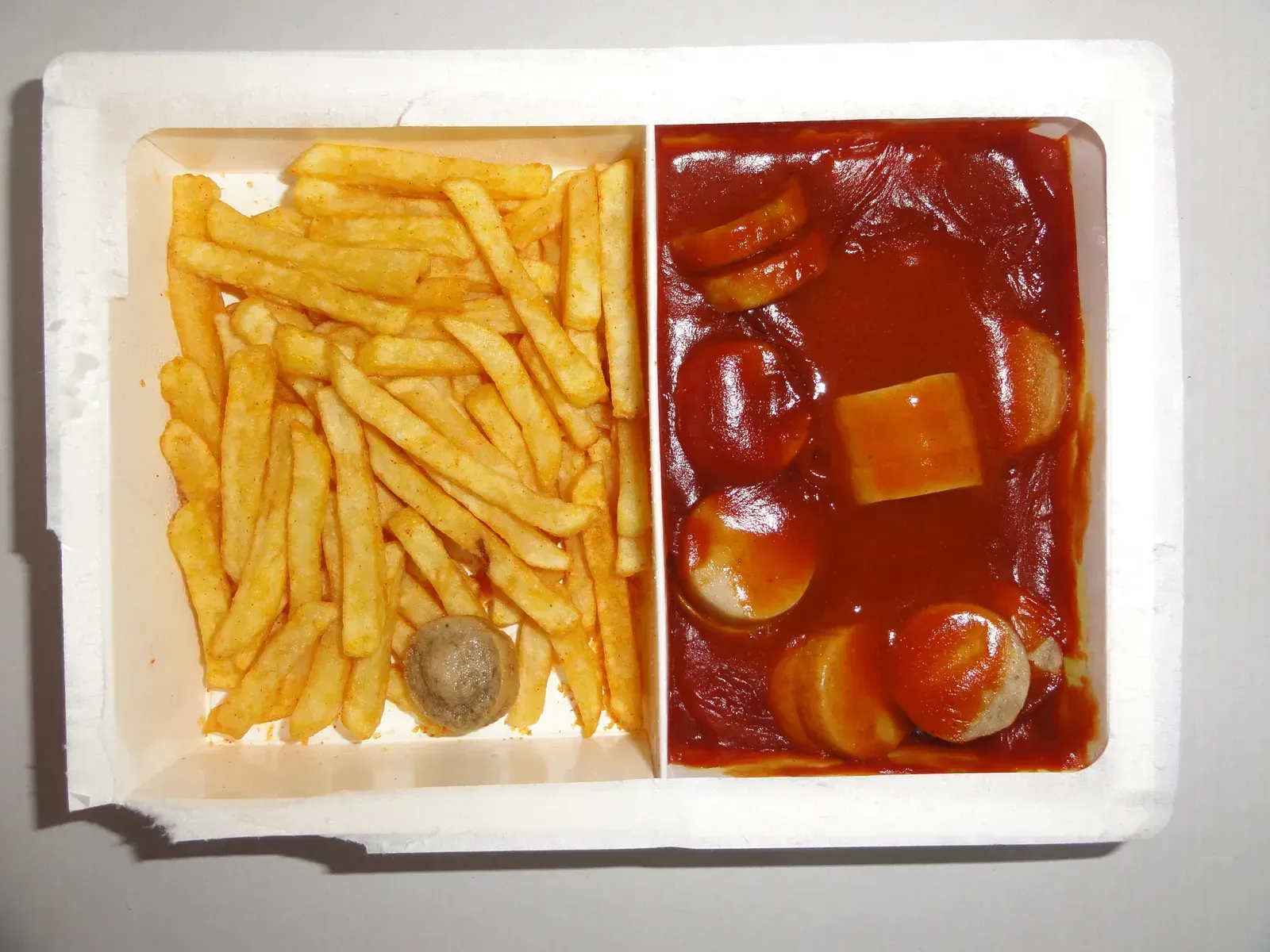
Originally sold in aluminum trays, TV dinners were overhauled in the 1980s to become near-instant microwaveable meals in plastic containers. Despite the convenience, many diners gradually became concerned about the nutritional value of these ultra-easy meals. The public developed a perception that microwaved TV dinners were lacking in essential nutrients and were highly processed, full of saturated fats and sodium.
The original TV dinner was turkey with stuffing, peas, and sweet potatoes from Swanson, but several brands hit the market in the ’80s with a wide range of options, including Salisbury steak and meatloaf. These meals were sodium bombs, full of preservatives, and often left you hungry an hour later. Even the versions marketed as light or healthy weren’t much better on closer inspection.
3. Hamburger Helper
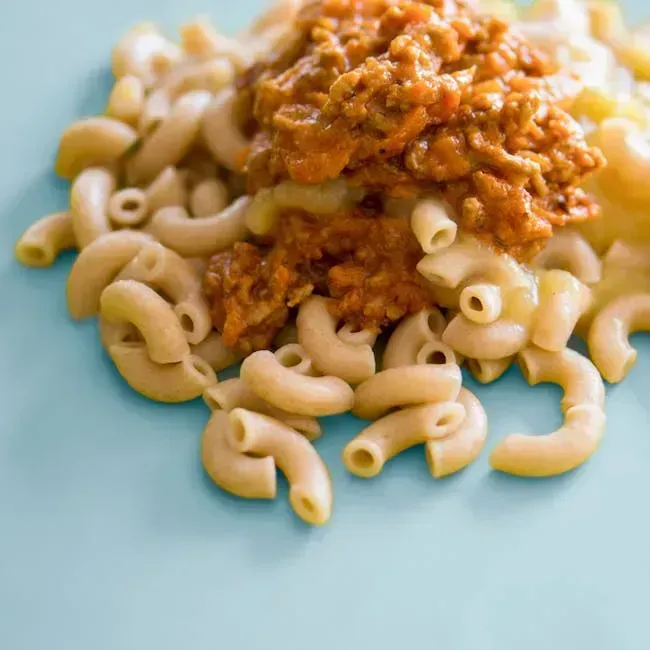
Cheeseburger macaroni, chili tomato, four cheese lasagna, chili mac, and stroganoff varieties proved particularly popular in the 1970s and 1980s with American families led by working parents who didn’t have the time or energy for elaborate cooking. It was the answer to “I’m tired and payday isn’t until Friday.” One box, one pan, one pound of ground beef, and dinner was on the table in under twenty minutes.
One box represented one entire hot meal, often made in just one pan, that could feed a whole family. It contained some pasta and a sauce, and required the addition of a pound of cheap ground beef to be transformed into a casserole that could be served in minutes. The problem, by today’s standards, is the sodium load packed into those flavor packets, paired with the saturated fat from a full pound of fatty ground beef, with almost no vegetable content in sight.
4. Margarine on Everything

Margarine is a spreadable butter-like substance made mostly from vegetable oil mixed with water, but it contains additives and sometimes yellow food coloring because margarine is actually white. Over a century after it was first invented, margarine became hugely popular in the 1980s, reaching peak sales during this decade when fat, like butter’s saturated fat, was demonized. It went on toast, into casseroles, over vegetables, and anywhere butter had once been used.
Margarine’s reputation has since dipped for being an ultra-processed food that is high in trans fat. To increase its spreadability, hydrogen is added to margarine, which results in trans fat. The World Health Organization reports that trans fats contribute to nearly 280,000 deaths around the world annually, as they are known to clog arteries and increase the risk of high cholesterol, heart attacks, and strokes.
5. Sugary Breakfast Cereals as a Full Meal
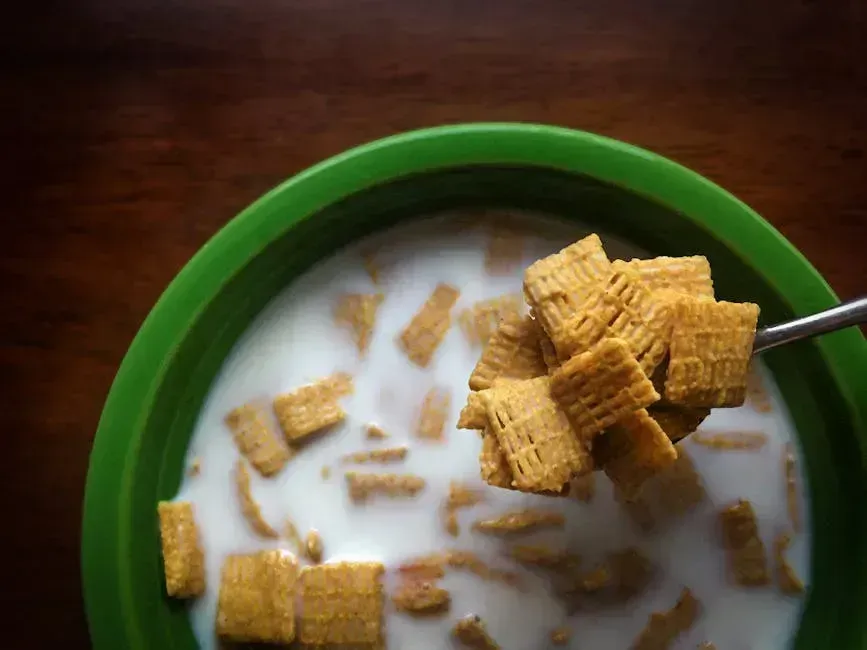
Breakfast in the 1980s was as much about enjoying a piece of pop culture as it was getting a quick meal. Cereal aisles were full of boxes featuring different characters and celebrities, and if seeing your favorite character’s face on the box wasn’t enough, there were also fun advertisements on TV to hype up the cereal even more. The market for sugar-laden and sugar-coated cereals has always been children, and in the 1980s cereal companies realized they could make a fortune by licensing the images of popular cartoon, movie, and toy characters, typically making unexceptional products made of sweetened corn meal.
These cereals were highly processed, often loaded with added sugars, and fortified with synthetic vitamins to seem nutritious. The “whole grains” were so refined they acted more like simple sugars in the body. Kids essentially started every day with a blood sugar spike and crash, then wondered why they were starving by 10am.
6. Lean Cuisine Frozen Dinners (The “Healthy” Choice)
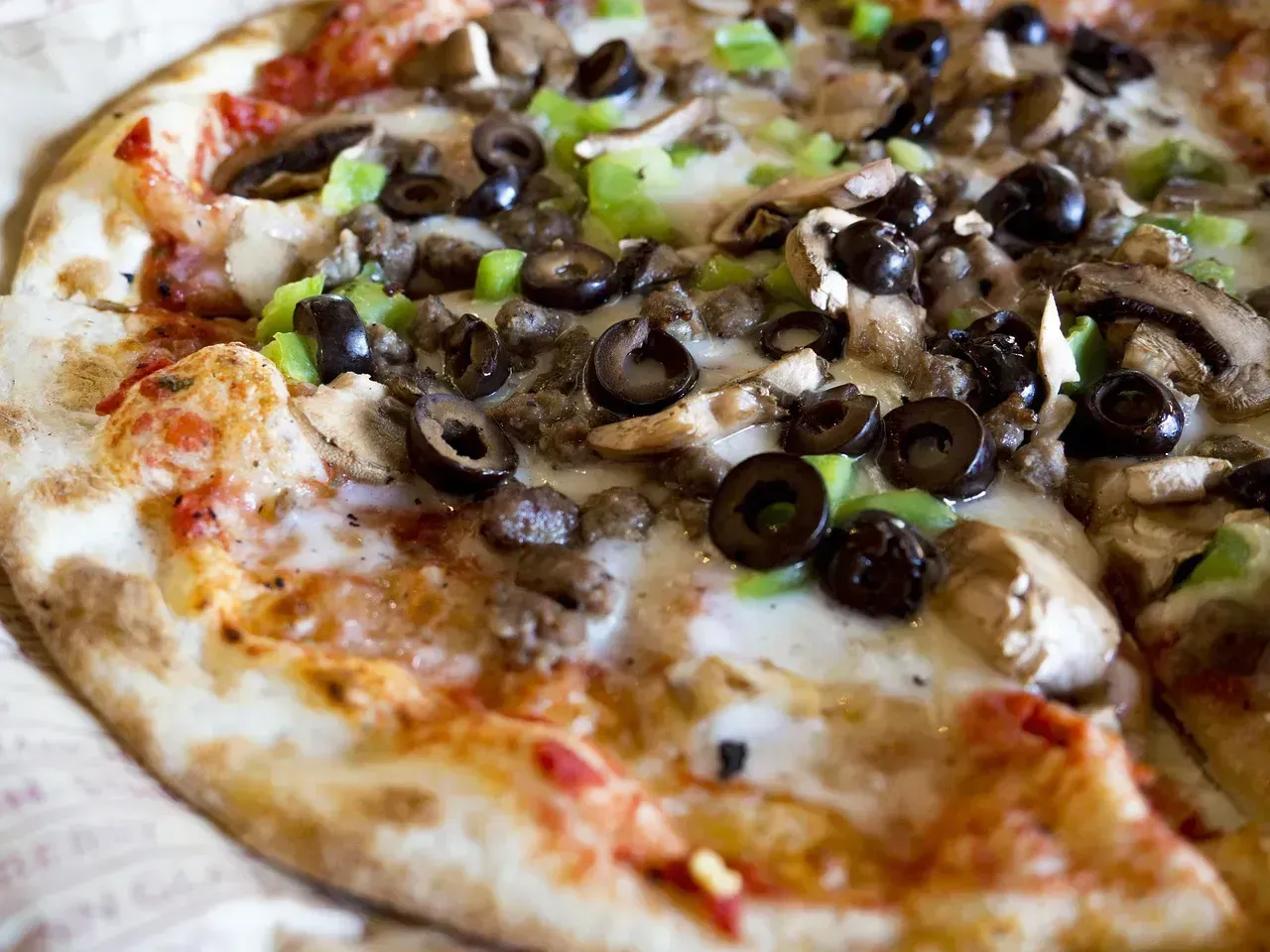
Introduced as the “healthy” alternative in 1981, Lean Cuisine became a working mom’s go-to dinner choice. The portion control and lower calories appealed to the fitness-conscious ’80s crowd. The name alone implied virtue, and that was enough for millions of households to consider it a responsible meal for the whole family.
As brands reduced fat content, they often replaced it with refined carbohydrates and sugar. Adults and children alike relied on processed foods like Lean Cuisine frozen dinners, with the thinking that the “low-fat” label made them healthy. We now understand that highly processed foods, regardless of calorie content, don’t support health the way whole foods do, and a comprehensive 2024 review found that greater ultra-processed food consumption was associated with higher risks of cardiovascular disease and type 2 diabetes.
7. Fruit Roll-Ups as a “Real Fruit” Snack
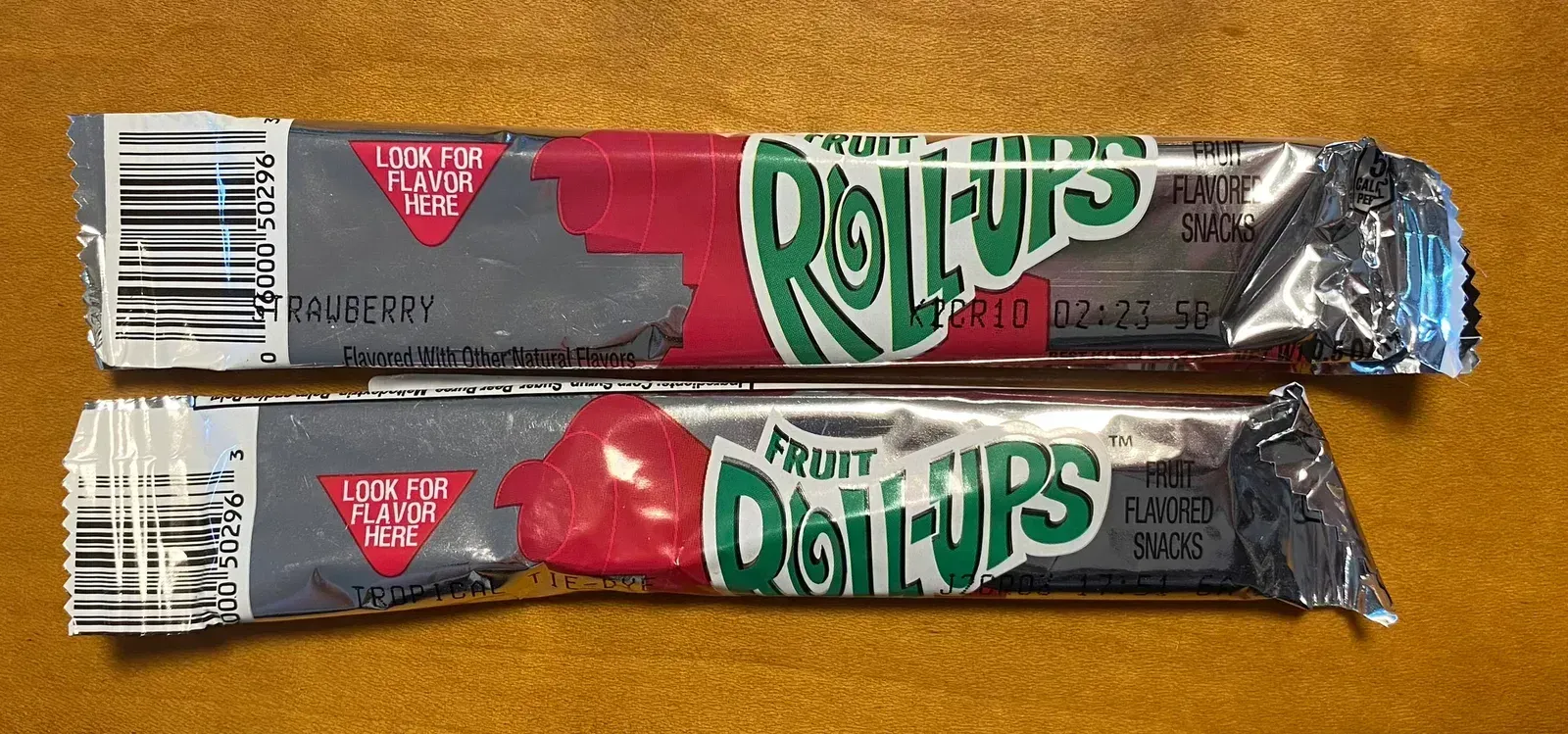
Introduced by General Mills’ Betty Crocker brand in 1983, Fruit Roll-Ups were a sweet snack based on traditional fruit leather, yet this mass-produced version contained almost no fruit at all. Despite the slogan “real fruit and fun, rolled up in one,” except for a small amount of pear juice concentrate, the snacks were comprised of corn syrup and artificial color. Parents packed them into lunchboxes as something that felt nutritious compared to straight-up candy.
Betty Crocker did fool a lot of moms who trusted her as the candy was often marketed as wholesome. The Center for Science in the Public Interest called them out in 2011 with a lawsuit, and the brand has since toned down the “made with real fruit” rhetoric. By any current nutrition standard, eating a Fruit Roll-Up is essentially eating a strip of sweetened sugar gel with food dye, not a serving of fruit.
8. Bologna Sandwiches on White Bread

Two pieces of Wonder Bread, three circles of bologna, a squirt of yellow mustard, paired with a tall glass of Tang because astronauts drank it, so it had to be good for you. This was a perfectly unremarkable school lunch in 1983. Fast-forward to today and the same meal would raise immediate concerns at any pediatric nutrition consultation.
Today, processed deli meats like bologna are on the “avoid” list for many health professionals. High in sodium and nitrates, they’ve been linked to heart disease and other health concerns. Add in the canned soup and processed cheese, and you’ve got a nutritionist’s nightmare. Due to misleading labeling and loose standards around the term “whole grain,” most store-bought white and brown bread has very little whole grain in it, is often made from refined white flour, and is typically packed with preservatives, high in sugar and sodium.
9. Canned SpaghettiOs or Pasta Shapes
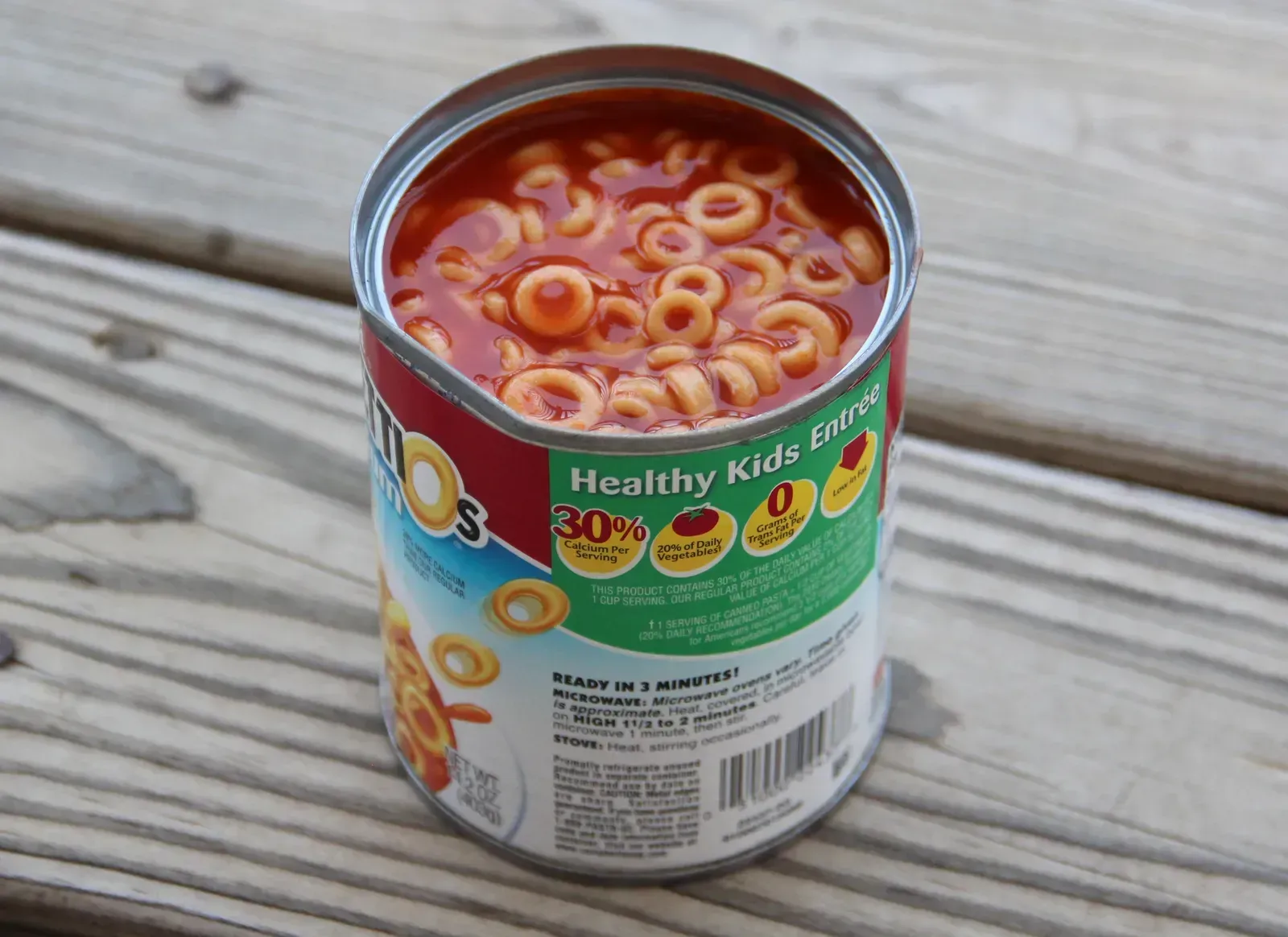
In the 1980s, even canned pasta got an upgrade with the introduction of shaped noodles. SpaghettiOs and their cartoon-shaped spin-offs were standard pantry items, easy enough for kids to heat up themselves once the microwave revolution took hold in households across America. A can of pasta in tomato sauce seemed harmless, and practically everyone had it for lunch or a quick dinner at some point.
What the label didn’t advertise was the level of sodium packed into a single can, which can account for more than half of a child’s recommended daily sodium intake in one sitting. Processed foods often contain higher amounts of sodium, and canned pasta products were no exception. Researchers have found a relationship between dietary salt and high blood pressure, and high blood pressure afflicts roughly one quarter of adult Americans and contributes to heart attacks and strokes.
10. Fat-Free Snack Foods Loaded with Sugar
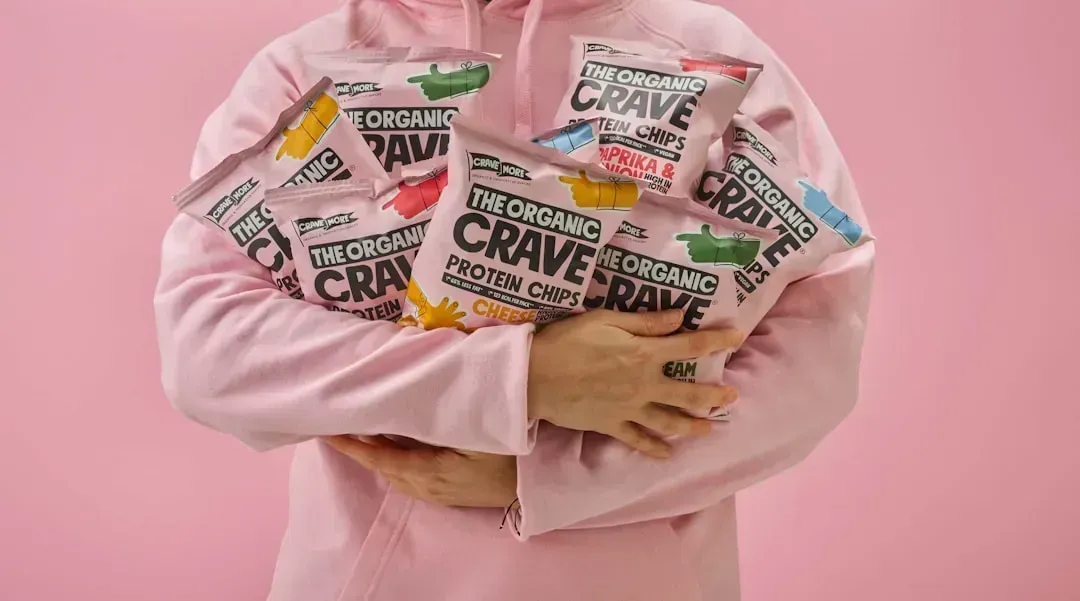
Health media, government agencies, and food companies preached the virtues of avoiding fat at all costs, and the food industry responded gleefully by flooding grocery stores with low-fat or fat-free products: yogurts, cookies, snacks, and ready-to-eat meals with their fat content slashed and sugar or refined carbs ramped up. Kids and parents alike grabbed these items off shelves convinced they were making smart choices.
Low-fat foods have actually created more obesity than eating a similar natural food with naturally occurring fats. In real life, children and adults scarfed down fat-free snacks, often in much greater quantities, under the illusion that “fat-free” meant “guilt-free.” Ironically, all this occurred as national rates of obesity, diabetes, and related diseases began to climb. One of the most astonishing absurdities of 1980s nutrition was how little scientific evidence actually supported these sweeping low-fat recommendations.
11. Tang and Juice Drinks Counted as “Fruit”

Tang, Kool-Aid, Hi-C, and a revolving cast of brightly colored juice-style drinks were mainstays of the ’80s table. They were poured at breakfast, packed in lunchboxes, and given after school with the understanding that anything labeled “fruit drink” or “with vitamin C” carried some nutritional merit. The major soda manufacturers were very concerned with removing things from their products in the early 1980s, with Diet Coke cutting out sugar entirely and Coca-Cola replacing sugar with high fructose corn syrup.
Tang in particular was marketed on its association with NASA astronauts, which gave it a futuristic health credibility it never actually earned. Research shows that humans are naturally drawn to sweet tastes, and parents should keep in mind that calories from sugar can quickly add up, lead to weight gain over time, and sugar can also play a role in the development of tooth decay. Most of these drinks contained very little actual juice, with sugar or high fructose corn syrup as the first or second ingredient, and they were consumed in large glasses, repeatedly, throughout the day.
None of this is really about blame. Parents proudly stocked their kitchens with all the “healthy” foods, the ones with health claims on the boxes, the ones doctors recommended on morning talk shows. They were doing everything right according to the science of the time. Fast forward to today, and most of those foods have been completely debunked. The bigger takeaway is how dramatically our understanding of nutrition has shifted, and how quickly a generation of well-meaning families can end up feeding their kids something that would, four decades later, prompt serious concern from a registered dietitian.