
Modern dating in 2026 is more accessible than ever, yet somehow more exhausting. Many studies have linked dating app use to higher rates of depression, anxiety, and psychological distress. Women especially are navigating a maze of contradictory expectations, outdated gender scripts, and social media comparisons that would make anyone’s head spin.
A big part of the problem isn’t the dating itself. It’s the myths. Deeply embedded beliefs about how relationships are supposed to work shape behavior in ways that quietly amplify anxiety. Some of these myths feel so natural they go completely unquestioned. Here are seventeen of them, examined honestly.
1. There Is One Perfect Soulmate Waiting for You

Love and human relationships are multifaceted and complex, and the idea of soulmates can oversimplify the intricate dynamics that contribute to the depth and growth of a relationship. When women believe there is a singular destined person out there, every imperfect date becomes evidence of failure rather than just ordinary incompatibility. The stakes feel impossibly high.
Researchers argue that love is less about finding “the one” and more about nurturing a connection through shared values, trust, and emotional growth. Relationships that last often depend on effort and communication rather than cosmic alignment. Releasing the soulmate myth doesn’t make love less meaningful. It actually makes it more achievable.
2. If It’s Real Love, It Should Feel Easy

Social media and pop culture set an unattainable standard for how relationships work by presenting the excitement of the beginning as sustainable and staged moments as the norm. These standards present an idea that if your relationship isn’t easy, you don’t always like your partner, or your partner doesn’t fulfill all your needs, you’re doing something wrong.
In a culture of comparison and judgment, this mindset makes it easy to think that you are the problem. The narratives we are constantly exposed to leave out the messy middle, the ups and downs that come along with building healthy, long-lasting relationships. Difficulty is not a red flag. It is often just proof that two real, complex people are trying to build something together.
3. You Must Find a Partner Before a Certain Age

The idea that one must find “the one” quickly can pressure individuals into rushing their connections, leading to stress and poor decision-making. For women, this pressure is amplified by cultural narratives around fertility and the so-called biological clock, which often exaggerate medical timelines and ignore the realities of modern reproductive options.
To combat this anxiety, it is helpful to focus on building connections gradually and understanding that relationships take time to develop. Treating a timeline as a deadline turns the search for a partner into a race with no real finish line, and that urgency tends to push people toward the wrong choices rather than the right ones.
4. Opposite Personalities Make the Strongest Couples

The “opposites attract” idea has been romanticized endlessly in films and TV, yet it keeps being contradicted by actual research. Research shows that many dating myths, such as the idea that opposites attract, are not supported by evidence. Studies indicate that people are generally more successful in relationships when they share similar values and interests.
The idea that opposites attract has been perpetuated in romantic films. In actuality, even if a couple does have polarizing interests, they tend to have key similarities and core values that serve as an anchor for their relationship to rely upon. Chasing someone dramatically different in the hope of exciting friction often leads to chronic misalignment rather than lasting chemistry.
5. Women Should Never Make the First Move
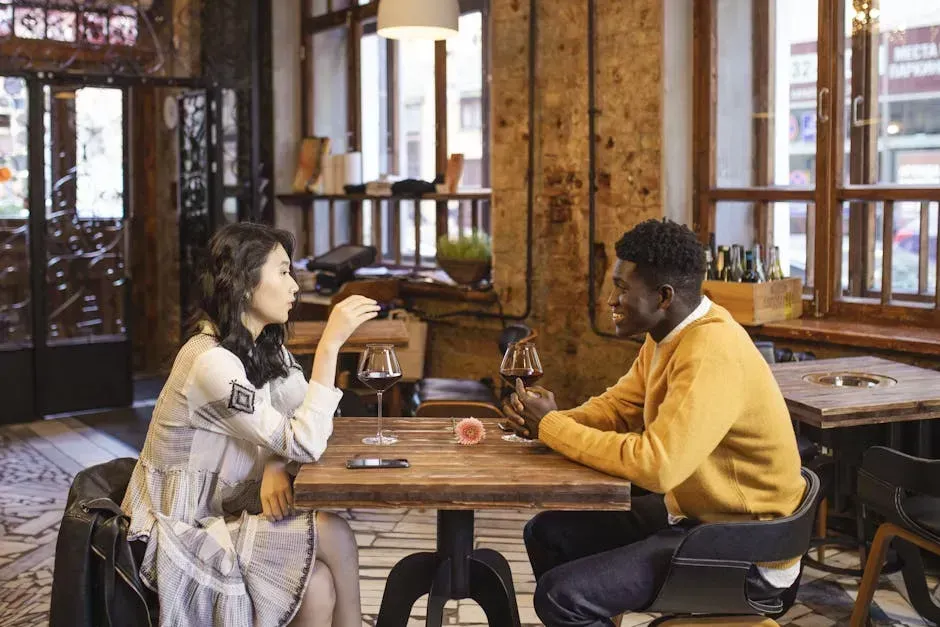
The expectation that men always initiate has roots in traditional gender roles, but research consistently undermines it. Studies show that roughly nine in ten men are comfortable with women taking the lead. Still, many women hold back out of fear of seeming too forward, which only generates unnecessary self-doubt and missed connections.
Traditional gender roles often dictate how men and women should behave in dating scenarios, but these roles can be limiting and do not reflect the diversity of modern relationships. In today’s dating culture, it’s essential to communicate openly about expectations and preferences, regardless of gender. Waiting to be chosen rather than choosing is its own quiet source of anxiety.
6. Ghosting Means You Did Something Wrong
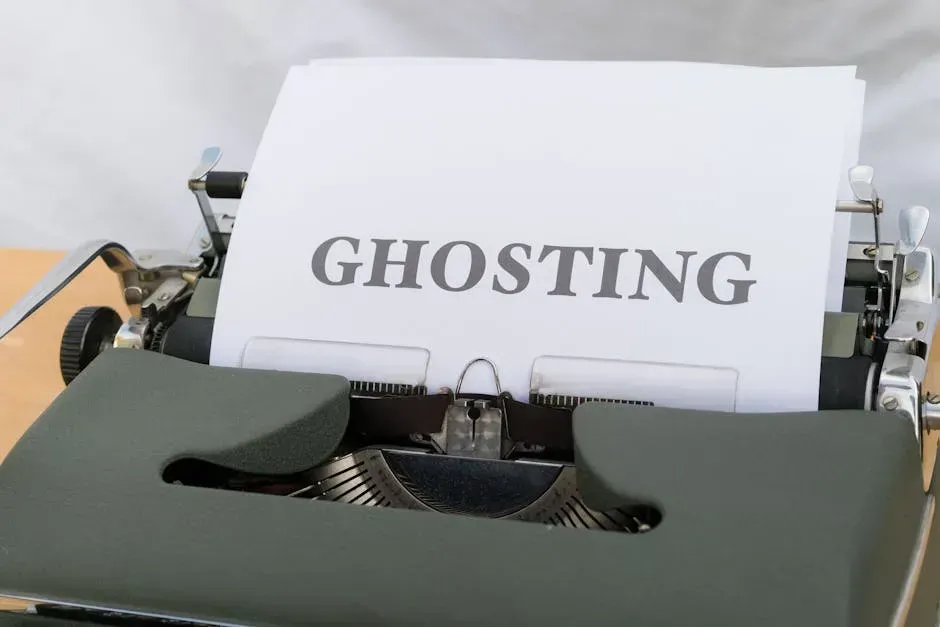
Because dating apps treat people as “replaceable,” it’s easy to internalise rejection as a personal flaw. Ghosting has become so normalized that many women automatically blame themselves when it happens, running through every text they sent and every word they said in search of an explanation.
A 2023 survey found that the vast majority of users had been ghosted and that roughly two thirds had admitted to ghosting others. These interactions take a psychological toll. Research shows that when we feel ignored or excluded, it affects us at our core. We experience lower self-esteem, feel less in control of our lives, and perceive life as less meaningful. Ghosting almost always says more about the person who disappeared than the person left behind.
7. More Dating App Options Mean Greater Chances of Finding Love
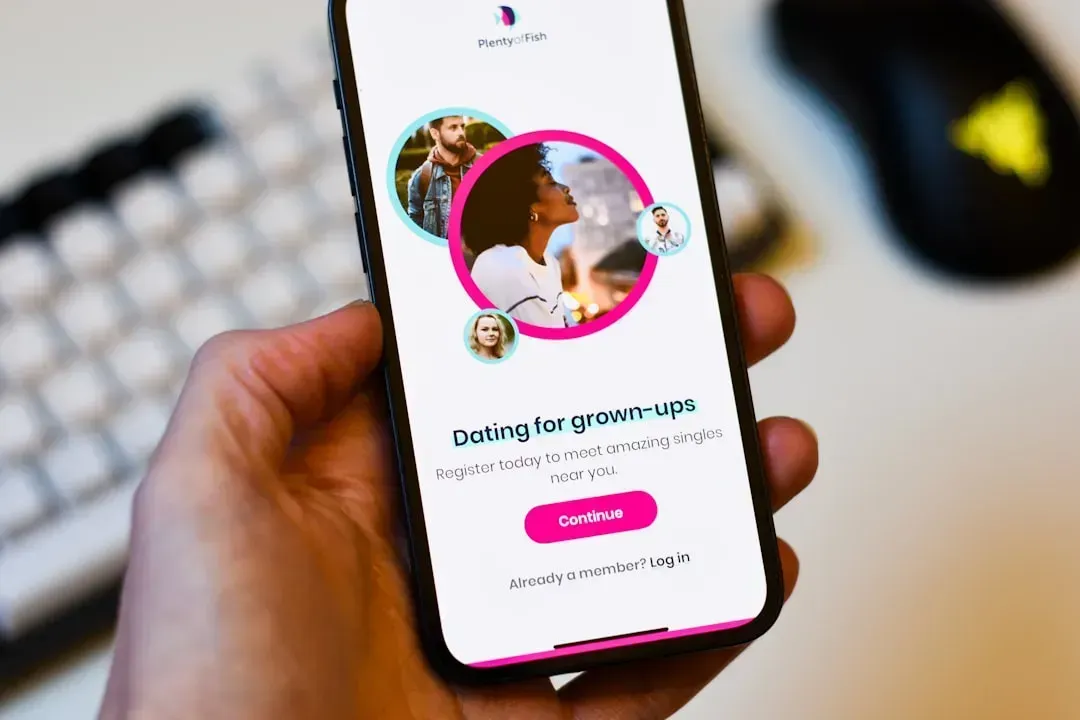
Having more options doesn’t always make choosing easier. In fact, it often makes it harder. With dating apps offering a seemingly endless parade of potential partners, there’s a growing pressure to always be on the lookout for someone “better.” This upgrade mentality creates a loop of dissatisfaction that has very little to do with the actual people involved.
More than 350 million people worldwide now use dating apps, yet users are faring worse by almost every psychological measure. A 2025 U.K. cohort study found that dating app use was associated with greater loneliness, while general social media showed no such effect. Volume is not the same as opportunity, and the belief that it is leads many women to endlessly scroll rather than invest.
8. Playing Hard to Get Makes You More Attractive

The “playing hard to get” strategy is one of the most persistent dating myths around, yet it tends to produce the opposite of genuine connection. Deliberate unavailability as a manipulation tactic introduces manufactured tension into a dynamic that would benefit far more from clarity and honesty. Believing in these dating myths can make you feel let down and frustrated. It’s important to unlearn these dating myths and approach dating with a fresh perspective.
Women who follow this script often find themselves performing detachment they don’t feel, which is exhausting and counterproductive. Unavailability is not mysterious. The nervous system activation that gets marketed as chemistry is sometimes just stress. The person who shows up consistently, responds when you reach out, and says what they mean is often dismissed as available and therefore “boring” – but that’s exactly the kind of partner research keeps pointing toward.
9. If He Doesn’t Text Back Quickly, He’s Not Interested

In an era of smartphones and read receipts, response time has become a proxy for interest, and it’s a deeply unreliable one. People have jobs, different communication styles, and varying comfort levels with constant digital contact. Treating a delayed reply as a rejection triggers unnecessary anxiety and often leads to overthinking that serves no one.
Constant swiping based on appearance, frequent rejection (even digitally), and experiences like ghosting or breadcrumbing can significantly increase anxiety, self-doubt, and mistrust. When every small behavioral signal gets over-analyzed, the mind creates threat narratives that have nothing to do with reality. Letting a delayed text simply be a delayed text is genuinely difficult in this environment, but it matters.
10. Healthy Couples Never Fight

This myth quietly persuades women that any conflict is a sign the relationship is failing, which leads either to suppressing legitimate grievances or interpreting normal disagreements as catastrophes. Neither is healthy. People are not taught how to fight right, even though these topics are usually the ones most worth discussing. Conflict exists to improve our understanding of our partner, and avoiding it can often make an issue worse. Normalizing conflict as an inevitable, yet healthy part of relationships is a key component of good relationship therapy.
The myth of the conflict-free relationship is especially corrosive because it makes emotional honesty feel dangerous. When women believe that raising a concern is inherently destabilizing, they end up carrying a quiet accumulation of resentment that does far more damage than a single direct conversation would have.
11. Your Worth as a Partner Is Tied to Your Appearance
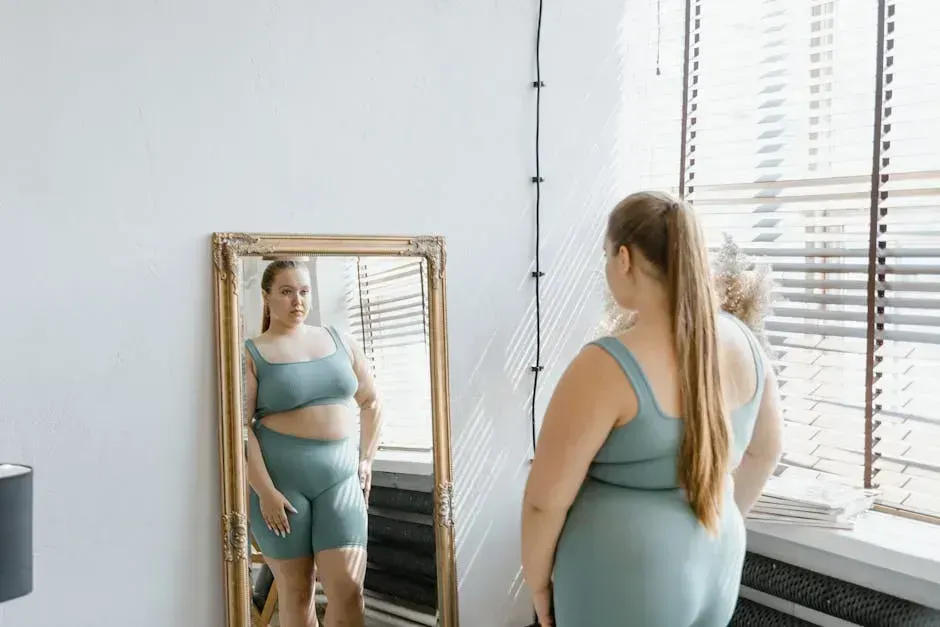
Dating apps create a particularly difficult environment for body image and self-esteem. The emphasis on photographs and instant judgments based on appearance can trigger or exacerbate body dysmorphic tendencies. A 2024 systematic review of 45 studies found that roughly half reported negative body image outcomes associated with dating app use.
Emerging research has suggested that appearance-related factors, such as greater appearance orientation, are associated with dating anxiety in emerging adults. The belief that physical presentation determines romantic value is reinforced daily by swipe-based platforms, but it fundamentally mispresents how lasting attraction and connection actually work. Appearance catches attention; character builds relationships.
12. A Situationship Can Be Transformed Into a Committed Relationship

Beyond outright rejection, users frequently encounter frustrating behaviors like “situationships,” which are unclearly defined relationships where feelings are involved but labels are actively avoided, adding to confusion and emotional distress. The hope that patience and continued investment will eventually convert ambiguity into commitment keeps many women in holding patterns that cause real emotional damage.
These relationships exist in a gray area where feelings are involved, but labels are actively avoided. You see each other regularly, may be physically intimate, but have no defined commitment or future plans. Staying in a situationship while hoping for transformation often means accepting someone else’s terms indefinitely. Clarity, even if the answer is disappointing, is almost always less harmful than prolonged uncertainty.
13. Being Single for Long Means Something Is Wrong With You
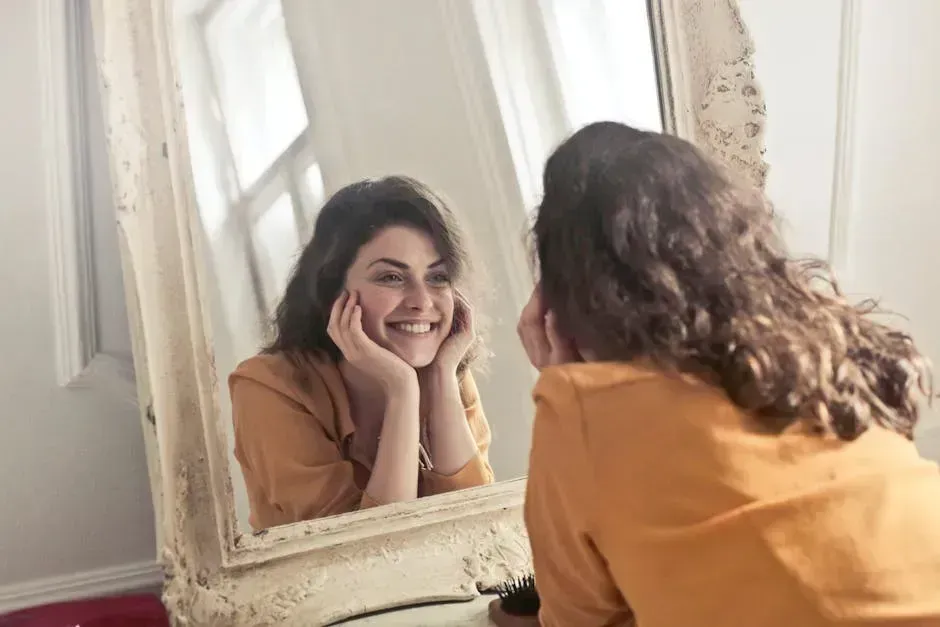
Believing in dating myths can lead to various psychological effects that hinder personal growth and relationship development. These misconceptions often create barriers to forming meaningful connections and can negatively impact self-perception. The myth that extended singlehood is a symptom of some personal deficiency is particularly damaging because it turns a neutral life circumstance into a source of shame.
Low self-esteem is a significant psychological impact of believing in dating myths. Many individuals internalize unrealistic standards of attractiveness or success in relationships, leading to feelings of inadequacy and self-doubt. Single periods are often among the most formative and self-clarifying stretches of a person’s life. Treating them as waiting rooms rather than chapters in their own right wastes genuinely valuable time.
14. Instant Chemistry Means Long-Term Compatibility

The “illusion” of compatibility is hugely enticing and seductive, especially at the beginning of a romantic relationship, when we least know our partners. Our illusions blossom in this vacuum of personal information, making it easy for us to conceive of our partners as conforming to our needs or even as ideal.
Romanticized compatibility connotes perfect love, unending passion, and excitement, as opposed to the realities of long-term partnerships, which often bring tedious responsibilities, conflict, and imperfect love. The sparks-at-first-sight narrative sets a benchmark that is chemically unsustainable. Long-term compatibility is built incrementally through how two people handle disagreement, stress, and everyday life – not through the electricity of a first meeting.
15. Men Don’t Have Emotional Needs, So Women Must Manage Their Own
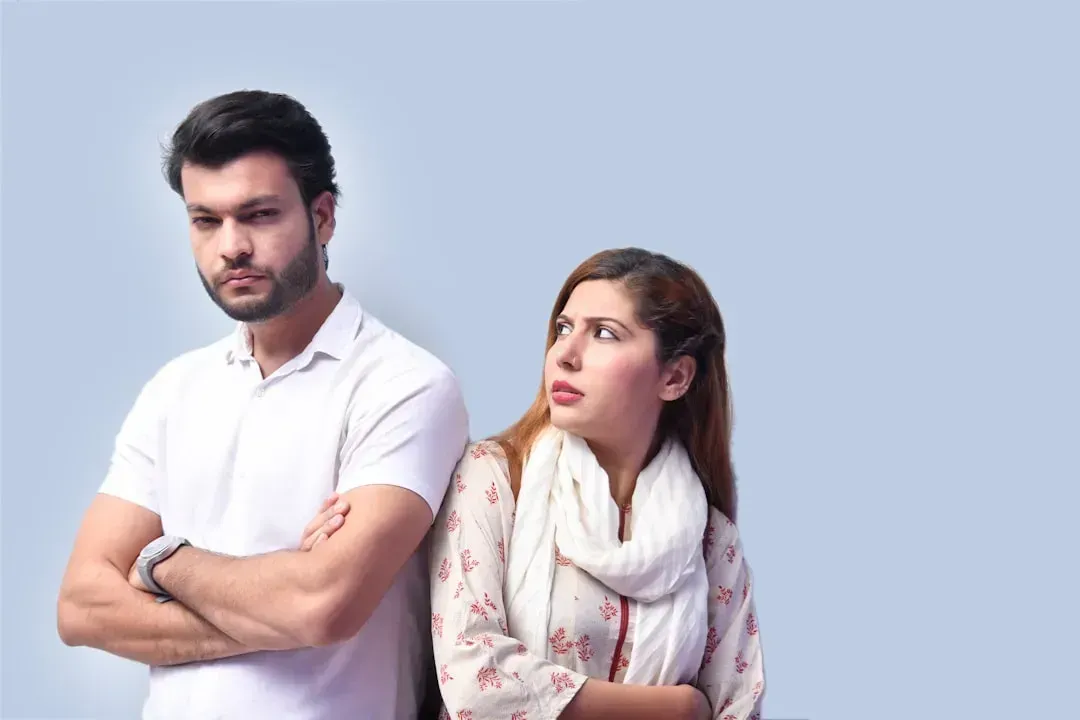
This myth operates as a kind of silent contract in which women are expected to be emotionally self-sufficient while also doing the emotional labor for the relationship. It discourages women from expressing genuine needs and often leads to patterns where they over-function in partnerships while feeling chronically unseen.
Traditional gender roles often dictate how men and women should behave in dating scenarios, but these roles can be limiting and do not reflect the diversity of modern relationships. Research consistently shows that men have emotional needs and benefit deeply from relationships in which those needs are acknowledged. Partnerships built on suppressed vulnerability on either side tend to be fragile ones.
16. Dating App Burnout Is Just Weakness
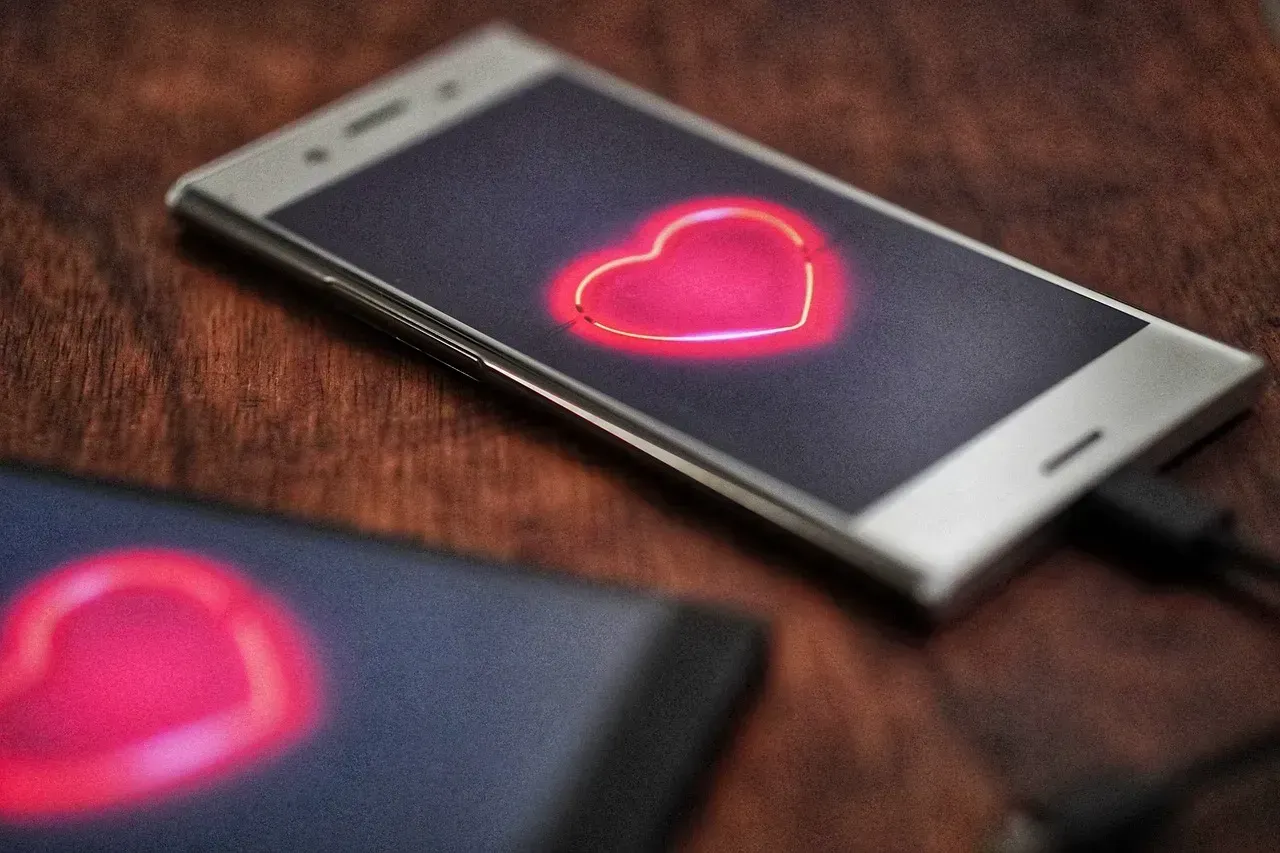
“Dating app burnout” is being treated as a real clinical condition. It happens when you feel that no matter how hard you try, nothing changes. This leads to a “numb” feeling that can affect your work and friendships. Dismissing this experience as a personal failing only adds another layer of shame to what is already a psychologically demanding process.
Dating apps have industrialized uncertainty. A 2024 study found that roughly three quarters of app users felt emotionally exhausted by the experience. Recognizing burnout as a legitimate response to a genuinely difficult environment is not weakness. It’s accurate self-assessment, and it’s the starting point for making better choices about how much energy to invest and when to step back.
17. Relationship Anxiety Means You’re Not Ready for Love

Dating anxiety may hinder one’s ability to form intimate romantic relationships. In the longer term, significant levels of dating anxiety may also lead to various concerns, including diminished self-esteem, fewer social experiences, feelings of loneliness, and poorer self-rated social skills. Yet the anxiety itself is not evidence of being unready. It’s often a sign that someone cares deeply about connection and has been hurt by its absence.
The modern dating environment pulls different attachment styles into destabilizing loops. Anxiously attached individuals, who are highly sensitive to rejection, experience heightened preoccupation and emotional swings. Relationship anxiety is workable. Research shows that secure partners can help heal anxious patterns, and paying attention to how potential partners handle emotions is a meaningful first step. Anxiety about love does not disqualify someone from it.
Many of the myths listed here share a common thread: they place the burden of an imperfect dating landscape entirely on the individual woman rather than acknowledging how much the landscape itself has shifted. The rise of relationship anxiety is not a sign that modern love is broken. It’s a reflection of how rapidly the dating landscape is evolving. As relationships become more interconnected with technology and societal pressures, our emotional systems are simply trying to keep up.
Naming a myth doesn’t dissolve it overnight, but it does take away some of its power. The less invisible these beliefs remain, the less quietly they can shape behavior and deepen anxiety.