Italy draws visitors in numbers that are genuinely staggering. Over the past decade, Italy has become one of the world’s most visited destinations, attracting over 50 million visitors annually. With those kinds of crowds come some very predictable patterns: businesses that cater almost entirely to people who will only be there for a day or two, places that survive on foot traffic rather than reputation, and a gap between what Italy promises and what certain corners of it actually deliver.
Locals tend to be candid about all of this, often more so than guidebooks are. They know where the prices double simply because a famous facade is nearby, and they know which experiences are genuine and which are built entirely for visitors with cameras. This list runs through ten of the most consistently flagged traps, with the kind of practical guidance that saves both money and disappointment.
1. Restaurants Directly Beside Major Landmarks
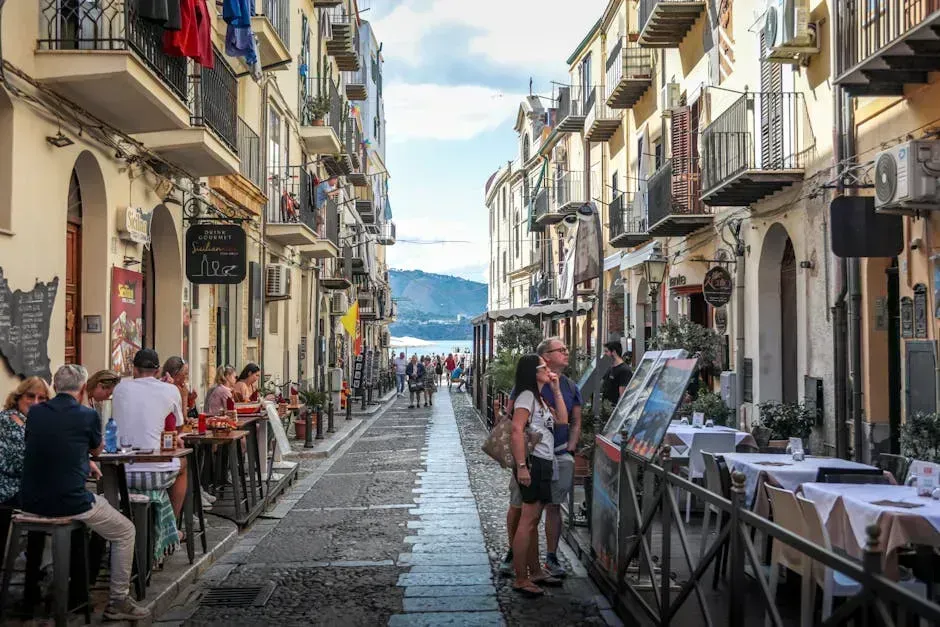
One of the most common complaints among travelers in Italy is the high cost and lower quality of food in restaurants located near major tourist sites. Restaurants positioned close to landmarks such as piazzas, cathedrals, and historic monuments often cater primarily to tourists rather than locals. This is not a subtle trend. It is structural. The business model depends on a constant turnover of first-time visitors, not repeat customers.
Travel experts consistently recommend walking just a few streets away from major attractions to find more authentic and reasonably priced dining experiences. These local eateries typically offer traditional Italian dishes with better quality and fair pricing compared to heavily tourist-focused areas. Even a five-minute walk can make a dramatic difference to both the quality of the meal and the final bill.
2. Neon-Colored Gelato Stands

The glowing gelato stand with pastel pinks, bright blues, and flavors like “bubblegum banana” looks fun and inviting, especially in summer, but what you’re often getting is mass-produced fluff filled with artificial colors, cheap ingredients, and too much air. Real gelato is something else entirely. It’s dense, creamy, and made with fresh milk, fruit, and nuts. The visual difference is usually a reliable guide.
Pistachio should be pale green, almost beige. Banana should be grayish, and lemon should be off-white. If it looks like it came from a paint palette, it’s probably not the real deal. Visitors near tourist hot spots have reported vendors who tried to shortchange them or used other underhanded methods to extract more money at certain gelato shops. Authentic gelaterias don’t need the spectacle.
3. Overpriced Gondola Rides in Venice
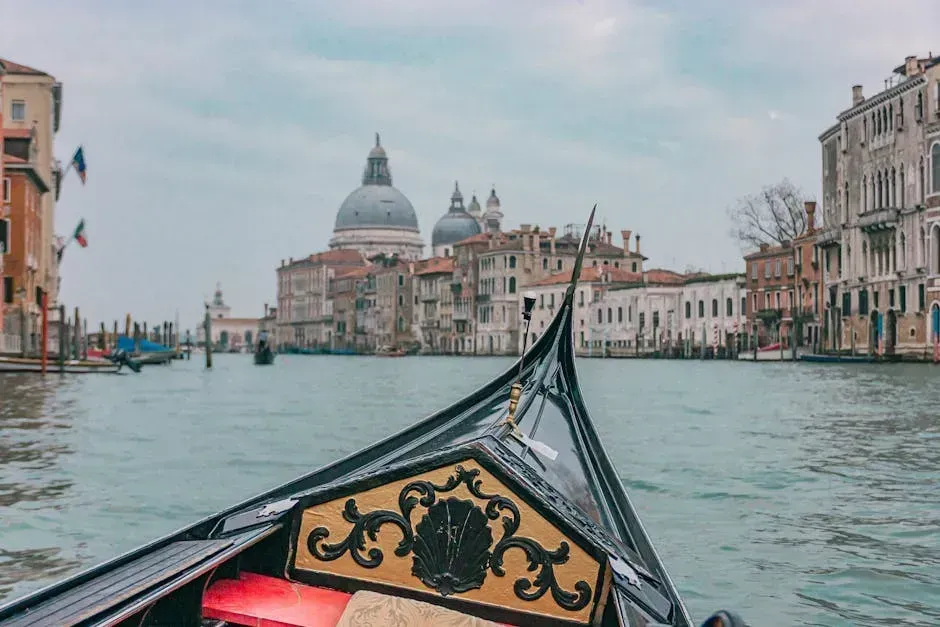
During the day, a standard gondola ride costs €90 for 30 minutes. In the evening, the price increases to €110 for 30 minutes. That price is per gondola, not per person, which is an important distinction people often miss. Most gondoliers will charge more than the official tariff, especially near the most photographed spots in Venice.
While travelers agree that a gondola ride can offer unique perspectives of the city that cannot be found on foot, the price point and long lines put many visitors off. A popular alternative is a ride aboard a traghetto across the Grand Canal. Not only does it cost less, it is an authentic local experience that allows tourists to travel the city like the Venetians do. The gondola traghetto costs just 2 euros for tourists and gets you on the water without the ceremony.
4. St. Mark’s Square Cafes in Venice
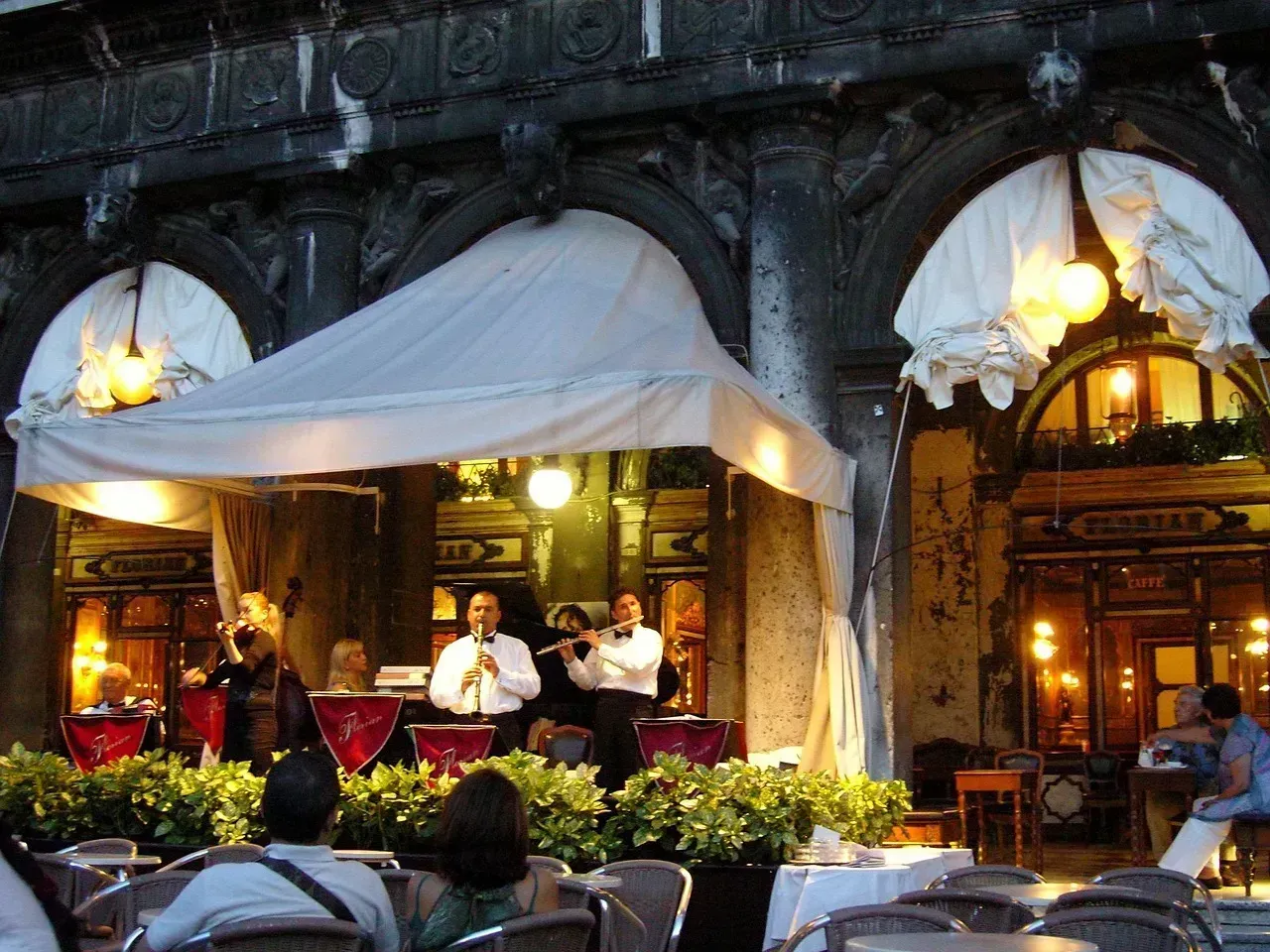
St. Mark’s Square, known to locals as Piazza San Marco, is held in high regard as one of Venice’s most famous neighborhoods. The status it is accorded might make it sound like some kind of extraordinary curiosity, but many travelers have poked holes in that popular belief, with the foremost observation being that the square is extremely busy. Sitting down for a drink here carries a specific financial penalty.
The price of a coffee served at the table in front of the most famous monuments in Italy is almost triple the normal one. If you want to stay close to the action, you can always opt for some cafés located in back alleys. Alternatively, you could drink the best espresso in Italy standing at the bar with the locals. Dorsoduro, located in the city’s south, is a less-crowded, more hip university district where you find regular prices and authentic Venetian cafes.
5. Tourist Trap Restaurants with Aggressive Street Touts
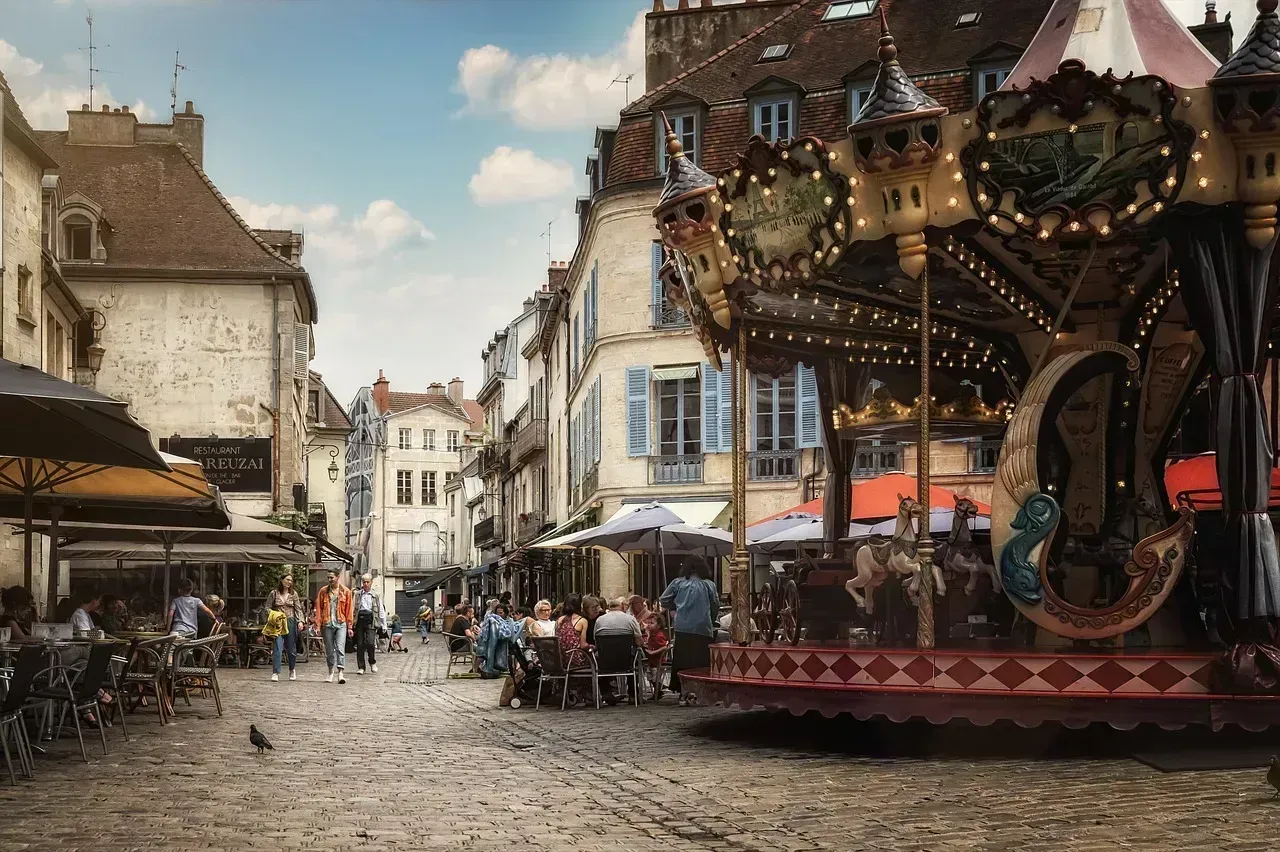
Another telltale sign of a tourist trap is the presence of overly eager street promoters who stand outside restaurants, actively trying to convince you to come in and dine. An aggressive sales pitch is usually a red flag, as authentic Italian establishments typically don’t need to rely on street promoters. They build their reputation through word of mouth and repeat local business.
It’s not true that in Italy you eat well everywhere. There are some basics for recognizing a tourist restaurant, such as waiters who invite you to come in and menus translated into multiple languages with photographs of the dishes. In that case, it’s better to keep walking. Try to steer clear of highly frequented areas and instead seek out family-run trattorias and osterias.
6. Fake “Skip-the-Line” Ticket Sellers
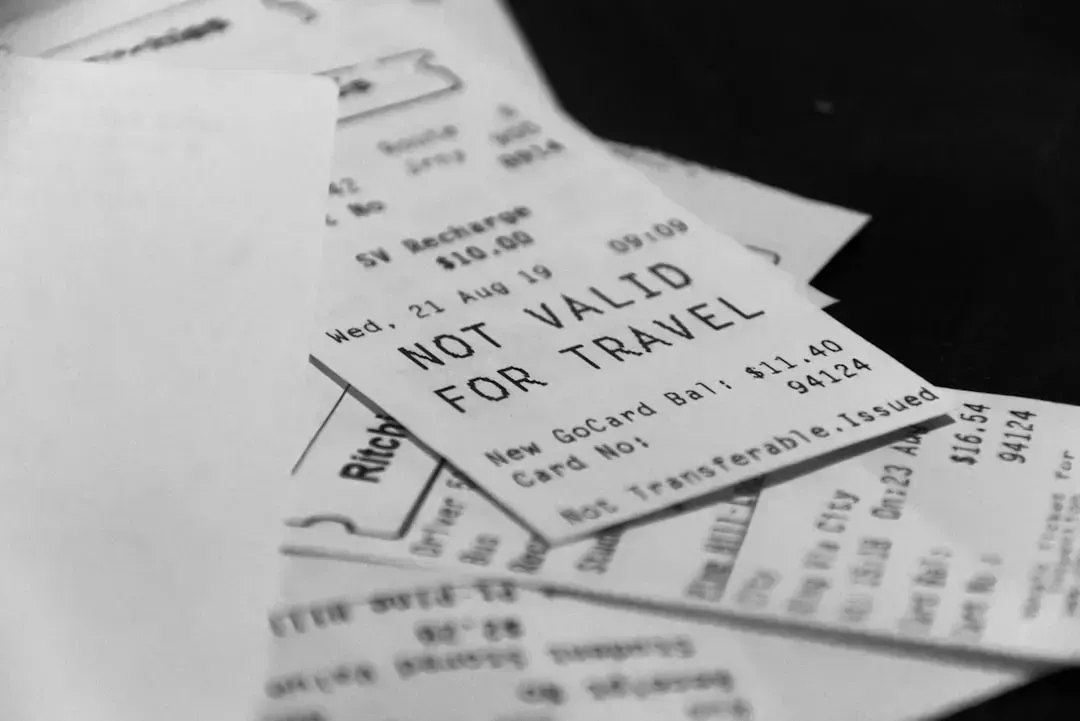
Outside top attractions, scammers sometimes sell fake or overpriced “skip-the-line” tickets or guided tours. These may look official but often aren’t valid or are vastly overpriced. You might even find scam websites selling tickets online before you leave home. The problem is particularly concentrated around the Colosseum in Rome and the Uffizi Gallery in Florence.
Scammers sell fake or overpriced tickets for attractions, museums, or tours near popular sites. These tickets may be invalid or vastly marked up. To avoid this, buy tickets only from official websites, authorized vendors, or the attraction itself. Taking that extra five minutes to verify the source before purchasing is almost always worth it.
7. Unlicensed Taxis and Drivers at Airports and Train Stations
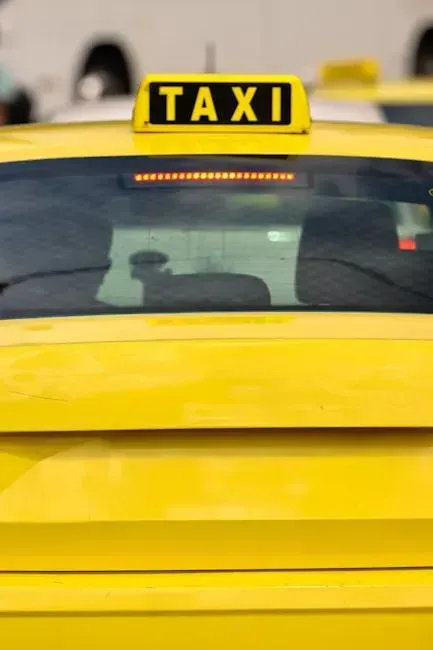
In Italy you may find insistent people trying to offer you a taxi ride outside the airport, near the train station, or at the port exit. Some of them are illegal taxi drivers hunting for tourists and offering “low cost” fares. Remember that in Italy official taxis are white, they have a visible taximeter, a displayed license, and a price list that passengers can consult.
You enter a taxi and the driver immediately claims the meter is broken or hidden by a piece of cloth, then tries to negotiate a special flat rate that’s often double the actual fare. Some less-than-honest drivers may charge more for the ride or give the wrong change. Other tactics include not starting the meter or increasing the fare price on the weekend. Always insist on the meter before the car moves.
8. The Friendship Bracelet and “Free Gift” Scam

This classic hustle happens in busy squares and near famous landmarks. Someone, often smiling and friendly, approaches offering a “free gift,” like a bracelet. They will try to catch your attention first, by greeting you in English, and if you answer they might come over and try to give you a high five or shake your hand while placing the bracelet on your wrist.
Once you accept it, they demand payment, sometimes aggressively, and many travelers have complained of feeling threatened by the act. Politely declining any “free” items offered by strangers, no matter how charming the gesture seems, is the only reliable way to avoid the situation. Near the Duomo in Florence and Piazza della Signoria, this is one of the most frequently reported scams visitors encounter.
9. The Cinque Terre in Peak Season
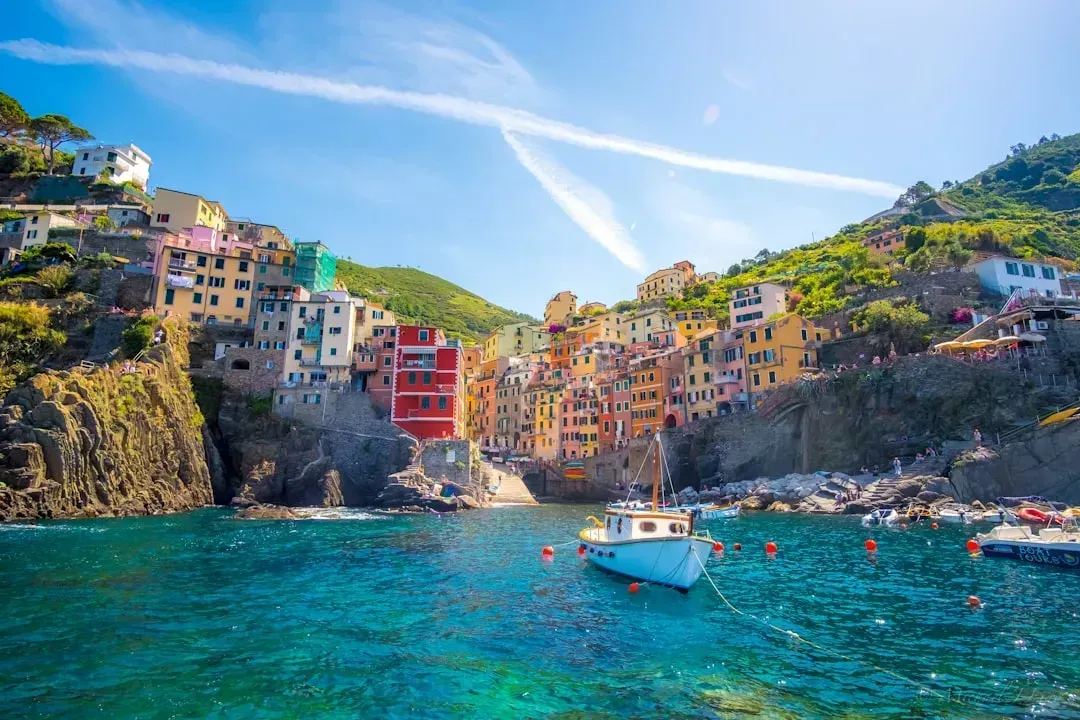
The Cinque Terre coastline, with its sapphire waters and colorblocked houses perched atop cliffs, is one of the most quintessentially Italian vistas that draws tourists season after season. A record 4 million visitors made their way there in 2023, according to The Guardian. The heavy influx of tourists has rendered it an oversaturated experience. Locals have been vocal about the strain this places on these small villages.
Overtourism is a very real problem in Cinque Terre and due to its boom in popularity in the last decade there is a distinct lack of a local feel. The authentic small town Italian vibe that drew the crowds here in the first place has been replaced by a far less authentic one. The vast majority of shops and restaurants cater to tourists. The entire region tends to be on the pricier side, both in terms of accommodation and dining, with food prices higher than most other cities in Italy.
10. Overpriced Souvenir Shops Near Famous Monuments
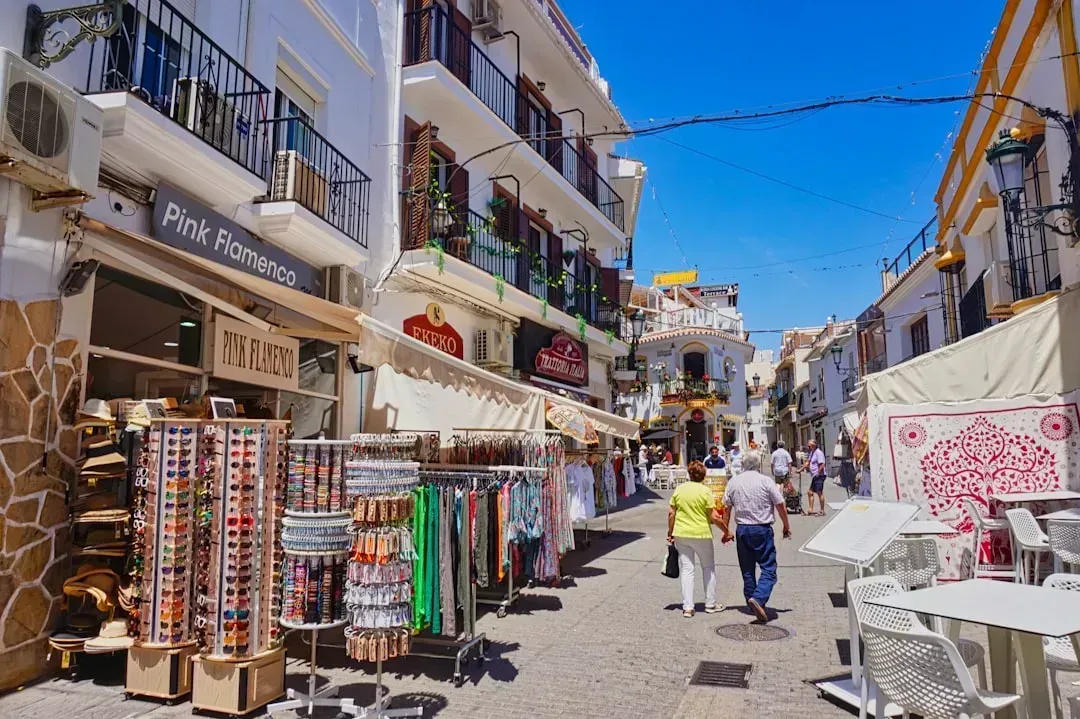
It’s tempting to grab a last-minute souvenir near a famous site, whether it’s a Leaning Tower keychain in Pisa, a Colosseum fridge magnet in Rome, or a cheap “Murano glass” trinket in Venice. Most of these items aren’t even made in Italy, let alone made well. You’ll find the exact same souvenirs in different cities, often shipped in from overseas factories.
Another common tourist trap in Italy is overpriced souvenirs. Shops conveniently situated near tourist attractions tend to charge exorbitant prices for their goods. Instead, opt for shops away from the major landmarks to find reasonably priced souvenirs. Visiting local markets or specialty craft shops is a reliable way to find something with actual meaning. The difference in both quality and price is usually significant enough to make the detour worthwhile.
The thread running through all ten of these traps is the same: proximity to fame drives up price and drives down quality. The key advice from experienced visitors is to plan carefully, avoid peak hours, and explore beyond the main tourist zones. Italy rewards the curious and the unhurried far more generously than it rewards those who follow the most obvious path.