
There’s a persistent image of wealth that involves private jets, sprawling estates, and never checking a price tag again. The reality is far more interesting. Research going back to the landmark book “The Millionaire Next Door” revealed that most millionaires lived in middle-class neighborhoods, drove modest cars, and avoided ostentatious displays of wealth – and those findings remain largely true today.
A striking truth emerges when you study real self-made wealth: roughly nine in ten millionaires say they were never gifted their money, and about a third never even earned six figures in a single working year. Becoming wealthy isn’t about flashy spending or high income – it’s about consistent frugal habits that build wealth over time. The habits below are ones wealthy people could easily abandon. Most of them simply won’t.
1. Cooking Meals at Home

Many wealthy people prefer to cook food themselves at home – not only as a way to save money, but as an opportunity to lead a healthier lifestyle. Even high-profile figures with significant net worths still prefer home-cooked meals with family rather than dining out at expensive restaurants.
Dining out frequently and ordering delivery is widely considered a drain on finances. With all the service fees attached to food delivery apps, you can easily end up paying double what the actual meal is worth. Many financially successful people simply don’t allocate meaningful budget to eating out or ordering in.
2. Living Well Below Their Means

Living below your means isn’t about being frugal for the sake of frugality – it’s about maintaining discipline and avoiding lifestyle inflation. Many wealthy people adopt modest lifestyles even when they can afford to spend much more.
A Ramsey Solutions study found roughly 94% of millionaires stick to a budget and consistently live below their means. Many millionaires are meticulous about tracking their expenses and understand the importance of not overspending.
3. Driving Modest, Reliable Vehicles

Some of the world’s most recognized wealthy figures still drive modest vehicles worth less than many new trucks – and they’re not alone. According to Experian Automotive data, a majority of wealthy people actually drive Hondas, Toyotas, or Fords rather than luxury brands. Rich people know a car’s job is simply to get you from point A to point B.
Cars are rarely a good investment because they depreciate the moment they’re driven off the lot. Some millionaires point out that cars can shed roughly three-fifths of their original purchase price within the first five years, which makes it hard to justify spending heavily on a vehicle that only loses value.
4. Buying Used or Second-Hand Items

The practice of buying second-hand or used items is considered better than buying new by many financially savvy people, as it helps save money and reduce waste. Thrift-minded shoppers can save around $1,760 per year by choosing second-hand items.
More than a third of millionaires buy used cars. They care less about getting attention for their purchases and more about saving money on depreciation and avoiding unnecessary debt. A car, as they see it, is a tool – and if it safely gets you from one place to another, that’s enough.
5. Paying Themselves First
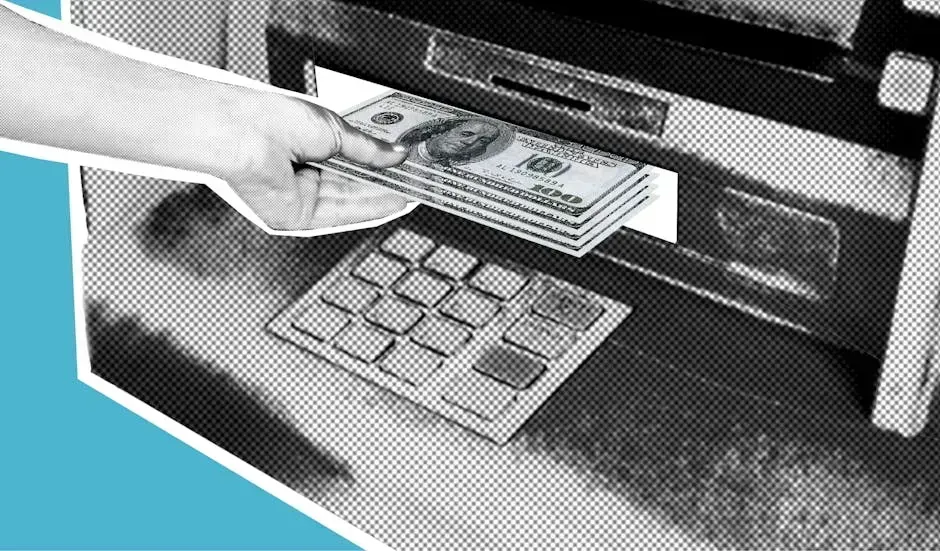
Paying yourself first means setting aside money for saving and investing before spending anything else. Rather than saving what’s left over at the end of the month, wealthy individuals often automate a fixed percentage of their income to go straight into retirement accounts or other savings vehicles. This strategy treats saving and investing like a non-negotiable expense, right alongside rent and groceries.
By treating savings as a non-negotiable expense, millionaires ensure consistent wealth building over time. They set up automatic transfers to investment accounts on payday, removing the temptation to spend the money elsewhere. This habit creates a solid foundation for wealth that grows through consistent contributions and compound interest.
6. Resisting Impulse Purchases

Wealthy people tend not to buy on impulse. They wait, compare prices, and often walk away if a purchase doesn’t feel worth it. That self-control builds discipline, and over time, it builds wealth. The ability to say “not now” is one of the most valuable habits rich people develop early and keep forever.
One wildly underrated frugal habit is simply waiting. Many wealthy people give themselves a 30-day window before any major purchase. By the end of the month, they either forget about it or realize they didn’t need it in the first place. Delayed gratification isn’t about never enjoying money – it’s about avoiding emotional purchases that don’t matter in the long run.
7. Keeping a Tight, Purposeful Budget

While not every wealthy person shares every frugal trait, one habit that must be formed to maintain wealth is setting a budget and sticking to it. The lesson of what happens without budget discipline is well-documented – some people become millionaires early and still lose it all simply because they never learned how to manage their money.
In order to live frugally and sustainably, a practical approach is to budget no more than a quarter of net income on housing, roughly 15% on food, around 10% on entertainment, and just 5% on vacations. Wealthy people who keep this habit don’t see it as restriction – they see it as staying in command of their financial life.
8. Auditing Subscriptions Regularly

Subscriptions can silently drain a budget, and millionaires know it. Whether it’s streaming services, gym memberships, or random app renewals, those little monthly charges add up quickly. One of the notable frugal habits of millionaires is that they routinely go through their bank statements and cancel anything they’re not using – because what’s the point of working hard and budgeting carefully only to waste money on forgotten charges?
This habit is less about the dollar amount of any individual subscription and more about the principle behind it. It’s not about a $10 charge – it’s about keeping money working instead of leaking out quietly. Wealthy people understand that unchecked small expenses are just as corrosive as large ones.
9. Avoiding Emotional Spending

Wealthy people don’t shop when they’re bored, anxious, or stressed. They recognize emotional triggers and avoid using spending as a distraction. Instead of retail therapy, they solve problems with actual solutions rather than new purchases. That habit protects both their wallet and their peace of mind.
The habit extends beyond individual moments. Genuine wealth builders aren’t penny-pinchers in every aspect of life – instead, they practice what financial experts call “value-based spending,” investing generously in things that bring genuine value while ruthlessly cutting costs elsewhere.
10. Negotiating Prices and Bills

Wealthy people don’t see negotiation as being frugal – they see it as smart money management. They’re not haggling at grocery stores, but in situations where prices aren’t fixed, they speak up and save big.
Recurring bills are an especially common target. Calling a service provider when a contract is up and asking for a better deal works more often than most people expect, because companies would rather retain an existing customer than spend more to acquire a new one. Wealthy people have simply normalized asking the question.
11. Dressing Simply and Avoiding Fast Fashion

Many millionaires aren’t interested in fast fashion because of its cost and wastefulness. Instead, they focus on basics. A small closet of simple, timeless clothes eliminates the constant cycle of buying and replacing trend-driven pieces.
New clothing items come only when old ones genuinely need replacing due to wear and tear. Teaching children to care for their belongings and make them last is a value that wealthy families pass down precisely because it’s that important. The discipline of not dressing for status is, in itself, a quiet form of wealth preservation.
12. Refusing to Pay for Status

Research has found that nearly two-fifths of Americans have overspent to impress others, especially on clothes and accessories. That behavior drains savings and delays financial freedom. Rich people don’t need to prove anything with what they wear or drive. Quiet wealth lasts. Flashy spending fades.
Most people driving luxury cars or carrying designer bags aren’t wealthy – in fact, they’re usually carrying debt and living paycheck to paycheck. Research suggests that the vast majority of luxury vehicles are bought by non-millionaires. Genuinely wealthy people tend to find that distinction quietly amusing.
13. Tracking Every Dollar

Millionaires know where every dollar goes. They track their wealth regularly – that includes income, expenses, net worth, investment performance, and even small leaks in their spending. You can’t improve what you don’t measure. Millionaire-level frugality starts with knowing your numbers.
On the road to gaining wealth, a person pays attention to money earned, money spent, and what the things owned are costing. Even once wealth is achieved, this habit rarely disappears – because it’s precisely what prevented the leaks that would have slowed progress in the first place.
14. Investing Consistently and Early

The wealthy understand that investing even small amounts early and consistently can be a powerful wealth-building strategy over time. Their commitment to long-term financial goals and the power of compounding returns is something they rarely abandon.
Saving money is only part of the equation – the ultra-rich make it a habit to invest what they save. In Dave Ramsey’s 2024 National Study of Millionaires, three out of four millionaires credited consistent investing as a major factor in their financial success.
15. Maximizing Tax-Advantaged Accounts

Wealthy people are very tax conscious. They know the power of contributing to tax-advantaged accounts like 401(k)s, traditional IRAs, and Roth IRAs. These accounts let money grow more efficiently, keeping more in your pocket.
Tax optimization represents one of the most significant wealth accelerators for everyday millionaires. They approach tax planning as a year-round strategic activity rather than a dreaded April obligation. The difference between paying a lower versus higher rate on investment gains can mean hundreds of thousands of dollars over a lifetime, using entirely legal strategies like maximizing retirement accounts, harvesting tax losses, and structuring income efficiently.
16. Comparison Shopping Before Buying

Rich people don’t overspend, and to keep in line with that frugal habit, they comparison shop. Even those who have the money to buy the first deal they find will spend a little extra time researching and price-matching to find the best value.
This isn’t about pinching pennies on small purchases out of necessity. A consistent pattern among the wealthy is their spending hierarchy: they aggressively allocate money toward things that appreciate or generate income, while being surprisingly tight-fisted about everything else. Comparison shopping is simply part of how they protect that hierarchy.
17. Buying Quality That Lasts

Millionaires flipped the idea of “cheap” on its head entirely. They’ll happily spend more upfront for high-quality items to avoid constant replacements, repairs, and headaches down the line. Cookware, furniture, clothing, tech – millionaires buy things that just last. Because cheap stuff that breaks isn’t actually cheap. It’s just delayed pain.
Despite popular belief, many millionaires are not extravagant spenders. They often seek value in their purchases, opting for quality over quantity. This means buying items that offer durability and longevity rather than those that are merely trendy or luxurious – saving money in the long run by avoiding unnecessary repeat expenses.
18. Using Credit Cards for Rewards, Not Debt
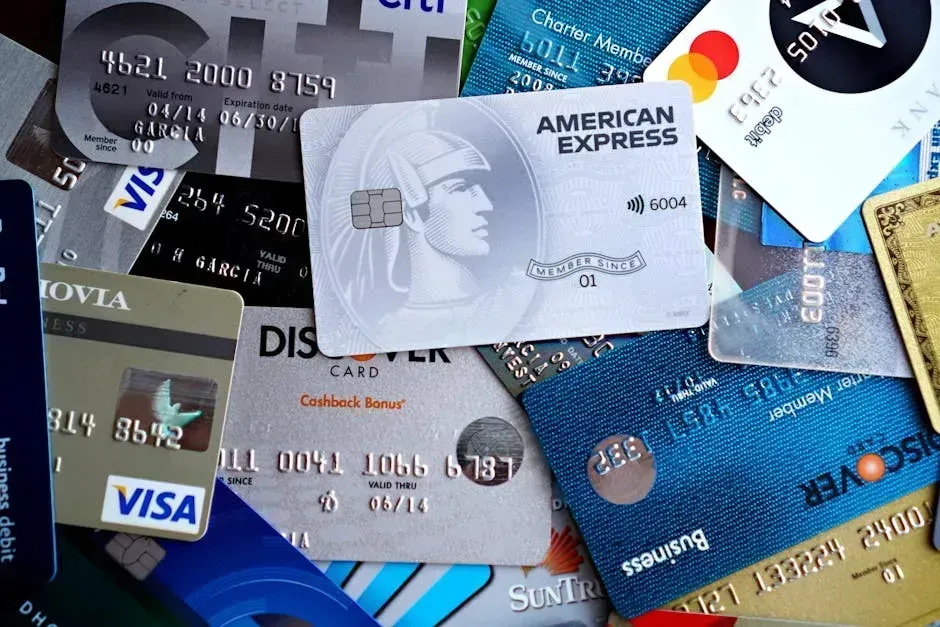
It’s common for wealthy people to use credit cards – but to avoid paying interest, they charge purchases to their cards and then pay the balance in full each month to collect rewards. They treat credit cards as tools that pay them, not instruments that cost them.
Millionaires understand that high-interest consumer debt is a wealth killer. They avoid credit card debt, car loans, and store financing plans that drain resources through interest payments. When they do use credit cards, they pay the balance in full each month, using them for convenience and rewards rather than extending purchasing power.
19. Keeping a Fully Funded Emergency Reserve

Millionaires expect the unexpected and maintain a solid emergency fund. They often have several months of living expenses saved in the event of an emergency or job interruption. The alternative – which many non-millionaires fall back on – is using high-interest credit cards to meet unforeseen expenses.
The general rule is to keep three to six months’ worth of expenses saved. If the last time you calculated that number was before a raise or promotion, it’s time to re-evaluate and increase the target. That emergency fund belongs in a high-yield savings account – even the rich won’t turn their noses up at earning a little extra on cash that’s just sitting there.
20. Never Stopping the Habit of Learning

A key practice that helped many wealthy people reach financial success was self-education – they simply never stop learning. Research found that the vast majority of rich people read two or more books on education, self-improvement, or career advancement each month, and nearly all of them regularly read news-related publications.
Continuous learning is integral to the success of many millionaires. They invest time and resources in staying informed about financial markets, emerging trends, and new investment opportunities. This habit of constantly educating themselves helps them make informed decisions about their finances and stay ahead in their wealth journey.
What makes this list remarkable isn’t that these are secret strategies. Most of them are ordinary, even boring. The point is that by maintaining frugal habits when you don’t technically need to, you can ensure that the wealth you’ve built is going toward the things you care about and that lifestyle creep won’t wipe out your assets faster than you anticipated. Wealth, it turns out, is less about what you earn and far more about what you refuse to waste.