
Income and livability are two completely different conversations. Plenty of the places that look worst on a Census spreadsheet turn out to be deeply livable once you actually pay attention to what daily life looks like on the ground. Strong community bonds, dirt-cheap housing, free cultural institutions, warm climates, and fierce local pride tend to fill gaps that a paycheck alone never could.
Poverty statistics paint a stark picture, but they rarely tell the whole story. In 2024, the official national poverty rate fell to roughly ten and a half percent, with about 35.9 million people still living in poverty across the United States. Yet hidden inside those numbers are towns and cities where low incomes and genuine livability coexist in ways that consistently surprise outsiders. The seven places below make that point better than most.
1. Detroit, Michigan
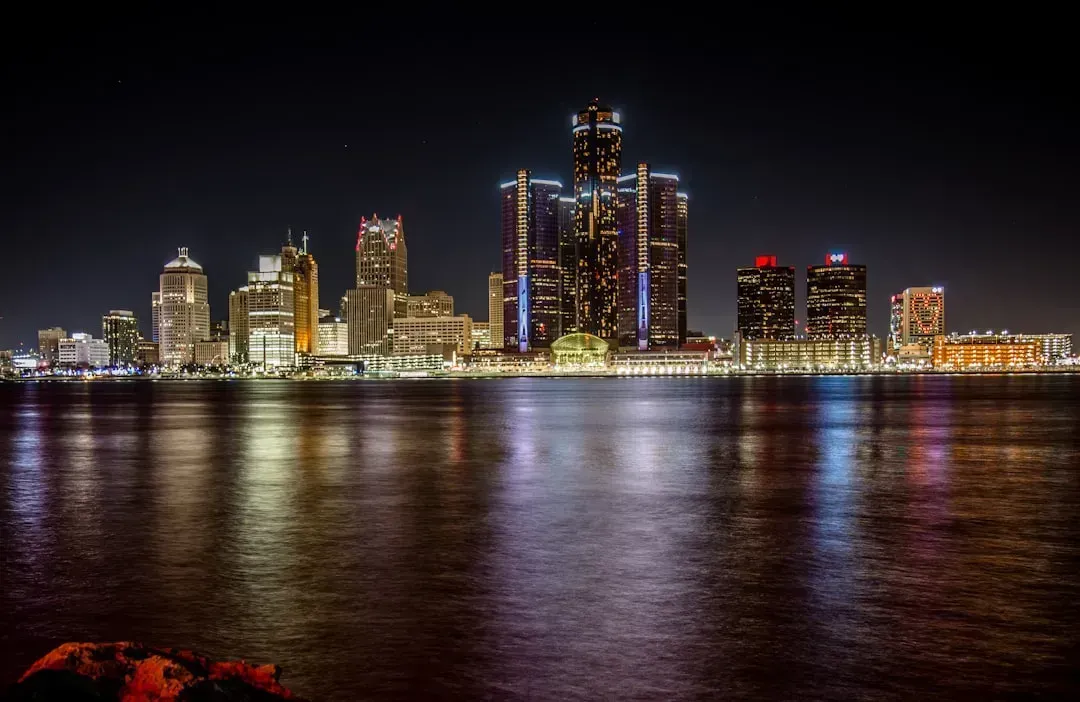
More than a third of Detroit’s residents experienced poverty in 2024, the highest rate the city had seen since 2017, according to U.S. Census Bureau data, with a poverty rate of 34.5 percent and a median household income of just $39,209. Those numbers deserve honest acknowledgment. Still, they don’t capture what’s actually happening inside the city.
The Detroit Cultural Center Planning Initiative is an ambitious urban planning project aimed at reimagining the city’s 83-acre Cultural Center, and it recently won the prestigious Inaugural 2024 Bay Urban Visioning Award for Partners in Progress. The initiative brings together cultural institutions like the Detroit Institute of Arts and the Charles H. Wright Museum, with key goals including increasing the tree canopy by 60 percent and reclaiming 16 acres for public use. For two consecutive years, over 90 percent of Detroit’s labor force has been employed, while the city’s housing costs remain remarkably low, its arts and music scene is nationally recognized, and its sense of community identity is as fierce as anywhere in the country.
2. Cleveland, Ohio
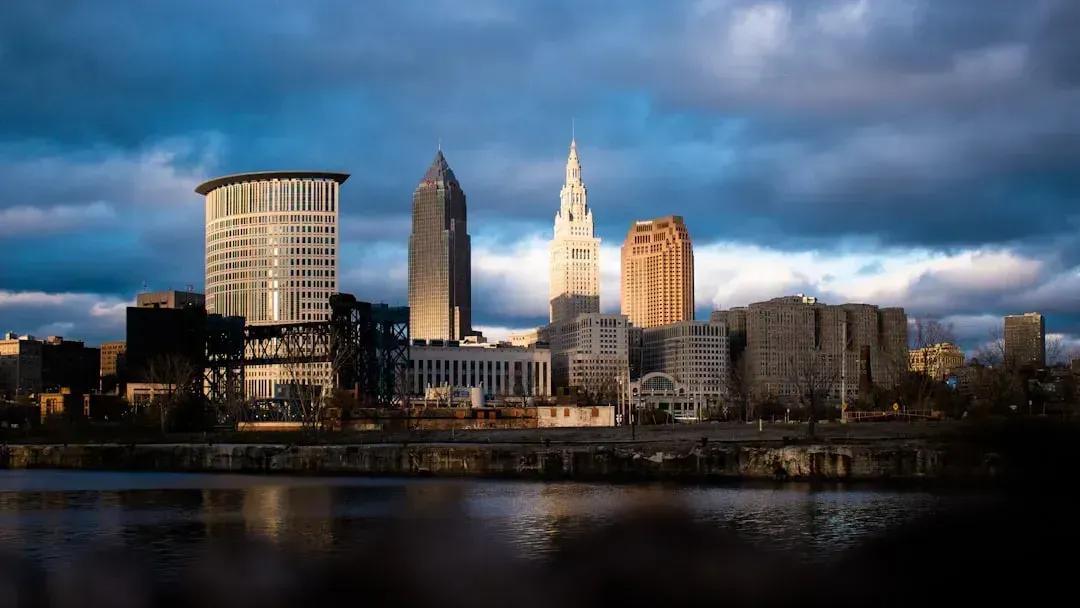
Cleveland continues to have the second-highest poverty rate among large cities in the U.S. According to the latest poverty data released by the U.S. Census Bureau, 28.3 percent of residents in Cleveland live in poverty, accounting for just over 100,000 residents. Those figures are real. Yet the direction of travel is unmistakably changing for the better.
For the first time in recent years, the population of Cleveland actually increased instead of decreasing. Ten years ago, the population was just over 376,000 residents, with gradual decline until 2024 when estimates rose by over 2,700 residents. Increases in population in mid-sized cities like Cleveland typically lead to economic growth, community stability, and eventual decreases in poverty, and poverty rates for Cleveland did fall from 30.7 percent in 2023 to 28.3 percent in 2024. The Rock and Roll Hall of Fame, a spectacular lakefront, a nationally respected medical corridor anchored by the Cleveland Clinic, and affordable housing make daily life here far better than the numbers first suggest.
3. Dayton, Ohio
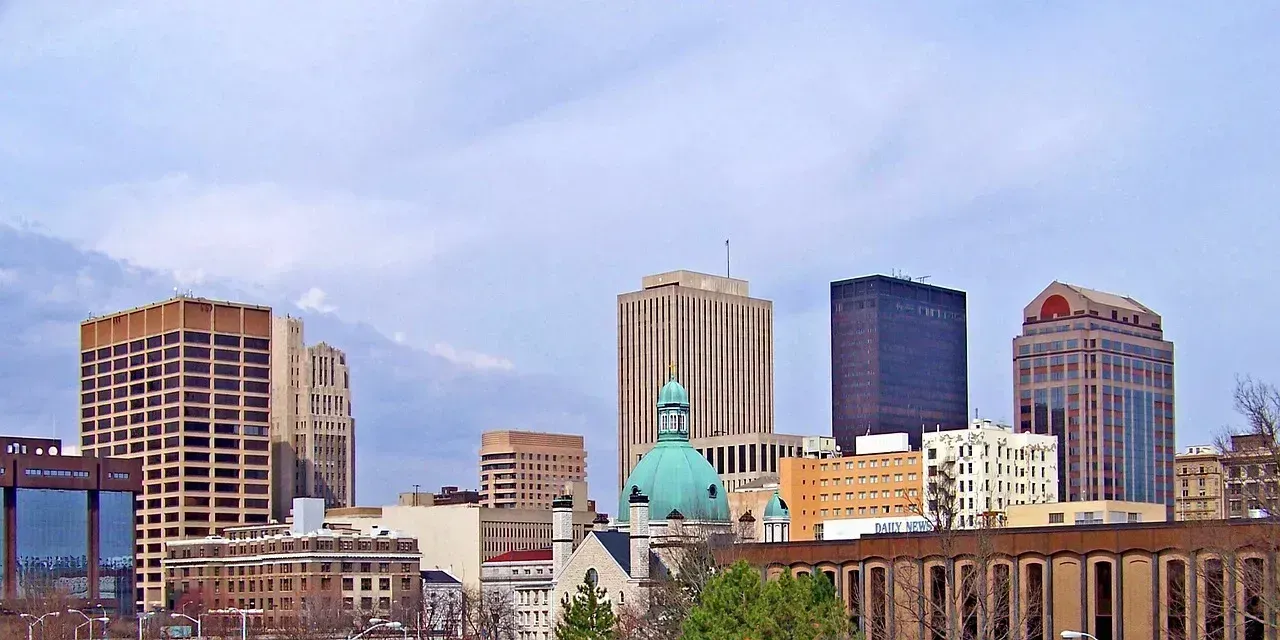
Located in west-central Ohio, Dayton ranks among cities with the highest poverty rates, its current problems largely stemming from a lack of high-paying jobs, mostly because so many high-paying manufacturing jobs have evaporated. It’s a familiar Rust Belt story. What’s less familiar is how Dayton has quietly responded to it.
The cost of living in Dayton is 3.5 percent below the national average, the unemployment rate dropped to 4.9 percent compared to 5.3 percent in 2024, and severe housing problems fell from 11.3 percent in 2024 to 10 percent in 2025. Dayton is also the birthplace of aviation, home to the National Museum of the United States Air Force, the largest military aviation museum in the world, which is free to the public. It is the kind of civic asset that makes daily life more interesting in ways that income statistics never account for. The city’s arts district and river corridor have attracted genuine investment and new energy in recent years.
4. Brownsville, Texas
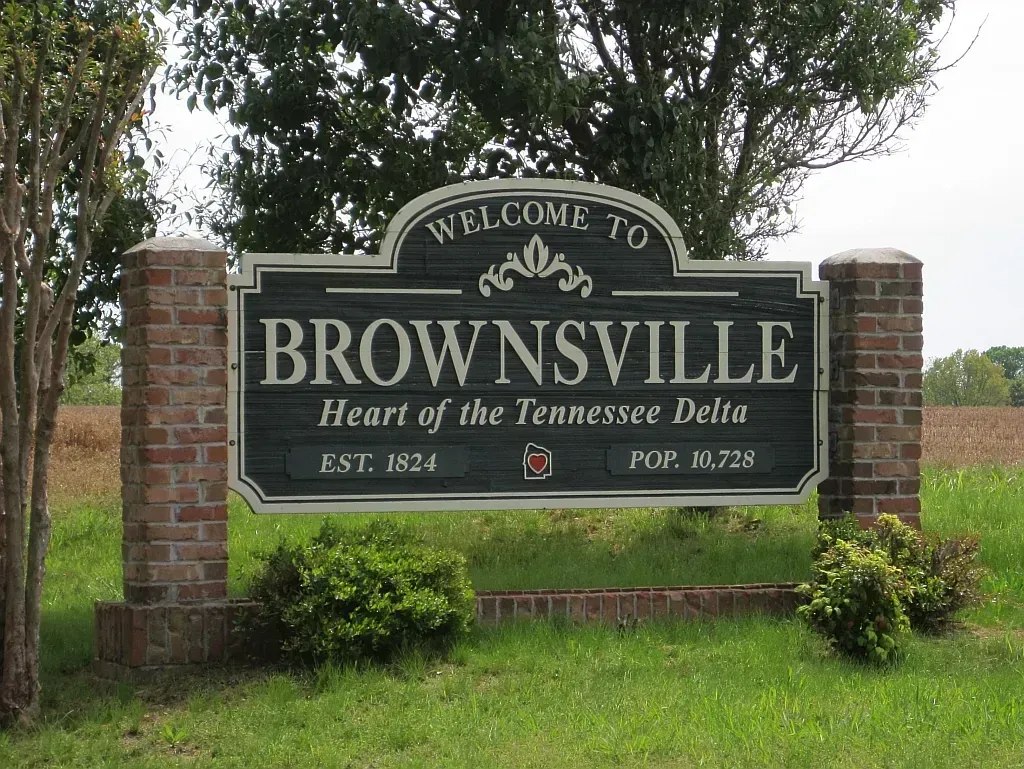
The poverty rate in Brownsville was estimated to be nearly one quarter of the population, based on 2024 U.S. Census Bureau data. That is more than double the national poverty rate, and it has been a long-standing problem, as Brownsville was named the poorest city in America over ten years ago. The numbers there have never been kind on paper. The lived experience, though, tells a different story.
In 2023, Brownsville had a median age of just 30.9, making it a young, energetic city. The median property value in Brownsville was $122,400, and most residents drove alone to work with an average commute time of just 20.6 minutes. That affordability, combined with a warm climate, strong community ties, and proximity to the Gulf of Mexico, gives residents a quality of life that feels richer than the income data would suggest. The cost of living in Brownsville sits at roughly 78 out of 100, well below the national average.
5. McAllen, Texas
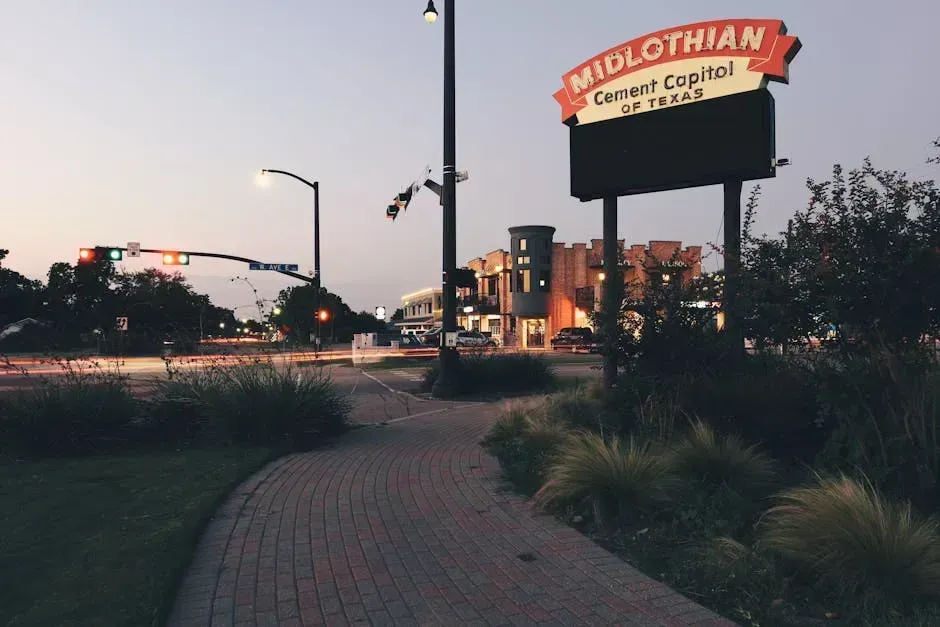
In 2024, the U.S. population’s poverty rate stood at around 10.6 percent, but in border cities like McAllen, Texas, that rate climbs considerably higher. The poorest states according to the U.S. Census Bureau include Louisiana, Mississippi, New Mexico, West Virginia, and Kentucky, but Texas border cities like McAllen tell a similar story, with poverty rates well above the national average driven by economic isolation and immigration dynamics. That context makes what McAllen has managed to build all the more striking.
Despite this, McAllen has earned a reputation as one of the most unexpectedly livable cities in the South. It has been recognized multiple times as one of the greenest cities in the nation for its extensive parks system and tree-planting initiatives. McAllen is a textbook example of the principle that money goes further in some cities than others: housing is cheap, food is affordable and exceptional, and the community is tight-knit and proud. It’s a combination that makes a modest income feel like considerably more.
6. Buffalo, New York
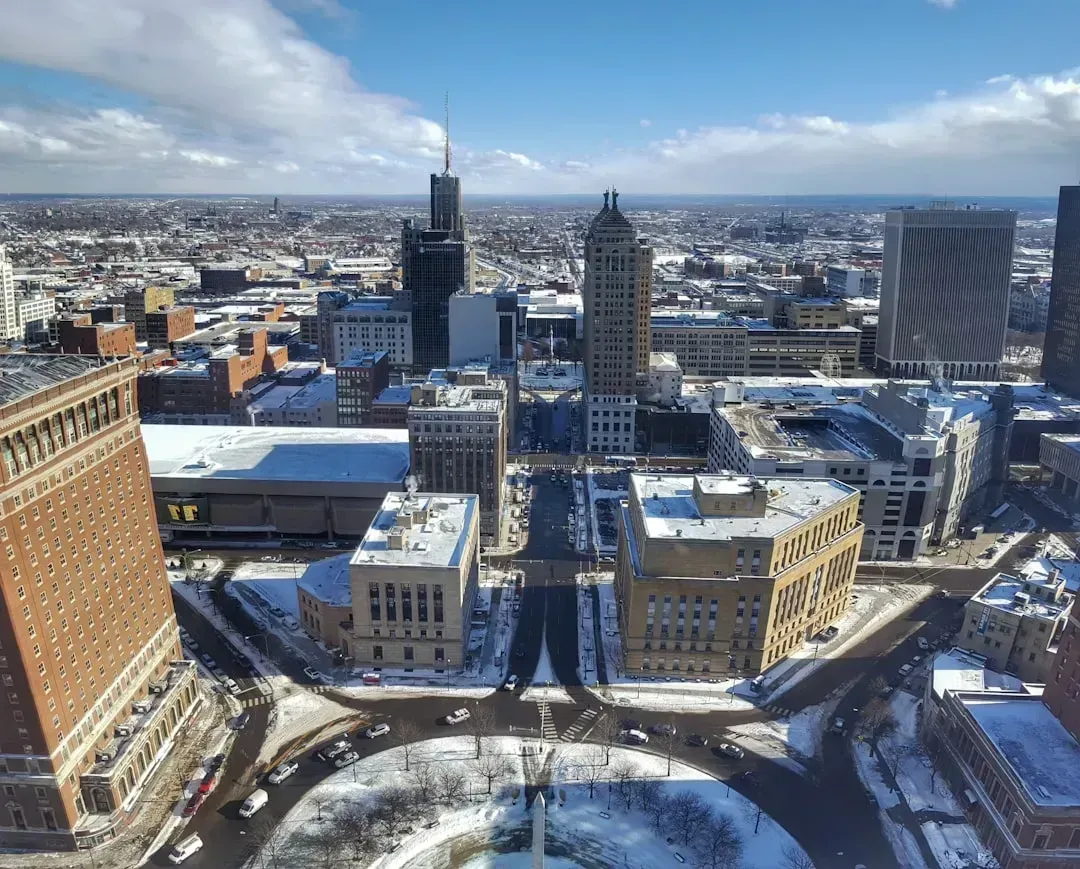
The median household income in Buffalo is $50,041, with a poverty rate of roughly 26 percent. Buffalo is a former industrial and shipping hub that took a hard hit when its economic base crumbled, a decline that lasted decades. The scars of that era are still visible, and any honest look at the city has to acknowledge the depth of the challenge.
Buffalo’s food scene is legendary, its architecture is genuinely stunning, and its neighborhoods are among the most walkable and affordable of any city its size in the Northeast. The city houses many colleges and universities, most notably the University of Buffalo. Healthcare companies such as Kaleida Health and Catholic Health Systems are among the city’s largest employers. Buffalo is also home to several professional sports teams, including the NFL Buffalo Bills, NHL Buffalo Sabres, and MLB-affiliated Buffalo Bisons. That civic infrastructure gives residents access to world-class entertainment and services that income data completely ignores.
7. Hartford, Connecticut
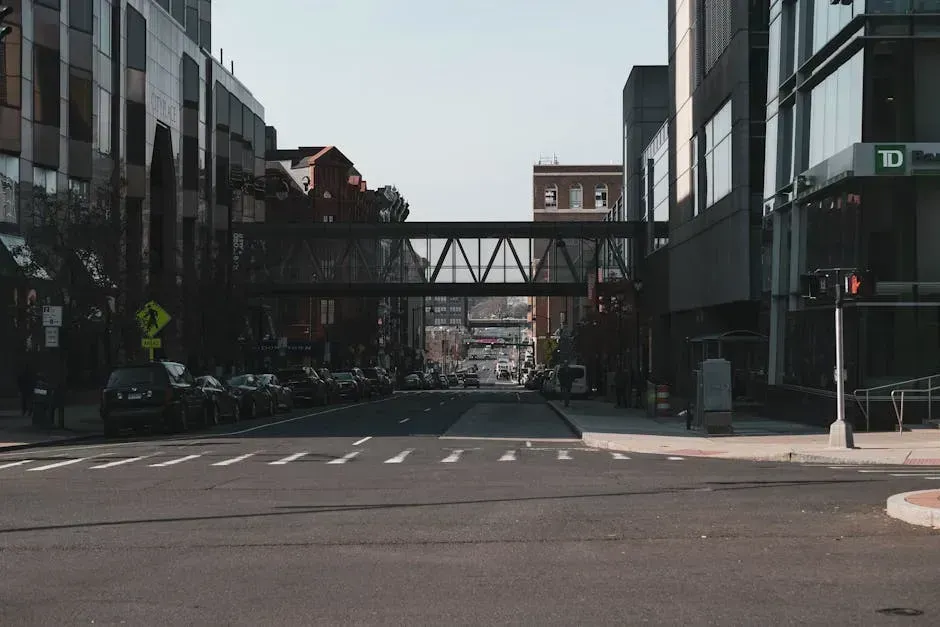
Hartford ranked among the poorest cities in the U.S. in 2025. It may be poor, but it is located in one of the richest states in the country, and the city has real challenges including underfunded schools and limited job opportunities. Following the Civil War, Hartford was actually the richest city in the U.S., largely because of the Industrial Revolution, but the once-busy factories shut their doors long ago. Today, Hartford is the poorest city not just in one of the richest states in the country, but among the poorest in the entire nation.
The city has world-class museums, including the Wadsworth Atheneum, the oldest public art museum in the country, and residents benefit from Connecticut’s extensive public infrastructure, including transit links and state-funded social services that are among the most generous in the nation. The proximity to Yale University’s medical system, strong nonprofit networks, and a deeply historic urban core give residents access to services and cultural richness that pure income stats completely miss. Hartford is, in many ways, the sharpest illustration of the central premise here: a city that looks broken on a balance sheet, but offers its residents something that money alone was never going to buy anyway.
What these seven places share isn’t prosperity in the traditional sense. It’s something harder to quantify: community density, cultural depth, affordable space, and institutions that serve people regardless of income. The absence of financial fear, for many residents, comes not from high earnings but from low costs, tight networks, and a city that genuinely shows up. That’s a form of quality of life that most national rankings still haven’t figured out how to measure.