
Most people assume history is the dry stuff of textbooks. Dates, dynasties, the occasional revolution. The reality is far stranger, and often considerably darker, than the sanitized version most of us learned in school. Some events are so extreme, so bizarre, or so deeply unsettling that even professional historians occasionally have to double-check their sources.
What follows are thirteen documented historical facts, each one verified through scholarly research and primary records. None of them are exaggerated. None are invented. And every single one of them is real.
1. A Pope Dug Up His Predecessor and Put the Corpse on Trial
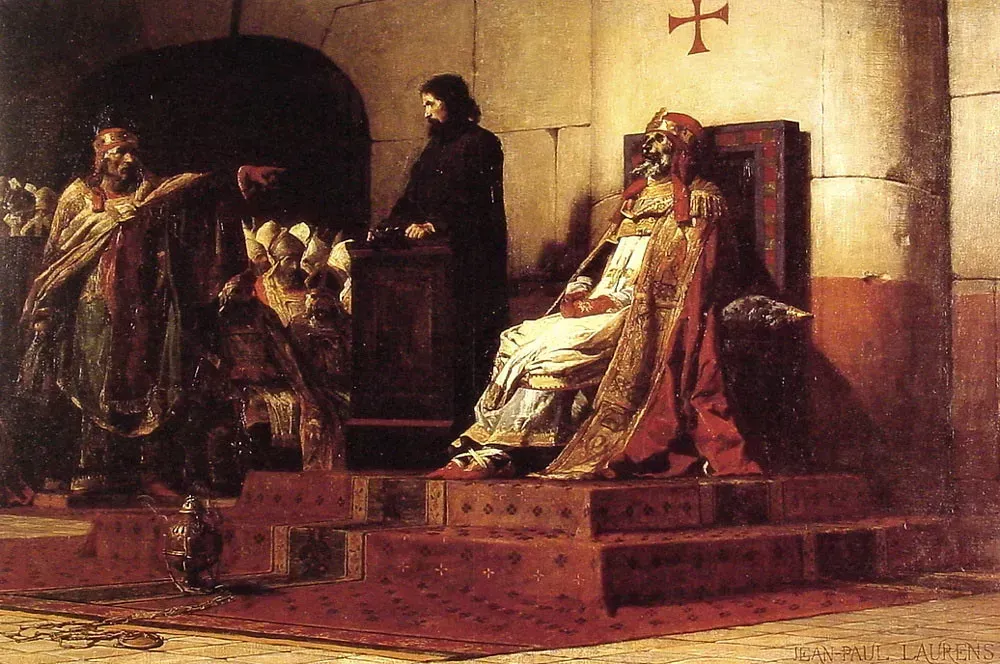
Known as the Cadaver Synod, this event was an ecclesiastical trial of Pope Formosus, who had been dead for about nine months, held in the Basilica of St. John Lateran in Rome during January 897. The trial was conducted by Pope Stephen VI, and Stephen had Formosus’s corpse exhumed and physically brought to the papal court for judgment. The grim spectacle took place inside the Lateran Basilica, and involved the digging up of Formosus’ body, which had been buried for about nine months. The corpse was dressed in papal vestments and seated on a throne to face formal charges.
Stephen VI persisted with his case, and the dead pope was found guilty of usurping the papacy. Stephen VI declared all his acts as pope null and void. Formosus’s body was stripped of its rich garments and dressed in rags. Three of his fingers, the fingers of the benediction with which he had given blessings in life, were cut off, and his body was cast into the Tiber River. The uproar led to riots in Rome, and Pope Stephen VI was soon imprisoned. He was strangled to death in his cell later that year, most likely because of public anger and political revenge.
2. The United States Almost Nuked Itself Over North Carolina
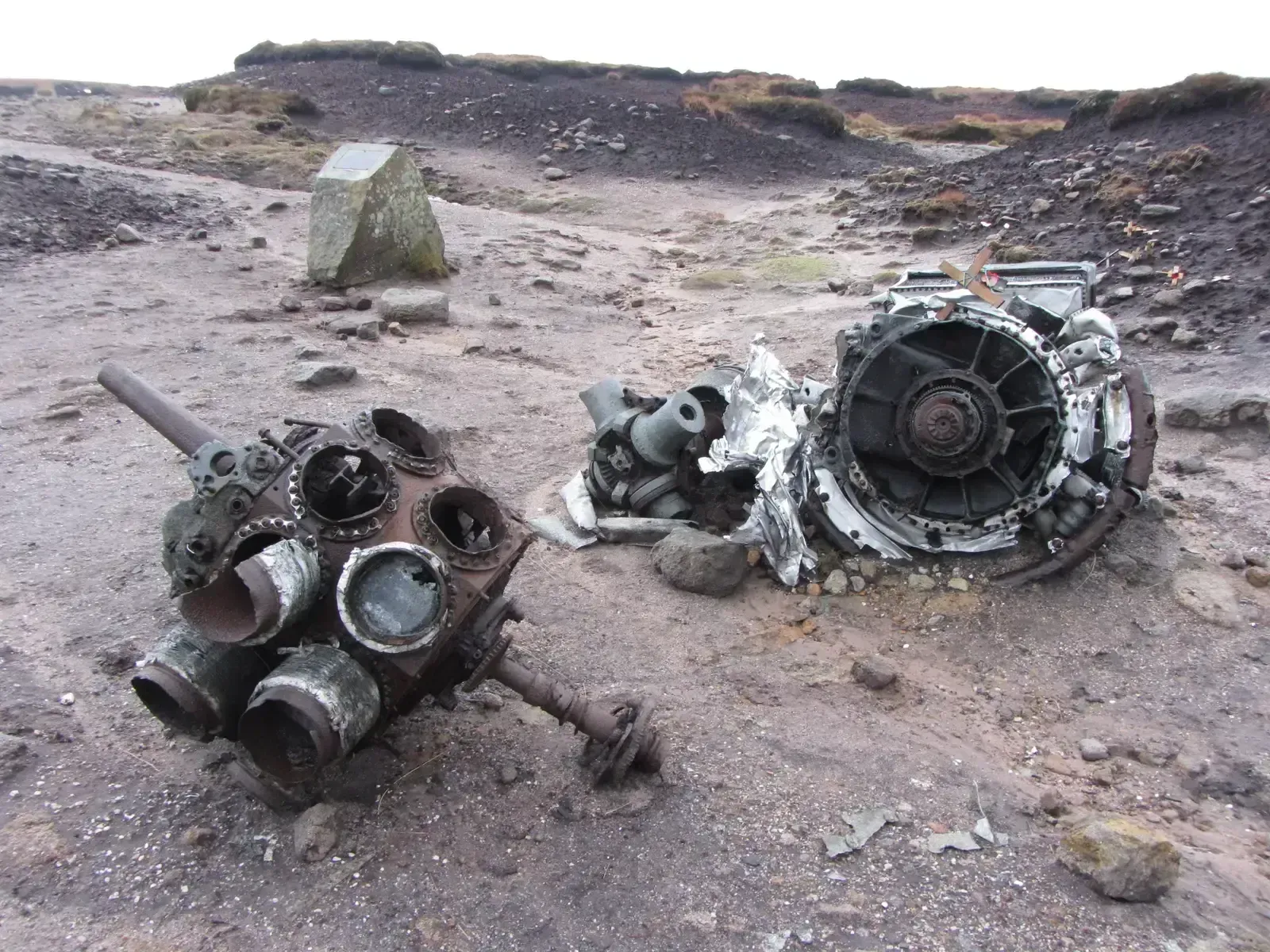
On January 24, 1961, a Boeing B-52 Stratofortress carrying two 3.8-megaton Mark 39 nuclear bombs broke up in mid-air near Goldsboro, North Carolina, dropping its nuclear payload in the process. The explosive yield of the Mark 39 was 3.8 megatons, roughly 250 times the explosive power of the bomb dropped on Hiroshima, and enough to vaporize everyone and everything within a 17-mile radius.
Seven of eight arming, fusing, and firing switches and devices in one bomb automatically actuated. Only a single crew-controlled switch prevented a nuclear detonation. Information about how close the bombs came to detonation remained classified until 2013, when a Freedom of Information Act request revealed additional details about the bomb’s safety mechanisms. The decision was eventually made to leave remaining portions of one weapon containing uranium, believed to have entered the water table, in the ground. As a precaution, the government purchased part of the site and still maintains an easement to prevent digging in the vicinity.
3. The Great Molasses Flood Was a Real and Deadly Disaster
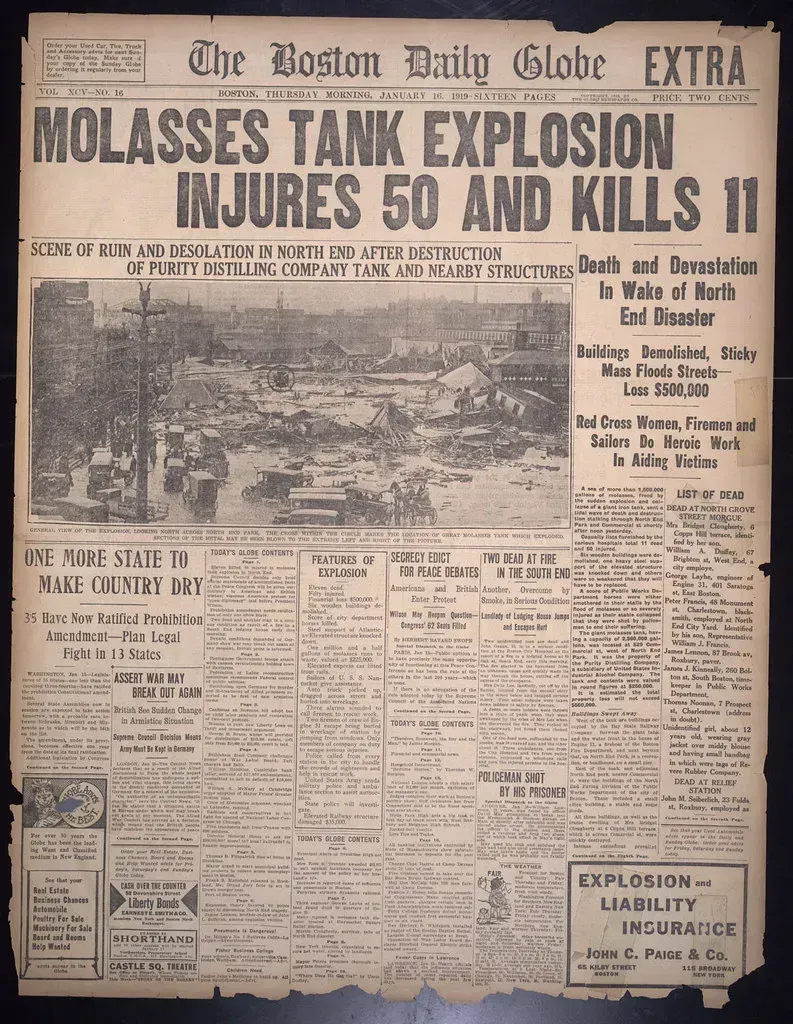
In January 1919, an enormous molasses tank burst in the North End of Boston. While a molasses flood might sound almost comical, it was no laughing matter. The tank contained and released nearly two and a half million gallons of the sticky substance, which surged through the streets at a speed of 35 miles per hour. It was essentially a full-on tidal wave, reaching nearly fifteen feet tall and killing twenty-one people. A hundred and fifty more people were injured, and buildings and houses were knocked from their foundations.
Emergency responders had trouble reaching the victims since they had to clamber through the sticky sludge. It took Bostonians weeks to clean up the mess, and many residents would claim that in the summer heat, they could smell the sickly-sweet odor of molasses even years later. The incident remains one of the strangest industrial disasters on record, still studied by engineers more than a century after it happened.
4. Marie Curie’s Notebooks Are Still Radioactive and Kept Under Lock
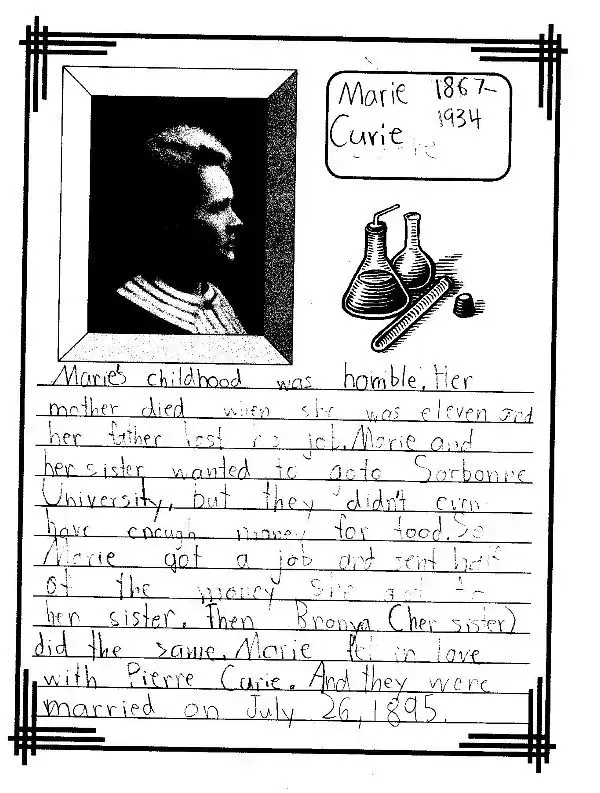
Marie Curie’s decades of work with radioactive materials left a lasting mark on everything she touched, including her personal belongings. Her notebooks are so heavily contaminated that they are stored in lead-lined boxes at the Bibliothèque nationale de France in Paris to this day. Anyone who wishes to view them must sign a liability waiver and wear protective gear, and the notebooks are expected to remain radioactive for another 1,500 years.
Curie died in 1934 from aplastic anemia, a condition almost certainly caused by her prolonged exposure to radiation. The full implications of ionizing radiation were not understood during her lifetime, and she reportedly carried test tubes of radioactive isotopes in her pockets and stored them in her desk drawer. The contamination radiating from her personal items today is a striking measure of just how saturated her environment had become.
5. The Austrian Army Once Defeated Itself in Battle
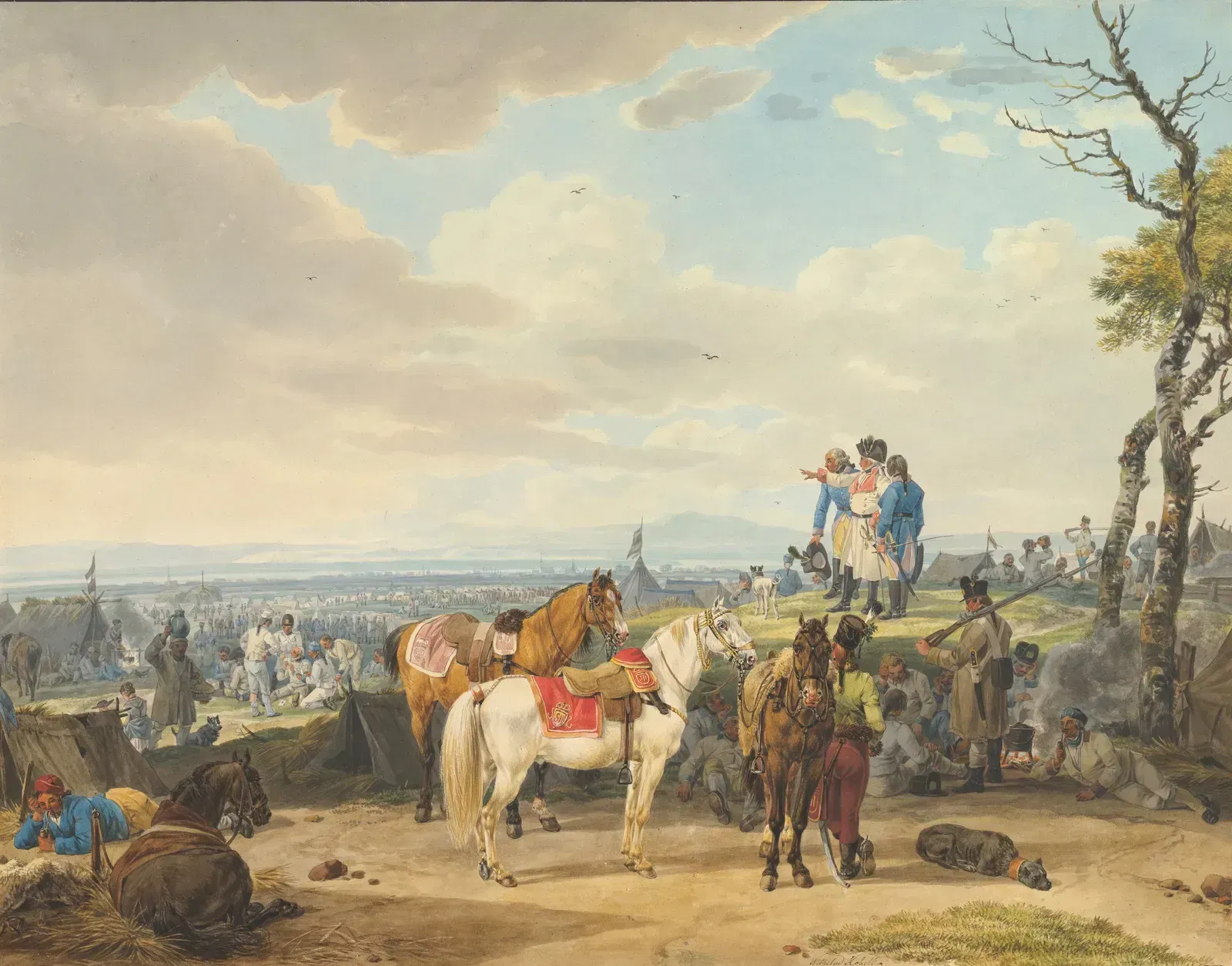
In a multilingual confusion, someone shouted “The Turks!” which caused widespread panic and a full retreat by both the cavalry and infantry. Officers shouting “Halt!” in German sounded to their non-Austrian allies like they were shouting “Allah!”, which only deepened the confusion. As they retreated into the rest of the Austrian army, those commanders also thought it was a Turkish attack and ordered artillery to fire into the oncoming men.
This is the story of the Austrians routing their own army because of schnapps, known as the Battle of Karansebes. Casualty estimates range as high as 1,200 men. The incident occurred in 1788, the night before the army was actually supposed to engage the Ottoman forces. When the real Ottoman troops arrived the following day, they simply walked through an already decimated and demoralized enemy camp.
6. A Dead Pope Being Put on Trial Was Only the Beginning of Darkness
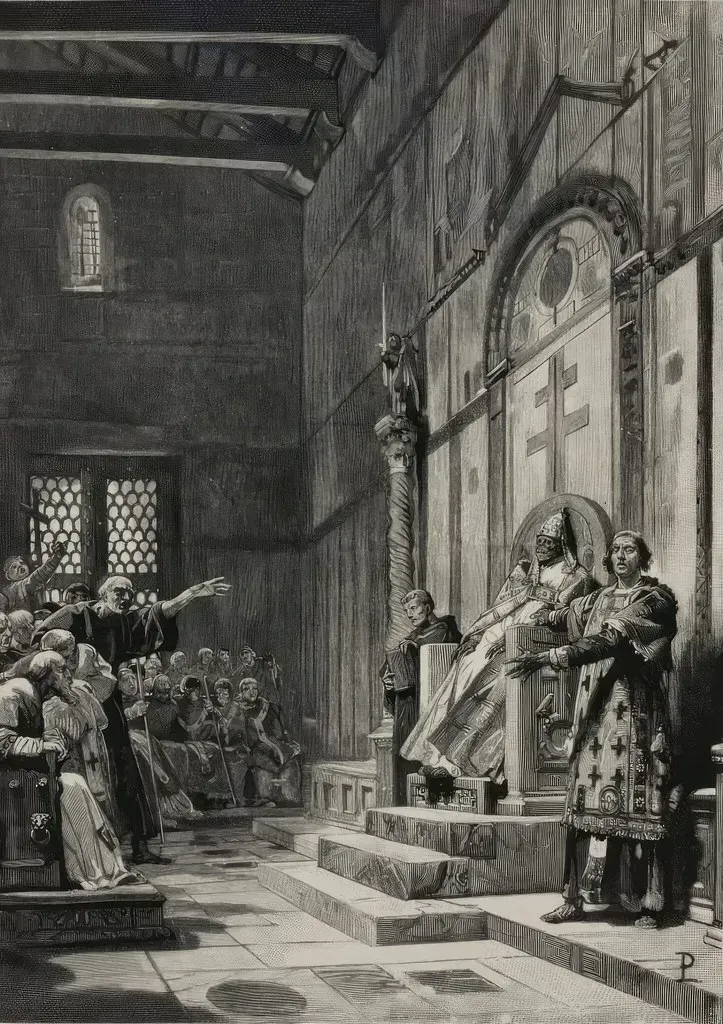
The Cadaver Synod was not an isolated act of papal madness. The trial ushered in one of the most corrupt eras in the history of the papacy, a time now referred to, with considerable grimness, as the pornocracy. This period unfolded during Italy’s politically turbulent years, and from 872 to 965, about two dozen popes were appointed, with nearly annual changes between 896 and 904. This instability reflected the overwhelming influence of Roman political factions.
One of Formosus’s immediate successors held on to the papacy for five turbulent years before dying of a stroke. His successor, Boniface VI, was elected quickly to squelch riots, but he was an odd choice, having been defrocked twice for “immoral conduct.” He only ruled for fifteen days before dying of either gout or poisoning. The period makes the most turbulent modern politics look almost quaint by comparison.
7. The War of Jenkins’ Ear Was a Real War Named After a Severed Ear
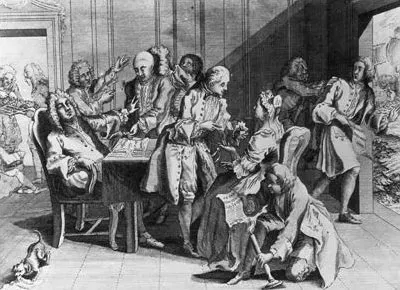
In 1738, a British sea captain named Robert Jenkins claimed that Spanish sailors had boarded his ship, cut off his ear, and instructed him to deliver it to his king. He displayed the preserved ear before the British Parliament, and the resulting public outrage helped push Britain into a conflict with Spain that lasted from 1739 to 1748. The conflict is officially recorded as the War of Jenkins’ Ear, and is as real and formally documented as any war fought over more conventional causes.
The war eventually merged into the broader War of the Austrian Succession, making an amputated ear one of the documented catalysts for a major European conflict. Jenkins himself reportedly kept the ear pickled in a jar and brought it to Parliament on request. The episode is a reminder that history’s actual tipping points are often far stranger than the ones remembered in textbooks.
8. Edgar Allan Poe’s Novel Predicted a Real Shipwreck 46 Years Later
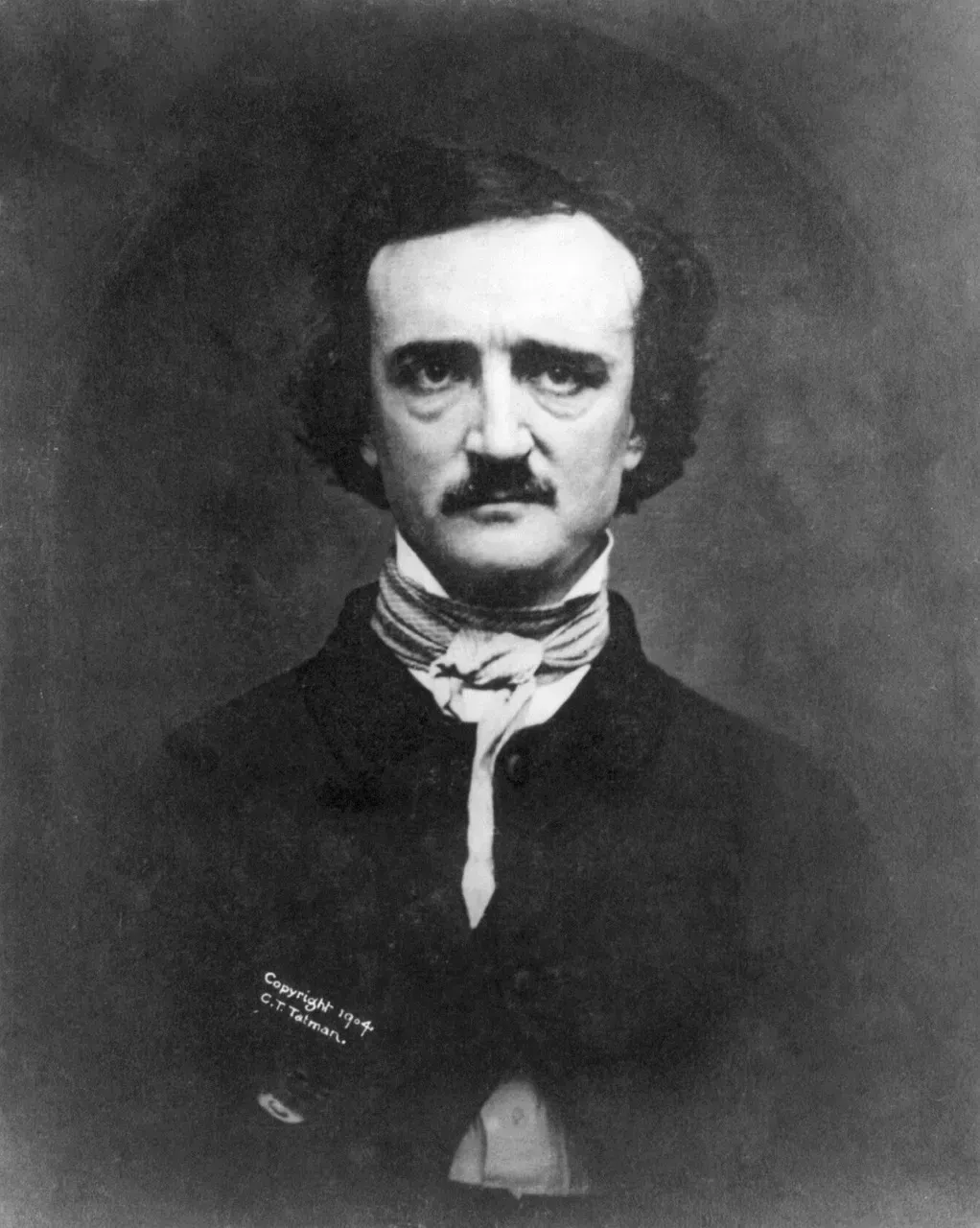
Edgar Allan Poe’s 1838 novel tells the story of four crewmen on a whaling ship who end up stranded. In order to survive, the crewmen draw lots to see who among them should be eaten. The lot lands on their cabin boy, Richard Parker. Forty-six years later, four crewmen aboard the yacht Mignonette capsized on their way to Sydney from London. Three of the crewmen decided to eat and kill the youngest and weakest among them, their nineteen-year-old cabin boy, also named Richard Parker.
The real-life case of the Mignonette became one of the most famous legal cases in British maritime history. The surviving sailors were tried for murder. The coincidence of the shared name, the identical scenario, and the same grim outcome separated by nearly half a century remains one of the most unsettling literary coincidences ever documented. No plausible explanation for it has ever been found.
9. Caligula Declared War on the Ocean and Considered It a Victory
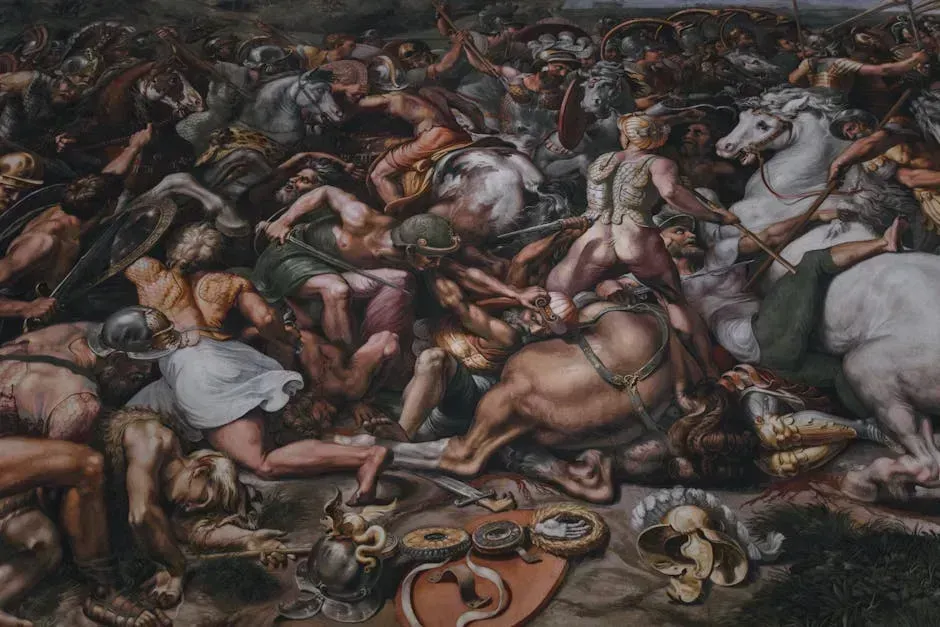
Of all the historically documented acts associated with Caligula, his declaration of war against Neptune, the Roman god of the sea, stands out as particularly difficult to accept as real. According to the Roman historian Suetonius, Caligula marched his legions to the shore of the English Channel, ordered them to stab the waves with their weapons, and then commanded them to collect seashells as the spoils of their victory over the ocean.
Historians have debated the precise meaning of this episode for centuries, with some suggesting it was a calculated humiliation of his own troops rather than a genuine act of madness. Whatever the true motivation, the physical event itself, thousands of Roman soldiers stabbing at the English Channel on imperial orders, is documented in multiple ancient sources. The seashells were reportedly returned to Rome as trophies of war.
10. New England’s Real-Life Vampire Panic Preceded Bram Stoker’s Dracula

In the late 1800s, a bout of tuberculosis, then called “consumption,” struck Connecticut, Rhode Island, and Vermont, and residents had no rational framework to explain why whole families were dying one by one. Since its victims tended to look sunken, pallid, and drained, people assumed they had fallen prey to vampires. A “vampire hunt” soon commenced. When members of an Exeter, Rhode Island family began dying of consumption one after the other, the other townspeople decided that someone in the family must be “feeding” on the others.
The Brown family’s nineteen-year-old daughter Mercy had died much more recently than her family members, so her body was in much better condition. Her heart even still contained some decayed blood, which was seen as a sure sign of vampirism. To prevent her from “striking” again, they burned her heart and liver and mixed the ashes with water. They then gave the concoction to another affected townsperson as a supposed cure. This happened in 1892, just five years before Bram Stoker published Dracula.
11. The Syphilis Outbreak of the Renaissance Was Essentially a Real Zombie Plague
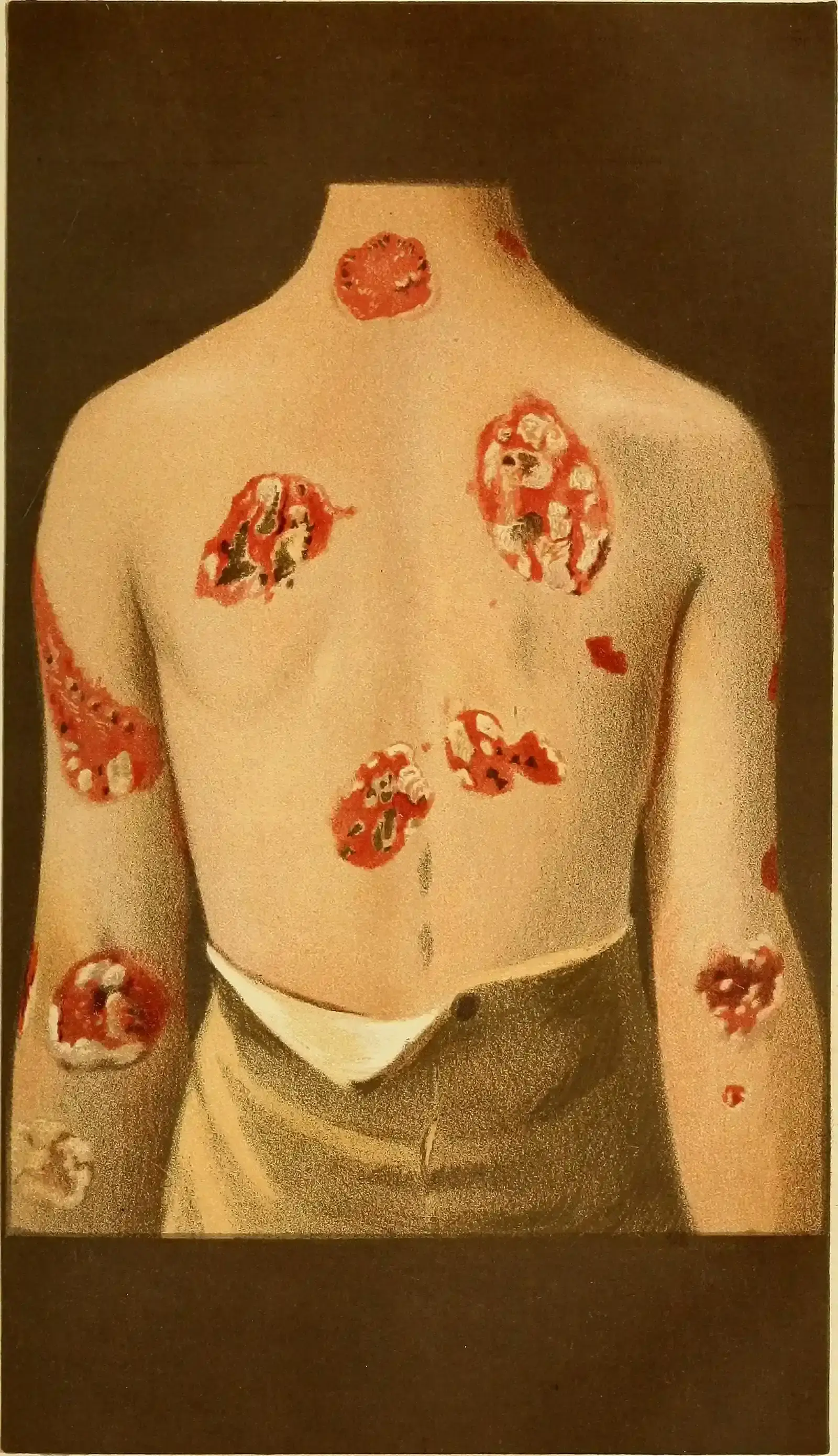
Italy’s Renaissance period has a major, though little-known, dark side. Sailors returning from the New World brought with them a massive outbreak of syphilis, which spread through an entire French army. The troops then carried what would become known as “the great pox” to the rest of Europe. With no antibiotics back then, the disease was able to spread unchecked. The skin on victims’ faces would essentially rot away from grisly ulcers. In some cases the noses, lips, or other body parts of the affected people were entirely gone, and several victims eventually died from the disease.
The contrast between the artistic splendor of the Renaissance and this simultaneous plague sweeping through the same streets is almost impossible to reconcile. Leading artists, military figures, and scholars of the period lived alongside people disfigured in ways that contemporary accounts describe with visible horror. In 1927, the Nobel Prize for Medicine and Physiology was awarded to Julius Wagner-Jauregg for using malaria to intentionally infect and thereby cure syphilis patients. At the time, syphilis was still incurable and horrific.
12. George Washington’s Famous Teeth Were Partly Made from His Enslaved Workers’ Teeth
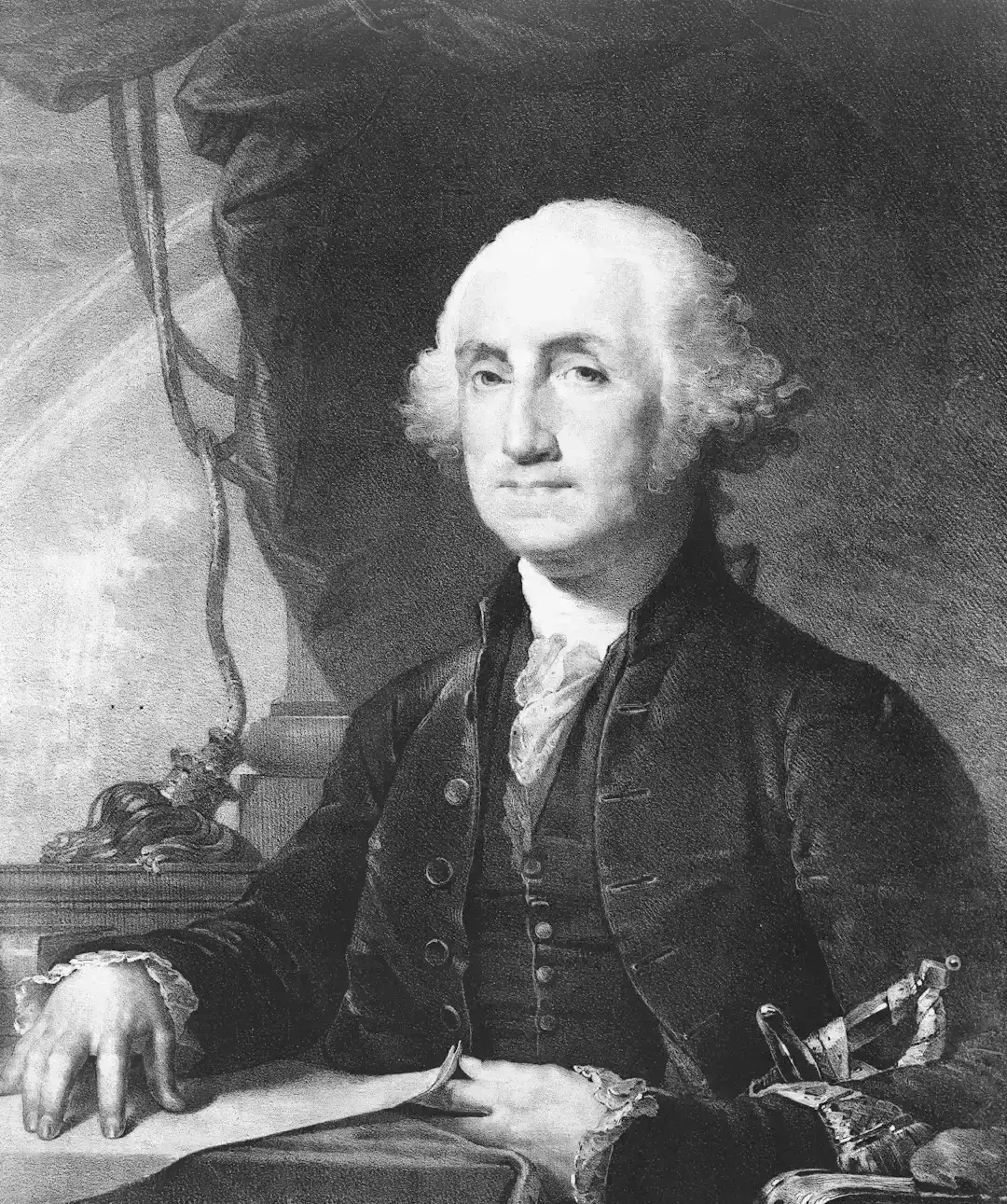
While the myth of George Washington’s wooden teeth is a famous piece of American folklore, the reality is far more disturbing. By the time he was inaugurated, he had only one of his own teeth left and relied on dentures crafted from a grim assortment of materials, including hippo ivory, bone, brass screws, and, most disturbingly, human teeth purchased from his enslaved workers and other impoverished people. These bulky, spring-loaded contraptions were a source of constant pain, distorted the shape of his jaw, and are believed to be the reason for his famously stern and tight-lipped expression in many of his portraits.
Nineteenth-century dentists also combated widespread tooth decay with makeshift dentures made of ivory base plates with real human teeth attached. Scavengers were already looting corpses from the Battle of Waterloo for their teeth, which could then be sold to dentists. The practice was common enough that battlefield teeth had their own market name. They were known as “Waterloo teeth,” describing teeth extracted from dead soldiers on the battlefield.
13. The CIA Secretly Dosed Hundreds of Unwitting Americans with LSD for Mind Control Research
During the Cold War, the CIA tested whether mind control was possible using drugs like LSD, along with methods like electroshock and sleep deprivation, in a project called MK-ULTRA. These tests were done on American prisoners, prisoners in foreign detention centers, those in psychiatric hospitals and schools, and unwitting CIA agents themselves. Some of the victims were pregnant mothers and children.
One death definitively caused by MK-ULTRA was that of CIA agent Frank Olson, who fell from a window after being given LSD without his knowledge at a retreat. The CIA covered up the true nature of his death for decades, and when Olson’s body was exhumed many years later, there was evidence he had actually been thrown from the window, leading many to believe the CIA killed him to prevent him from revealing what he knew. One patient, Albert Stevens, was not even terminally ill. He had been misdiagnosed with cancer when he actually just had an ulcer. He later became known as the most radioactive person alive due to the radiation experiments performed on him, and was never told he had been exposed to plutonium, nor that he did not have cancer.
History tends to present itself as a story of gradual progress, of societies moving steadily toward reason and order. These thirteen facts suggest the trajectory is considerably more erratic. The past was not simply a less informed version of the present. It was a genuinely different world, capable of acts that no reasonable person today would believe without documentation. That documentation exists. Every one of these stories is real, and each one is a reminder that the human capacity for strangeness has never required fiction to express itself.