
Most kids are afraid of something. The dark, thunderstorms, being left alone – these fears feel enormous when you’re small, and for the most part, they fade. But not always. For a meaningful number of children, certain fears aren’t just a phase. They’re early signals of an anxiety pattern that quietly follows them into adulthood, reshaping how they think, relate to others, and move through the world.
Childhood and adolescence is the core risk phase for the development of anxiety symptoms and syndromes, ranging from transient mild symptoms to full-blown anxiety disorders. The tricky part is that fear and anxiety are also normal, even necessary, parts of growing up. The differentiation between normal and pathological anxiety can be particularly difficult in children because children manifest many fears and anxieties as part of typical development. What distinguishes a passing fear from a deeper pattern often comes down to intensity, duration, and how much it bleeds into daily life.
1. Fear of the Dark
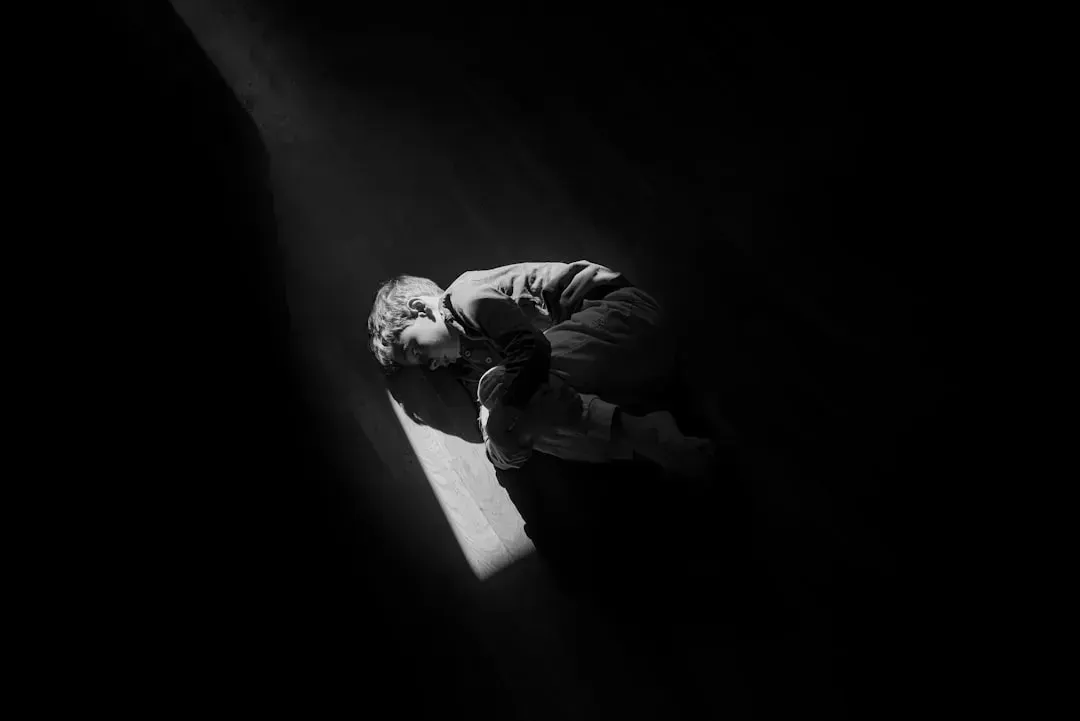
Young kids can imagine and pretend, but they can’t always tell what’s real and what’s not. To them, the scary monsters they imagine seem real. They fear what might be under their bed or in the closet, and many are afraid of the dark at bedtime. This is one of the most universal childhood fears, and in most children it passes. Still, when the fear is intense, persistent, and begins to interfere with sleep or bedtime routines for years on end, it can be an early marker of a more generalized anxiety pattern.
Science shows that early exposure to circumstances that produce persistent fear and chronic anxiety can have lifelong effects on brain architecture. A child who cannot self-soothe in the dark, who spirals into worst-case thinking every night, is showing something worth paying attention to. From a biological standpoint, some children are born with more reactive nervous systems, with their fight-or-flight response more easily triggered, making them more sensitive to stress.
2. Separation Anxiety That Went Too Far
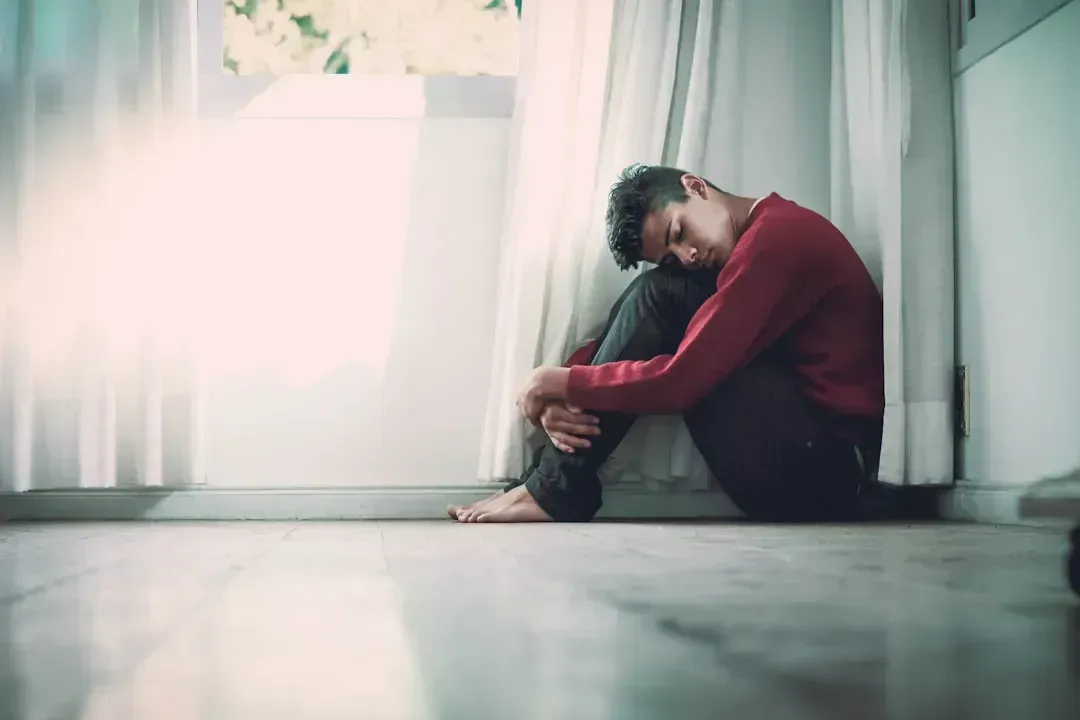
Separation anxiety is a normal and important phase of early development that begins in most children when they’re 8 to 12 months old. With normal separation anxiety, a child may fear strangers and not feel safe when a parent isn’t around. The issue arises when this fear doesn’t ease up as a child grows older. Separation anxiety is of greater concern when a school-age child has serious difficulty with separation – such children may follow parents from one room to the next, insist they can’t sleep alone, or even express fear that they or the parent may be harmed if they aren’t together.
Children who struggled with separation anxiety may find that those fears don’t go away in adulthood – they simply shift into different settings. The discomfort they once felt about being left at school or interacting with peers may show up as hesitancy to attend social events, speak up in meetings, or try new experiences. What begins as clinging to a parent can gradually reshape into a lifelong discomfort with independence and uncertainty.
3. Fear of Strangers
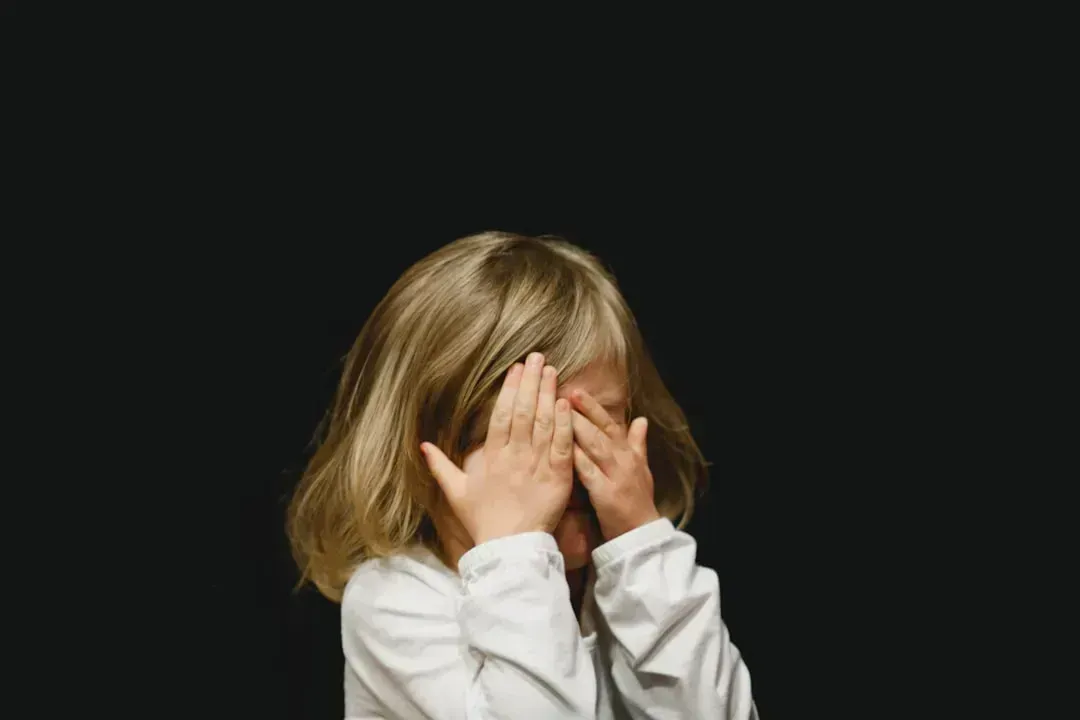
Newborns typically fear falling and loud noises. Fear of strangers begins as early as six months and persists until the age of two or three. This is biologically wired and serves a protective purpose. The concern is when wariness of unfamiliar people remains intense well beyond early childhood, bleeding into a persistent social avoidance that doesn’t resolve with age or experience.
Some children are “behaviorally inhibited” – as early as the age of four months, they tend to cry and shrink back in the presence of strangers, while their hearts begin to beat faster. This temperamental shyness is associated with the later development of anxiety disorders. Children who consistently reacted to new people with distress rather than curiosity were, in many cases, showing early evidence of a temperament that carries real long-term risk.
4. Fear of Monsters and Imaginary Creatures
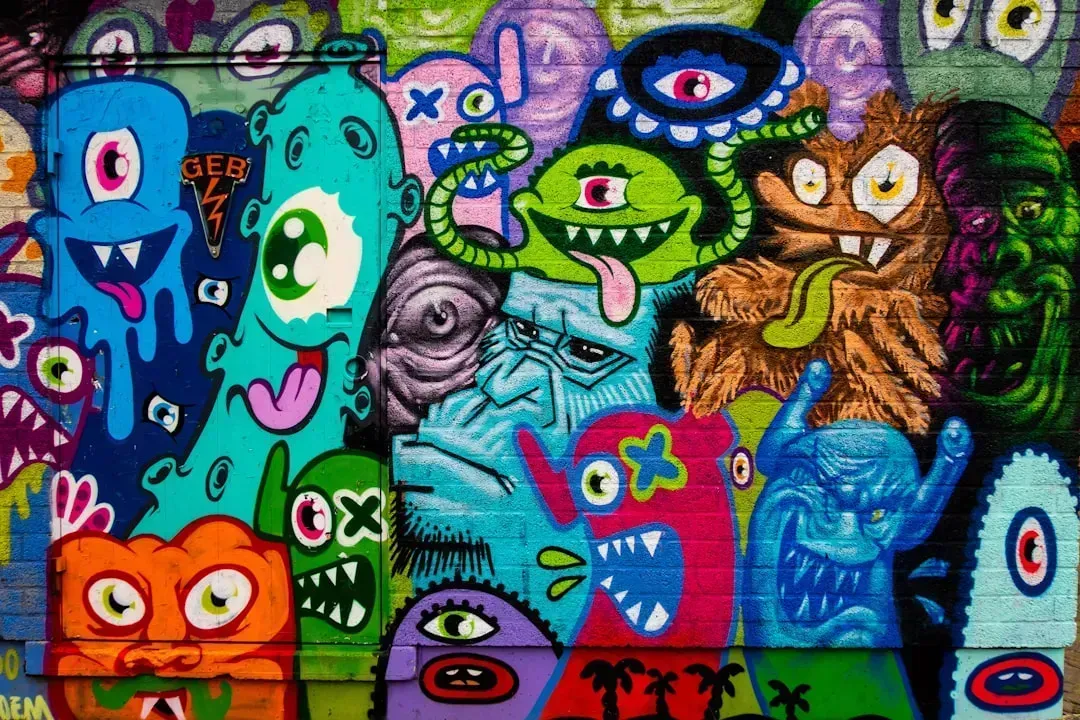
Normative fears tend to develop in the following pattern: situations and environment in early childhood, then animals and ghosts between ages four and eight, then injury in pre-adolescence, and social situations and criticism in adolescence. Monsters and imaginary threats fit squarely into the middle band of that developmental arc. For most children, this fear is playful almost as much as it is scary. For others, it produces genuine dread that disrupts sleep and daily functioning for years.
Recent evidence suggests that normative fears reflect serious anxiety disorders in a substantial minority of children. When a child can’t sleep, refuses to enter dark rooms, or remains genuinely terrified of creatures they know intellectually don’t exist, the fear has crossed into something more clinical. Childhood anxiety refers to excessive fear, nervousness, or worry that persists over time and interferes with a child’s normal activities, relationships, and emotional well-being.
5. Fear of Loud Noises and Thunderstorms

Young kids may also be afraid of loud noises, like thunder or fireworks. This is extremely common, especially between the ages of two and five. A sharp startle response is natural, even adaptive. The signal to watch for is when a child’s response to noise is wildly disproportionate – full panic, extended crying, or days of anticipatory dread before a predicted storm.
Fears of thunder or lightning normatively peak at around two to four years of age. Children who remain severely distressed by thunderstorms well into primary school, or who begin to check weather forecasts obsessively, may be channeling broader anxiety through this specific trigger. The noise itself isn’t really the issue – the inability to tolerate uncertainty and unpredictable events is.
6. Fear of Getting in Trouble or Making Mistakes

Children with perfectionism may describe anxiety attributed to their need to perform well and their fear of making mistakes. This fear is particularly easy to overlook because it often looks like conscientiousness. A child who double-checks homework obsessively, freezes when asked a question aloud, or cries over a small error isn’t just being careful – they may be responding to a disproportionate internal threat.
Some children are naturally more cautious, sensitive, or perfectionistic. These traits aren’t inherently bad – in fact, they often go hand-in-hand with thoughtfulness and empathy. But when combined with external stress or internal worry, they can become fertile ground for chronic anxiety. Adults who grew up with this fear frequently find themselves overpreparing, paralyzed by decisions, and unable to tolerate any form of failure or criticism.
7. Fear of Being Embarrassed in Public

Typically around the third grade or later, as social awareness increases, children may feel intense anxiety about how they appear to others. They may express worries about being embarrassed, or about being evaluated in a harsh or negative way. A degree of self-consciousness at this age is completely normal. When a child refuses to participate in school activities, answer questions in class, or eat in front of others, the fear has taken on a different weight.
Older children and adolescents often become anxious when presenting information in public, such as giving a book report in front of classmates. Such difficulties should not be viewed as evidence of a disorder. However, if anxiety becomes so exaggerated that it greatly impairs function or causes severe distress and avoidance, an anxiety disorder should be considered. Social embarrassment fears in childhood are one of the cleaner predictors of adult social anxiety disorder.
8. Fear of Death – Especially a Parent’s Death
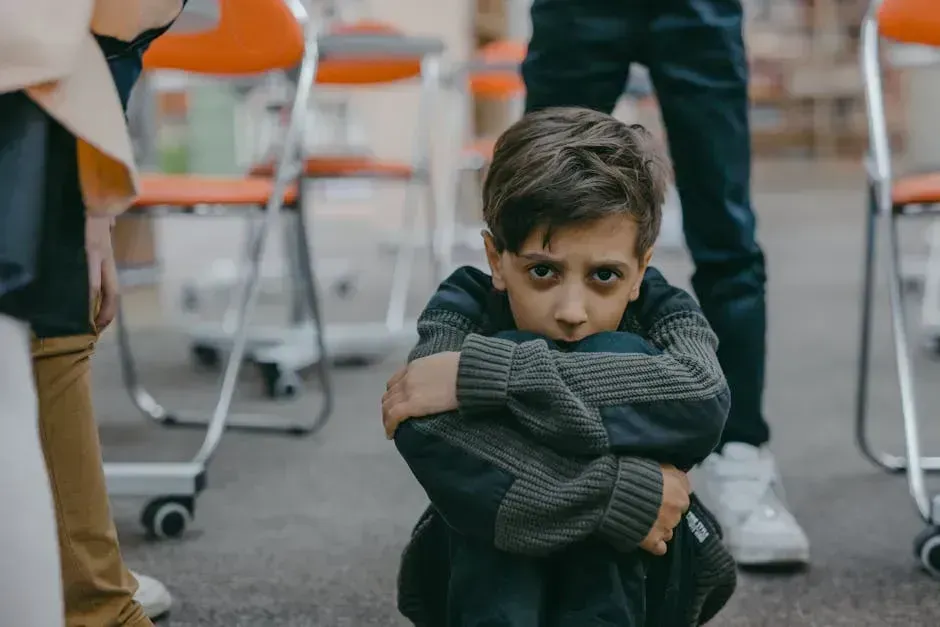
Older children may worry about death in the family, failure in school, and events in the news such as wars, terrorist attacks, and kidnappings. Thinking about the death of a parent is something almost every child does at some point. The difference lies in how consuming that fear becomes. Children with anxiety can spend hours dwelling on this possibility, seeking reassurance repeatedly, or refusing situations that take them away from parents out of fear something will happen while they’re gone.
Children with anxiety may constantly worry about things most kids wouldn’t think twice about, and these worries can become all-consuming. A child might ask repeated “what if” questions or seek constant reassurance. This pattern of seeking reassurance to manage catastrophic thoughts is a well-recognized early sign of generalized anxiety disorder, and it rarely stays contained to one topic.
9. Fear of Animals
Animal fears are among the most well-documented specific phobias in children. Research by Ollendick, King, and Frary found an average of 14 fears reported by American and Australian youths aged 7 to 17 years, and there are good reasons to believe this number is quite similar across different cultures. Dogs, insects, and snakes are common targets. For the majority of kids, these fears are manageable and specific. For anxious children, even the thought of encountering an animal can produce significant distress.
Consistently high levels of behavioral inhibition from toddlerhood through middle childhood have been linked to increased risk for phobias in childhood and social anxiety in early adolescence. A child who cannot visit a friend’s home because there might be a dog there, or who refuses outdoor activities out of fear of insects, is showing avoidance behavior that reinforces anxiety over time. Persistent and unhelpful worries usually result in significant distress and often lead to avoidance of the feared situation.
10. Fear of Vomiting or Getting Sick
Emetophobia – an intense fear of vomiting – is underreported in children but more common than most people realize. Children with this fear often restrict what they eat, avoid school when they feel even mildly unwell, and monitor their bodies constantly for signs of nausea. The anxiety itself frequently triggers the very stomach symptoms they dread, creating a self-reinforcing cycle that is hard to break.
Most children may describe their discomfort in terms of somatic symptoms: “I cannot go to school because I have a stomachache.” These children are often telling the truth because an upset stomach, nausea, headaches, palpitations, and sleep problems often do develop in children with anxiety. What looks like a physical complaint is frequently the body’s honest expression of an anxious mind – and when the presenting fear is specifically about illness or vomiting, the loop between anxiety and physical sensation becomes especially tight.
11. Fear of School and Academic Performance

Older children may worry about death in the family, failure in school, and events in the news. School-related anxiety covers a wide range – from test anxiety and fear of failure to a more generalized dread of the school environment itself. Children with anxiety are at increased risk for depression and substance use disorders later in life, and they may struggle in school or with attending school.
A considerable proportion of young children reported worrying every now and then, but this anxiety phenomenon became clearly more prominent in children after age seven, with a very high prevalence rate. After age seven, worries shift decisively toward performance, competence, and how others perceive them. Left unchecked, anxiety can impact every area of life – from falling behind in school to avoiding friendships. Research shows that untreated anxiety in children can predict anxiety and depression in adulthood, poor academic performance, and increased risk of substance use disorders later in life.
12. Fear of Social Rejection

In older children, worries primarily focused on behavioral competence, social evaluation, and psychological well-being. The fear of being rejected by peers emerges strongly around middle childhood and intensifies through adolescence. Most children experience social anxiety in some form – not being chosen for a team, sitting alone at lunch, feeling left out. For children prone to anxiety, these moments carry an outsized threat, as though rejection signals something permanent and catastrophic about their worth.
Many characteristics of behavioral inhibition, such as social withdrawal, negative affect, and vigilance to perceived threat, also describe certain anxiety disorders. The DSM diagnostic criteria for social anxiety include a persistent fear of social situations, intense anxiety and distress in response to feared situations, and avoidance of those situations. Children who spent considerable energy avoiding social risk frequently grow into adults who struggle to trust others, initiate relationships, or tolerate vulnerability without a great deal of internal alarm.
13. Fear of Natural Disasters and World Events
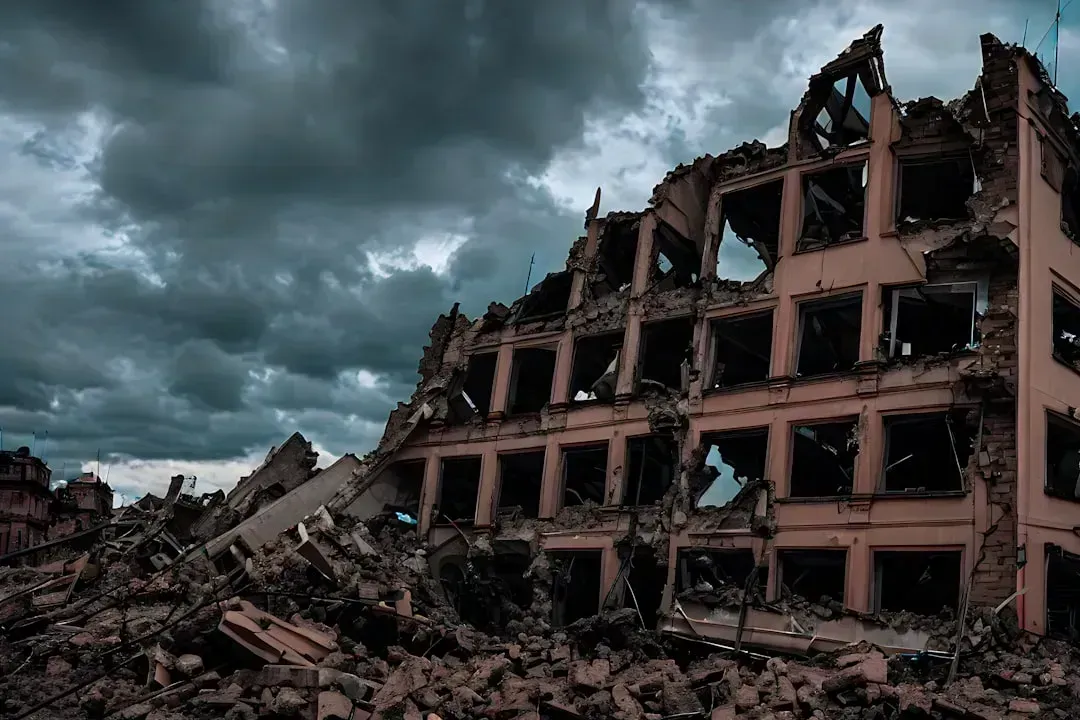
Older children may worry about events in the news such as wars, terrorist attacks, and kidnappings. This type of fear reflects the point at which a child’s developing cognition can engage with abstract and distant threats – not just what is immediately visible, but what could happen anywhere, to anyone, at any time. From age seven onwards, children are increasingly able to infer physical cause-effect relationships and to anticipate potential negative outcomes. These cognitive changes enable children to worry, and they probably also broaden the range of fear-provoking stimuli.
A child who becomes preoccupied with earthquakes, flooding, or news coverage of violence is not simply being imaginative – they may be showing an early tendency toward hypervigilance and catastrophic thinking. A child might ask repeated “what if” questions or seek constant reassurance, and preteens may express concerns about the future, health, or even global events. In adults, this pattern often surfaces as a constant background sense that something terrible is about to happen.
14. Fear of Being Alone

A persistent, intense fear of being alone goes beyond ordinary separation anxiety. Some children simply cannot tolerate solitude – not because they’re bored, but because the quiet amplifies their internal anxiety to an unbearable pitch. Children who are insecurely attached are more likely to develop anxiety disorders, and anxious or depressed parents may make their children feel insecure. When a child has never had a reliable sense of safety in their environment, being physically alone can feel acutely threatening.
Difficulty trusting others is a common effect of childhood anxiety, particularly for those who experienced emotional unpredictability or inconsistent support from caregivers. When children grow up in environments where love or emotional support felt conditional or inconsistent, they may carry that uncertainty into adult relationships. They may struggle with fears of abandonment, have difficulty being vulnerable, or overanalyze social interactions, convinced that rejection is inevitable.
15. Fear of Parental Conflict or Family Instability

Children are exquisitely sensitive to tension in the home, even when adults believe they’re hiding it. A child who grows visibly anxious during arguments, who constantly tries to manage the emotional temperature between caregivers, or who lies awake listening for raised voices, is being shaped by chronic stress in a way that leaves marks. Modeling fear can lead to more anxiety in the child, which evokes more distress in the parent and leads to more accommodation.
Overly critical parenting has been linked to the risk of childhood anxiety disorders using various research methodologies. Children who grew up in unpredictable or conflict-heavy households often develop a hyperalertness to other people’s emotional states that persists far into adulthood. They often take on the role of the problem solver, feeling obligated to fix other people’s issues. If someone is upset, they may immediately assume responsibility for making them feel better, even at the expense of their own well-being.
16. Fear of Not Being Good Enough
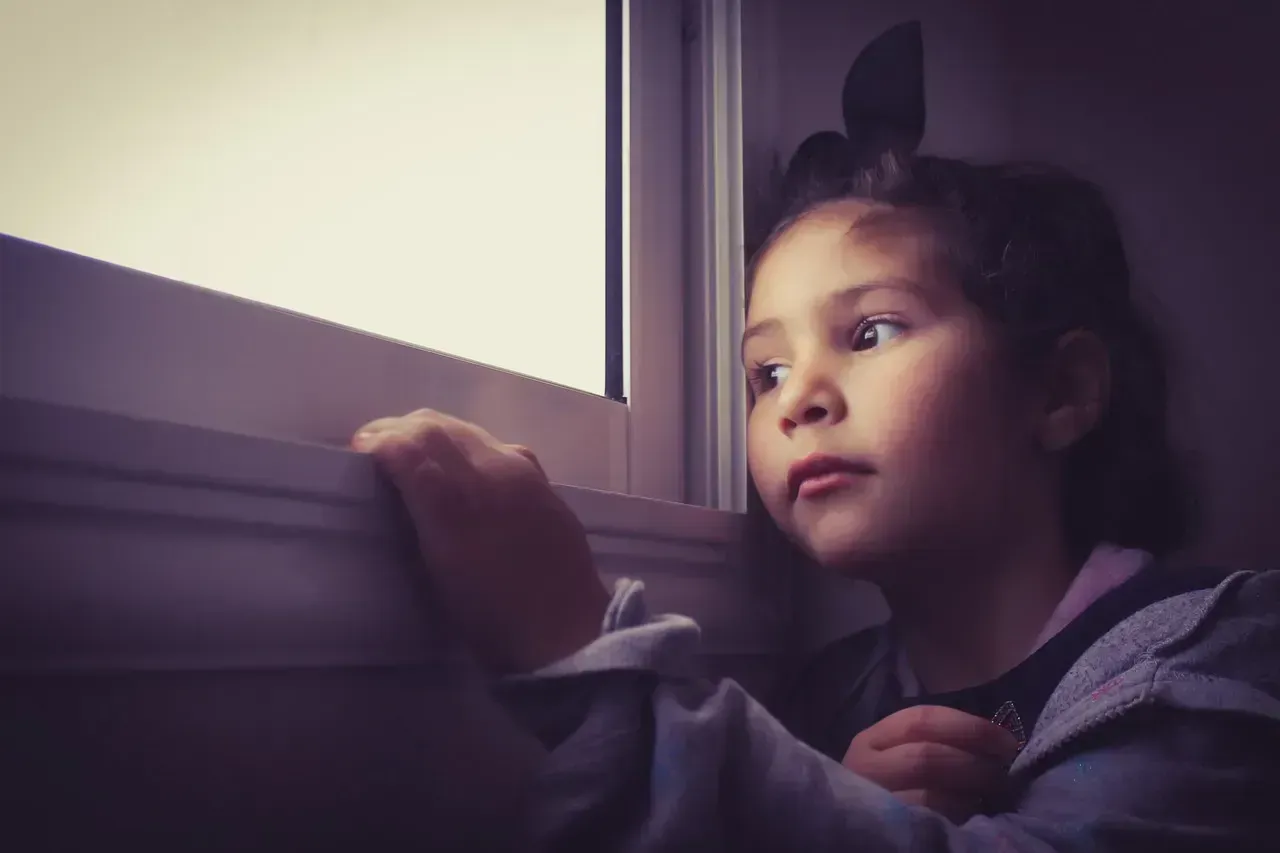
Children with generalized anxiety disorder are self-conscious, self-doubting, and excessively concerned about meeting other people’s expectations. This fear is insidious precisely because it’s shapeless. It isn’t attached to a specific trigger like thunder or dogs. Instead, it permeates everything – schoolwork, friendships, sports, family roles. A child who constantly asks “Did I do okay?” or “Are you mad at me?” is signaling that their internal sense of worth is fragile and dependent on external validation.
Making decisions feels overwhelming for these children because they fear making the wrong choice. After social interactions, they may replay conversations in their mind, worrying about whether they said the right thing or if someone misinterpreted their words. This internal monitoring system, developed early as a survival response, rarely switches off on its own. These habits aren’t personality flaws – they are learned survival mechanisms shaped by early experiences. The good news is that they can be unlearned.
17. Fear of Medical Procedures or Physical Harm

Fears of injury and death are more common among older children. A child who screams at the sight of a needle or becomes genuinely incapacitated by the anticipation of a doctor’s visit is showing something beyond ordinary discomfort. Such changes are characterized by a transition from infant fears related to immediate, concrete stimuli, to fears of late childhood and adolescence that are related to anticipatory, abstract, and more global events. Medical fear in children who grow up anxious tends to be anticipatory – it’s not just the needle that’s scary, but the whole elaborate mental scenario leading up to it.
Individuals affected by anxiety disorders frequently overestimate the likelihood of feared outcomes occurring and how bad it would be, while often underestimating their ability to cope with the perceived threat. Their worries about the feared situation are usually persistent and often unlikely to be as catastrophic as assumed. A child who braces for the worst in medical settings is practicing a cognitive habit – threat overestimation – that eventually generalizes to almost everything in adult life.
18. Fear of the Future and the Unknown

Adolescents have sexual and social anxieties and concerns about their own and the world’s future. This broader, more philosophical anxiety tends to emerge in late childhood and adolescence, when abstract thinking matures enough to grasp just how uncertain the future really is. For children prone to anxiety, this realization doesn’t produce curiosity or healthy ambition – it produces dread. For some, childhood anxiety manifests as overthinking and worst-case scenario thinking. A child who constantly worried about bad things happening may continue this pattern into adulthood, leading to excessive worrying about relationships, job security, health, or even everyday interactions.
Many adults assume that children with high levels of anxiety will outgrow the problem, but research suggests it’s somewhat the opposite. Substantial research links untreated childhood anxiety with mental illness in adulthood, including not only ongoing anxiety but also depression and substance abuse. The peak age of onset of anxiety disorders is at 5.5 years, with roughly four in ten cases starting by age 14 and over half by age 18. A fear of the unknown that goes unaddressed doesn’t tend to resolve quietly with age – it tends to find new things to attach itself to.
Looking back at these fears through an adult lens can be disorienting. Some feel trivial; others feel deeply familiar. What psychology has made increasingly clear is that the fears themselves were rarely the real problem. It was the chronic inability to find safety – inside or outside – that set the trajectory. Recognizing these patterns is meaningful not because it assigns blame to a difficult childhood, but because it opens the door to understanding why the nervous system responds the way it does, and what can genuinely be done about it.