
Most women enter the dating world with genuine hope. They’re not paranoid, they’re not running checklists obsessively, and they certainly don’t want to find problems. Still, experience, research, and a growing body of relationship psychology all point to the same truth: certain behaviors in a potential partner are not quirks to be worked around. They’re warnings worth taking seriously.
What makes these red flags particularly unsettling is that many of them don’t appear dramatic at first. The most dangerous red flags in dating don’t look like threats – they look like a fairy tale. Understanding which patterns carry real risk, and why they matter, can make a meaningful difference in the quality of connection a woman eventually builds.
1. Love Bombing That Feels Too Intense Too Soon
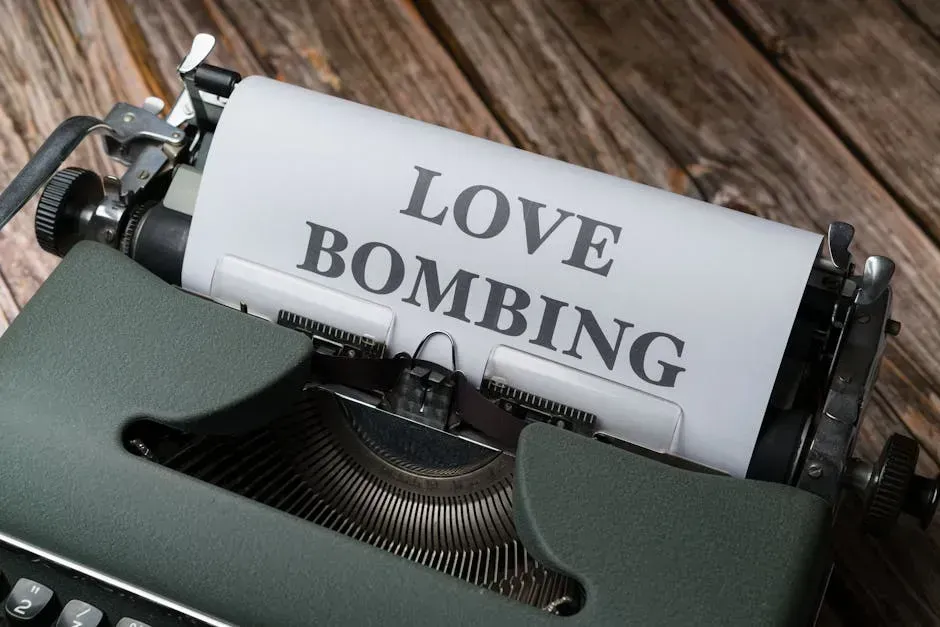
Love bombing is where a partner bombards their target with affection, including excessive compliments, declarations of love, gifts, and praise. It may also involve wanting to move quickly into commitment, lavish treatment, and promises of a perfect life together. The sheer intensity of it can feel flattering at first, which is exactly why it works.
Love bombing becomes an effective tool as someone exerts coercive control over a partner. This quick acceleration of romance breaks down barriers and causes the other person to become deeply attached before they fully understand who they’re dealing with. Women who recognize this pattern early are right to pause and give a relationship more time to reveal itself honestly.
2. Controlling Behavior Disguised as Care

Coercive control creates invisible chains and a sense of fear that pervades all elements of a person’s life. It works to limit human rights by depriving someone of their liberty and reducing their ability for action. What makes it so frightening is that it’s often mistaken for protectiveness or deep concern, especially in the early stages.
In some cases, controlling behaviors can become a more serious form of abuse called coercive control. This is a pattern of behavior that uses tactics of manipulation, pressure, and fear to control someone. Technology is often used because it allows an abuser to constantly track and re-check a partner’s movements. Recognizing this pattern before it escalates is one of the most important things a woman can do for her own safety.
3. Jealousy and Possessiveness Framed as Love

Possessiveness is a common relational dynamic, often disguised as affection or care. Several women report being monitored through their phones or restricted in their social interactions. It can feel validating initially, as though someone simply can’t bear to lose you. Over time, though, it becomes a cage.
Warning signs include jealousy or always wanting to be in contact, lots of compliments but little real listening, getting upset when boundaries are put in place, and trying to take over the woman’s life by offering to solve her accommodation, child, or work-related problems. Each of those behaviors, stacked together, reveals a pattern of control rather than genuine love.
4. Gaslighting and Reality Distortion

Gaslighting involves reality distortion. It’s a tactic in which a person gains more power by making a victim question their own reality. It is a common technique of abusers, narcissists, and manipulative individuals, and it is done slowly, so the victim doesn’t realize how much they’ve been affected. Women often describe it as feeling like they’re losing their mind, unsure of what actually happened in a given conversation or situation.
If a partner often makes someone feel responsible for their emotions or reactions, it’s a significant red flag. Emotional manipulation can lead to long-term psychological effects, including increased loneliness and anxiety. Trust in one’s own perception is a foundation of healthy self-worth, and any partner who works to erode that is dangerous.
5. A History of Blaming Everyone Else

One of the clearest relationship warning signs comes from blaming other people for problems. When someone makes a mistake, they can either admit it or defend themselves through defensiveness, which only escalates conflict and places blame on someone else. If a potential partner’s life story consistently involves other people being the villain, that pattern should not go unexamined.
Women picking up on this dynamic early are noticing something real. Studies have shown that most chaotic relationships could have been avoided if only the people involved were more sensitive to the red flags they noticed at first. When you notice red flags, it is usually advisable to address them clearly. Some red flags can be resolved through communication, but others must be a deal-breaker.
6. Refusing to Acknowledge or Apologize for Mistakes
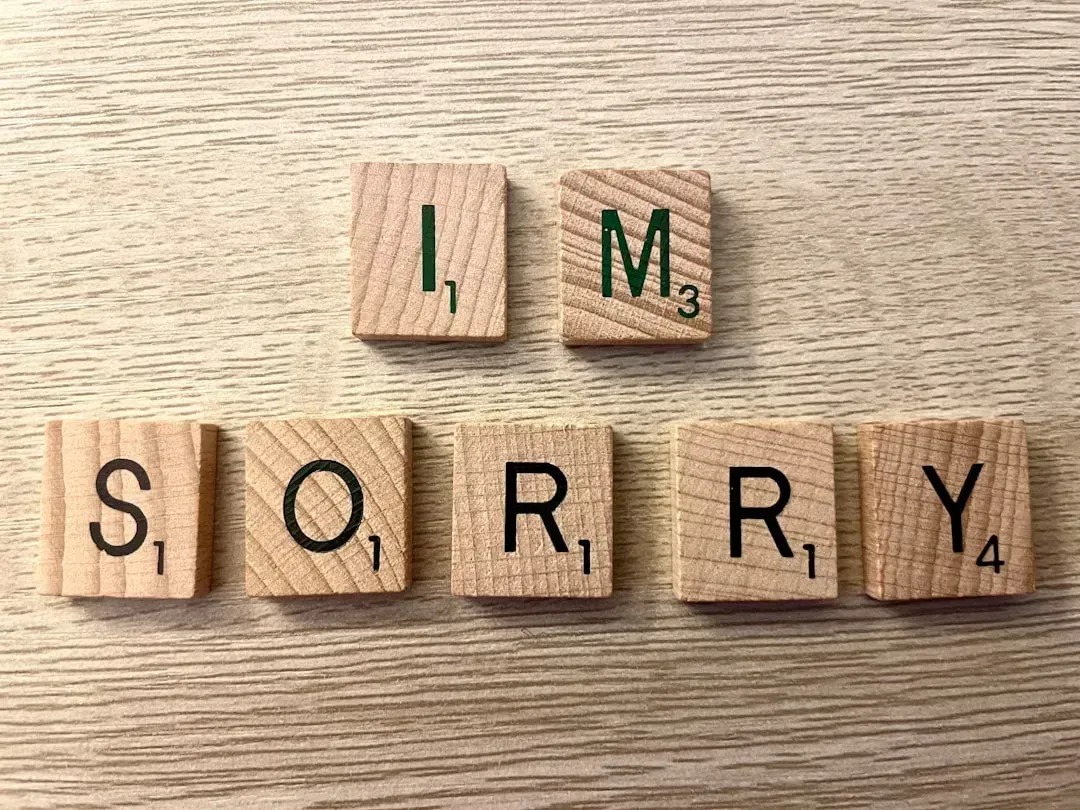
In a relationship, “sorry” is a golden word. If a partner won’t say it and own their mistakes, it’s a meaningful sign of deeper character issues. Nobody is flawless, and the willingness to take responsibility is one of the most telling indicators of emotional maturity.
Conflict resolution matters enormously once the honeymoon phase fades. Conflict resolution skills are one of the most important factors in a relationship. It’s easy to put your best foot forward while dating, but how someone approaches conflict resolution reveals what real life with them will actually look like. A partner who stonewalls or deflects during every disagreement leaves no room for genuine repair.
7. Isolation from Friends and Family

Through systematic restrictions on freedom and independence, individuals can become isolated from friends, family, or other support systems, and entrapped within the relationship due to financial, logistical, social, or emotional barriers to escaping. This isolation rarely happens overnight. It tends to arrive quietly, as a series of small complaints about the people she loves or subtle pressure to spend less time with them.
Isolating someone from family and friends, monitoring their time, controlling outside activities, and preventing them from working or having access to transport are among the behaviors used to establish dominance and control. Women who notice a partner pulling them away from their social world should treat that as one of the most serious warning signs on this list.
8. Dishonesty and a Pattern of Small Lies

Dishonesty is a destructive behavioral trait that erodes trust, creates misunderstandings, and ultimately undermines the foundation of a healthy relationship. Partners who habitually lie or deceive others, even in seemingly insignificant ways, display a lack of transparency. The scale of the lie matters far less than the behavior itself – someone comfortable with small deceptions is not building a partnership on solid ground.
When it comes to other people’s secrets, a partner who shares them freely is a serious concern. Secrets are not meant to be shared, and someone who gossips about their friends’ private lives should not be trusted to protect yours. Trustworthiness isn’t demonstrated in grand gestures. It shows up in the quiet moments when nobody is watching.
9. Constant Criticism and Contempt

When criticism becomes a constant in a relationship, it’s a glaring red flag. Constructive feedback is healthy, but incessant negativity can erode emotional well-being. If a partner consistently points out flaws without offering solutions, it may signify deeper issues. Feeling routinely picked apart is exhausting and quietly corrosive to self-esteem.
Treating someone with contempt means using mockery, sarcasm, and disrespect – essentially not taking discussions seriously. The effect of this on the other person is profound: it makes them feel unloved and devalued. Research from relationship psychologist John Gottman consistently identifies contempt as one of the strongest predictors of relationship breakdown, and for good reason.
10. Emotional Unavailability Behind Confident Packaging

Many people ignore red flags because they are focused on potential or chemistry instead of consistency. Emotional awareness and slowing down the dating process can help in seeing behavior more clearly. A man can appear charming, attentive, and interesting on the surface while never actually opening up or making room for real emotional intimacy.
One way to check whether a relationship is healthy or toxic is to notice how you feel after spending time together. If you feel calm, grounded, and seen, that is a good sign. If you feel anxious, drained, or confused, you may be overlooking red flags that deserve attention. Feelings of confusion and self-doubt after nearly every interaction are not accidental. They’re information.
11. Using Therapy Language to Avoid Accountability

In 2026, almost everyone knows the words: boundaries, attachment styles, trauma responses, triggers. Some individuals now use therapy vocabulary as armor instead of accountability. It’s a quietly modern form of deflection, where a person sounds emotionally intelligent without actually doing the work of changing anything.
Research in modern relationship dynamics shows that emotional intelligence without responsibility becomes manipulation. When therapy-speak is used to dismiss concerns rather than address them, it’s not growth – it’s avoidance dressed up as maturity. Women who find themselves constantly being redirected back to their own “triggers” whenever they raise a concern should take that pattern seriously.
12. A Total Lack of Hobbies or Personal Goals

People with no real hobbies or interests are a red flag recognized across genders. The common assumption is that someone with no interests will rely on their partner to bring fun into their lives. A lack of hobbies can also mean a person lacks passion and may not have many personal goals. This creates an unhealthy imbalance where one person becomes the emotional and social center of the other’s entire world.
Research consistently confirms this concern. Because women have higher rates of obligatory investment in offspring, women tend to maintain higher standards overall and are more sensitive to dealbreakers across the board. A partner who has built nothing of their own, no interests, no friendships, no ambitions, offers very little to build a future on.
13. How He Treats Servers, Staff, and Strangers

Observe how a potential partner handles other people, like servers and cashiers. Ask whether they give people the bare minimum of respect and kindness. Being impolite or reacting excessively to perceived transgressions are warning signs of a potential empathy deficit. This is one of the oldest and most reliable tests, and it rarely lies.
The way someone treats people who can do nothing for them is a direct window into character. Relational red flags signify undesirable qualities, which can be characteristics, behaviors, states, or traits in a person that conflict with our own expectations and values. If these red flags go unnoticed, they could lead to weeks, months, or even years of emotional, mental, and physical misery in an unsatisfying or even dangerous situation.
14. Being Obsessed with an Ex or Unable to Move On

It’s a warning sign if someone you meet seems fixated on their ex. It’s obvious they’re not ready to move on, regardless of whether they still like the person or spend their time complaining about them. Either version, idealization or resentment, signals that emotional closure hasn’t happened and that a new partner will be navigating the shadow of someone else.
Nothing quite signals “I’m not over my ex” like talking about them frequently during early dates, as supported by research from the American Psychological Association. It doesn’t matter if you’re comparing the date favorably to the ex. The volume of attention given to a former partner tells you a great deal about where someone’s heart actually is, and where yours will likely rank.
15. Financial Secrecy or Severe Irresponsibility

When things get serious in a relationship, money becomes a real conversation. Even though love can bring two people together, financial issues can also tear them apart. Problems arise in various ways, such as when partners conceal debts from one another. A partner who is entirely secretive about their finances, or dismissive of the topic altogether, is creating conditions for conflict down the road.
It may seem strange at first to bring up money. However, it becomes easier to discuss after both people have disclosed their priorities, values, and financial standing. When partners are open and sincere about their attitudes toward money, they can develop a real financial closeness. Avoiding the conversation entirely, especially as a relationship deepens, is itself a form of dishonesty, and one that carries very practical consequences for any shared future.
None of these red flags require a woman to be suspicious or guarded by default. Most people dating are doing so with good intentions, and most relationships don’t involve serious harm. Still, these aren’t just red flags on paper. They’re the lived experience of countless women who have learned, sometimes painfully, that these early signs predict deeper relational harm. Knowing what to look for isn’t pessimism. It’s clarity, and clarity is a form of self-respect.