
The Spider Menace That Haunts Your Dreams
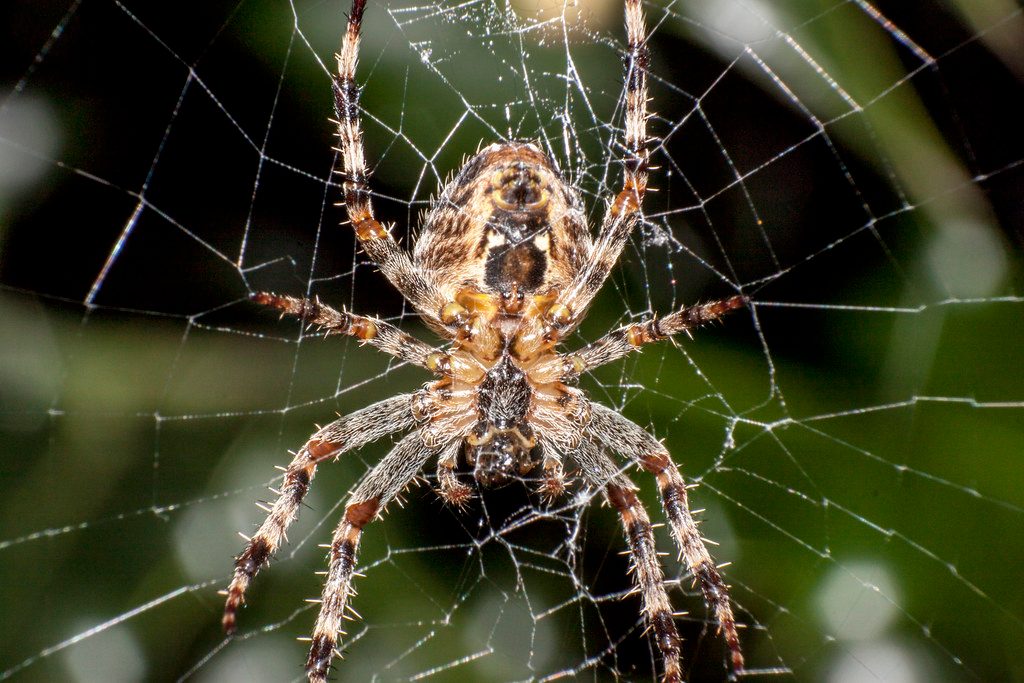
Picture this: you walk into a room, and there it is – a tiny spider the size of a dime, but it might as well be a monster. Although tiny in size and mostly harmless, spiders evoke exceptional fear in a significant part of the population and arachnophobia is one of the most common anxiety disorders with prevalence 2.7–6.1%. Arachnophobia affects 30.5% of the U.S. population, making it one of the most widespread everyday fears people face. The fear goes far beyond a simple dislike – many people with arachnophobia will refuse to enter a room until someone else removes the eight-legged intruder, sometimes requiring backup from friends or family members just to continue their day.
Heights That Make Your Stomach Drop
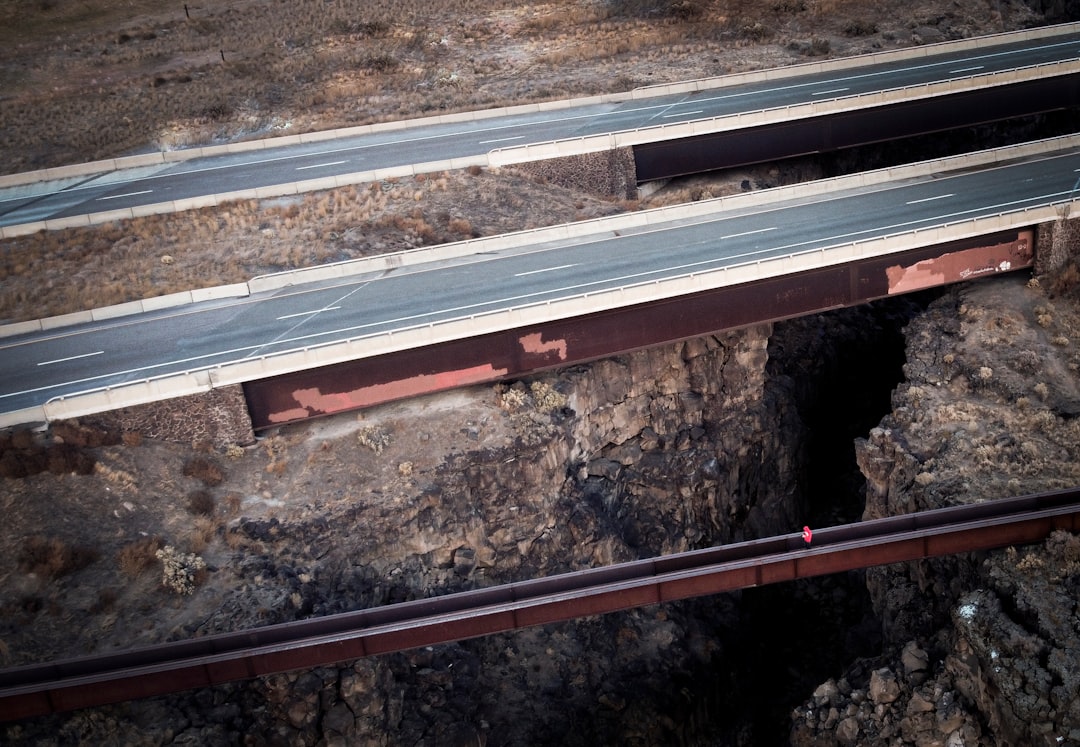
Standing at the edge of a tall building or climbing a ladder shouldn’t feel like facing death, but for millions of people, it does. Acrophobia affects 2-5% of the U.S. population. People with acrophobia will commonly have symptoms of spinning, also known as vertigo, in response to situations where they perceive they are high off the ground. What makes this fear particularly challenging is how it can vary wildly from person to person. In some people, the fear will be onset from standing at the top of a tall building, while in others it can be induced by scaling a ladder. This phobia stems from the person losing confidence in their ability to stay balanced or fearing that they will fall. People with acrophobia tend to overestimate vertical distances, meaning that at certain heights, they perceive themselves as being higher off the ground than they really are.
When Flying Becomes a Living Nightmare

Imagine the dread that builds for weeks before a vacation, not because you’re unprepared, but because you have to get on a plane to get there. Aerophobia affects 6.5% of the U.S. population. People with aerophobia become extremely anxious when flying. For some, it is brought on by simply entering a plane or even the thought of entering a plane, whereas others experience the phobia when there is turbulence during a flight. The fear becomes so overwhelming that many people will completely restructure their travel plans, choosing to drive hundreds of extra miles or simply declining opportunities that require air travel. People with aerophobia may become anxious and dreadful in the days leading up to a trip, to the point where it could interfere with their work or social life. This phobia tends to stem from the fear that the airplane will crash.
The Claustrophobic Prison of Everyday Spaces
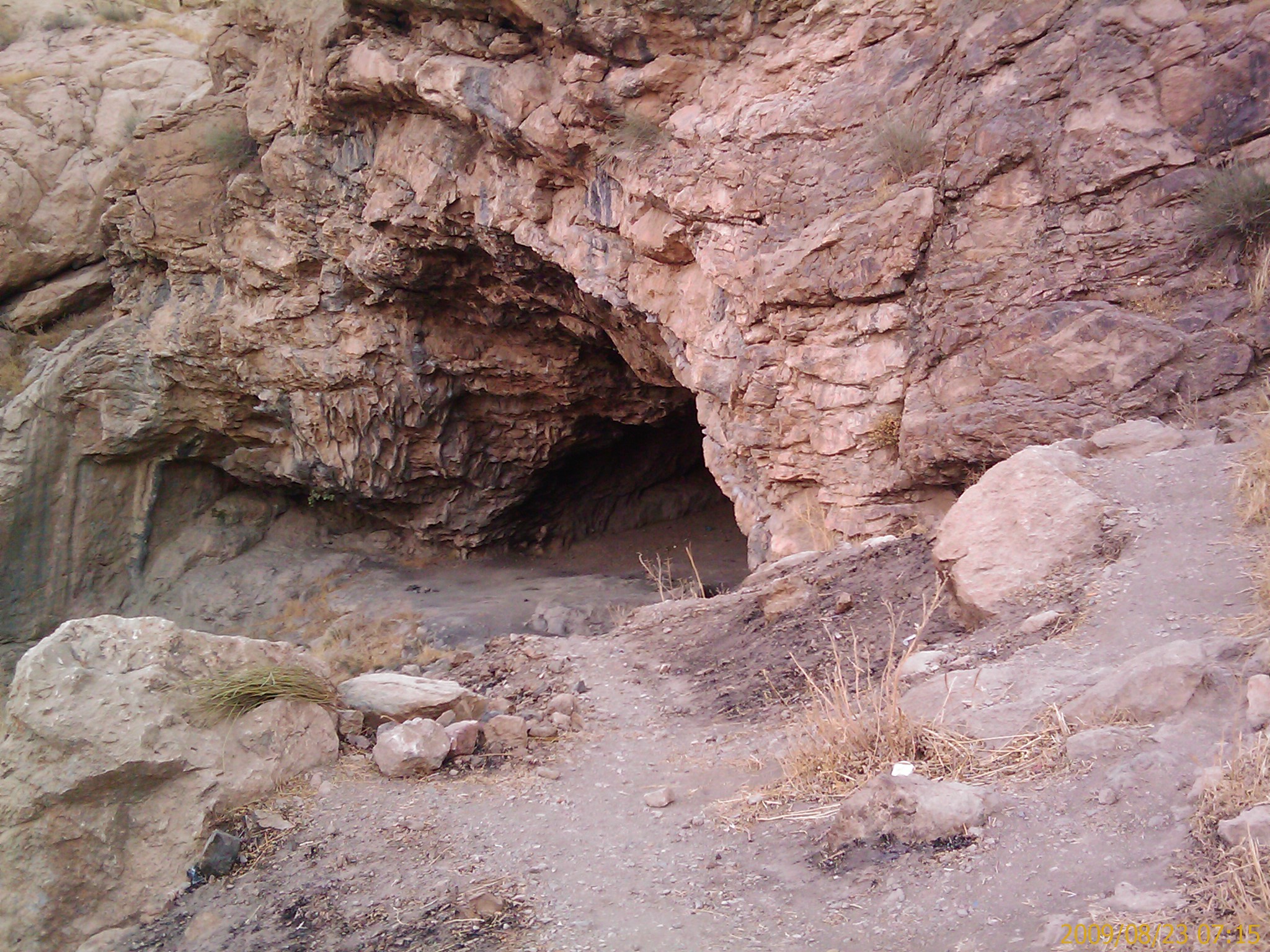
Elevators, MRI machines, small cars – these aren’t typically thought of as threatening, yet for those with claustrophobia, they represent genuine terror. About 12.5% of the population have this fear, with the majority of them being women. What’s particularly challenging about this phobia is how many everyday situations can trigger it unexpectedly. Examples of closed spaces include engine rooms, small or locked rooms, cellars, tunnels, elevators, magnetic resonance imaging machines, subway trains, crowded places, etc.
Claustrophobic people are not frightened of enclosed spaces per se but of what could happen in the enclosed space. The fear often centers around suffocation or being trapped, making the person feel like they’re facing a life-threatening situation even when logic tells them otherwise. Despite the disruption caused by claustrophobia, reports show that a low percentage of those affected by it seek help – just 7.8%.
The Bloodcurdling Fear of Blood and Needles

A simple blood test or vaccination can turn into an ordeal that requires lying down, smelling salts, and sometimes fainting. Blood and injection phobias create a unique challenge in healthcare settings where these procedures are routine but absolutely terrifying for the patient. Unlike other phobias that cause increased heart rate, blood phobias often cause a sudden drop in blood pressure, leading to fainting spells that can be dangerous in medical settings.
This fear becomes especially problematic when people avoid necessary medical care, postponing important checkups or treatments because they can’t face the sight of blood or needles. The medical community has recognized this as such a significant issue that many facilities now have special protocols for patients with these specific phobias, including allowing them to lie down during procedures and having staff trained to recognize the warning signs of an impending faint.
Social Situations That Feel Like Judgment Day

Walking into a crowded room shouldn’t feel like stepping onto a stage where everyone is waiting to critique your performance, but for people with social phobia, that’s exactly what it feels like. About 15 million adults have social anxiety disorder, making everyday social interactions feel overwhelming and threatening. The fear goes beyond simple shyness – it’s an intense worry about being judged, embarrassed, or humiliated in front of others.
This phobia can severely impact career advancement, relationships, and overall quality of life, as sufferers may avoid job interviews, social gatherings, or even routine activities like shopping or dining out. What makes social phobia particularly cruel is that the very thing that might help – connecting with others who understand – requires facing the fear head-on.
Dogs: Man’s Best Friend or Worst Fear

Cynophobia affects 13% of the U.S. population. People with cynophobia will commonly freeze at the sight of a dog and have intense symptoms of anxiety. People with cynophobia may avoid situations where they may encounter a dog, which can be difficult given their abundance as pets in society. This creates a particular challenge since dogs are everywhere – from neighborhood walks to friends’ homes to service animals in public spaces.
This phobia usually arises from a negative experience with dogs, many times as a child. The person may have had an interaction with an aggressive dog at some point, or they may have witnessed a family member being bitten or chased by a dog. The fear becomes so ingrained that even the friendliest, smallest dogs can trigger panic attacks, making simple activities like walking through a park or visiting friends who own pets incredibly stressful.
The Dark Unknown That Lurks at Night

Nyctophobia, or fear of the dark, isn’t just a childhood fear – it affects millions of adults who find themselves checking locks multiple times, leaving lights on throughout the night, or feeling genuine terror when darkness falls. This fear often intensifies the unknown elements that darkness conceals, making every shadow a potential threat and every sound a cause for alarm.
The modern world has made this fear somewhat easier to manage with abundant artificial lighting, but it can still significantly impact sleep quality and daily routines. Some adults with this phobia find themselves restructuring their entire schedule around daylight hours, avoiding late-night activities or early morning commitments that require moving through dark spaces. The fear becomes particularly challenging during winter months when daylight hours are shortened.
Driving: When the Road Becomes a Battleground

For some people, getting behind the wheel isn’t about convenience or freedom – it’s about facing a machine that feels completely out of control. Amaxophobia, or fear of driving, affects people who might be perfectly comfortable as passengers but become overwhelmed with anxiety when they’re the one in control of the vehicle. This fear can stem from various sources: fear of causing an accident, anxiety about other drivers’ unpredictable behavior, or traumatic memories of past accidents.
The impact of this phobia extends far beyond transportation difficulties. It can limit job opportunities, strain relationships, and create a sense of dependence that affects self-esteem. Many people with driving phobia develop elaborate workarounds, relying heavily on public transportation, rideshares, or friends and family, which can become expensive and socially awkward over time.
The Suffocating Fear of Deep Water

Aquaphobia transforms swimming pools, lakes, and oceans from places of recreation into sources of terror. This fear goes beyond not knowing how to swim – it’s an intense anxiety about being in or around deep water, often accompanied by fears of drowning, being pulled under by unseen forces, or losing control in an environment where humans aren’t naturally equipped to survive.
The phobia can be triggered by various scenarios: being unable to see the bottom of a body of water, feeling water over their head, or even watching others swim in deep water. This fear significantly limits recreational activities and can make beach vacations, pool parties, and water sports completely off-limits. Many people with aquaphobia also struggle with related fears, such as taking baths where they can’t easily exit the water or even walking near large bodies of water.