
The night sky is about to put on quite a show. This weekend brings one of autumn’s most reliable celestial spectacles, promising streaks of light that will dance across the darkness above.
For those who love gazing upward, the timing couldn’t be better. Nature has aligned the perfect conditions for what many consider the highlight of October’s astronomical calendar.
Orionids Set To Peak Monday Night
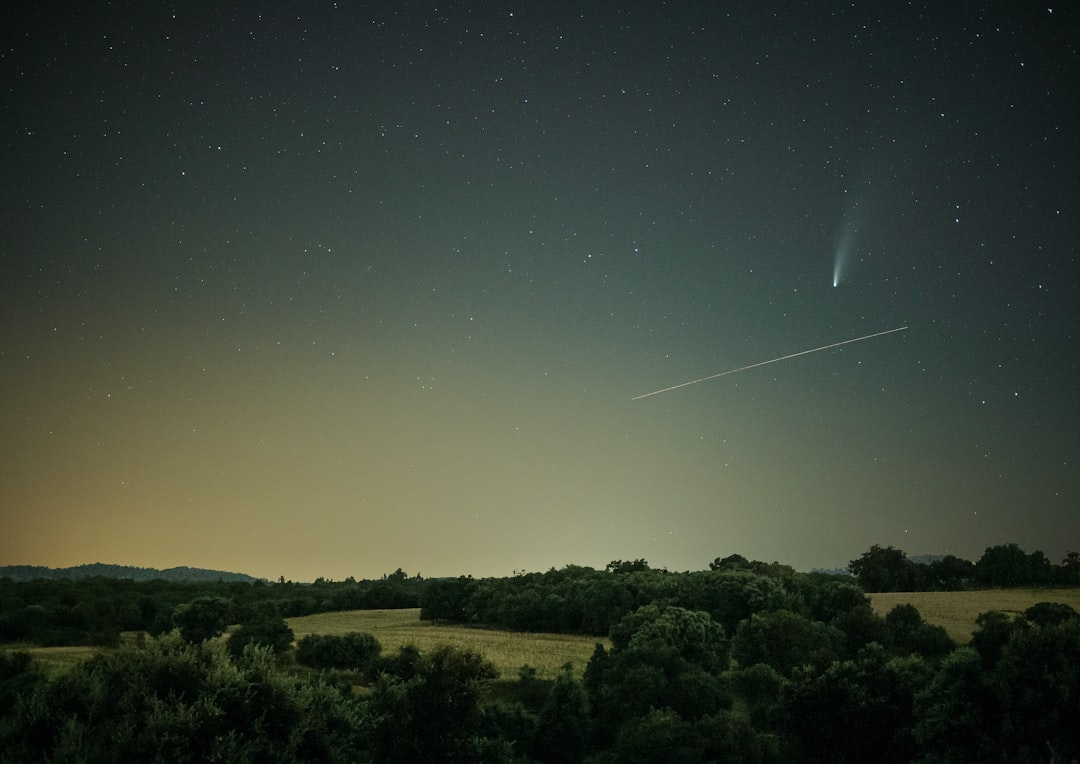
One of autumn’s most anticipated celestial events, the Orionid meteor shower, will peak on the night of October 20 through the early hours of October 21. Skywatchers could see up to 20 meteors per hour streaking across the sky.
A Moonless Sky For Ideal Viewing
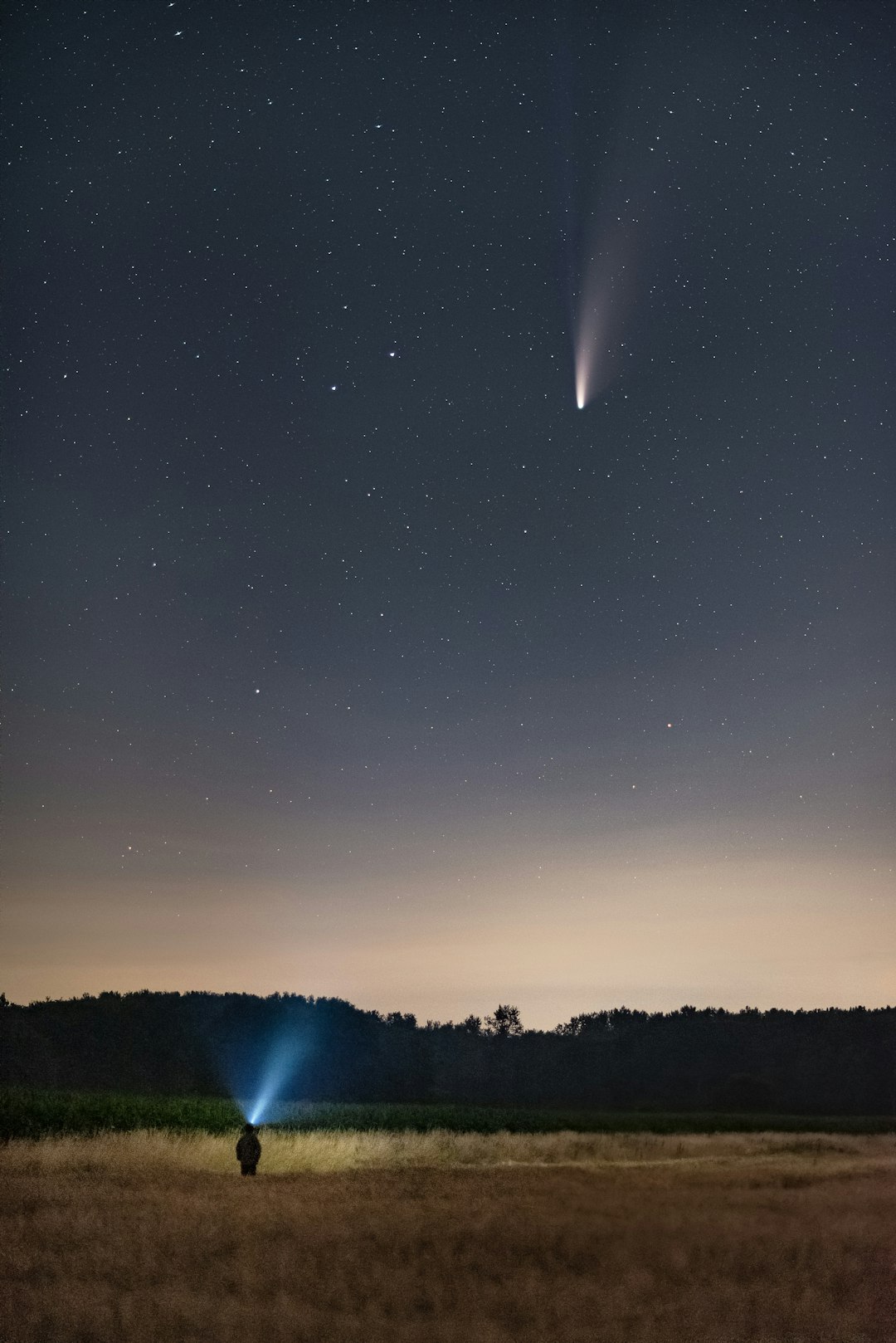
This year’s Orionid peak coincides with a moonless night, giving viewers darker skies and better visibility. With no lunar light interference, even the faintest meteors will be easier to spot across much of the country.
When And Where To Watch
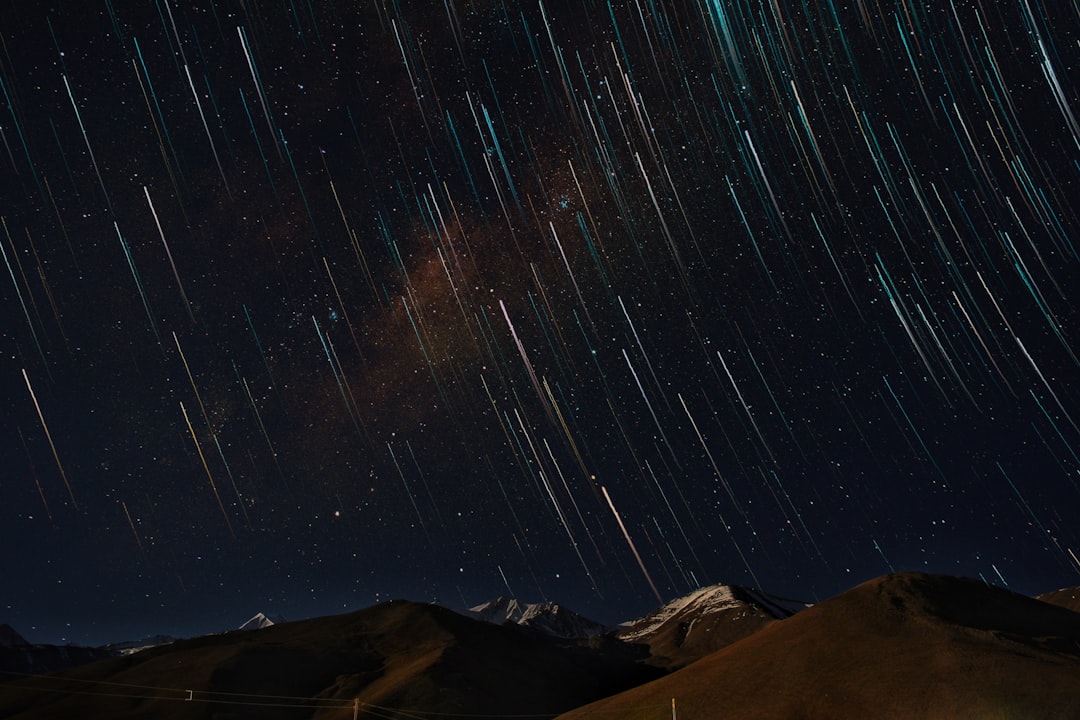
The best viewing window begins after midnight and continues until dawn, local time. Meteor activity will intensify as the night progresses, peaking around 2 a.m. when Earth faces directly into the debris stream responsible for the Orionids.
Orion’s Role In The Display
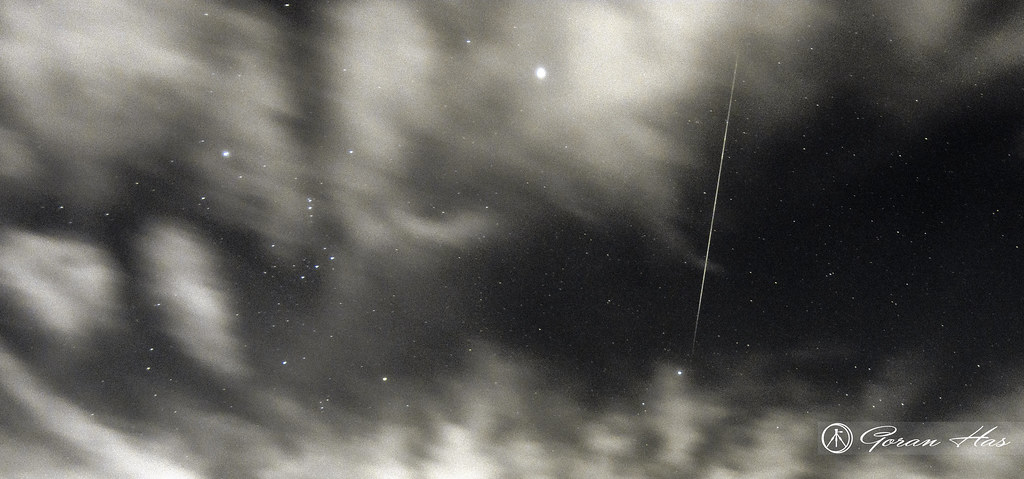
The Orionids derive their name from the constellation Orion, which will appear prominently in the southeastern sky. However, observers don’t need to look directly at Orion – meteors can appear anywhere across the night sky.
Favorable Conditions Across Most Of The U.S.
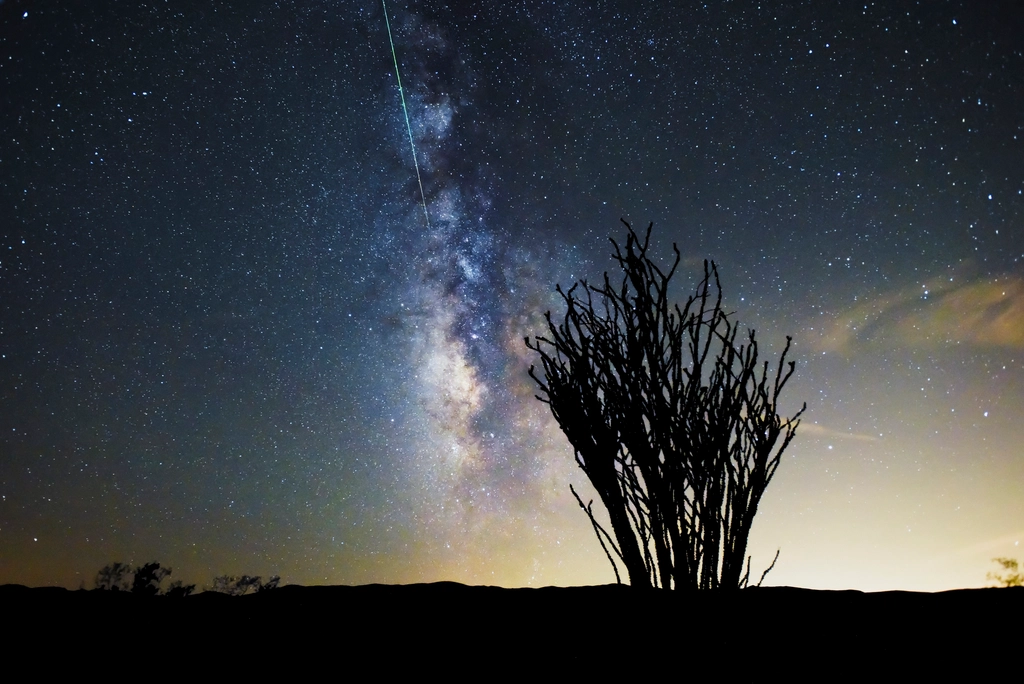
More than half of the United States will experience clear skies during the meteor shower’s peak. The best viewing conditions are expected in the Southeast, Midwest, and much of the western states, offering widespread opportunities for stargazing.
Tips For The Best Viewing Experience

To maximize the experience, experts recommend finding a dark location far from city lights. Allow at least 15 minutes for your eyes to adjust to the darkness and avoid using bright devices like phones or flashlights during the viewing period.
The Halley’s Comet Connection
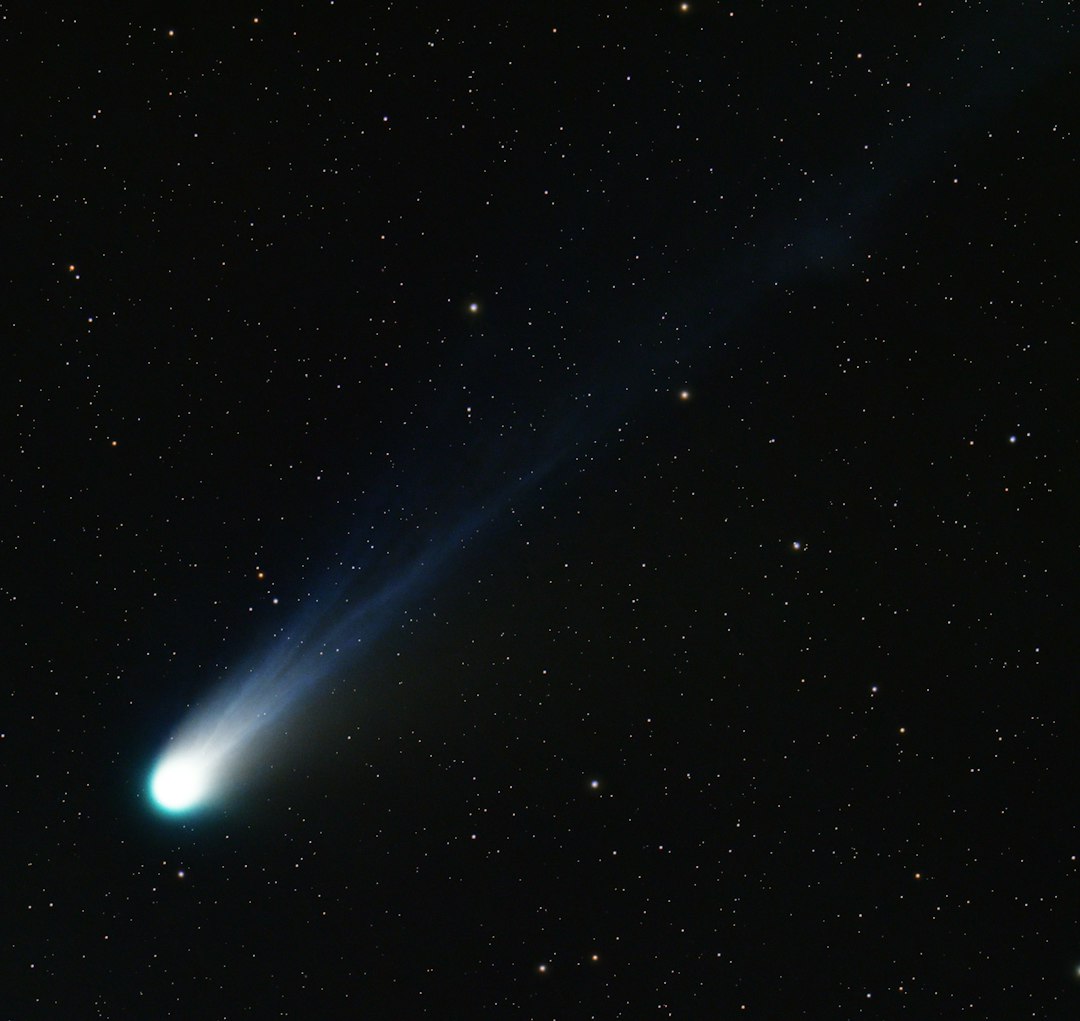
The Orionid meteor shower originates from debris shed by Halley’s Comet. Each time Earth crosses its path, tiny fragments collide with our atmosphere at about 41 miles per second, producing quick, bright flashes of light.
The Science Behind The Streaks
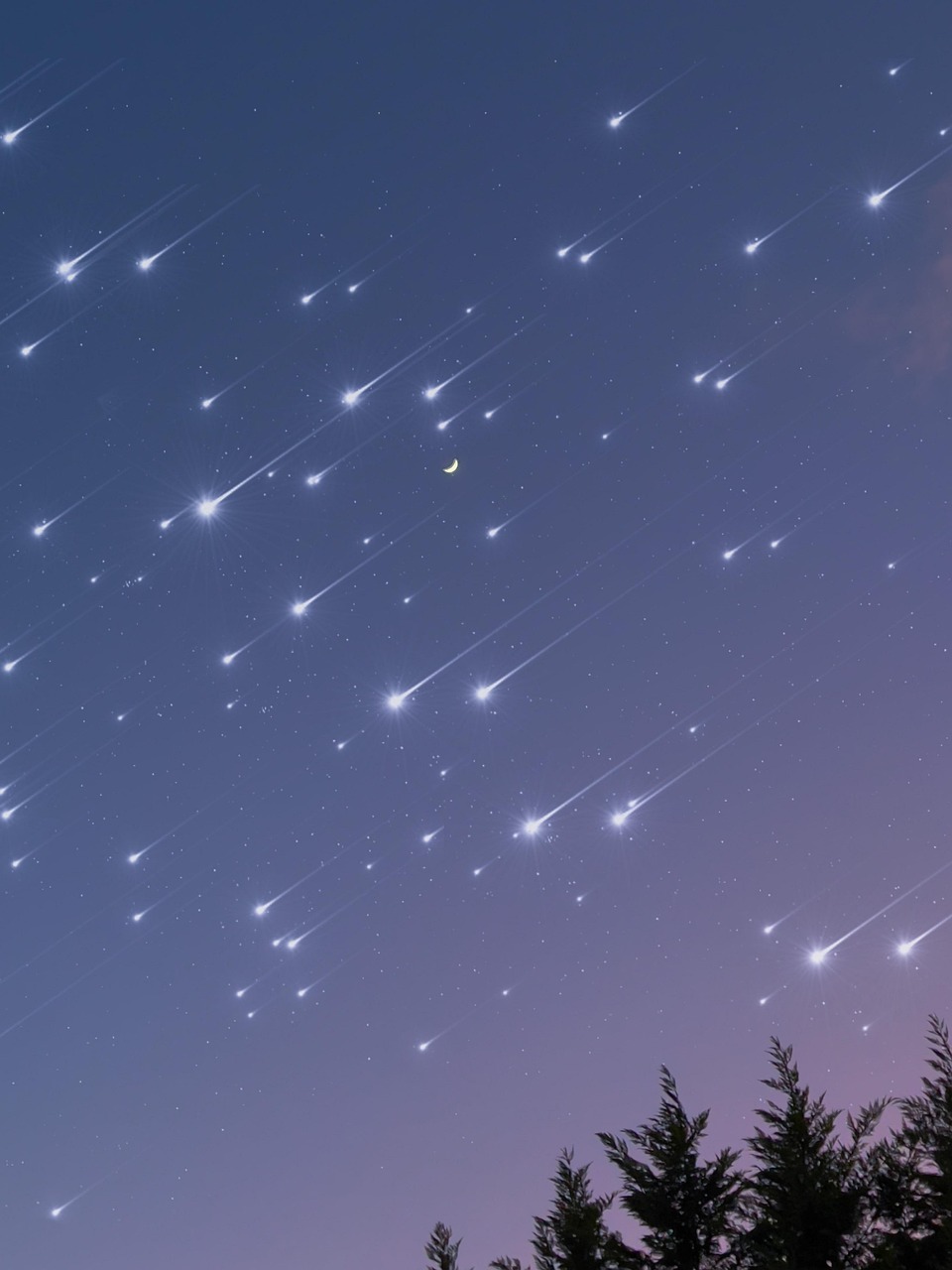
Most Orionid meteors are no larger than grains of sand, but their high velocity makes them glow brilliantly as they burn up upon entering the atmosphere. These fast-moving meteors often leave glowing trails that linger for a few seconds.
More Meteor Events Ahead
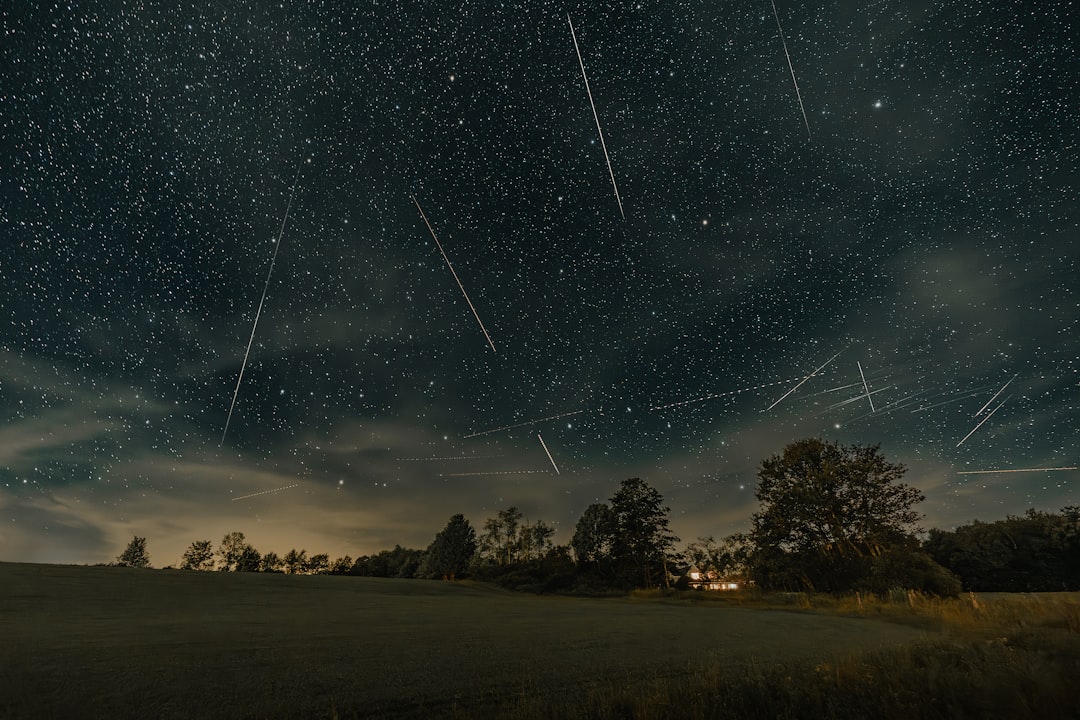
The Orionids mark just the beginning of an active meteor season. The Southern Taurids will peak on November 4–5, followed by the Northern Taurids on November 11–12, and the Leonids from November 16–17 – ensuring stargazers have plenty more to look forward to.