The digital age promised freedom, connection, and endless possibilities. Instead, it has delivered something far more sinister: a growing sense that someone is always watching.
Surveillance fears are no longer confined to authoritarian regimes or dystopian novels. They’re spreading rapidly across the globe, touching democracies and dictatorships alike. From sophisticated spyware targeting journalists to AI-powered facial recognition systems monitoring entire populations, the tools of surveillance have become more powerful and accessible than ever before. Citizens worldwide are discovering that their private communications, movements, and even thoughts are being tracked, recorded, and analyzed by governments they once trusted.
China: The Perfect Surveillance State
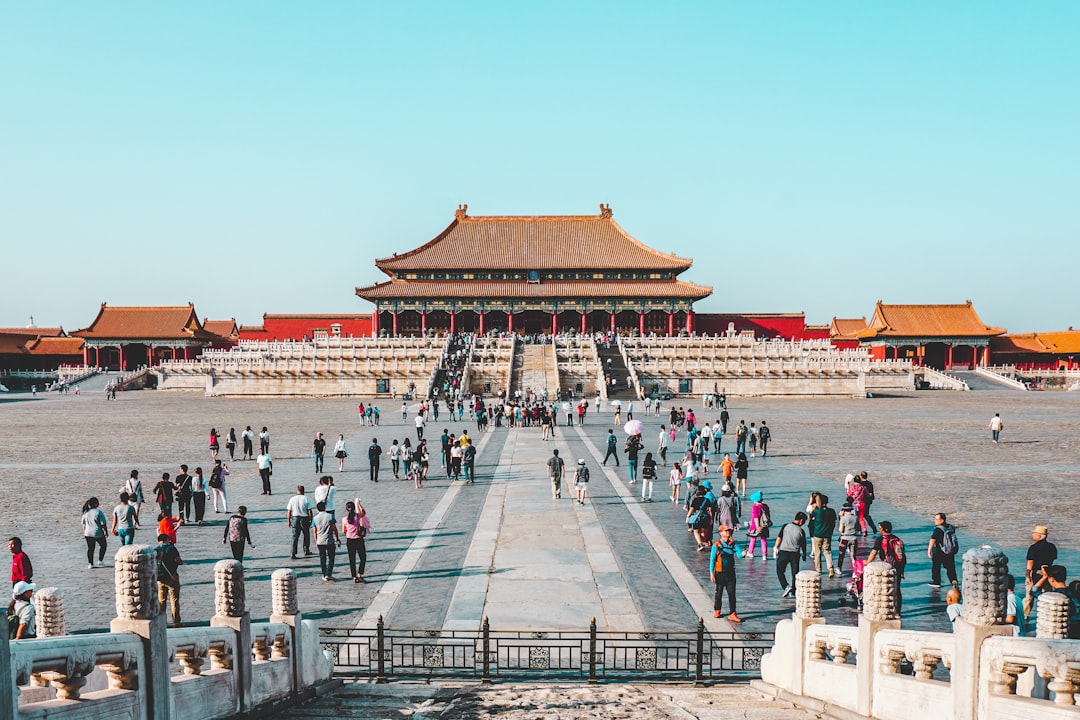
China stands as the global leader in surveillance technology, with over 540 million surveillance cameras monitoring almost 1.5 billion people through facial recognition systems that identify every individual, whether Chinese or foreign. This surveillance network has become a model that other nations study and sometimes emulate.
Under President Xi Jinping’s administration, China has intensified its campaign to enforce loyalty to the Communist Party, silencing dissent and stifling attempts to foster independent civil society. Beijing’s repression now extends beyond borders, targeting Chinese human rights defenders, critics, and journalists abroad through surveillance, harassment, and coercion against family members inside China.
The surveillance system continues expanding, with camera installations showing no signs of slowing down. Citizens have learned to live under constant observation, creating what experts describe as a culture of self-censorship and fear.
India: Digital Infrastructure Under Threat

India scored only 50 out of 100 on Freedom House’s Freedom on the Net report and has led global internet shutdowns since 2018, with 116 shutdowns in 2023, 60 in 2024, and 6 already recorded in early 2025. These shutdowns often occur during periods of political tension or protests.
The Indian government has been accused of surveilling activists and journalists using Pegasus spyware from the NSO Group, though officials deny purchasing such technology despite evidence suggesting otherwise. A new Telecommunications Act passed in 2023 retains the government’s right to surveil communications in the interest of national security.
The country witnessed a fourfold increase in cyber fraud in 2024, leading to losses around $20 million, while total cyber fraud losses reached ₹11,333 crore in the first nine months of 2024. This has created an environment where surveillance is often justified as necessary for security.
United States: Expanding Government Overreach

President Biden signed a two-year reauthorization and expansion of Section 702 in April 2024, a national security surveillance program that has faced criticism for abuse, as part of the Reforming Intelligence and Securing America Act. This decision surprised many civil liberties advocates who hoped for stronger reforms.
Civil libertarians and lawmakers have raised concerns about the real and potential effects of government data collection and intelligence-related monitoring on US residents’ rights, despite reforms adopted over the past decade. Surveillance programs run by federal and local law enforcement agencies continue to raise concerns due to allegations of disproportionate focus on religious, racial, and ethnic minority communities.
Government surveillance practices contribute to self-censorship among users. The fear is justified: Americans are increasingly aware that their digital activities are being monitored and stored by government agencies.
Russia: State Control Through Technology
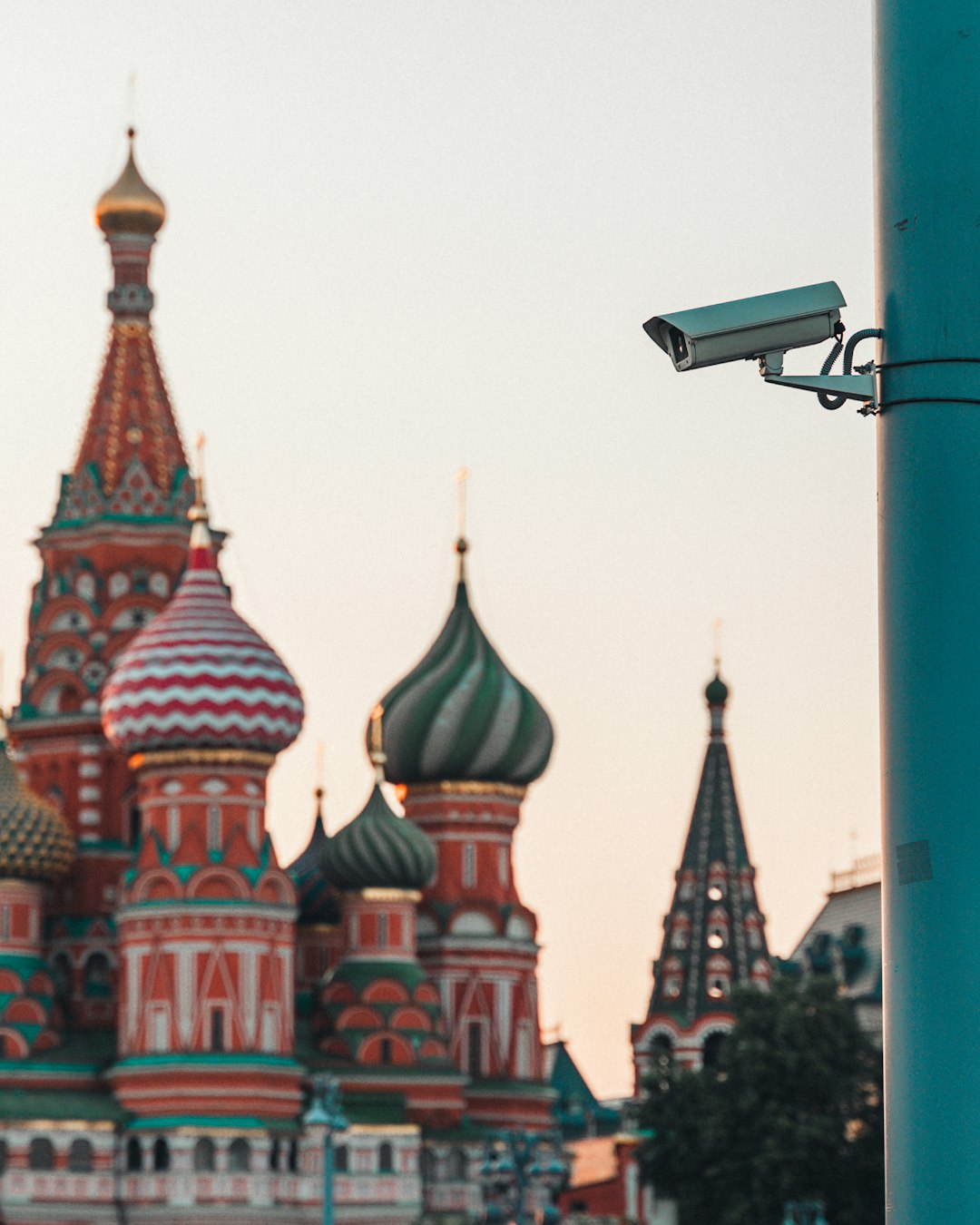
Russia scored among the lowest in Privacy International’s surveillance rankings, joining China and Malaysia as countries with endemic surveillance societies. The government has systematically expanded its monitoring capabilities over the past decade.
Russia is part of the Shanghai Cooperation Organization alongside other authoritarian regimes, and countries in this alliance have seen their freedom scores drop by an average of 10 points over the past decade, with China ranking last on Freedom House’s report every year since 2014. This alliance shares surveillance technologies and techniques.
Russian surveillance extends beyond domestic borders, targeting dissidents and critics abroad. The state’s control over digital infrastructure allows for comprehensive monitoring of communications and internet activity, creating an atmosphere where citizens self-censor to avoid government attention.
Brazil: Rising Digital Authoritarianism

Brazil, Latin America’s largest economy, has witnessed a surge in cyberattacks targeting its financial sector and government institutions, ranking ninth on the World Cybercrime Index despite efforts to improve cybersecurity regulations. This has led to increased surveillance powers for authorities.
Government efforts to address illegal content online have been marred by opacity that raises concerns about abuse, while millions of users were temporarily severed from social media platforms when companies refused to comply with judicial orders. These actions demonstrate growing government control over digital spaces.
The Brazilian government’s approach to content moderation and platform regulation has created uncertainty about the boundaries between legitimate oversight and censorship. Citizens worry that surveillance powers granted for cybersecurity purposes could be misused for political control.
United Kingdom: The Surveillance Society

The United Kingdom ranks among the eight countries classified as ‘endemic surveillance societies’ by Privacy International, scoring poorly on privacy safeguards. London has extensive surveillance infrastructure with 46,766 cameras, equating to approximately 73 cameras per 1,000 people.
State surveillance has been part of British public consciousness since the 19th century, with the postal espionage crisis of 1844 sparking the first panic over citizen privacy, leading to the development of sophisticated electronic surveillance capabilities. This long history has normalized extensive monitoring.
The UK’s participation in the Five Eyes intelligence alliance and its Government Communications Headquarters (GCHQ) operations have created a comprehensive surveillance apparatus that monitors both domestic and international communications, raising ongoing concerns about privacy rights.
Turkey: Surveillance Amid Geopolitical Tensions

Turkey’s surveillance capabilities have expanded significantly under President Erdoğan’s administration. The country has been actively providing surveillance drones, including Bayraktar TB2 models, to various nations for maritime and territorial monitoring purposes. This military surveillance technology reflects the broader surveillance state approach.
Turkey is perceived globally as one of the most active players in international conflict resolution, ranking second or third in peace efforts, which gives it significant influence in regional surveillance networks. This position allows for extensive intelligence gathering operations.
The government’s crackdown on journalists, activists, and political opponents has created an atmosphere of fear. Citizens report increased self-censorship and concern about digital communications being monitored, particularly following attempted coups and political upheavals.
Iran: Digital Repression and Control

Iran is listed among the five countries designated as “State Enemies of the Internet” by Reporters Without Borders for governments involved in active, intrusive surveillance of news providers, resulting in grave violations of freedom of information. This classification reflects systematic digital oppression.
Iran pursues opportunistic offensive cyber operations, particularly in the Middle East, conducts malign influence operations, and attempted to interfere in US political processes ahead of the 2024 election. These activities demonstrate sophisticated surveillance capabilities.
Iranian citizens face comprehensive internet filtering, content blocking, and communications monitoring. The government has repeatedly shut down internet access during protests and uses surveillance data to identify and arrest dissidents, creating a climate of digital fear.
Germany: Democratic Surveillance Concerns

Despite clear evidence of human rights violations in conflict zones, countries like Germany continue providing arms and military support that includes surveillance technologies, potentially violating international legal obligations. This raises questions about democratic oversight of surveillance exports.
The governments of the United Kingdom and France are being called upon to integrate meaningful accountability measures for commercial cyberintrusion capabilities into international conduct codes. However, progress remains slow.
Freedom House has documented that governments in at least 49 countries across the democratic spectrum, including European nations, are suspected of having access to sophisticated spyware or data extraction technologies. This includes democracies that citizens traditionally trust with their privacy.
The global expansion of surveillance capabilities represents one of the most significant threats to human freedom in our digital age. The perceived risk of censorship and surveillance has risen in global rankings, as citizens’ digital footprints grow alongside computing power and societal polarization, undermining trust in information and institutions.
Freedom House reports that global internet freedom scores have dropped for 13 consecutive years, indicating the world is moving away from an internet that protects users’ digital rights, with authoritarian countries using technology to further oppress their citizens.
What started as tools for national security have evolved into instruments of social control. The line between protection and oppression continues to blur as governments worldwide expand their surveillance capabilities. The question isn’t whether you’re being watched – it’s what will be done with all that data they’re collecting about you.