
The operating room represents medicine at its most critical juncture, where life and death decisions unfold in real time. Behind the sterile gowns and confident demeanor, surgeons grapple with profound anxieties that few patients ever witness.
These fears aren’t signs of weakness or incompetence. Instead, they reflect the humanity that exists beneath surgical expertise. Every surgeon, from the fresh resident to the department chief, confronts these anxieties daily. Understanding these fears offers insights into the enormous mental burden that surgical professionals carry and why medicine remains one of the most psychologically demanding careers.
The Terror of Making a Fatal Mistake
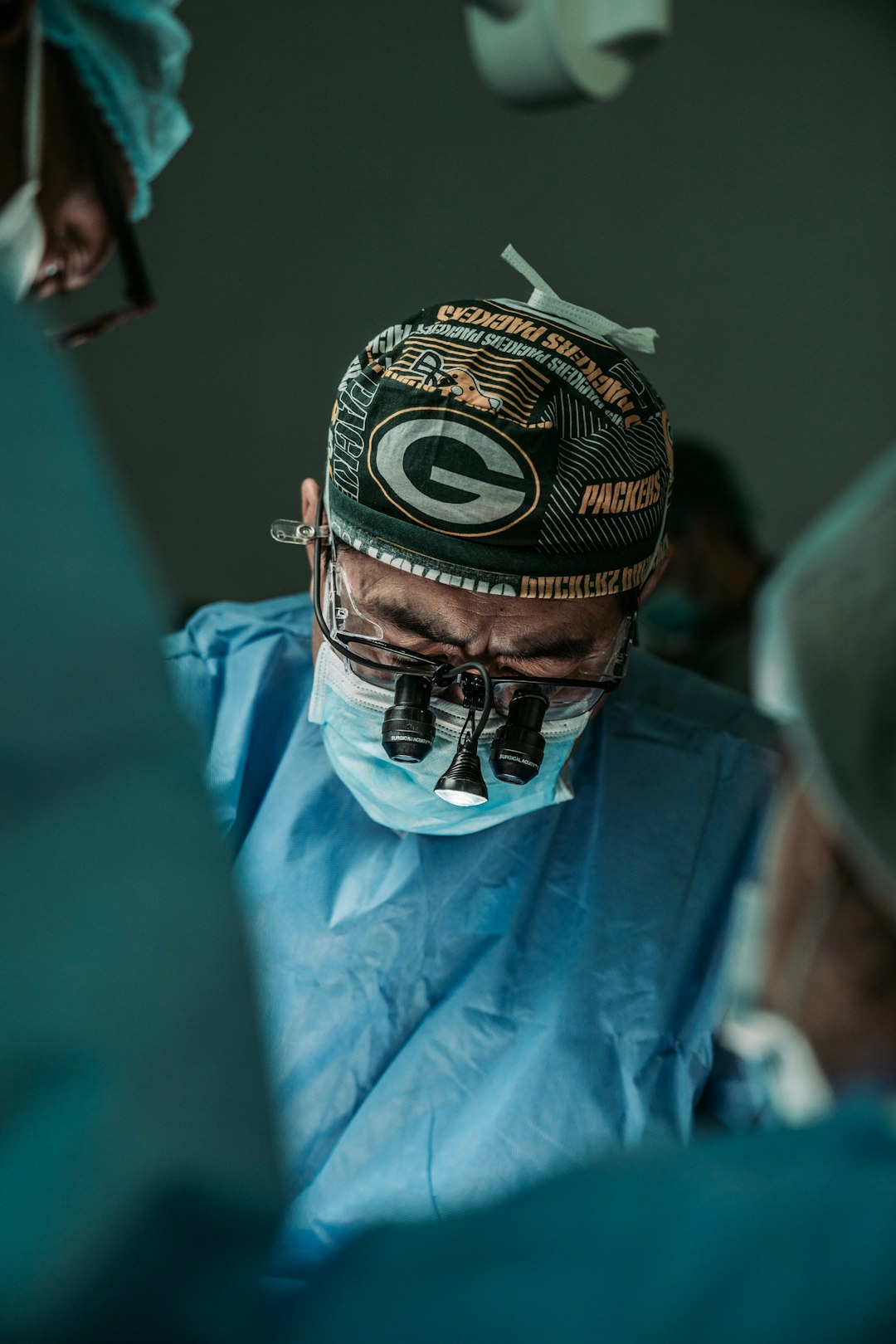
Nothing haunts a surgeon more than the possibility of a single error costing someone their life. According to some estimates, a significant portion of medical malpractice cases involving surgeons result from intraoperative errors, highlighting just how real this fear is. This anxiety extends beyond simple technical mistakes to encompass every decision made in the operating room.
The human brain processes thousands of micro-decisions during surgery, from incision placement to tissue handling. One moment of distraction, one slight miscalculation, or one equipment malfunction can transform a routine procedure into a catastrophe. This reality creates a constant undercurrent of tension that experienced surgeons learn to manage but never completely overcome.
Recent research reveals that surgeon stress is associated with deterioration in surgical performance, surgical team working and compromised patient safety. The irony is crushing: worrying about making mistakes can actually increase the likelihood of errors occurring, creating a psychological trap that surgeons must navigate carefully.
Equipment Failure at Critical Moments
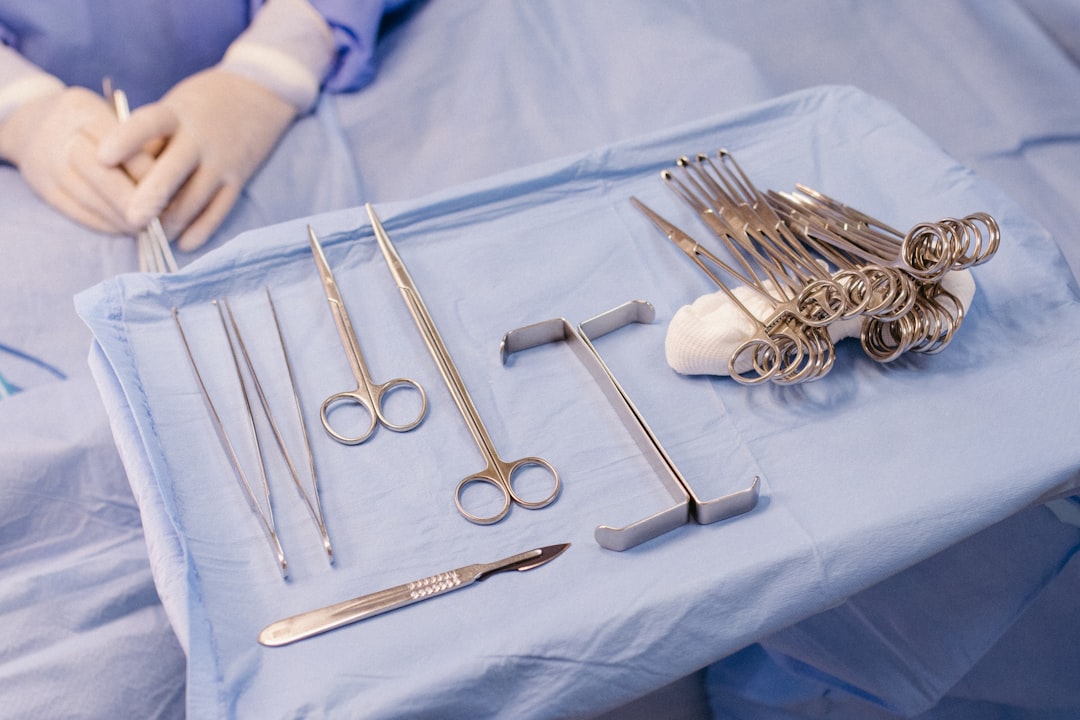
Modern surgery depends heavily on sophisticated technology, from robotic systems to life support machines. Many surgeons express concerns that current operating room technology could be more efficient and may sometimes limit their ability to perform optimally. This technological dependence creates a unique vulnerability.
Equipment can fail without warning during the most delicate moments of surgery. Monitors might go dark, ventilators could malfunction, or surgical instruments might break at precisely the wrong time. The fear isn’t just about delays or inconvenience; it’s about being helpless when a patient’s life hangs in the balance.
Surgeons often describe nightmares about power outages during complex procedures or about discovering that critical backup systems have failed. These scenarios, while rare, represent every surgeon’s deepest anxieties about losing control over factors beyond their expertise and training.
Unexpected Anatomical Complications

Despite years of medical training and countless procedures, the human body can still surprise even the most experienced surgeons. Anatomical variations, undiscovered conditions, or unexpected tissue responses can transform what seemed like a straightforward operation into a nightmare scenario. These surprises test both technical skills and emotional resilience.
Surgeons fear encountering rare conditions they’ve only read about in textbooks or discovering that a patient’s anatomy differs dramatically from the norm. Perhaps a major blood vessel sits in an unusual location, or scar tissue from previous surgeries has altered the surgical field beyond recognition. These discoveries can extend procedures by hours and dramatically increase risk.
The psychological impact goes beyond the immediate surgical challenge. Surgeons must make split-second decisions about how to proceed, often with incomplete information. The weight of these decisions, made under extreme time pressure, can haunt surgeons long after the surgery is complete.
Team Communication Breakdown

Surgery is inherently collaborative, requiring seamless coordination between surgeons, anesthesiologists, nurses, and technicians. The fear of communication failures represents one of the most realistic anxieties surgeons face. When team members misunderstand instructions or fail to communicate critical information, patient safety hangs in the balance.
These breakdowns can occur in subtle ways that outsiders might not recognize. A nurse might not hear an urgent request over the noise of equipment, or an anesthesiologist might misinterpret the surgeon’s assessment of the patient’s condition. In the high-stress environment of the operating room, even minor miscommunications can cascade into serious problems.
Surgeons often worry about being too focused on their technical tasks to notice when team members are struggling or confused. The burden of leadership in the operating room includes responsibility for maintaining clear communication channels while simultaneously performing complex surgical procedures.
Personal Stress Affecting Performance

Studies have shown that surgeons experience notable rates of anxiety and depression, with percentages varying across different research studies. These statistics reveal the psychological burden that surgeons carry into the operating room, raising fears about how personal struggles might affect surgical performance.
Surgeons are human beings dealing with the same life stresses as everyone else: relationship problems, financial concerns, family illnesses, and personal health issues. The fear that these stresses might compromise their ability to perform at peak level during surgery creates an additional layer of anxiety. They worry about being distracted at a critical moment or making poor decisions because of emotional turmoil.
Interestingly, recent research suggests a complex relationship between stress and performance. Increased surgeon stress at the beginning of a procedure was associated with improved clinical patient outcomes. This finding challenges assumptions about stress being purely negative, but doesn’t alleviate surgeons’ fears about their psychological state affecting their work.
The Burden of Life-and-Death Responsibility
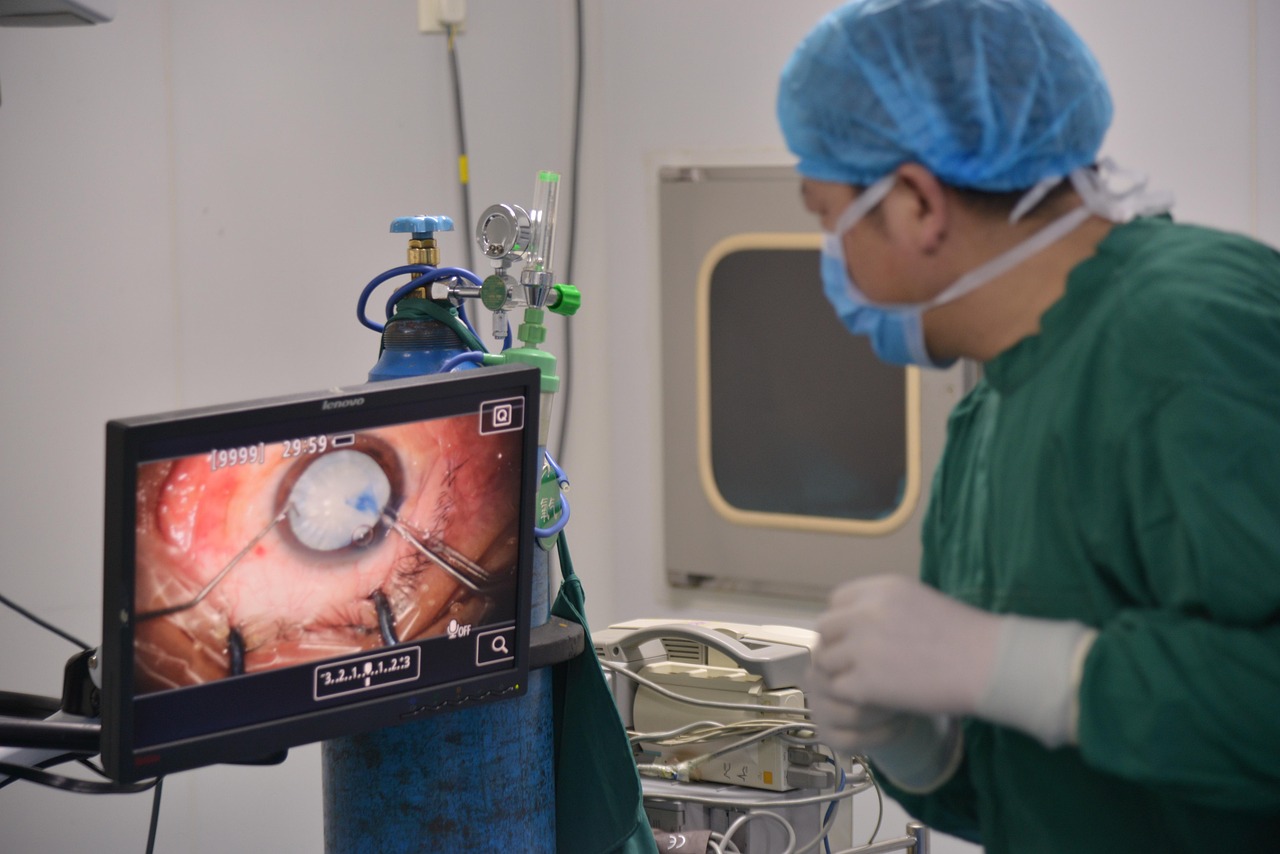
Perhaps the most profound fear surgeons face is the overwhelming responsibility for human life that comes with every procedure. Unlike many professions where mistakes might cost money or time, surgical errors can end lives or cause permanent disability. This responsibility creates a psychological burden that few other professionals can truly understand.
The weight of this responsibility doesn’t end when the surgery is complete. Surgeons carry the knowledge that their decisions during those critical hours will affect patients and families for years to come. They understand that successful outcomes are celebrated briefly, but complications are remembered forever.
This burden can affect every aspect of a surgeon’s life. Many describe difficulty sleeping before major procedures or feeling nauseated when thinking about upcoming complex cases. The fear isn’t just about technical failure; it’s about being responsible for another human being’s most precious possession: their life.
When Fear Becomes Wisdom

These fears, while challenging, serve an important purpose in surgical practice. They maintain the healthy respect for the gravity of surgical work and drive continuous improvement in skills and protocols. Surgeons who lose this edge of anxiety might become overconfident and prone to preventable errors.
The key lies not in eliminating these fears but in managing them constructively. The traits used to define surgeons in the forms of commitment and self-sacrifice may put them at risk for heavy workload, work-life imbalance, stress, anxiety, and burnout. Recognizing these fears as normal responses to extraordinary responsibility helps surgeons seek appropriate support and develop healthy coping mechanisms.
Understanding these fears humanizes the surgical profession and highlights why supporting surgeon well-being benefits everyone. After all, we all depend on these skilled professionals when our lives hang in the balance. What aspects of surgical anxiety surprise you most?