
Every day, firefighters rush into situations where others flee. They’re our heroes, our lifesavers, the brave souls who answer the call when everything seems lost. Yet beneath that iconic uniform and unwavering courage lies a complex web of very human fears that rarely make headlines.
The fire service community has long operated under an unspoken rule: show strength, save others, never reveal weakness. This culture of stoicism, while admirable in many ways, has created barriers to understanding what truly weighs on the minds of those who risk their lives for complete strangers.
The Fear of Being Forgotten After Retirement
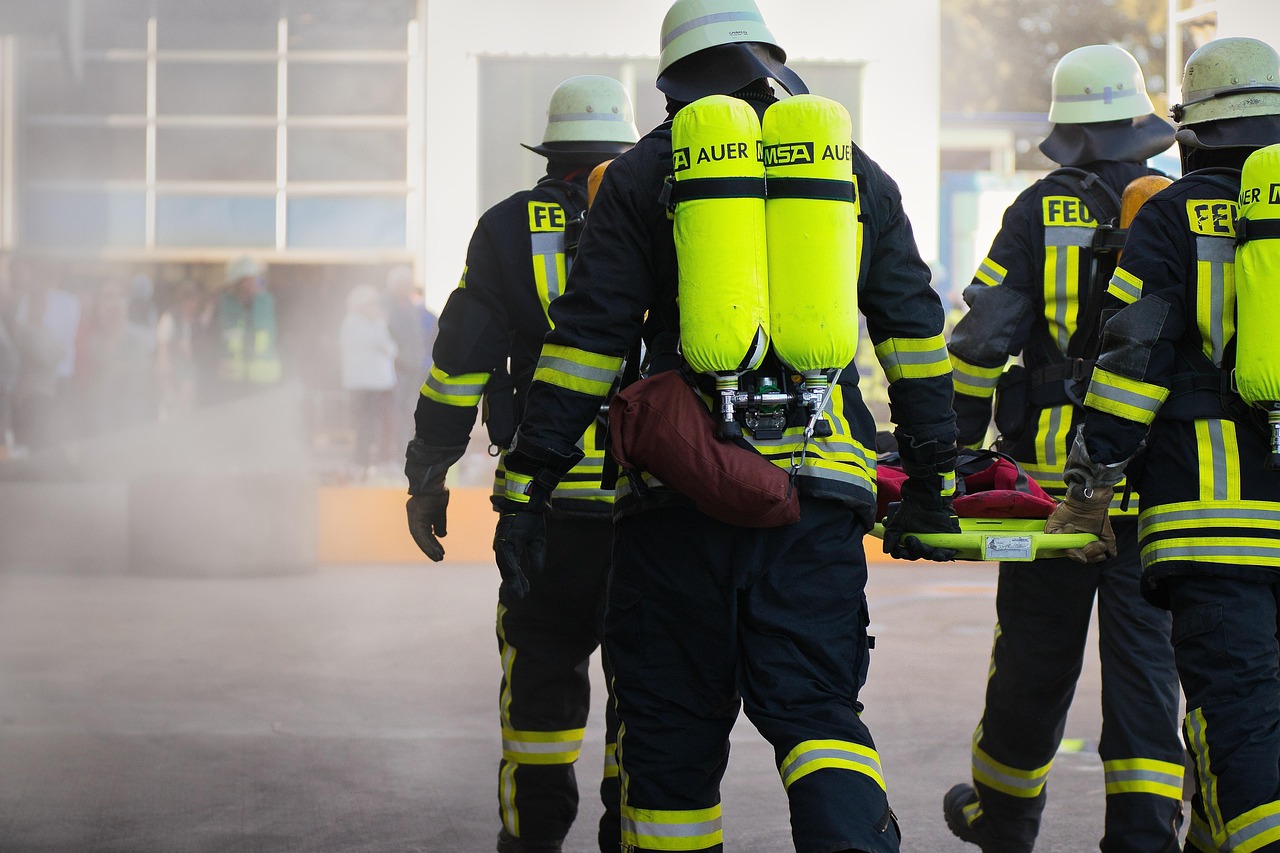
For many firefighters, the transition from active duty to retirement represents one of their deepest anxieties. The transition to retirement can be very challenging because it involves leaving not just a job but a way of life. One retired firefighter whose suicide I studied felt lost and lacked purpose, according to suicide prevention expert Elizabeth Pol.
This fear goes beyond typical retirement concerns about finances or health. Firefighters often define themselves by their service, their brotherhood, and their purpose in protecting others. When that identity suddenly disappears, many struggle to find meaning. The Firefighter Behavioral Health Alliance (FBHA) has reported concerning suicide statistics, with preliminary data suggesting significant numbers of firefighter suicides, with approximately 20% being retired firefighters and EMTs.
The statistics paint a troubling picture of how this fear manifests in real consequences. Retired firefighters face unique challenges in maintaining their sense of worth and connection to the community they once served daily.
Fear of Developing Occupational Cancer
Firefighters are also contending with fears that their job is making them ill. Our research findings released in January 2023 show that exposure to toxic contaminants is also contributing to higher rates of anxiety and depression among firefighters. This fear has intensified significantly in recent years as research continues to reveal alarming connections between firefighting and cancer.
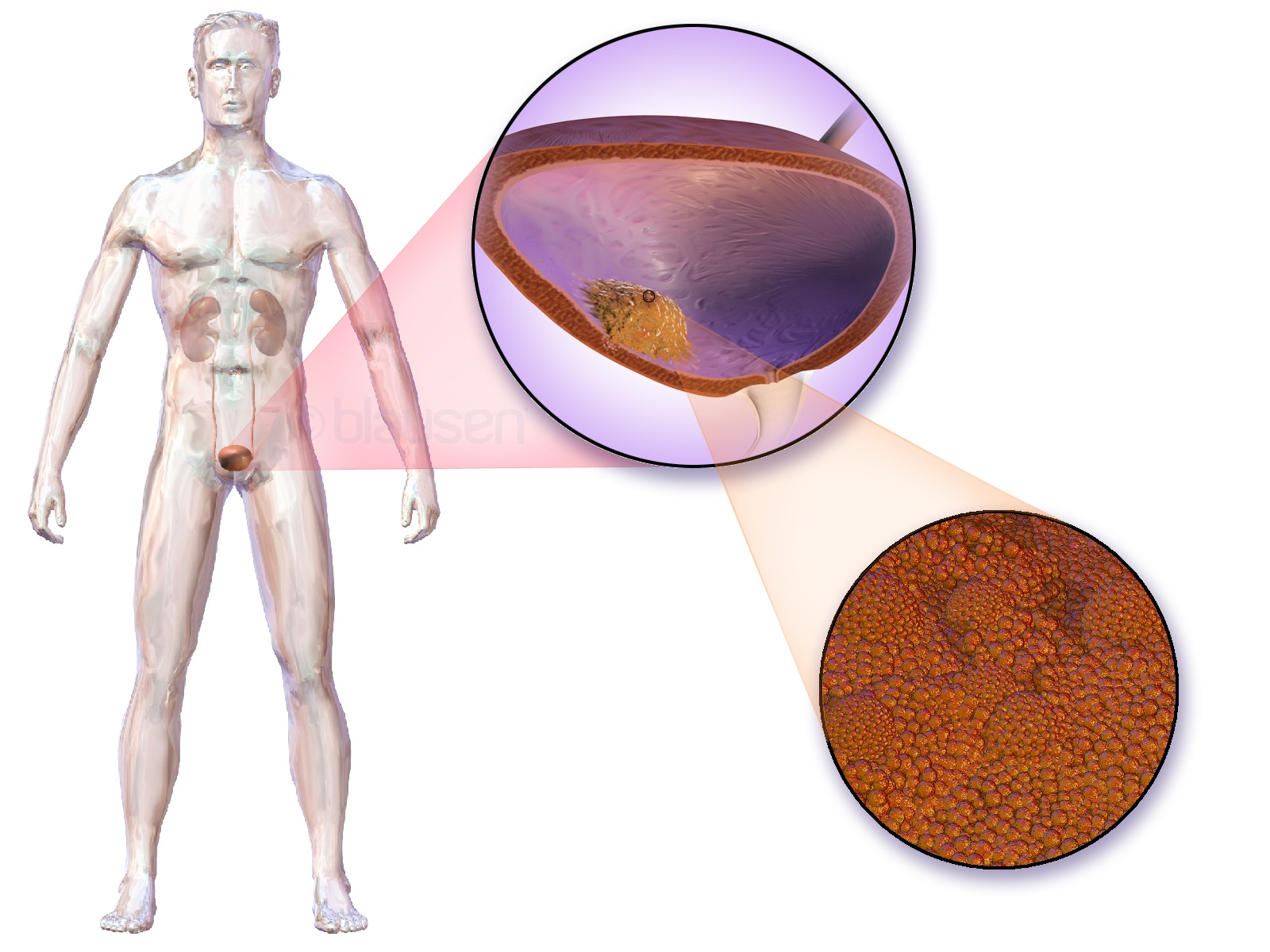
In its latest review of the scientific evidence (from 2022), IARC has classified occupational exposure as a fire fighter as “carcinogenic to humans” (Group 1). Based on the epidemiological evidence, the IARC Working Group concluded that there is a causal relationship for mesothelioma and bladder cancer in firefighters. Additional credible positive associations were identified for colon cancer, prostate cancer, testicular cancer, melanoma, and non-Hodgkin’s lymphoma.
The knowledge that simply doing their job exposes them to life-threatening substances creates a persistent underlying anxiety. According to IAFF data, occupational cancer represents a significant percentage of line-of-duty deaths among members. Many firefighters report feeling helpless against invisible threats that may not manifest for decades.
Per- and polyfluoroalkyl substances (PFAS), carcinogenic forever chemicals that degrade very slowly, are found in a firefighter’s blood, their firehouses, some firefighting foams, and most concerning, bunker gear — the very gear meant to protect firefighters.
Fear of Mental Health Stigma
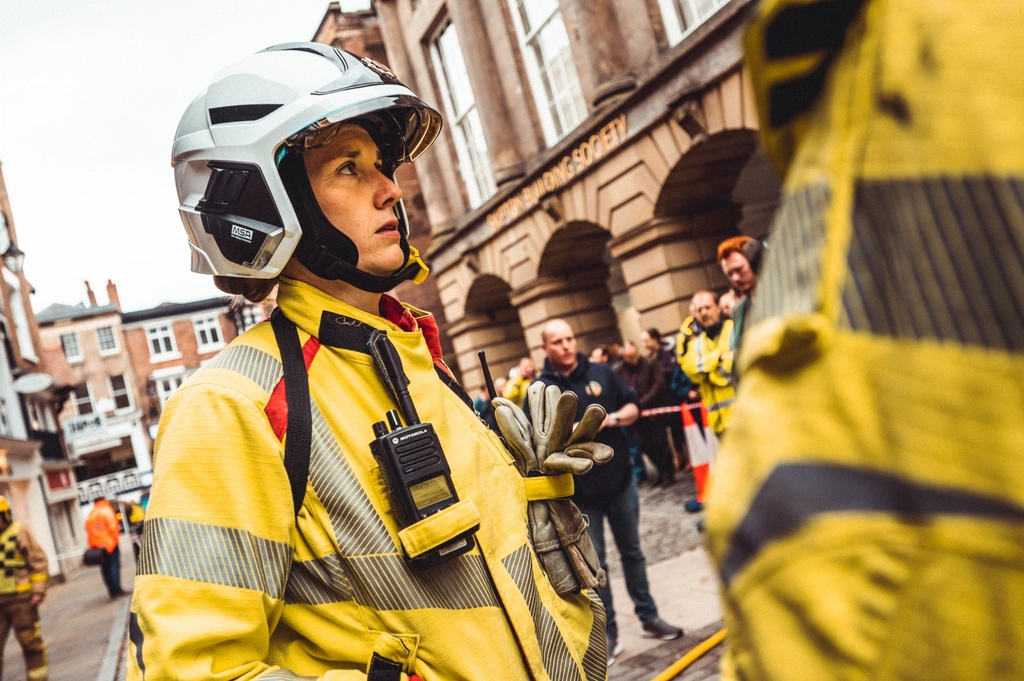
Firefighters don’t often reach out for help when they need it, she added, because “there’s still that myth of, ‘If I talk about this I might lose my job.'” This deeply ingrained fear prevents many firefighters from seeking the mental health support they desperately need.
The fire service culture has historically emphasized toughness and resilience above all else. “We’re taught as firefighters to suck it up, get over it, don’t let it bother you,” Ben Thompson, peer support coordinator at Harrisonburg Fire Department, said. This mentality creates a paradox where those trained to help others struggle to accept help themselves.
Findings also revealed that about 40% of professional firefighters are facing clinically substantial levels of anxiety and depression, and more than 10% are experiencing severe symptoms. Yet the fear of appearing weak or unfit for duty keeps many suffering in silence.
Fear of Failing to Save Someone
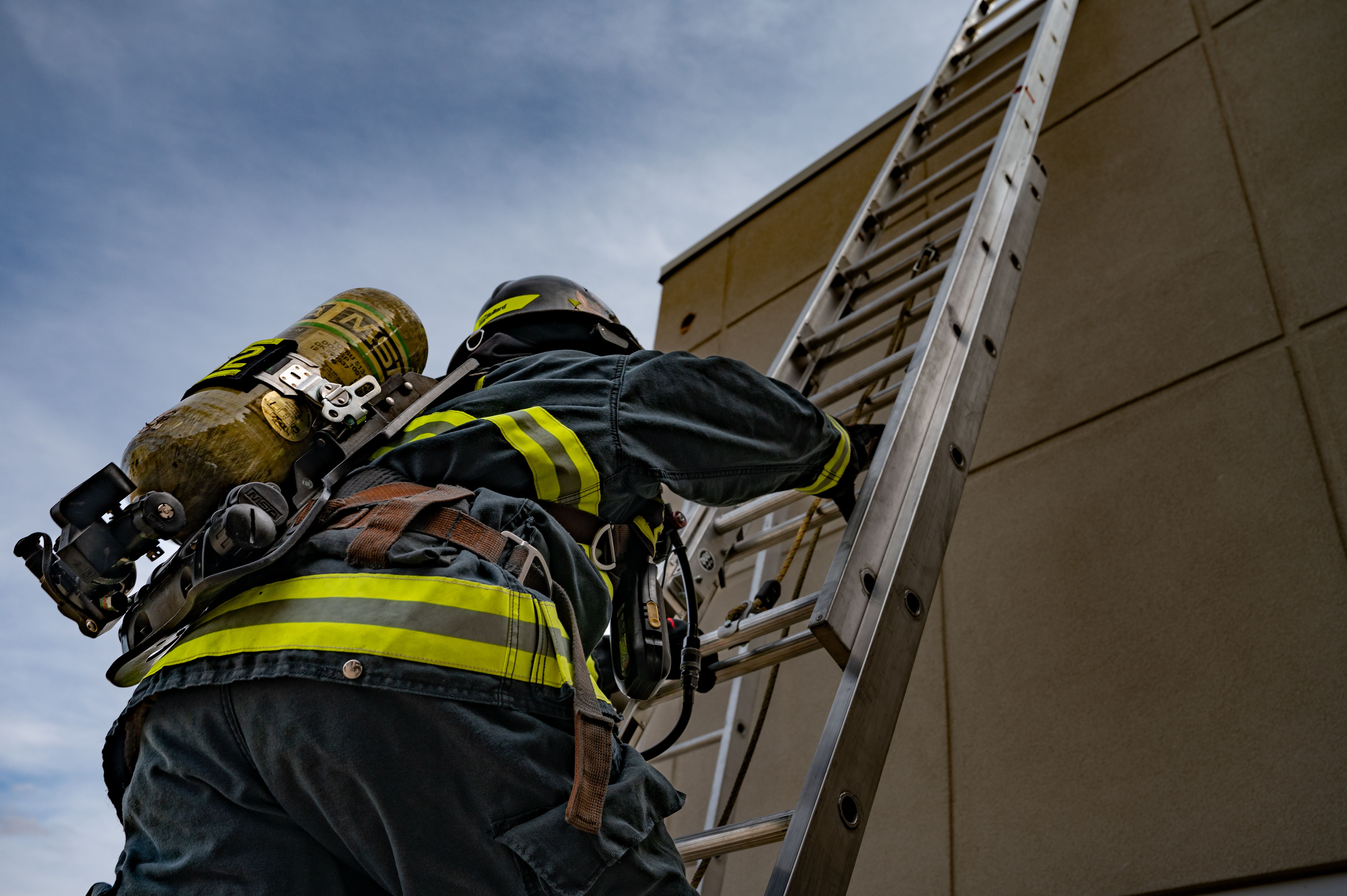
Perhaps no fear haunts firefighters more than the possibility of not being able to save a life when it matters most. This anxiety weighs heavily during every emergency call, creating intense pressure to perform flawlessly under the most challenging circumstances.
Whether it is a burning building, and someone is trapped inside or an active shooter situation, first responders are expected to lay down their life to protect the lives of everyone else. The weight of this responsibility can become overwhelming when firefighters encounter situations beyond their control.
Many firefighters report having recurring nightmares about failed rescues or situations where they arrived too late. The fear becomes even more intense when children are involved, as these cases tend to affect firefighters most deeply. This persistent anxiety can lead to hypervigilance and difficulty relaxing even during off-duty hours.
Fear of Contaminating Their Families

Firefighters face a unique dilemma about protecting their loved ones from both the emotional trauma and physical contamination they encounter at work. For emergency responders, many of them worry that sharing details of their work could spread the trauma to their loved ones. Thompson said firefighters are born protectors and they want to ensure the safety of everyone, including the mental well-being of their loved ones in their home.
Reasons given were that they were concerned that their family member might change the way they viewed them as a person because of the kinds of things they were seeing at work. Concurrently, they also wanted their family members to have faith that their role as a firefighter was valuable and that their job was good and important, and they were worried that sharing some of their experiences might undermine their families’ valuation of the job.
Beyond emotional concerns, many firefighters worry about bringing home toxic substances on their gear and clothing. The fear of inadvertently exposing children and spouses to carcinogens creates additional stress and complex decontamination routines that can strain family relationships.
Fear of Burnout and Loss of Purpose
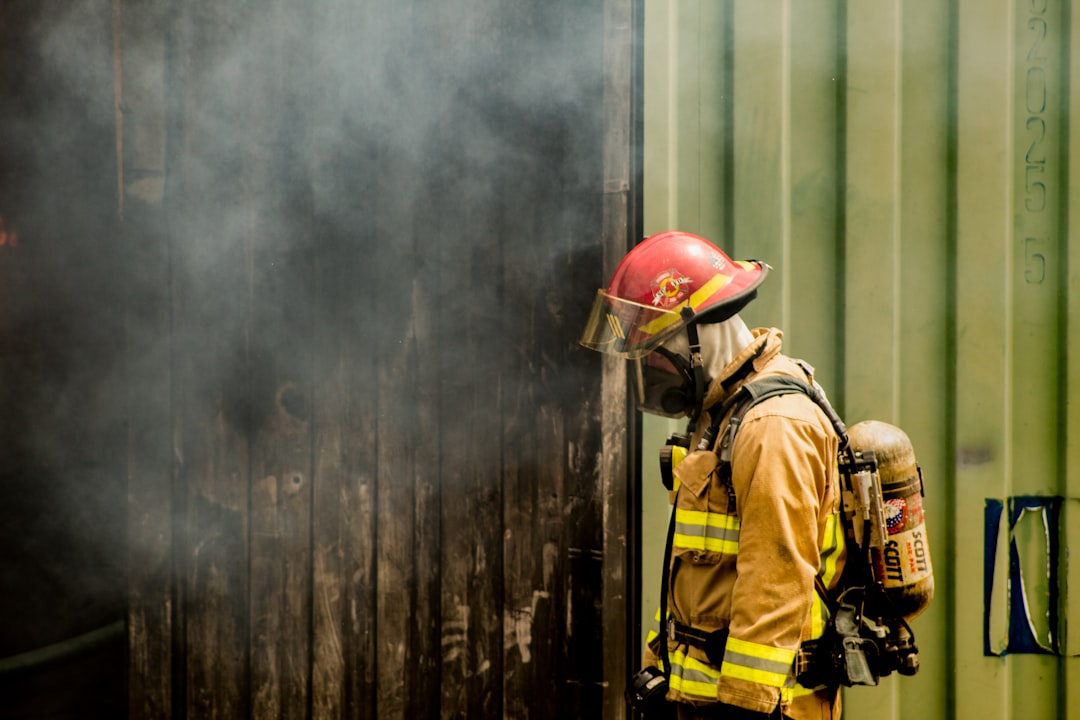
For firefighters who are at high risk for suicide, both burnout and lack of meaning showed strong links to suicidal behaviors, and the effect of each is stronger than the effect of traumatic stress. This revelation has surprised many researchers who previously focused primarily on trauma-related mental health issues.
Burnout and lack of meaning are becoming significant in the fire service at the same time that workload is increasing steadily and that the nature of the job is changing. For example, from 1974 to 2019, my department saw the rate of structural fires fall by half. As fire calls decrease and medical calls increase, some firefighters struggle with feeling disconnected from their original calling.
Burnout for those who work in jobs that help others is defined as the experience of emotional exhaustion, loss of empathy and loss of a sense of personal achievement. Burnout is well known to be linked to depression and suicide in nurses and doctors.
Fear of Being Inadequately Prepared
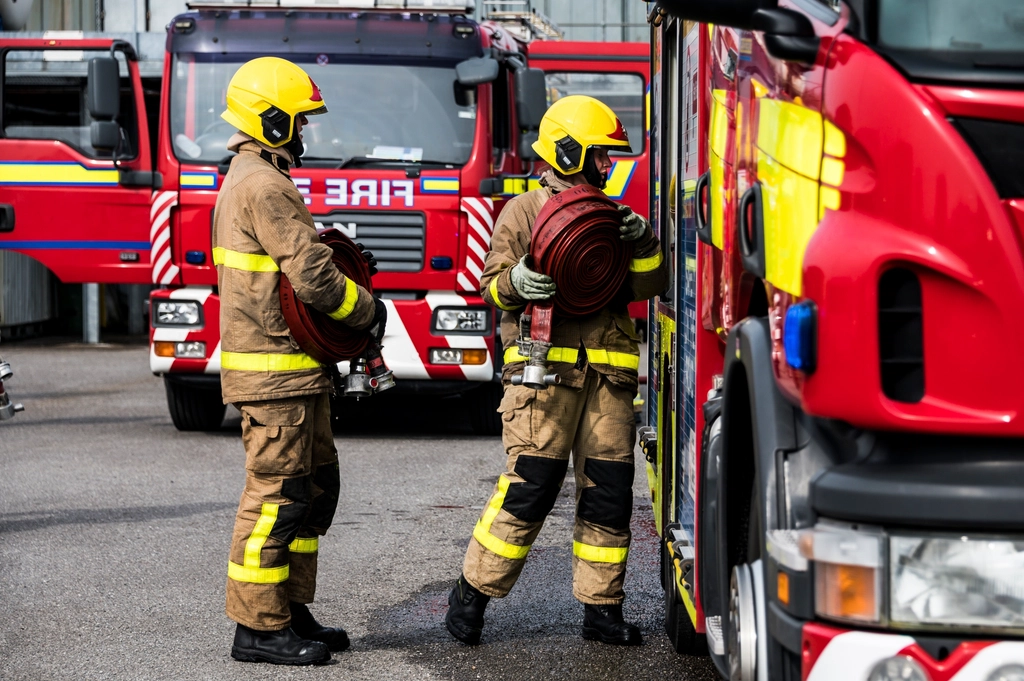
Despite extensive training, many firefighters harbor deep concerns about encountering situations they haven’t trained for or equipment failures during critical moments. This fear intensifies as emergency scenarios become increasingly complex and unpredictable.
Cuts to frontline jobs and resources means firefighters are over-stretched and over-worked, worrying about being able to do their job and save lives. Budget constraints in many departments have led to reduced staffing levels and aging equipment, amplifying these concerns about preparedness.
The fear extends to new technologies and evolving hazards like electric vehicle fires, solar panel installations, and modern building materials that create different toxic exposures. Many firefighters worry they’re always playing catch-up with emerging threats while working with limited resources and training opportunities.
Fear of Suicide Among Colleagues
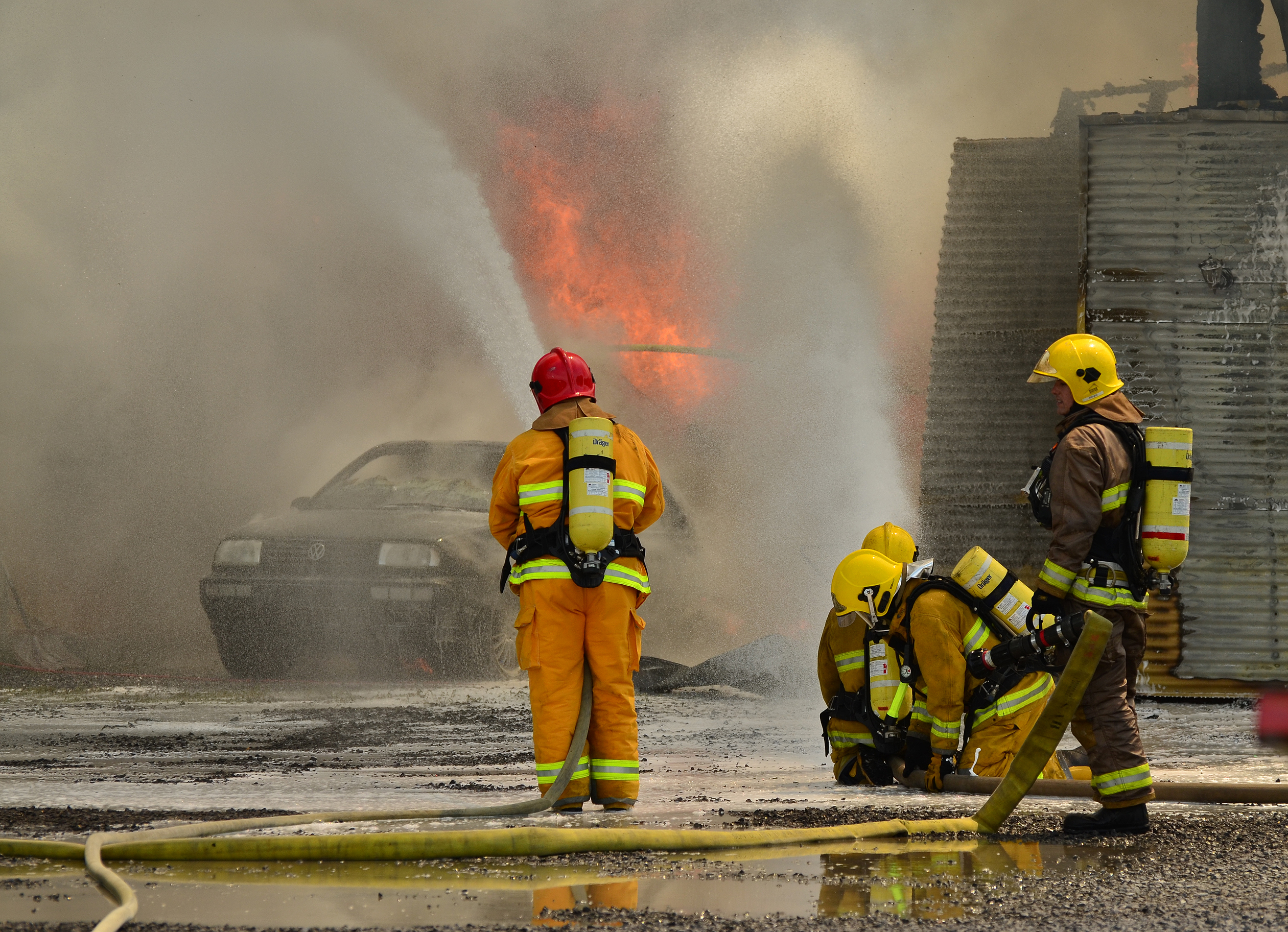
Firefighters are three times more likely to die by suicide than to die in the line of duty, according to the National Fallen Firefighters Foundation. This sobering statistic has created a new kind of fear within the fire service community about losing colleagues to mental health crises rather than physical dangers.
With an estimated 100 suicides each year and a suicide rate of 18 per 100,000, firefighters face a significantly higher risk compared to the general population’s 13 per 100,000. Studies have shown wildland firefighters demonstrate concerning rates of suicide attempts and suicidal ideation. Wildland firefighters demonstrate rates of suicide attempts that exceed those of non-wildland firefighters and of the general population at large.
Pol notes that after a first responder completes suicide, coworkers or family may say, “We had dinner with John the other night, and he was laughing and having a good time, and we never saw this coming.” This unpredictability creates anxiety about recognizing warning signs and knowing how to help struggling colleagues.
Moving Forward With Understanding
These eight fears represent just a portion of the complex emotional landscape that firefighters navigate while serving their communities. We are part of the statistics through the National Institute of Mental Health (NIMH), which state that nearly 20% of the population has a diagnosable mental condition and many more people have symptoms that haven’t reached the diagnosable level yet.
The fire service is gradually evolving to address these concerns through peer support programs, enhanced mental health resources, and cultural changes that encourage help-seeking behavior. However, significant work remains to be done to support those who dedicate their lives to protecting others.
Understanding these fears doesn’t diminish the courage of firefighters. Rather, it highlights their humanity and the complex challenges they face beyond the obvious physical dangers. These brave men and women deserve our support not just during emergencies, but throughout their careers and into retirement.
What challenges do you think our firefighters face that the public doesn’t fully understand? Share your thoughts and help spread awareness about the complete picture of what it means to serve as a first responder.