
The whispers began in corporate boardrooms across the globe. Fear. Not the kind that keeps you awake at night, but the calculated, strategic kind that moves mountains and transforms entire industries. As artificial intelligence and automation technologies accelerate at breakneck speed, business leaders are staring down a reality that seemed like science fiction just a decade ago.
Companies everywhere are scrambling to adapt, not just because they want to stay competitive, but because they have to survive. The statistics tell a startling story that reveals both opportunity and disruption on an unprecedented scale. So let’s get started on this journey through the industries where fear has become the greatest catalyst for change.
Manufacturing: The Robot Revolution Is Already Here
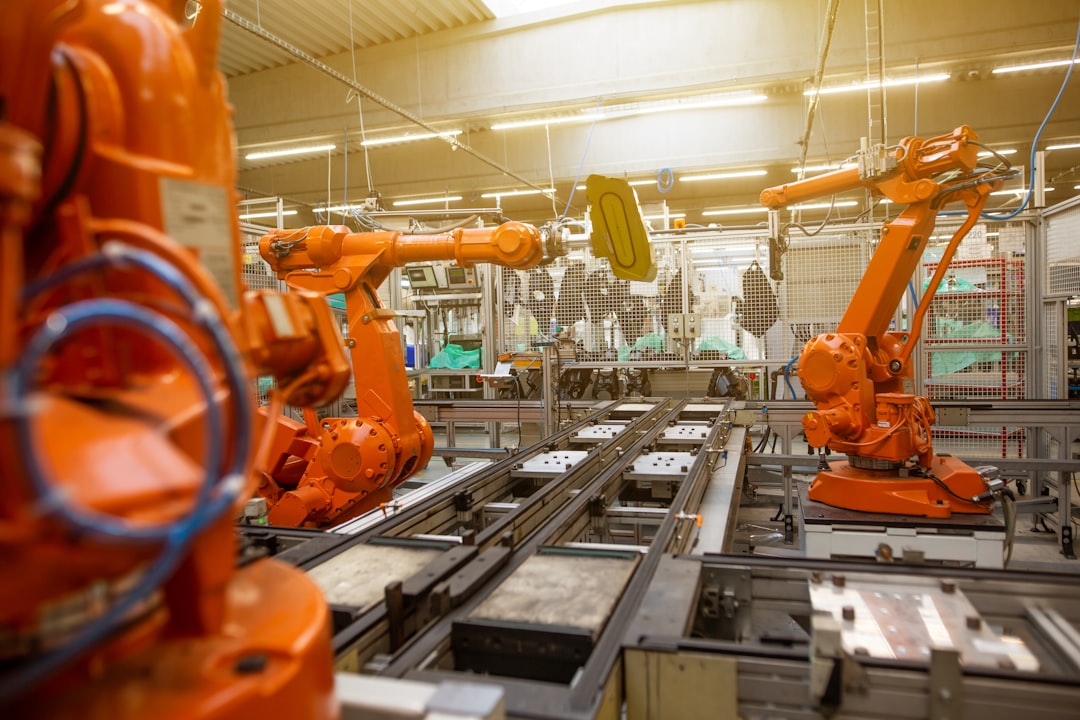
The manufacturing industry alone could lose as many as 20 million job positions in the next 10 years, representing 8.5% of the global manufacturing workforce. This staggering projection has sent shockwaves through factory floors worldwide, forcing an immediate reckoning with automation technologies.
Since 2000, an estimated 1.5 to 2 million jobs have been lost to automation in manufacturing, with the list mostly including workers in the automotive industry. Yet rather than retreat, manufacturers are doubling down on transformation. Manufacturing companies are implementing AI and IoT sensors for predictive maintenance and real-time process control, fundamentally changing how production operates.
The fear has become a driving force for innovation. A single robot implemented into manufacturing replaces 1.6 workers, but this displacement is spurring massive investments in worker retraining and new technological capabilities. Companies are discovering that embracing automation isn’t just about replacing humans – it’s about creating entirely new ways of working.
Transportation and Logistics: The Highway to Transformation
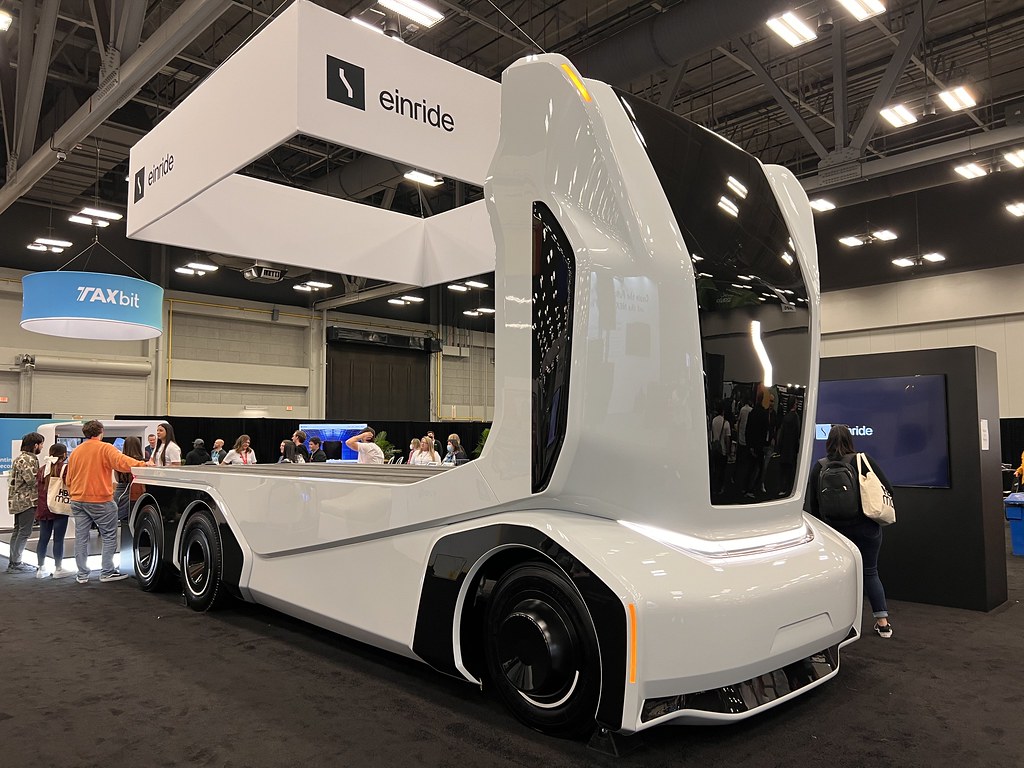
Industry analysts predict that a substantial portion of trucking jobs could be at risk by 2030 due to automation. With over 3.5 million professional truck drivers currently in the United States, this represents one of the largest potential workforce disruptions in modern history.
The fear is palpable but driving rapid innovation. Several companies are operating autonomous trucking pilot programs on routes connecting Texas and California, resulting in a 25% reduction in transit times and 30% reduction in operational costs. Major companies like FedEx achieved cost savings exceeding $200 million annually by deploying autonomous trucks, while Amazon reduced delivery times by 20% and carbon emissions by 35%.
The U.S. faces a shortage of more than 80,000 drivers expected to double by 2030, with a median driver age of 46. This crisis has accelerated autonomous trucking development, transforming fear into necessity-driven innovation that’s reshaping the entire logistics ecosystem.
Financial Services: Where Algorithms Rule

32% of U.S. finance leaders fear automation may replace the majority of finance employees, far higher than the UK at 12% and Germany at 19%. This anxiety has triggered one of the most aggressive digital transformation waves ever seen in the financial sector.
Financial services are experiencing a boom in automation as AI bots handle fraud detection and customer inquiries. Seven of the top 10 global banks have integrated AI tools for underwriting, leading to a 32% reduction in credit analyst positions. The fear has become a competitive advantage for early adopters who are reshaping how banking operates.
Banks could increase pretax profits by 12-17% by 2027, totaling $180 billion, with 70% of basic operations automated by 2025. The transformation isn’t just about cost-cutting – it’s about survival in a rapidly digitizing world where customer expectations demand instant, intelligent service.
Retail: The Checkout Revolution
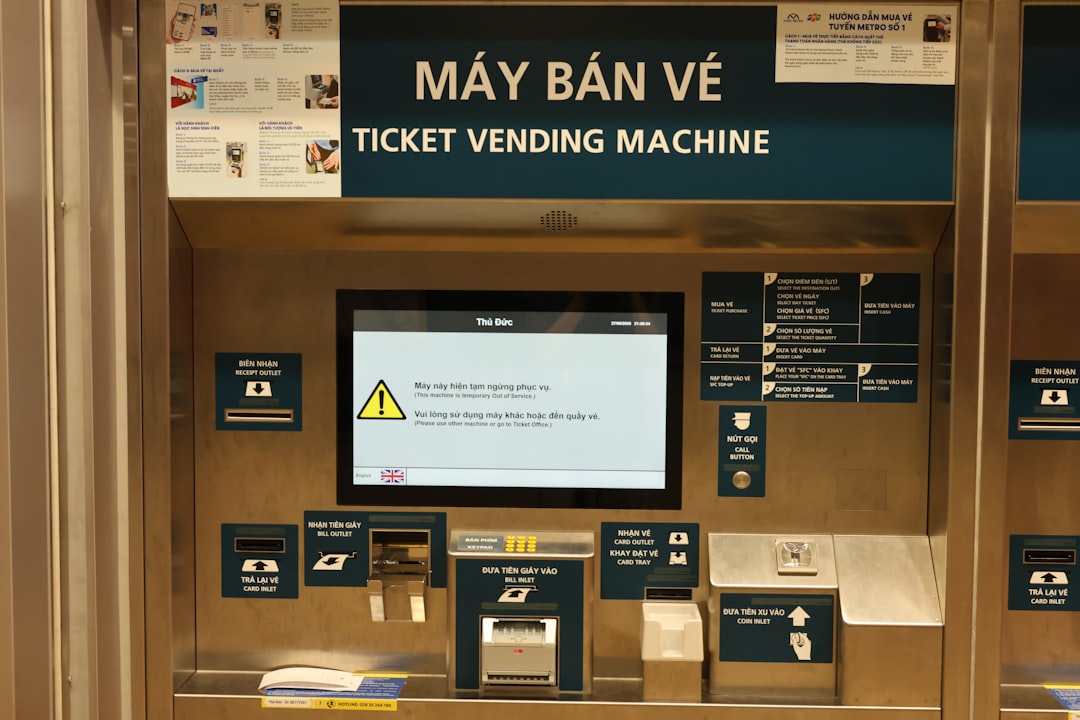
Retail workers are experiencing one of the most visible automation transformations. 65% of retail cashier roles are being automated by 2025, with chains like Walmart and Sam’s Club cutting thousands of positions. Retail giants like Walmart and Target have automated back-end operations, eliminating over 28,000 jobs in logistics and inventory management.
The fear has driven a complete reimagining of customer experience. Retailers are using edge AI cameras, dynamic pricing engines, and hyper-personalized loyalty apps to convert foot traffic into lifetime value, collecting meaningful customer data to boost revenue. This transformation goes far beyond simple cost reduction.
Companies that initially resisted automation out of concern for customer reactions are now racing to implement it. The fear of being left behind has overcome the fear of change, creating a retail landscape where human-machine collaboration is becoming the new standard.
Customer Service: The Chatbot Takeover

Customer service representatives face 80% automation by 2025, displacing over 2 million U.S. jobs. This dramatic shift has forced companies to completely rethink how they handle customer interactions and support.
The transformation extends beyond simple chatbots. Advanced AI systems are now handling complex customer inquiries, processing complaints, and managing relationships that previously required human empathy and problem-solving skills. The fear of losing the human touch has been overcome by the promise of 24/7 availability and consistent service quality.
Companies are discovering that while automation handles routine inquiries, human agents can focus on high-value, complex interactions. This realization has transformed fear into strategic opportunity, creating new roles in customer experience design and AI system management.
Healthcare: Technology Meets Human Touch

Healthcare presents a fascinating paradox in automation fears. While medical administrative tasks could easily be automated, medical practitioners face only 21% automation potential, and the number of healthcare jobs is expected to reach 130 million by 2030.
Healthcare providers are turning to AI-assisted image reading, electronic health record interoperability, and telemonitoring, with robotic process automation delivering 85% faster data processing and 92% cost reduction. The fear isn’t about job loss but about keeping pace with technological advancement.
The industry’s approach to automation reflects deep concerns about maintaining care quality while improving efficiency. Healthcare organizations are investing heavily in technologies that enhance rather than replace human capabilities, driven by fear of compromising patient outcomes.
Administrative and Data Entry: The Digital Transformation

The 2025 World Economic Forum report found that administrative jobs are easily the most at risk of automation in the next five years. Data entry and administrative support face a 95% risk as AI systems outpace human accuracy and speed.
This sector exemplifies how fear has accelerated transformation. Companies that once relied on armies of administrative workers are now implementing sophisticated AI systems that handle everything from document processing to complex data analysis. The speed of change has been breathtaking.
Entry-level marketing jobs, once seen as growth opportunities, have been largely replaced by AI tools like Jasper and Copy.ai in early 2025. The administrative workforce is experiencing the most dramatic restructuring, with entire departments being reimagined around human-AI collaboration rather than traditional hierarchies.
Food Service: The Kitchen Revolution
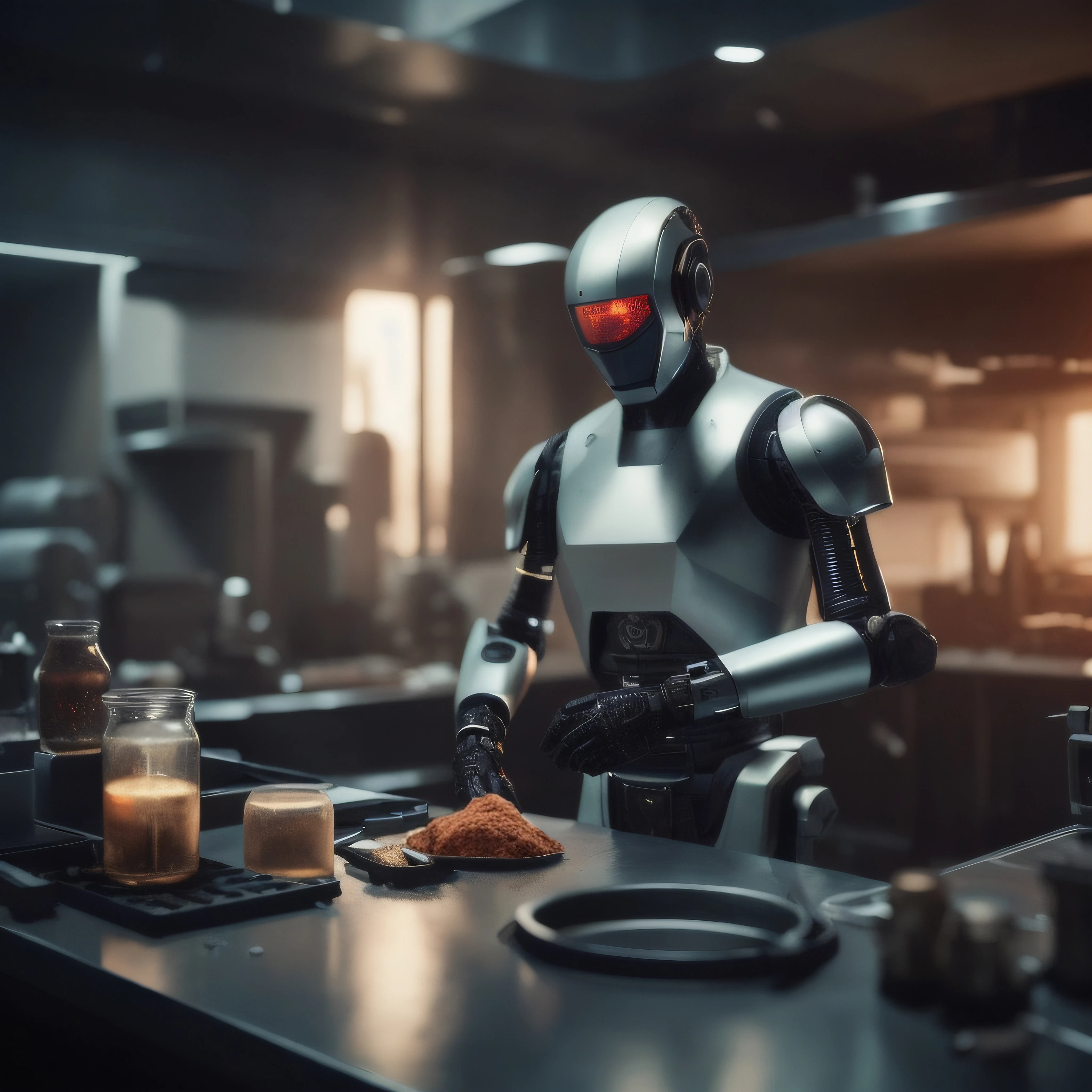
Food preparation and serving could face disruption of up to 80%, with workers aged 16 to 24 at 49% average automation exposure. This sector demonstrates how automation fear is driving innovation in unexpected ways.
Food-grade collaborative robots are being designed to meet strict hygiene and safety standards, with manufacturers like Doosan Robotics offering models with NSF Food Zone certifications and IP ratings for use in wet environments. The transformation extends from fast-food chains implementing automated ordering systems to restaurants using robotic kitchen assistants.
The fear has sparked creativity in human-machine collaboration. Rather than replacing chefs and servers entirely, automation is handling repetitive tasks while humans focus on creativity, customer interaction, and complex culinary skills. This evolution is reshaping the entire food service experience.
Looking Forward: When Fear Becomes Innovation
The statistics paint a clear picture. While 85 million jobs may be lost due to AI, 97 million new ones are projected to be created by 2025. 77% of employers plan to train their employees to work alongside AI, with over 40% of workers requiring significant upskilling by 2030.
What we’re witnessing isn’t just technological disruption – it’s fear-driven transformation that’s creating entirely new ways of working. The industries that are thriving aren’t the ones that avoided automation, but those that embraced it despite their fears. They’re discovering that the future belongs to companies that can harness both human creativity and machine efficiency.
The revolution is already here, and it’s being driven not by technology alone, but by the very human emotion of fear – transformed into the catalyst for unprecedented innovation and change. What do you think about these transformations? Are you ready for this new era of work?