
The final penny has been minted, marking the end of an era that spans more than two centuries of American history. This seemingly small change is creating ripples throughout the economy as consumers and businesses scramble to understand what this means for their daily transactions.
With billions of pennies still in circulation, many Americans are wondering whether they should hoard these copper-colored coins or simply spend them as usual. The answer might surprise you, especially considering how this decision could affect your wallet in ways you never imagined.
The Final Chapter for the U.S. Penny
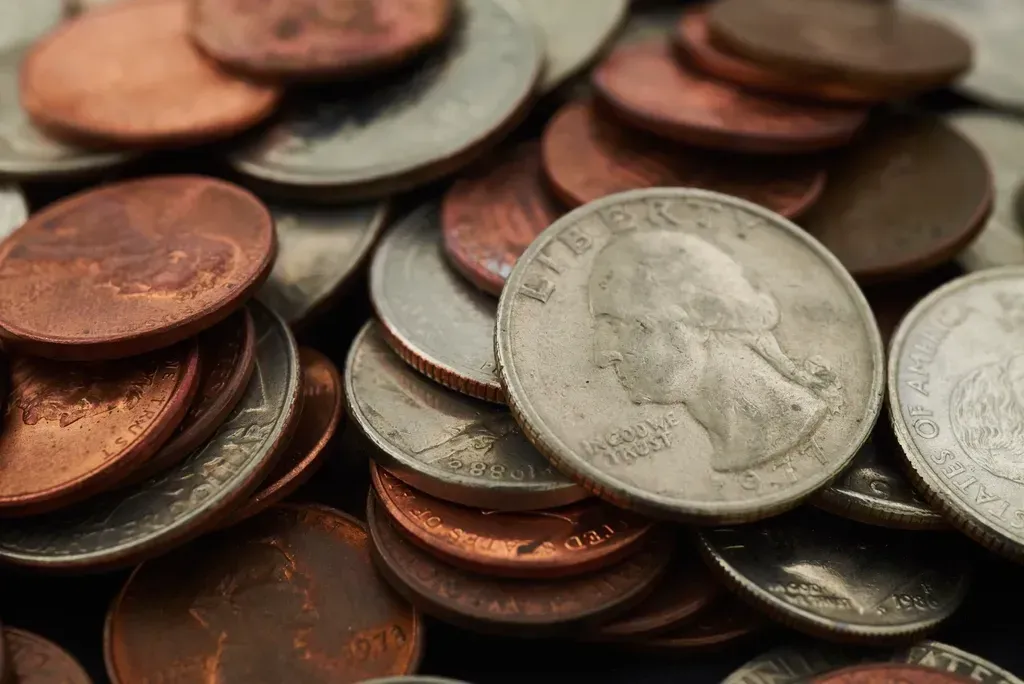
On Wednesday, the U.S. halted production of the penny, bringing an end to a 230-year tradition for a 1-cent coin that once shaped American culture but ultimately became almost worthless.
Financial Motives Behind the Decision
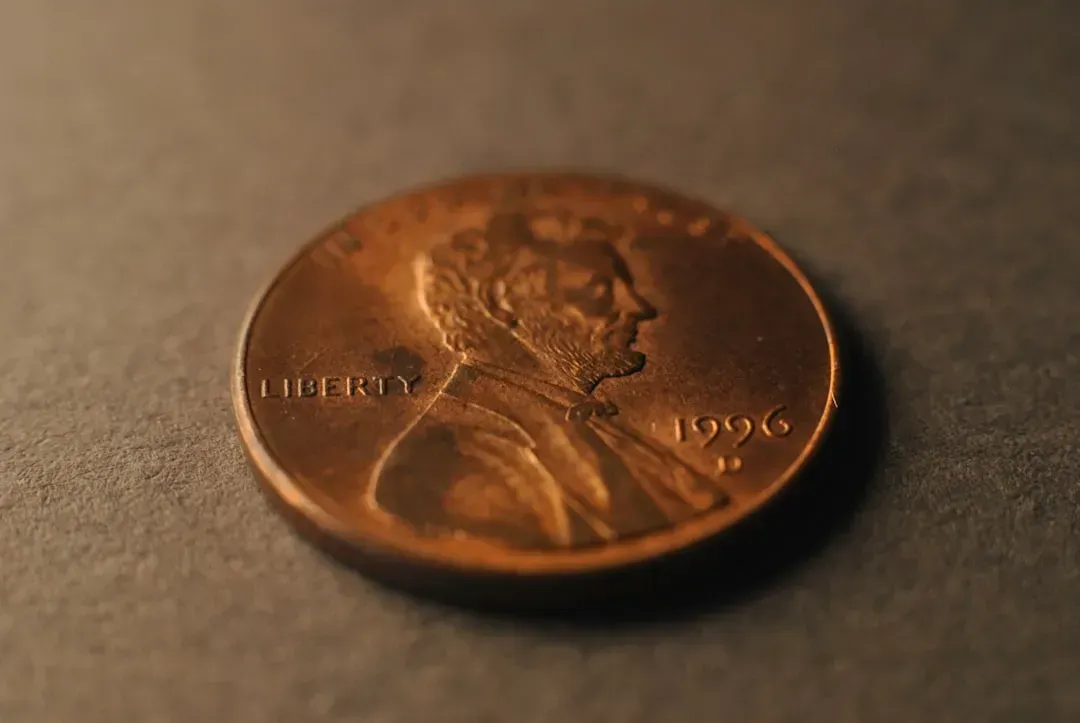
The government maintains that ending penny production will help eliminate unnecessary spending – a point President Donald Trump underscored when announcing the plan earlier this year, saying it would “rip the waste out” of the national budget. Today’s pennies, bearing Abraham Lincoln’s likeness and made from copper-plated zinc, cost nearly four cents each to manufacture – almost twice as much as a decade ago.
The Treasury Department estimates that halting production could save roughly $56 million a year.
Declining Use in a Digital Economy
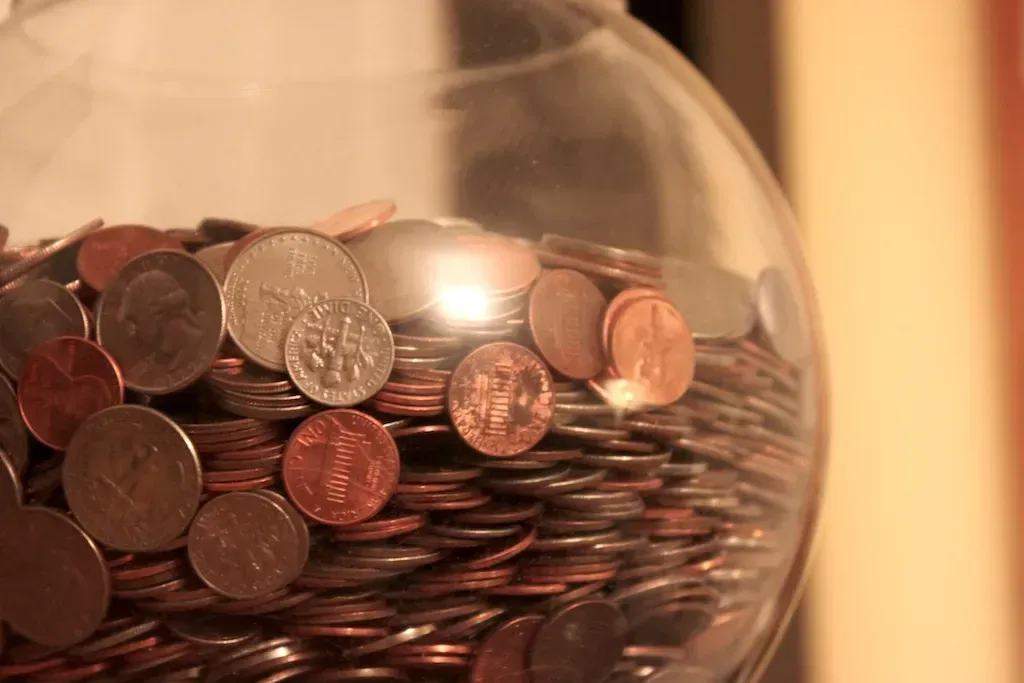
Officials argue that the explosive growth of digital payments has rendered the penny increasingly irrelevant. With about 300 billion pennies already in circulation – far more than needed for everyday transactions – the Treasury believes the existing supply will last for many years.
Studies show that roughly 60% of all U.S. coins, totaling about $60–$90 per household, sit untouched in drawers, jars, and piggy banks because many people consider them too insignificant to exchange.
Consumer Impact and Pricing Concerns
Shoppers may experience minor but noticeable changes as businesses begin rounding prices due to reduced penny availability. Research from the Richmond Federal Reserve suggests such rounding could cost consumers up to $6 million annually.
Even though pennies are worth only a cent, rising production costs – combined with the hassle of handling them – have fueled ongoing debate among retailers and the public.
Following a Global Trend

The U.S. joins a growing list of nations that have retired their lowest-value coins. Canada ended production of its one-cent piece in 2012, while Australia and New Zealand halted their one- and two-cent coins in the 1990s, with New Zealand later discontinuing the five-cent coin in 2006.
The UK considered removing its 1p coins in 2018, and although the proposal stalled, the shift toward digital payments led officials to pause coin production in 2024 due to an excess supply.
Keep Them as Legal Currency
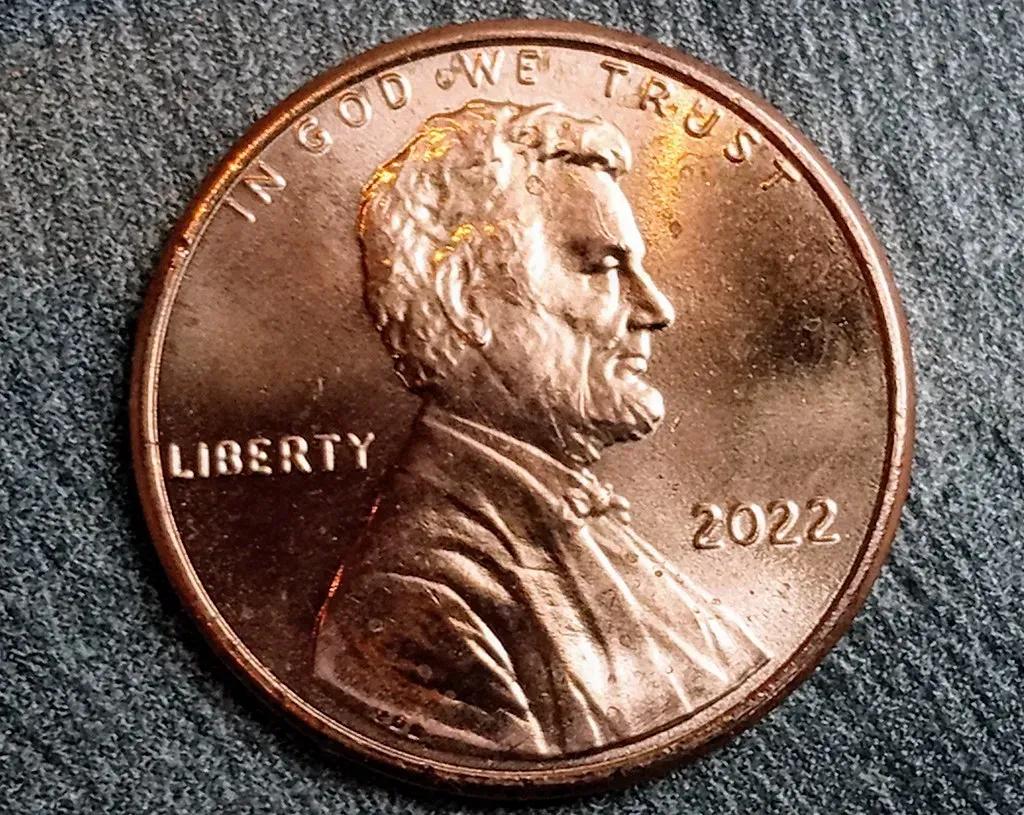
The most straightforward solution is simple: keep using your pennies. They remain legal tender and can still be spent, deposited, or collected. They are not being banned – only their production has ended.
Still, the effects are already becoming clear. Retailers are grappling with penny shortages, and without the 1-cent coin, many will ultimately adopt rounding prices to the nearest nickel. Some businesses request exact change, while others round transactions in favor of customers.
Since each penny can circulate for about 30 years before wearing out, there won’t be a shortage anytime soon. Your pennies will stay usable for decades, though their everyday usefulness will gradually decline as the nation adjusts to life without newly minted pennies.
Turn Your Penny Stash Into Real Money
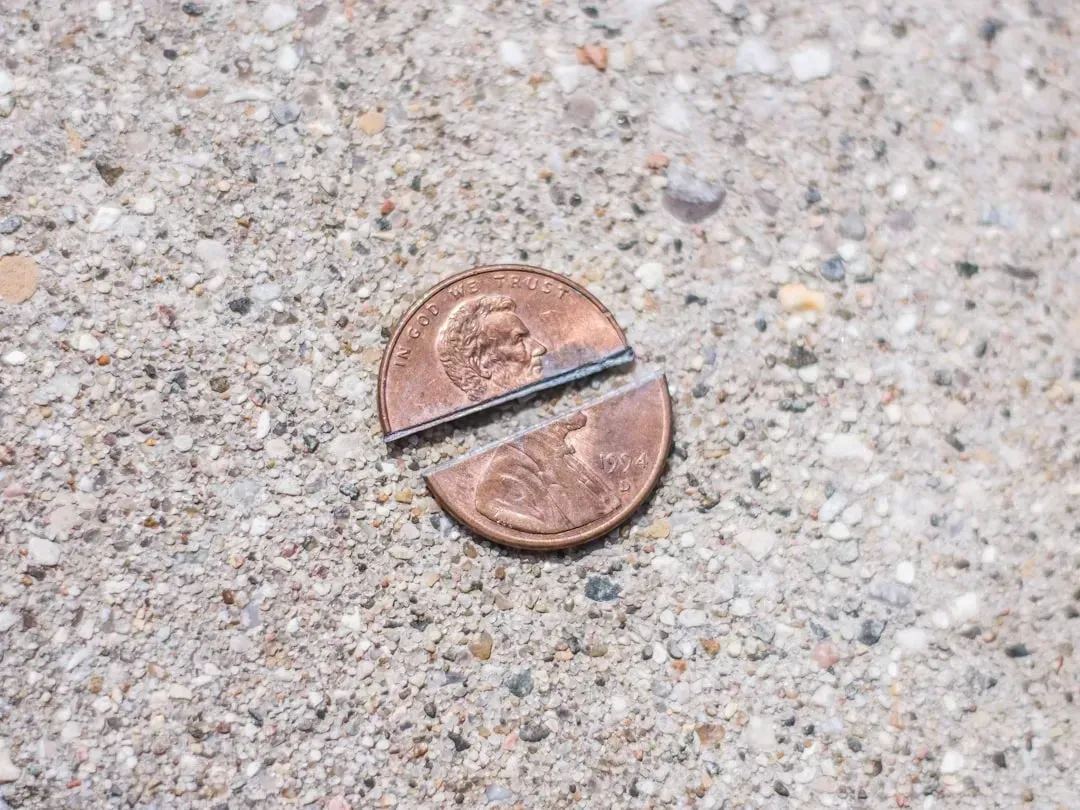
If you’ve been tossing pennies into jars for years, now might be the perfect time to cash them in. Banks still accept rolled pennies, and most major chains like Chase, Bank of America, and Wells Fargo will take them from account holders without fees. Coin-counting machines at grocery stores offer another option, though they typically charge around 12% in fees – that’s a hefty cut when you’re already dealing with the lowest denomination. Credit unions often provide free coin counting as a member perk, making them your best bet for converting that copper collection. Here’s the thing: as pennies become rarer in circulation, cashing them in gets easier because businesses actually need them to make change. Some savvy folks are even selling bulk pennies online for slightly above face value to collectors or people who need them for crafts and projects. Whatever route you choose, don’t let those pennies gather dust – they’re still spendable currency, and converting them now means you won’t be stuck with obsolete change later.