
New Mexico ranks dead last among all US states in feeling safe, with only roughly one quarter of residents believing their state feels secure, followed closely by Oklahoma at under thirty percent. Americans report feeling increasingly anxious nationwide, with roughly two thirds expressing worry about gun violence specifically. Let’s be real, even though actual crime statistics show declines in many areas, the perception of danger continues to climb in specific states where residents report profound unease about their safety.
New Mexico
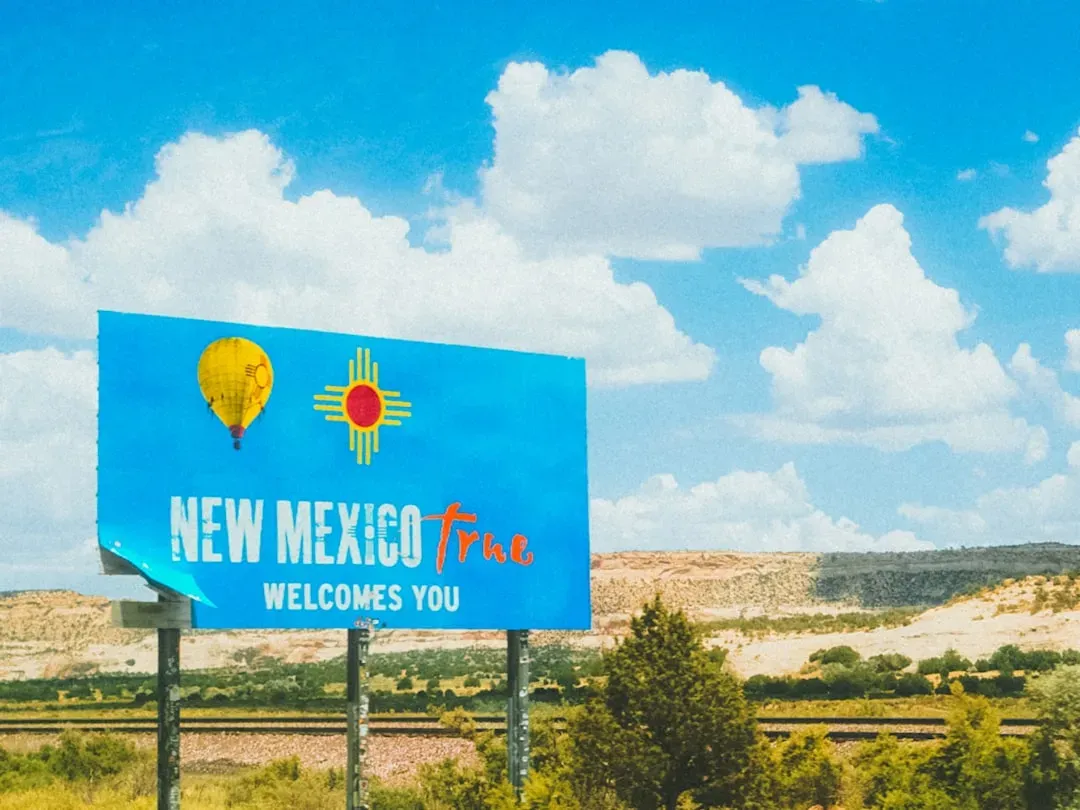
New Mexico holds the second highest violent crime rate nationally at 757.7 per 100,000 residents, more than double the national average. The state’s rural character doesn’t shield it from violence. New Mexico leads the nation with a homicide rate of 11.3 per 100,000, more than twice the national rate. SafeWise data from 2024 revealed that only 28% of New Mexicans feel their state is safe, making it the state with the lowest perceived safety. Residents describe a growing disconnect between what officials say and what they experience daily on their streets.
Oklahoma
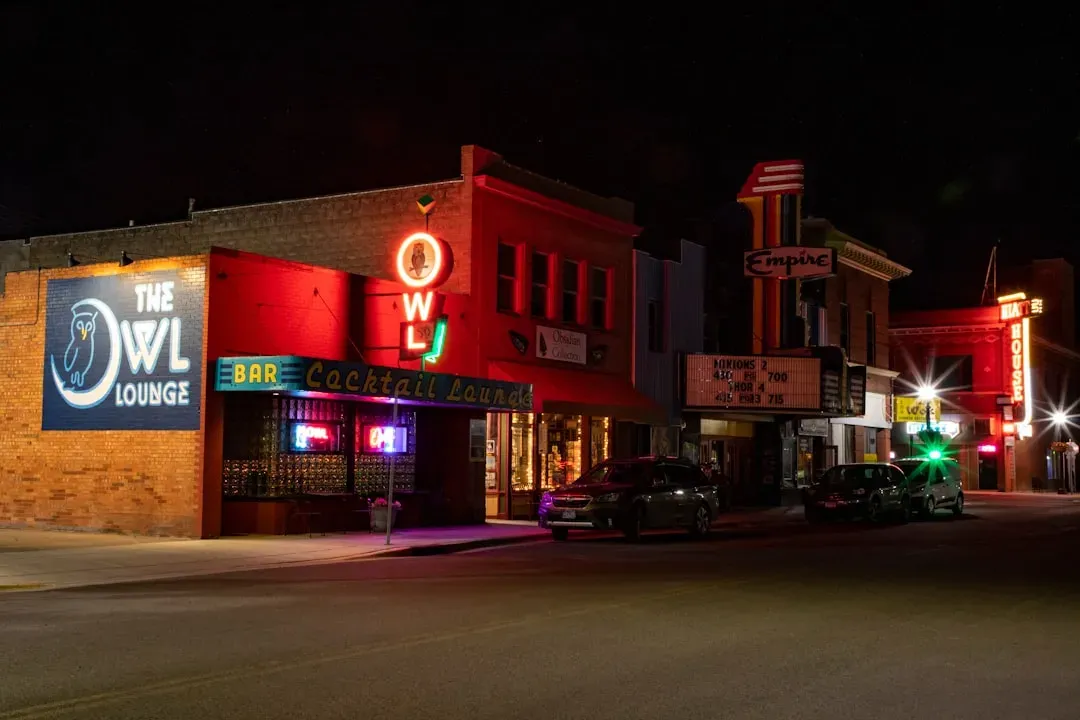
Oklahoma’s overall crime rate sits at 3,277.08 per 100,000 people, and the state has the third-highest share of uninsured residents at 14.3%. Only 29% of Oklahoma residents reported feeling their state was safe in 2024, making it the second-least confident state. The Sooner State faces multiple compounding factors beyond crime itself.
Economic instability and limited access to healthcare create an environment where crime anxiety flourishes. When people can’t afford medical treatment or lack basic economic security, every news report about violence feels more threatening, more personal.
Oregon
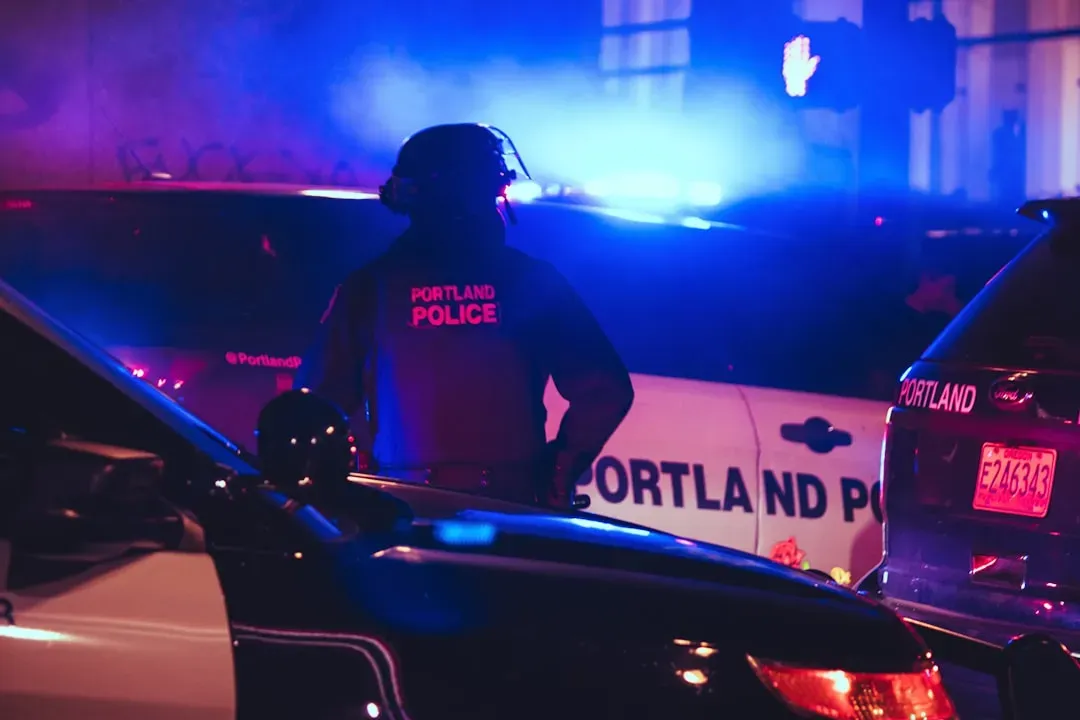
Oregon residents showed only 34% feeling their state was safe, ranking third-lowest nationally. Portland’s struggles with homelessness and drug-related crime have affected the Pacific Northwest broadly, with Portland’s Hazelwood neighborhood alone reporting 272 car thefts in 2024. The visible signs of disorder downtown and in previously stable neighborhoods have fundamentally altered how Oregonians perceive their environment. Property crime might not be violent, yet the cumulative psychological toll of constant low-level victimization rivals the fear generated by rarer but more serious offenses.
Missouri
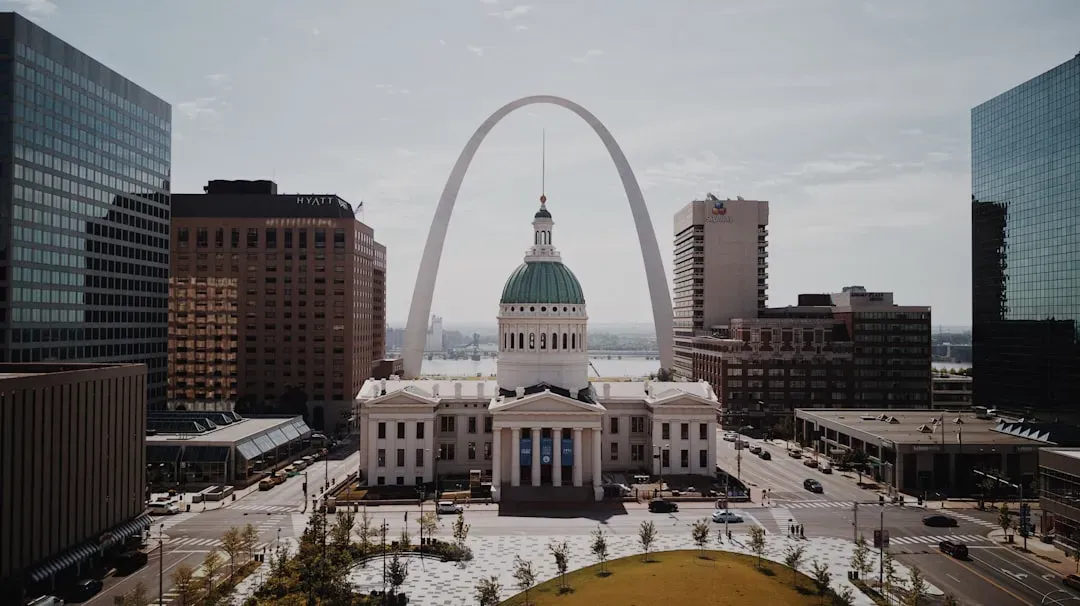
Missouri residents reported only 35% feeling safe in their state according to 2024 surveys. St. Louis dominated lists for mid-sized cities, appearing across multiple violent and property crime categories. The Show Me State’s urban centers face persistent challenges. St. Louis experienced a 33% decrease in homicide rates from 2019 to 2024, among the largest drops in the study cities, yet the perception of danger remains stubbornly high. That’s the thing about fear – it doesn’t evaporate just because statistics improve.
Louisiana
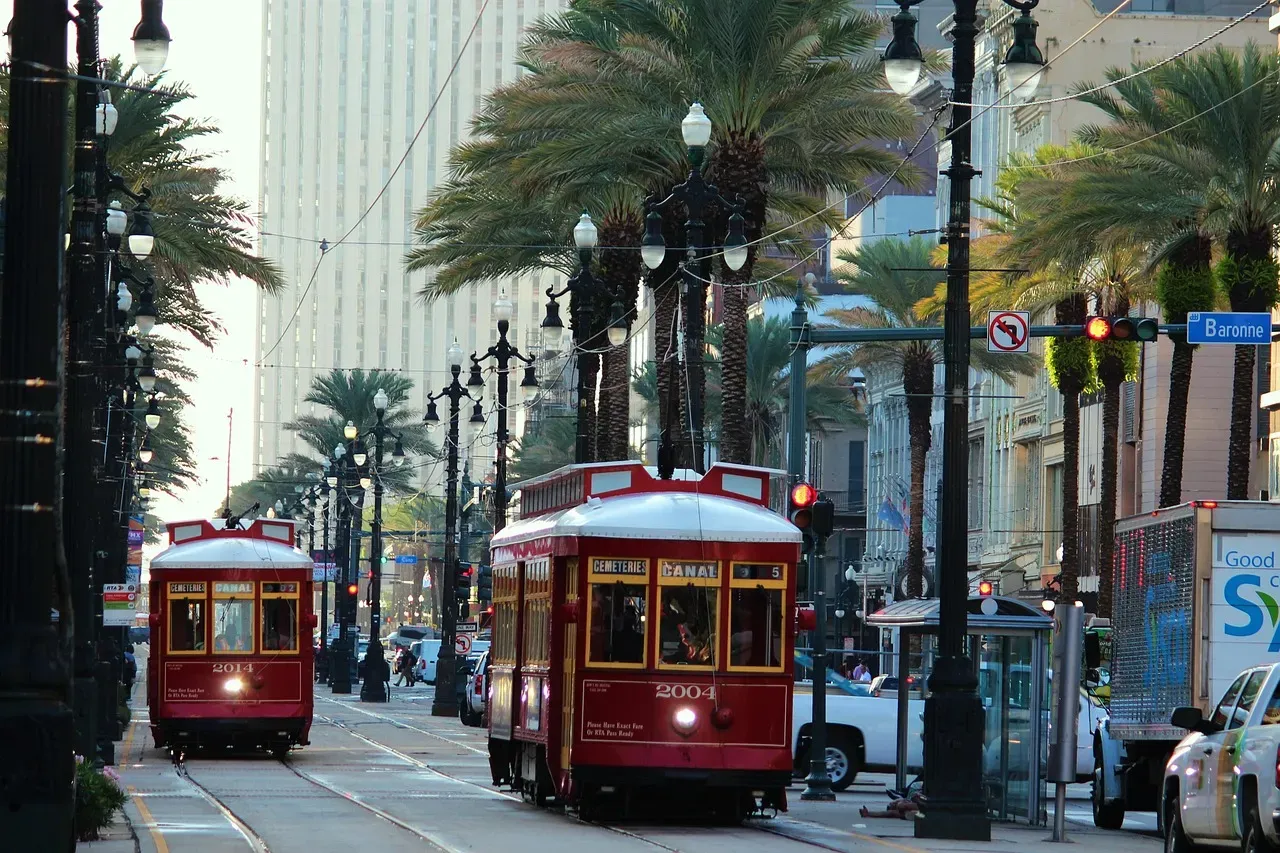
Louisiana saw only 36% of residents feeling their state was safe. Louisiana ranks as the most dangerous state overall, scoring 47th for financial safety and 49th for emergency preparedness, with unemployment rates reaching 8.3%. Louisiana maintains one of the nation’s highest homicide rates. The Bayou State struggles with systemic issues that feed crime anxiety far beyond actual incidents. Economic decline, inadequate emergency infrastructure, and limited opportunities create a pervasive sense of vulnerability.
Georgia
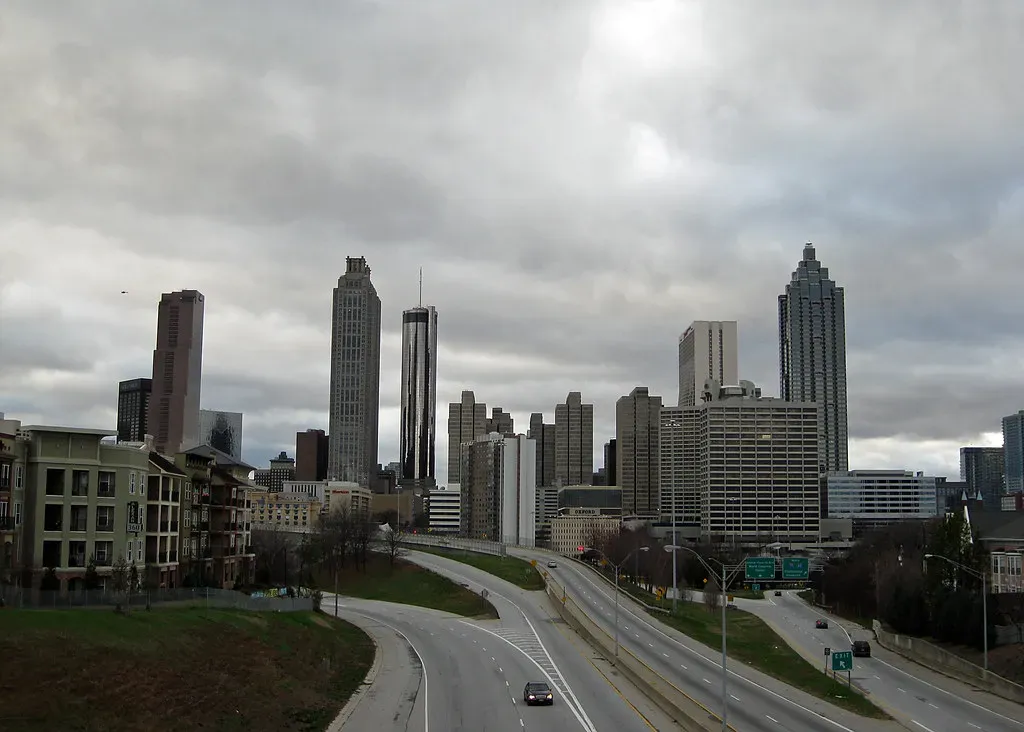
Georgia residents reported 36% feeling safe in their state, tying with Louisiana and Illinois. Metropolitan Atlanta’s rapid growth has brought prosperity but also increased crime concerns in both urban and suburban areas. Here’s what’s fascinating: Georgia doesn’t appear in the top rankings for actual crime rates, suggesting the anxiety here stems more from perception and media coverage than lived reality. Still, that anxiety matters. People make decisions about where to live, work, and send their children to school based on how safe they feel, not necessarily on crime statistics.
Illinois
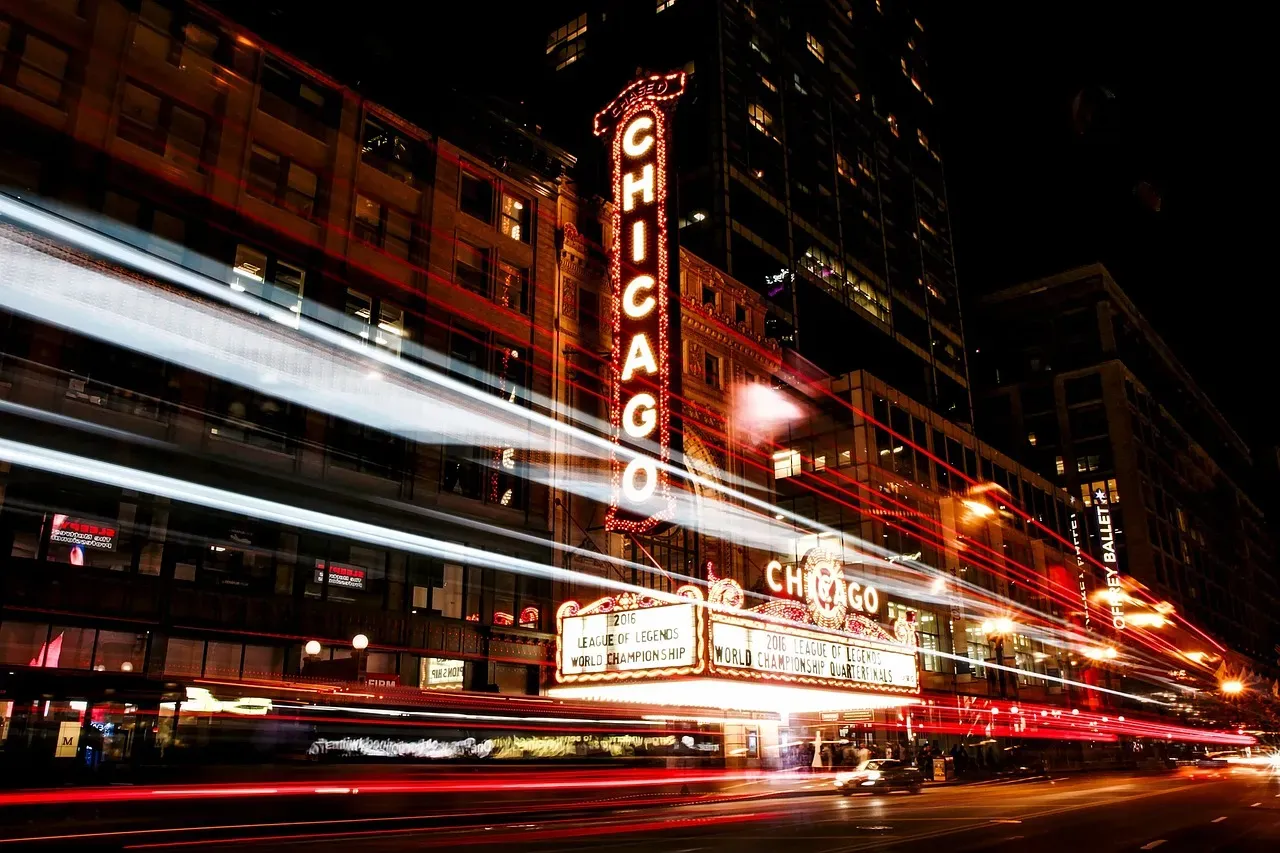
Illinois tied at 36% of residents feeling their state was safe. Illinois experienced a shocking 30 percent jump in robberies in a single year, making it the third riskiest state for such crimes. Chicago dominates news coverage and national conversation about urban crime. President Trump has threatened to send National Guard troops to Chicago over violent crime concerns, even as questions arise about whether troops will be sent to communities in rural states where crime rates are actually higher. The political discourse amplifies anxiety beyond what the data alone would suggest.
Alabama
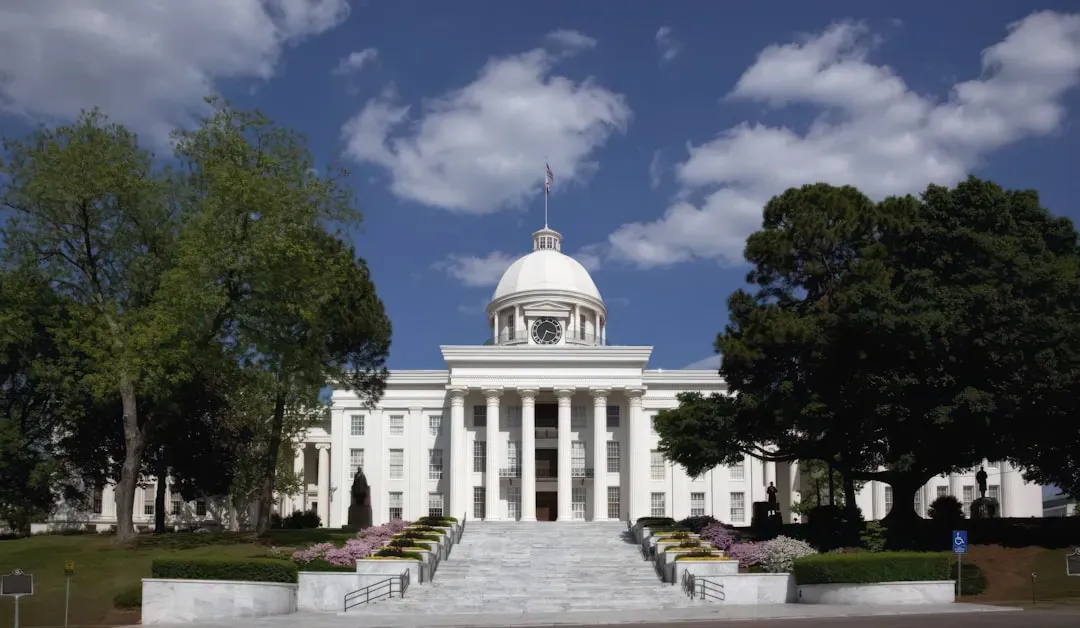
Alabama residents showed 38% feeling their state was safe. Alabama has the seventh-highest homicide rate at 8.3 per 100,000 people, with an overall crime rate of 3,185.26 per 100,000 people. Alabama showed double-digit percentage decreases in violent crime rates in 2024 FBI data compared with 2023, yet resident anxiety remains elevated. The Heart of Dixie faces a perception problem that recent improvements haven’t yet resolved.
Tennessee
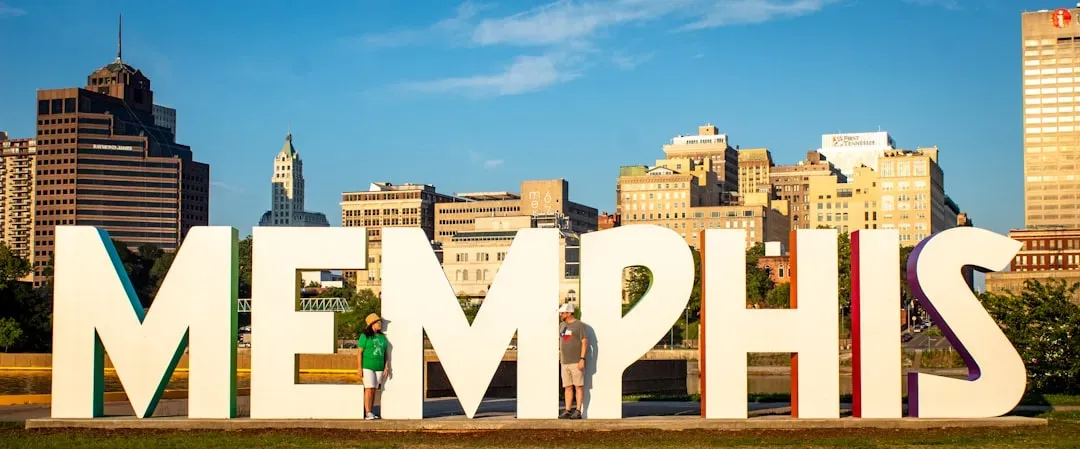
Memphis recorded the highest murder rate among America’s largest cities in 2024, overtaking Baltimore and reflecting the city’s ongoing struggle with systemic violence. Memphis had one of the highest murder rates in 2024, a shift that many residents describe as creating an overwhelming sense of vulnerability walking their own streets. Dyersburg, Tennessee, a community of just 16,000, has a violent crime rate of 1,256.5 and a homicide rate of 18.8, proving this isn’t just a big city problem. Despite Memphis seeing a 30 percent decrease in homicides by late 2024 with overall crime dropping to a 25-year low, the perception gap remains enormous.
Kentucky

Kentucky residents showed only 39% feeling their state was safe, tying with Nevada. The Bluegrass State doesn’t frequently make national headlines for crime, which makes its residents’ anxiety levels all the more interesting. Rural Kentucky faces different challenges than urban centers – limited law enforcement resources, opioid crisis impacts, and economic struggles that create conditions where crime anxiety can take root even without dramatic crime spikes. Honestly, the connection between economic distress and crime perception cannot be overstated.
Nevada
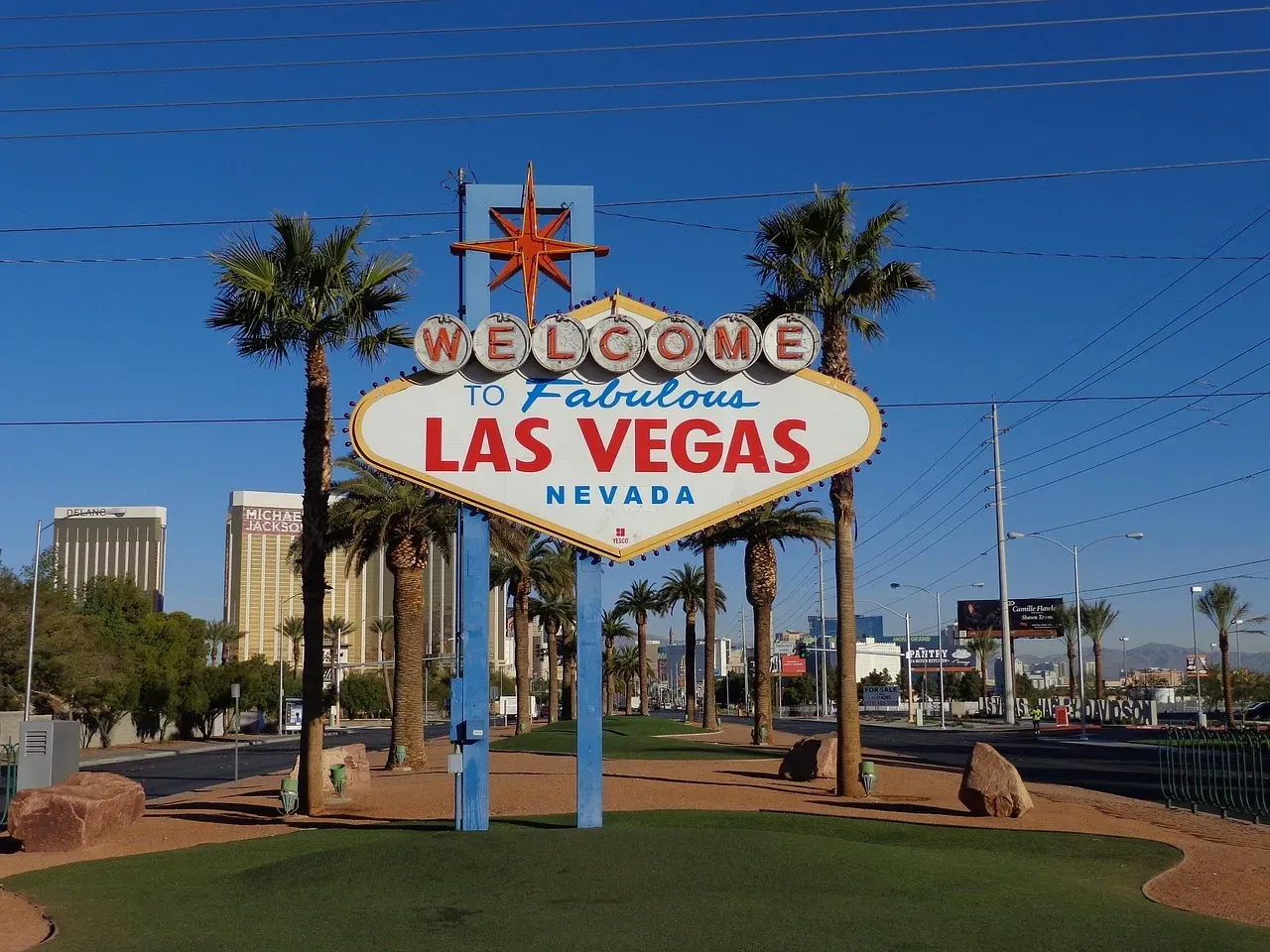
Nevada tied with Kentucky at 39% of residents feeling safe. Las Vegas dominates Nevada’s population and crime statistics. The transient nature of the city, combined with its 24-hour economy and entertainment focus, creates unique public safety challenges. Property crimes targeting tourists and residents alike feed constant concern. Nevada’s wide-open rural areas face entirely different problems – isolation, limited services, and distance from emergency response. The combination creates statewide anxiety that transcends any single crime category.
Washington
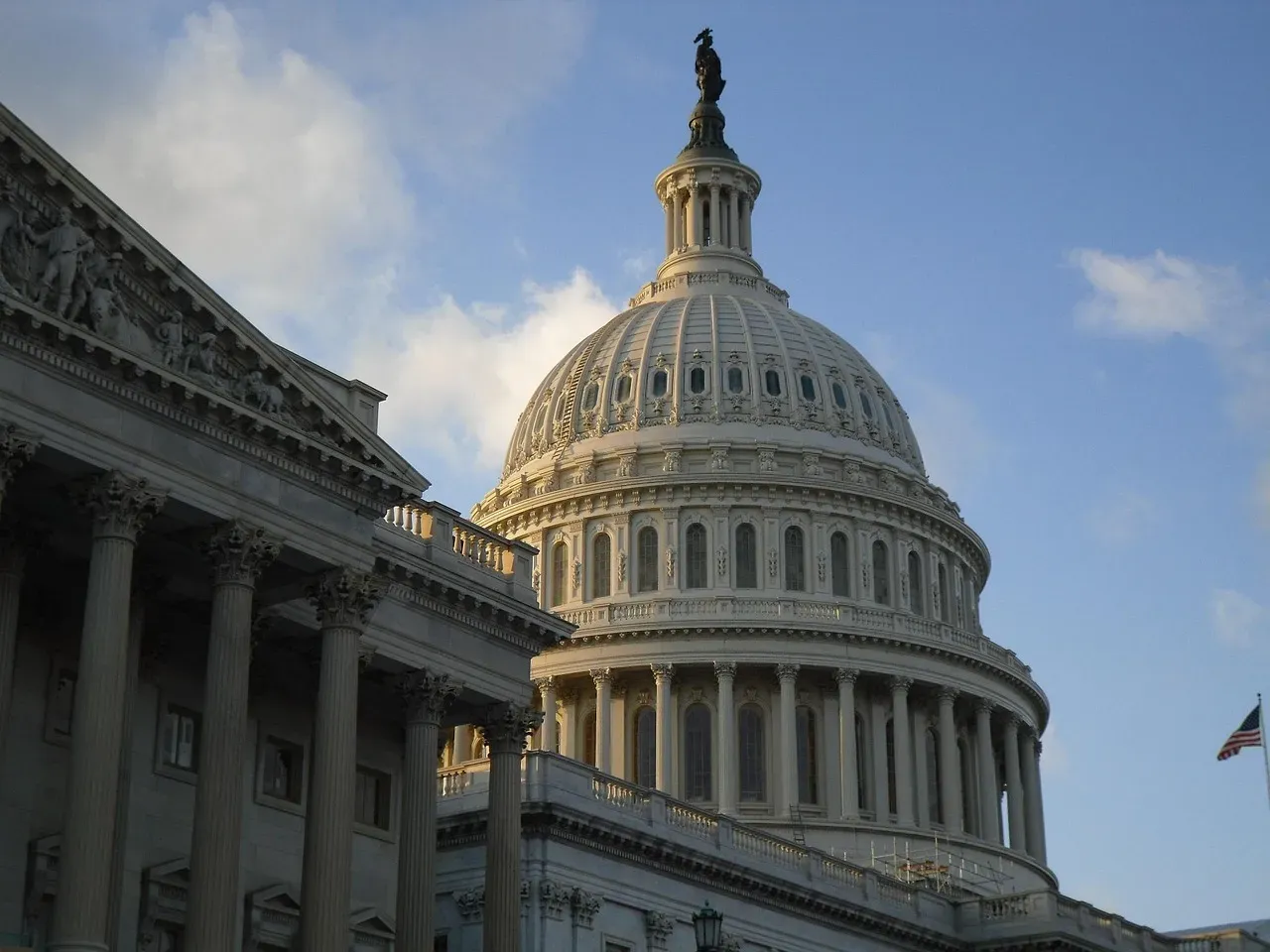
Washington DC saw violence continue to surge in 2023, bucking the national downward trend and amplifying anxiety among residents and millions who work in the nation’s capital. Seattle ranked worst in the nation for burglary, with an overall property crime rate of 5,007.6 per 100,000 residents – 184.5 percent higher than the national average. Washington state saw property crime decrease by over 13 percent in 2024, showing improvement, yet the psychological damage from years of high-profile incidents lingers. Package theft has become so routine that residents fundamentally changed how they receive deliveries.
North Carolina
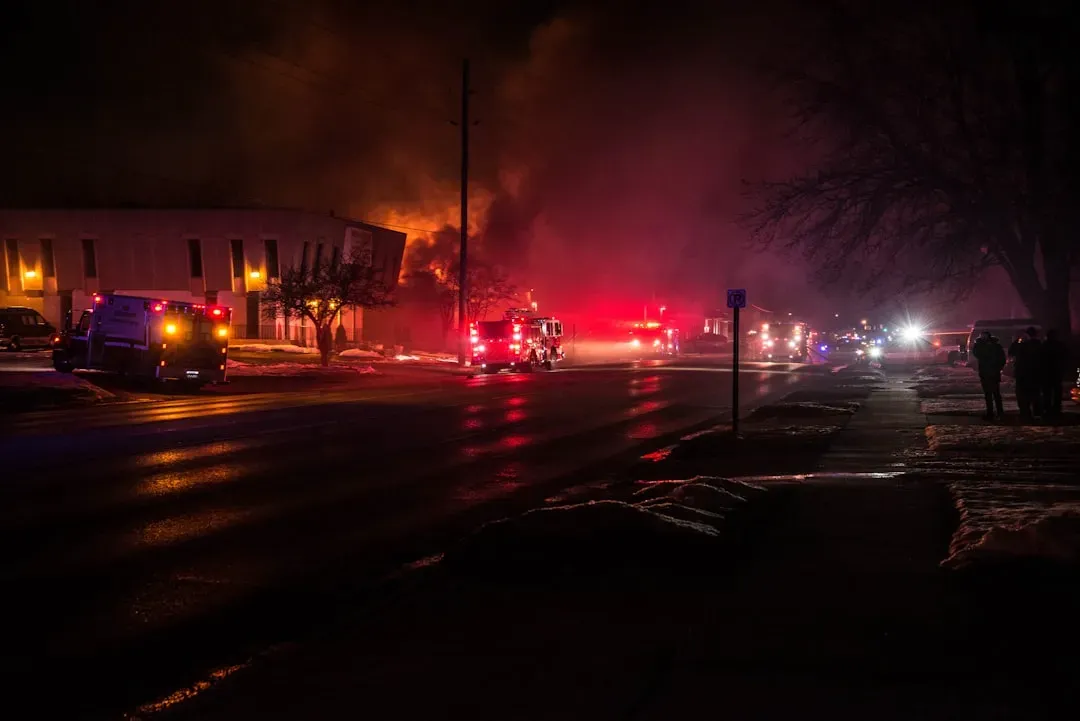
Charlotte represents mid-sized cities where crime perception shifted dramatically despite receiving less national attention, with homicides increasing in Charlotte among a few cities. Charlotte saw a 13% increase in homicides from 2023 to 2024, reversing years of progress and catching residents completely off guard. The psychological impact of unexpected crime increases can be profound, and when a city marketed as a safe, growing economic hub suddenly experiences rising violence, the cognitive dissonance affects everything from property values to business relocations. The Tar Heel State’s residents who moved specifically for quality of life now question those decisions.
California

California showed the highest level of safety concern nationwide, with 67% of residents expressing worry about their safety. California ranks high in total violent crime numbers because of its large population, though per-capita rates were similar to Arkansas and Tennessee. The Golden State’s sheer size and diversity create vastly different experiences across regions. San Francisco’s visible homelessness crisis, Los Angeles’s property crime challenges, and rural Northern California’s isolation each contribute to statewide anxiety. Media amplification of retail theft and viral videos of brazen shoplifting incidents have shaped national and local perception beyond what aggregate statistics suggest.
Alaska

Alaska, the country’s most rural state, led the nation with the highest violent crime rate of 1,194.3 per 100,000 residents – more than three times the national average. Alaska leads the nation in homicide rates with 11.3 homicides per 100,000 residents, more than twice the nation’s homicide rate. The Last Frontier’s isolation creates unique challenges. Limited law enforcement coverage across vast distances means help can be hours away. Substance abuse, domestic violence in remote communities, and the stress of extreme weather and darkness contribute to both actual crime and the anxiety surrounding it. Alaska recorded 724 violent crime offenses per 100,000 people in 2024, the highest rate among all states.
What do you think drives crime anxiety more – actual statistics or perception shaped by media and personal experience? The data suggests perception often wins that battle.