
That low battery chirp from somewhere in your house at 2 a.m. The unexpected doorbell ring when you’re not expecting company. The bathroom scale silently judging you from the corner. These aren’t horror movie props, yet for plenty of adults, they provoke a very real spike in stress hormones.
Here’s the thing: our homes are supposed to be our sanctuaries. Places where we decompress from the chaos of the outside world. Yet within these supposedly safe spaces lurk everyday objects that have somehow become associated with worry, dread, or straight up anxiety. They’re so mundane that we rarely talk about them, but the emotional reactions they provoke are surprisingly universal.
Let’s dig into five household items that have earned their status as silent stress triggers and explore why they hold such power over us.
The Smoke Detector’s Anxiety-Inducing Chirp
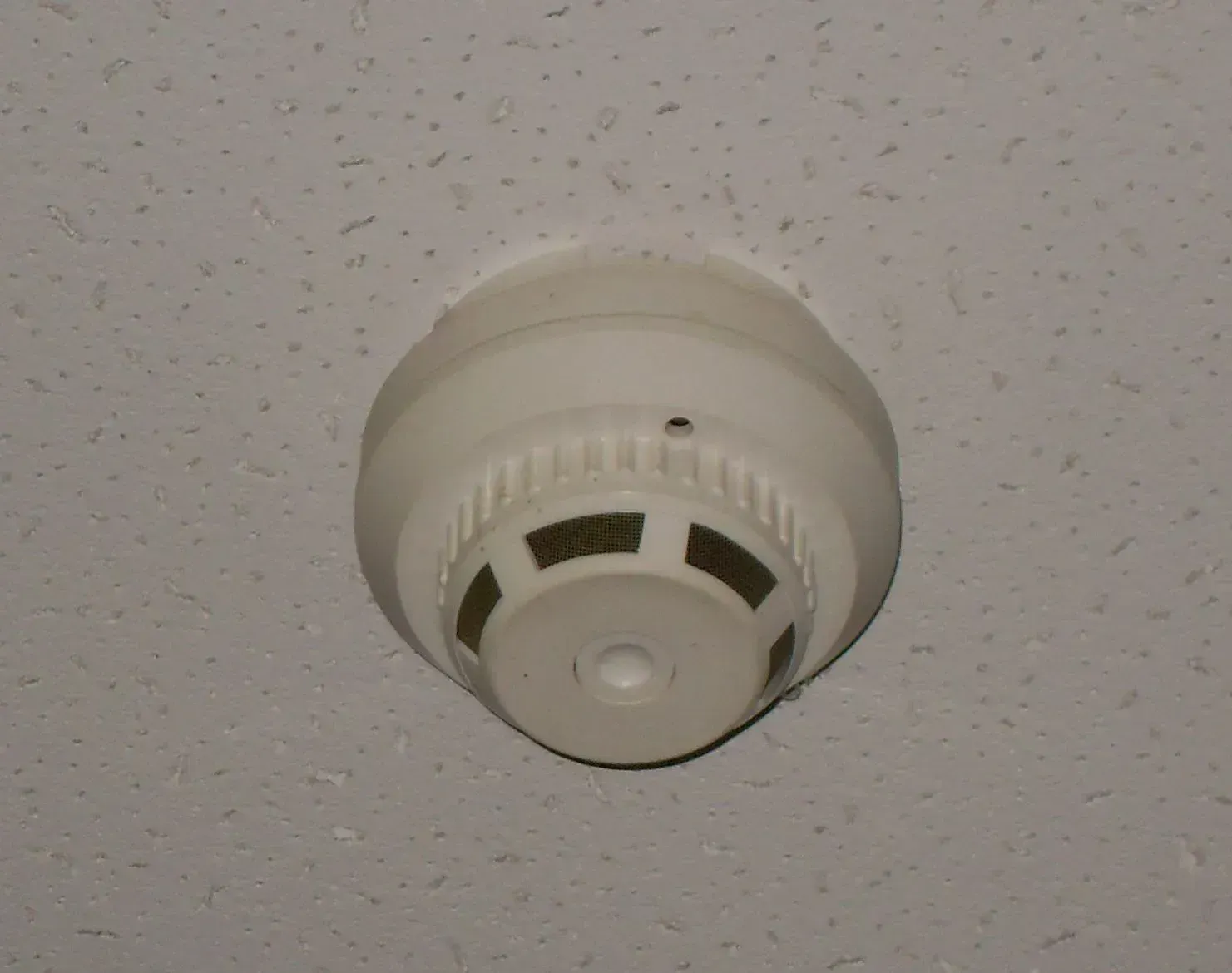
In 2024, around 43 percent of adults reported feeling more anxious than the previous year, and while that statistic encompasses many sources of stress, household irritants like smoke detectors play their part. That piercing beep at random hours doesn’t just alert us to danger; it activates a primal alarm system in our brains.
The evolutionary psychiatrist Randolph Nesse developed something called the Smoke Detector Principle, which explains why evolved systems that regulate protective responses often give rise to false alarms. Think about it: more than 90 percent of homes with ionization type alarms had experienced false alarms, mostly from cooking, according to a study on smoke alarm performance. Our bodies react to these false alarms with the same fight or flight response as they would to actual danger.
Honestly, there’s something uniquely maddening about that low battery chirp that always seems to happen at night. It’s not loud enough to pinpoint immediately, but persistent enough to keep you awake. You’ll find yourself standing in the hallway at three in the morning, irrationally angry at a device designed to save your life.
The Doorbell That Makes Your Heart Race
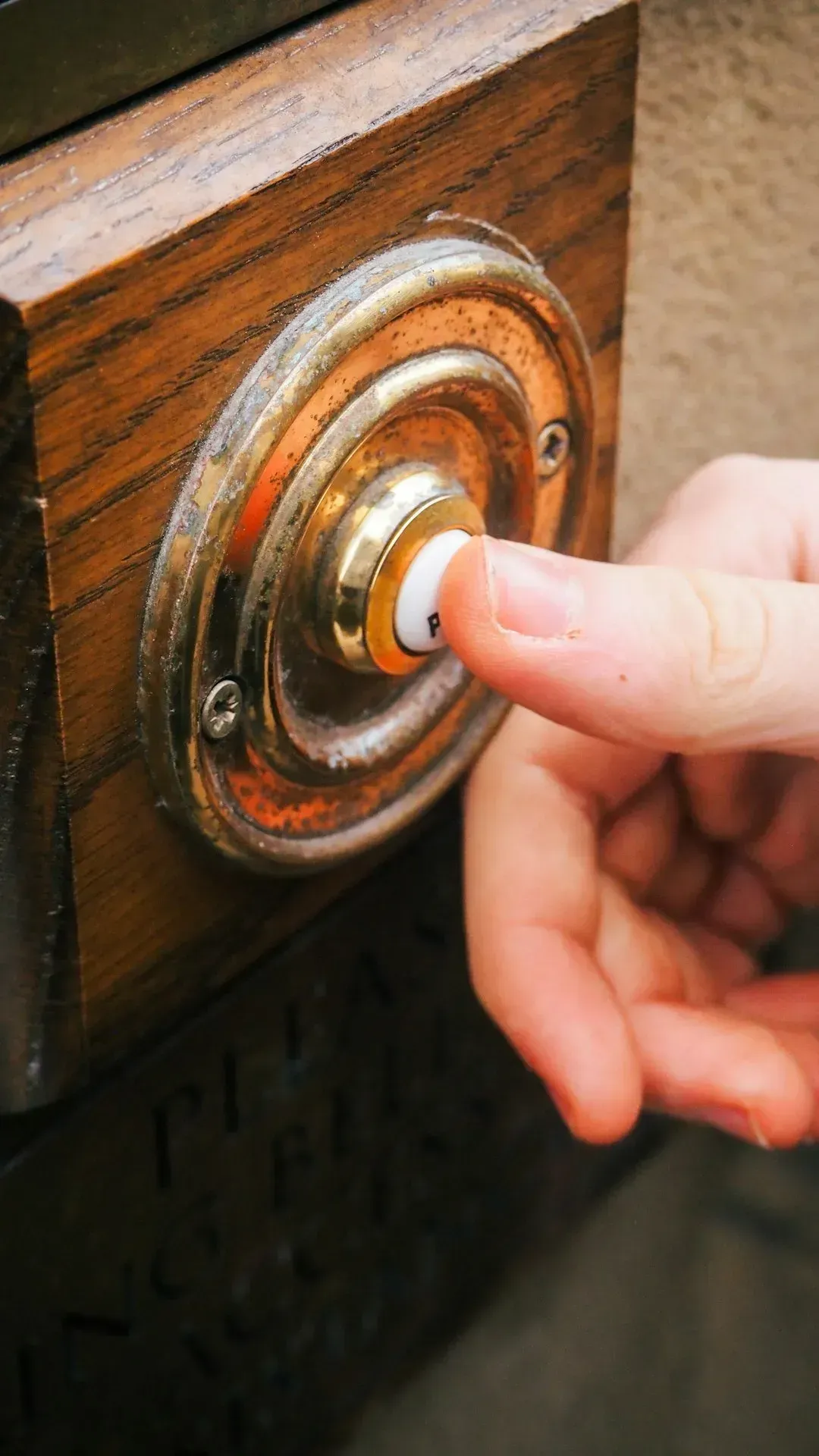
Unexpected visitors can send cortisol levels soaring, especially in our age of perpetual connectivity where we’re accustomed to knowing exactly who wants our attention and when. The doorbell represents an unscheduled interruption, a loss of control over your immediate environment. For people with social anxiety, it’s even worse.
According to the 2023 U.S. National Survey on the Mental Health of LGBTQ Youth, 67 percent of LGBTQ young people reported anxiety symptoms, and unexpected social interactions can be particularly triggering. The doorbell doesn’t discriminate though. It affects nearly everyone to some degree, whether it’s package delivery guilt, fear of unexpected bad news, or simply not wanting to deal with whoever’s on the other side.
Modern smart doorbells with cameras haven’t entirely solved the problem. Now you can see who’s there, which sometimes makes it worse when you choose to ignore them. The anxiety shifts from “who is it?” to “do they know I’m pretending not to be home?”
The Bathroom Scale’s Silent Judgment
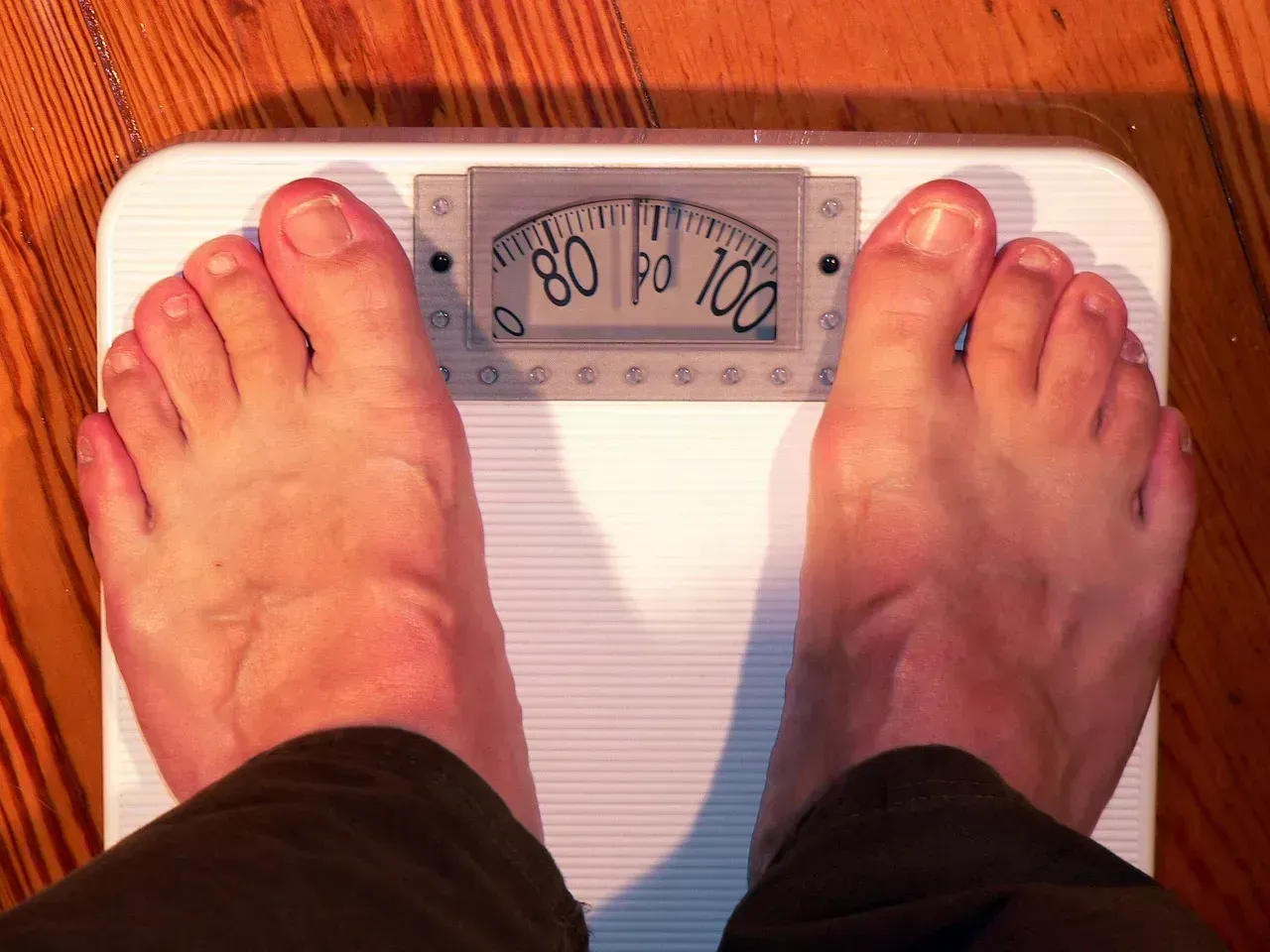
Few household objects carry as much emotional weight as the bathroom scale. It’s a relationship complicated by years of societal messaging about bodies, health, and worth. Regular weigh-ins are one of the most common characteristics of people who lose weight and keep it off, research shows, yet for many adults, stepping on that platform feels like standing trial.
A survey from 2025 of 2,000 Americans reveals that 70 percent of people are experiencing financial anxiety, and while that’s about money, the statistic reflects a broader pattern of chronic stress that makes every potential source of negative feedback feel amplified. The scale becomes another metric by which we can fail.
What makes it particularly insidious is that weight naturally fluctuates. Your weight fluctuates throughout the day by on average 5 pounds, due to factors including your hydration, when you last ate. Yet we treat that number like an absolute moral judgment rather than a data point influenced by dozens of variables. The fear isn’t really about the scale itself but what we’ve been taught that number means about us.
The Thermostat and Temperature Control Anxiety
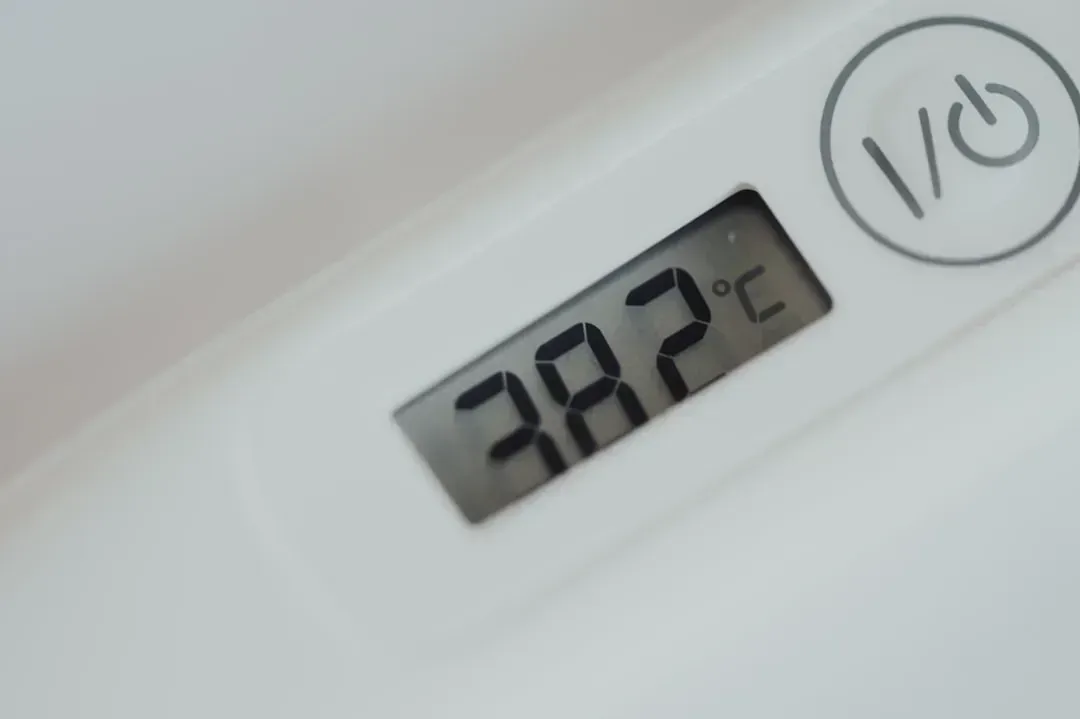
Room temperature might seem like a minor concern, yet research reveals it has profound effects on our mental state. When we’re too hot or too cold, our body releases cortisol, the stress hormone that can amplify feelings of anxiety, and research shows that temperatures between 68 to 72 degrees Fahrenheit create the perfect balance for our nervous system. Being unable to control your environment’s temperature can feel surprisingly destabilizing.
Even 1.5 hour heat exposure intervention significantly increased anxiety levels, according to a 2023 randomized controlled trial examining heat stress and mental health. The thermostat becomes a battleground in shared living situations, with different people having vastly different comfort zones. What feels cozy to one person leaves another sweating and irritable.
There’s also the financial anxiety dimension. Many adults obsessively monitor their thermostats not just for comfort but because they’re terrified of the next utility bill. Every degree adjustment becomes a mental calculation of dollars spent versus physical comfort. Climate change has only intensified this worry, with extreme weather making temperature regulation both more important and more expensive.
The Ringing Phone From an Unknown Number
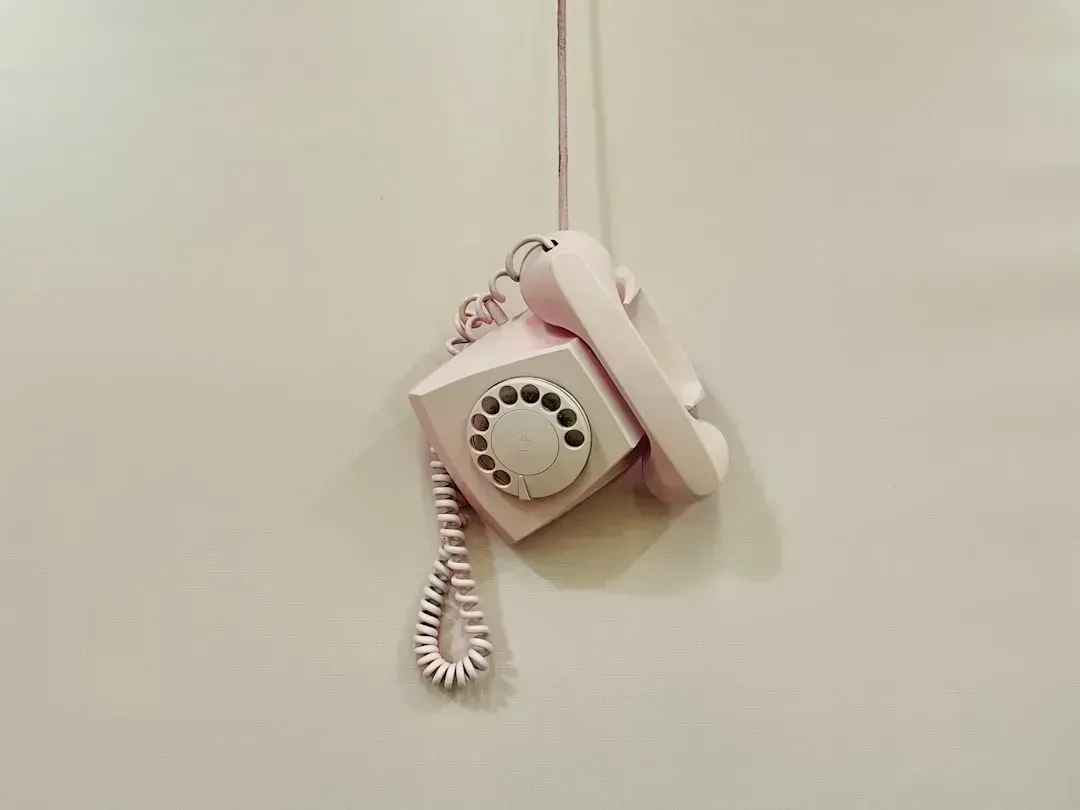
In an era where most legitimate communication happens through text, email, or scheduled calls, an unexpected phone ring from an unknown number has become a harbinger of inconvenience at best and catastrophe at worst. We’ve been conditioned to expect that unknown calls mean scammers, telemarketers, or bad news from institutions like hospitals or police departments.
70 percent of U.S. adults say they feel anxious or extremely anxious about keeping themselves or their families safe, according to the American Psychiatric Association’s 2023 poll. That baseline anxiety means our threat detection systems are already on high alert. An unexpected call taps directly into that vigilance.
Let’s be real: most of us have developed elaborate avoidance rituals around unknown numbers. We let them go to voicemail, Google the number frantically, ask friends if they recognize it. The phone itself isn’t the problem; it’s what it potentially represents, this intrusion of chaos into our carefully managed lives. Even when the call turns out to be nothing, that spike of adrenaline has already done its work.