
Dining out used to be simple. You walked in, a host greeted you, a server handed you a menu, and the evening unfolded with ease. Somewhere along the way, that familiar rhythm got replaced by blinking screens, hidden fees, and deafening soundtracks loud enough to rattle your fillings. For baby boomers, a generation that grew up treating a restaurant meal as a proper occasion, these shifts aren’t just annoying. They feel like a fundamental betrayal of what going out to eat is supposed to be.
The tension between how restaurants are evolving and what older diners actually want has become one of the most talked-about fault lines in the entire food industry right now. It’s not just boomer grumbling, either. The data is real, the pushback is loud, and some restaurants are already reversing course. Let’s dive in.
The QR Code Menu: A Pandemic Holdover Nobody Asked to Keep
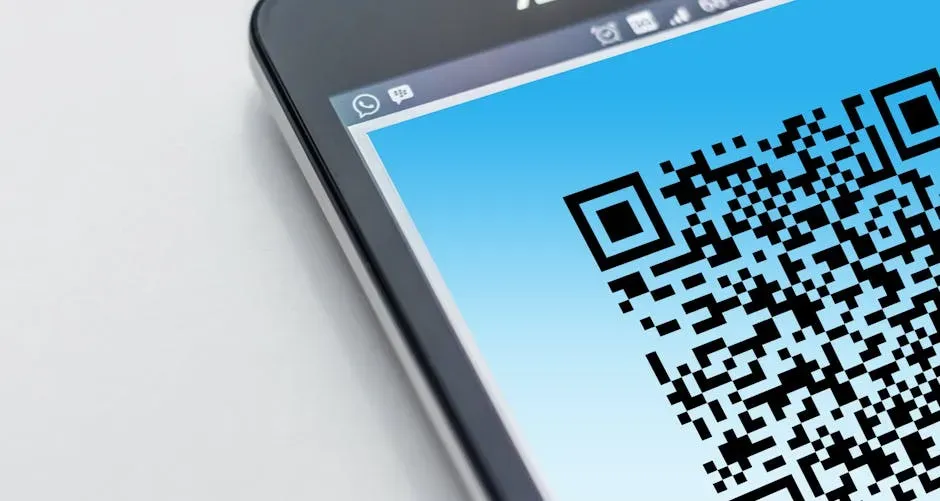
Here’s the thing about QR code menus. They made perfect sense in March 2020. Contactless, sanitary, fast to update. But that was five years ago, and the restaurant world has moved on from social distancing in almost every other way except this one.
A 2024 US Foods survey found that roughly nine in ten diners prefer print menus over QR codes, up from about three quarters the year before. Dislike of QR codes grew across every single generation. That’s not a boomer problem. That’s a universal problem.
Almost every boomer surveyed in a Technomic poll agreed they prefer paper menus, coming in at around 95 percent. Still, boomers feel the frustration most acutely, and the reasons go deeper than simple nostalgia.
Many diners have expressed frustration with QR code menus, citing issues such as difficulty navigating the menus, concerns about privacy, and a perceived negative impact on the restaurant’s ambiance. For older diners especially, among those most uncomfortable using this technology are consumers over the age of 60, with roughly two thirds saying they were not comfortable viewing menus and ordering at restaurants in this manner.
The Numbers Don’t Lie: Boomers Are Being Left Behind by Digital Ordering
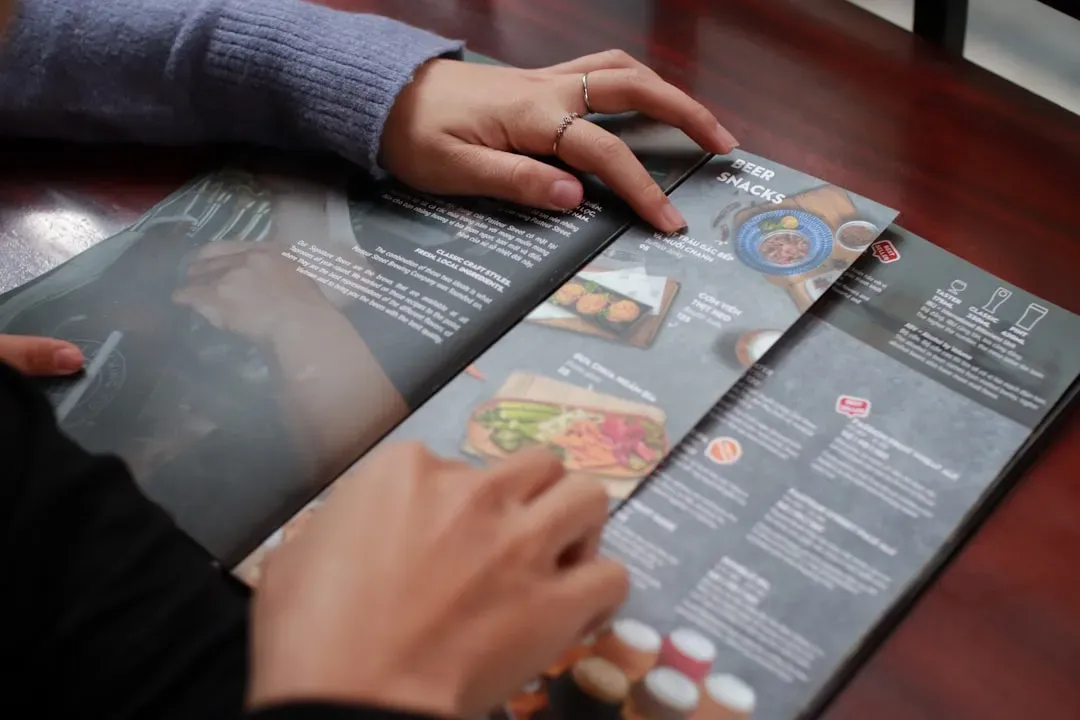
Let’s be real about what the data actually shows. According to Sauce, roughly 62 percent of all QR code scans at restaurants come from customers aged 18 to 34. That means a substantial portion of the dining population, including most boomers, either can’t or won’t use them.
In 2024, even tech-savvy Gen Z showed a strong preference for tangible menus, with around 90 percent favoring print, up from 69 percent the year before. Older generations are overwhelmingly in favor of paper as well, with 95 percent of boomers preferring it, up from 86 percent.
While QR codes provide benefits such as cost savings and contactless hygiene, they are often perceived as inconvenient due to the extra time, effort, and disruption they require, especially for customers who value social interaction during dining. Research across two studies found that QR code menus actually reduced customer loyalty by increasing perceptions of inconvenience. That’s a published finding from the Journal of Hospitality and Tourism Management, not a complaint forum thread.
Restaurants Are Quietly Walking the Trend Back
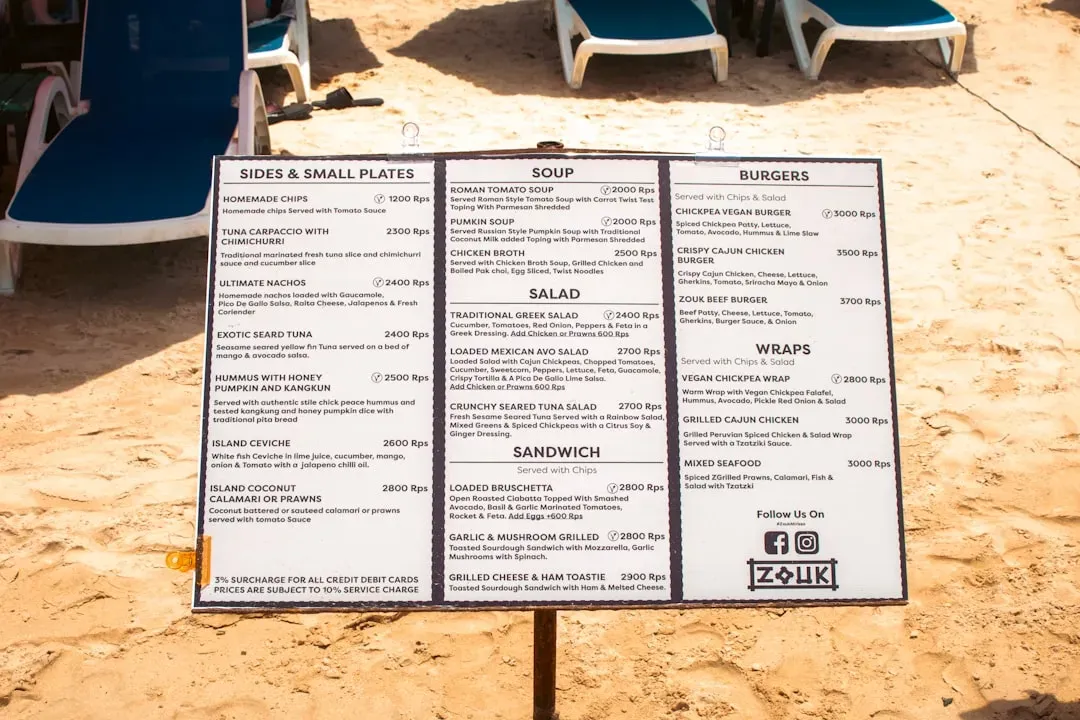
Some restaurants have clearly heard the message. Restaurants may have taken note, with some that introduced digital-only menus reverting to physical ones or adopting a hybrid approach, in view of the fact that a majority of consumers still prefer the low-tech, human-centric dining experience.
One restaurant group experienced a 10 percent decrease in check averages when using QR code menus, as diners often failed to scroll through all the offerings. That’s a real financial hit. When customers can’t browse easily, they simply order less.
Many restaurants offer both options, but some have gone fully digital, which alienates diners to the point they will walk out without ordering at all. Honestly, I think that says everything. No restaurant should be literally chasing customers out the door in the name of cost-cutting on printed paper.
The Hidden Fee Frustration: Service Charges and Tipping Culture

If QR codes are the most visible irritant, the explosion of automatic service charges and hidden fees might be the most financially painful one. According to TouchBistro’s 2025 American Diner Trends Report, 53 percent of boomer respondents are deterred by service charges. That’s more than half of an entire generation putting down their napkins over surprise line items on the bill.
Disputes over undisclosed automatic gratuity rose 35 percent between 2023 and 2024, leading regulators to implement stricter transparency requirements. The backlash got political fast. In 2025, several states enacted legislation that outright prohibited the use of so-called junk fees in the hospitality industry. States including California, Colorado, Florida, and Massachusetts regulated or prohibited automatic service charges, with an emphasis on clear disclosure and transparency.
A WalletHub survey conducted in 2024 found that 83 percent of Americans believe automatic service charges should be banned, and nearly half said they tip out of social pressure rather than service quality. That is a striking number, and boomers, who tend to be generous tippers by choice, find mandatory charges particularly grating.
The Noise Problem: You Shouldn’t Need to Shout Over Your Soup
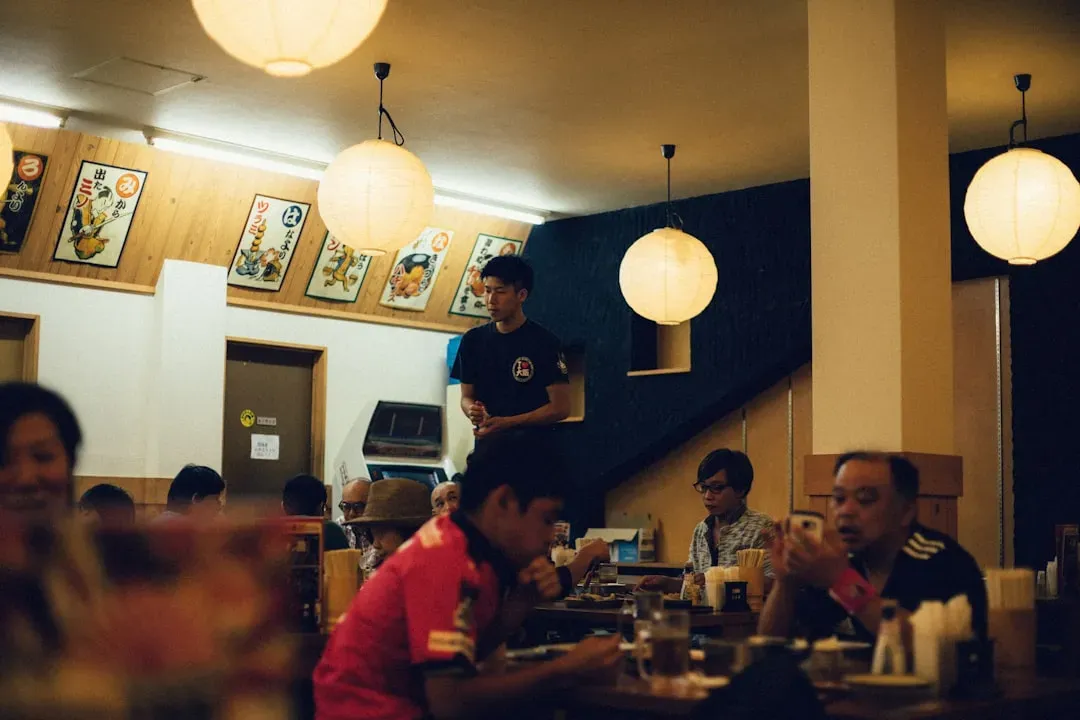
Walk into almost any trendy restaurant today and you’ll encounter something that sounds less like a dinner service and more like a concert hall with a kitchen attached. The noise problem in American restaurants has been quietly worsening for decades, and older diners bear the brunt of it.
According to Restaurant Briefing, reviewers have noted noise level averages of 80 decibels or higher in restaurants across the country. A typical conversation averages about 60 decibels. These noise levels can make conversations more difficult and put diners’ hearing at risk.
This is especially problematic for patrons aged 60 and older suffering from hearing loss, as background noise directly interferes with the comprehension of conversations. Think about that. A restaurant becomes a genuinely hostile environment for a large group of customers, not because the food is bad, but because the room itself is too loud to use comfortably.
It is estimated that 81 percent of customers have difficulty holding conversations in noisy restaurants. Noise complaints are frequently the top complaint for diners and can drive away business. Meanwhile, modern design trends, which are often minimalist, also contribute to excessive noise. Carpeting, tablecloths, drapes, and upholstery, which have the capacity to absorb sound, are now relics of the past. So the very aesthetic choices that make a restaurant look Instagram-worthy are the same ones wrecking the acoustic experience.
Technology Skepticism: Boomers Versus the AI-Driven Restaurant

The digital overhaul of restaurants doesn’t stop at QR codes and order kiosks. Artificial intelligence is now creeping into menus, inventory, staffing decisions, and even customer service interactions. For boomers, this is one trend too many.
Boomers are the least comfortable generation with technology and the most skeptical of the use of AI in restaurants. This suggests that operators are better off using technology to drive back-of-house operational efficiencies, while honing in on the human connection at the front of house.
Millennials and Gen Z are more inclined to embrace digital tools for dining, loyalty programs, and real-time promotions, while boomers and Gen X prefer a more traditional approach mixed with modern conveniences. It’s not that boomers reject technology entirely. They just don’t want to feel like they need a tutorial to get a plate of pasta. That’s a reasonable expectation, honestly.
Gen X and baby boomers showed the sharpest pullback in dining and food delivery spending. Low and middle-income households in these groups cut back most across quick-service, sit-down, and delivery categories. When a generation that tips generously and values quality starts pulling back, the industry should pay very close attention.
What the Debate Actually Reveals About Modern Dining
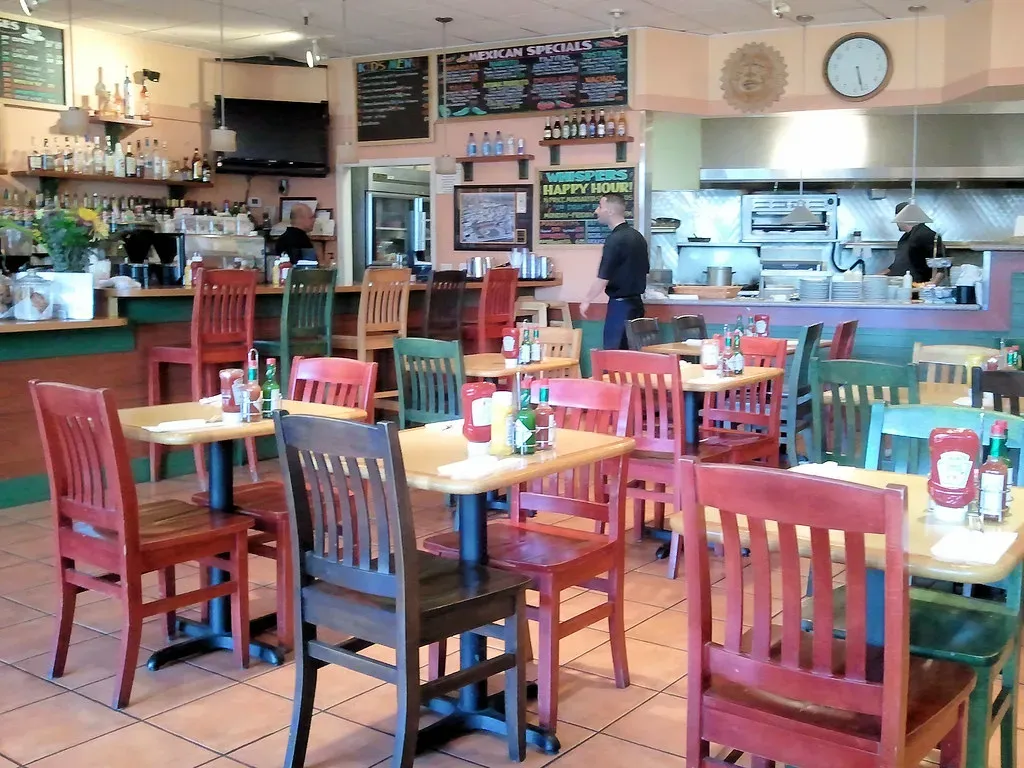
Strip away the generational noise for a second, and here’s what this debate is really about. It’s about what a restaurant is supposed to be. A transaction? An experience? A place where technology serves the guest, or one where the guest serves the technology?
Despite spending less per visit on average, boomers are a generous generation who tip more than the average diner. However, they expect great service and have a low tolerance for errors, which means operators need to focus on exceptional service and order accuracy to keep boomers coming back. Treat them right, and they reward it financially. Ignore their preferences, and they simply stop showing up.
While millennials and Gen Z are more price-sensitive and value deals and discounts, boomers and Gen X focus on quality and experience, and may tolerate higher prices. Older generations are more willing to absorb cost increases in exchange for a quality dining experience. That’s an enormous commercial opportunity hiding in plain sight.
The restaurants winning right now, the ones filling seats and building loyal regulars, tend to be the ones getting the basics right. Good food, human service, a room you can actually hear in, and a menu you can hold in your hands. None of that requires revolutionary thinking. It just requires listening. And maybe turning the music down a few notches.
The irony is rich. In chasing younger, digitally native diners with every tech upgrade imaginable, some restaurants are actively pushing away a generation with substantial spending power, a preference for the full sit-down experience, and a habit of tipping well. That’s not a savvy business strategy. That’s a loud, expensive mistake. What do you think – are restaurants losing sight of who’s actually paying the bill? Share your thoughts in the comments.