There is something quietly fascinating about what a drink order can reveal about a person. Before you even hand over a card, before you crack a smile or make small talk, the words that come out of your mouth at the bar can tell an experienced bartender almost everything they need to know. It sounds ridiculous, I know. But it is absolutely real.
Experienced bartenders develop something like a sixth sense over the years. They read the room. They read the order. They have seen the same patterns play out thousands of times, night after night, behind every kind of bar imaginable. So let’s get into the nine drinks that, after more than a decade of watching and pouring, still make seasoned bartenders quietly brace for disappointment when it comes to the tip.
1. The Long Island Iced Tea: Five Spirits, Zero Intentions of Tipping
Let’s be real. There is no drink in the world that sends a louder signal about your intentions than the Long Island Iced Tea. The cocktail is made with vodka, tequila, light rum, triple sec, gin, and a splash of cola, and carries an alcohol concentration of approximately 22 percent, far higher than most highball drinks. You are essentially ordering a glass of straight liquor in disguise, and experienced bartenders know it instantly.
Every bartender in the building knows it. The Long Island Iced Tea is a drink that often sacrifices quality for potency, making it unbalanced and muddled, and it tends to appeal to those looking for a quick buzz. The person who orders one is rarely the person who lingers thoughtfully at the bar, connects with the staff, and leaves a gracious tip. Rarely.
2. The Ramos Gin Fizz: A Workout Order That Pays Nothing
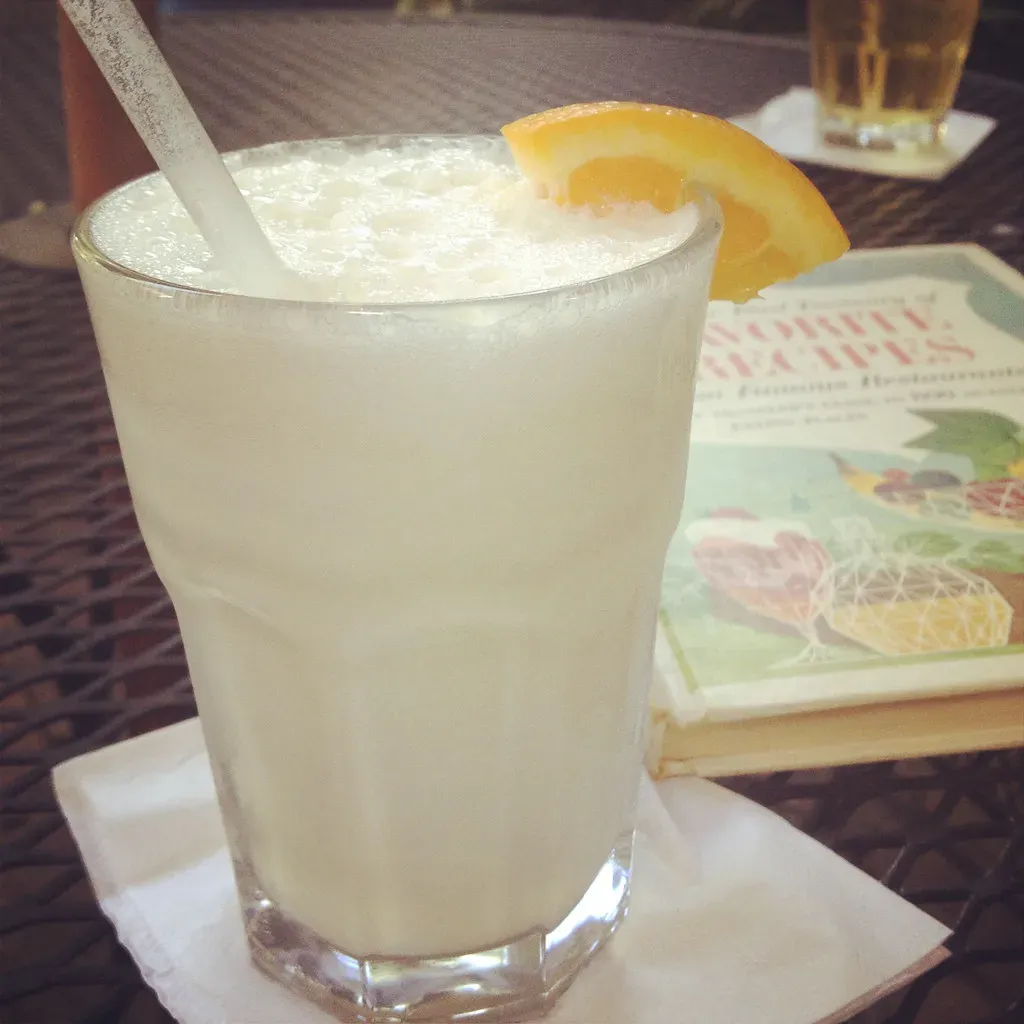
Bartenders across the country despise this labor-intensive New Orleans classic. Made of gin, egg white, lime, lemon, cream, orange blossom water, sugar, and soda, this foamy cocktail requires an obnoxiously long time to prepare, including at least ten to fifteen minutes of shaking to achieve the perfect frothy texture. Imagine asking a bartender to essentially do a personal CrossFit session while a line of customers waits. That is what this drink is.
A Ramos Gin Fizz has an original recipe that calls for it to be shaken for anywhere from 12 to 15 minutes, which is simply not doable for most bartenders at a busy bar. As one industry veteran put it, even an adequate 45 seconds of shaking “is pushing it.” Honestly, the irony is that the person who orders this during a Friday night rush and then tips two dollars is practically legendary in bartending circles. It happens more than you think.
3. The Mojito: Muddled Mint, Minimal Gratitude
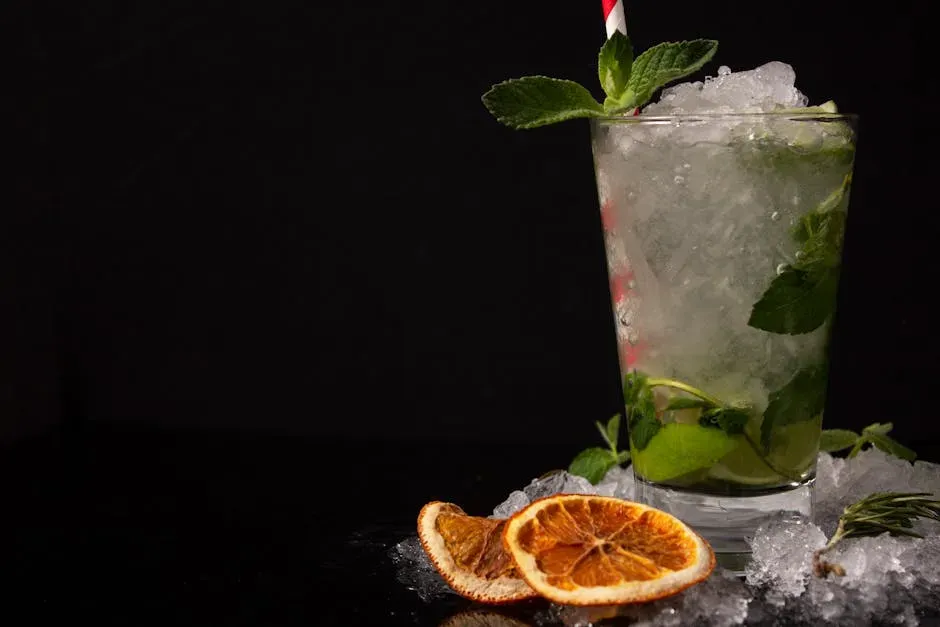
Mojitos have been popular since the 1800s, when tourists were making their way to Cuba and rightfully enjoying the cocktail throughout their travels. Its popularity has stuck in the 2020s. Unfortunately, the popularity of a mojito extends only to the customers ordering them, not to the bartenders forced to make them. It is a beautiful drink, no argument there. The problem is the process behind it.
Made with cane sugar, rum, lime, club soda, and, most nightmarishly for bartenders, muddled mint, a mojito is a hassle of a drink to make during a busy period. Having to muddle mint for one drink takes more than the average time a bartender has to spend on one customer. The mojito orderer tends to be someone who has never considered what goes on behind the bar. They just want the pretty drink. The tip, if it shows up at all, reflects that indifference.
4. The Bloody Mary: Ordered Way Past Brunch
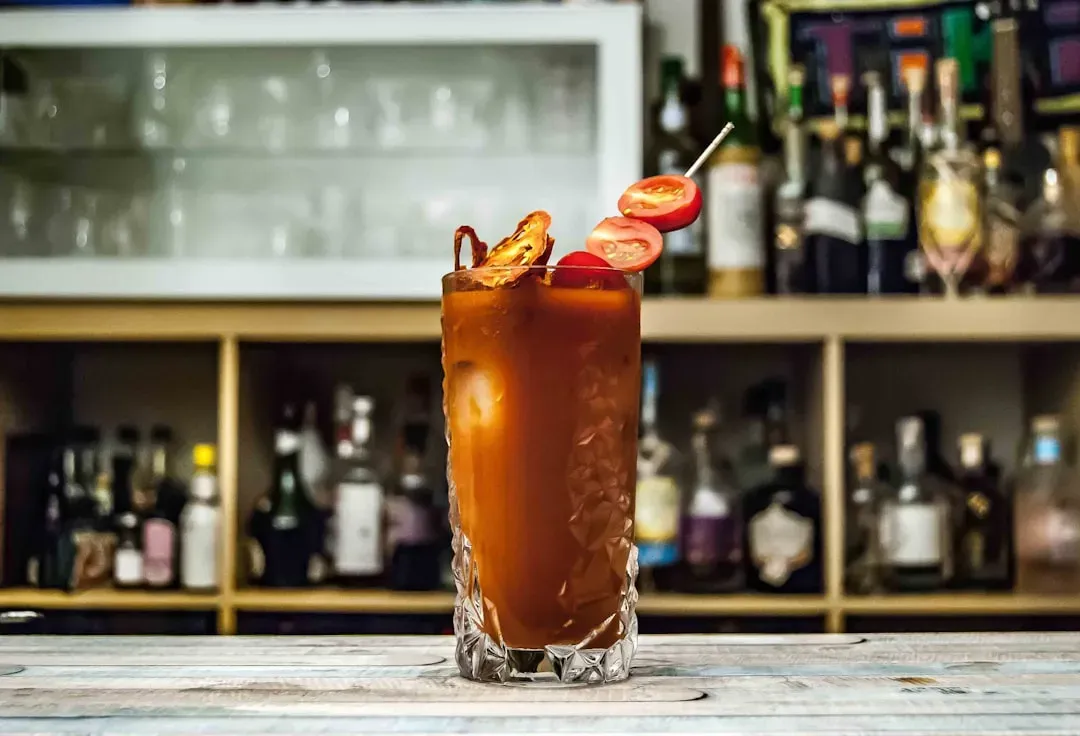
Ordering a Bloody Mary after brunch is a risky choice. With its many ingredients, it takes more than the average amount of time to prepare, and bartenders are usually only set up to take on this challenge during brunch hours. After that, the ingredients have been put away, and getting them back together for one Bloody Mary would be inconvenient. It is a bit like walking into a restaurant at 10 PM and asking for the breakfast special.
The biggest gripe bartenders have with a Bloody Mary is all the ingredients it takes to make one, including vodka, tomato juice, Worcestershire sauce, black pepper, celery salt, Tabasco, and lemon juice. The other issue is that today there are so many different riffs on this cocktail. So now the bartender has to not only dig out a dozen ingredients mid-shift, but also interpret what version of a Bloody Mary you actually want. Late-night Bloody Mary orderers have a remarkable track record of poor tipping. Remarkable.
5. The Deconstructed Cocktail: Trust Issues in a Glass
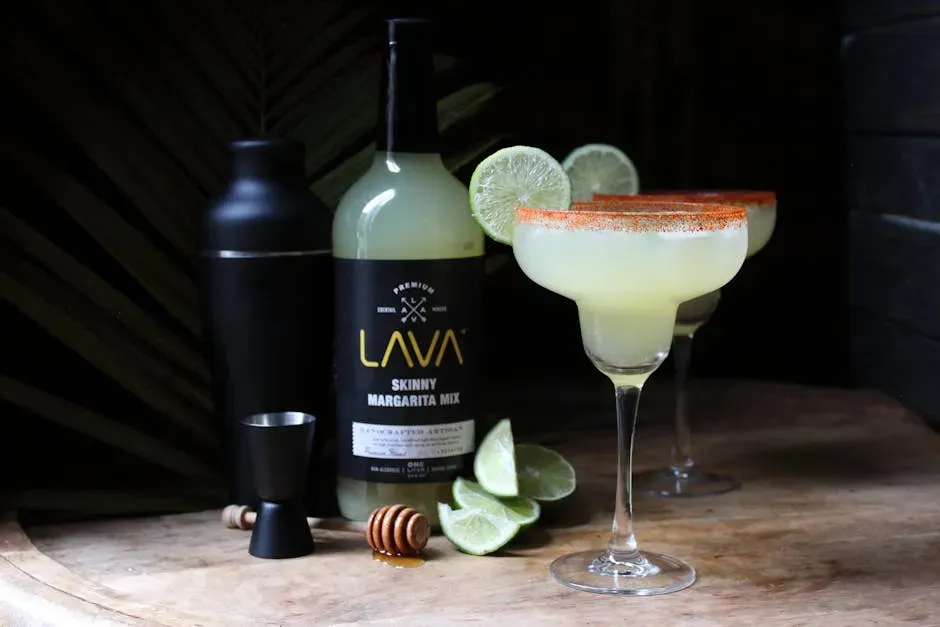
Seasoned bartenders report that about once a week someone will ask them to bring a deconstructed cocktail to the table so the customer can mix it themselves. That is their number one pet peeve. It happens regularly enough to be a real pattern. Think about what this actually communicates: “I don’t trust you to mix my drink, but I’m still going to sit at your bar.” Not exactly the vibe of a generous tipper.
When people ask for all the separate ingredients of a margarita so they can pour it themselves, it is annoying for so many reasons. There is real labor involved in pulling everything apart, lining it up, and explaining what’s what. The bartender is essentially doing double the work for a customer who has already signaled they do not fully value the craft. The tip almost always matches that attitude.
6. The Blended Frozen Drink: High Effort, Low Return
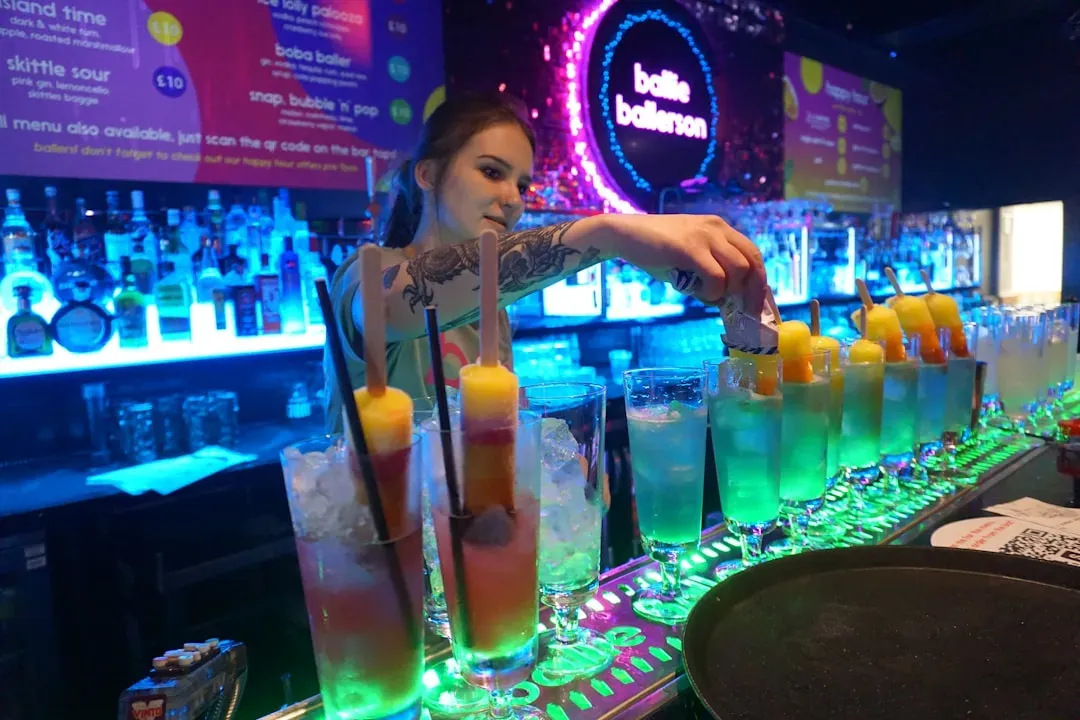
When working private events or busy bar settings, bartenders are often understaffed and ill-equipped to make complicated blended beverages. If you know there is a big crowd and only one or two bartenders working, consider being considerate. It is a real pet peeve to be asked to abandon the bar to find a blender in the kitchen. Frozen drinks are the kind of order that makes a bartender’s shoulders visibly drop. The noise alone is enough to derail an entire service rhythm.
The frozen drink problem is about more than just inconvenience. It is about the math. Complex builds for low-price drinks reduce throughput and tip per minute for a bartender who is trying to serve an entire bar. The people who love their frozen drinks are often the same people who then tip as though the bartender simply handed them a glass of water. There is a reason this pattern is so consistent.
7. The Novelty Shot Order: A Tray Full of Chaos
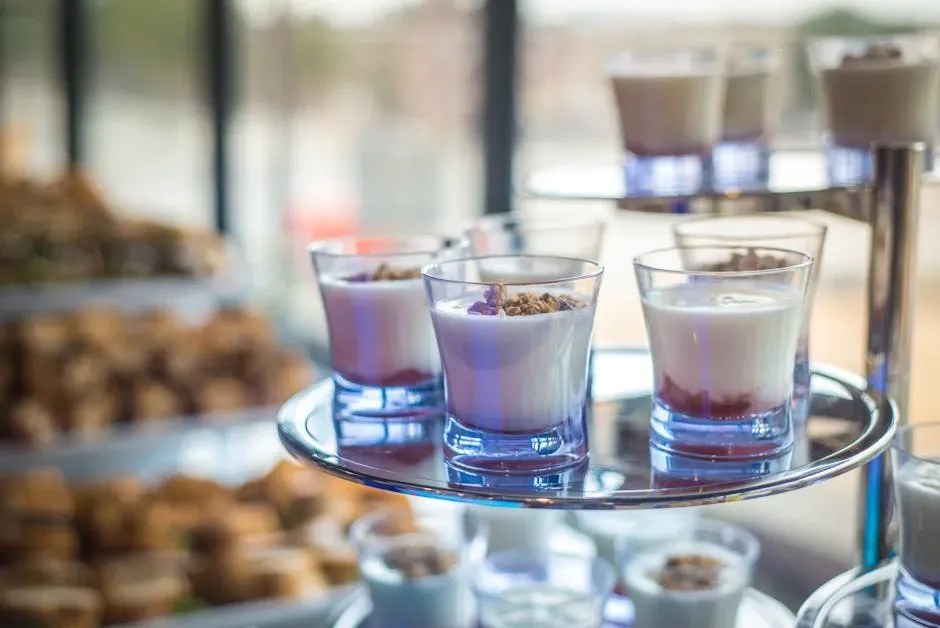
Bartenders genuinely struggle when people order trays and trays full of layered shots. It sounds fun in theory, you are out with your crew, someone decides it’s a shot night, and suddenly the bartender is building eight individual rainbow layered shots while the rest of the bar waits. It’s chaos. Pure and simple chaos.
Novelty shots, such as lemon drops, kamikazes, or anything with a lewd name, are rarely ordered by people who think about the effort involved. Outside of college bars, most bartenders do not even know the recipes for these cocktails off the top of their heads. The irony is that these orders often come from the loudest, most demanding groups of the night, and they are statistically among the worst tippers. Bartenders tend to prioritize customers they know will tip well over those they know do not, especially if stiffing or leaving poor tips is a repeated behavior.
8. The “Surprise Me” Order: Maximum Ambiguity, Minimum Tip
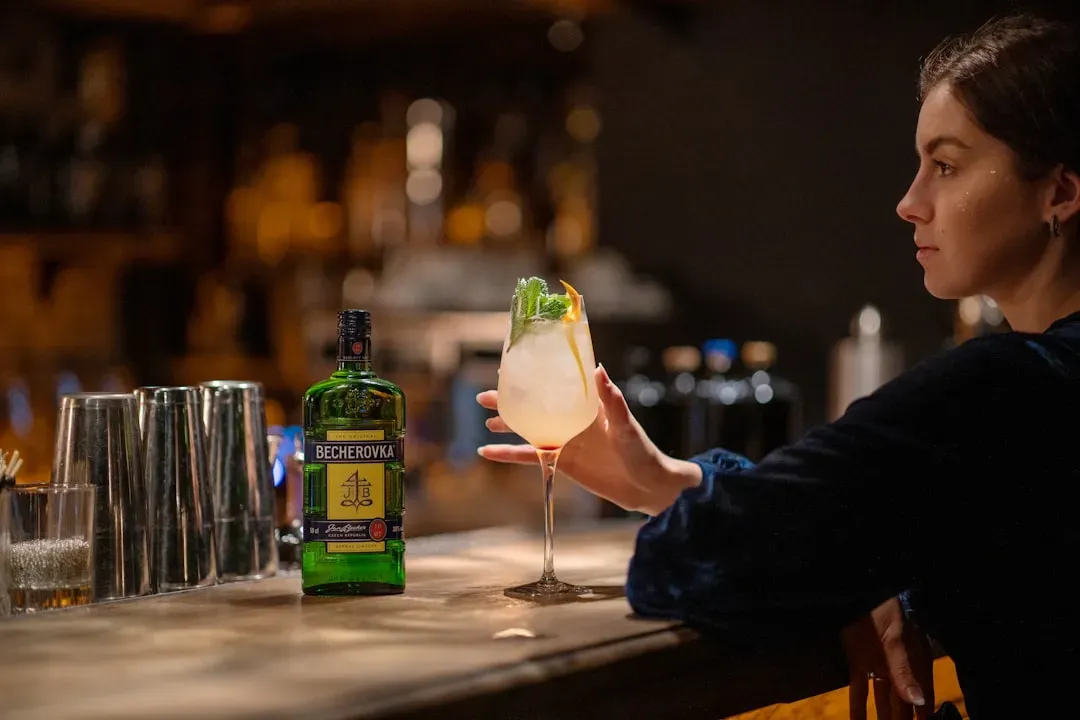
This one sounds harmless. Charming, even. You walk up to the bar, make a little eye contact, and say, “Surprise me.” Ambiguous requests still demand a decision from a bartender. Customers wanting a long recommendation when the bar is slammed creates a back-and-forth that kills momentum. It might feel like you’re being a fun, easy customer. To the bartender in the middle of a rush, it feels like you just handed them extra homework with no deadline.
The “surprise me” crowd tends to fall into two camps. There are those who genuinely trust the bartender and end up loving whatever they receive. Then there are those who complain about the surprise, send it back, and tip based on their dissatisfaction with a choice they actively refused to make themselves. A well-tipped bartender is more likely to take the time to understand your preferences and make tailored drink suggestions. The message here is clear: build the relationship first, then ask for surprises.
9. The Free Water with Lemon as a Full Table Order
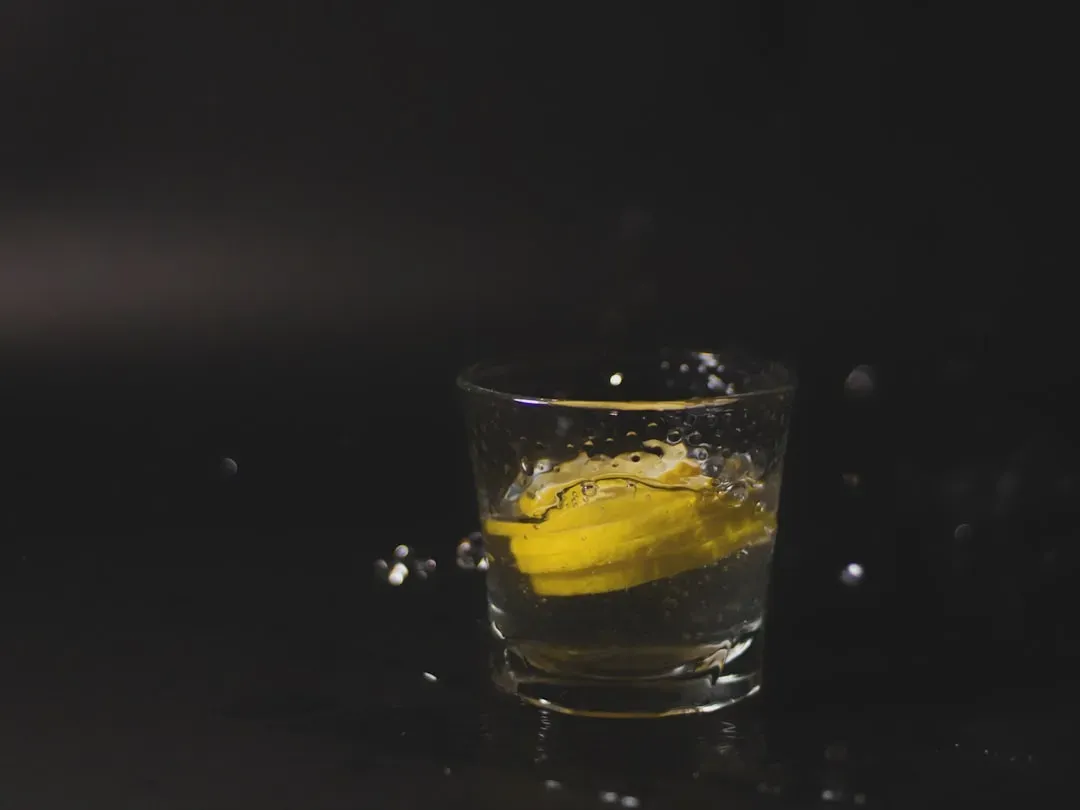
Here is the scenario. A group of four or five people sits down at the bar. The bartender prepares for a good run. Then every single person at the table orders a free water with lemon. Multiple lemons each, of course. Bartenders and servers in some states are paid an hourly wage as low as $2.13 per hour. In many states, service staff rarely receive an actual paycheck because nearly all their hourly income goes to taxes, so tips keep roofs over their heads. And then an entire table occupies prime bar space, nursing free drinks for an hour, and leaves nothing.
Most people tip about 16.9 percent of the bill at quick-service settings. “Stiffing,” industry speak for not leaving a tip at all, is incredibly rude and may result in a bartender actually paying for a portion of your bill, since many bars require front-of-house staff to “tip out” a portion of their earnings to food runners and bussers. The water-and-lemon crowd rarely knows or thinks about any of this. They just see “free.” Meanwhile, the bartender is subsidizing their evening out of pocket. It is, without a doubt, the most quietly devastating order on this entire list.
Twelve years, thousands of shifts, and the same patterns keep showing up. The drinks themselves are rarely the real problem. It is what they reveal about the person holding the glass. Around 65 percent of U.S. consumers say they’re “tired of tipping,” up from 60 percent last year, and that collective fatigue is felt most sharply by the people who depend on those tips to pay rent. The average bartender salary in the United States sits at around $23,620 per year before tips are factored in. Every order tells a story. Every tip, or lack of one, tells the ending.
What would you order, knowing your bartender was quietly reading every signal? Tell us in the comments.