
Some people dream about packing up and moving somewhere the weather never breaks a sweat. Others, without even realizing it, are already living in one of the most meteorologically terrifying corners of the planet. With the impact of climate change and more frequent extreme weather events, finding a destination with a truly mild climate year-round is increasingly difficult. Still, a handful of places genuinely deliver on that promise – steady skies, gentle temperatures, no drama.
Honestly, the contrast between the calmest and most chaotic weather destinations is almost hard to believe. On one end of the spectrum, you have places where people have never owned a snow shovel in their lives. On the other, there are regions where the weather itself can feel like a personal threat. Let’s dive in.
1. The Canary Islands, Spain – Where “Eternal Spring” Is Not Just a Tagline

The Canary Islands, located near the shores of Africa, are Spanish territory. The cold Canary stream which passes over the islands makes the climate cool. Air temperature remains moderate, neither too high nor too low – usually staying in the range of 20°C to 26°C throughout the year. That kind of consistency is genuinely rare, and it’s why the islands have been a magnet for northern Europeans fleeing grim winters for decades.
This special combination results in mild temperatures and a moderate level of humidity throughout the year. Summers are pleasantly warm without extreme heat, while winters are mild without cold extremes. Rainfall is generally low, with the wettest period occurring between October and February. Think of it like a thermostat that nobody ever touches. Despite its small surface area of just 7,447 km², the Canary Islands receive more than ten million tourists every year. That number alone says everything about what the weather reputation does for the region.
2. Medellín, Colombia – The City Where the Calendar Stays on Spring
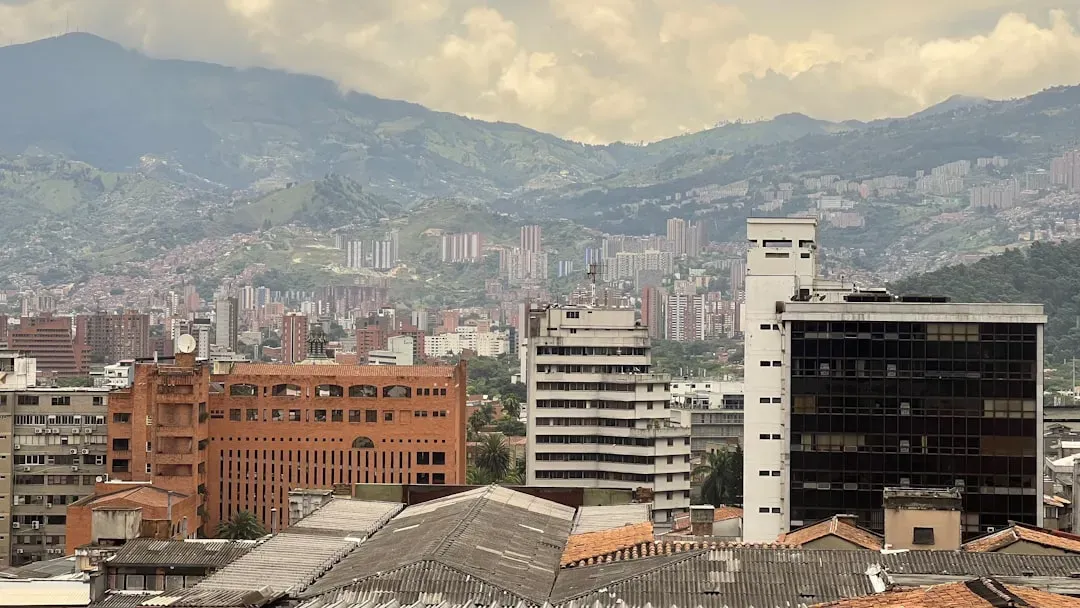
Known as the City of Eternal Spring, Medellín maintains a year-round average temperature of about 72°F (22°C). Located in the Andes Mountains, it avoids extremes of heat and cold. There’s something almost surreal about a city where the concept of “season packing” simply doesn’t apply to your wardrobe.
Medellín city is situated in the green mountain region of the Andes at an altitude of 4,905 feet. The city is known as the “City of Eternal Spring,” named after the city’s spring-like weather year-round. It’s also worth noting that altitude is the secret ingredient here – the elevation essentially filters out the brutal tropical heat that would otherwise dominate a city this close to the equator. If you’re looking for a place that feels like a perpetual April afternoon, it’s hard to argue with the data.
3. Nice, France – Mediterranean Sunshine With Mountain Backing

Nice is one of the most popular cities in France. The city has mild Mediterranean climate conditions with temperatures in the range of 20–27°C. Apart from the beautiful sea, the city is surrounded by mountains to the north. This city has one of the warmest climatic conditions corresponding to its latitude. Those mountains to the north act like a natural windbreak, which is something most weather maps don’t capture well.
Summer season is usually hot and sunny. Rainfall is moderate and about 50 days all around the year. Fifty rainy days a year sounds like almost nothing compared to, say, London’s near-constant grey. The city of Nice receives moderate rainfall, sunny summers, and gorgeous spring time. In addition to the delightful weather, Nice is famed for its beautiful beaches, narrow streets, old town, and shopping. Frankly, it’s the kind of place that makes staying indoors feel like a mistake.
4. San Diego, California – Sunshine Capital That Actually Delivers

This Pacific Ocean city boasts an average temperature of 70°F (21°C) and more than 260 days of sunshine a year. Its warm, dry summers and mild, rainy winters make it one of the best cities for weather. With beautiful beaches and a laid-back culture, San Diego attracts those searching for the perfect mix of sun and sea.
San Diego has a great climate, formed under the influence of the Rocky Mountains and Pacific Ocean. Cold streams which pass around California make the summers nice with no major heat. At the same time, the constant temperature of the ocean maintains relatively high winter temperatures. Degrees in the city range from 19 to 25 and the weather is sunny and dry throughout the year. Here’s the thing – 260 days of sunshine is not just a tourist board claim. It’s consistently backed by meteorological records, which is why even weather analysts note that San Diego is one of the cities with the mildest climates in the world.
5. New Zealand’s Coasts – Mild, Green, and Quietly Spectacular

Famed for its spectacular natural beauty, New Zealand is a top contender for some of the mildest weather in the world. It’s the kind of country that keeps showing up on “best climate” lists without ever really shouting about it. While the interior has diverse climates, the coast is known for mild temperatures, moderate rainfall, and abundant sunshine.
The coastal zones, particularly in the northern parts of the North Island, maintain genuinely stable temperatures year-round. There are no tornadoes. No typhoons threatening coastal cities. No life-altering blizzards. The best climate must be one that is most tolerated by the body all year and does not need any major adjustments to extreme temperatures. It should not be too wet or too cool or too warm. The place must also be comparatively protected from extreme weather conditions such as regular floods, hurricanes, heat, and blizzards. New Zealand’s coastline quietly ticks nearly every one of those boxes.
6. The Philippines – Where Six Typhoons Can Hit in 30 Days

Now we shift gears entirely. The Philippines tops the WorldRiskIndex 2025 as the most disaster-prone country, with floods, typhoons, and climate change driving high vulnerability. That ranking is not an exaggeration – it is the result of geography, ocean temperatures, and an increasingly volatile climate all colliding in one place.
The Philippines is a typhoon-prone country, with approximately twenty tropical cyclones entering its area of responsibility per year. Typhoons regularly form in the Philippine Sea and less often in the South China Sea, with June to September being the most active months. Each year, at least ten typhoons are expected to hit the island nation, with five expected to be destructive and powerful. In 2024, communities experienced an “extraordinary” typhoon season supercharged by climate change, according to a World Weather Attribution assessment – six typhoons affecting the country within just 30 days, several of them simultaneously, affecting more than 13 million people. That is not a weather pattern. That is a gauntlet.
7. Bangladesh – Floods, Cyclones, and Heat Stacked on Top of Each Other

In late May 2024, Cyclone Remal, with wind speeds measuring up to 140 km/h, ripped through the Bay of Bengal, affecting both the coastal regions of Bangladesh and India’s West Bengal state. Bangladesh sits at the literal receiving end of the Bay of Bengal – one of the most cyclone-active bodies of water on the planet.
In Somalia and Pakistan, climate change is already pushing tens of millions to the edge, but Bangladesh also faces catastrophic floods linked to climate change that have affected more than 33 million people at a time. The country also deals with heat waves, river flooding from upstream glacial melt, and rising sea levels threatening its coastal delta. Climate-related disasters have displaced over 20 million people annually in the past decade, and Bangladesh is consistently among the most affected countries. It’s a place where weather anxiety isn’t a metaphor – it’s a lived daily reality.
8. Eastern Spain – Floods That Nobody Saw Coming

Spain usually tops the “mild climate” lists, and for much of the country, that reputation holds. However, recent events have exposed a terrifying vulnerability. From October 29–30, 2024, eastern Spain was hit by exceptionally heavy rainfall in one of the deadliest weather events in the country’s modern history. The devastation in the Valencia region shocked Europe.
Travelers should also be aware that even though many countries around the Mediterranean generally experience favorable weather, temperatures are rising about 20% faster than in other places in the world, according to a report from the United Nations Environment Programme. Although Spain’s climate is mild in the sense that it’s one of the top three sunniest countries in Europe, the summers are hotter than they used to be. During the summer of 2025, EuroNews reported the average national temperature was 75.4°F, with some cities like Jerez de la Frontera recording temperatures over 113°F. The country’s climate reputation is increasingly at odds with the increasingly chaotic reality on the ground.
9. The Amazon Region, Brazil – Droughts, Fires, and Floods in the Same Year
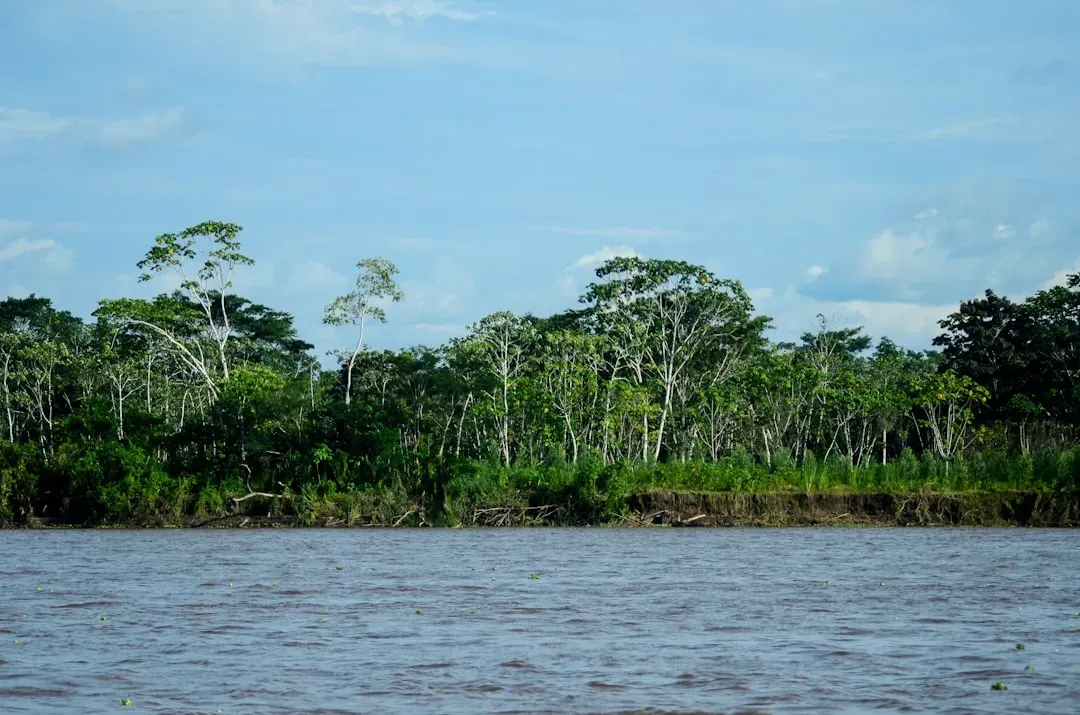
The Amazon rainforest and Pantanal Wetland were hit hard by climate change in 2024, with severe droughts and wildfires leading to huge biodiversity loss. The Amazon is the world’s most important land-based carbon sink, making it crucial for the stability of the global climate. What makes this region particularly anxiety-inducing is the whiplash nature of its weather extremes.
Many extreme events that took place in the beginning of 2024 were influenced by El Niño. However, most studies found that climate change played a bigger role than El Niño in fueling these events, including the historic drought in the Amazon. This is consistent with the fact that, as the planet warms, the influence of climate change increasingly overrides other natural phenomena affecting the weather. On top of flooding in 2024, a heatwave stifling Brazil set new records, with Rio de Janeiro’s heat index hitting 144.1 degrees Fahrenheit. A heat index of 144 degrees. Let that number sink in for a second. It’s the kind of stat that makes the pleasant breezes of the Canary Islands feel even more precious.
The Bigger Picture: A World Pulling in Two Directions

As the World Economic Forum’s Global Risks Report 2025 starkly outlines, extreme weather events have solidified their place among the top global risks for the fourth consecutive year. Ranking second overall and first in environmental risks, these events are no longer isolated catastrophes but recurring crises reshaping economies, societies, and ecosystems.
According to Munich Re, the total economic losses from natural disasters in 2024 exceeded $320 billion globally, nearly 40% higher than the decade-long annual average. That is an almost incomprehensible figure. Meanwhile, climate change added on average 41 additional days of dangerous heat in 2024 that threatened people’s health, according to new analysis by Climate Central.
The gap between the world’s calmer weather havens and its most volatile regions is widening. Some places are becoming more desirable to live. Others are becoming genuinely harder to survive in. Choosing where you live – or travel – is increasingly a climate decision too, whether people admit it or not. What does your local weather say about where you stand on that spectrum?