
The world just witnessed another alarming milestone in climate science. The latest atmospheric measurements reveal unprecedented levels of greenhouse gases, painting a concerning picture of our planet’s future. These findings come at a critical time when global leaders are grappling with how to address the escalating climate crisis.
Scientists have been tracking these atmospheric changes for decades. The data tells a story of rapid acceleration that’s catching even experts off guard.
Record Levels Of Carbon Dioxide Detected
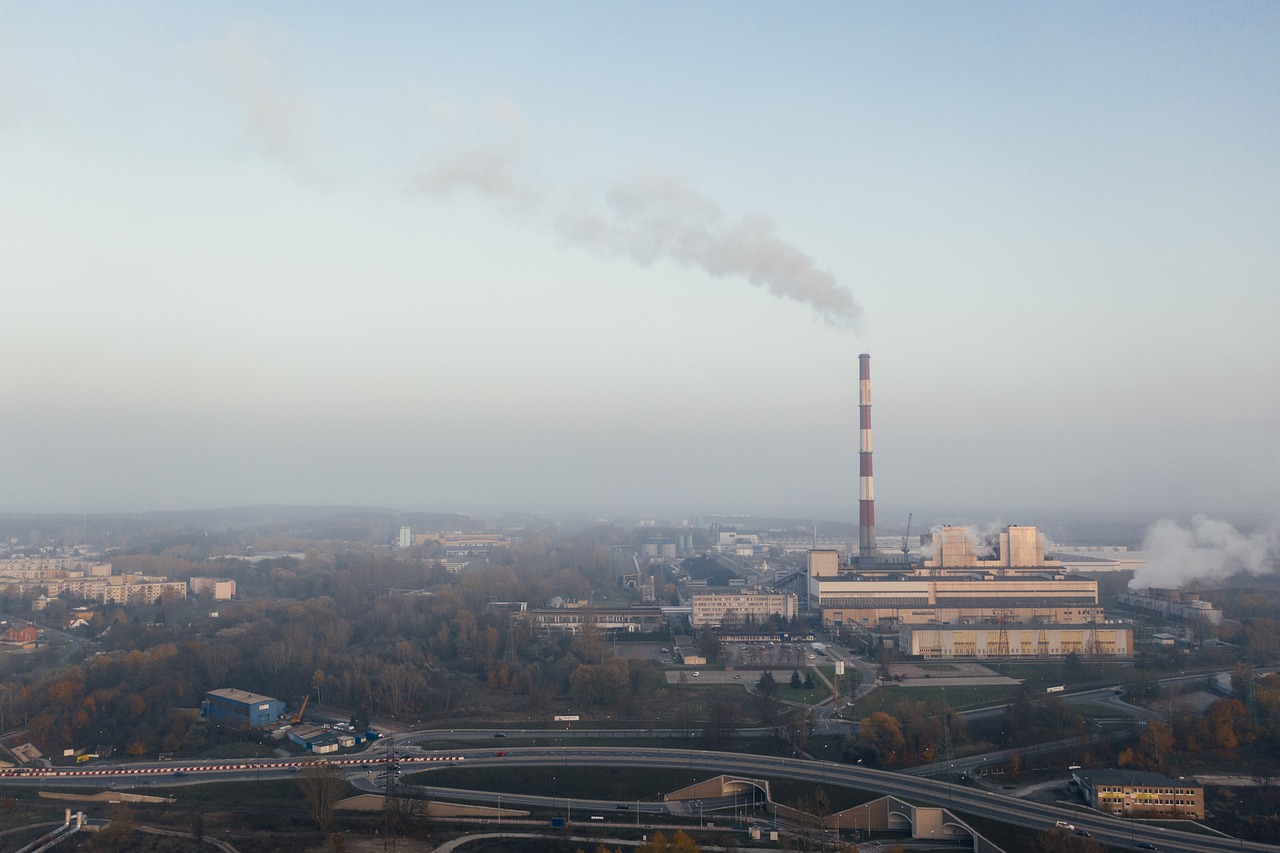
The World Meteorological Organization (WMO) announced that carbon dioxide levels in the atmosphere reached a record high in 2024. The global average climbed to 423.9 parts per million (ppm), marking a 3.5 ppm rise from the previous year.
Two Decades Of Steady Increase

When the WMO first began tracking these numbers in 2004, global CO2 levels stood at 377.1 ppm. Over the past 20 years, the concentration has jumped more than 12%, signaling an accelerating trend in atmospheric warming.
Human Activity And Wildfires To Blame
The report identified human activity, increasing wildfires, and weakening carbon sinks as the main drivers behind the surge. Carbon sinks – such as forests and oceans – absorb carbon dioxide, but their declining effectiveness is worsening the situation.
Other Greenhouse Gases Rising Too

In addition to carbon dioxide, methane and nitrous oxide concentrations also reached record highs. Methane levels rose to 1,942 parts per billion (ppb), while nitrous oxide increased to 338 ppb – both significant jumps compared to pre-industrial times.
Accelerating Climate Impacts Observed
According to the WMO, rising greenhouse gas levels are intensifying heatwaves, storms, and droughts. The additional heat trapped in the atmosphere is contributing to more frequent and severe extreme weather across the globe.
Urgent Call For Emission Reductions

WMO Deputy Secretary-General Ko Barrett emphasized that reducing emissions is not just a climate necessity but also vital for economic stability and community safety. He warned that unchecked emissions will further destabilize global systems.
Shrinking Carbon Sinks Pose New Risk
Senior scientific officer Oksana Tarasova noted growing concern that natural carbon sinks are weakening. As forests and oceans absorb less CO2, more remains in the atmosphere, amplifying global warming and accelerating climate change.
The Heat-Trapping Effect Explained
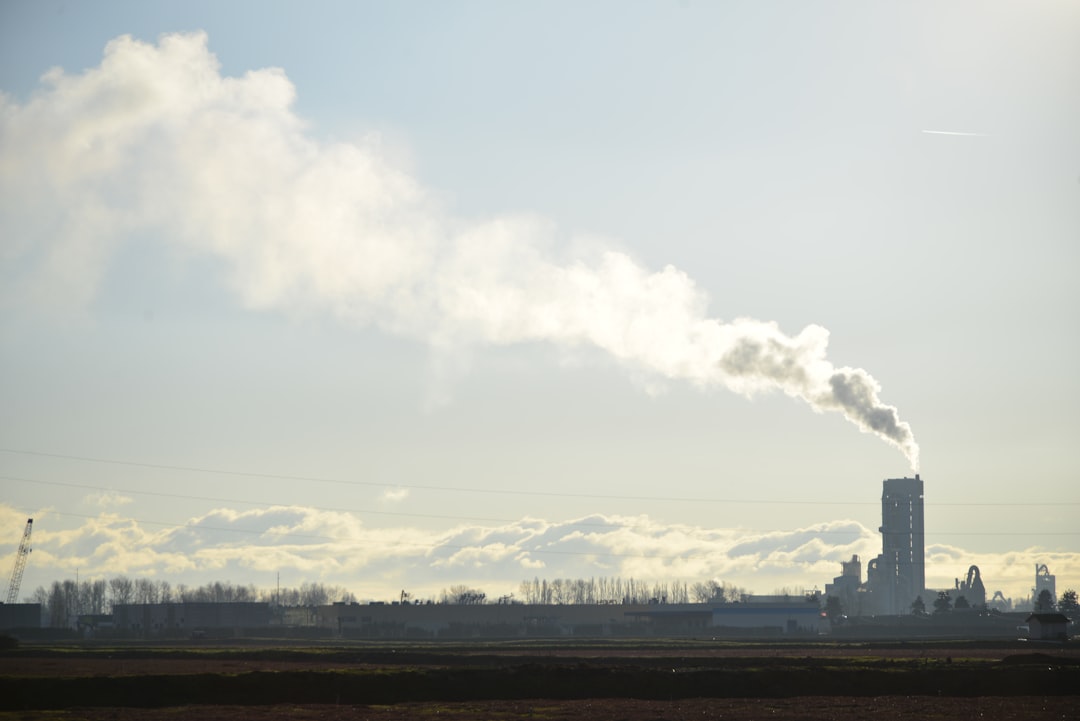
Carbon dioxide is a potent greenhouse gas that traps heat near Earth’s surface. As its concentration grows, the planet’s natural energy balance is disrupted, leading to rising global temperatures and more unpredictable climate patterns.
Monitoring Systems Need Strengthening

The WMO stressed the importance of enhancing global monitoring networks to track emissions and improve forecasting models. Stronger data collection is essential to understand the changing dynamics of greenhouse gases and their long-term impact.
A Warning For The Decades Ahead
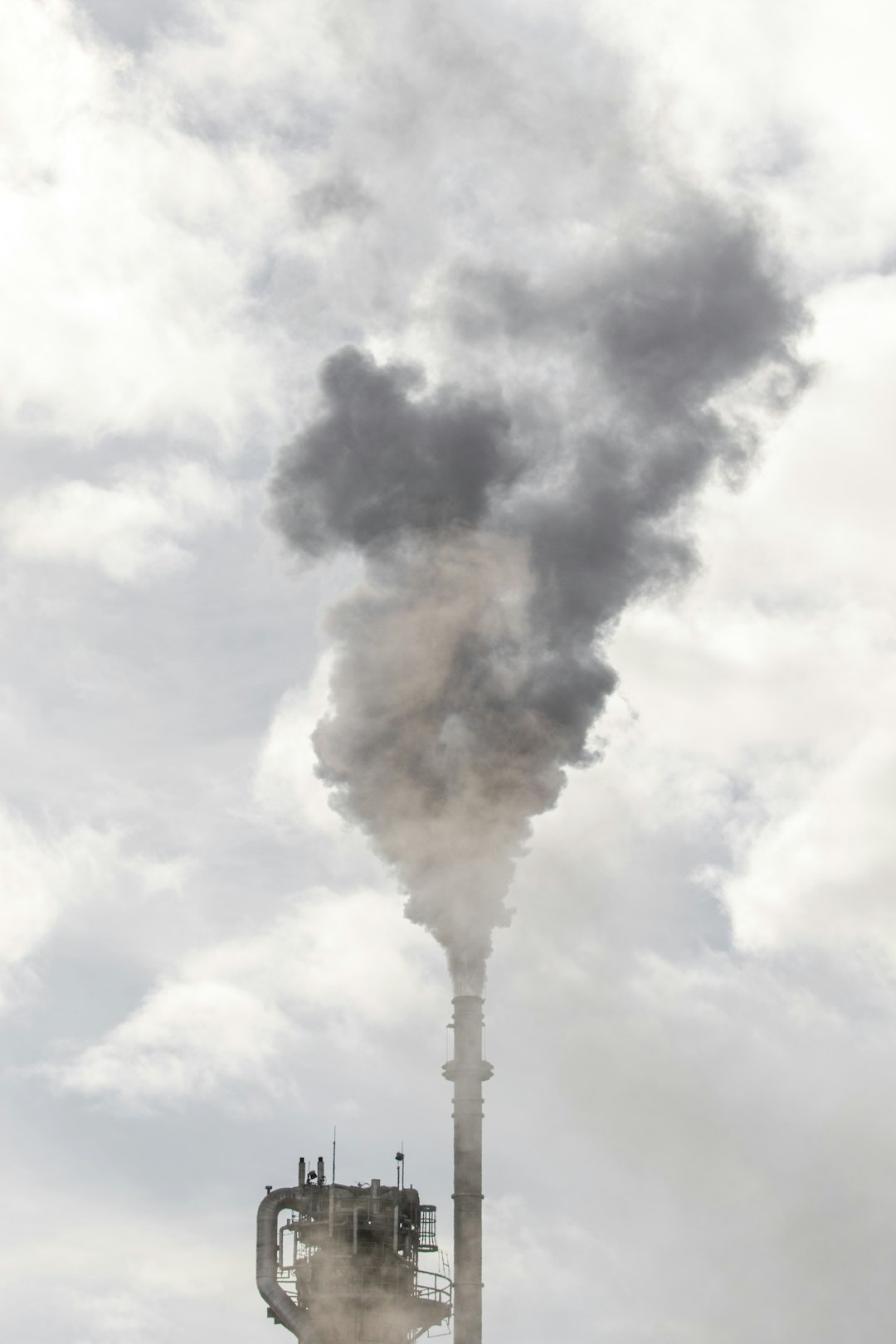
Experts caution that the latest figures are a stark reminder of humanity’s influence on the planet’s climate. Without significant global action to cut emissions and protect carbon sinks, the world risks crossing critical thresholds in the coming decades.