
The Great White Myth – Ocean Giants That Fear Us More Than We Fear Them
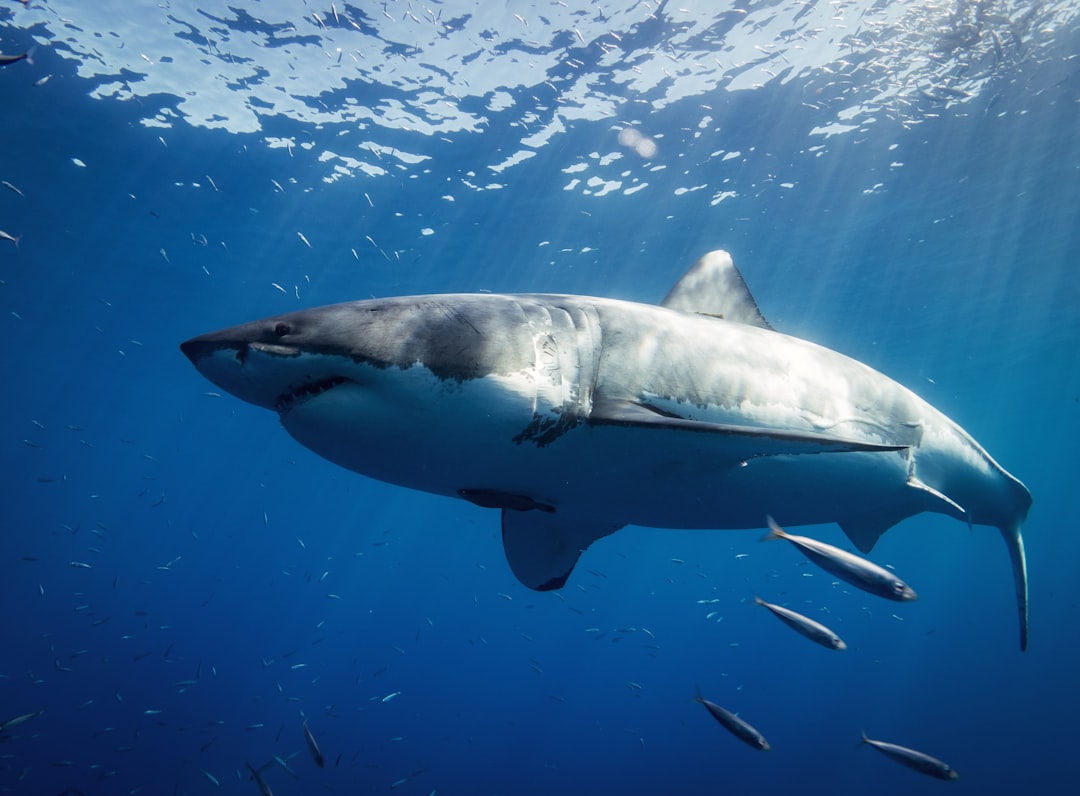
Picture this: you’re more likely to get struck by lightning while taking a selfie with your toaster than be attacked by a shark. Yet these magnificent ocean predators have been terrorizing beachgoers since the first person watched “Jaws” and decided to cancel their vacation. The 2024 worldwide total of 47 confirmed unprovoked cases is in line with the most recent five-year average of 64 incidents annually, with only 7 confirmed shark-related fatalities. That means you have a better chance of winning the lottery while being struck by lightning twice.
The odds of being killed by a shark attack are roughly one in 3.7 million, making sharks about as dangerous as a particularly aggressive house cat. You are 1500 times more likely to be attacked by a bear than a shark. These apex predators spend their days cruising the oceans, mostly ignoring humans entirely. When they do encounter us, most shark attacks involving Great Whites are incidents of curiosity or mistaken identity, where a shark mistakes a surfer for a seal or investigates an unfamiliar object with a test bite.
The Alpha Wolf Fallacy – Family Leaders, Not Ruthless Dictators
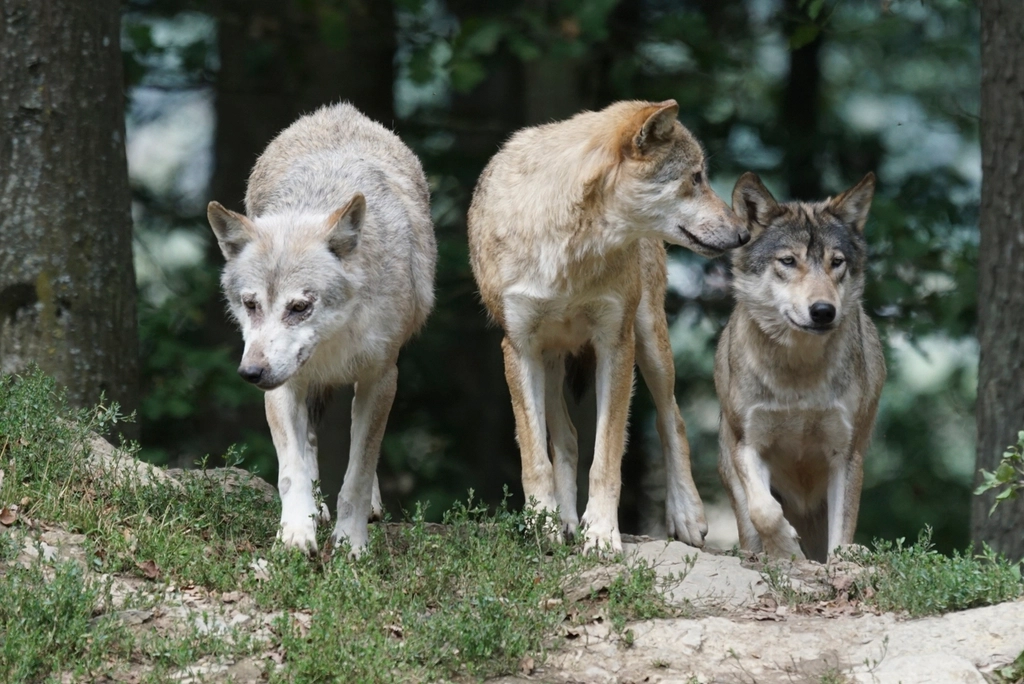
Hollywood has given us the image of snarling alpha wolves fighting their way to dominance through brutal combat, but real wolf packs operate more like human families than military dictatorships. The alpha wolf doesn’t exist – at least not in the wild. What we call “alpha” wolves are simply the mom and dad of the family, leading through experience and care rather than intimidation.
In nature, wolf packs are a family unit, consisting of a mated pair and their offspring. In a wolf pack, the parents (breeders) are naturally dominant to their offspring. Dr. David Mech, the wolf expert and senior scientist who was largely responsible for the original study promoting “pack theory” now explains that there are pronounced behavioral differences between captive wolves like those used in the study and wolves in the wild. The original study’s results were skewed because the animals being observed were under severe stress. Imagine studying human family dynamics by watching strangers trapped in an elevator for hours – you’d get a pretty warped view of how we really interact.
Wolves are complex, highly intelligent animals who are caring, playful, and above all devoted to family. Only a select few other species exhibit these traits so clearly. These remarkable creatures share knowledge across generations, with older wolves, as more experienced hunters, sharing hunting strategies and techniques with younger wolves, passing down knowledge from one generation to the next, maintaining a culture unique to that pack.
Vampire Bat Terror – Tiny Healers Helping Humanity
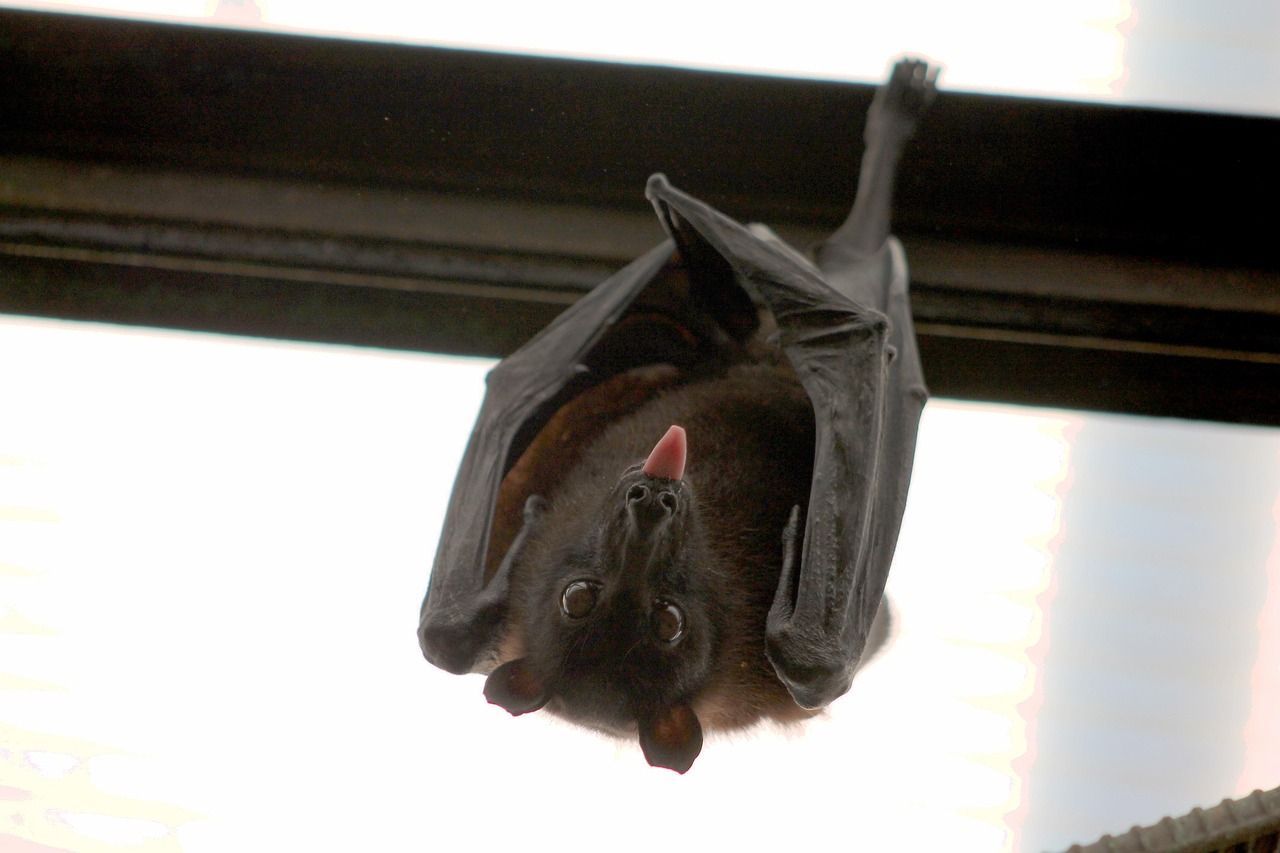
When most people hear “bat,” their minds immediately conjure images of blood-sucking vampires swooping down to drain innocent victims. The reality is far more fascinating and a lot less scary. Only three of the nearly 1,000 bat species are considered vampires, and they’re found exclusively in Central and South America, not lurking in your backyard.
But here’s the plot twist that would make Dracula himself blush: these supposed monsters are actually helping save human lives. The vampire bats’ saliva contains a chemical that keeps blood from coagulating. This chemical could be valuable to human health. Scientists have developed stroke-treating drugs based on vampire bat saliva compounds. Vampires have existed in folklore for thousands of years in cultures around the world, but vampire bats were only known to the people of Central and South America. After Europeans arrived on the shores of the New World, the stories about winged, blood-sucking bats spread around the world. So, the vampire bats were actually named after their human doppelgangers, not the other way around.
Less than 1% of bats have rabies, but bats that act strangely or contact humans are 10 times more likely to be sick with rabies. Bat rabies accounts for approximately one human death per year in the United States. Meanwhile, about 70 percent of bat species eat insects such as mosquitoes, moths, grasshoppers, locusts and other crop-destroying pests. Many bats can eat one bug every six seconds.
Bulls See Red – The Colorblind Rage That Never Was

For centuries, the image of an enraged bull charging at a red cape has symbolized unstoppable fury. Spanish matadors wave their crimson muletas with theatrical flair, and the crowd gasps as the massive beast thunders forward, apparently driven wild by the sight of red. But this entire spectacle is based on a fundamental misunderstanding of bovine vision that has persisted for generations.
Bulls are essentially colorblind to red and green, seeing the world in shades of yellow and blue. What actually triggers their aggressive behavior isn’t the color of the cape but its movement and the stress of the bullfighting environment. In pastoral settings, these same animals are often gentle giants, grazing peacefully and showing remarkable intelligence and emotional depth.
The truth is that bulls can be incredibly social and curious creatures. They form hierarchies within their herds that are based more on familiarity and comfort than on aggression. Many farmers report that their bulls recognize individual humans, respond to their names, and can even show affection toward caretakers they trust. The “raging bull” stereotype has led to unnecessary fear of these animals, when in reality, most bull-related incidents occur due to improper handling or when the animals feel trapped and defensive.
Piranha Feeding Frenzies – River Gardeners With Sharp Teeth
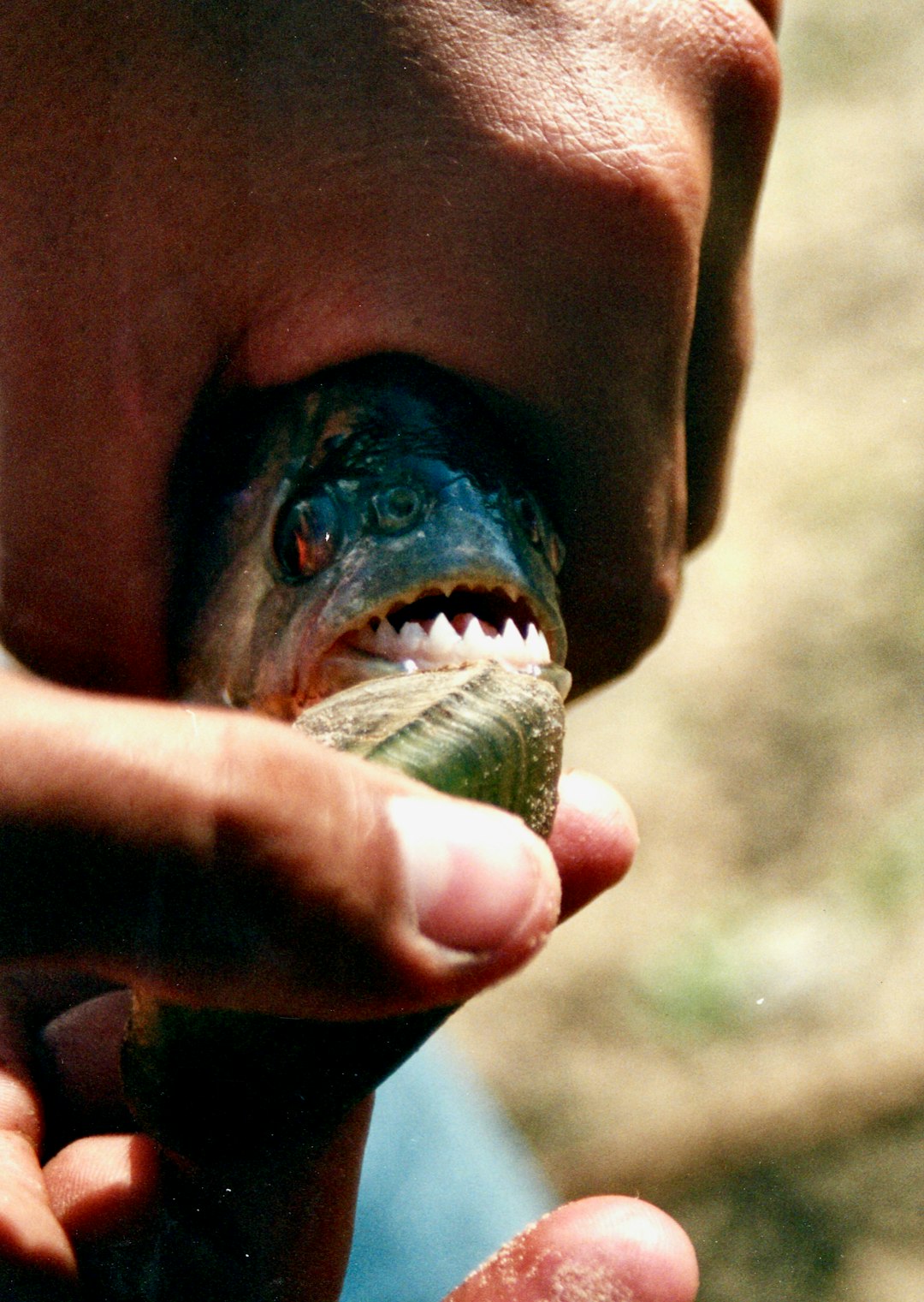
Hollywood has painted piranhas as the ultimate aquatic assassins, capable of stripping a cow to bare bones in minutes while blood clouds the water in a terrifying feeding frenzy. This image has become so ingrained in popular culture that many people won’t even dip a toe in South American rivers. But the reality of piranha behavior is far more nuanced and, dare we say, almost boring compared to their fictional reputation.
Most piranha species are actually omnivores that spend their days munching on plants, fruits that fall into the water, and small fish. They’re more like underwater gardeners, helping to maintain the ecosystem balance by cleaning up dead organic matter and keeping waterways healthy. Of the roughly thirty species of piranhas, only a few are primarily carnivorous, and even these rarely engage in the dramatic feeding frenzies that movies love to showcase.
The infamous feeding frenzy behavior typically occurs only during severe drought conditions when fish are trapped in small pools with limited food sources, forcing them into desperate survival mode. During normal conditions, piranhas are actually quite timid and will often flee from larger disturbances in the water. Indigenous communities in the Amazon regularly swim in piranha-populated waters without incident, and many locals even keep piranhas as a protein source, testament to their manageable nature.
Deadly Spiders – Eight-Legged Pest Controllers
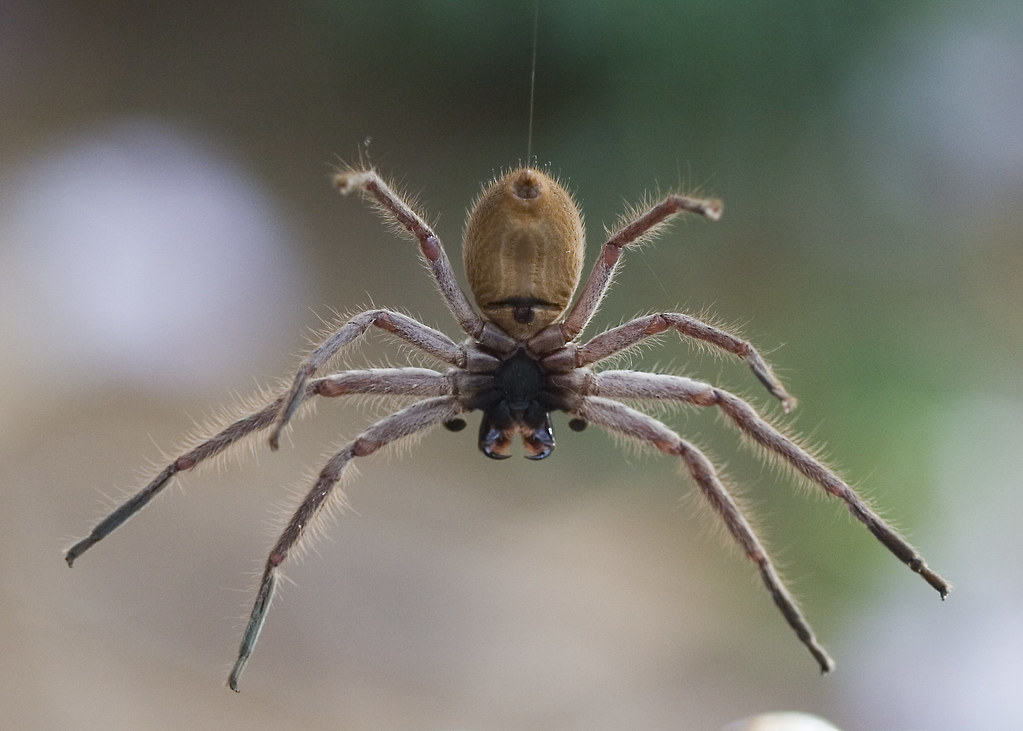
The mere mention of spiders sends many people into a panic, conjuring images of venomous fangs and deadly bites lurking in every corner. This arachnophobia has become so widespread that countless harmless spiders meet their doom under rolled-up newspapers and vacuum cleaners every day. Yet the statistics reveal a shocking truth about these misunderstood creatures that might make you think twice before reaching for the bug spray.
Of the approximately 50,000 known spider species worldwide, fewer than 30 have bites that can cause serious harm to humans. The vast majority of spiders you encounter in your home or garden are not only harmless but are actually working as unpaid pest control agents, consuming thousands of insects each year that would otherwise be bothering you. A single spider can eat up to 2,000 insects annually, including disease-carrying mosquitoes, flies, and agricultural pests that damage crops.
Even among the species considered dangerous, actual fatalities are extremely rare. Most spider bites result in nothing more than minor irritation, similar to a mosquito bite. The brown recluse and black widow, two of the most feared North American spiders, have mortality rates near zero when proper medical attention is sought. Meanwhile, these creatures continue their vital ecological role, maintaining the delicate balance that keeps insect populations from exploding and causing real problems for human health and agriculture.
Killer Bee Swarms – Defensive Families Protecting Their Home
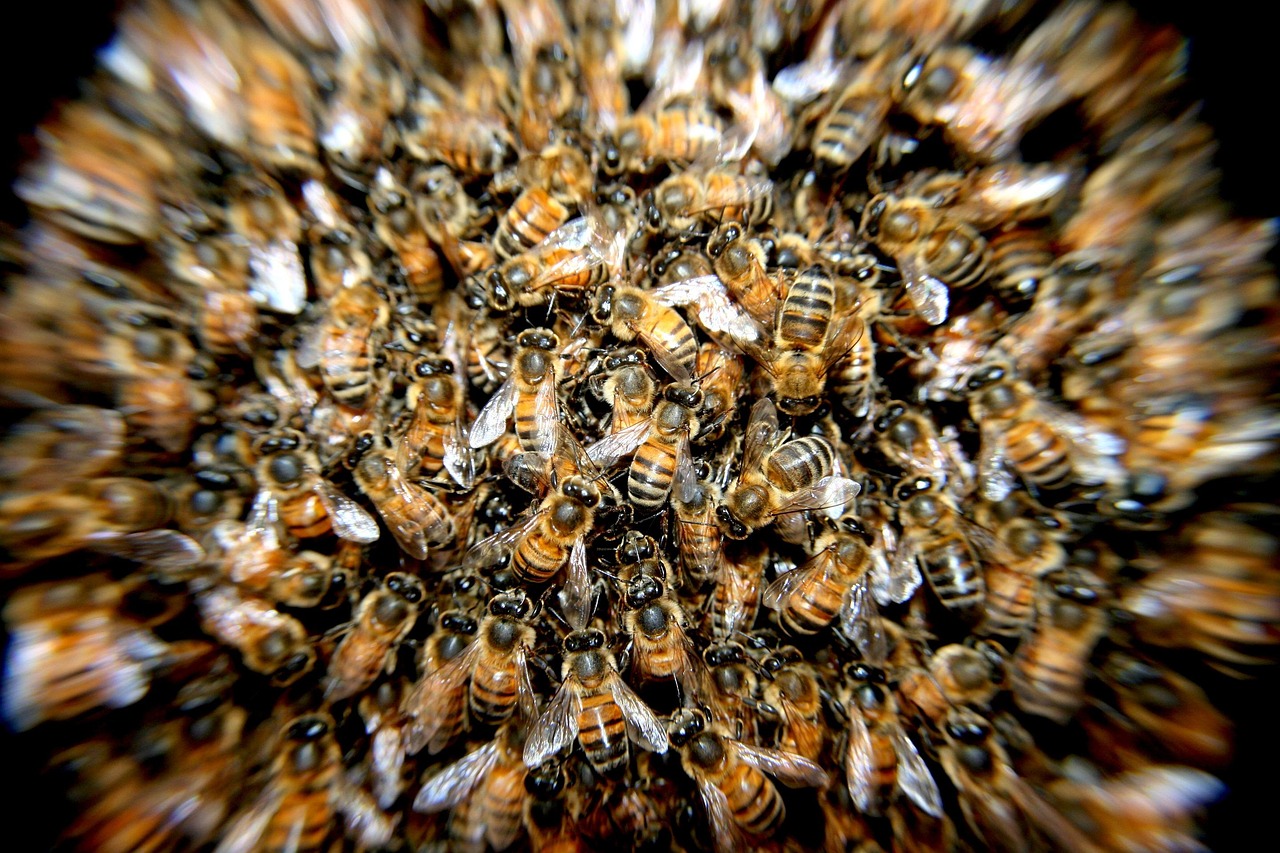
The arrival of Africanized honey bees in the Americas sparked decades of sensationalized media coverage about killer bee invasions and deadly swarms pursuing hapless victims for miles. These “killer bees” became the stuff of nightmares, portrayed as relentlessly aggressive insects bent on human destruction. But like so many wildlife horror stories, the reality is far more measured and understandable than the hysteria suggests.
Africanized bees are indeed more defensive than their European counterparts, but they’re not the mindless killers that popular culture has made them out to be. Their heightened defensiveness evolved as a survival strategy in Africa, where they faced more predators and environmental challenges. When these traits transferred to the Americas through human-mediated breeding, the bees retained their protective instincts, leading to more aggressive responses when their colonies are threatened.
However, these bees are still fundamentally honey bees with the same basic behaviors and needs. They’re not actively hunting humans or seeking conflict. The majority of serious incidents occur when people accidentally disturb nests during activities like landscaping or construction. Away from their colonies, individual Africanized bees are no more likely to sting than any other bee species. In fact, many beekeepers work successfully with Africanized colonies using proper techniques and protective equipment, proving that understanding and respect can overcome fear-based reactions.
Snakes – Slithering Pest Control Experts
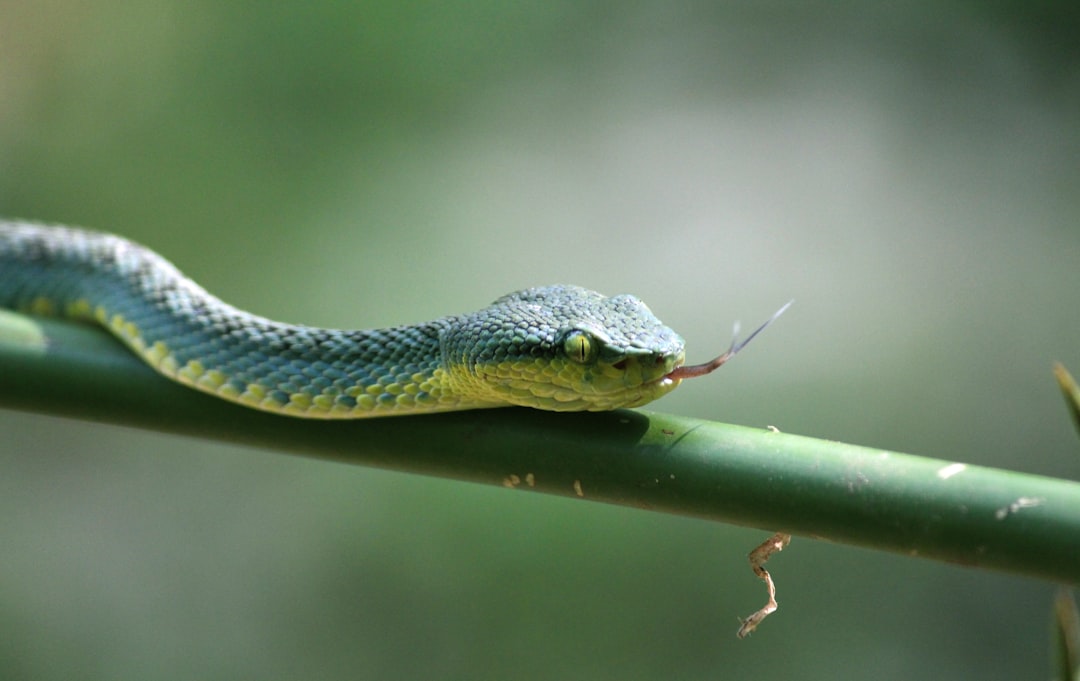
Few creatures evoke such primal fear as snakes, their legless forms triggering an almost universal human response that spans cultures and continents. From biblical serpents to Hollywood horrors, snakes have been cast as symbols of evil and danger, leading to widespread persecution of these remarkable reptiles. Yet the numbers tell a very different story about our relationship with these misunderstood predators.
Of the approximately 3,000 snake species found worldwide, only about 600 are venomous, and fewer than 200 pose any serious threat to human life. The overwhelming majority of snakes you might encounter are completely harmless to humans and spend their lives providing invaluable pest control services. A single snake can consume hundreds of rodents per year, helping to control populations of rats and mice that spread disease and damage property and crops.
Even venomous snakes are generally reluctant to waste their precious venom on threats they can’t eat. Most snake bites occur when people attempt to handle or kill snakes, often out of misplaced fear. Snakes would much rather flee than fight, and many species have evolved elaborate warning systems – like the rattlesnake’s namesake warning sound – to avoid dangerous encounters altogether. In agricultural regions, farmers who learn to appreciate snakes often see dramatic reductions in crop-damaging rodent populations, proving that coexistence benefits everyone involved.
Hyena Laughs Hide Complex Social Intelligence
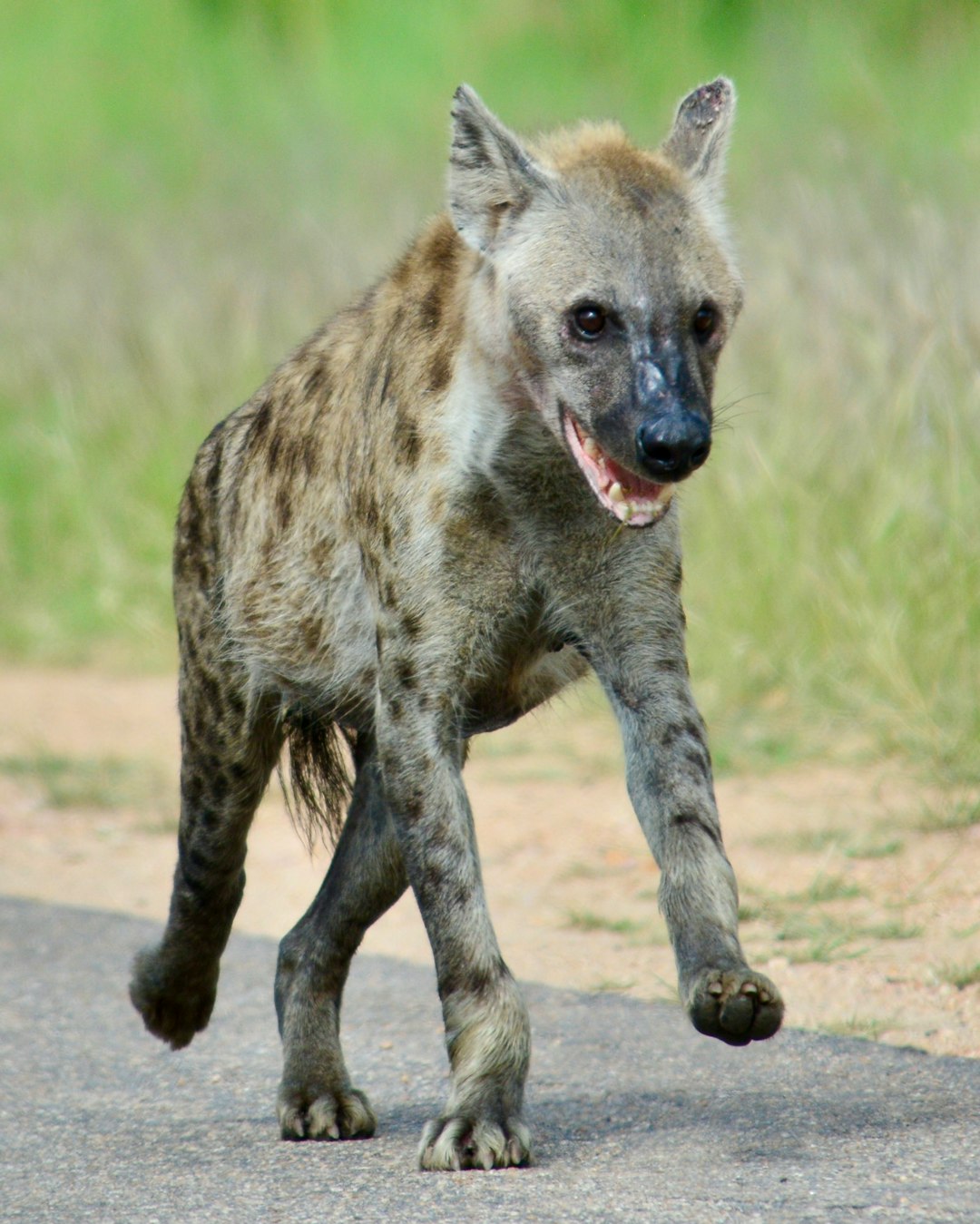
The distinctive “laughter” of hyenas has made them the comedic villains of countless nature documentaries and animated films, portrayed as cowardly scavengers that skulk around stealing kills from noble lions. This reputation has painted hyenas as the buffoons of the African savanna, creatures that survive through cunning theft rather than honest hunting. But research into hyena behavior reveals a society so sophisticated that it rivals and often surpasses that of their more celebrated big cat neighbors.
Spotted hyenas are actually formidable hunters that successfully kill large prey through coordinated group efforts. Their hunting success rate often exceeds that of lions, and they’re capable of taking down animals as large as buffalo and young elephants. The iconic “laugh” is actually a complex communication tool that conveys information about the caller’s age, social status, and identity to other clan members, functioning more like a sophisticated language than simple mindless cackling.
Hyena clans operate under a unique matriarchal system where females dominate males and make crucial decisions about territory and resources. Their social structure is incredibly complex, with intricate relationships that can span generations and involve elaborate alliance-building strategies. Recent studies have shown that hyenas demonstrate problem-solving abilities that rival those of primates, and their cubs learn hunting and social skills through extended play periods that mirror human childhood development. Far from being simple scavengers, hyenas are intelligent, successful predators that play a crucial role in maintaining ecosystem balance.
Opossums – Nature’s Cleanup Crew With Unusual Defense Mechanisms
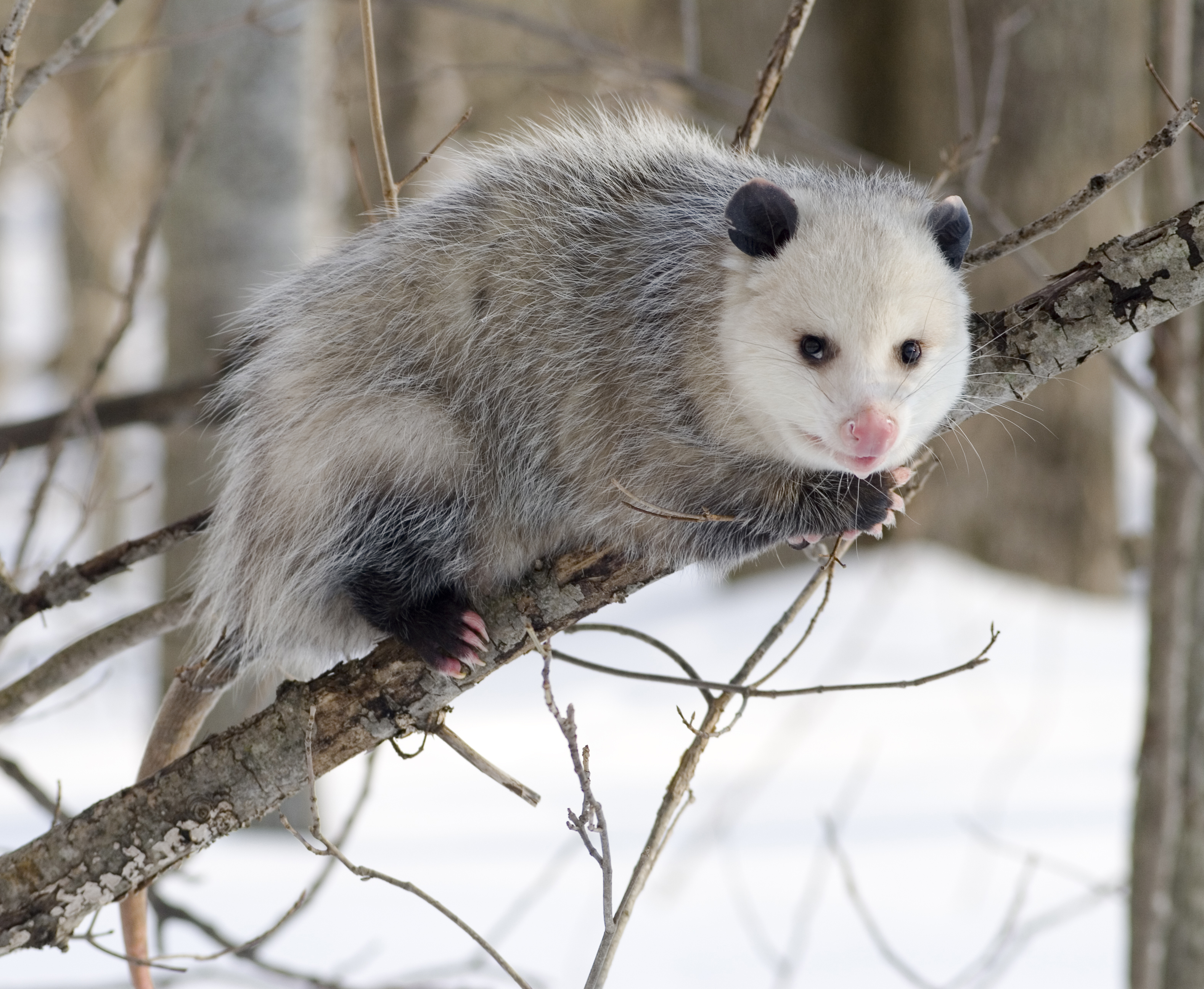
With their rat-like tails, sharp teeth, and tendency to hiss when cornered, opossums have earned an unfortunate reputation as aggressive pests that pose a threat to pets and property. Many homeowners panic at the sight of these marsupials rummaging through garbage cans or crossing their yards at night, fearing attacks or disease transmission. However, opossums are actually among North America’s most beneficial and misunderstood wildlife species.
The famous “playing possum” behavior that gives these animals their name is actually an involuntary stress response, not a calculated survival strategy. When faced with extreme fear, opossums essentially faint, entering a catatonic state that can last for several hours. This isn’t bravery or aggression – it’s a biological panic response that makes them appear dead to predators. In reality, opossums are gentle, non-aggressive animals that would much rather flee than fight, and they’re physically incapable of truly aggressive behavior due to their relatively small size and docile nature.
Perhaps most importantly, opossums provide invaluable ecosystem services that benefit human communities. They’re voracious consumers of ticks, cockroaches, rats, mice, and other pests, with a single opossum capable of eating up to 5,000 ticks in a single season. This makes them powerful allies in the fight against Lyme disease and other tick-borne illnesses. Additionally, opossums have a natural resistance to rabies due to their lower body temperature, making them far less likely to carry and transmit this deadly disease than many other mammals.
Raccoon Bandits – Intelligent Urban Adapters
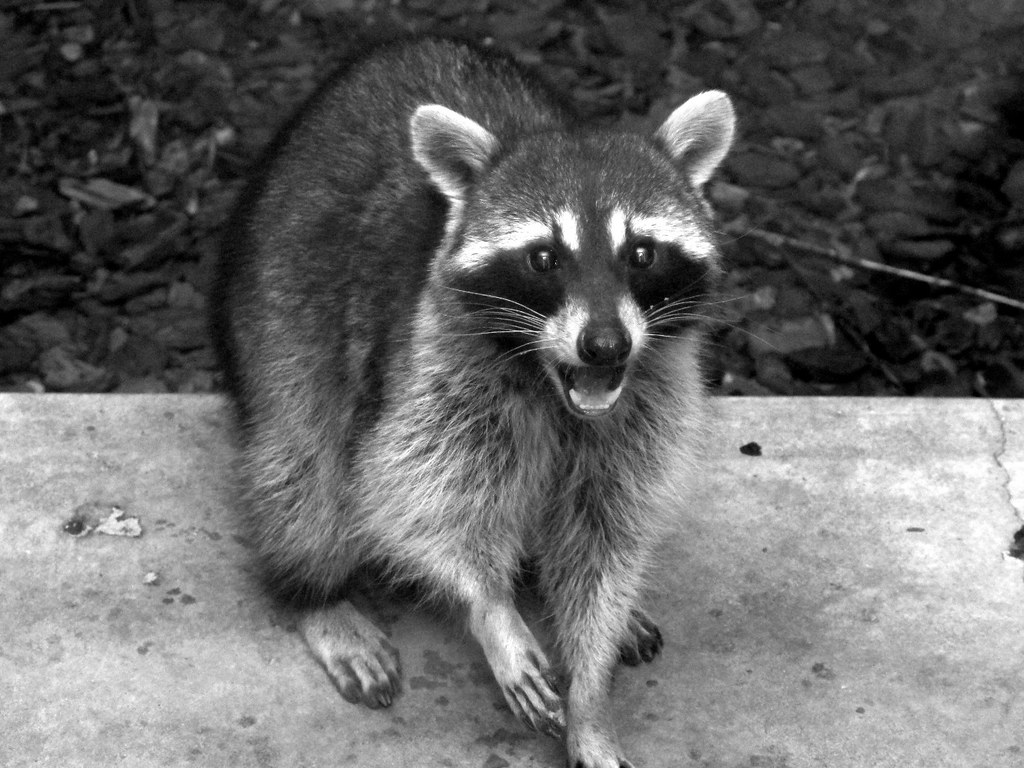
Those distinctive facial markings and nimble paws have earned raccoons the nickname “masked bandits,” and their reputation for raiding garbage cans and wreaking havoc in suburban neighborhoods has made them unwelcome guests in many communities. Popular culture has reinforced the image of raccoons as mischievous troublemakers that spread disease and cause property damage. While raccoons can indeed be challenging neighbors, the reality of their behavior and abilities reveals creatures of remarkable intelligence and adaptability.
Raccoons possess problem-solving skills that consistently impress researchers and frustrate homeowners in equal measure. Their dexterous front paws, which contain nearly four times more sensory receptors than their hind paws, allow them to manipulate objects with an almost human-like precision. This sensitivity is so acute that raccoons can identify objects underwater by touch alone, leading to their habit of “washing” food – they’re actually gathering tactile information about their meal. Studies have shown that raccoons can remember solutions to complex puzzles for years and can adapt their techniques based on changing circumstances.
Rather than malicious intent, raccoon “misbehavior” typically stems from their remarkable adaptability to urban environments. As natural habitats have shrunk due to human development, raccoons have learned to exploit the abundant food sources and shelter opportunities that cities provide. Their nocturnal nature and intelligence make them highly successful urban dwellers, but this success often puts them at odds with human residents who view their presence as invasive rather than impressive adaptation to habitat loss.
Coyote Fears – Adaptive Survivors Learning to Coexist
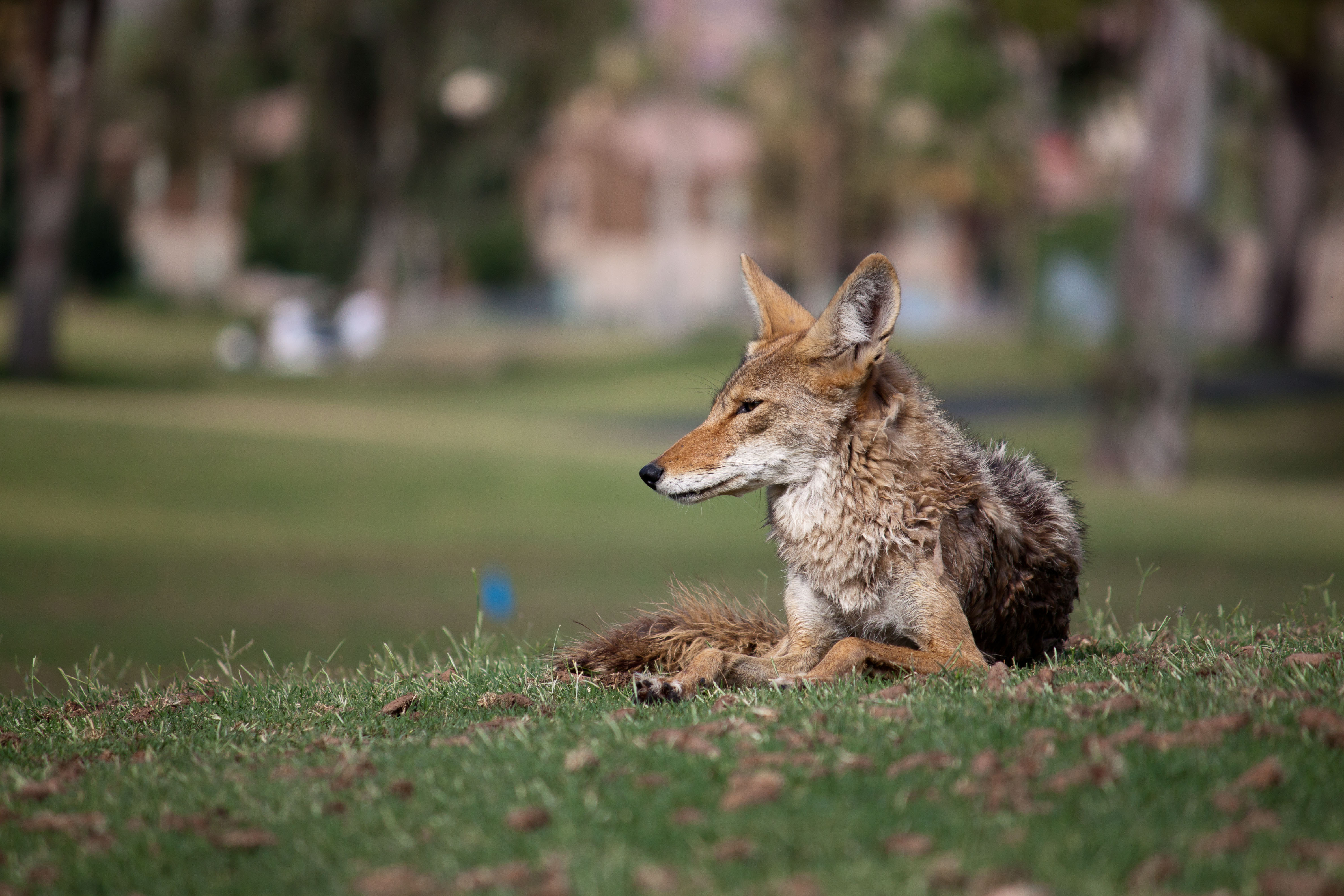
Urban expansion has brought humans and coyotes into closer contact than ever before, sparking widespread concern about these adaptable predators prowling through suburban neighborhoods. Media reports of pet attacks and aggressive encounters have fueled fears that coyotes represent a growing threat to human safety and domestic animals. However, the expanding range of coyotes reflects not increasing aggression but remarkable adaptability and intelligence that has allowed them to thrive in environments where other wildlife has struggled.
Coyotes are naturally wary of humans and typically go to great lengths to avoid direct contact. Most coyote sightings in urban areas involve animals that are simply passing through in search of food or water, often traveling along greenbelts and waterways that provide corridors through developed landscapes. Their diet consists primarily of small mammals, insects, fruits, and carrion, with pets making up a very small percentage of their food sources. When conflicts do occur, they’re usually the result of human behavior that inadvertently attracts coyotes, such as leaving pet food outside or failing to secure garbage containers.
Research into urban coyote behavior reveals animals that are actively learning to navigate human-dominated landscapes while maintaining their natural behaviors and social structures. Family groups establish territories and raise their young using the same complex social dynamics that govern their wild counterparts. Rather than becoming more aggressive, urban coyotes often become more cautious and nocturnal, adjusting their activity patterns to minimize human contact while still meeting their basic survival needs.
The Media Monster Machine – How Fear Sells Better Than Facts

Every summer, as beach season approaches, news outlets dust off their tried-and-true formula: find any shark encounter within a thousand miles, add dramatic music, interview a traumatized victim, and watch the ratings soar. “Shark attack” is a phrase that holds a powerful psychological position in the mind of the public and directs the way sharks are talked about in society. However, it raises concerns because the phrase “shark attack” tells a one-dimensional story of shark behavior, which is often misleading.
The truth is, sensational animal stories generate clicks, views, and revenue far more effectively than measured scientific reporting. Data shows that between 32–38% of reported shark “attacks” have no injury at all. As a result, scrutiny of media reporting on different types of human-shark interactions is important. This study found The New York Times still uses shark “attack” language but has begun to layer it with more scientifically accurate shark “bite” and “sighting” narratives that convey less sensational stories. A single wolf encounter becomes a “pack terror,” a defensive bear becomes a “killer beast,” and suddenly every spider in your house is a potential death trap.
Additionally, “shark attack” discourse has a powerful influence on fear toward sharks by telling a story about a creature that intentionally eats humans, rather than a fish that accidentally or mistakenly bites people on exceptionally rare occasions. This sensationalized language creates a feedback loop where public fear drives more dramatic coverage, which generates more fear, perpetuating misconceptions that can last generations.