Late at night, the glow of a screen illuminates an anxious face as fingers hesitantly type words they’d never speak aloud. The anonymous search bar has become our modern confessional, the one place where millions reveal their deepest fears without judgment. While some anxieties are shared openly, countless others remain hidden, whispered only to Google in the darkness of midnight searches.
According to various estimates, millions of Americans experience specific phobias, yet only a minority of people with phobias seek professional treatment.
Trypophobia: The Fear That Breaks the Internet
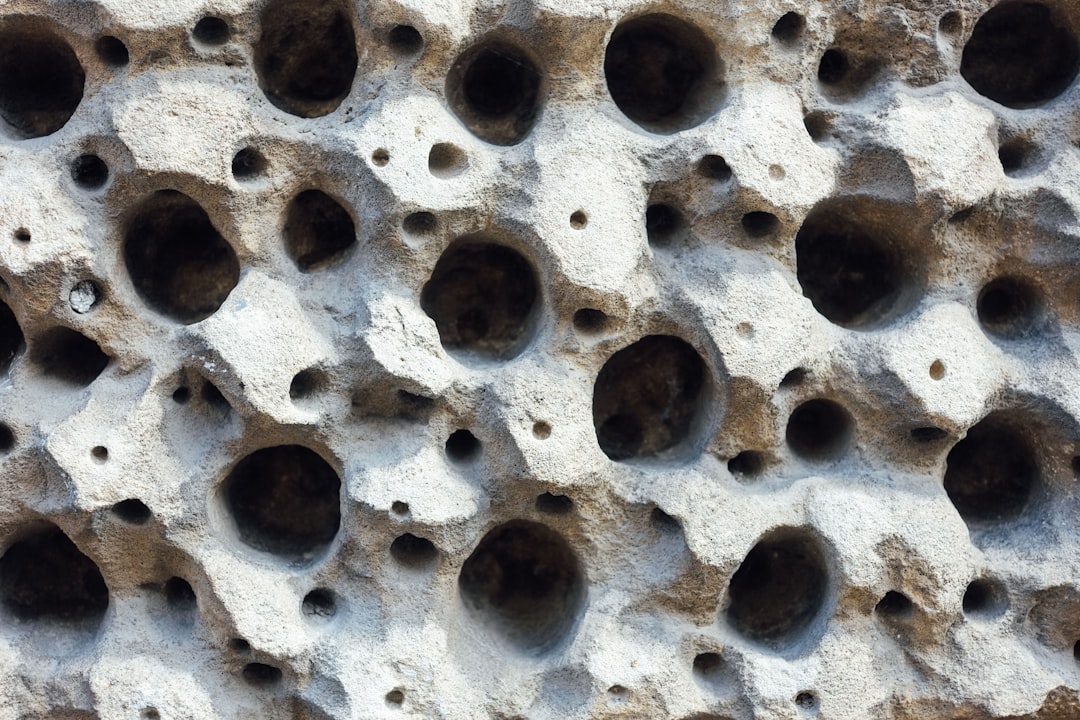
Trypophobia, the fear of holes, reportedly ranks among the most searched phobias online. This fear involves an aversion to objects with repetitive patterns of clusters of small holes, like honeycombs or sponges. What makes this particularly intriguing is that trypophobia wasn’t even officially recognized until recently, yet it dominates online fear searches.
The study found it’s the number one searched phobia in all fifty states. The internet seems to have given a name to a previously unnamed anxiety, allowing millions to discover they weren’t alone in their discomfort with clustered holes. Images that trigger trypophobia spread rapidly across social media, creating a strange phenomenon where people actively seek out content that disturbs them.
This pattern suggests that finding a label for our fears provides immense relief, even when those fears seem irrational. The digital age has democratized the naming of phobias, giving voice to anxieties that might have remained forever unnamed in previous generations.
Agoraphobia: When Home Becomes a Prison
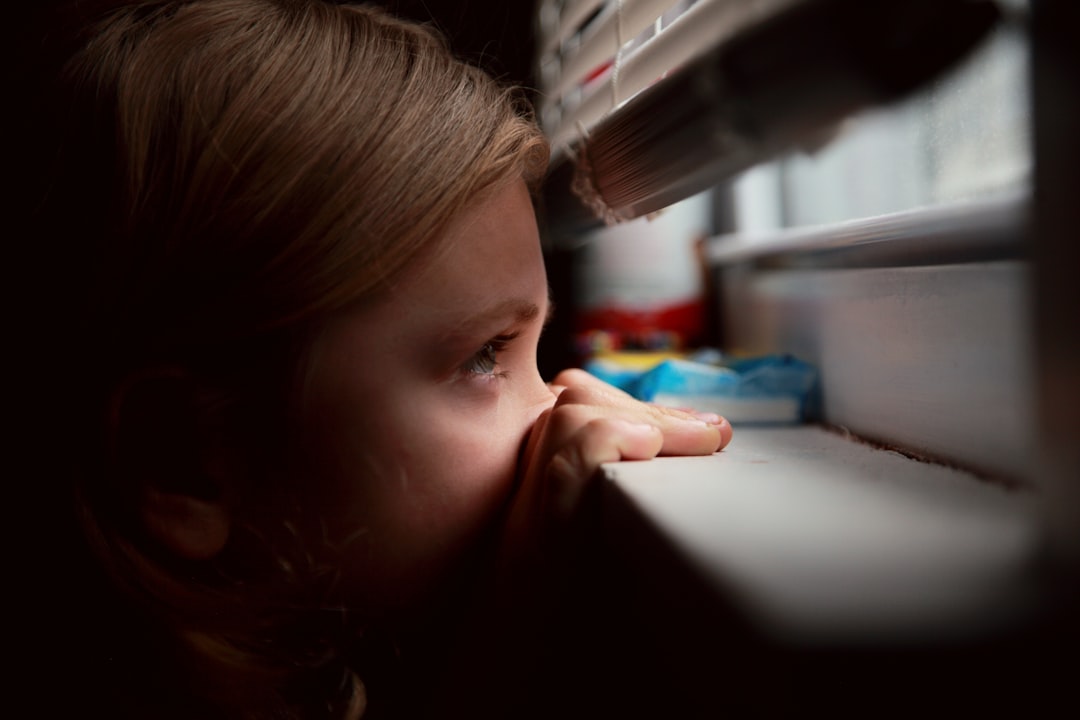
Agoraphobia generates substantial search volume online. This fear of leaving familiar, safe environments like one’s home is actually classified as an anxiety disorder rather than a simple phobia. The pandemic likely amplified these searches as millions experienced forced isolation and developed new anxieties about venturing outside.
People searching for agoraphobia often describe feeling trapped between two impossible choices: the terror of leaving home and the growing isolation of staying inside. The search terms reveal desperate attempts to find solutions that don’t involve facing the feared situations directly. Many queries focus on online shopping, remote work, and delivery services as ways to maintain independence while avoiding exposure.
What’s particularly heartbreaking about agoraphobia searches is how they often come from people whose world has gradually shrunk. The progression from occasional anxiety to complete avoidance leaves many feeling ashamed and desperate for understanding, making the anonymous search bar their lifeline to the outside world.
Misophonia: When Sounds Become Torture
Misophonia, which generates nearly two hundred and fifty thousand monthly searches, represents a fascinating intersection of sensory processing and social anxiety. While not technically a phobia but rather a sensory disorder, it affects people who are hypersensitive to sounds like chewing, drinking, or breathing.
Search patterns for misophonia reveal a unique type of suffering. People describe feeling like they’re going crazy, becoming irrationally angry at loved ones for normal behaviors. The searches often include phrases like “Am I the only one” and “Why do I hate this sound so much,” showing the isolation that comes with this condition.
The digital discovery of misophonia has been life-changing for many sufferers. Before the internet gave this condition a name, people endured years of feeling abnormal and antisocial. Now, online communities provide validation and coping strategies, though the searches also reveal how difficult it remains to explain this condition to others.
Thalassophobia: The Ocean’s Dark Depths

Thalassophobia, the fear of deep water found in lakes or oceans, attracts over one hundred and fifty thousand monthly searches. Interestingly, people in Hawaii search for this phobia more than those in other states, suggesting that proximity to vast water doesn’t necessarily reduce the fear.
The visual nature of this phobia has found perfect expression in the digital age. Images of endless ocean depths, underwater creatures, and vast blue voids circulate widely online, simultaneously fascinating and terrifying viewers. Search patterns show people both seeking to understand their fear and, paradoxically, exposing themselves to triggering content.
Many thalassophobia searches reveal a deep existential component. The fear extends beyond drowning to encompass the unknown, the uncontrollable vastness of nature. People describe feeling insignificant and vulnerable when contemplating deep water, connecting this specific phobia to broader anxieties about mortality and human limitations.
Emetophobia: The Unspoken Vomit Fear
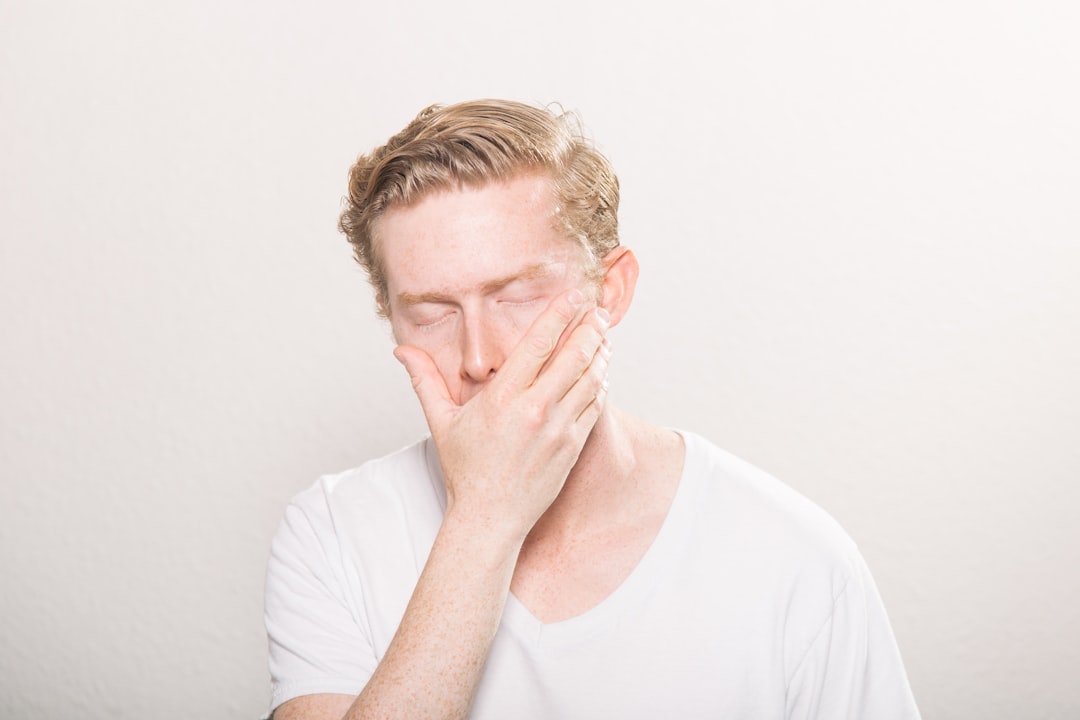
Emetophobia, centered on the fear of vomit and throwing up, generates over one hundred and forty thousand monthly searches. This phobia remains deeply hidden because discussing vomit violates social taboos around bodily functions. Notable celebrities including Bella Ramsey, Frankie Bridge, and Zoe Sugg have acknowledged suffering from this phobia.
The searches reveal how emetophobia can completely dominate someone’s life. People describe avoiding certain foods, social events, travel, and even pregnancy due to this fear. The condition creates a cruel irony where anxiety about vomiting can actually trigger nausea, reinforcing the very fear they’re trying to avoid.
What makes emetophobia particularly challenging is its social component. While most phobias involve external objects or situations, this fear involves a normal bodily function that can’t be completely avoided. The anonymous search bar becomes crucial for finding coping strategies and reassurance that others share this deeply personal terror.
Social Phobias: The Fear of Being Seen

Approximately fifteen million American adults have social anxiety disorder, yet this number likely underrepresents the true scope since many sufferers avoid situations where they might be diagnosed. Studies across seven countries found thirty-six percent of adolescent respondents met criteria for social anxiety disorder, with social phobia being the most common at nearly thirteen percent.
Social phobia typically includes fear of public performance and social interactions. The searches reveal the exhausting mental gymnastics people perform to avoid potentially embarrassing situations. Common queries focus on physical symptoms like sweating, blushing, and trembling that might give away their anxiety to others.
The digital age has created new dimensions for social anxiety. People now worry about their online presence, social media interactions, and video calls. Search patterns show increasing concern about how others perceive their digital selves, extending traditional social fears into virtual spaces.
Claustrophobia: When Walls Close In
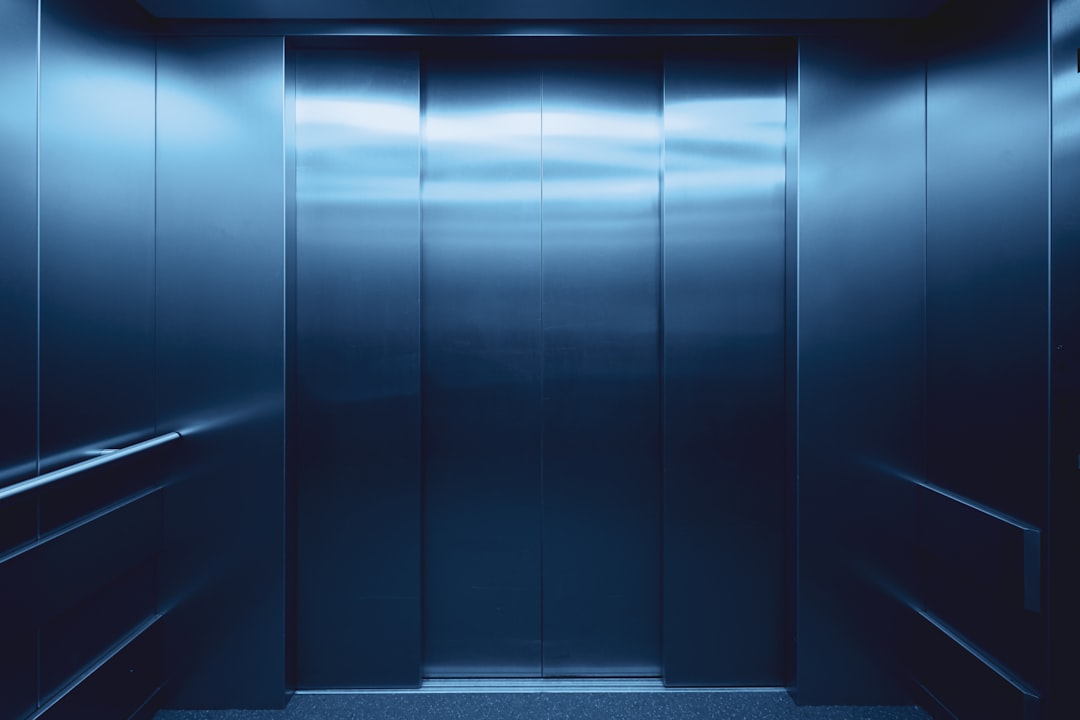
Claustrophobia generates over one hundred thousand monthly searches, making it one of the most recognized phobias. Claustrophobia affects a significant portion of the population. This fear of enclosed spaces affects daily life in countless ways, from avoiding elevators to choosing aisle seats on airplanes.
Search patterns reveal how claustrophobia intersects with modern life’s increasing confinement. People describe panic in MRI machines, small offices, crowded trains, and even face masks during the pandemic. Those prone to claustrophobia often suffer from panic attacks, anxiety, or spatial distortion, sometimes developing after traumatic experiences in enclosed spaces.
Claustrophobia appears as the most searched phobia in ten diverse states including California, New York, and Alabama, suggesting this fear transcends geographical and cultural boundaries. The universal nature of this phobia speaks to fundamental human needs for space and freedom that modern environments often challenge.
Acrophobia: The Vertigo of Heights
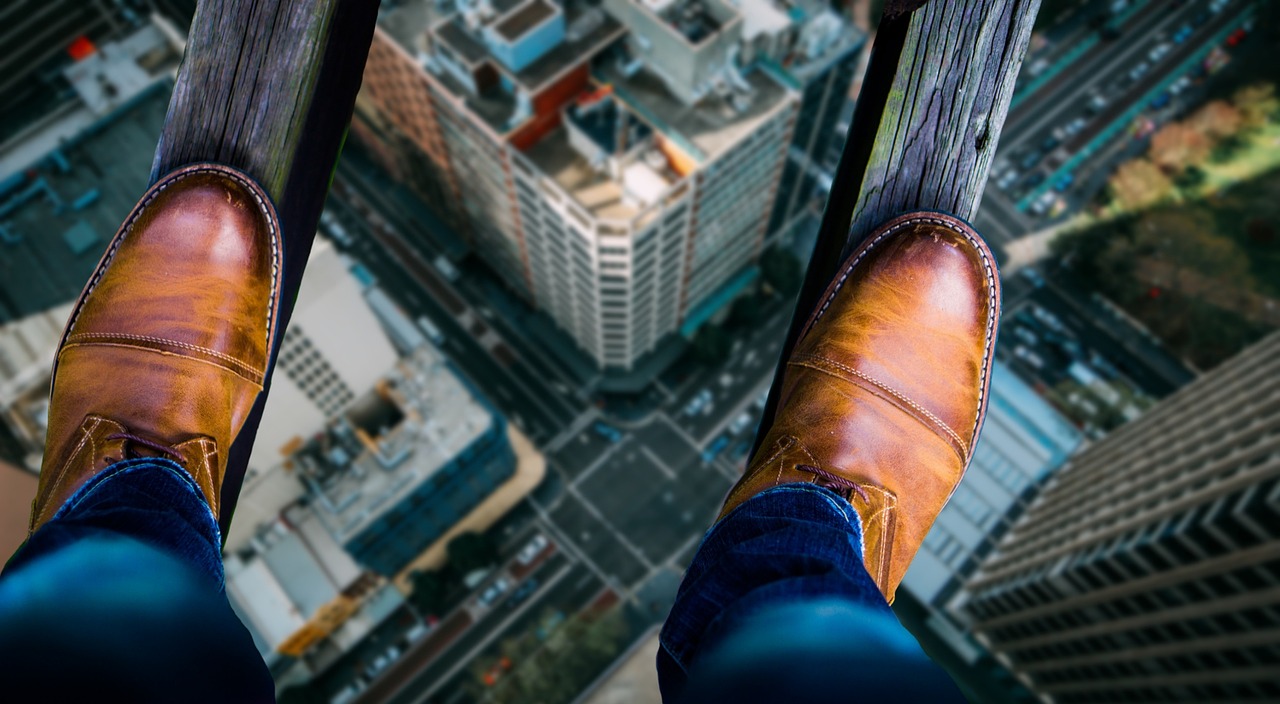
Acrophobia affects more than six percent of people and can trigger anxiety attacks that cause avoidance of high places like bridges, towers, or tall buildings. About five percent of all people have acrophobia. The searches often describe the physical sensations of looking down from heights: dizziness, sweating palms, and the terrifying urge to jump.
Modern architecture has created new triggers for acrophobia. Glass elevators, observation decks, and high-rise living present constant challenges. Search patterns show people seeking strategies for necessary air travel, work situations in tall buildings, and family activities that might involve heights.
The fear often extends beyond personal safety to include watching others in high places. Many searches describe anxiety when seeing children near balconies or witnessing extreme sports. This suggests acrophobia encompasses both personal vulnerability and protective instincts toward others.