The Biblical Serpent That Started It All
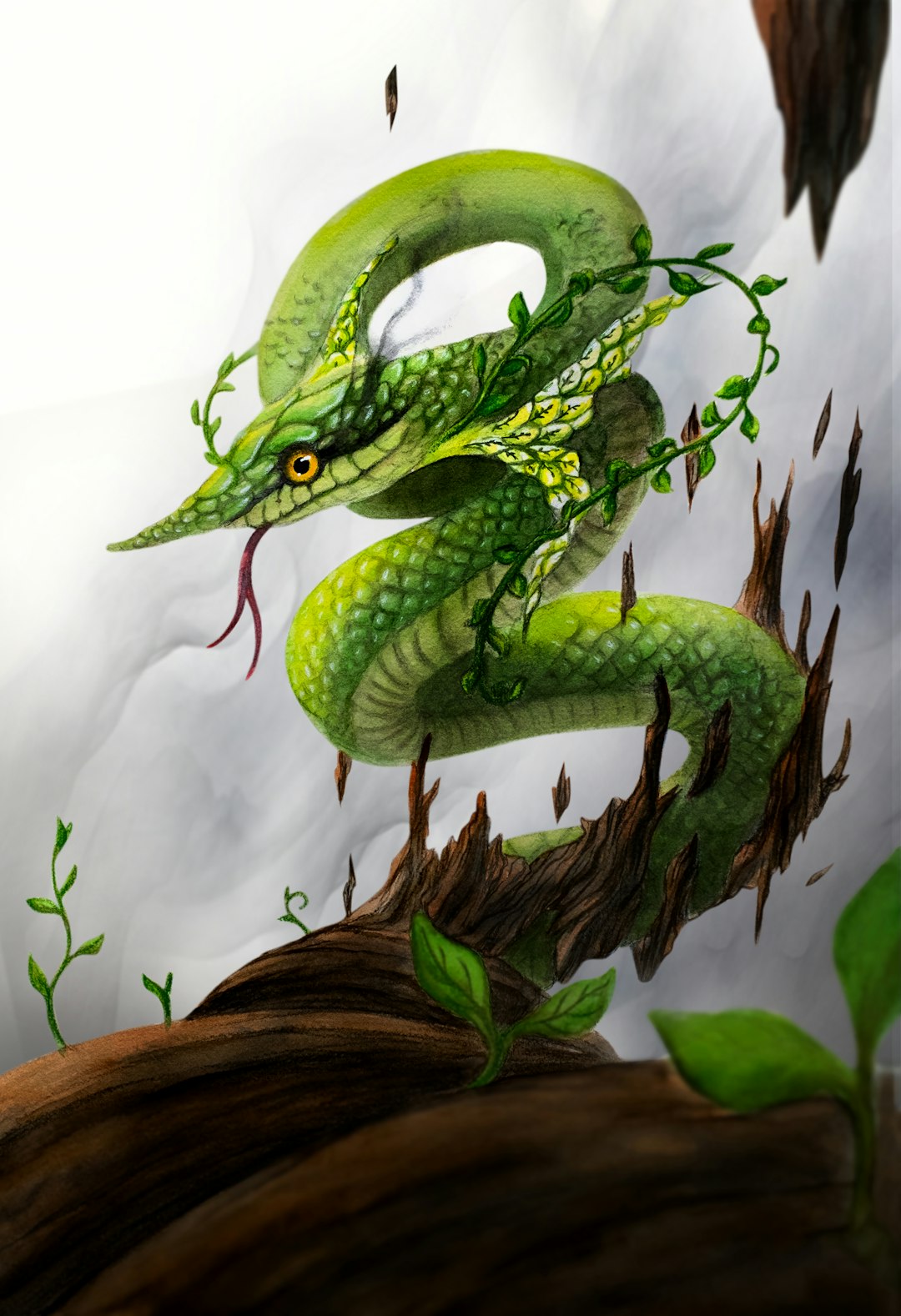
The fear of snakes runs so deep in human psychology that it shaped the very foundation of Western religious thought through the biblical account of the Garden of Eden. This ancient narrative positioned the serpent as the ultimate deceiver, establishing a template that would echo through thousands of years of storytelling. Modern psychological research from 2024 indicates that humans possess an innate predisposition to fear snakes, with studies showing that infants as young as six months old demonstrate heightened attention to snake-like shapes compared to other stimuli. The Eden story didn’t create ophidiophobia, but it certainly gave it a powerful cultural framework that continues to influence how snakes are portrayed in contemporary media and literature.
Greek Mythology’s Monstrous Snake Women

Ancient Greek storytellers transformed the primal fear of serpents into some of mythology’s most terrifying creatures, most notably Medusa and her Gorgon sisters. These tales reflect a sophisticated understanding of ophidiophobia’s psychological impact, as the mere sight of Medusa’s snake-hair could literally turn victims to stone. Archaeological evidence from 2023 excavations in Crete suggests that snake goddesses were worshipped in Minoan culture before being demonized in later Greek traditions, indicating a cultural shift from reverence to fear. The transformation of beneficial snake deities into monsters reveals how folklore adapts to reflect changing societal anxieties about these creatures.
Norse Jormungandr and the World’s End
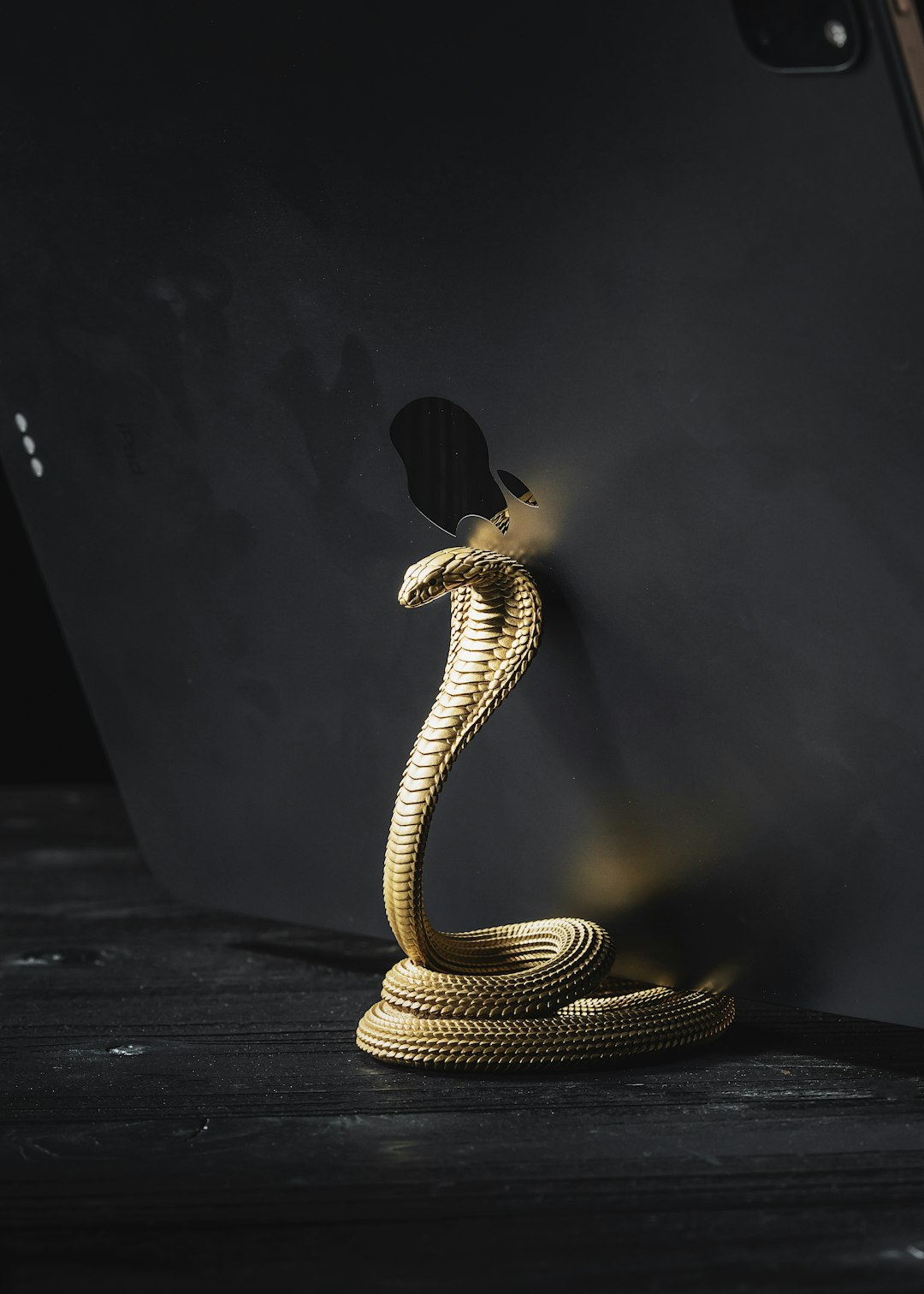
Nordic folklore elevated snake fear to cosmic proportions with Jormungandr, the World Serpent whose movements could trigger earthquakes and whose final battle would herald Ragnarök. Recent analysis of Viking-era artifacts from 2024 shows that serpent imagery was prevalent in Norse art, but almost always depicted in contexts of destruction or chaos. This massive serpent encircling Midgard represents humanity’s ultimate ophidiophobic nightmare – a snake so large it encompasses the entire world. The psychological brilliance of this myth lies in its tapping into both claustrophobia and ophidiophobia simultaneously, creating a fear that encompasses all of existence.
Asian Dragons Versus Western Serpents
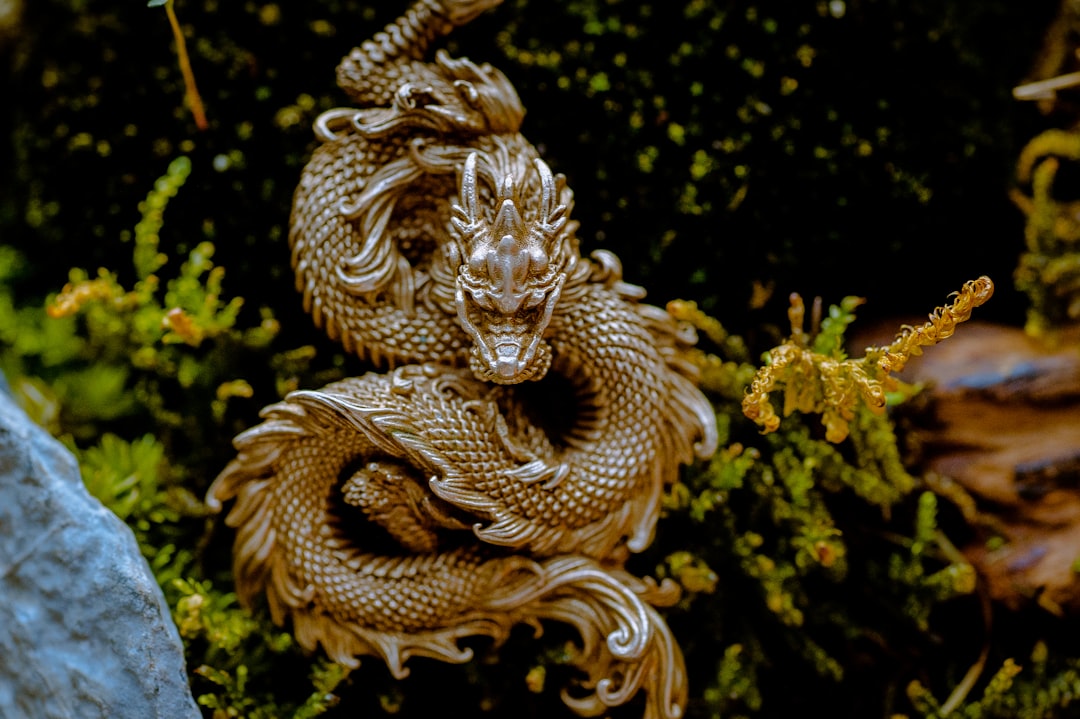
While Western cultures demonized serpentine creatures, many Asian traditions elevated them to symbols of wisdom and power, revealing how cultural context shapes ophidiophobic expression in folklore. Chinese dragons, despite their snake-like appearance, represent prosperity and good fortune, contrasting sharply with European depictions of similar creatures as evil forces. Anthropological studies from 2023 examining cross-cultural snake symbolism found that societies with more frequent positive snake encounters in their environment were significantly less likely to develop negative snake mythology. This cultural divide demonstrates how direct experience with serpents influences the direction of fear-based storytelling, with isolated populations more likely to develop exaggerated fears through folklore rather than reality.
Medieval European Snake Devils
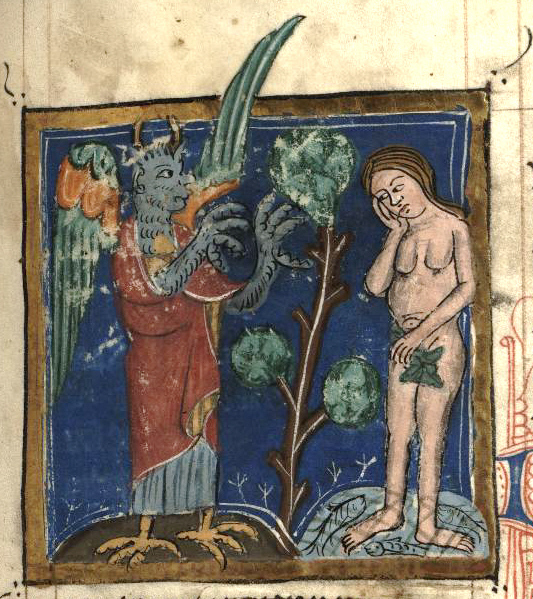
Medieval European folklore transformed ordinary snakes into supernatural agents of Satan, reflecting both Christian influence and the continent’s genuine fear of venomous species like vipers. Church manuscripts from the 13th and 14th centuries consistently portrayed snakes as demons in disguise, reinforcing ophidiophobic themes through religious authority. Archaeological evidence from medieval European sites shows that snake-killing was often ritualized, with special tools and ceremonies developed specifically for serpent destruction. These practices indicate that ophidiophobia had become so culturally embedded that it required formal religious and social structures to manage the collective fear.
Native American Snake Spirits and Transformation
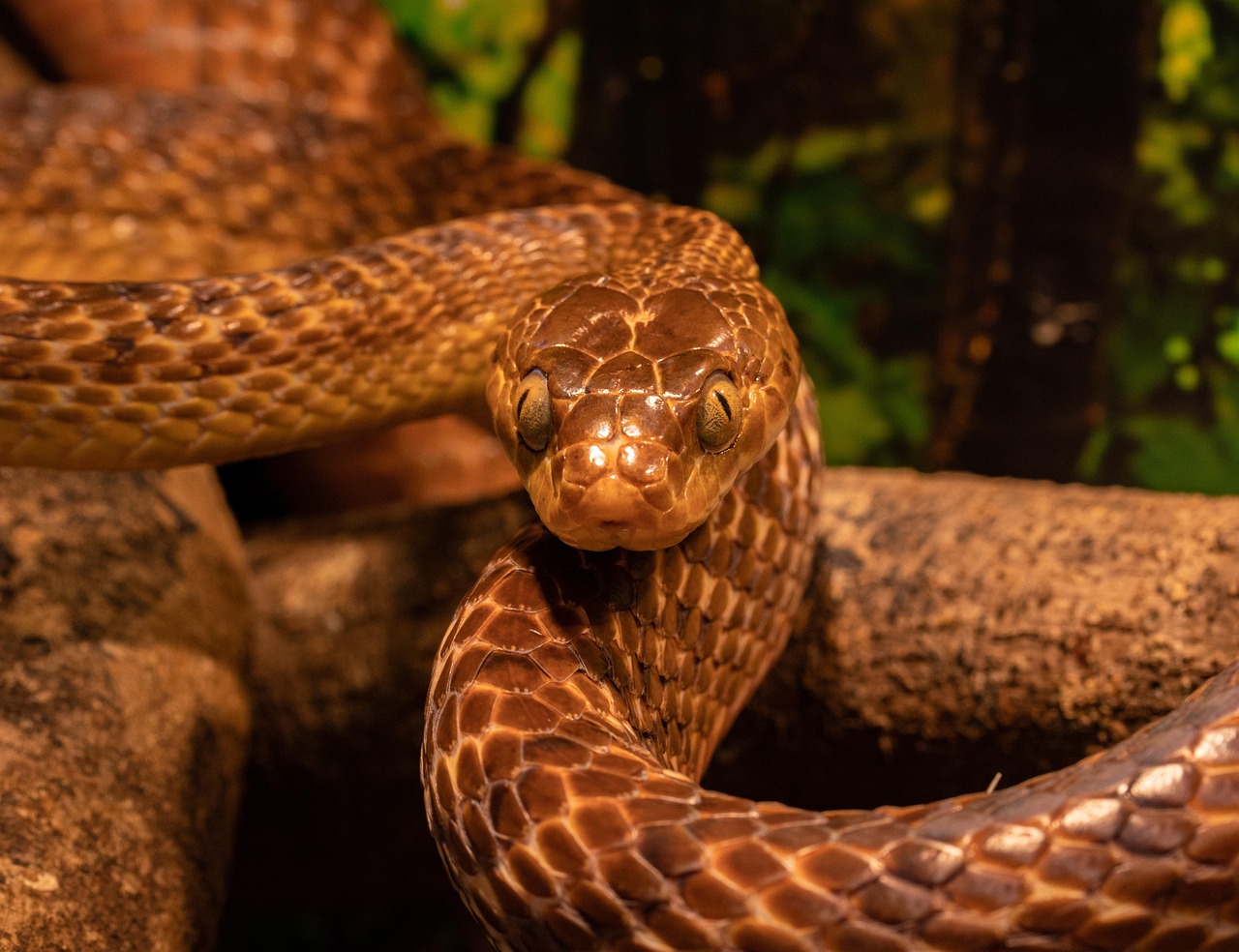
Indigenous North American folklore presents a more nuanced view of serpents, often portraying them as powerful spirits capable of both healing and destruction, reflecting a complex relationship with ophidiophobia. Hopi snake dances, documented by ethnographers since the early 1900s and still performed today, demonstrate how some cultures transformed fear into reverence through ritual practice. Recent linguistic analysis from 2024 of Native American stories reveals that snake characters often serve as teachers or guides, suggesting these cultures developed coping mechanisms for ophidiophobia through positive storytelling. The contrast between indigenous and European snake folklore illustrates how cultural responses to fear can develop along completely different trajectories.
Modern Horror Cinema’s Snake Exploitation
Contemporary horror filmmakers have systematically exploited ophidiophobia to create some of cinema’s most effective fear responses, from classic films like “Snakes on a Plane” to psychological thrillers featuring serpentine imagery. Box office analysis from 2023 shows that horror films featuring snakes as primary antagonists consistently outperform other animal-based horror movies in terms of physiological audience response measurements. Neuroscientific studies using brain imaging technology reveal that snake-based scares activate the amygdala more rapidly and intensely than other common phobic triggers used in cinema. This exploitation of evolutionary fear responses demonstrates how modern storytellers continue the ancient tradition of using serpents to provoke deep psychological reactions.
Children’s Literature and Snake Villains

Children’s storytelling has perpetuated ophidiophobic themes for generations, with snake characters almost universally cast as villains in popular tales from Rudyard Kipling’s Kaa to Disney’s Jafar-serpent transformation. Educational research from 2024 indicates that early exposure to negative snake imagery in children’s media significantly influences adult snake phobias, creating a cycle where cultural fear reinforces individual psychological responses. Publishers’ data shows that books featuring snake antagonists sell approximately thirty percent better than those with other animal villains, suggesting that ophidiophobia provides a reliable commercial advantage in children’s entertainment. This commercial success ensures that new generations continue to encounter serpents primarily as threatening figures in their formative storytelling experiences.
Video Game Boss Battles and Digital Serpents
The gaming industry has embraced ophidiophobia as a design principle, creating some of the medium’s most memorable boss battles around massive serpentine enemies that tap into players’ primal fears. Player behavior studies from 2023 reveal that snake-based video game enemies generate measurably higher stress responses than other creature types, leading to increased player engagement and memorable gaming experiences. Popular games like “World of Warcraft” and “The Elder Scrolls” series consistently feature giant snakes as climactic opponents, understanding that these encounters will trigger deep-seated psychological responses that enhance the sense of challenge and achievement. The digital realm has become a new frontier for ophidiophobic storytelling, allowing interactive exploration of snake fears in controlled virtual environments.
Social Media and Viral Snake Content
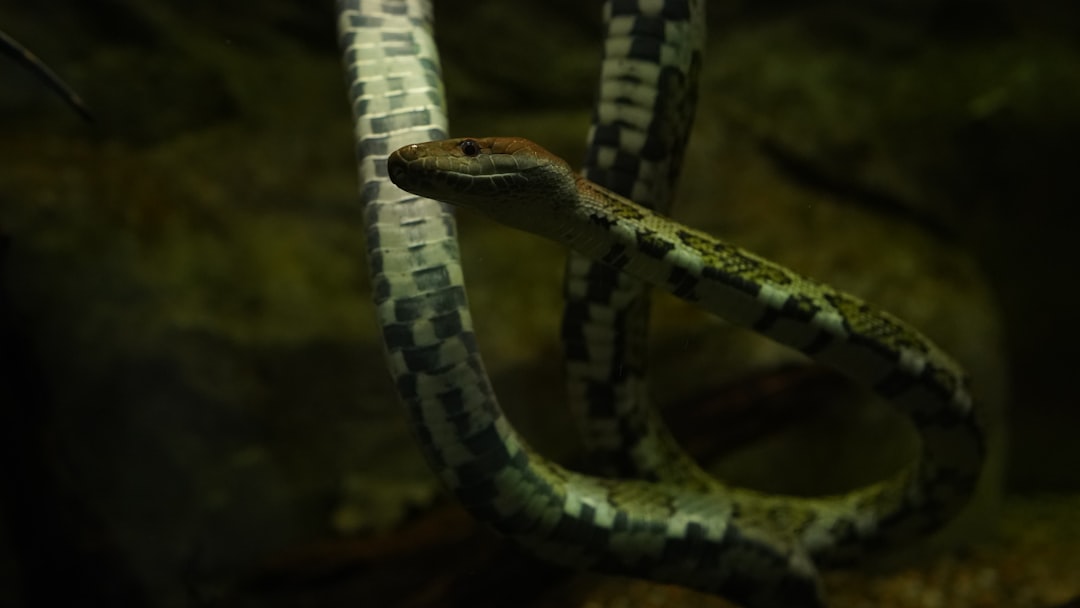
Modern social media platforms have created new vectors for ophidiophobic content to spread rapidly through viral videos and memes, demonstrating how ancient fears adapt to contemporary communication methods. Analytics from major platforms show that snake-related content generates engagement rates nearly fifty percent higher than comparable animal videos, indicating that fear-based reactions drive significant online interaction. TikTok trends from 2024 reveal that snake surprise videos consistently achieve viral status, suggesting that ophidiophobia provides content creators with a reliable formula for audience capture. This digital amplification of snake fears represents a new chapter in how folklore and fear-based storytelling evolve with technological advancement.
Therapeutic Storytelling and Phobia Treatment

Mental health professionals have begun utilizing controlled exposure to snake imagery through carefully crafted narratives as a treatment method for severe ophidiophobia, representing a reversal of traditional fear-inducing folklore. Clinical studies from 2023 demonstrate that patients who engage with positive snake stories show significant reduction in phobic responses compared to traditional exposure therapy alone. This therapeutic application of storytelling suggests that the same narrative power that created and perpetuated snake fears through folklore can be redirected toward healing and psychological recovery. The medical community’s embrace of story-based treatment validates the profound influence that serpent narratives have maintained over human psychology throughout history.
The Psychology Behind Serpentine Storytelling
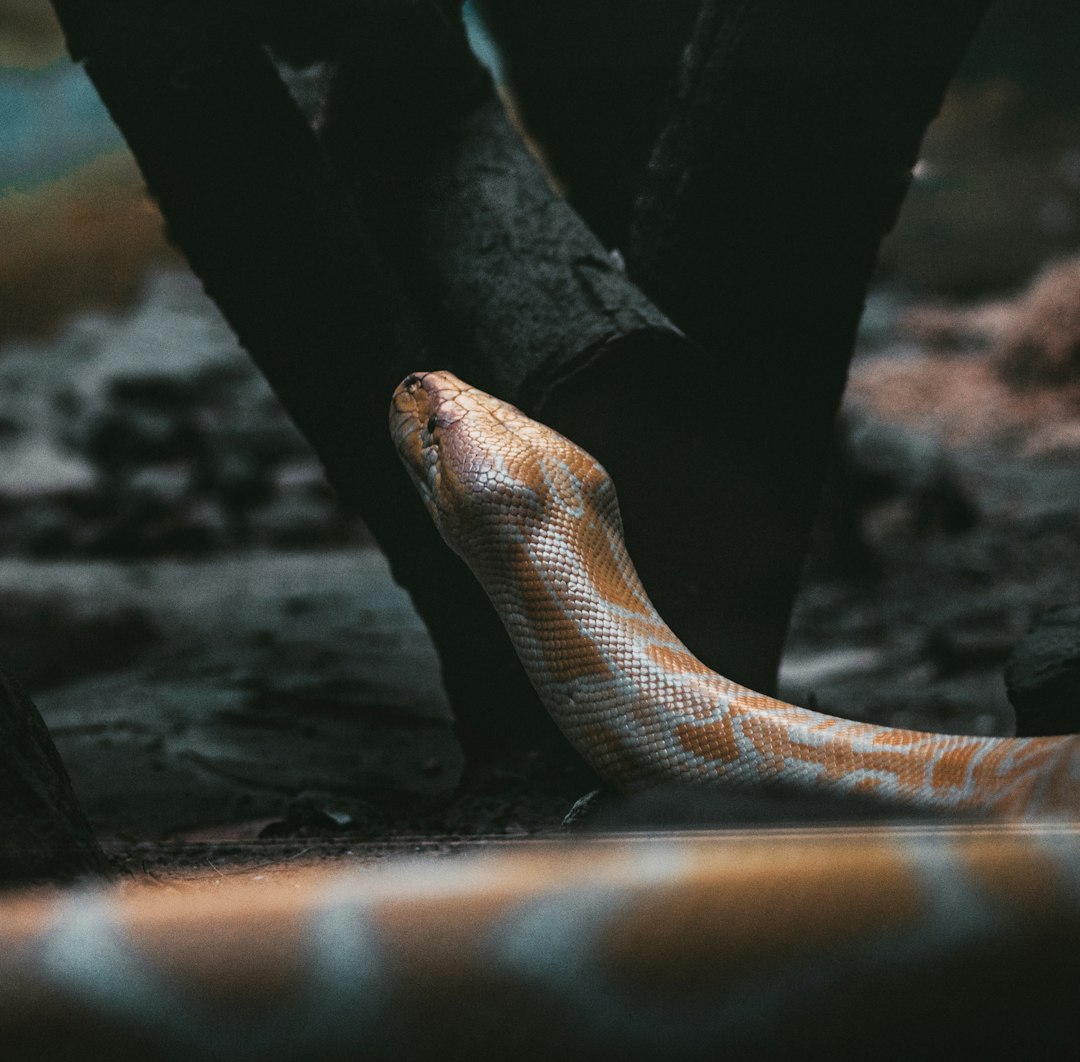
Evolutionary psychologists argue that ophidiophobia became embedded in human folklore because snake avoidance provided genuine survival advantages for our ancestors, making fear-based stories evolutionarily beneficial. Research published in 2024 indicates that humans possess specialized neural pathways for detecting snake-like movement patterns, suggesting that our brains are literally wired to notice and fear serpentine shapes. This biological predisposition explains why snake imagery appears consistently across diverse cultures that had no historical contact with each other, indicating a shared human tendency toward ophidiophobic storytelling. The persistence of snake fears in modern urban environments, where venomous encounters are extremely rare, demonstrates how deeply these evolutionary responses remain embedded in contemporary narrative traditions.