There’s a lot that happens behind the bar that regular customers never notice. The quick glance across the room. The mental note about who just walked in. The silent calculation of whether that third round is a good idea. After more than a decade of standing on the other side of the stick, I can tell you one thing with full confidence: the drink you order says a lot more about you than you might think.
Some orders are just drinks. Others are conversations. A few are full-on alarm bells. Here’s the real story behind the ones that made me pay close attention every single time.
1. The Long Island Iced Tea: The Classic Speed Run
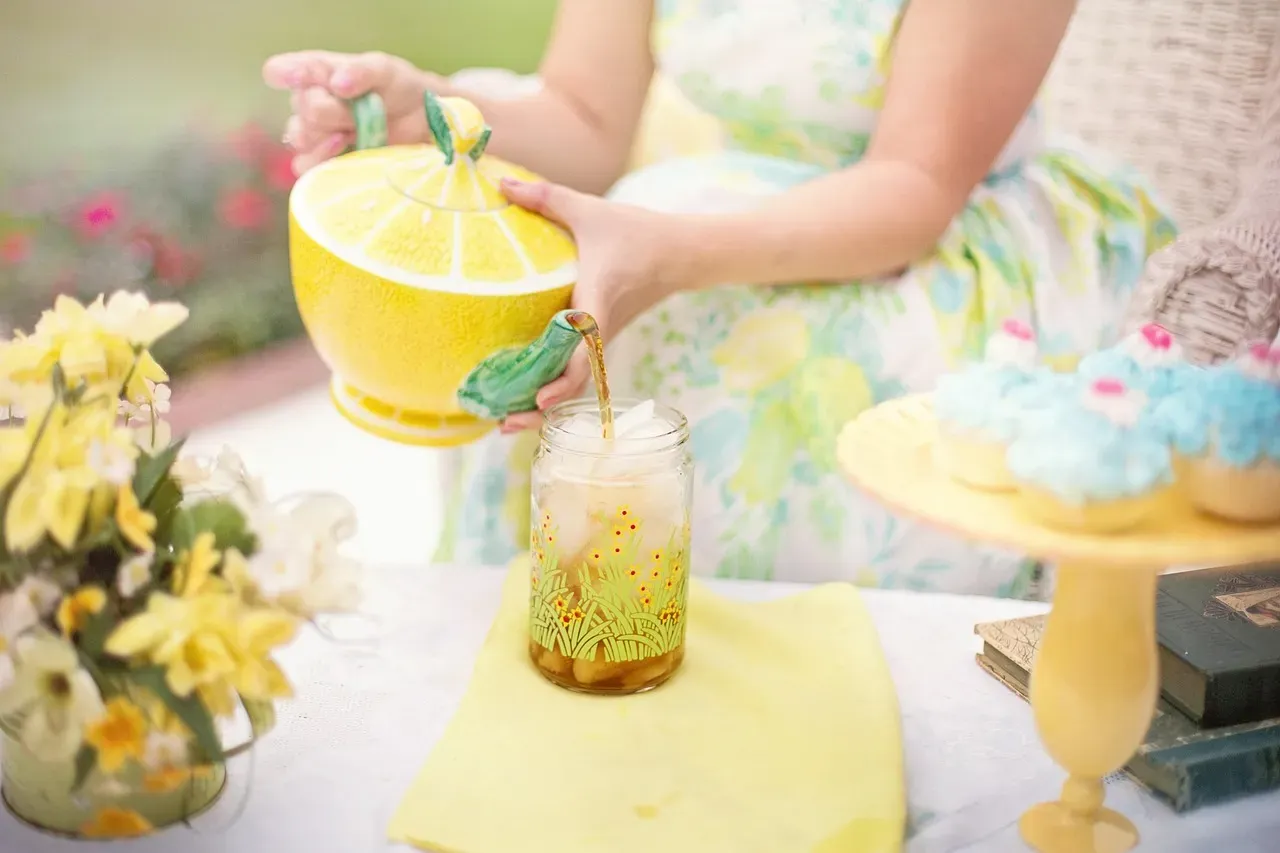
Let’s be honest, nobody orders a Long Island Iced Tea because they love the taste. Despite its pleasing color and mix of alcoholic and non-alcoholic ingredients, bartenders never assume that you’re ordering it for its looks or flavor. This cocktail order is considered an instant red flag and an indicator that you’re probably not interested in having a nice quiet night out. I’ve been behind the bar long enough to know what “get me drunk fast, and keep the price low” looks like in a glass.
The drink has a much higher alcohol concentration of approximately 22 percent than most highball drinks, due to the relatively small amount of mixer. Think about that for a second. Altogether, the Long Island Iced Tea has more than twice the alcohol of what the National Institute on Alcohol Abuse and Alcoholism considers to be one standard alcoholic beverage. When someone orders this early in the evening, I was already mentally preparing for a long night.
Long Island iced teas are for “when you want to do a speed run on a night out.” The same thing can be assumed of anyone who orders an Adios Motherf*cker, Tokyo Iced Tea, or Long Beach Iced Tea because they are all variations on the classic recipe. Call them by different names – the intention is the same.
2. The Angel Shot: The Most Important “Drink” You’ll Ever Learn
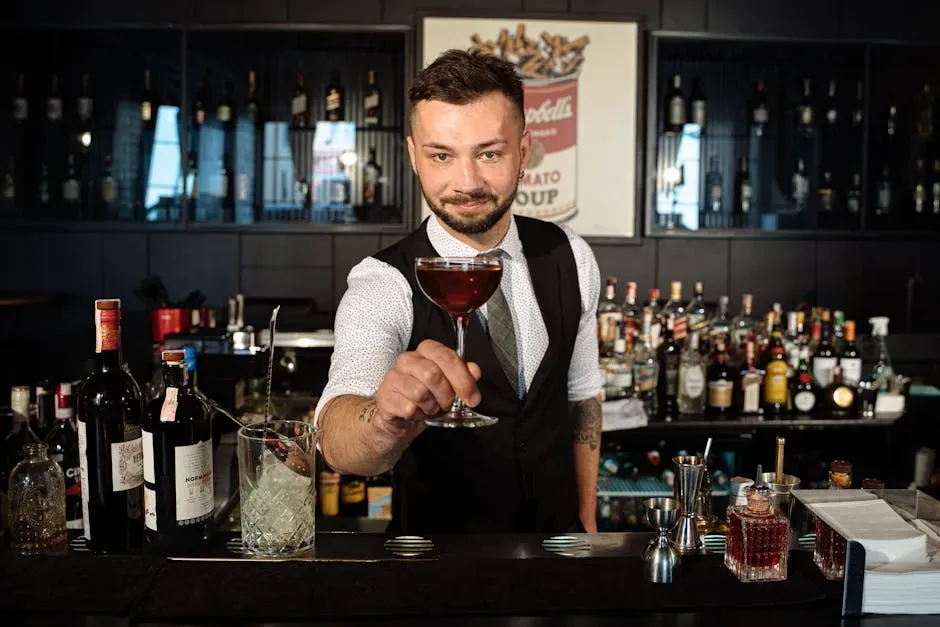
The Angel Shot isn’t actually a shot, or a drink at all. Instead, it’s a code that patrons can use to let staff know that they need help or that they are in a difficult situation. When someone orders this, everything stops. And it should. This is the most serious signal behind any bar, and every bartender in the world needs to know what it means.
Depending on where the person is located and the situation, help can arrive in many forms, for example a taxi to their home, an escort to their vehicle, or even a call to law enforcement. Along with the standard Angel Shot, there are a few code variations that can signal the need for different forms of help. The individual ordering the drink can give specific instructions, such as an “angel shot neat” or an “angel shot with lime.”
Alarming RAINN reports reveal sexual assaults occur every 68 seconds in America. Eight out of ten victims know their assailants. A 2024 randomized study titled Safer Bars found that when bar staff received training to recognize warning signs of “alcohol-related sexual aggression,” they were “more likely to step in during potentially dangerous situations.” This is not a drill. If your local bar doesn’t know this code, that’s a problem worth addressing tonight.
3. “Whatever Is Strongest”: The Order That Tells Everything
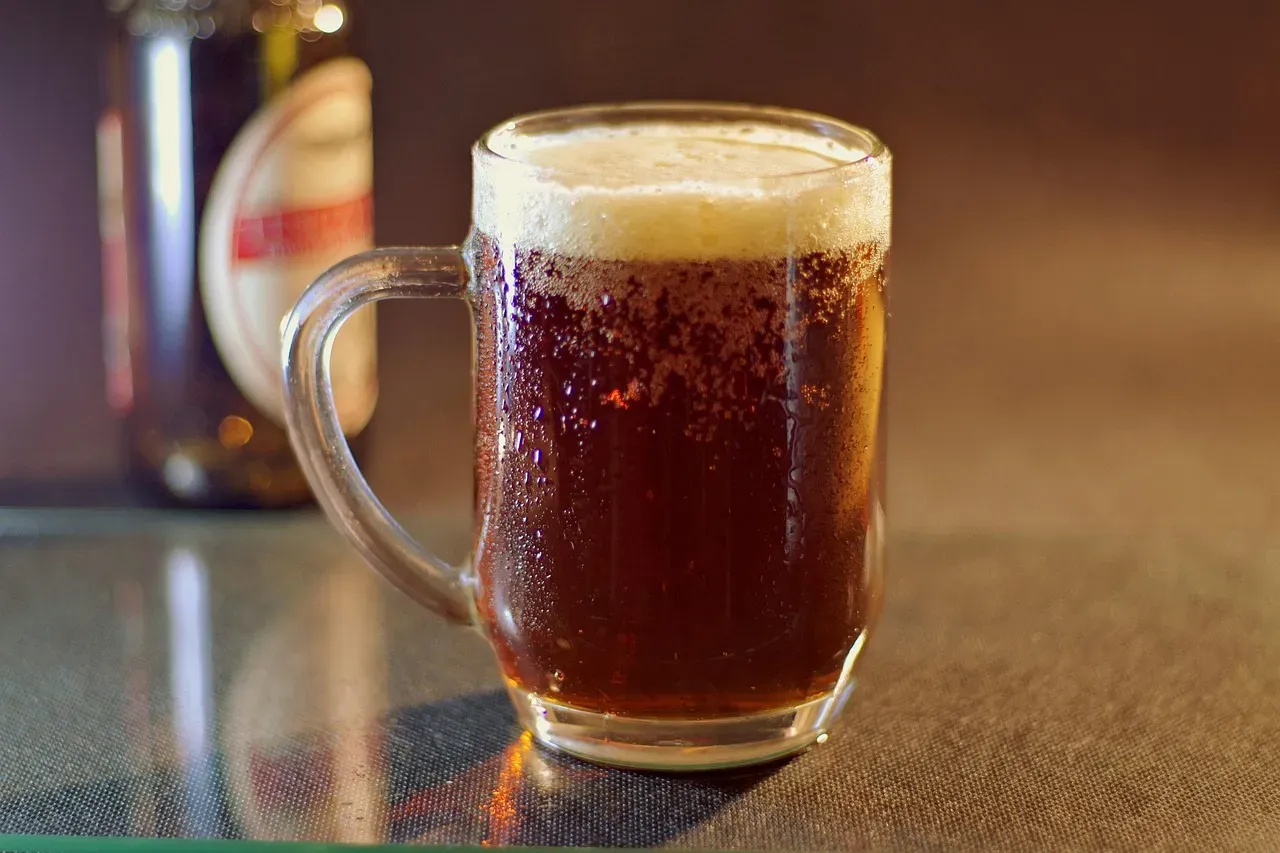
Having a customer order “whatever is strongest” on tap is typically a sign they’re in the bar for all the wrong reasons. This is especially true if it’s a high ABV beer served in a smaller glass and they offer to pay double to get their order in pint format. Honestly, this one was always a gut punch. No curiosity about flavor, no interest in the experience. Just raw firepower.
Things get even more complicated when customers don’t realize that the 13% Triple IPA they’re drinking as quickly as they would a 4% ABV light lager is going to catch up to them much, much faster than they’re expecting. When picking up on these novice cues, the best approach is to politely explain why you’re only acting in the best interest of their health and safety, and often steer them towards a pour of something they’ll actually enjoy the taste of.
Here’s the thing: someone who genuinely loves strong drinks doesn’t phrase it that way. They name the drink. They ask about the ABV. They want a conversation about it. “Give me the strongest thing you’ve got” is not curiosity. It’s a countdown clock.
4. Sex on the Beach and the Sugary Cocktail Crew
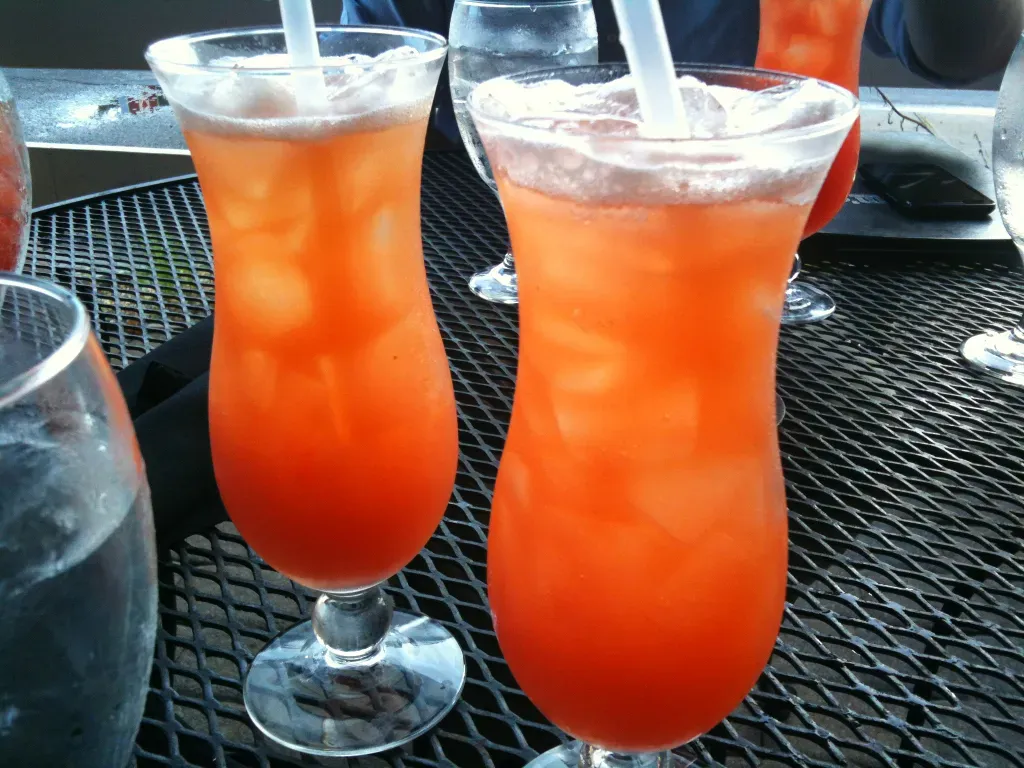
Made with vodka, peach schnapps, orange juice, cranberry juice, and crème de cassis, a Sex on the Beach flags you as an unsophisticated, novice drinker. Because the drink is so sugary and dated, it’s clear to the bartender that a patron ordering this is only there to get drunk. I know that sounds harsh. But after watching the same pattern play out hundreds of times, it holds up.
There’s a tendency for patrons who stick exclusively to cloyingly sweet cocktails such as Green Tea shots, Sex on the Beach, and Dirty Shirleys all night long to be the same people who are still figuring out just how much they can drink in a night out, too. The sugar masks the alcohol almost completely. Bartender Michael Aredes of Superbueno in New York City notes that while he has no problem filling someone’s order for a sugary cocktail, “those are the humans who tend to accidentally over do it, and by the time they cross over, it’s already too late.”
It’s not judgment for judgment’s sake. It’s math. Sweet drinks make it nearly impossible to track your own intoxication, and that turns into a problem for everyone at the bar by closing time. The bartender included.
5. Flaming Cocktails: When Showmanship Becomes a Safety Issue
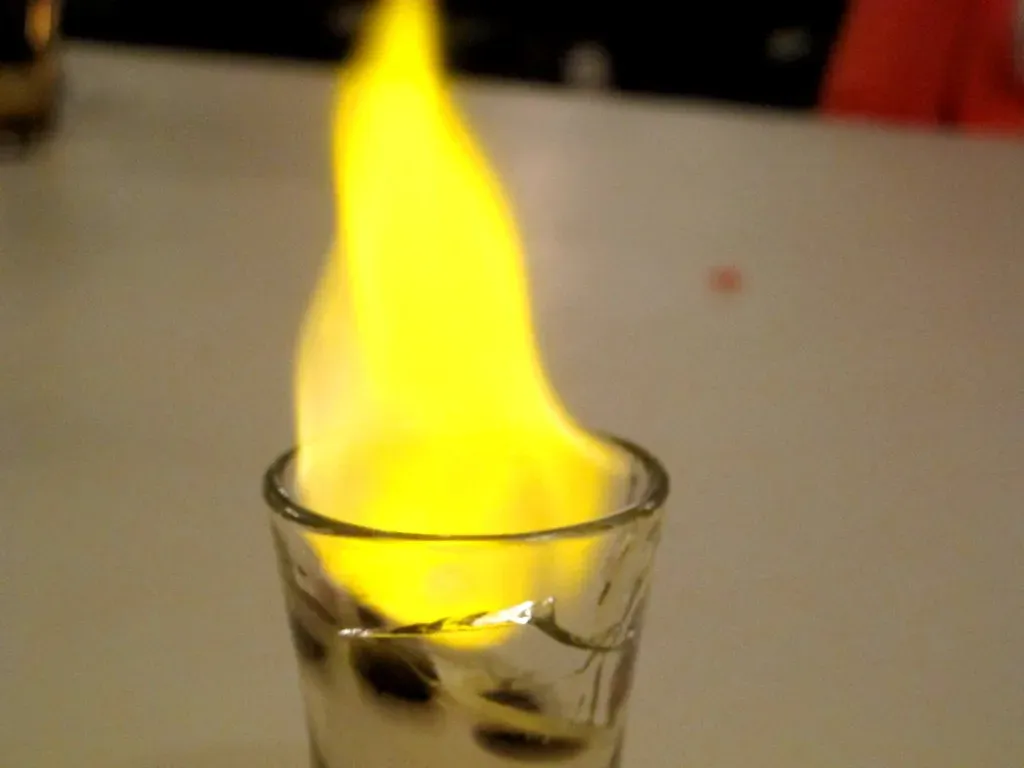
Backdrafts, Drunken S’Mores, Dragon’s Breath – no matter the title, drinks that require a bartender to recall where the fire extinguisher is stored belong in the red flag category. I know it sounds dramatic. But fire and alcohol genuinely do not mix without strict protocols in place. There’s a reason even experienced mixologists treat these with extreme caution.
Not all booze is created equal, and showy presentations can be covering up bottom-shelf products on your dime. So remember, just because a cocktail has smoky dry ice haze around it, or something is on fire, doesn’t always mean that it’s a quality product. What looks spectacular in a TikTok video can be genuinely dangerous in a packed, dimly lit bar with zero clearance around the glass.
I’ve seen it go wrong more than once. Not dramatically, not always with injury. But enough singed napkins, startled neighboring patrons, and rattled nerves to know that a flaming drink order always meant I needed to slow down and pay close attention to my surroundings. Every single time.
6. The Double Vodka Rocks as a First Order
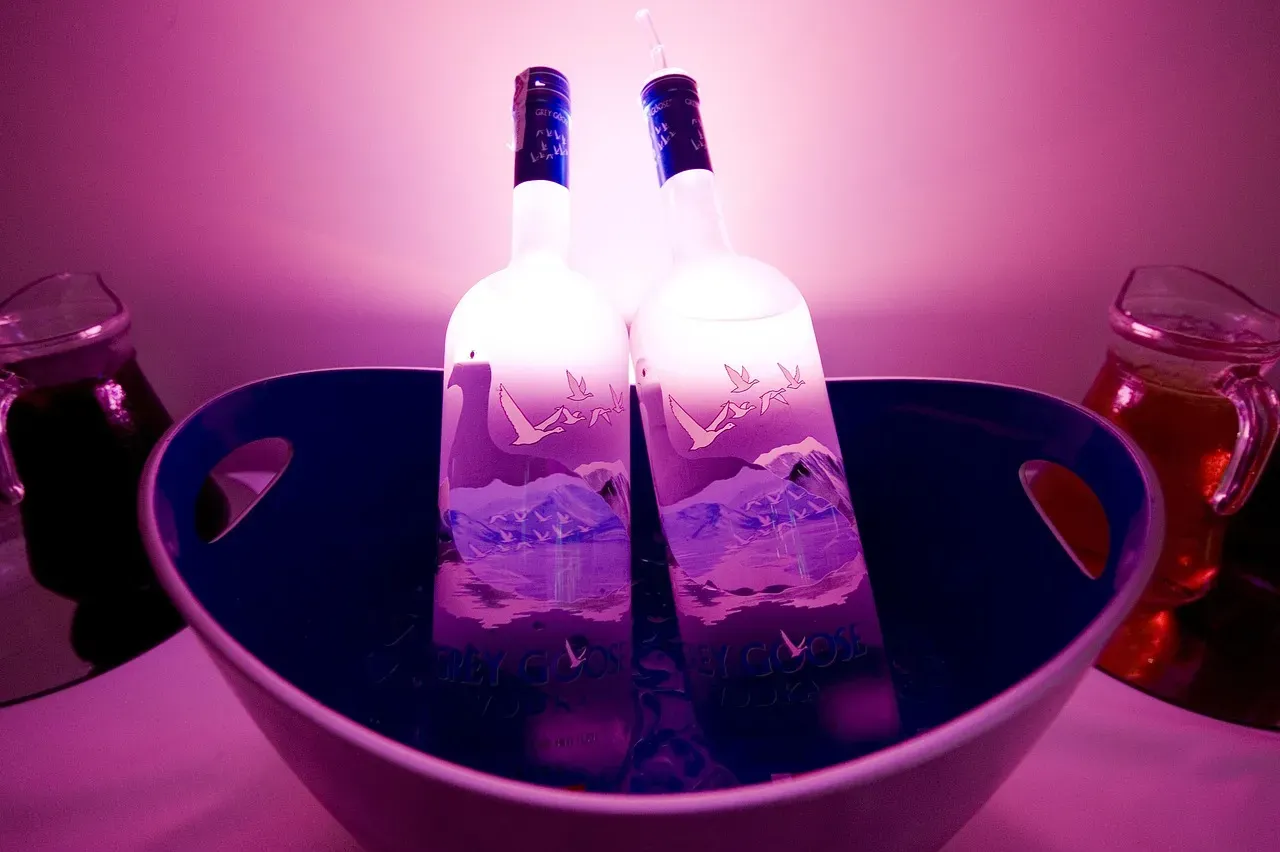
One of the easiest things to clock is someone who’s ordering drinks faster and stronger than your average customer. Sometimes it’s not so much about consuming multiple beverages in rapid succession as it is realizing someone is going full tilt on what’s in their glass. “When a customer hits the ground running with orders like ‘double vodka rocks with a splash of water,’ it’s safe to assume you’re dealing with someone who isn’t interested in holding themselves back even before they’ve ordered another round,” says beverage director Sarah Ku of Golden HOF in New York City.
There’s a difference between someone who knows what they like and someone who is trying to disappear into the bottom of a glass as fast as humanly possible. Requesting that your drink be “strong” is at the top of the list for many bartenders. It’s not only a red flag for someone who is likely not going to tip well, but a sign that unwarranted complaints about their drink are imminent. The combination of a heavy first order and an impatient energy at the bar? That’s the whole warning sign in one moment.
Overserving is when a bartender or server keeps serving a customer who is already drunk. If a bartender keeps serving drinks to a patron who is obviously intoxicated to the point that they may be a danger to themselves or others, the establishment may be held accountable for overserving. The legal stakes for bartenders are very real, and that first double-vodka-rocks-before-saying-hello sets the stage for the entire night.
7. Trendy Social Media Cocktails Ordered Incorrectly
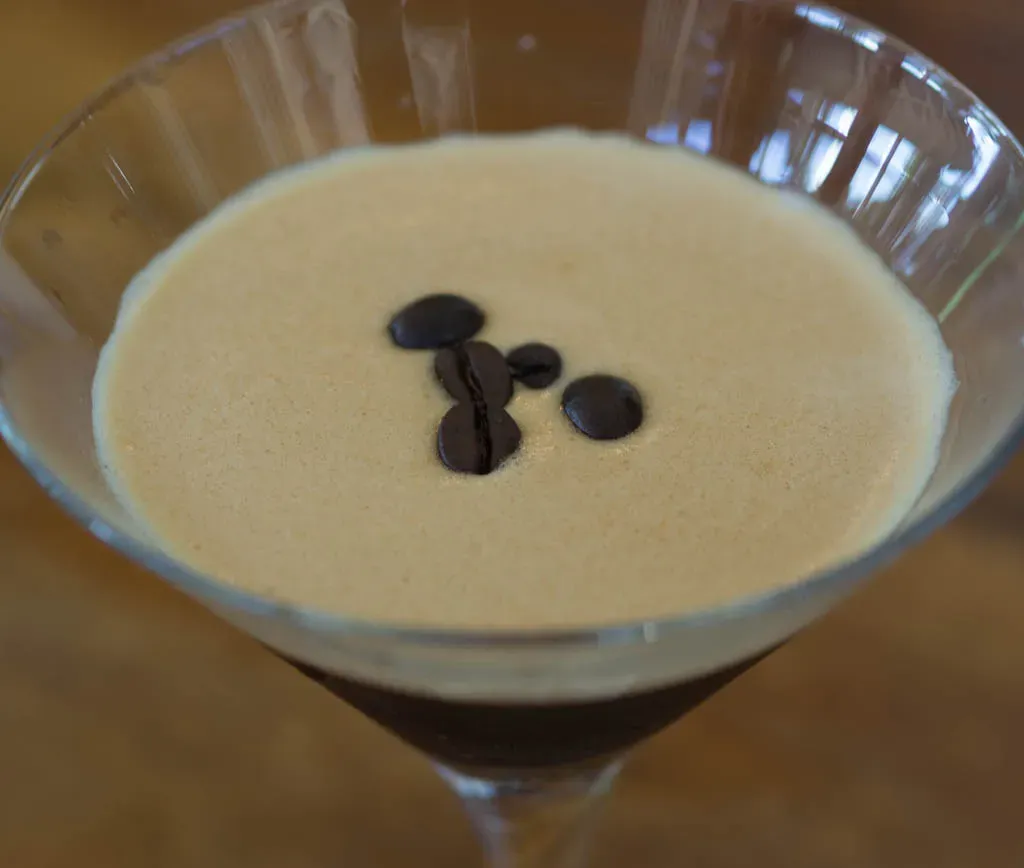
Thanks to social media, it’s never been easier to learn more about wine, beer, and cocktails. This is largely a good thing, as people can become more aware of new spirits, quirky ingredients, and special techniques. Unfortunately, at the same time, it’s also opened up the door to obscure, complicated, or otherwise bizarre drinks the general public might order out of curiosity, while still hating the results.
The espresso martini and Aperol spritz are trending drinks for summer 2024, with the espresso martini increasing its ordering growth by 50%, and the Aperol spritz being the most popular cocktail in the United States as of June 2024, according to Coffeeness via Forbes. You can barely go on social media without seeing these two drinks, and any bartender across the U.S. is probably tired of making them. I think it’s fine to order a trendy drink. Really. But ordering it while clearly not knowing what’s in it, then complaining the taste is “weird” or asking for a completely different flavor profile – that’s the flag. It signals someone who isn’t drinking for pleasure. They’re drinking for a photo.
That disconnect between what someone orders and what they actually want creates friction at the bar and, more importantly, leads to orders piling up faster than they should. Someone chasing a vibe instead of a genuine drink experience tends to keep ordering until they find that feeling. Which is a long night for everyone involved.
8. Someone Ordering for a Partner Who Didn’t Ask
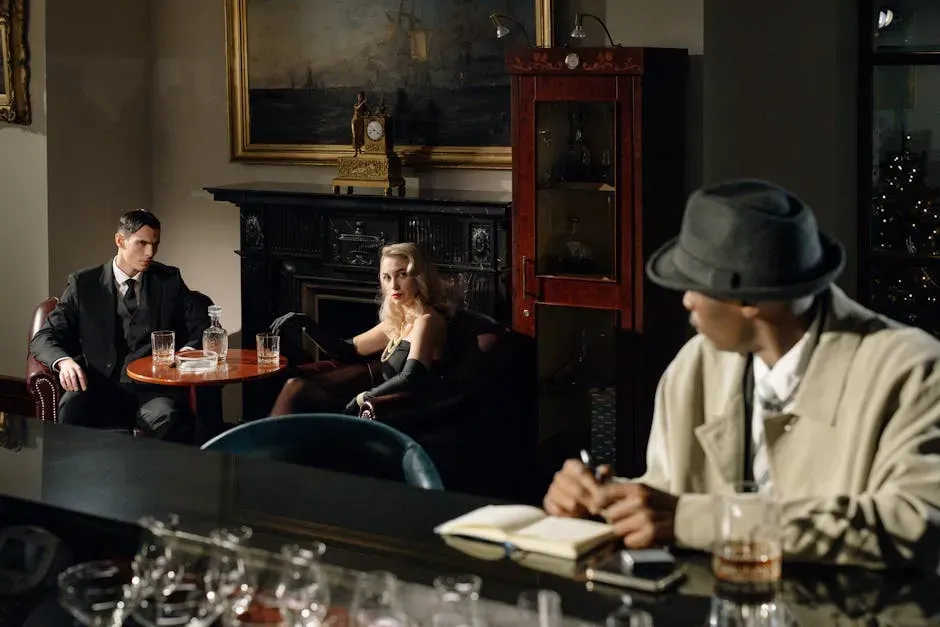
This one isn’t about the drink itself. It’s about the social dynamic wrapped around the order. Bartenders are regularly faced with unsettling situations involving, at best, mismatched couples, and at worst, potentially dangerous situations. This is especially noticeable when one member of the couple takes over ordering for the other. I’ve been in this exact moment more times than I can count, and it never stops raising every hair on my arms.
In situations like these, experienced bar staff will often make it a point to alert others working to keep an eye on the situation, especially if it’s coupled with other odd or threatening behavior. Going so far as to check in with customers when their date has excused themselves to the restroom to ensure they’re feeling comfortable or to see if they need any extra help is standard practice for attentive bartenders.
The drink being ordered in these moments is almost always a strong one. That detail matters. Bartenders are on the frontline of managing customer safety and maintaining a positive atmosphere. We see things sitting at an angle that no one else in the room sees. And when someone orders a strong drink on behalf of a visibly reluctant partner, I always made a point to find a reason to check back in.
9. The “Mocktail with a Shot on the Side” Maneuver
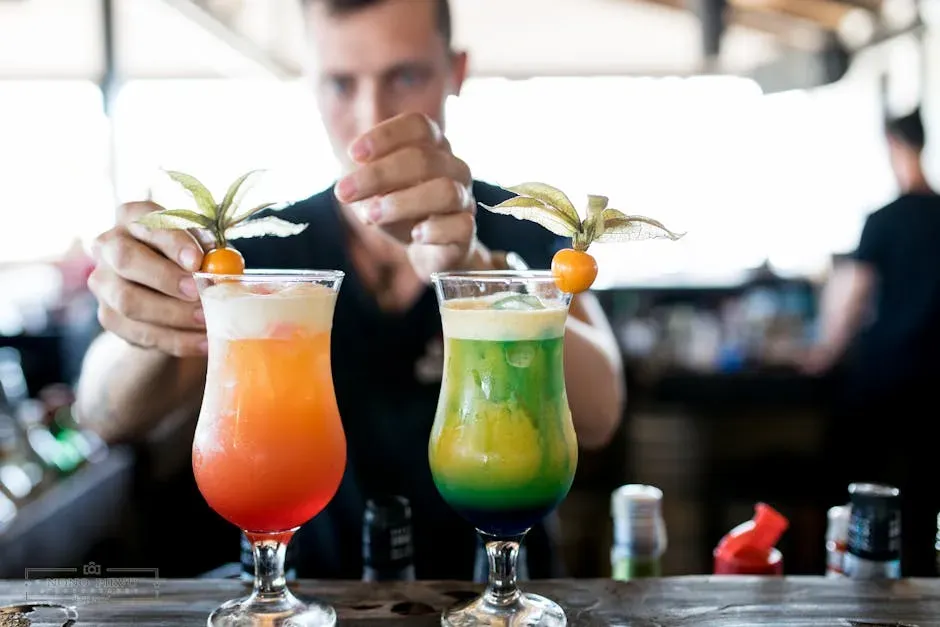
It’s truly a good sign that inventive, well-crafted non-alcoholic cocktails have become more of a mainstay on menus at bars nationwide. Even if you’re not fully abstaining, they can be a great way to pace yourself over the course of the night or still enjoy a drink with your dinner if you’re planning on driving. But you might want to hold off if your plan is to reverse engineer a booze-free beverage to include a little kick.
Similar to sticking to very sweet drinks, “there’s something about a customer ordering a classic kid’s drink with an added shot of booze that triggers some serious red flags,” says William Pineapple, a veteran bartender and beverage director. I get it, the logic seems harmless. Order something light and bright, then spike it quietly. The issue is that it communicates a need to obscure consumption, whether from a companion, from the bartender, or from themselves.
That self-deception around alcohol intake is something bartenders recognize instantly. Slurred speech, watery red eyes, lack of eye focus, argumentative behavior, and a lack of coordination are all signs someone has been over-served. Serving patrons one drink at a time and avoiding serving another before they finish their current drink is considered responsible practice. When someone is engineering their drinking to avoid being tracked, the tracking becomes even more important.