
Florida. The sunshine. The beaches. The golf courses and the promise of tax-free retirement bliss. It sounds like a dream, doesn’t it? For decades, the Sunshine State reigned as the undisputed retirement capital of America, a place where fixed-income seniors believed their savings would stretch further and the winters would never bite again.
But here’s the thing nobody tells you until you’re already there, already exhausted, already staring at your bank account in disbelief. The Florida retirement dream has quietly, systematically turned into a financial and emotional nightmare for a growing number of retirees. The data backs it up. The stories back it up. Let’s dive in.
1. Home Prices Exploded and Never Really Came Back Down
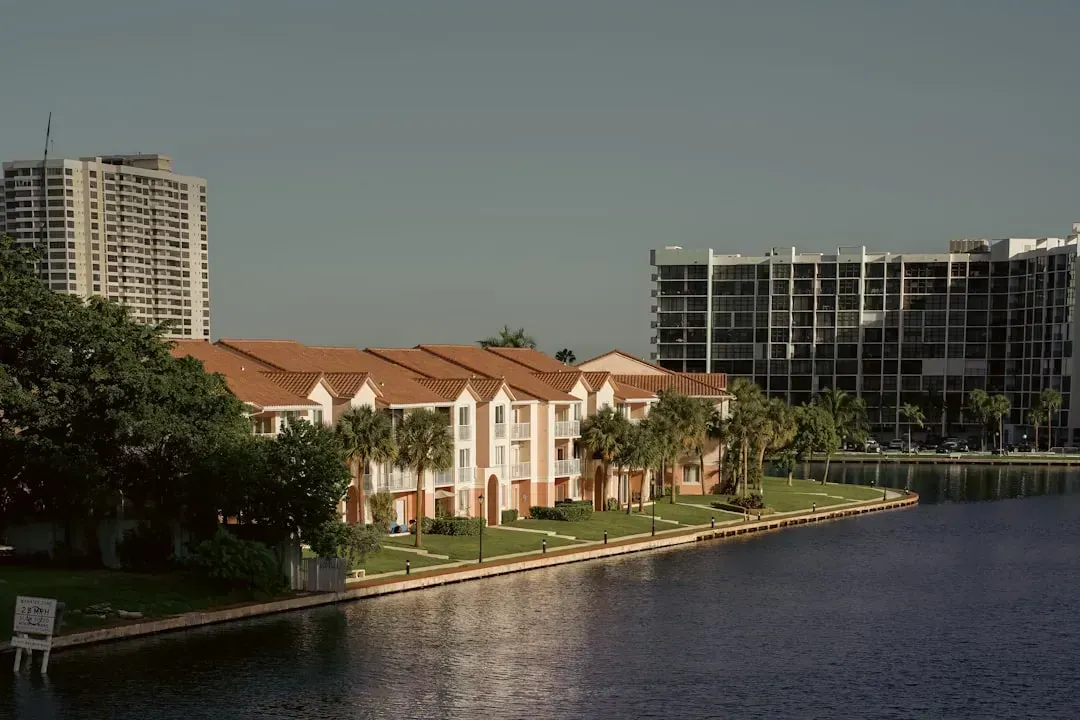
If you moved to Florida expecting an affordable housing market, you walked right into a trap. In just half a decade, the median price of a single-family house in Florida rose $150,000, or roughly 60 percent. That is not a modest increase. That is a tidal wave that swept away the affordability advantage Florida once offered retirees on fixed incomes.
According to Redfin, the average cost of a home in March 2018 was approximately $250,000. By July 2024, the median sale price had climbed to $409,700. Think about that number if you are a retiree living on Social Security and pension income. Your budget was built for a different Florida. That Florida no longer exists.
Once considered the ideal place to live out one’s golden years, Florida has quickly lost favor with retirement-aged folks. Remote workers and the wealthy have flocked to the state and driven up home prices, leaving those on a fixed income feeling the pinch. You did not just retire in Florida. You accidentally moved into a real estate market being reshaped by people with far bigger wallets than yours.
Over the ten years ending in 2024, housing costs increased by 132 percent in Florida, the second-largest spike among all states, after Idaho, according to Construction Coverage. That kind of explosive appreciation sounds great if you’re flipping properties. For someone hoping to simply live peacefully in retirement, it is genuinely alarming.
2. The Homeowners Insurance Crisis Is Utterly Relentless
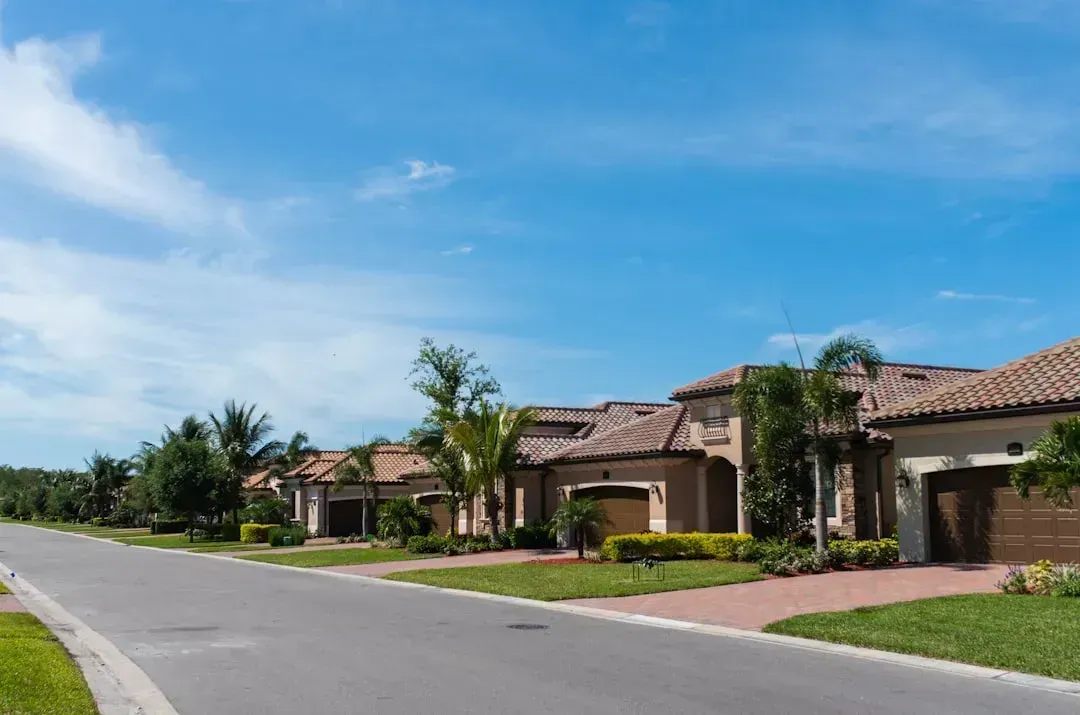
Here is the single most shocking financial reality waiting for retirees in Florida. The homeowners insurance market is, frankly, a disaster. Increasingly frequent extreme weather events and rising reconstruction costs have made Florida the most expensive state for homeowners insurance, according to an April 2025 report from the nonprofit Consumer Federation of America. Premiums there rose more between 2021 and 2024, in absolute dollars, than in any other state, with average annual premiums of $9,462.
A 2024 Redfin survey found that roughly 70 percent of Florida homeowners have experienced rising insurance costs or coverage changes, such as their insurer dropping them entirely. Nearly three out of four homeowners. Not a fringe issue. An epidemic affecting the majority of people who own property there.
More than 20 insurers have stopped writing new homeowners policies in Florida or pulled out of the market entirely. When you lose competition in any market, prices go up and options go down. That is exactly what happened. Rising home insurance rates create serious financial challenges for retirees, low-income residents, and families on fixed budgets throughout Florida, and many homeowners face difficult choices between maintaining adequate coverage and managing monthly expenses.
Insurify’s home insurance price projections estimated that Florida’s premiums would rise another 9 percent in 2025, reaching an average of $15,460 annually. That is $1,320 more than in 2024. For a retiree who carefully calculated their monthly expenses before relocating, these numbers can unravel an entire retirement plan in just a few years.
3. Property Taxes Have Been Surging Too

Florida has long marketed itself as a low-tax paradise, and honestly, the income tax situation is genuinely favorable. Florida does not tax retirement income, including Social Security, pensions, and withdrawals from retirement accounts, making it tax-friendly for retirees. That part is real. However, the property tax situation tells a very different story in recent years.
Property taxes have skyrocketed nearly 60 percent within the last five years in Florida. Sixty percent in five years. That is the kind of number that transforms a comfortable monthly budget into something that keeps you up at night. An October 2024 Redfin report found that Florida is home to three of the five major U.S. metros where property tax bills have increased the most since 2019. The typical homebuyer in Tampa now pays $250 more per month for property taxes, nearly 57 percent more than they would have paid in 2019.
Meanwhile, the median monthly property tax payment in Jacksonville is $228, and $367 in Miami. These amounts pile on top of already sky-high insurance premiums, creating a brutal combined housing cost that catches many retirees completely off guard. The state falls short for retirees with its high home prices, high property taxes, high sales tax, and high homeowners insurance.
4. Hurricane Season Is Not Just Inconvenient. It Is Financially Devastating.

You knew about hurricanes. Everyone knows about hurricanes. But knowing about them and actually living through the anxiety, the evacuation orders, the property damage, and the insurance chaos? That is a different experience entirely. When Hurricane Ian slammed into Florida in 2022, it left behind $113 billion in insured losses. The 2024 hurricane season then brought Milton and Helene, with Milton alone causing $3.62 billion in damages. These catastrophic weather events put enormous strain on insurance companies’ reserves.
The 2024 hurricane season alone resulted in over $15 billion in insured losses across Florida, forcing many carriers to reassess their risk tolerance. Carriers reassessing their risk tolerance means regular retirees losing coverage, paying more, or desperately turning to the state’s insurer of last resort. None of those options are comfortable. Over three quarters of the counties in Florida have been affected by recent hurricanes, 51 of the 67 counties in the state.
Property values can also plummet when a hurricane or flood slams neighborhoods on or near the water, affecting retirees’ finances or devastating a home they had intended to leave to their children. For many retirees, their home is their primary asset. Watching it sit in a hurricane’s path, year after year, is not the retirement peace of mind they envisioned.
5. The Cost of Living Is Higher Than People Expect
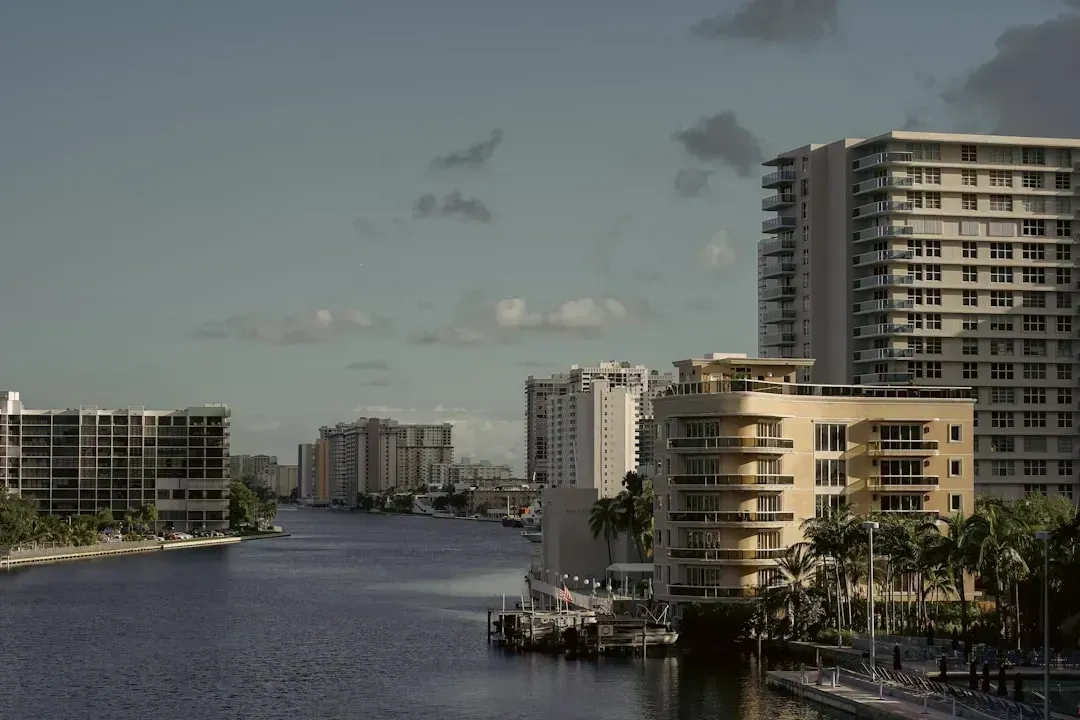
Let’s be real. Florida’s reputation as a bargain retirement destination has been selling itself on outdated information. Data from the U.S. Census Bureau shows a steady decline in the number of Americans aged 65 and above moving to Florida since 2020. Rich Doty, a research demographer at the University of Florida’s Bureau of Economic and Business Research, confirms a clear trend where the retiree age group that had been such a prominent driver of population growth is declining.
Many of the things that have made Florida attractive are still in place. People want to get out of the cold, they like to golf, they like the beaches. But Florida is no longer the bargain it once was. That honest acknowledgment says everything. The appeal is still there. The affordability is not. The cost of living in Florida is slightly higher than the national average, with research from World Population Review putting Florida 22nd highest across U.S. states. According to the Bureau of Economic Analysis, the average cost of living per person in Florida is around $4,224 per month.
Utilities, food, and homeowners association fees are also on the rise, and retirees are also dealing with overdevelopment, traffic congestion, and overloaded health care services. That is quite a list of hidden costs lurking behind the tourist brochure version of the Florida retirement dream.
6. HOA Fees in Retirement Communities Can Be Enormous

When retirees picture Florida living, they often picture those beautiful gated communities with the manicured lawns, the clubhouses, and the resort-style pools. What the brochure glosses over is what those amenities actually cost every single month. In addition to mortgage payments, many retirees face homeowners’ association fees, particularly in Florida’s numerous gated communities and retirement developments. HOA fees vary widely, but in 2025 they average between $400 to $600 per month in luxury or resort-style communities.
Recent changes to Florida HOA laws have added new considerations for homeowners. As of 2024, HOAs are required to maintain more transparent financial reporting and uphold stricter rules around how reserve funds are managed, especially for condominiums and communities with shared structural elements. This can affect monthly fees and special assessments, making it even more important for retirees to review HOA budgets and bylaws before buying.
Think of HOA fees like a subscription you cannot cancel after you have bought the property. That $500 monthly fee on top of your insurance, property taxes, and mortgage turns what seemed like an affordable retirement into an expensive tightrope walk. Many planned communities offer resort-style amenities such as pools, tennis courts, fitness centers, and clubhouses, but often require steep HOA dues or optional membership fees. Even without those extras, the appeal of Florida living can come with temptations to overspend in areas like dining, boating, shopping, and leisure travel.
7. The Heat and Humidity Are No Joke for Older Adults

Retiring to a warmer climate is the dream. Living through a Florida summer at age 70 is a different matter entirely. The heat is not a mild inconvenience. For many older adults with health conditions, it becomes a genuine daily challenge. Weather concerns influence retirees’ decisions significantly. Orlando, for example, experiences extreme heat and humidity, which can be uncomfortable for older adults, and hurricane risks pose additional safety threats.
Many retirees moving from the Midwest or Northeast have simply never experienced subtropical heat combined with near-constant humidity. It is one thing to visit in February and fall in love with the warmth. It is another to be housebound indoors with the air conditioning running constantly for four to five months every year. That air conditioning bill is not small either. Florida’s energy costs add another layer of financial pressure to fixed incomes.
If you are not accustomed to managing hurricanes, tropical storms, or other potential weather disruptions, it is important to consider how these factors might affect your well-being in retirement. Extreme weather also increases the need for comprehensive property protection, often requiring additional insurance coverage that can add to overall living expenses. The weather in Florida does not just affect your mood. It restructures your entire financial picture.
8. Traffic Congestion Has Become a Daily Stressor

Florida’s population has exploded. The infrastructure has not kept pace. What was once a manageable drive to a doctor’s appointment or the grocery store has become an anxiety-inducing ordeal in many parts of the state. Traffic congestion creates serious challenges for mobility. Orlando is known for its congested roads, which increase travel times and make travel stressful. The Texas A&M Transportation Institute ranked Orlando among the top ten U.S. cities for congestion in its annual report.
Traffic congestion in areas like Kissimmee occurs due to rapid population growth and an increase in vehicle ownership. The Florida Department of Transportation has reported significant delays and bottlenecks on major routes in the area. Residents often express frustration with commuting times that can exceed 30 minutes for relatively short distances. For retirees who are driving to medical appointments or visiting family, this is not a minor annoyance. It is a daily, grinding source of stress.
Public transportation in most of Florida remains severely underdeveloped. The lack of comprehensive bus routes and frequent service makes it difficult for many residents to access jobs, schools, and healthcare. For retirees who can no longer drive due to health, this becomes a serious quality-of-life issue. The car-dependent nature of Florida’s infrastructure is a reality that few people factor into their retirement planning.
9. Retirees Are Leaving Florida in Record Numbers

The most telling sign that something has gone wrong is not just the rising costs. It is the behavior of the people who are actually living there. Almost as many people ages 65 and older left Florida in 2025 as moved there, according to a new study from moving-services platform HireAHelper. While about 45,700 Americans in that age group moved to Florida last year, the most for any state, nearly 44,900 left. That was also the most for any state.
Rising costs, particularly for property and insurance, are a major reason. People on a fixed income look at these costs going up and say, let’s move. That is a blunt summary of what is happening on the ground. The bottom line is that Florida isn’t as affordable as it once was for retirees. Retirees wanting to move to Florida for sunny winters, beaches, and affordable health care may have to sacrifice in other areas.
Florida is no longer the retirement haven it once was, according to a recent Bankrate survey that placed it eighth on a list of the best states to retire in the country. Bankrate’s analysis, which considered affordability, overall well-being, the cost and quality of health care, and crime rates for each U.S. state, found that Florida ranked eighth for the second year in a row. Eighth place. For a state that spent decades billing itself as the unquestioned retirement capital of America, that ranking is genuinely startling.
10. The Financial Stress Can Destroy Your Peace of Mind

Here is the part nobody talks about enough. The cumulative weight of all these financial pressures does not just affect your bank account. It fundamentally changes the quality of your retirement. You moved to Florida to relax, to enjoy life, to feel free. Instead, you are watching insurance bills arrive, dreading hurricane season, monitoring property tax assessments, and calculating whether the numbers still add up.
Inflation and stock market dips have also negatively impacted retirees’ financial situations. In response, seniors are seeking more affordable places to call home. The stress of financial uncertainty in retirement is a particular kind of misery because there is no longer a paycheck on the way to cushion the blow. The state’s overall allure will likely continue attracting seniors, but we may see a shift in the types of retirees moving there. Those with larger budgets may still be drawn to the state, but those on fixed incomes might explore alternative locations.
An exodus is already underway, with people moving to states that are more affordable but still have similar weather. South Carolina, North Carolina, and Texas are all drawing retirees who originally set their sights on Florida. It is a humbling pivot. You sold your old home, packed your life, moved across the country, and then had to do it all again. The emotional and financial toll of that kind of reversal is something nobody imagined when they were dreaming about retirement on the beach.
Florida still has real advantages. The no-state-income-tax benefit is genuine. The beaches are real. The sunshine is not a myth. But the gap between the Florida of the imagination and the Florida of the monthly budget has become too wide for many retirees to bridge. If you are still planning your retirement move, run the real numbers. All of them. Not just the ones that look good on paper. What do you think – did any of these reasons surprise you? Share your thoughts in the comments below.