
Florida. Just saying the word conjures up images of swaying palm trees, turquoise water, and lazy afternoons with a book on a white-sand beach. It’s the retirement dream sold to millions of Americans for decades. So you pack up, sell the house up north, and head south with a smile on your face and a whole lot of hope.
With its year-long sunshine, pristine beaches, and the promise of a carefree lifestyle, Florida has always been the ultimate retirement haven. Still, many retirees find that the dream doesn’t quite match reality – from rising costs to unpredictable weather, many challenges can turn their retirement plan into a source of regret. Honest? I think most people just don’t see it coming. Let’s dive in.
1. The Insurance Nightmare Nobody Warned You About
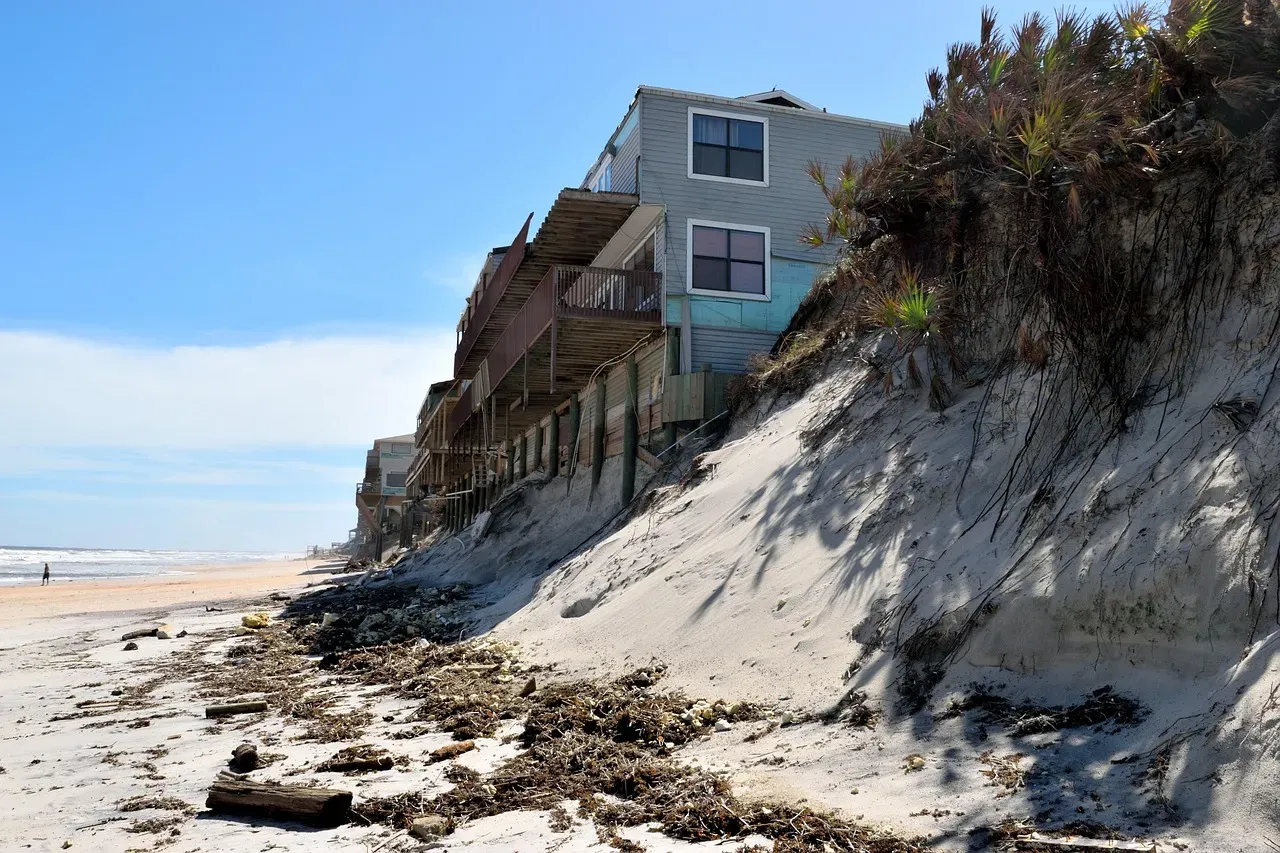
Here’s the thing – insurance costs in Florida aren’t just high, they’re in a category of their own. Home insurance premiums, whether for owners or renters, have skyrocketed in recent years. Florida’s rates are more than double the national average, with the average monthly premium clocking in at $451. That’s before you even think about extra repair costs before deductibles kick in.
Retirees who move to Florida are often shocked to discover that deductibles for hurricane insurance often range from 2% to 5%, and sometimes as much as 10%, of the policy coverage, rather than the fixed dollar amount they were accustomed to up north. Think about what that means on a $400,000 home. That’s a potential $40,000 out-of-pocket hit before the insurer pays a cent.
One retiree’s first major shock came when his homeowner’s insurance, initially budgeted at a manageable amount, skyrocketed to $8,000 a year. The entire state was facing rising insurance rates, but he hadn’t anticipated an increase of this magnitude. Next came a $5,000 special assessment from his HOA to bolster hurricane protection. That’s a brutal combination for anyone on a fixed income.
Rising oceans, increasingly catastrophic hurricane seasons, and extreme weather events have combined to cause major insurers like AAA and Farmers to restrict or totally drop coverage across the state. The trend has made it difficult for homeowners to secure quality insurance and forced them to shop with high-risk focused companies, and the skyrocketing premiums are hitting their wallets hard.
2. Housing Costs Have Exploded Beyond Belief
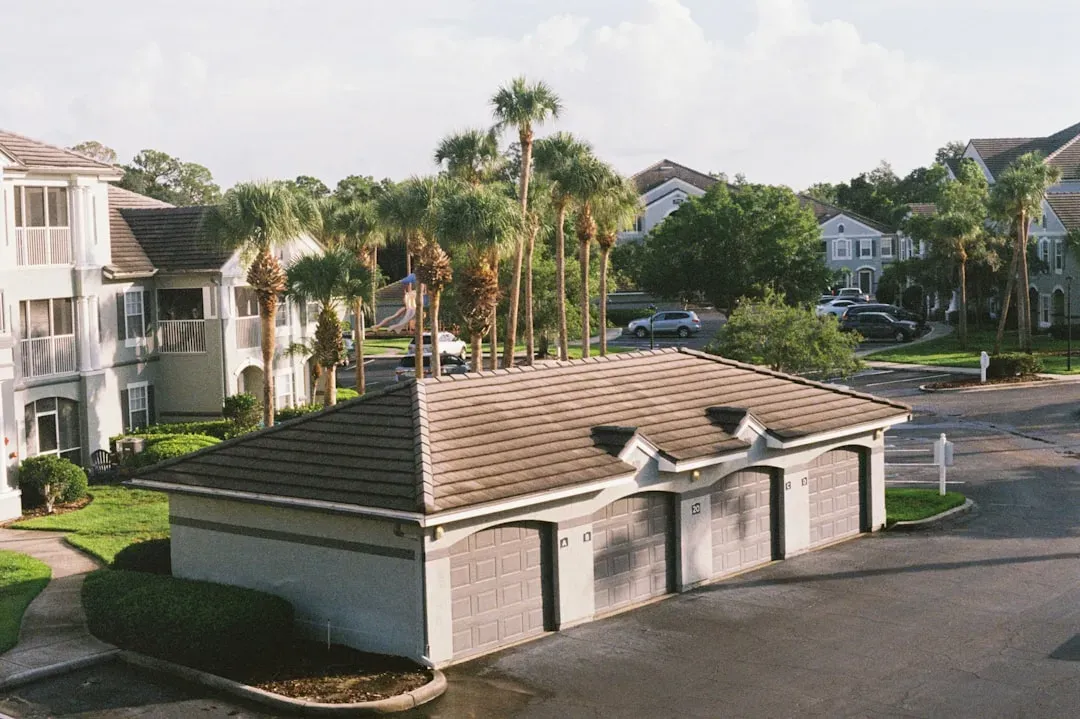
In just half a decade, the median price of a single-family house in Florida rose $150,000, or 60%. According to Redfin, the average cost of a home in March 2018 was approximately $250,000. In July 2024, the median sale price was $409,700. That is an almost incomprehensible jump in such a short window of time.
Since 2020, the population has grown by a staggering 8.2%, per the U.S. Census Bureau. This rapid population surge has placed immense pressure on Florida’s real estate market, leading to a significant housing shortage. As a result, housing prices have risen dramatically. Supply simply cannot keep pace with demand right now.
Once considered the ideal place to live out one’s golden years, Florida is quickly losing favor with retirement-aged folks. Remote workers and the wealthy are flocking to the state and driving up home prices, leaving those on a fixed income feeling the pinch. It’s like you arrived to the party just as the prices doubled.
Another issue Florida residents have grappled with in recent years is exorbitant Homeowners’ Association fees. Miami-Dade County’s median monthly condo association fee of $900 from April through June last year was up over 59% from the same period in 2019, according to data from Redfin cited by The Miami Herald. Similarly, in Broward, fees jumped more than 56% to $613.
3. The Heat and Humidity Are Genuinely Brutal

I know it sounds crazy, but a lot of retirees are genuinely unprepared for what summer in Florida actually feels like. Florida summers have been trending hotter overall in recent years, with longer stretches of extreme heat and humidity. Climate patterns and warming trends are pushing those thermometers higher, and there’s no sign of much relief. It’s not a “hot summer.” It’s relentless, stifling heat for months on end.
In the summer of 2023 alone, there were 84 heat-related deaths in Florida, according to an Associated Press analysis of Centers for Disease Control and Prevention data. That’s not a statistic anyone should brush aside, especially if you’re older or have a chronic health condition.
Extreme temperatures can cause far more than sweaty clothes for people in South Florida, especially people 65 and older with chronic conditions. Amid a barrage of heat advisories, doctors urge the public to pay attention. For many seniors, the reality is that outdoor life – the whole point of moving there – becomes impossible from June through September.
While living the beach lifestyle may sound exciting, paradoxically, some seniors quickly start to miss the lull of fall and winter, not to mention cooler temperatures every year. Even moving to another Southern state like North Carolina can reintroduce four seasons to retirees who feel trapped in a tropical, high-humidity nightmare and the hum of their air conditioner all year round.
4. Hurricane Season Is a Psychological Drain
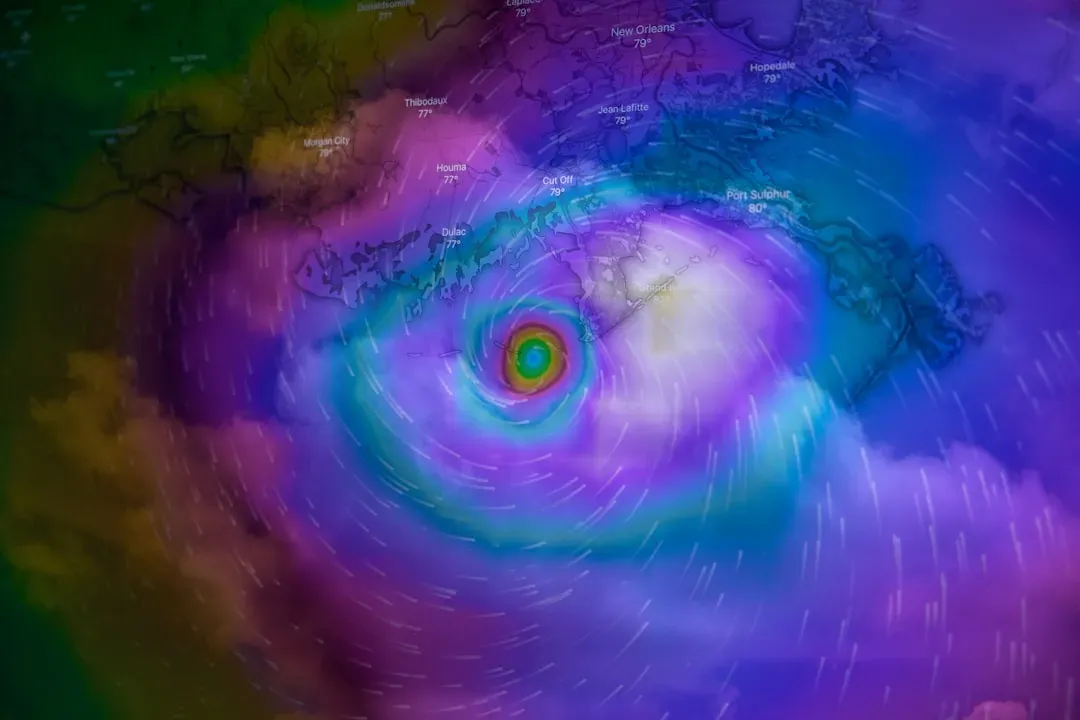
Thunderstorms in Florida are frequent and intense. The threat of the Atlantic hurricane season looms from June to November and peaks between mid-August and October. Three major storms strike each year on average and have terrorized literally every inch of coastline since 1850. That’s a long, unsettled stretch of the year to live through every single year of your retirement.
In September 2024, Hurricane Helene hammered Florida and the Southeast, killing more than 230 people, making it the deadliest hurricane to strike the U.S. since Hurricane Maria ravaged Puerto Rico in 2017. Some estimates put the economic impact of Hurricane Helene, including property and infrastructure damage, as high as $200 billion. Numbers like those are hard to wrap your head around.
Between 2020 and 2024 alone, the state experienced 34 separate billion-dollar disasters. That averages out to nearly seven catastrophic weather events per year. If you didn’t move to Florida expecting that, it’s a rude awakening.
There’s the psychological stress brought on by hurricanes. Most Floridians have to have a go-bag ready for last-minute evacuations and be prepared to leave behind what they can’t fit in their car. Just the stress of anticipating hurricane season can be enough to send people packing.
5. The Healthcare System Is a Serious Concern
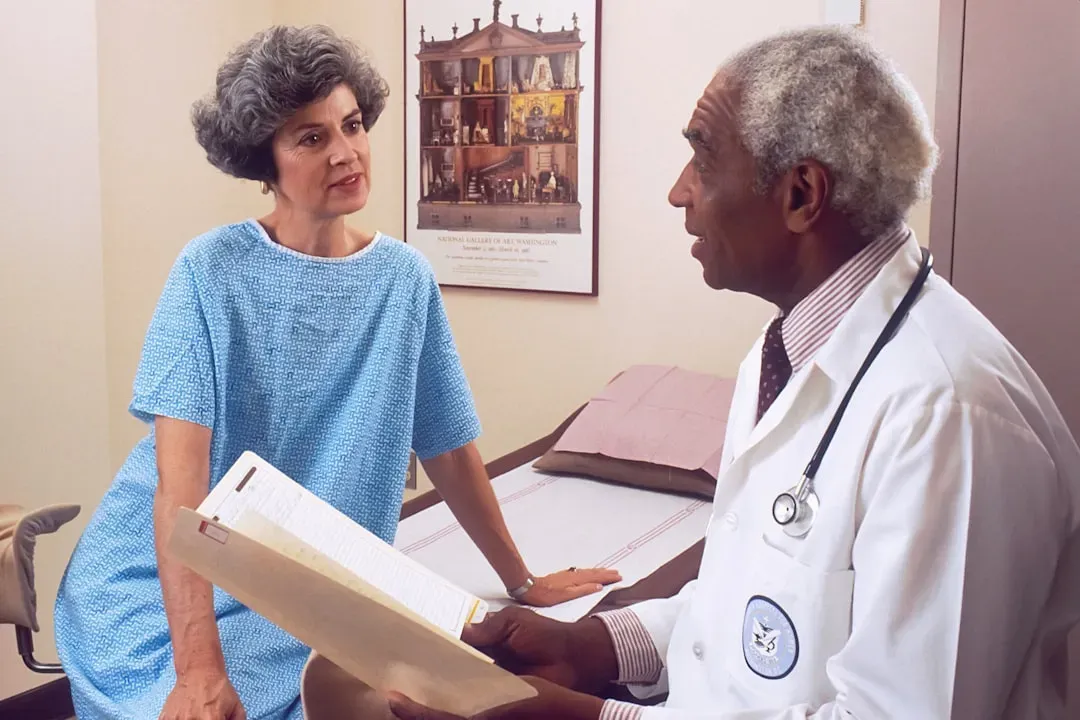
Honestly, this one surprised me the most when I first looked into it. With over one in four Floridians aged 65 or older, you might expect the healthcare system to be among the best in the country. Unfortunately, the Sunshine State doesn’t shine bright in this category. Florida’s healthcare system consistently ranks low compared to other states in several crucial areas, including successful outcomes, accessibility, and affordability.
A 2025 WalletHub study ranked Florida at No. 42 in the entire country – among the bottom ten worst healthcare systems. For a state packed with elderly residents, that’s a deeply troubling figure. You’d expect a state that markets itself as a retirement haven to at least invest in senior healthcare.
Long-term care in Florida, which Medicare tends not to cover, can reach anywhere from $63,000 to over $130,000 per year, depending on how much attention is required, according to 2024 data from Genworth. That can wipe out a lifetime of savings faster than most people expect.
According to Bankrate’s 2025 Best and Worst States to Retire Study, Florida didn’t land very high on its list. Coming in at number 41, Florida ranks strongly on taxes and abundance of other retirees. However, it ranks poorly for health care, home insurance costs and natural disasters, which create significant cost disadvantages for retirees.
6. The Tax Promise Is Not the Whole Story

Florida’s “no income tax” pitch is powerful. It’s one of the biggest reasons people make the move. A big selling point to many Florida transplants is there’s no state income tax – including no income tax on Social Security benefits, pensions and other retirement income – if you can establish residency in Florida. Sounds perfect, right? Well, hold on.
Don’t confuse “no state income tax” with “no taxes at all.” State and local taxes in Florida can take a bite out of your retirement savings. For instance, the combined state and local sales tax averages 7.00% in Florida, according to the Tax Foundation. That’s higher than the combined rates retirees from snowbird states such as Michigan, Pennsylvania, Massachusetts and New Jersey are accustomed to paying.
In Florida, the bottom 20% of resident income accounted for roughly 13% of the state’s tax revenue. By comparison, the top 5% of Florida residents accounted for around 7.7% of tax revenue. In plain terms, if you’re a middle-income retiree living on a modest fixed income, Florida’s tax structure does not necessarily favor you.
The state falls short in other ways for retirees, with its high home prices, high property taxes, high sales tax and high homeowners insurance. All of that has risen dramatically in Florida in the last few years. The combined pressure of those hidden costs catches many retirees completely off guard.
7. Traffic and Car Dependency Are Exhausting
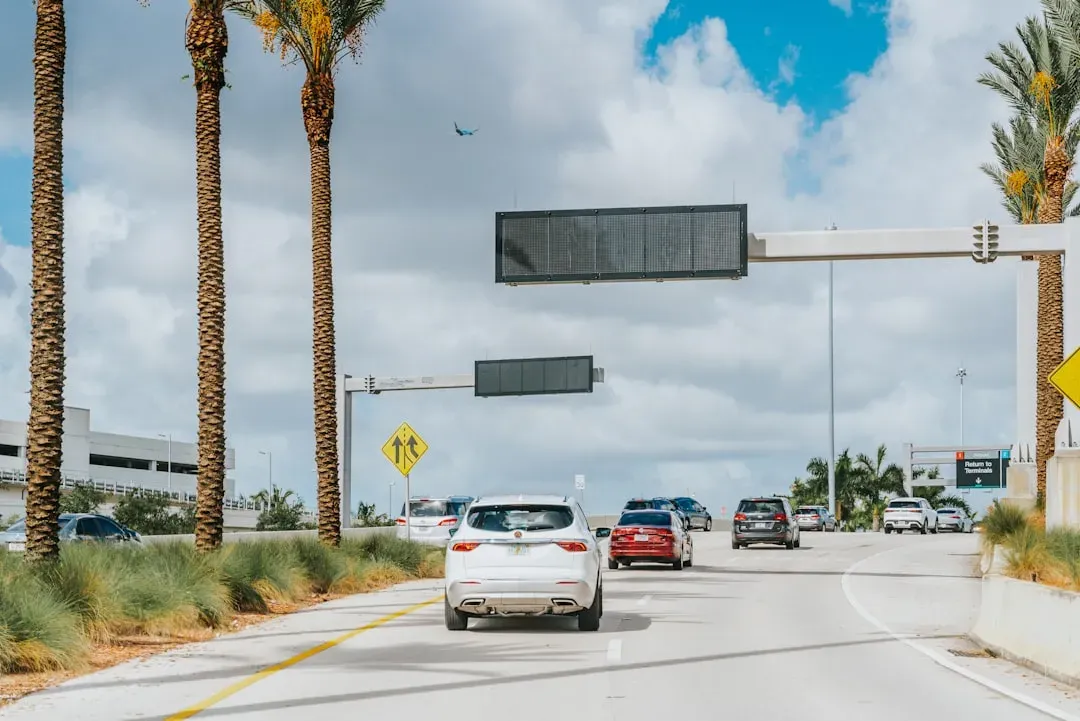
Florida is widely criticized among locals for its lack of public transportation. This is due, in part, to the state’s massive population of 23 million – the third-largest in the country – and the state’s sprawling size. If you imagined strolling to the beach or walking to a café like you do on vacation, retirement in most of Florida will teach you otherwise.
Outside major cities like Orlando, Florida’s public transportation is limited, lacking a strong rail or subway system. Many retirees want to move away from car-centric areas due to health issues. Besides, relying on cars isn’t wise as reflexes and eyesight decline with age, which can cause safety concerns and contribute to a feeling of isolation.
The dramatic influx of new residents continues unabated, with Florida welcoming more than 450,000 newcomers yearly. This population boom has created intense pressure on existing infrastructure, as residential developments spread across previously undeveloped areas. More people, same roads. That’s a recipe for daily frustration.
As more people flock to Florida, the population has ballooned, leading to increased traffic, noise and pollution. These factors can negatively impact the quality of life for retirees seeking a peaceful retirement experience.
8. The Cost of Living Is Quietly Crushing

The average monthly Social Security benefit for retired workers after a 2.5% COLA adjustment in 2025 is $1,976, totaling just under $24,000 per year. According to a 2024 survey of American retirees between the ages of 62 and 75 by the Employee Benefit Research Institute, roughly a third said their spending is much higher or a little higher than they can afford, up from 27% in 2022 and 17% in 2020. That rising trend is alarming.
Instead of enjoying worry-free days, one retiree found himself fretting over unexpected expenses and wrestling with a budget that no longer made sense. His carefully balanced financial plan was suddenly short by $15,000 per year, and that cushion of security he’d built evaporated almost overnight. That’s not a small problem. That’s a life-altering one.
A 2024 Resume Builder survey found that 13% of retired seniors ages 65 to 85 are likely to start working again, while 22% of seniors are currently working. The dream of a relaxed, work-free retirement in the sunshine has, for many, become a return to the job market just to keep the lights on.
Florida is no longer the retirement haven it once was, according to a recent Bankrate survey that placed it eighth on a list of the best states to retire in the country. That’s a significant slip for a state that was once considered unbeatable for retirement.
9. Distance from Family Becomes a Real Problem

This one sneaks up on people. You retire, move to Florida, and at first the distance feels manageable. A few flights a year, right? But over time, the reality of being geographically cut off from children and grandchildren hits harder than most people anticipate. It’s hard to say for sure how much the loneliness factor matters until you’re living it.
Florida is the most isolated, far-flung state in the contiguous United States. While there are plenty of airports to facilitate travel, road trips rack up more miles when you want to visit family in other regions. Those leaving Florida to be closer to family who are scattered around the country may want to live in a more central state for ease of travel, with fewer airline connections and better access to the open road.
Isolating experiences such as the death of a spouse, separation from loved ones, retirement, or loss of mobility compound the risks of loneliness, which is linked to chronic conditions. In a retirement community full of strangers, the absence of your family network can become a daily ache that no amount of warm weather soothes.
In all age groups, loneliness is linked to significantly lower vitality. However, the detrimental effects of loneliness are greater for older Americans, who experience a significant decrease in vitality scores. That’s not just an emotional issue. It’s a health issue with real, measurable consequences.
10. The State Is Simply Overcrowded Now

Let’s be real – Florida was never a secret. The Sunshine State has been the nation’s top homing beacon for seniors seeking the luxuries of a tropical destination retirement since the 1950s. About 20% of all relocating retirees land in Florida each year, and its overall population of 55-plussers is now the country’s second highest at nearly 22%. The figure increases in the state’s popular southern coastal regions, where, for instance, the age group accounts for about 40% of the entire Palm Beach County population.
Florida’s popularity among seniors has actually altered its age demographics, with around 21% of the population comprised of retirees, according to USA Facts. Unfortunately, Florida’s extreme popularity as a retirement hub is starting to work against its appeal as the number of pensioners skyrockets. Too much of a good thing, as they say.
Florida is the third most populous state, with between 300,000 and 380,000 new residents arriving each year. Its aging infrastructure is scrambling to keep up, and it’s a seller’s market as developers try to meet demand. Overburdened health services have driven away many retirees who depend on regular care.
The state’s overall allure will likely continue attracting seniors, but there may be a shift in the types of retirees moving there. Those with larger budgets may still be drawn to the state, but those on fixed incomes might explore alternative locations. Increasingly, it seems like Florida is becoming a luxury retirement destination rather than a realistic one for the average American retiree.