
The idea sounds almost romantic, doesn’t it? Waking up each morning, padding into your own kitchen, and conjuring every single meal from scratch. No drive-throughs. No delivery apps. Just you, your cutting board, and the quiet satisfaction of knowing exactly what went into your food. Millions of Americans have made this exact commitment, especially as rising restaurant prices have pushed people back toward home cooking with a renewed sense of purpose.
What nobody really warns you about, though, is the long list of ways it quietly unravels. The savings that don’t quite materialize. The exhaustion that sneaks up on you after week three. The fridge full of half-used vegetables slowly wilting into regret. If you’re thinking about going full home-cook, buckle up. Let’s dive in.
1. Your Grocery Bill Actually Climbed – Not Dropped

Here’s the thing most people don’t expect: cooking every meal at home doesn’t automatically save money. The average American household spends $6,224 a year on groceries, according to the BLS Consumer Expenditure Survey from 2024, which works out to roughly $519 a month. For many people, that number creeps up significantly once they’re buying every single ingredient for every single meal, breakfast through dinner.
On top of that, the EPA’s 2025 data points out that you’re also wasting roughly $728 per person per year on food you buy but never actually eat. That’s money quietly disappearing into your trash bin every single week. Think of it like filling a gas tank that has a slow, invisible leak. You’re putting fuel in, but some of it just never gets used.
2. Food Waste Became a Surprisingly Expensive Problem
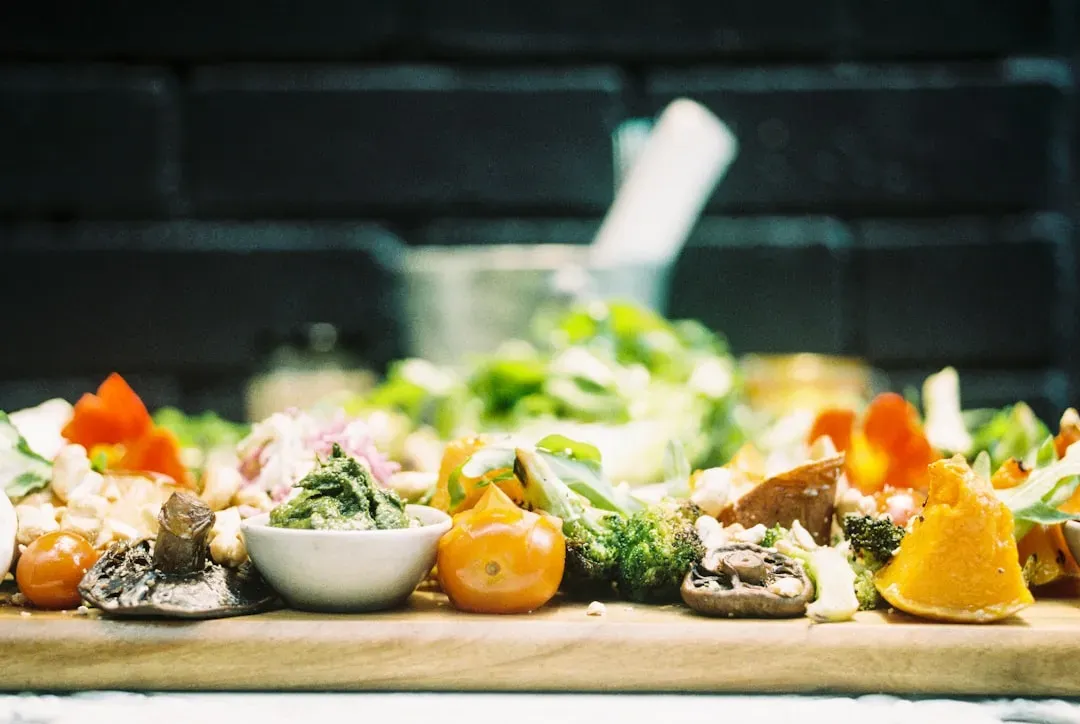
In 2024, the average American spent $762 on food that went uneaten, and consumer food waste accounts for over 45% of surplus food in the U.S., at a combined cost of $259 billion. When you’re cooking every single meal, you’re constantly buying fresh produce, proteins, and specialty items – and not everything gets used up in time.
The main motivators for meal prepping are saving time, eating healthier, and saving money, yet the average American still spends $1,300 per year on food that ends up unused and tossed out. Honestly, it’s one of the most demoralizing surprises of ambitious home cooking. You buy a whole bunch of cilantro for one recipe, use four sprigs, and watch the rest turn into a brown sludge in your produce drawer.
3. The Time Cost Was Way More Than Anticipated

Nobody tells you the real math when it comes to time. Looking only at those who identified themselves as the household’s usual meal preparer, the time spent in meal prep on an average day is 51 minutes. Multiply that across three meals a day, seven days a week, and you’re essentially adding a part-time job to your schedule. That’s not a small thing.
On the time diary day, meal preparation time for usual meal preparers who purchased fast food was 27 minutes, versus 58 minutes for those who did not, meaning that outsourcing one meal saves roughly 30 minutes of preparation time a day. Over the course of the year, this is the equivalent of 7.7 days not spent in meal preparation, a considerable time savings for outsourcing meal production. That’s nearly a full week of your year, every year. Let that sink in for a second.
4. Cooking Fatigue and Recipe Boredom Set In Faster Than Expected

A major pain point for Americans when it comes to cooking is experiencing fatigue from making the same recipes over and over again, with more than seven in 10 saying they’re interested in having more variety in what they cook every week. This is what researchers and food writers sometimes call “mealtime monotony,” and it’s very real. When you’re responsible for every single meal, the creative well runs dry faster than you’d think.
In a national survey, 37 percent of respondents noted they felt burnt out by cooking, with the top three reasons being cooking the same types of food, eating the same types of food, and the time spent cooking. These obstacles also play a significant role in the sense of boredom consumers have when it comes to recipes. I know it sounds a little dramatic, but staring down the prospect of cooking a 6 p.m. dinner when you’ve already made breakfast and lunch is genuinely draining.
5. After-Work Exhaustion Quietly Sabotaged the Whole Plan

Lack of time and after-work fatigue are the biggest reasons people say they don’t cook more, outweighing any lack of knowledge or inspiration, and this lifestyle challenge affects working-age respondents the most. This is deeply relatable. After a full day of work, decision-making, and general life admin, the mental energy required to plan, prep, cook, and clean a meal just isn’t there.
Time-use surveys indicate that adults often view cooking as a household chore rather than a meaningful activity, and common barriers include time and money constraints, lack of energy to cook, past cooking failures, and tiredness. An activity viewed from a chore perspective requires more directed attention, and mental fatigue may occur, with the anticipation of that fatigue potentially preventing an already tired person from even starting to cook. It’s a feedback loop that sneaks up on even the most motivated home cook.
6. The Grocery Store Itself Became a Stressful Weekly Battle

One of the biggest challenges for Americans is shopping, as a significant 38% don’t have groceries on hand when they need them. When you’re cooking every single meal, the frequency and complexity of your grocery runs increases dramatically. You’re not just picking up a few staples. You’re orchestrating a logistical operation across multiple meals and varying ingredients.
In the HelloFresh State of Home Cooking survey for 2025-2026, 68% of respondents said they did not buy a food item they usually get in the past 12 months because the price was too high, with this being highest among Gen Z, Millennials, and Gen X, and for a notable 67%, rising prices have made it harder to buy healthy food. The grocery run was supposed to feel empowering. For a lot of people, it just became another source of stress.
7. Healthy Eating Didn’t Happen as Automatically as Expected

Most people assume that cooking at home equals eating healthy. The reality is messier. In multiple studies, meals prepared at home were associated with higher-quality diets and better health outcomes, and frequent home-cooked dinners were associated with lower energy intakes and lower consumption of sugar and fat. However, not all studies on family meals had uniformly positive outcomes.
Time scarcity and the acceptability of food by household members can increase intake of ultraprocessed foods, and less developed cooking skills may increase cooking inefficiency, which may partly explain why prior studies found an association between cooking skills and ultraprocessed food intake, as many individuals use ultraprocessed foods to reduce cooking time. In other words, cooking at home doesn’t guarantee cooking well. A pan of frozen chicken nuggets made at home still counts as a home-cooked meal, technically.
8. The Pressure of Meal Planning Created Real Mental Load

Americans face a variety of obstacles when trying to get dinner on the table, ranging from a lack of groceries to a resistance of meal prepping. Meal planning sounds efficient on paper, but the ongoing mental effort of deciding what to eat, sourcing the ingredients, and executing a different dish multiple times a day is its own cognitive burden. It’s surprisingly exhausting, and that exhaustion is well-documented.
Nearly half of home cooks find recipe cook times inaccurate, citing that it actually takes twice as long as the directions claim, and nearly 60 percent of people find their time to be more valuable than ever, saying that if their cooking time was cut in half, they would use it for watching television, reading, sleeping, exercising, or self-care. There’s also the subtle guilt spiral when meals don’t turn out great despite all that effort. Nobody warns you about that part either.
9. The Gender Gap in Cooking Burden Became Impossible to Ignore
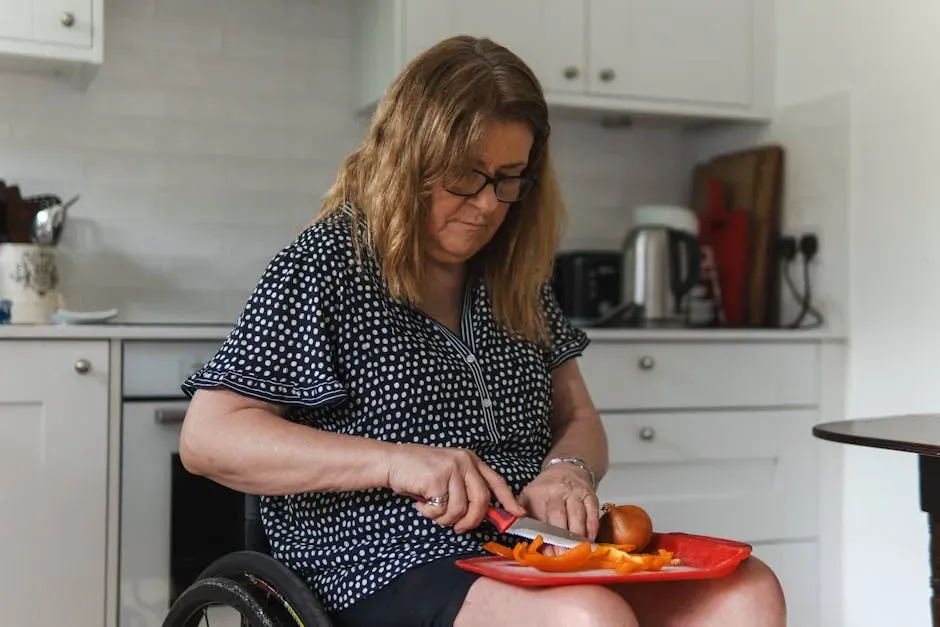
In 2020, women cooked 9.2 total meals per week compared to men who cooked 4.5 meals per week. When a household commits to cooking every meal at home, this imbalance doesn’t magically even out. Research consistently shows that this burden falls disproportionately on women, which means a well-intentioned lifestyle change can quietly reinforce an unfair division of domestic labor.
Increases in home cooking observed in the United States were primarily driven by increases among men, but women still performed the vast majority of cooking, reflective of global trends in the distribution of burden for cooking and other household activities. It’s hard to fully enjoy the supposed benefits of home cooking when one person in the household is shouldering most of the work. That tension, if left unaddressed, can quietly fester.
10. The Social Cost Was Higher Than Anyone Expected

Cooking every meal at home tends to shrink your world a bit. Spontaneous dinners out, lunch with colleagues, catching up with friends over brunch – all of it quietly disappears when you’ve committed to never leaving your own kitchen. Gathering around the table matters deeply to Americans, with 52% seeing mealtime as a chance to connect with friends or family, 44% viewing it as a time to decompress, and 83% believing that eating with others is better for their mental health than eating alone.
Nearly half of all adults, roughly 49%, have felt guilty getting food from a restaurant instead of cooking at home. That guilt, while understandable, can spiral into a kind of social rigidity that cuts you off from the spontaneous joy of shared meals outside your own four walls. The Consumer Price Index confirmed that in the one-year period from November 2023 to November 2024, the cost of eating food away from home rose 3.6%, while food at home only increased by 1.6%, meaning the cost of going out to eat increased at roughly double the rate of eating at home. Yes, restaurants cost more. But sometimes the connection is worth every penny.