
The housing market right now is unforgiving. Buyers are stretched thin, informed to the point of being almost ruthless, and they’re walking into tours with a mental checklist that would make a home inspector sweat. What once made a seller’s phone ring off the hook can now cause buyers to quietly back out before they even reach the kitchen.
Sales of previously occupied homes hit a nearly 30-year low in 2024, according to the National Association of Realtors, meaning sellers are competing harder for fewer active buyers, and those buyers have options they didn’t always have before. Honestly, the stakes have never been higher for anyone listing a property. Let’s dive in.
1. The Jetted Jacuzzi Tub: A Former Status Symbol Nobody Wants Anymore
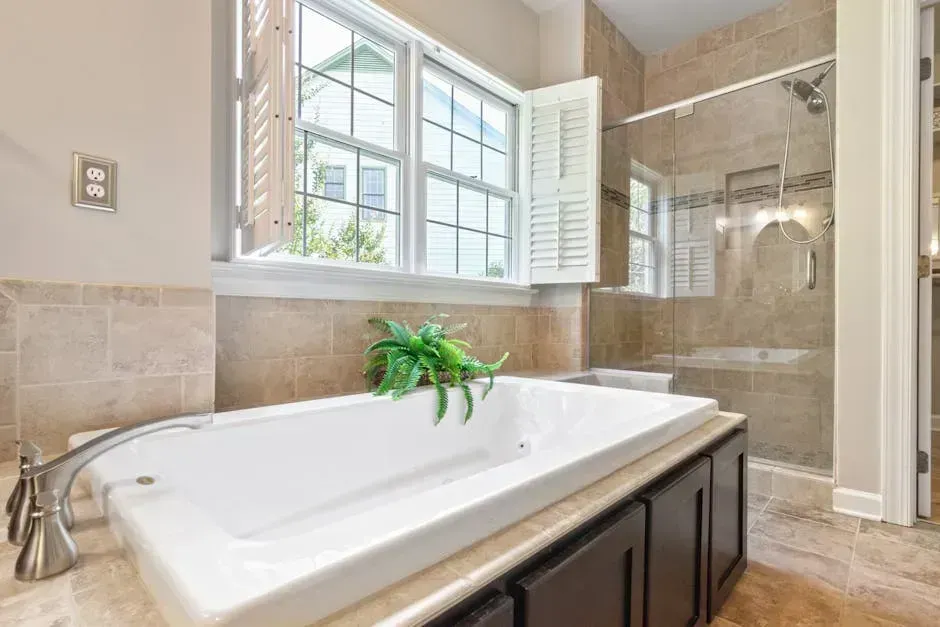
There was a time when a jetted whirlpool tub in the master bath felt like the pinnacle of home luxury. Hotels had them. Celebrities had them. You wanted one too. That time has passed, and the reversal has been surprisingly swift and brutal.
Once a symbol of luxury, the Jacuzzi tub has fallen out of favor with many modern buyers, and in a recent Redfin survey, Redfin Premier Agents shared that roughly three in five buyers are not at all interested in this feature. That is not a small number. That is the majority of people walking into your bathroom and immediately feeling anxious about the upkeep waiting for them.
These noisy, machine-like tubs are not calming, and the maintenance, should they break, is a huge turn-off. Once seen as the pinnacle of relaxation, jetted tubs are losing their appeal because buyers are now wary of the maintenance, energy use, and space they require, and many say they’d rather have a luxurious walk-in shower than a bulky tub they’ll rarely use. Think of it like buying a boat. It sounds wonderful until you actually own one.
2. Wall-to-Wall Carpeting: Cozy Dream or Buyer Red Flag?
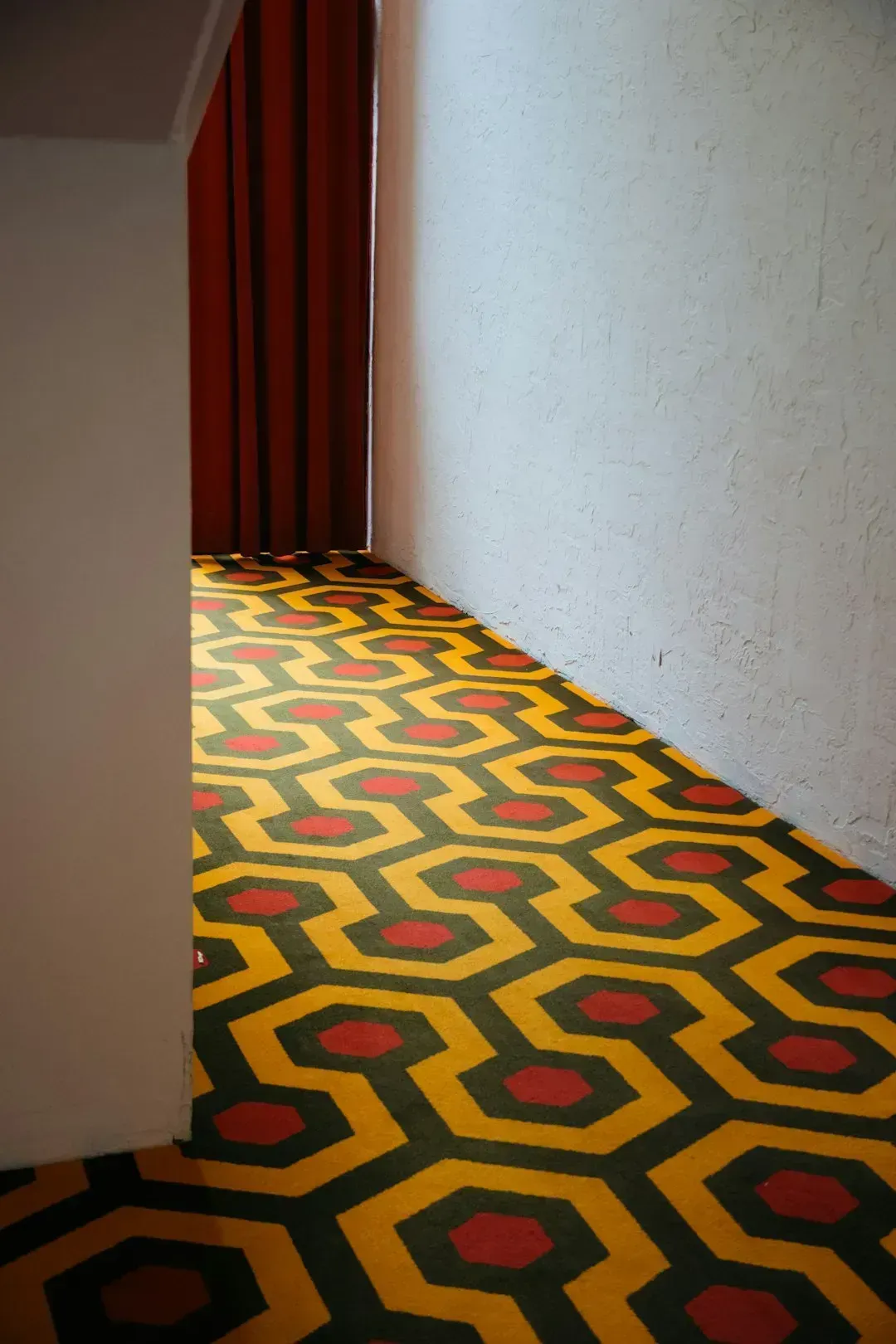
Carpet used to be warmth. Soft mornings, quiet rooms, a sense of cushioned comfort under your feet. There’s still a corner of America that loves it. The problem is, that corner keeps getting smaller, especially when it comes to resale.
Carpeting used to be a staple in home design but buyers in 2025 expect hard flooring in main living areas, with carpet now seen as high-maintenance, prone to stains and less durable than modern flooring options. It’s not just an aesthetic opinion anymore. It’s practically a negotiation point.
While carpeting is mostly gone from the main living areas of the house, it still persists in bedrooms, and wall-to-wall carpeting is known for trapping all kinds of dust, mites and other allergens. Even a new carpet doesn’t always reassure buyers, with realtors reporting that visible wear or dated patterns make buyers question how much updating the home will require.
3. The All-Gray Interior: A Trend That Aged Overnight
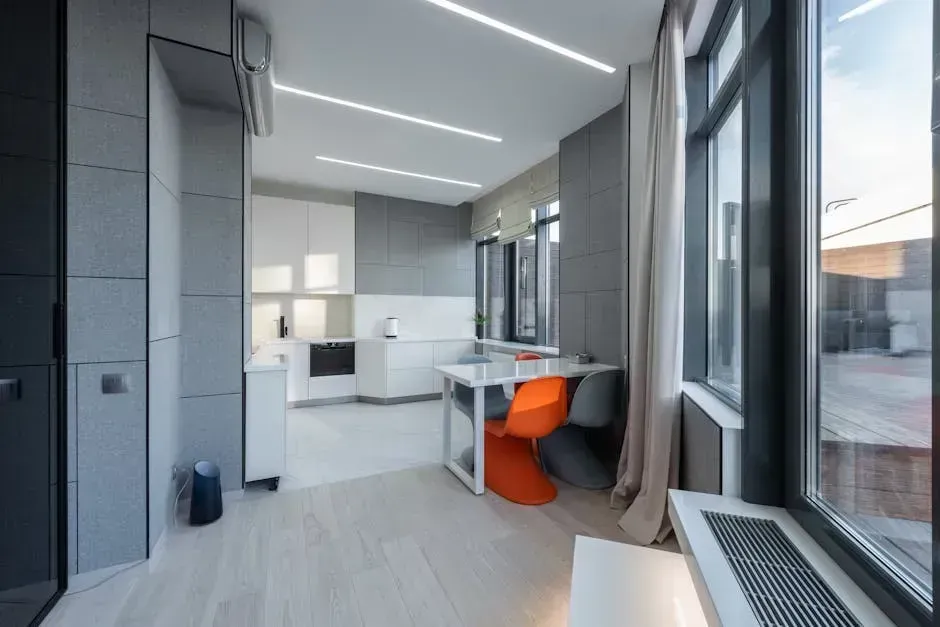
Gray was everywhere. Gray walls, gray cabinets, gray floors, gray bathroom tile. For a solid decade it felt modern, neutral, and safe. Flippers loved it. Stagers swore by it. Then one day, seemingly out of nowhere, it just started looking cold and lifeless.
For years, real estate investors and home flippers relied on gray walls, gray flooring, and gray cabinets to create a “modern” look, but in 2025, this trend is dead, and buyers now see all-gray interiors as cold, outdated, and overdone. The shift has been that decisive, and real estate professionals are seeing it play out during showings in real time.
Warm, earthy neutrals like beige, taupe, and creamy whites are trending instead, as these colors create a cozy and inviting atmosphere that buyers love. Gone are the days of greige everything, with color predictions for 2025 leaning into bold, nature-inspired hues. It’s a complete mood shift in what buyers want to feel when they walk through a front door.
4. Sliding Barn Doors: Pinterest Dream, Practical Nightmare
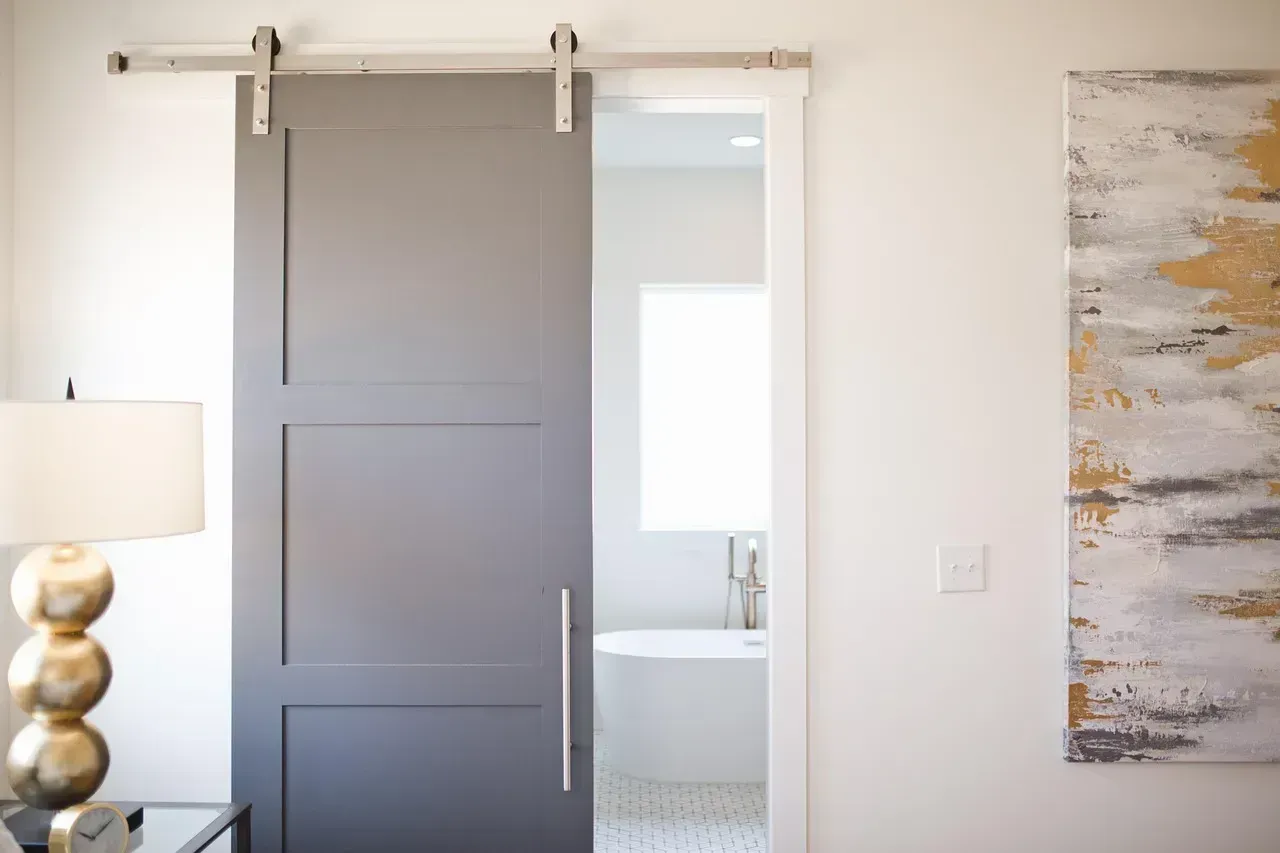
Here’s the thing about barn doors. They look fantastic in a photo. In real life, in a suburban home, they are a source of daily frustration. The slide is noisy. The gap is visible. And if it’s on a bathroom, well, good luck with privacy.
The sliding barn door trend of the 2010s was one of the biggest modern farmhouse elements copied everywhere, but people started realizing there was little practical reason to replicate a barn in a home, especially on bathrooms where the sliding barn door never really closed or provided any privacy.
Although they can be a versatile choice that eliminates dead space in any room, the barn door trend definitely dates your home to a certain period when everyone was installing these Pinterest-inspired doors, no matter how far away they lived from country life, with issues like reduced noise dampening and tricky latching being common complaints. What buyers prefer instead are pocket doors, traditional hinged doors, or modern sliding options that blend better with the architecture of the home.
5. The Formal Dining Room: Elegant Relic of Another Era
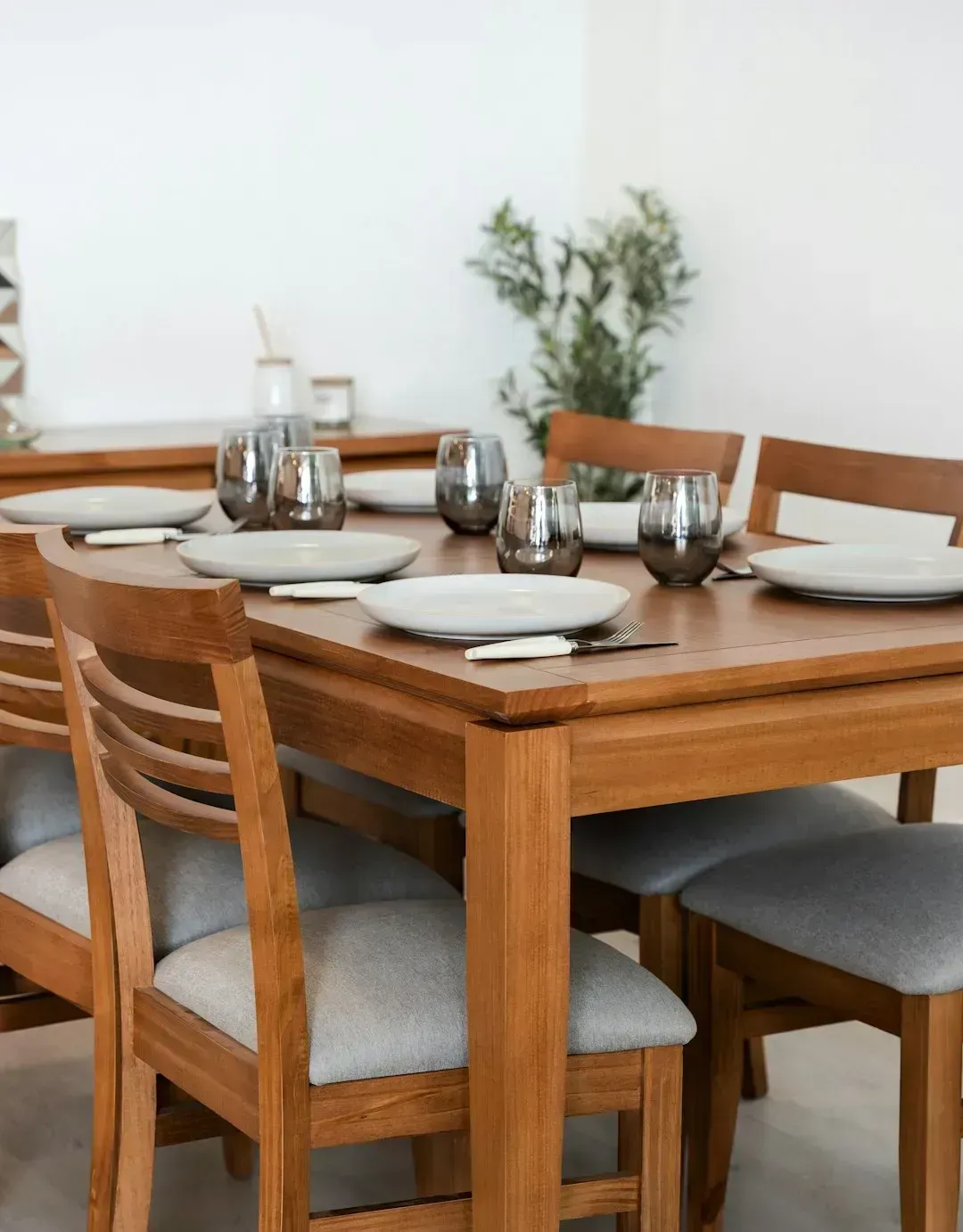
I think we all have a memory of a formal dining room that was used maybe twice a year. Thanksgiving. Maybe Easter. The rest of the time it just sat there, furniture carefully arranged, no one allowed in. That image alone explains why today’s buyers are deeply skeptical of the space.
The once-coveted formal dining room is falling out of favor, with many buyers seeing it as wasted square footage, especially when open-concept kitchens with eat-in islands are more practical, and with more families eating on the go or gathering casually, buyers now prefer multipurpose spaces that can serve as offices, playrooms, or flex rooms.
According to Houzz’s 2025 U.S. Kitchen Trends Study, homeowners everywhere are saying goodbye to formal dining spaces in favor of larger, more multifunctional kitchens. While the traditional dining room is fading, some buyers still value having a dedicated space for entertaining, so it’s not a total dealbreaker in every market. But the anxiety around the feature is real and growing.
6. Popcorn Ceilings: A Textural Trend With a Hidden Health Risk
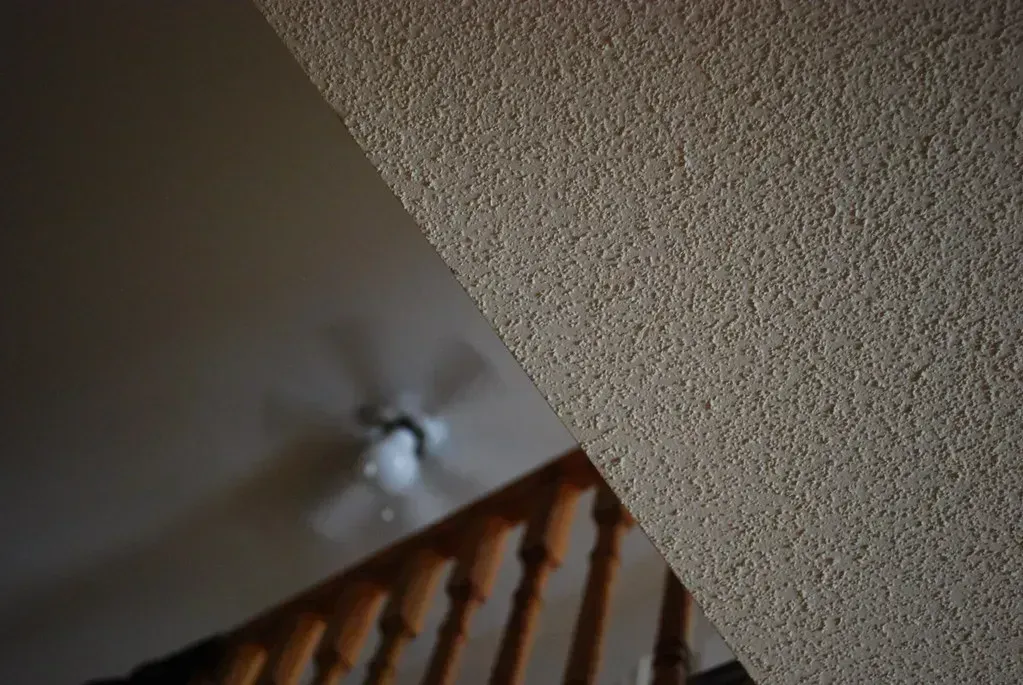
Popcorn ceilings feel like they belong in a different century. Because they do. Popcorn ceilings were all the rage from the 1950s through the 1980s, with the bumpy, sprayed-on texture used to hide imperfections, reduce noise, and save builders time and money. Today they do none of those things in the eyes of a modern buyer. They just look dated.
Popcorn ceilings, once a common construction element, are now considered outdated and can even contain asbestos, with Redfin Premier agents finding that a significant four in ten buyers will not make an offer if a home has a popcorn ceiling, making removal a worthwhile investment to broaden your buyer pool. That is a staggering statistic when you think about it.
When homes are listed with popcorn ceilings, feedback from realtors who show the home commonly includes that buyers didn’t like the popcorn ceilings, and when selling, you have to take that into account as it can affect the value of your home. Outdated popcorn ceilings often lower a home’s value, which is something no seller wants to hear right before a listing goes live.
7. Open Kitchen Shelving: Stylish in Theory, Stressful in Practice
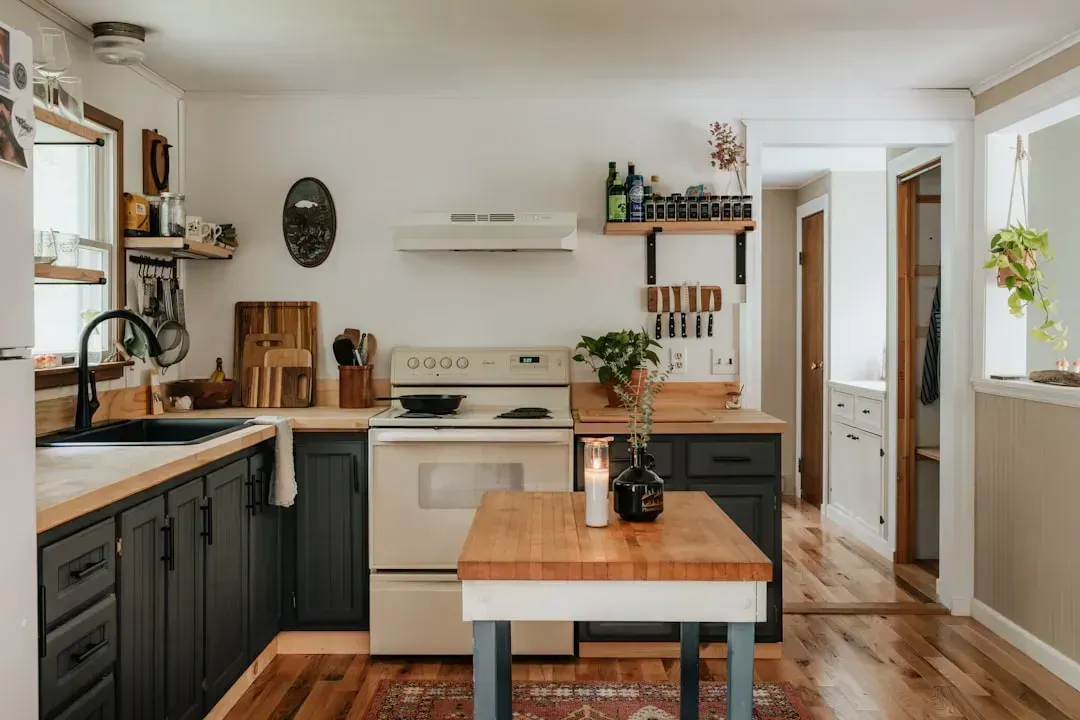
Open shelving had its golden era. Interior design blogs were obsessed with it. Carefully curated rows of matching dishes, pretty glassware, artfully placed cookbooks. It looked stunning in photos. It just didn’t survive contact with real daily life.
Open shelving in kitchens was once considered stylish and modern, but buyers have had enough of dusty dishes and cluttered walls, with homebuyers in 2025 prioritizing functional storage over aesthetics, making upper cabinets a must-have again, as open shelving became an impractical decor trend where clutter is no longer ideal.
Buyers now prefer a balanced approach, with a few open shelves for character paired with plenty of closed storage to keep everyday life functional and tidy. It’s a sensible correction, honestly. Homebuyers in 2025 are prioritizing functional storage over aesthetics, making upper cabinets a must-have again. The era of the perfectly curated kitchen shelf belongs on Instagram, not necessarily in a home you’re trying to sell.
8. Dark Granite Countertops: Once Premium, Now Heavy
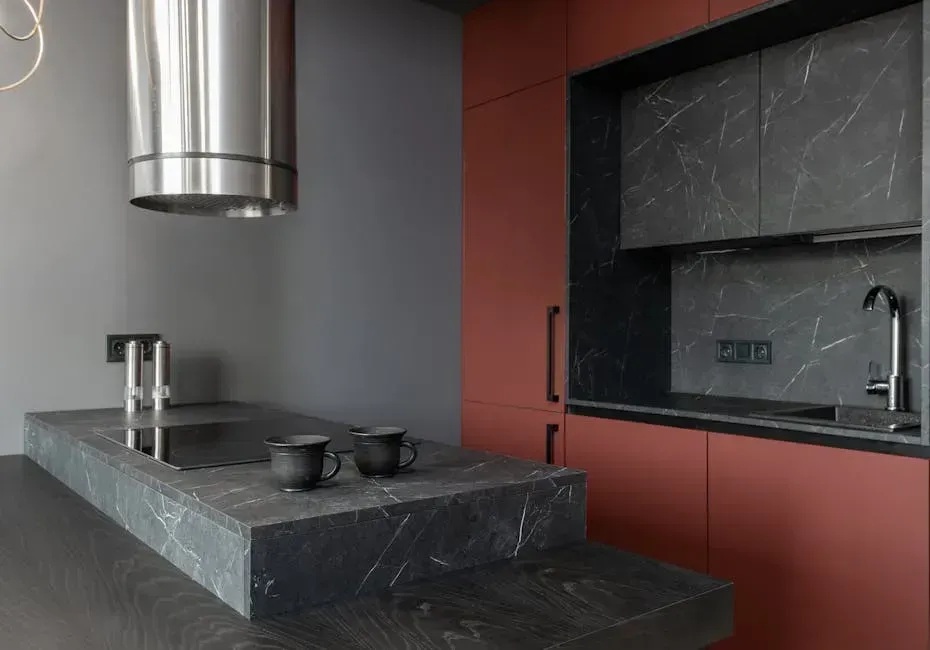
Dark granite used to be the shorthand for “upgraded kitchen.” Walk in, see the dark stone, assume the home is high quality. That visual shorthand has been completely rewritten by the shift toward light, bright, airy kitchen aesthetics that dominate buyer preferences today.
Dark granite used to be a sign of an upscale kitchen, but trends have moved on and today’s buyers want light, bright spaces including countertops, with white quartz, butcher block, or soft veining now the preferred look, while dark granite can make a kitchen feel dated and heavy, even if the layout is modern.
According to Redfin’s survey, the vast majority of buyers are no longer interested in tile countertops and have instead turned their attention to granite, with other alternatives including quartz, marble, and soapstone. According to real estate professionals, outdated interior design can negatively impact your home’s value, and the kitchen countertop is one of the first places buyers form an opinion. First impressions, as any realtor will tell you, are ruthlessly fast.
9. Industrial-Style Lighting: Cold, Harsh, and Officially Over
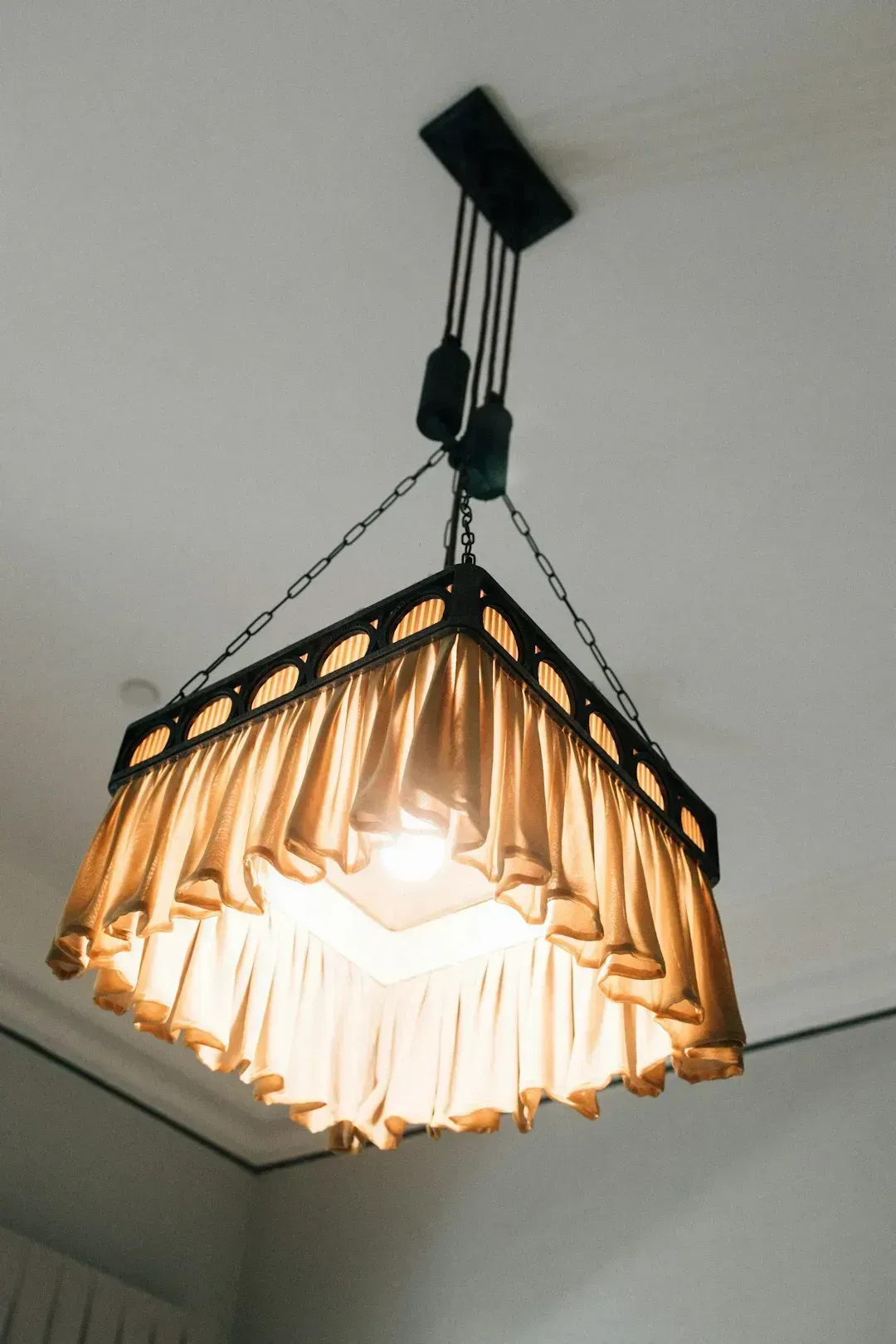
There was a moment when black metal cage lights and exposed Edison bulbs made every kitchen feel like a Brooklyn loft. Developers put them in everything. Flippers loved the cheap, edgy look. Buyers, it turns out, do not want to eat dinner under the lighting of a factory floor.
Black metal cage lights and exposed bulbs were once a staple in modern house flips, but buyers are over the harsh, cold lighting that comes with industrial-style fixtures and are instead looking for warm, inviting lighting that complements their space. It’s a mood shift as much as an aesthetic one.
Sleek, minimal pendant lights and statement chandeliers in warm tones like brushed gold, brass, or soft black are preferred alternatives, and smart lighting that allows for adjustable brightness and warmth is also a huge selling point in 2025. Search behavior in 2025 shifted away from square footage and high-end features toward homes that support lifestyles, with lifestyle over luxury defining the theme of Americans’ home-search behavior. Warm, flexible, human-feeling spaces are winning. Cold, trendy showpieces are not.
The real takeaway here is that buyer anxiety is not just about price tags and mortgage rates. Heading into 2025 and beyond, there is a clear shift in what today’s buyers value and what’s starting to feel dated, and real estate professionals consistently report that outdated features reduce a home’s appeal and resale value. Sellers who ignore that reality are not just leaving money on the table. In some cases, they are leaving the deal itself on the table. So, which of these features surprised you the most? Drop your thoughts in the comments below.