There was a time when certain home features practically sold a house before the open house even started. A jetted tub here, a shiplap wall there, and suddenly every buyer was lining up with an offer. Those days are fading fast. In 2026, the “must-have” features of the early 2020s are quickly becoming the deal-breakers of today, with buyers no longer chasing the temporary high of a viral trend, but instead prioritizing long-term livability, wellness, and ease of maintenance.
The shift is real, it is documented, and for many sellers, it is quietly costing them money. The housing market in 2025 and 2026 is a completely different beast compared to just a decade ago, and buyers have become sharper, more discerning, and frankly less forgiving when they walk through a home and see something that screams “2014 Pinterest board.” So which features should sellers be most worried about? The list might surprise you.
1. The Jetted Jacuzzi Tub: The Spa Fantasy Nobody Wants to Maintain
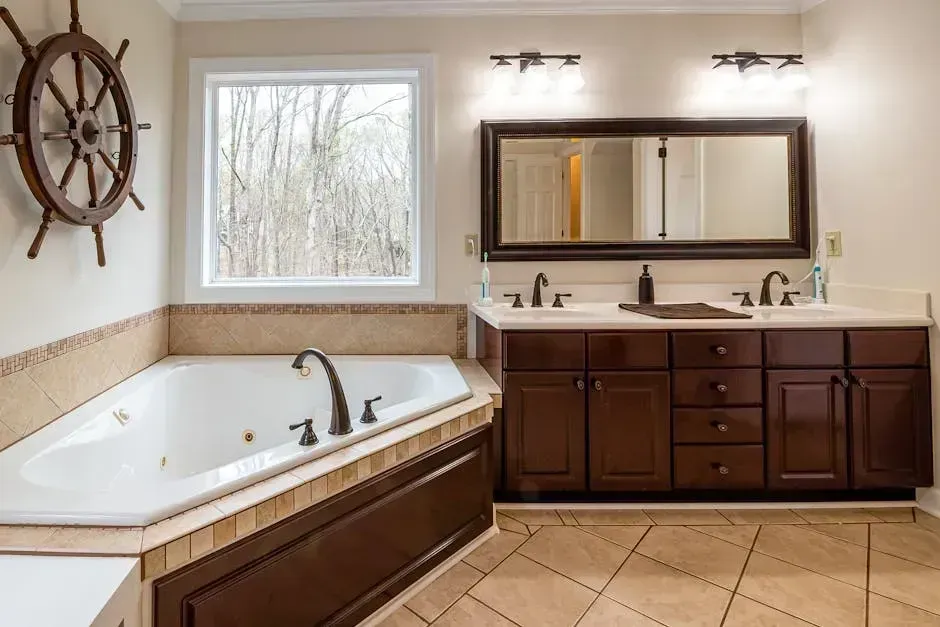
Walk into a master bath with a hulking jetted tub in the corner, and watch how today’s buyers physically recoil. What once felt luxurious now feels like an expensive liability. The once-popular bathroom feature that now lowers home value is a Jacuzzi jets bathtub – these tubs were routinely added to master bathrooms in the 1980s and 1990s and often tiled in, but have fallen out of favor for a number of reasons.
Jacuzzi tubs are now considered outdated, loud, and difficult to clean, and due to the additional mechanical components, there are more maintenance concerns compared to standard bathtubs or soaking tubs, including problems with the jet function and leaks that are common with these bathtubs. On top of that, Jacuzzi tubs use more water than a standard bathtub, and the jets require electricity, which can increase monthly utility bills.
A 2025 report from Houghton Contracting highlights that bathroom remodels focusing on walk-in showers and water efficiency are generating an ROI of 60 to 70 percent, outperforming the installation of large soaking tubs. The verdict is clear. Many buyers say they would rather have a luxurious walk-in shower than a bulky tub they will rarely use, with concerns about mold buildup and outdated aesthetics also playing a role.
2. All-Gray Everything: The Color Palette That Aged Overnight
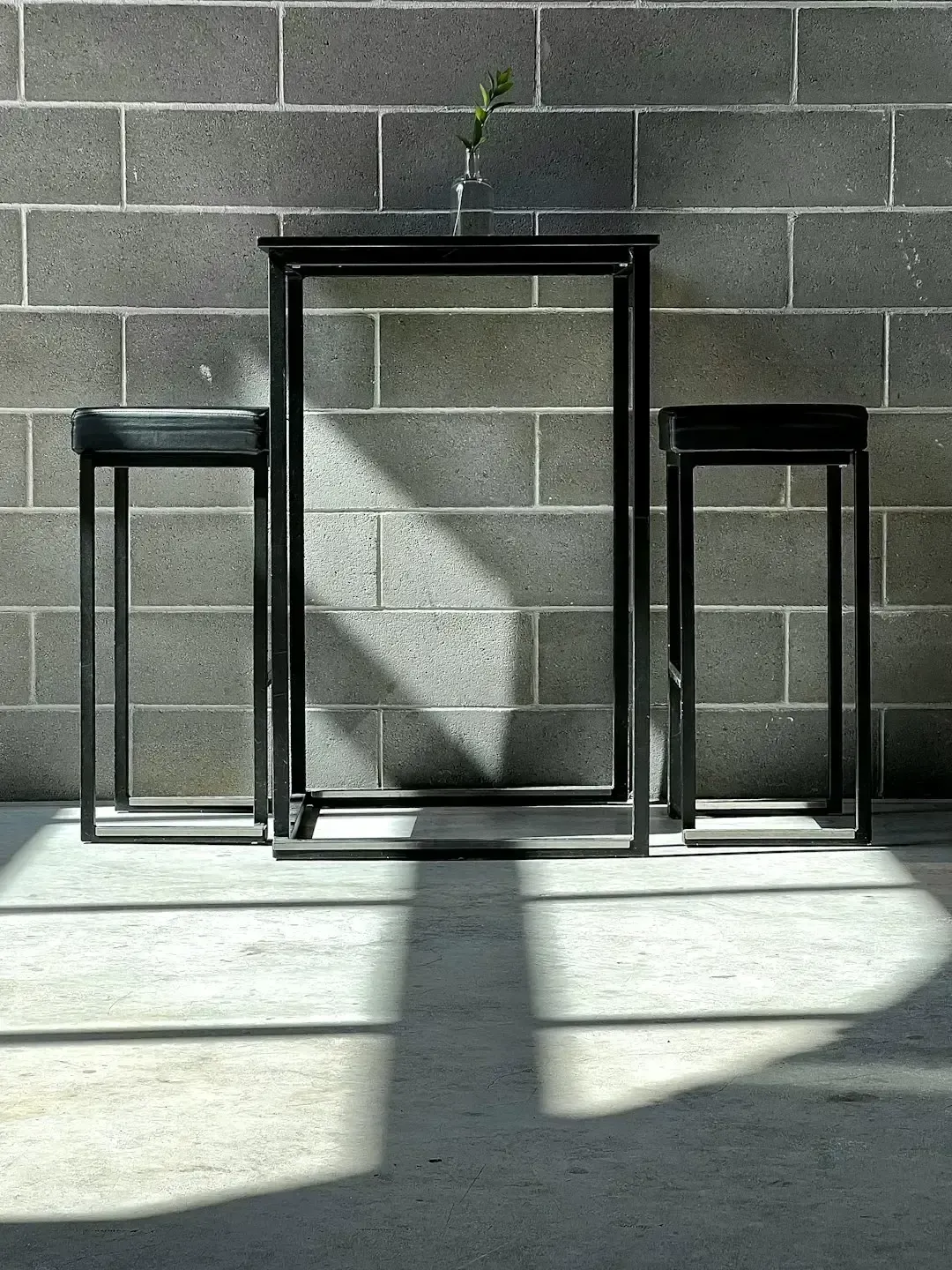
Honestly, few trends fell from grace quite as fast as the all-gray home. It felt modern and sophisticated for years, and then suddenly it just felt cold and institutional. For years, gray was the safe choice, but now buyers are ready for warmth again, and all-gray floors, walls, and finishes can feel cold and impersonal, especially when overused.
For years, real estate investors and home flippers relied on gray walls, gray flooring, and gray cabinets to create a “modern” look, but in 2025, this trend is dead. The market pivot has been significant. Buyers now prefer warm neutrals like soft beiges, taupes, and earthy tones, with natural wood finishes and subtle color variation helping homes feel more inviting and easier to imagine living in.
Warm wood cabinets mixed with painted elements like deep green, navy, or beige are making kitchens feel more unique and inviting. That shift away from gray is not just a design opinion. It is directly affecting buyer behavior at the listing stage, with gray-saturated homes sitting on the market longer as a result.
3. Dark Granite Countertops: The Kitchen Status Symbol That Lost Its Shine
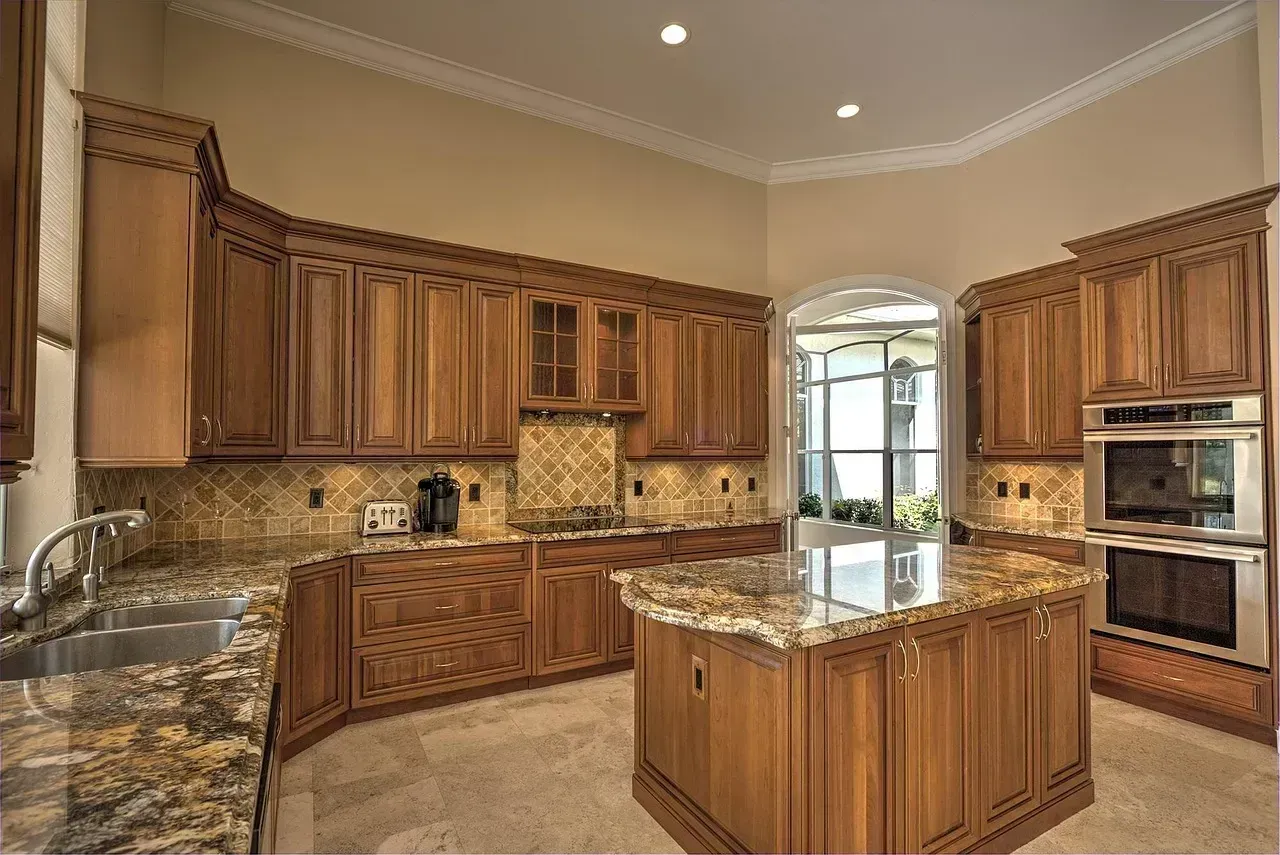
For a long time, dark speckled granite was the crown jewel of any kitchen renovation. It signaled wealth, durability, and taste. Today, realtors describe it very differently. Granite countertops were once the hallmark of high-end kitchens, admired for durability and natural beauty, but buyer preferences are shifting toward quartz and other engineered stone surfaces, with realtors observing that darker or highly patterned granite can make kitchens feel heavy, dated, or visually busy.
As one design expert explained, granite was a longstanding popular option for homeowners in the 1990s and early 2000s, but it definitely gives a more dated look in kitchens today, specifically the darker, speckled slabs. The maintenance factor is also becoming a real sticking point. The requirement to seal natural stone annually is a chore that today’s low-maintenance homeowner is happy to leave behind.
The National Kitchen and Bath Association’s 2026 forecast reported that a large majority of professionals now favor quartz for its durability and consistency. That is not a small shift. Quartz countertops require less upkeep, do not need periodic sealing, and provide uniform patterns that complement contemporary decor, with buyers increasingly valuing surfaces that are move-in-ready and low-maintenance.
4. The Formal Dining Room: Wasted Square Footage in a Flexible World
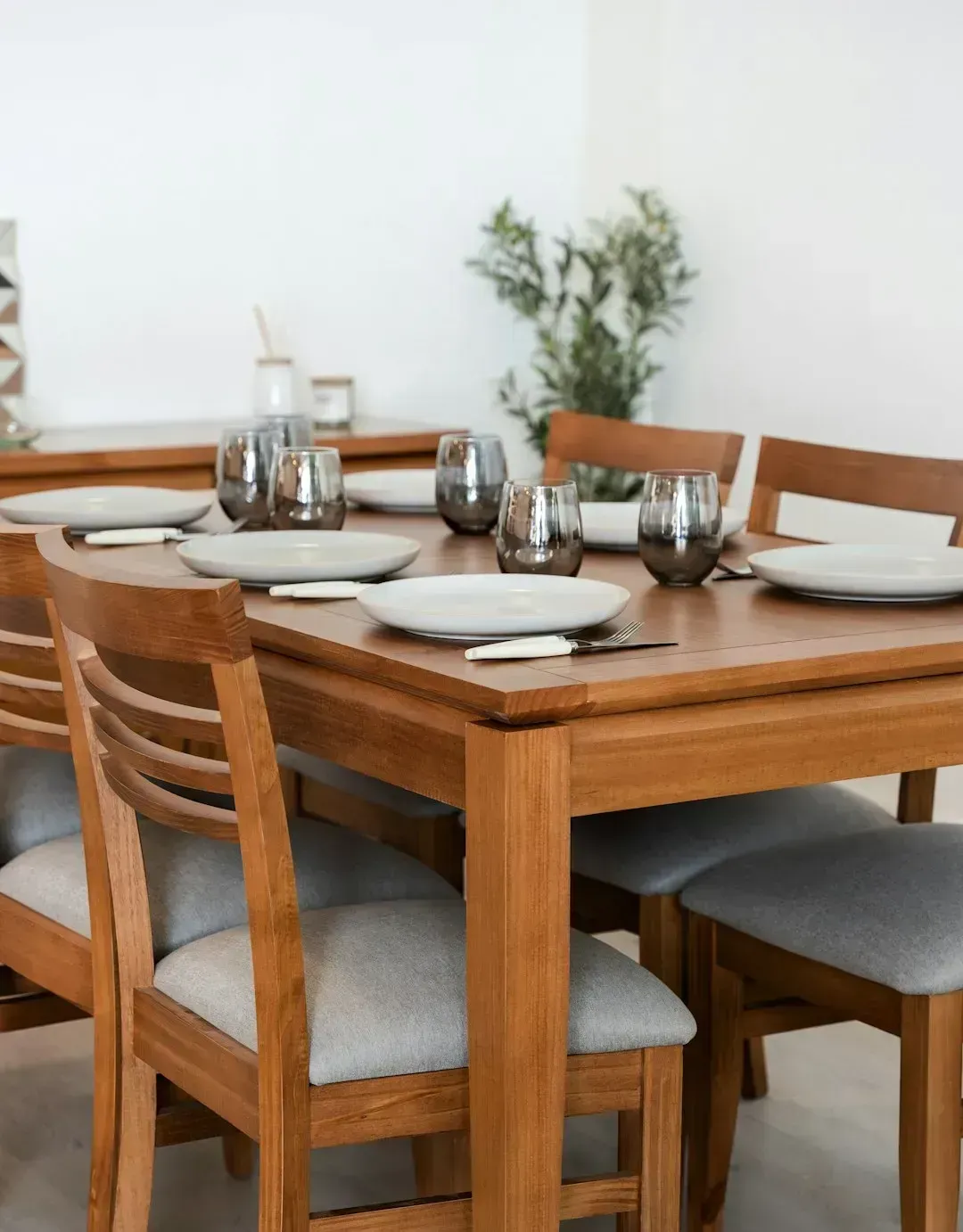
There is something almost nostalgic about the formal dining room, with its china cabinet, chandelier, and table that only ever gets used at Thanksgiving. Nostalgic, yes. Practical, no longer. Formal dining rooms were long considered a standard feature in single-family homes, representing status and tradition, but today many buyers see these spaces as underutilized or impractical, as the post-pandemic era has emphasized flexible living, with homeowners needing areas that accommodate work, casual dining, and family activities.
The once-coveted formal dining room is falling out of favor, with many buyers seeing it as wasted square footage, especially when open-concept kitchens with eat-in islands are more practical, and buyers now preferring multipurpose spaces that can serve as offices, playrooms, or flex rooms. The data backs this up significantly. A trend report released by Realtor.com in late 2025 revealed that listings featuring formal dining rooms with built-ins saw a notable year-over-year decline, signaling a massive drop in buyer interest.
According to Houzz’s 2025 U.S. Kitchen Trends Study, homeowners everywhere are saying goodbye to formal dining spaces in favor of larger, more multifunctional kitchens. Think of it like having a room dedicated solely to one suit you only wear twice a year. At some point, the closet space just makes more sense.
5. The Farmhouse Aesthetic: Shiplap, Barn Doors, and a Trend That Overstayed Its Welcome
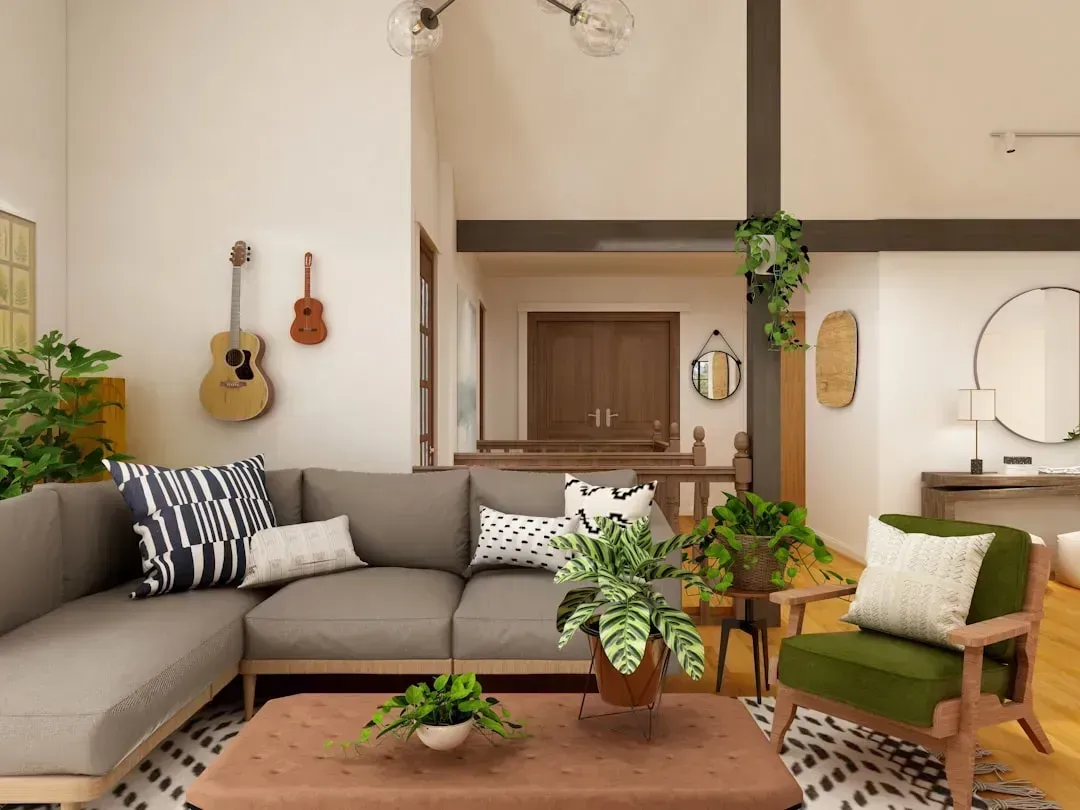
Chip and Joanna Gaines launched a movement, there is no question about that. But like every movement that gets copied relentlessly, the farmhouse style has reached a saturation point that is now actively hurting listings. For the last decade, farmhouse design dominated house flips, with shiplap walls, barn doors, and rustic beams defining the look, but in 2025 the overly rustic-chic aesthetic is officially outdated, with buyers moving toward sleek, modern, and transitional designs that feel less theme-heavy.
Barn doors are now increasingly polarizing, as they do not offer much privacy or sound control, and buyers now prefer pocket doors, traditional hinged doors, or modern sliding options that blend better with the architecture of the home. The barn door problem is particularly telling. The sliding barn door trend of the 2010s was one of the biggest modern farmhouse elements copied everywhere, but buyers began realizing there was little practical reason to replicate a barn in a home, especially on bathrooms where the sliding door never really closed or provided any privacy.
Shiplap, once the darling of DIY remodels, now feels busy and overdone. The style had heart. It just also had a shelf life, and that shelf life has long expired for most of the country’s housing market.
6. Open Kitchen Shelving: The Influencer Dream That Became a Dusting Nightmare
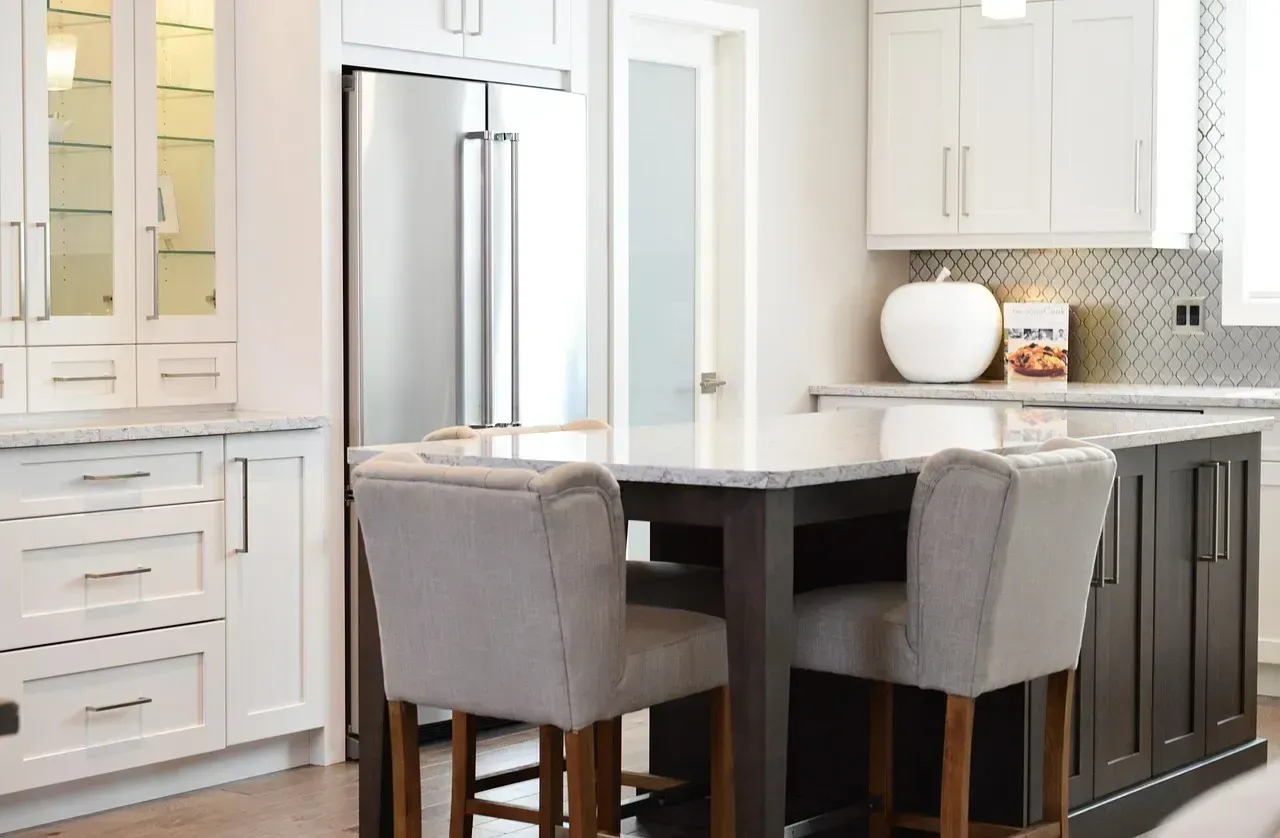
Open kitchen shelving was everywhere on Instagram, in design magazines, and on HGTV for nearly a decade. Those perfectly arranged dishes, artisan glass jars, and little potted herbs made every kitchen look like it belonged in a Scandinavian food blog. The reality, though, is far messier. Open shelving in kitchens had a golden era that lasted roughly a decade, with interior designers raving about it, but the problem is that real life is nothing like a magazine spread.
Open shelving in kitchens was once considered stylish and modern, but buyers have had enough of dusty dishes and cluttered walls, with homebuyers in 2025 prioritizing functional storage over aesthetics, making upper cabinets a must-have again. The pivot is happening fast. Open shelving was trendy for people who wanted to showcase their dishware, but it has become an impractical decor trend where clutter is no longer ideal, and buyers now prefer a balanced approach with a few open shelves for character paired with plenty of closed storage.
Let’s be real: most people do not own dish sets that look magazine-worthy. They own mismatched mugs, half-used bottles of olive oil, and a packet of pasta that has been there since 2022. Closed cabinets hide all of that. Open shelves do not.
7. Heavy Dark Wood Cabinetry: When “Rich” Starts Looking Dated
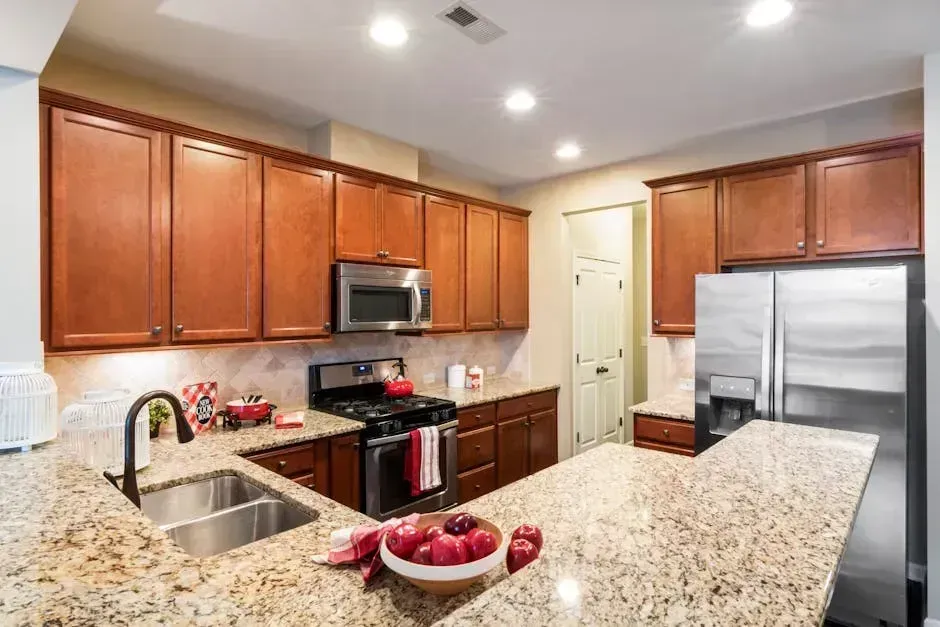
Cherry wood cabinets and espresso-stained everything were the luxury markers of kitchens throughout the 2000s. Builders pushed them hard, and buyers paid premium prices for them. Now? They are one of the fastest ways to make a kitchen feel like it belongs in a different era. The heavy, dark cherry and espresso wood finishes that dominated kitchens and bathrooms for years are now being rejected in favor of lighter, natural tones, as dark cabinetry tends to absorb light, making even large kitchens feel cramped, dull, and less welcoming to prospective buyers.
Dark or heavy wood finishes, once a staple in many homes, are becoming less desirable to today’s buyers, as these finishes tend to make kitchens and other spaces feel smaller, more cramped, and less inviting, with dark cabinetry absorbing light in ways that can make the area feel dull and less welcoming. The financial consequences can be direct. As home buyers increasingly prefer bright, open spaces, dark wood finishes may lead to a notable reduction in property value.
In 2026, the trend has shifted toward “blonde” woods, rift-sawn oak, and painted cabinetry in soft, earthy hues, with buyers wanting spaces that feel airy and expansive, viewing heavy dark wood as a visual weight that makes a home feel decades older than its actual age. It is a significant reversal of fortune for a material that once commanded a price premium at every listing.
8. Bold Statement Wallpaper: A Design Risk That Buyers Simply Do Not Want to Inherit
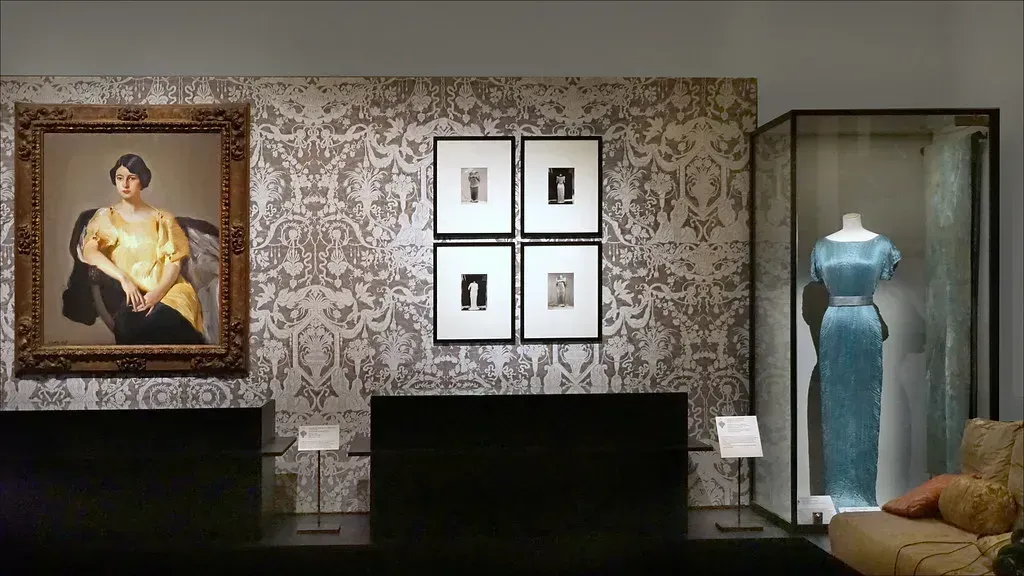
Wallpaper came roaring back into fashion in the early 2020s, and for a minute it genuinely looked exciting. Maximalist prints, dark florals, dramatic geometric patterns across entire accent walls. It photographed beautifully and felt fresh after years of flat painted walls. The problem? Buyers are not willing to live with someone else’s bold choices. While the “grandmillennial” and “maximalist” trends brought wallpaper back into fashion, permanent, high-impact wallpaper is a major turn-off for move-in-ready shoppers, with real estate agents noting that while bold patterns look great in photos, they dictate a very specific style that rarely matches a buyer’s personal furniture.
The labor-intensive process of steaming and scraping old paper is a project that many buyers simply do not want to inherit, and even if the paper is high-quality, sellers are often advised to strip it in favor of a neutral paint job to avoid the “renovation fatigue” that sinks a sale. The financial data on this is equally discouraging for sellers. According to a 2025 market analysis from Vancouver Home Hub, homes with outdated or damaged wallpaper can deter buyers, while removing it and applying fresh paint significantly improves buyer perception and offers a strong return on investment.
Homebuyers generally want designs that are more classic so they can make them their own and not worry about them becoming out of style soon, because any overly trendy feature with a short design life span can represent a hurdle for some buyers. Wallpaper, for all its dramatic charm, is about as personal as it gets. What one seller loves, the next buyer has to strip off at their own expense and frustration.
What This Means for Sellers Right Now
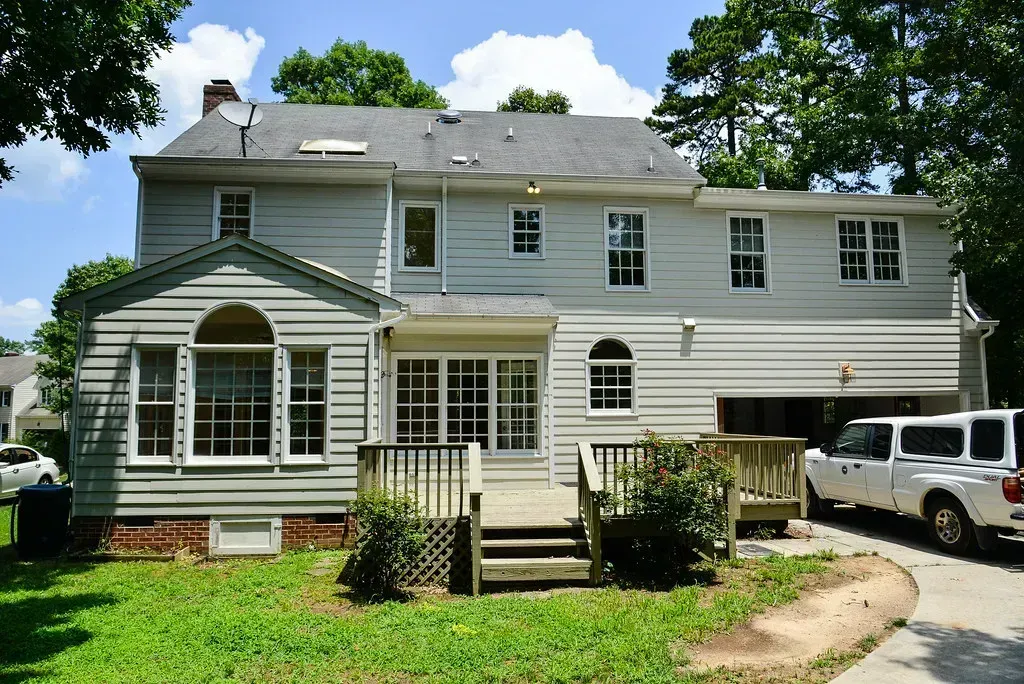
Here is the thing about all eight of these features: they were not bad ideas at the time. Each one was genuinely popular, genuinely desired, and genuinely expensive to install. The problem is that taste moves fast, and the real estate market does not forgive sellers who are stuck in a previous decade. When a home hits the market today, realtors report that certain features are acting as “value anchors,” dragging down prices as buyers mentally calculate the cost of a renovation before they even reach the kitchen.
Sales of previously occupied homes hit a nearly 30-year low in 2024 according to the National Association of Realtors, meaning sellers are competing harder for fewer active buyers, and those buyers have options they did not always have before. In that kind of market, outdated features are not just cosmetic issues. They are negotiating weapons in the buyer’s hands. A home design trend usually starts to feel dated after five to ten years, and it really depends on how saturated the trend became, because the more something is copied, the quicker we get tired of it.
The smartest sellers in 2026 are the ones updating strategically before listing, not after offers fall through. Buyers are no longer impressed by features that look expensive but add chores to their weekend to-do lists, and the smartest renovations you can make right now are those that give the homeowner time and space back. If your home has one or more of these features, do not panic, but do not ignore them either. A small investment in the right update could mean the difference between a stale listing and a closed deal.
What do you think? Does your home have any of these features, and would you change them before selling? Drop your thoughts in the comments below.