
Something strange is happening to the world’s most iconic travel destinations. Cities that once promised magic, romance, and once-in-a-lifetime experiences are now generating a different kind of emotion in travelers and locals alike: anxiety. Overtourism describes the tipping point at which visitors and their cash stop benefiting residents and instead cause harm by degrading historic sites, overwhelming infrastructure, and making life markedly more difficult for those who live there. Now, a paradox is unfolding. Some of these same cities are swinging hard in the other direction, with falling visitor numbers, empty streets in some seasons, angry residents, and a hollowed-out quality that leaves tourists wondering: is this the real place, or just a polished shell of it?
1. Venice, Italy: A City Emptying From the Inside Out
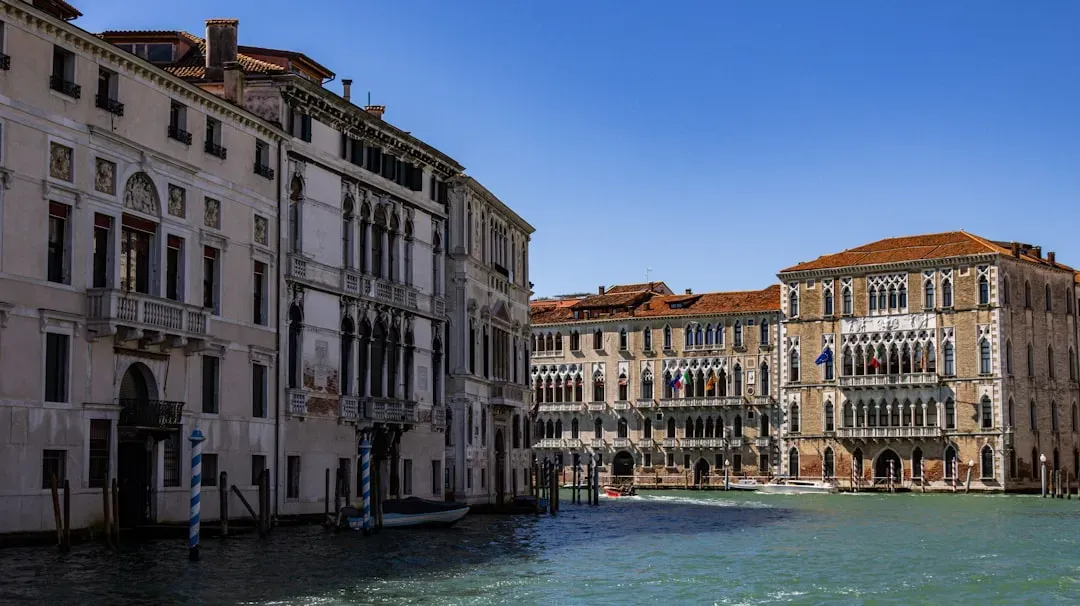
The resident population of Venice’s historic center has undergone a pronounced decline since the mid-20th century, dropping from approximately 175,000 in 1951 to fewer than 49,000 by 2024, representing a roughly 72% reduction over seven decades. This exodus has accelerated in recent years, with the population falling below 48,000 in 2025 amid ongoing pressures from mass tourism. What was once a thriving, living city is now being described by locals themselves as a ghost town with a beautiful facade.
Last September 2024, the number of tourist lodging beds actually surpassed the resident population for the first time, a startling statistic that reveals how thoroughly tourism has transformed the city into something unrecognizable to its own people. In response, on April 25, 2024, the city launched a pilot program to levy a €5 per person fee on short-stay day-tourists entering historic areas. On the busiest day, 25,000 visitors paid the daytripper fee, a striking number equivalent to over half the resident population. Most troubling is how Venice risks losing its UNESCO World Heritage designation, as UNESCO has warned the city faces losing its crucial cultural designation if the historic center’s permanent population falls below 40,000.
2. Barcelona, Spain: Protests, Water Pistols, and a City in Revolt
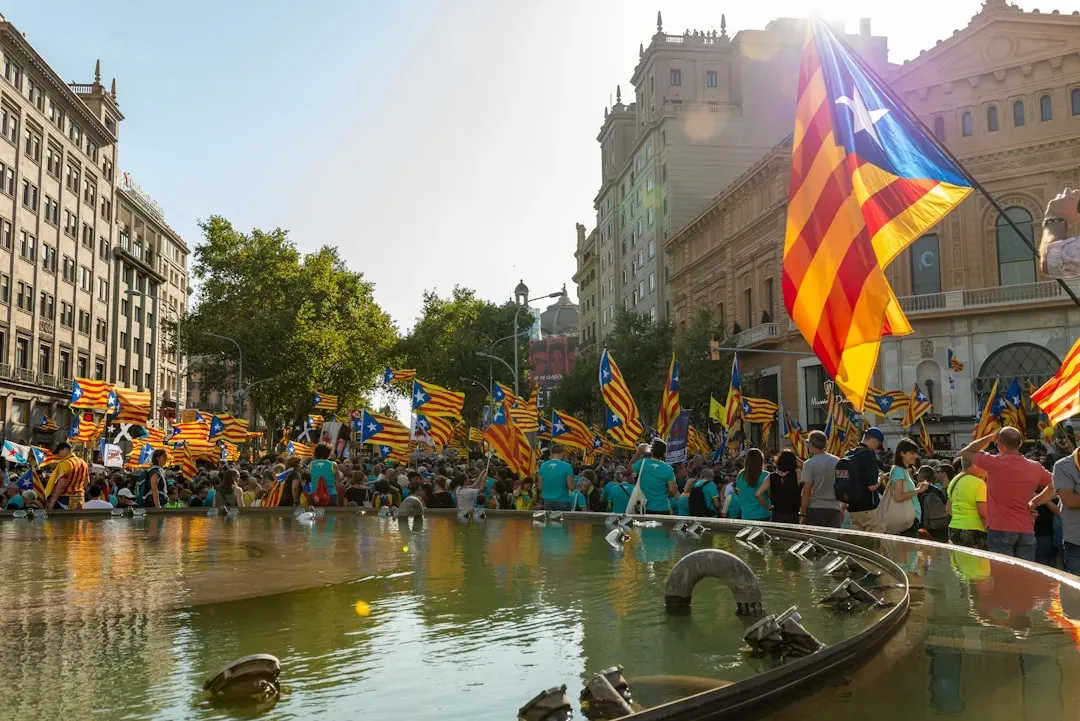
In the summer of 2024, protesters in Barcelona made international headlines by spraying tourists with water guns. While the tactics were controversial, the message was clear: locals are being priced out of their own neighborhoods. The rise of short-term rentals like Airbnb has caused rents to skyrocket, forcing residents to move to the outskirts of the city they grew up in. In August 2024, local protests erupted over concerns that the 32 million annual visitors are driving up housing costs and disrupting local life.
It is unclear whether last year’s protests had a direct impact, but 15.5 million tourists stayed overnight in Barcelona in 2024, a drop of 100,000 less than in 2023, according to official figures. Tourist density in Barcelona now stands at approximately 152,110 tourists per square kilometer, making it one of the most intensely visited urban areas on the planet. Officials in Barcelona have said they plan to ban all short-term rentals by 2028, a dramatic policy shift that signals just how deep the local frustration has run.
3. Amsterdam, Netherlands: Europe’s Highest Tourist Tax and a Landmark Lawsuit
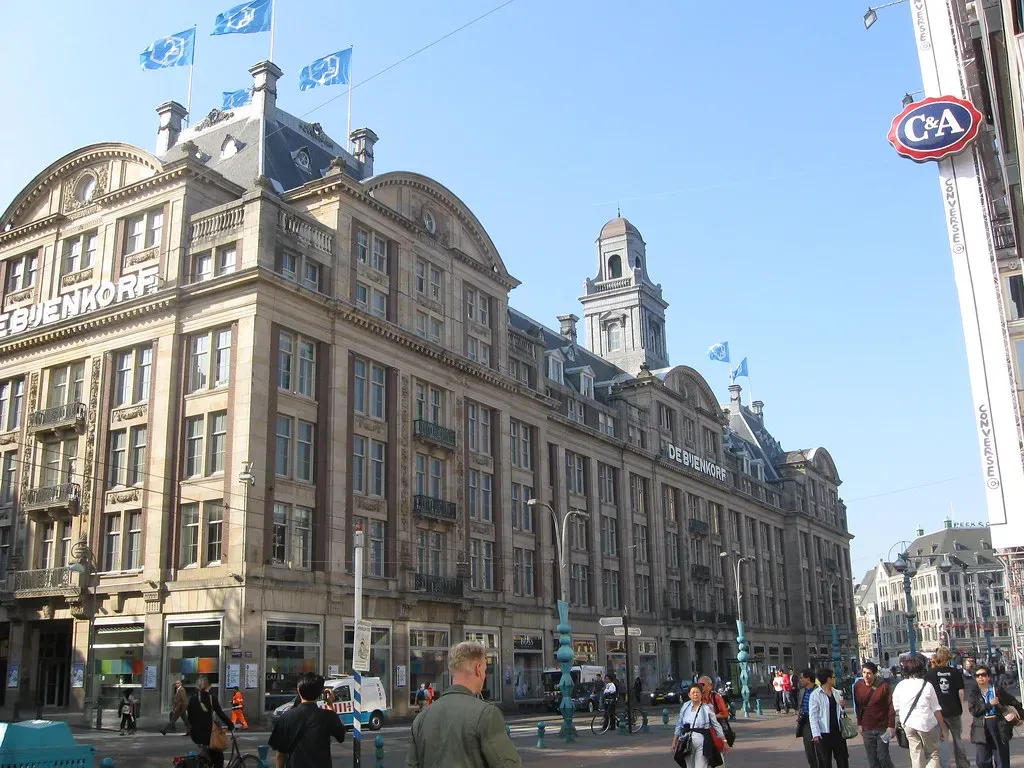
Amsterdam residents have filed a suit against the municipality, arguing the city failed to enforce its self-imposed 20 million cap on annual tourist overnight stays. City data show 22.9 million stays in 2024, a 3 percent year-over-year rise, with 2025 projected to be higher. A citizens’ initiative, Amsterdam Has a Choice, raised about €50,000 to bring the case and says the city has exceeded its overnight-stays ceiling for three straight years. It is the kind of civic fury you rarely see directed at tourists.
Since tightening regulations, Amsterdam advanced “stay away” messaging to misbehavior-focused visitors and raised the hotel tax to 12.5 percent, the highest among major European cities. The major impact of overtourism has been the displacement of local people. Young families in particular are struggling to find affordable housing in the city and, as more apartments are rented out full time to visitors, many residents are starting to find that they don’t know their neighbors anymore. Over 15 million day-trippers visited the city in 2024 alone, adding relentless pressure to a city already stretched thin.
4. Dubrovnik, Croatia: The Walled City Worn Smooth by Feet
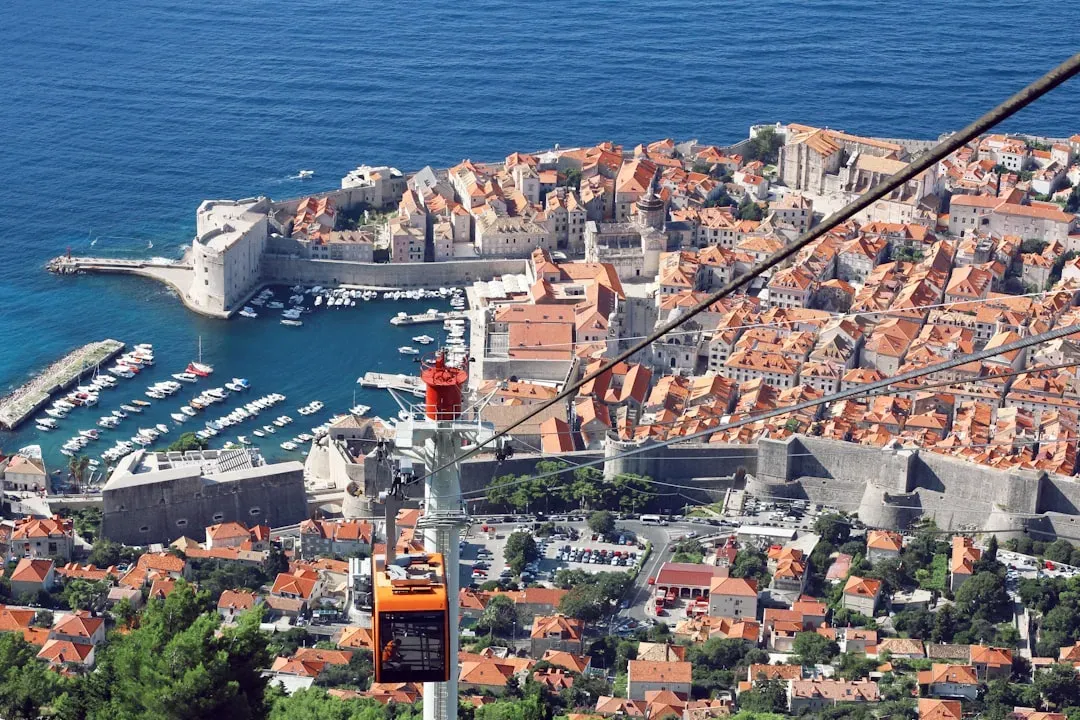
Cruise ships unloading thousands of day-trippers can overwhelm places like Dubrovnik’s Old Town, where narrow streets fill shoulder-to-shoulder and even the stone pavement has been worn smooth by feet. Dubrovnik capped cruise ship arrivals after over 4 million tourists crowded the Old Town in 2023. The caps were supposed to give the city breathing room, yet the effects have been mixed and visitor fatigue among tourists themselves is a growing trend.
Croatia’s coast, particularly Dubrovnik, has become synonymous with overtourism, and the Croatian Bureau of Statistics reported that in May 2025 there were 5.1 percent fewer arrivals and 15 percent fewer tourist nights in commercial accommodations compared with May 2024. In Dubrovnik, after daily caps on cruise visitors were introduced, some port-related revenues declined, but hotel occupancy and length of stay increased, suggesting a possible shift toward slower, higher-value tourism. According to the 2025 Wellness Retreats Magazine Overtourism Report, Dubrovnik ranks second globally for tourist-to-resident ratio, at 32 tourists for every single resident.
5. Santorini, Greece: 17,000 Cruise Passengers on an Island of 20,000 People
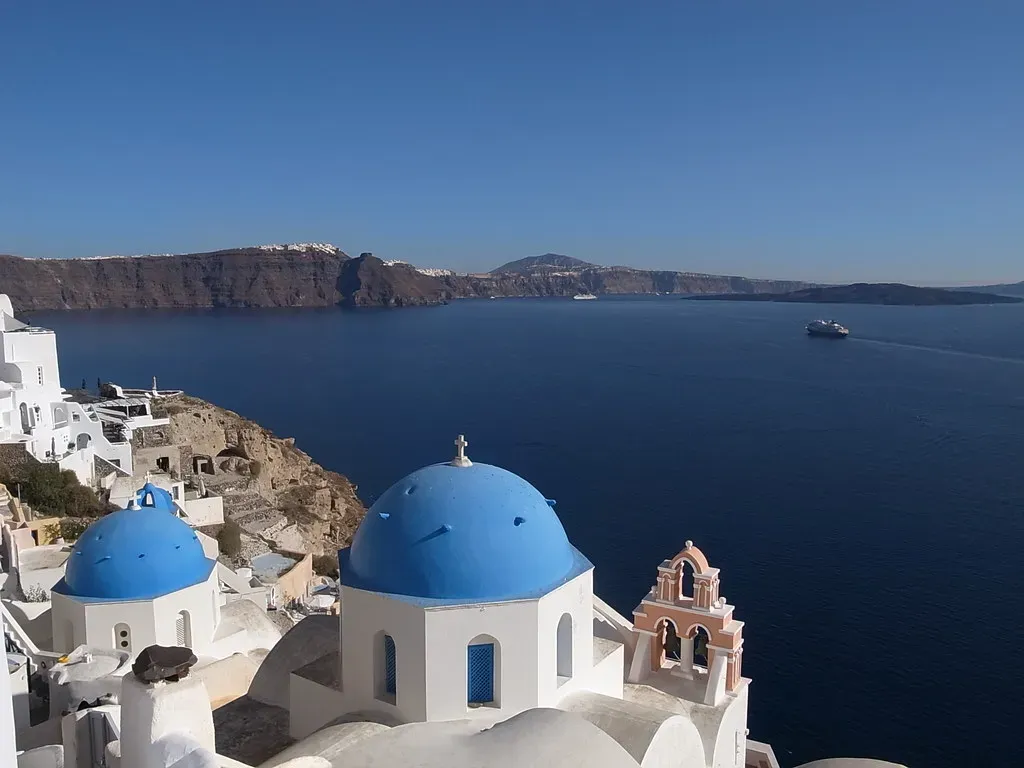
Renowned for its picturesque views and iconic architecture, Santorini draws 3.4 million tourists annually and is a popular stop for cruise ships. On peak summer days, as many as 17,000 cruise passengers arrive, placing significant strain on an island with only 20,000 permanent residents. For Santorini, 2024 was the busiest summer yet, and locals have described it as “the worst season ever,” as the island contends with overwhelming visitor numbers.
The island’s residents have expressed concern about rising living costs and the strain on essential services due to the high visitor volume. In 2024, protests emerged demanding reductions in cruise ship arrivals, citing the island’s limited capacity to handle mass tourism. In places like Santorini, water supply has become a critical issue. During peak season, tourist demand for water, from pools, showers, and air conditioning, can outstrip local supply, exacerbating drought conditions. Greece’s tourism sector welcomed a record-breaking 40.7 million international visitors in 2024 and generated €21.6 billion in travel receipts, yet the benefits are far from evenly distributed across its most overburdened islands.
6. Las Vegas, USA: The Entertainment Capital Hits Its Lowest Visitor Count Since 2010
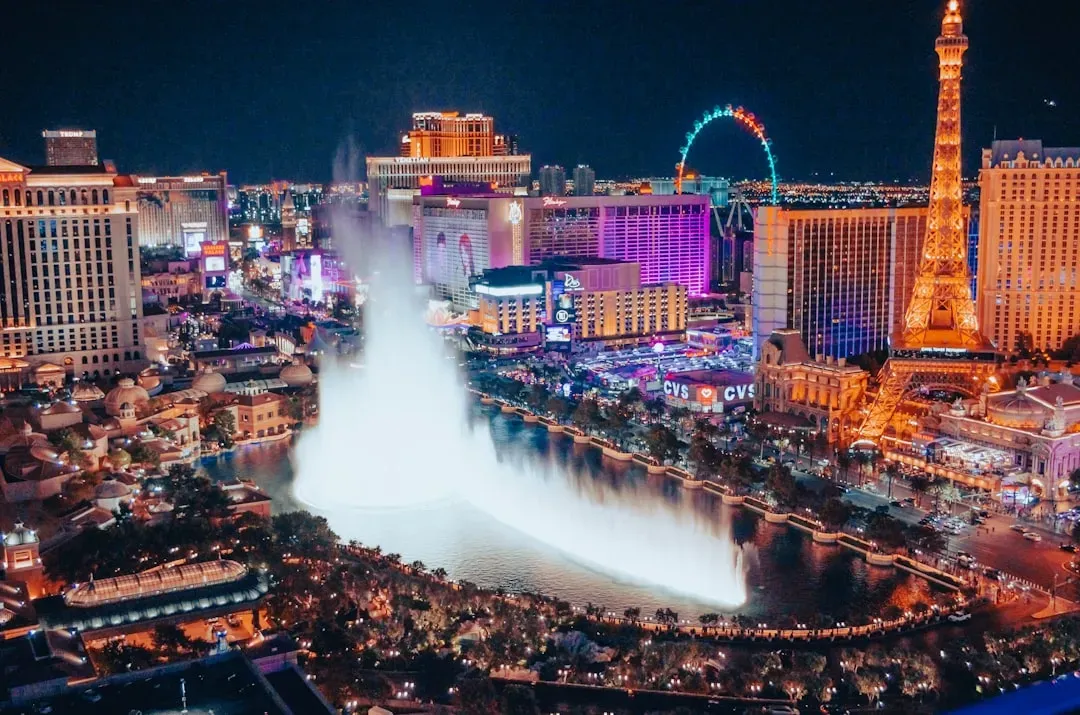
The 38.5 million visitors to Las Vegas in 2025 made it the lowest annual total since 2010, excluding the COVID-impacted years, and hotel occupancy rates fell by more than 300 basis points to 80.3 percent, with the sharpest declines coming in the second half of the year. Visitation had been in decline for seven straight months, with a 12 percent drop in visitor numbers evident between July 2024 and July 2025. The Strip, once the most reliably busy stretch of road in America, began to look unsettlingly quiet.
One of the most-cited factors is simply that a trip to Las Vegas is no longer the bargain it once was. Resort fees, parking fees, and higher food and drink costs have pulled back price-sensitive visitors. The perception of “nickel-and-diming” has dulled the value proposition of visiting Vegas. According to data from the Las Vegas Convention and Visitors Authority, Las Vegas saw an 11.3 percent drop in tourism in June compared to the previous year, with 1.5 million fewer tourists in the first half of 2025 alone. Growing concern from local officials about softening demand from Canada and Mexico, traditionally two of the city’s most important feeder markets, has added to the alarm, with Las Vegas’s mayor publicly describing Canadian demand as dropping from a faucet to a drip.