
Most of us have done it. You cook a big batch of something delicious on Sunday, tuck the container in the back of the fridge, and then casually reach for it three or four days later without a second thought. Smells fine. Looks fine. It probably is fine, right?
Well, maybe not. The gap between “looks okay” and “actually safe” is a lot wider than most people realize, and that gap gets dangerously wide right around the 48-hour mark for certain cooked foods. The science behind this is surprisingly alarming, and the consequences can range from an uncomfortable evening to a trip to the emergency room.
There are specific cooked foods that demand extra respect when it comes to storage time. Some of them might genuinely surprise you. So let’s get into it.
Why the 48-Hour Window Actually Matters
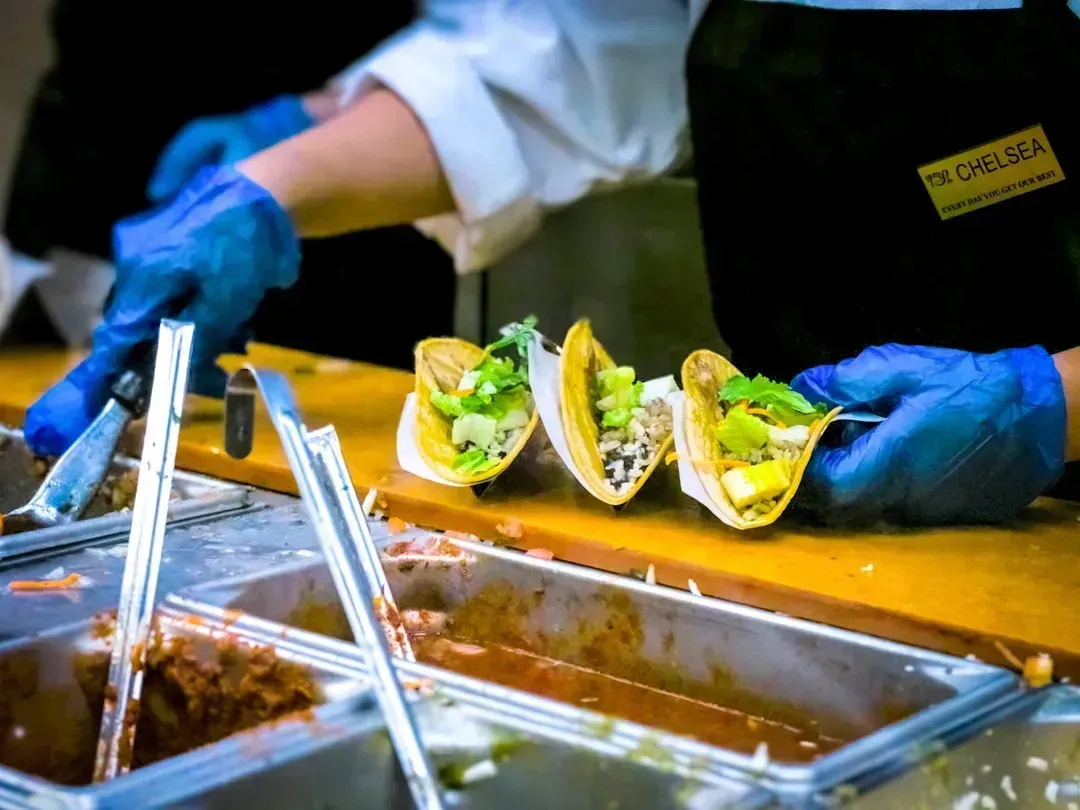
Here’s the thing about bacteria: they don’t wait for you to be careless. Bacteria grow most rapidly in the temperature range between 40°F and 140°F, doubling in number in as little as 20 minutes. Food safety experts call this range the “Danger Zone.” That’s a genuinely terrifying concept when you think about how quickly a seemingly safe leftover can become a health hazard.
If you leave food out on your kitchen counter or elsewhere in the danger zone, bacteria can double in number in as little as 20 minutes and continue to double at this rate for many hours. Even inside your refrigerator, the clock is ticking. The cold only slows bacterial growth. It doesn’t stop it entirely.
Leftovers are safest when consumed within three to four days. The longer leftovers are stored, the higher the risk of bacterial growth. Still, for certain high-risk foods, that already-short window shrinks even further, and 48 hours can already be pushing the limit. The scale of this problem is staggering: the Federal government estimates there are about 48 million cases of foodborne illness annually, resulting in an estimated 128,000 hospitalizations and 3,000 deaths each year.
Cooked Rice: The Sneaky Spore Carrier
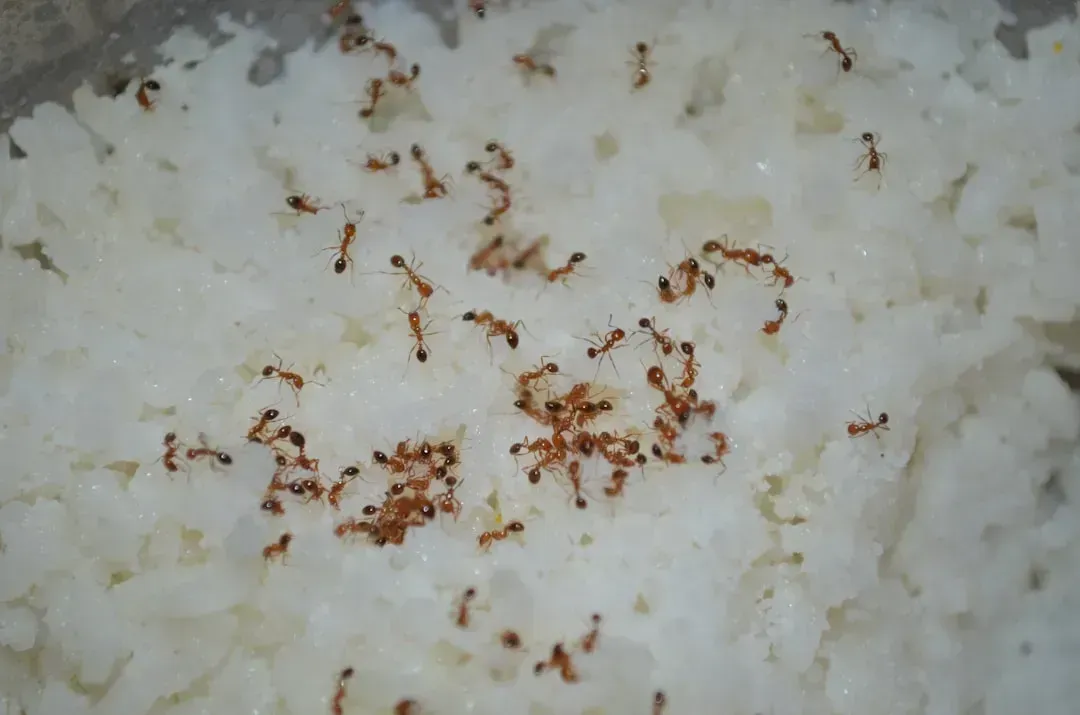
Cooked rice might be the most underestimated leftover danger in every kitchen. It looks harmless, it’s a staple of millions of daily meals, and yet it carries a hidden threat that most people never suspect. Rice can carry spores of Bacillus cereus, a bacterium that produces toxins that can cause foodborne illness.
Global warming has made the world more welcoming for the pathogen Bacillus cereus to grow in food stored after cooking. One study found that domestic rice cooking can be insufficient to inactivate its spores. These spores survive the cooking process, and when the rice cools, they can become active again. Experts recommend storing and cooling rice within 1 hour of cooking it, and consuming it within 3 days. Once you hit that 48-hour mark and beyond, the risk climbs noticeably.
Cooked Poultry: Chicken and Turkey Turn on You Fast
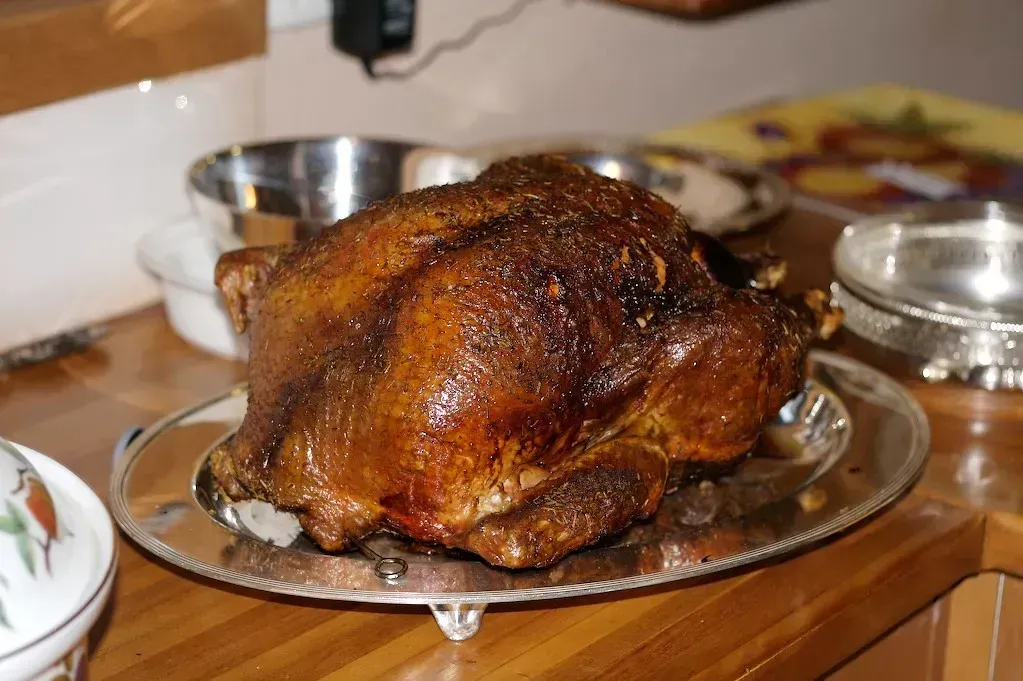
Cooked chicken is probably the leftover food most people are most familiar with, yet it’s also one of the most dangerous to mishandle. Ground meat and poultry that has been cooked to a safe temperature can last in the fridge about 1 to 2 days as long as they’re stored at or below 41°F. That is a shockingly short window that many home cooks routinely ignore.
People can contract illness by eating food contaminated with Staph aureus, usually because the food has not been kept hot enough or cold enough. Staph bacteria grow and reproduce at temperatures from 50 to 120 degrees Fahrenheit, with the most rapid growth occurring near body temperature. The terrifying detail about Staph is that even thorough reheating cannot save contaminated poultry. The toxin produced by staph bacteria is very heat-stable. The bacteria themselves may be killed, but the toxin remains. Re-heating foods, even at high temperatures, that have been contaminated with toxins will NOT make them safe to eat.
Cooked Seafood: The Fastest Expiring Food in Your Fridge
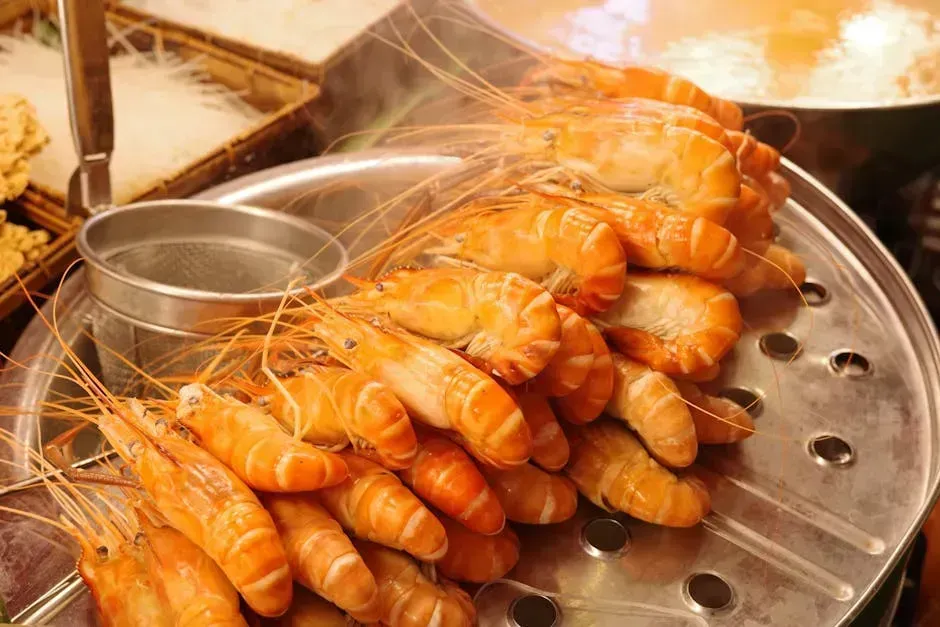
If there is one food category that demands the most urgency around storage time, it’s seafood. I honestly think most people treat leftover shrimp or fish like any other protein, which is a real mistake. Shellfish and fish are delicate, as these can harbor many pathogens or toxins like histamine that could make you sick. Histamine, notably, is not eliminated by cooking or reheating at all.
Experts recommend consuming leftovers that include seafood within 3 days, while soups and stews with meats or fish will generally last 3 to 4 days in the refrigerator. Once you pass the 48-hour mark, especially with shellfish like shrimp, clams, or scallops, the risk accelerates quickly. For mixed dishes, a good rule of thumb is that a seafood rice would last only as long as its seafood, which is a higher-risk item than plain rice. That means the whole dish expires on the seafood’s schedule, not the grain’s.
Cooked Eggs and Egg-Based Dishes: A Salmonella Hotspot
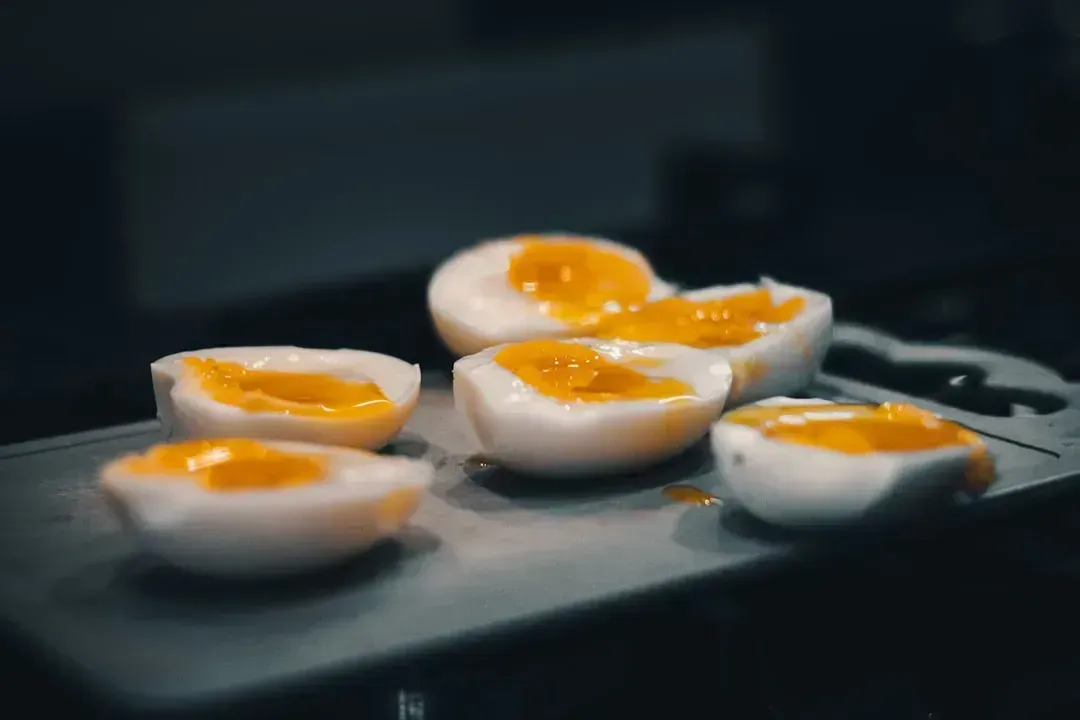
Cooked eggs are tricky because they seem so inert sitting in your fridge. A hard-boiled egg, a frittata slice, or a portion of scrambled eggs look perfectly stable, but they carry their own set of risks. Eggs are a higher-risk food, as they could transmit the bacterium Salmonella.
Recalls from Salmonella, Listeria and E. coli increased by 41% over 2023, and nearly 1,400 people became ill from food they ate in 2024, with 98% of them from just 13 outbreaks. A significant number of those cases trace back to mishandled egg-based foods. Dishes like quiche, egg casseroles, deviled eggs, and egg salad are particularly vulnerable because their moisture content and protein levels create a near-perfect environment for bacteria to thrive. Foodsafety.gov specifically lists eggs among perishable foods that should be thrown out if they have been sitting at room temperature for more than two hours.
Cooked Ground Meat and Stews: When Leftovers Bubble With Trouble
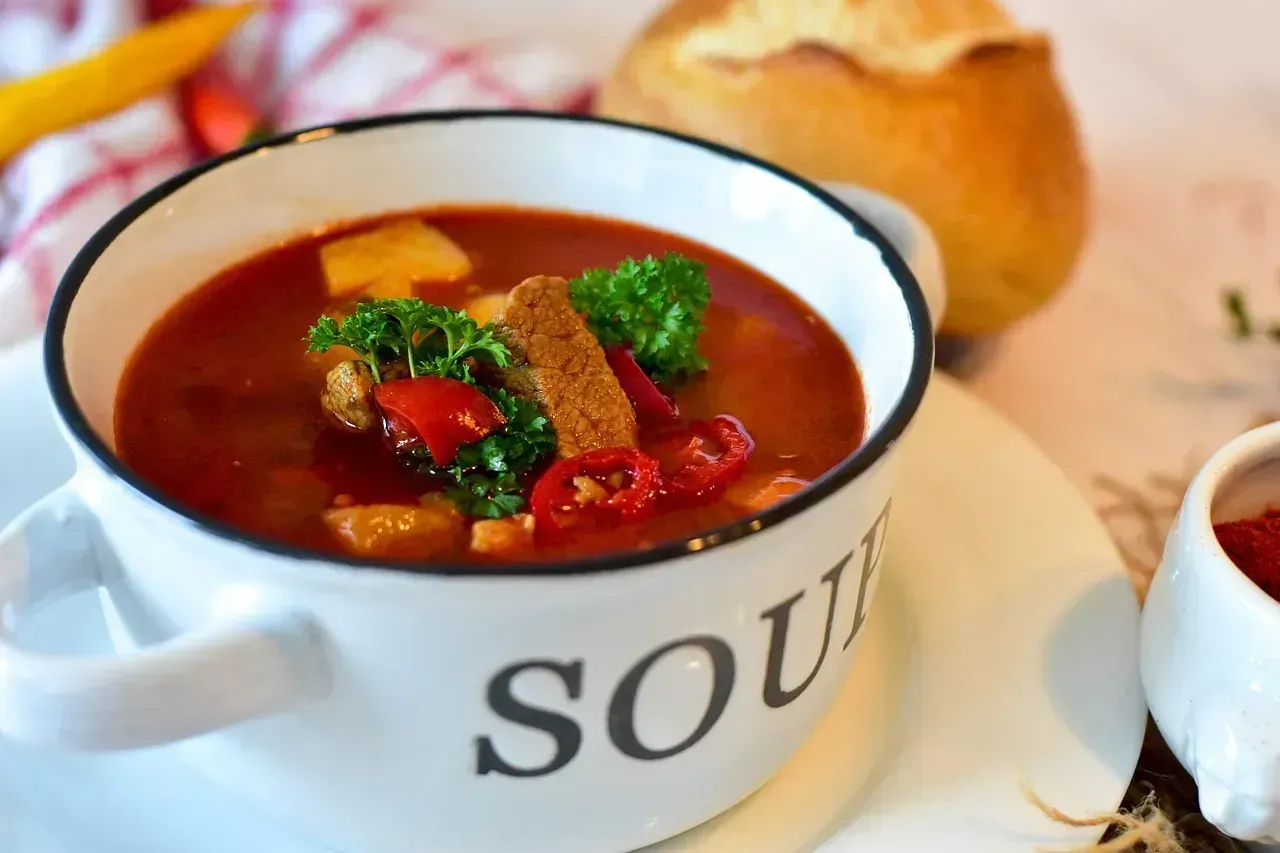
Ground meat is uniquely problematic compared to whole cuts because its surface area is massively increased during processing. More surface area means more exposure to bacteria during cooking, handling, and storage. Ground meat that has been cooked to a safe temperature can last in the fridge about 1 to 2 days. Two days. That is it. Your Monday night Bolognese needs to be eaten or frozen before Wednesday arrives.
Stews and soups containing ground meat are no exception, and the bulk of the food actually works against you here. A big pot of soup will take a long time to cool, inviting bacteria to multiply and increasing the danger of foodborne illness. Instead, dividing the pot of soup into smaller containers so it will cool quickly is strongly advised. Beyond the cooling issue, one of the most common causes of foodborne illness is improper cooling of cooked foods. Because bacteria are everywhere, even after food is cooked to a safe internal temperature, they can be reintroduced to the food and then reproduce.
Cooked Pasta and Grain Dishes: When Comfort Food Becomes Risky
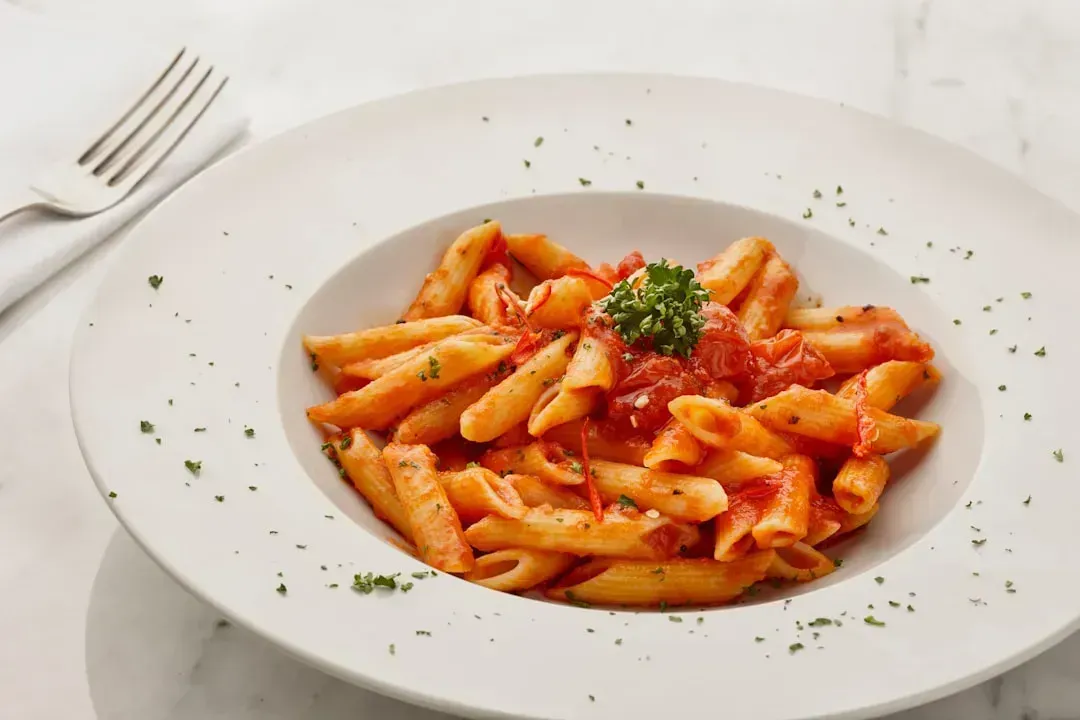
Pasta, couscous, quinoa, and other cooked grains are a staple of weekly meal prep for many people, and most of us think nothing of eating them four or even five days later. It sounds dramatic to say this, but that habit is a genuine food safety risk. Some harmful bacteria are not detectable by smell, appearance, or taste, which means that perfectly good-looking pasta could already be working against you.
The danger compounds when pasta dishes contain mixed proteins like chicken, cheese, or creamy sauces. In these instances, a good rule of thumb is to go off what ingredient in the dish spoils first. That means a chicken alfredo expires on chicken’s schedule, not the noodles’. Sensory evaluations including smell, sight, and taste tests are useful indicators of freshness and safety, but they do not provide a complete assessment of what is safe to eat. Trusting only your nose is not a strategy, it’s a gamble.
The “Smell Test” Myth and How to Actually Stay Safe
Let’s be real: most people’s food safety strategy is built around a single unreliable tool. Sniff it. If it doesn’t smell bad, eat it. That approach is one of the most dangerous myths in the modern kitchen. The types of bacteria that do cause illness don’t affect the taste, smell, or appearance of food. Read that again. The bad ones are the ones you cannot detect.
People have varying levels of sensitivity to odors and may not detect subtle changes. What’s more, strong seasonings, spices, and sauces can mask the smell of spoiled food. So your heavily seasoned leftover curry or your garlic-laden pasta might smell wonderful right up until it makes you seriously ill. The safe approach is to follow the science: use most cooked leftovers within 3 to 4 days, and reheat leftovers to 165°F.
High-risk populations including pregnant women, children under 5, adults over 65, and immunocompromised individuals should seek medical care more quickly than healthy young adults when foodborne illness symptoms arise. Leftovers can be kept in the refrigerator for 3 to 4 days or frozen for 3 to 4 months, so when in doubt, freeze it before that 48-hour window closes on the riskier foods listed here. It’s a small habit that can save you from a genuinely miserable experience.
What would you have guessed was the most dangerous leftover in your fridge? Tell us in the comments.