
There was a time when pulling up to a five-thousand-square-foot home with a double garage and a grand two-story foyer meant something. It meant you had made it. The McMansion was the American Dream made concrete and brick, planted in a freshly paved cul-de-sac somewhere between a strip mall and a highway on-ramp. But something strange is happening to those neighborhoods now. The lights are fewer. The “For Sale” signs stay longer. The dream is curdling – quietly, slowly, and rather dramatically. What is going on, and who saw this coming? Let’s dive in.
The Rise and Stall of the Oversized Dream
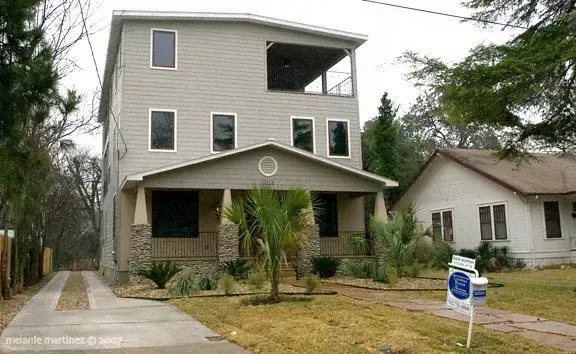
For decades, McMansions – those oversized homes ranging from 3,000 to 5,000 square feet or more – symbolized success and prosperity in America. They popped up in suburbs nationwide during the late 1990s and early 2000s, fueled by a booming economy and easy access to credit. Developers could not build them fast enough. Buyers lined up with rolled-over equity and inflated optimism.
Oversized McMansions, those sprawling symbols of prosperity from the early 2000s housing boom, are increasingly viewed as financial burdens rather than assets. As insurance premiums skyrocket, property taxes climb, and buyer preferences pivot toward efficiency and resilience, these once-desirable estates are languishing on the market.
The era of “bigger is better” is crumbling under the weight of reality. Recent data from the National Association of Home Builders reveals that the average size of new homes has been shrinking since 2015, hitting a low in 2024 not seen since 2010. That is not a minor correction. That is a full-on cultural reversal.
A Financial Trap Hidden Behind Grand Entrances
Due to the immense size of a 5,000-square-foot McMansion, its upkeep costs are often higher than those of smaller homes. The expenditures are approximately 2% to 3% of the total price of the McMansion, or $9,000 to $20,000 per year on average. This cost may vary based on the home’s age, condition, and location. Think about that for a second. That is the price of a decent car, every single year, just to keep the walls from falling apart.
Real estate agents across the country report that McMansions sit on the market for months longer than comparable smaller homes. Even when they do sell, prices often fall short of what homeowners hoped to recover. The math is brutal: high maintenance costs plus declining demand equals negative equity for many owners. They’re trapped in houses they can’t afford to keep but can’t afford to lose.
Twenty years after the 2006 housing boom, new data from Zillow reveals a fundamental reversal in the American Dream: Buyers are ditching “wasted scale” for high-efficiency spaces. As insurance premiums and property taxes soar, real estate experts warn that the oversized, unoptimized estates of the mid-aughts are becoming a financial exposure for homeowners who fail to adapt.
The Energy Bill Nobody Warned You About
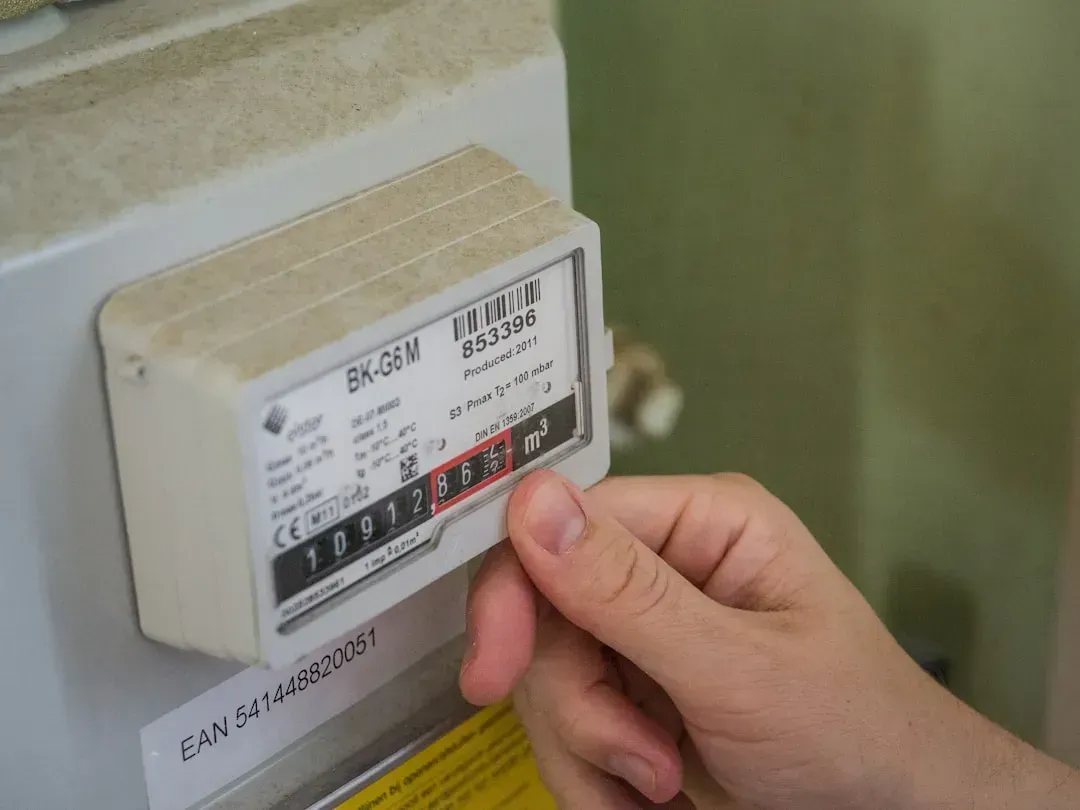
With energy prices rising and environmental concerns growing, families are discovering that their dream home has become an expensive burden. Those soaring two-story entryways and cathedral ceilings that once impressed guests now represent hundreds of dollars in wasted energy every month. Even with modern HVAC systems, the sheer volume of space makes efficient climate control nearly impossible.
McMansions emphasize interior space. Typically, they have a floor area over 4,000 square feet, ceilings 9 to 10 feet high, a two-story portico, huge staircases, two or more garages with oversized doors, room-sized walk-in closets, and a family room with a vaulted ceiling. Every one of those architectural flourishes is a money drain you never fully see until the utility bill arrives.
Efforts to economize may have led to a decline in quality for many of these new houses. Because these houses emphasize instant gratification, they are almost never designed with energy efficiency, environmental sustainability, maintainability, or longevity in mind. Honestly, it is hard to feel sorry for the market when the problem was built directly into the blueprint.
Shoddy Bones: The Construction Quality Crisis
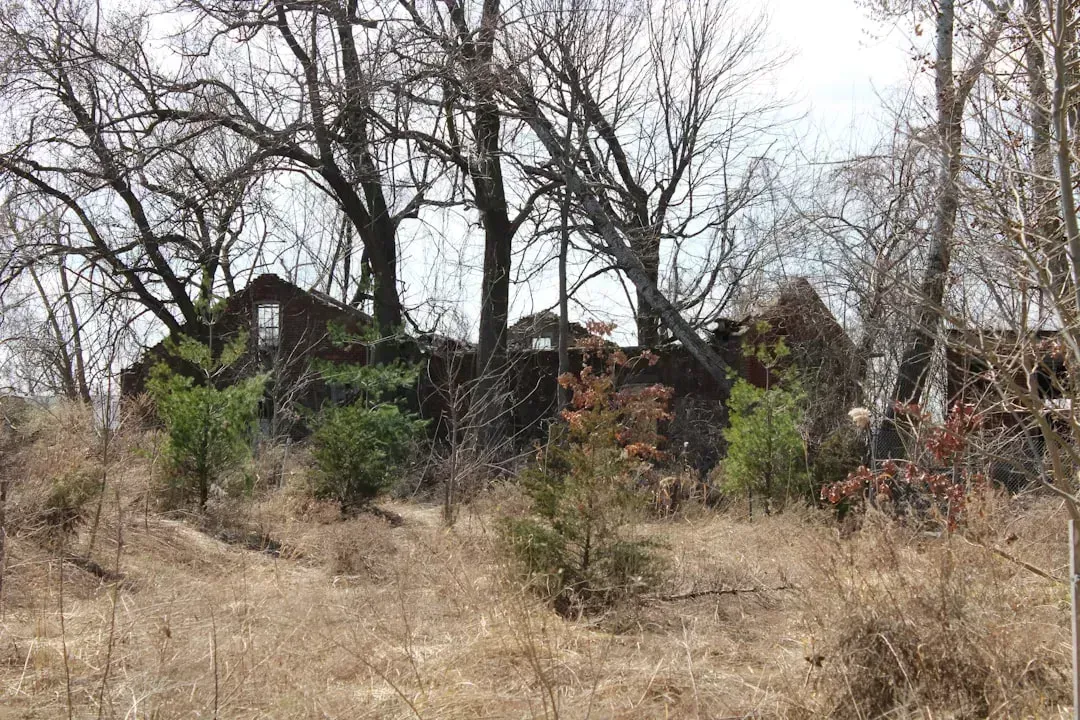
The signs of shoddy construction aren’t always easy to identify. However, when big building corporations consistently push the “More House for Your Money!” angle, it’s a safe bet that corners are being cut somewhere. The impressive facades hide fundamental structural problems that become expensive disasters as these homes age.
Because we started treating our houses as disposable during the mortgage booms of the 1980s, 90s and 2000s, we ended up with houses built to last not even 25 years. This leads us squarely to the conclusion that McMansions are a seriously bad investment. And those roofs – the enormous, complicated, multi-gabled roofs – are now approaching the age where full replacement becomes unavoidable.
McMansions often mix a variety of different architectural styles and elements, combining quoins, steeply sloped roofs, multiple roof lines, complicated massing, and pronounced dormers, to produce an appearance that may be considered unpleasant, jumbled, or messy. The builder may have attempted expensive effects with cheap materials, skimped on details, or hidden defects with cladding. What looked impressive in 2004 now looks dated – and is literally crumbling in some cases.
A Generation That Simply Doesn’t Want Them
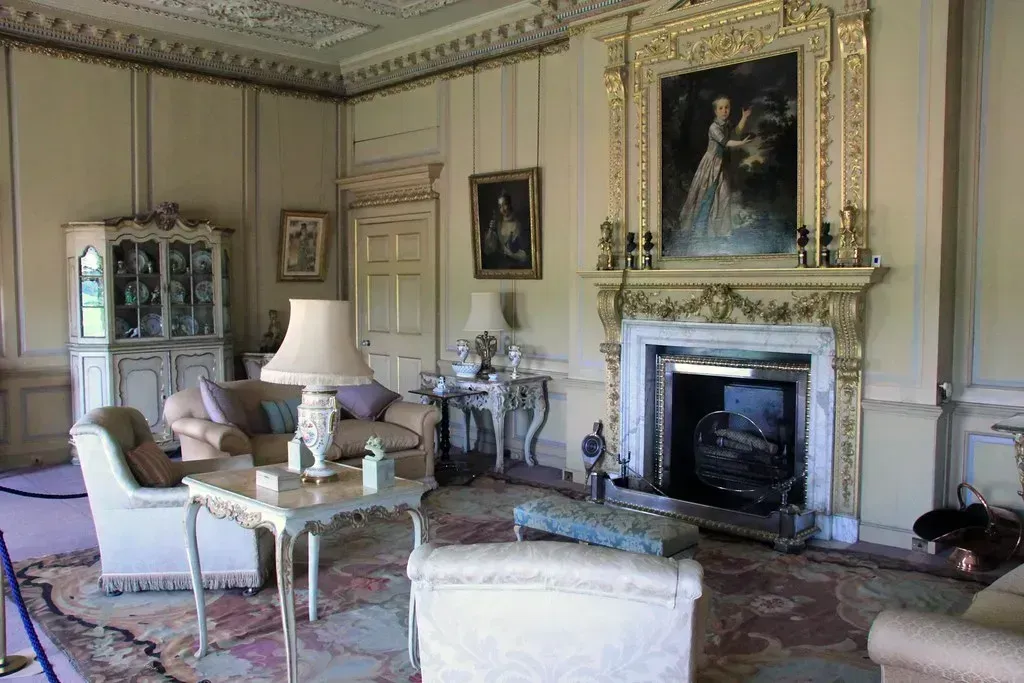
Young buyers aren’t just avoiding these homes – they’re actively rejecting them. The values that drove McMansion construction – status, excess, and conspicuous consumption – clash directly with modern priorities like environmental responsibility, financial prudence, and community connection. This is not just a market blip. It is a values shift, and it runs deep.
Data from the U.S. Census Bureau confirm that builders are constructing smaller homes. The median home size dropped from 2,200 square feet in 2023 to 2,150 square feet in 2024 – the lowest in 15 years – after holding strong at 2,300 square feet from 2019 to 2022. The direction of travel is unmistakable.
Compared to 2006, energy efficiency is also much more important to modern buyers. Listings mentioning zero-energy ready homes are up roughly 70 percent in the past 20 years, while homes with EV charging stations are up about 25 percent. Today’s buyer wants a home that works with them, not a monument to square footage that works against their wallet every single month.
Zombie Foreclosures and Ghost Neighborhoods
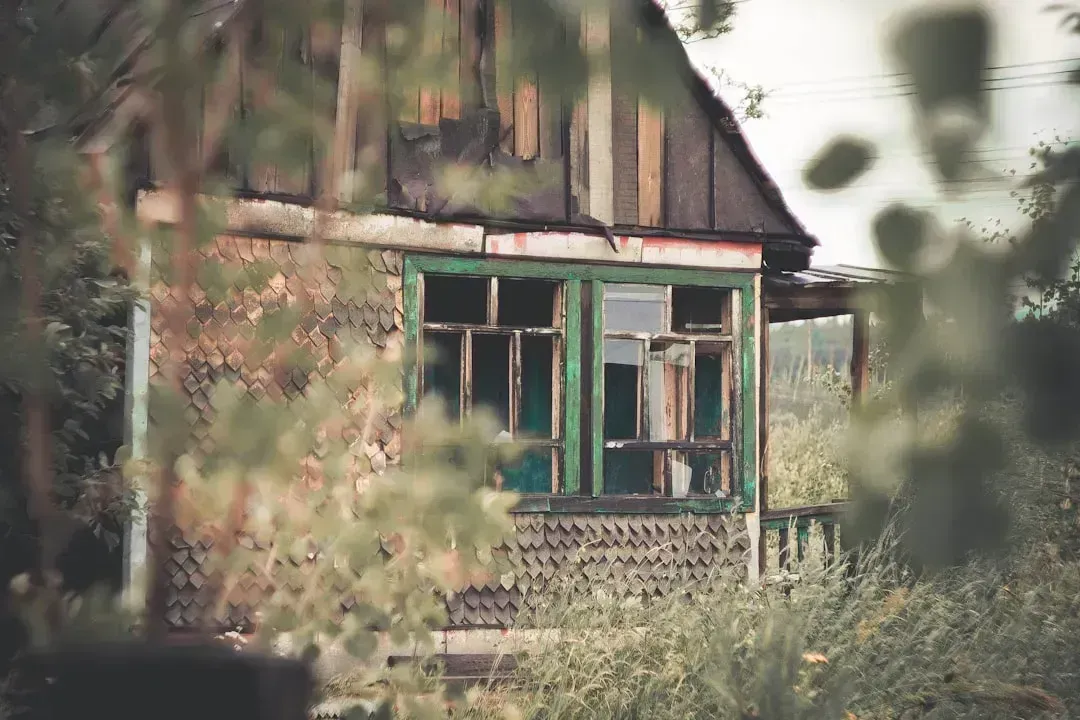
Without investments in updates like hurricane-rated windows or efficient HVAC, these properties risk becoming “ghost neighborhoods,” as some reports have described vacant McMansion subdivisions where resale values stagnate amid mounting debts. It sounds dramatic. It is, in some parts of Florida, Nevada, and Illinois, absolutely not.
Among pre-foreclosure properties, about 7,100 sit vacant as zombie foreclosures – pre-foreclosure properties abandoned by owners – in the fourth quarter of 2024. That figure is slightly above the number in the prior quarter, but down about 20 percent from a year ago. These are homes where the owners simply walked away. Left the keys. Left the dream behind.
States with the highest foreclosure rates in 2024 were Florida, New Jersey, Nevada, Illinois, and South Carolina. Many of these states experienced significant McMansion construction during the boom years, and now face the consequences of that oversized legacy. There is a geography to this collapse, and it maps nearly perfectly onto the McMansion belt.
What Comes Next for the Suburban Landscape
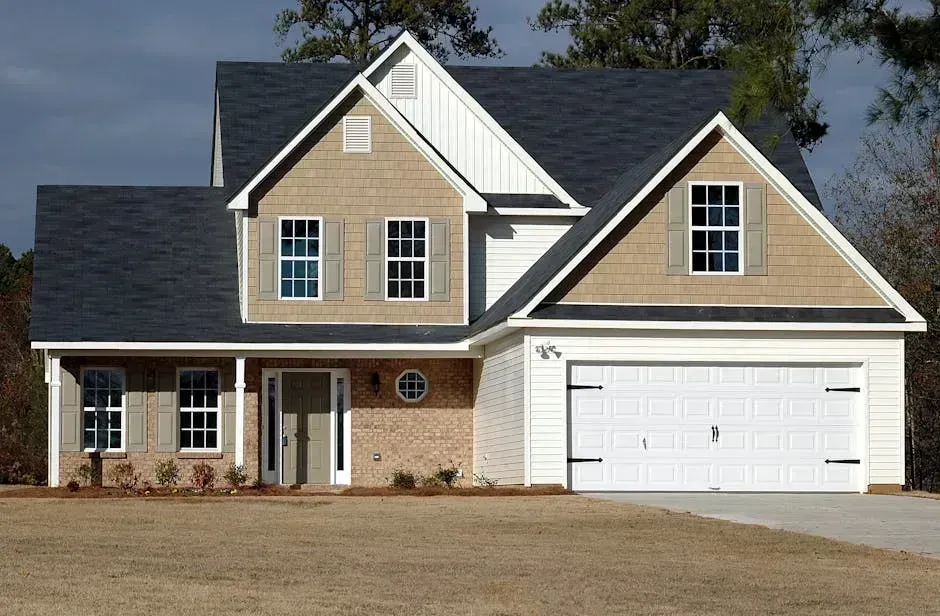
New constructions are smaller overall, with median square footage dropping significantly as builders respond to affordability pressures and changing tastes. Buyers, particularly millennials and Gen Xers now dominating the market, are educated and pragmatic. They’re ditching excess for homes that integrate seamlessly with daily life – think smart systems, outdoor living areas, and energy-efficient designs that lower long-term costs.
The remote work revolution sparked by the 2020 pandemic has changed what Americans want in a home. No longer bound by commuting distance, buyers value functional layouts over grand foyers or two-story living rooms. Zillow’s 2024 consumer trends report found that nearly three quarters of remote workers want a dedicated office, but only about one in five desire extra-large living spaces. The 2020 pandemic reshaped the definition of “dream home” faster than anyone expected.
The future of McMansions in real estate development is still being determined as changing consumer preferences and environmental concerns reshape the housing market. While some homeowners continue to value the size and prestige associated with these homes, there is a growing trend towards more sustainable, efficient, and thoughtfully designed properties. Developers are increasingly focusing on building homes that offer greater energy efficiency, lower maintenance costs, and better use of space.
The McMansion’s fall is, in many ways, a story about how aspirations age. What felt like status once can feel like a burden later. The suburbs are not dying – but the version of them built around conspicuous excess and disposable construction is absolutely on notice. The next generation of homeowners is not interested in maintaining a grand illusion for a house that was never built to last. What do you think – is the McMansion era truly over, or will it find a way to reinvent itself?