
Every year, millions of Americans pack their bags and hit the road, ready to explore the country they call home. The U.S. has no shortage of incredible destinations. Still, there is a side to domestic travel that tourism brochures never advertise – the cities where travelers consistently say the risk is real, the stress is high, and the experience feels more like survival than vacation.
Honestly, it is not always about being dramatic. Crime statistics from the FBI, quality-of-life rankings from researchers, and the lived experiences of real visitors paint a picture that deserves attention. Let’s dive in.
1. Memphis, Tennessee – The City That Tops Every Danger List

Let’s be real – Memphis keeps showing up at the very top for a reason. As of 2025, Memphis, Tennessee has the highest overall crime rate in the nation, with nearly 98 incidents per 1,000 residents. That is not a small margin above average. That is a number so far beyond the national norm that it genuinely should give pause to any casual visitor.
Memphis once again tops the list, with a violent crime rate nearly six times the national figure. The city’s struggles are deep-rooted and tied to socioeconomic inequality, gang activity, and systemic underfunding of public safety. The city’s high violent crime rate, driven by aggravated assaults, robberies, and gang activity, continues to make it one of the most dangerous cities in America despite ongoing community safety programs.
There is a glimmer of hope worth mentioning. Despite ongoing challenges, Memphis saw a 30% decrease in homicide by the end of 2024, with overall crime dropping to a 25-year low across major categories. Progress is real, but the baseline was so alarming that even with those improvements, Memphis remains the number one concern for travelers looking at domestic safety data.
2. Detroit, Michigan – A City Still Carrying Heavy Burdens
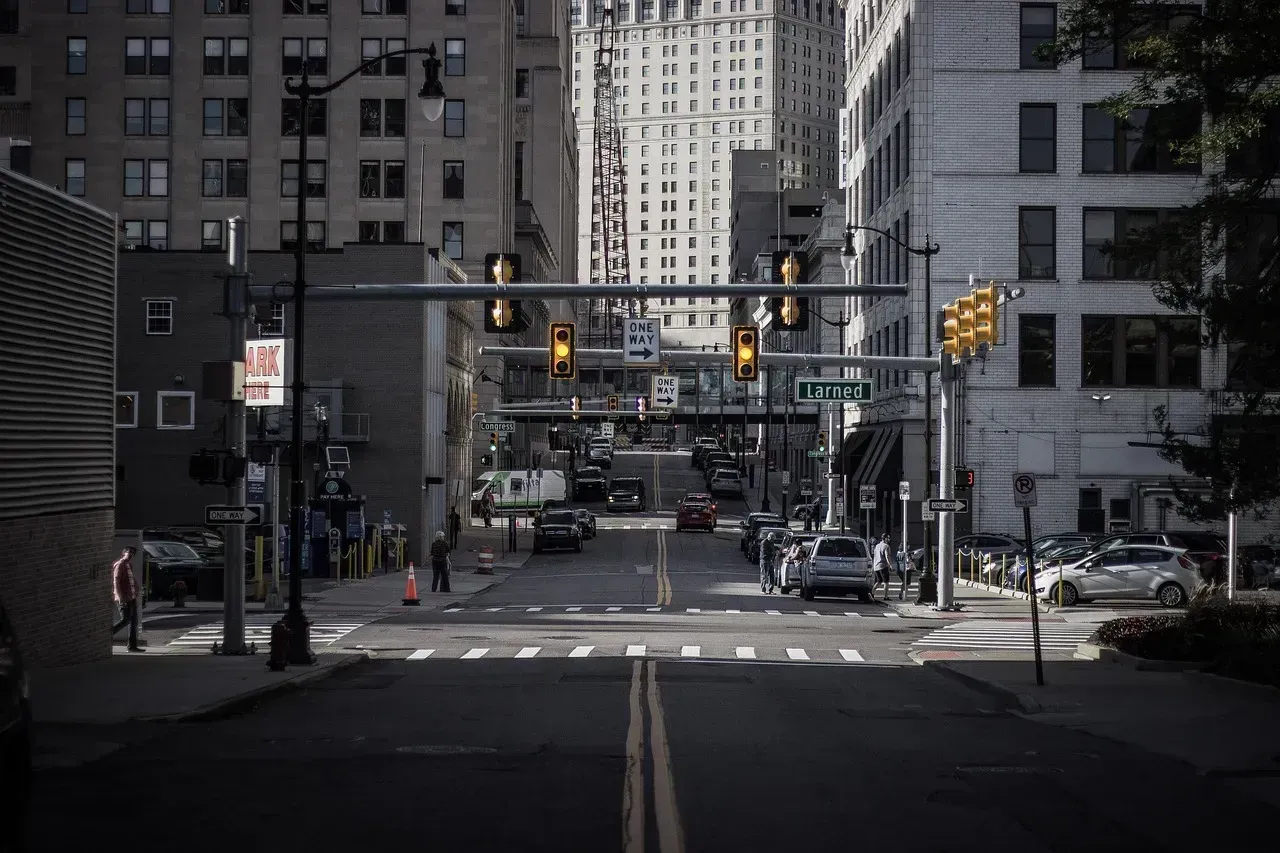
Detroit has a violent crime rate of 2,007.8 incidents per 100,000 individuals, making it one of the most dangerous cities in the United States. Think about that for a moment. That is the equivalent of roughly one in every 50 residents being involved in or affected by violent crime annually. For a visitor unfamiliar with the city’s geography and safe zones, navigating Detroit requires real awareness.
Detroit has a violent crime rate more than triple the U.S. average. The good news, and there is some, is that Detroit has been fighting back hard. In 2024, Detroit had its lowest number of homicides in over 50 years, and it is becoming a popular vacation spot known for culture. So the transformation is underway. The crime numbers, though, still warrant caution for the average tourist venturing outside the main attractions.
3. St. Louis, Missouri – Assault Capital of the Midwest

St. Louis is one of those cities where the statistics hit you like a freight train. St. Louis, Missouri holds the distinction of being among the most dangerous cities in the United States, with a rate of 1,470 per 100,000 residents experiencing assault, which constitutes the majority of offenses. The city’s crime challenges are inseparably linked to deeper structural issues.
According to Neighborhood Scout data, you have a one in 70 chance of falling victim to a violent crime in St. Louis compared to a one in 218 throughout the rest of the state. That gap is staggering. Yet here too, data shows improvement. More recent reporting shows signs of hope: homicide rates in St. Louis have fallen approximately 22 percent in the first half of 2025, the lowest mid-year murder numbers in more than a decade.
4. Baltimore, Maryland – The Robbery Capital of the East Coast

Baltimore occupies a complicated space in the American consciousness. It is rich with history, home to genuinely beautiful neighborhoods, and fighting hard to reclaim its reputation. Baltimore ranked second in murders while maintaining its position as the nation’s leader in robbery rates. Baltimore’s crime challenges stem from decades of economic decline, the opioid crisis, and other systemic issues.
Cities like St. Louis, Missouri, and Baltimore, Maryland, have violent crime rates that exceed 2,000 incidents per 100,000 people, making them among the most violent cities in the country. Even so, there are encouraging signs. Baltimore has shown remarkable progress recently: as of mid-2025, robbery and motor vehicle theft are down compared to the previous year, and the homicide clearance rate has jumped from 40.3% in 2020 to 68.2% in 2024, demonstrating improved investigative effectiveness.
5. New Orleans, Louisiana – Beautiful, Festive, and Genuinely Risky
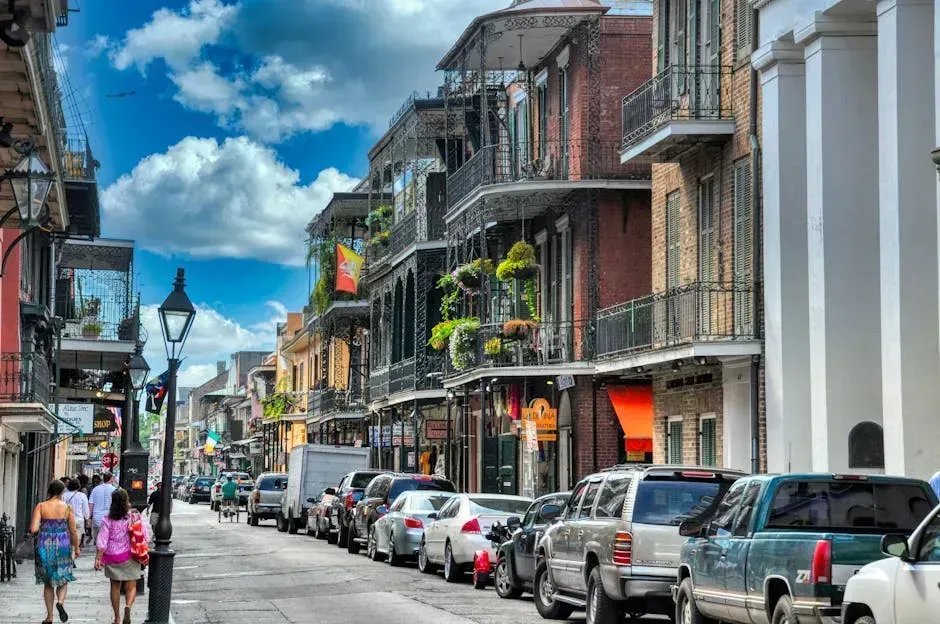
New Orleans is one of the most seductive cities in the entire country. Jazz, food, history, Mardi Gras – it has an energy unlike anywhere else. New Orleans has one of the highest crime rates in the country. More troubling, it has one of the highest violent crime rates in the United States, and according to local news, the city has the 9th highest homicide rate in the United States.
Then on January 1, 2025, a terror attack on Bourbon Street shook confidence in the city’s safety during large events. Enhanced security measures were implemented for major events following the January 2025 attack, including a SEAR-1 designation for Mardi Gras – the highest level of security classification in the United States. For travelers, the picture is mixed. While New Orleans does have a high crime rate, most of the violent crimes occur outside of tourist zones. As long as tourists stick to heavily trafficked areas and avoid flashing large sums of cash or valuables, becoming a victim of crime is unlikely.
The New Orleans Police Department, in comparing 2024 to 2023, reported an overall decrease by 20-27% in various crime categories, with overall crime decreasing by 26%. Progress is happening, but the city’s historical crime baseline remains a real talking point for cautious travelers.
6. Oakland, California – The Most Dangerous City in the Golden State

Oakland sits just across the bay from San Francisco, one of America’s most photographed cities. The contrast is jarring. In 2025, Oakland’s violent crime rate stood at 16.85 per 1,000 residents – over 300% higher than the national average. These numbers aren’t just statistical outliers; they reflect a daily reality for many Oakland residents, particularly in neighborhoods like East Oakland and parts of West Oakland.
Oakland topped the list in multiple property and violent crime categories, leading all medium-sized cities in aggravated assault, robbery, larceny-theft, and motor vehicle theft. For any traveler arriving from San Francisco with casual tourism plans, wandering into the wrong neighborhood in Oakland is a risk that is not worth taking. Persistent challenges, including gang-related violence, economic inequality, and strained law enforcement resources, continue to push Oakland ahead of other crime-prone cities in the state.
7. Little Rock, Arkansas – A Small City With Big Crime Numbers

People often think of dangerous cities as massive metropolitan areas. Little Rock challenges that assumption completely. Little Rock, Arkansas has violent crime rates at an estimated 1,400 per 100,000, with aggravated assaults and robberies leading the statistics. There is also widespread economic desperation and drug use, with community programs being attempted but with limited effectiveness.
By 2025, Little Rock with 1,656 violent crimes ranked among the top three most dangerous cities in the United States alongside Memphis and Detroit. For a city of its modest size, those numbers are genuinely alarming. Travelers visiting for tourism, sports, or business should research specific neighborhoods carefully and avoid isolated areas, especially at night.
8. Albuquerque, New Mexico – Stunning Landscapes, Stubborn Crime

Albuquerque is surrounded by breathtaking New Mexico desert scenery. It draws visitors for its food, culture, and proximity to stunning outdoor destinations. The crime situation, though, is hard to ignore. In 2024, Albuquerque reported 12.4 homicides and 1,127.7 violent crimes per 100,000 residents. That places it comfortably on nearly every national list of the most dangerous cities in the country.
With a population of 562,599, Albuquerque has a crime rate of 6,356 per 100,000 people, making the city 171% more dangerous than the national average. Property crime is a particular concern. Economic disparities, lack of access to quality education, and gang activities have been significant contributors to Albuquerque’s persistent crime problem. It is the kind of place where you want to do your neighborhood research before booking any accommodation.
9. Stockton, California – The Central Valley’s Persistent Challenge

Stockton does not always make the national headlines the way New York or Chicago do, but the data places it firmly in dangerous territory. Stockton, located in California’s Central Valley, has faced significant challenges with crime. In 2024, the city reported 14.6 homicides and 1,415 violent crimes per 100,000 residents. Those are numbers that rival much larger cities nationwide.
Stockton’s crime landscape is characterized by a violent crime rate of 13.96 incidents per 1,000 residents and a property crime rate of 33.62 per 1,000 residents. There are efforts to turn things around. The Stockton Police Department reported an 11.6% decrease in overall reported crimes during the first three quarters of 2024 compared to the same period in 2023, and robberies dropped by 17.6% from January to September 2024. But there is still a long road ahead before Stockton earns a clean bill of health from travel advisors.
10. Kansas City, Missouri – Barbecue, Jazz, and Alarming Homicide Rates
Kansas City has an incredible cultural identity. World-class barbecue, a genuine jazz heritage, and a warmly passionate sports community. It deserves to be celebrated. The crime data, however, is a serious conversation that the city cannot avoid. Kansas City, famous for its barbecue and jazz scene, is no stranger to the challenges of crime. In 2024, the city reported 23.8 homicides and 1,326.4 violent crimes per 100,000 residents.
That homicide rate is among the highest of any major American city when measured per capita. Oakland, Baltimore, Detroit, and Cleveland remain in the top tier due to persistent struggles with gang violence, drug-related crime, and systemic poverty – and Kansas City shares many of those same underlying structural issues. Visitors can absolutely enjoy this city, but situational awareness and neighborhood research are absolutely non-negotiable.
11. Myrtle Beach, South Carolina – A Tourist Trap With Real Crime
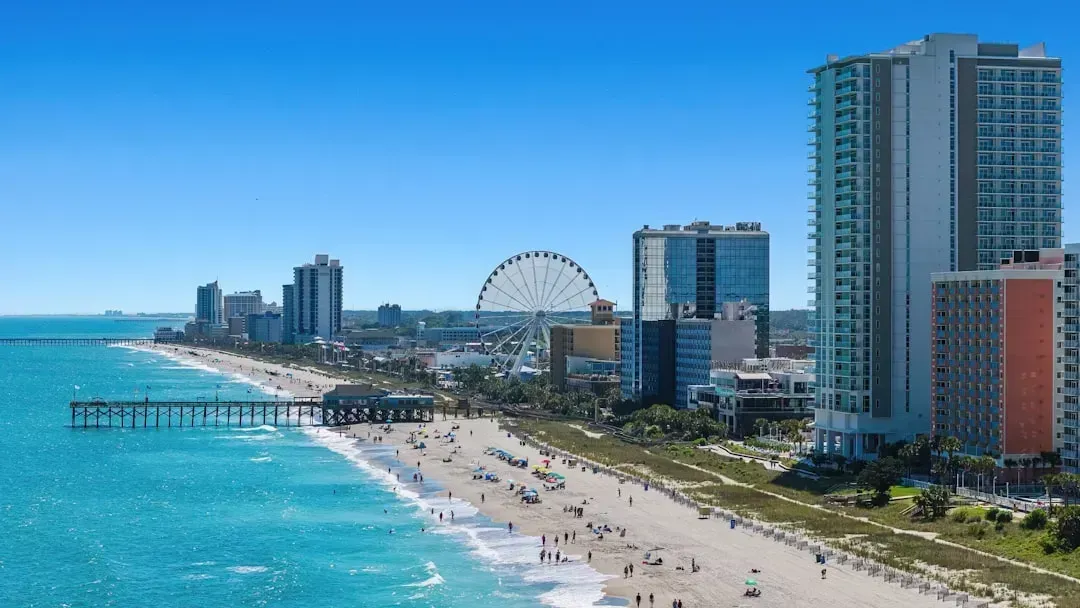
Here is the one that genuinely surprises people. Myrtle Beach is arguably the most tourist-focused destination on this list, which makes its crime numbers all the more startling. It is a resort town, yet the numbers tell a different story. According to estimates, the violent crime rate for Myrtle Beach in 2025 was approximately 49.31 per 1,000 residents, and the rate of violent crime surpasses both the state average for South Carolina and the national average, indicating greater exposure to acts of violence for residents and visitors alike.
Property crime in Myrtle Beach is particularly relentless. In 2024, the burglary rate was reported as 1,633 per 100,000 residents, and for larceny-theft in 2024, the rate was approximately 13,004 per 100,000. Think about that: a larceny rate of over 13,000 per 100,000 people. In a resort city. Property crimes form the bulk of incidents and represent the principal exposure for both residents and tourists. Parking lot thefts, vehicle break-ins, and pickpocketing are the everyday reality that many visitors discover only after arriving.
A Final Word for the Cautious Traveler

The national picture is not entirely bleak. The FBI released 2024 crime figures showing national crime rates continuing to cool: violent crime fell around 4.5 percent, and property crime dropped about 8.1 percent compared to 2023. That is genuinely good news. Still, national averages are, in the end, just averages – and they obscure the stark realities of individual cities.
Even in high-crime cities, there are often many safe neighborhoods. No destination on this list is entirely off-limits, and many travelers visit without incident every single day. The point is not fear. The point is preparation. Research specific neighborhoods, stay in well-reviewed areas, and trust your instincts when something feels off.
It is hard to say for sure whether any of these cities will dramatically improve their safety rankings in the coming years, but the trend lines in several of them are genuinely encouraging. What would you have guessed about which destination on this list would surprise you most? Tell us in the comments.