
Something quiet is shifting across the world right now, and it doesn’t make headlines in the same way a natural disaster or a cyberattack does. It’s a change in how people think. Governments, businesses, communities, and ordinary citizens in region after region are beginning to take risk seriously, not just in theory, but in spending decisions, policy frameworks, and daily conversations. That shift is perhaps one of the most hopeful, and overlooked, stories of the mid-2020s.
The data from recent global surveys is striking. The Global Risks Report 2026 marks the second half of what experts are calling a turbulent decade, analyzing global risks through multiple timeframes to help decision-makers balance current crises against longer-term priorities. The picture it paints is complex, urgent, and, honestly, a little sobering. But it also shows something worth paying attention to. Let’s dive in.
Western Europe: Cybersecurity Getting a Serious Upgrade
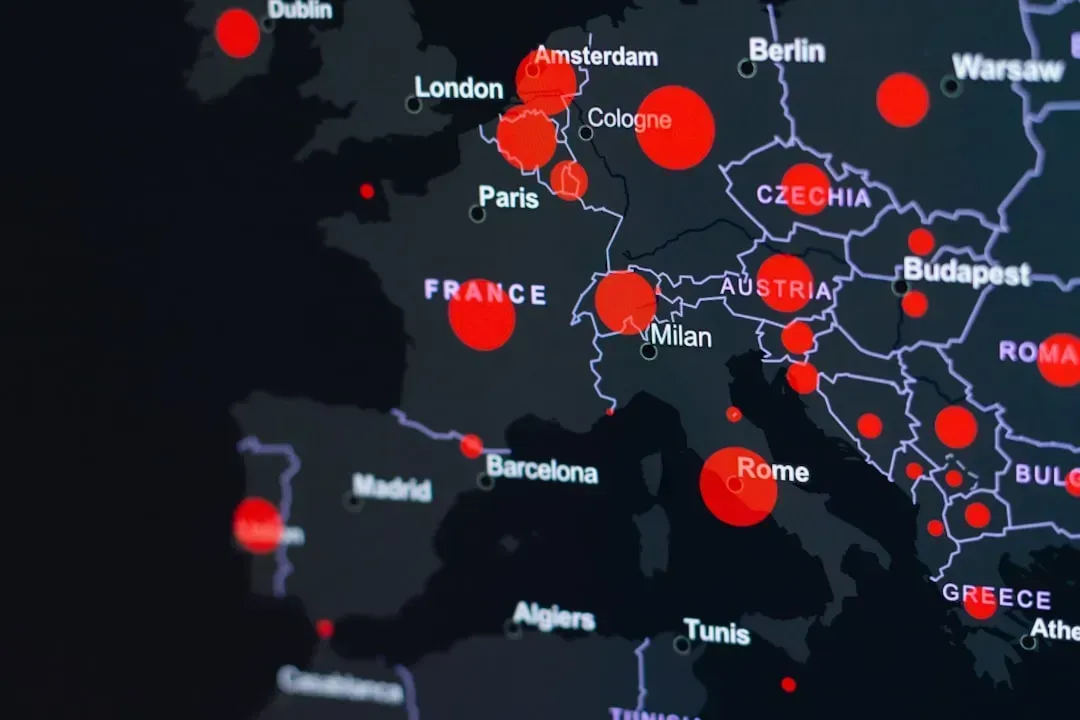
For a long time, Western Europe was considered a relatively safe zone in the global digital landscape. That comfortable assumption has been eroding fast. Cybersecurity awareness has become a global priority, with countries investing heavily in data protection as digital threats accelerate. Denmark bolstered its cybersecurity ranking by 20 positions, while the Netherlands improved by 25 and Spain by 11.
In the European Union, the NIS2 Directive significantly raises the bar for cybersecurity standards, requiring enhanced incident reporting, stricter supply chain oversight, and increased accountability for boards of directors. Think of it like building a stronger fence after realizing the neighborhood has changed. The regulation is forcing companies to treat cyber threats as boardroom issues, not just IT department problems. In Germany, the loss impact of cyber insureds increased by roughly 70 percent over four years, but the economic impact of cybercrime grew by about 250 percent. This resilience gap reflects cyber insurance policyholders’ heightened awareness of risk and their actions to mitigate it.
Southeast Asia: Preparing for the Storms That Keep Coming
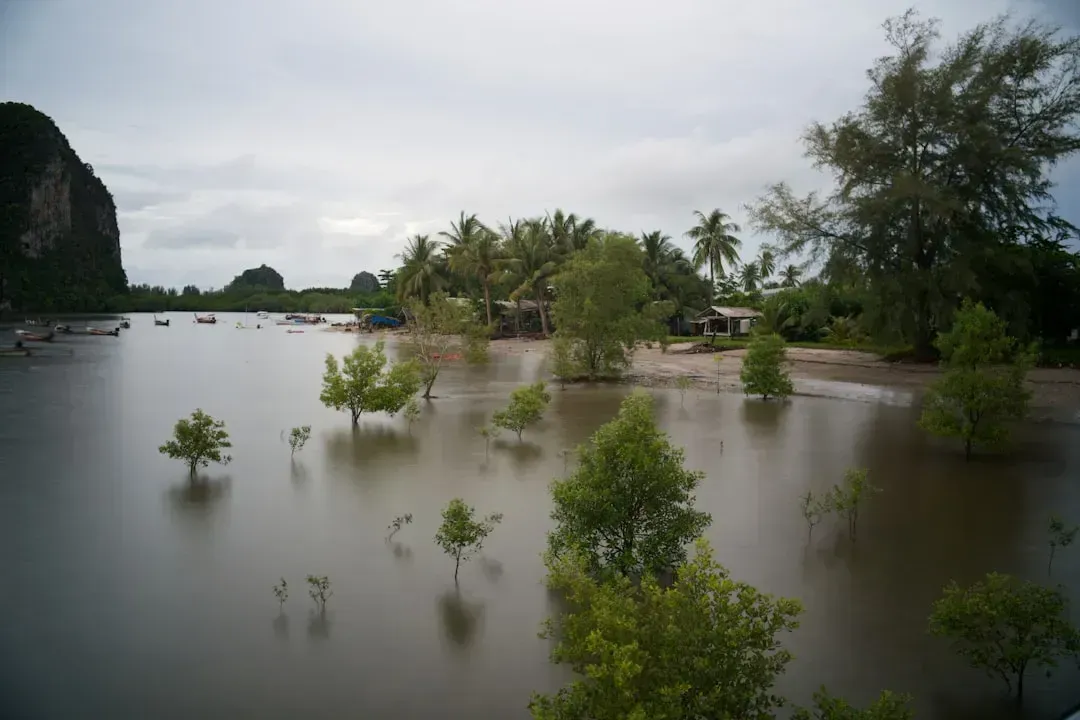
Southeast Asia is one of the most hazard-prone regions in Asia and the Pacific. That’s not an exaggeration. In late 2025, the region faced some of the worst flooding in recent memory. More than a week after severe storms swept across South and Southeast Asia, communities across Sri Lanka, Indonesia, and Thailand were confronting the aftermath of catastrophic rains, with torrential rains and landslides leaving more than 1,700 dead and forcing millions to grapple with massive losses.
The response, however, told a different story about the region’s evolving awareness. The top four countries worldwide where the highest proportion of households have a disaster plan are all in Southeast Asia: the Philippines at roughly 84 percent, Vietnam at 83 percent, Cambodia at 82 percent, and Thailand at 67 percent. The Southeast Asia Disaster Risk Insurance Facility demonstrates how regional public-private collaboration can strengthen financial resilience, enabling governments to plan ahead rather than wait for aid, turning financial tools into core strategies for climate resilience.
The Middle East: Waking Up to Cyber and Geopolitical Risk

The Middle East is a region where risk has many faces, from geopolitical instability to surging cyber threats. The cyber-threat landscape in the Middle East is evolving rapidly, driven less by state espionage and more by financially-motivated ransomware and extortion. Leading states like the UAE and Saudi Arabia are among the globally top-affected, emphasizing that no organization, large or small, is outside the risk perimeter.
Related to ongoing regional conflicts, a re-escalation of tensions and resulting regional destabilization is a significant risk factor that organizations with Middle East interests should prepare for, and these conflicts are likely to have negative effects on travel, supply chains, and cause other business disruptions. Honest acknowledgment of that reality, rather than ignoring it, is itself a form of risk awareness. On a macro level, this change implies that cyber risk is not just an information-technology issue but a strategic business and national security issue.
Sub-Saharan Africa: Growing Awareness in a Challenging Landscape

Africa’s risk landscape is evolving with striking speed. Africa’s march toward strong GDP growth is shadowed by cyber threats, and rapid digital adoption led by mobile-money services and a fast-growing SME sector has outpaced cybersecurity maturity, making data breaches and ransomware everyday realities. The good news is that the conversation about this gap is now happening openly and at scale.
The 2025 cybersecurity awareness survey for Africa reveals a nuanced picture, with positive trends in awareness and corporate training, as well as an increase in the adoption of mobile banking and payments. In sub-Saharan Africa, fraud exposure is alarmingly high, with the vast majority of respondents reporting incidents, surpassing regions like North America. That awareness of exposure is itself a form of progress. As the saying goes, you can’t fix what you refuse to see.
Latin America and the Caribbean: A Region Waking Up Digitally

Latin America and the Caribbean is, by some measures, the world’s fastest-growing region in terms of disclosed cyber incidents. The cybersecurity capacity of Latin America and the Caribbean has already been surpassed in an increasingly connected world. The region is the world’s fastest growing in terms of disclosed cyber incidents, with a 25 percent annual growth rate in the last decade.
At the same time, the Caribbean is on the frontlines of the climate crisis, facing rising sea levels, stronger and more frequent storms, and worsening rainy and dry seasons. The convergence of both threats has pushed risk awareness to a new level. Analysts have noted that Latin American organized crime groups are diversifying their criminal portfolios and modernizing through rapid technological adoption, and that for businesses, the threat environment will be shaped by drones, AI-enabled scams, cyber intrusions, and physical violence.
North America: Climate Costs Are Forcing a Reckoning
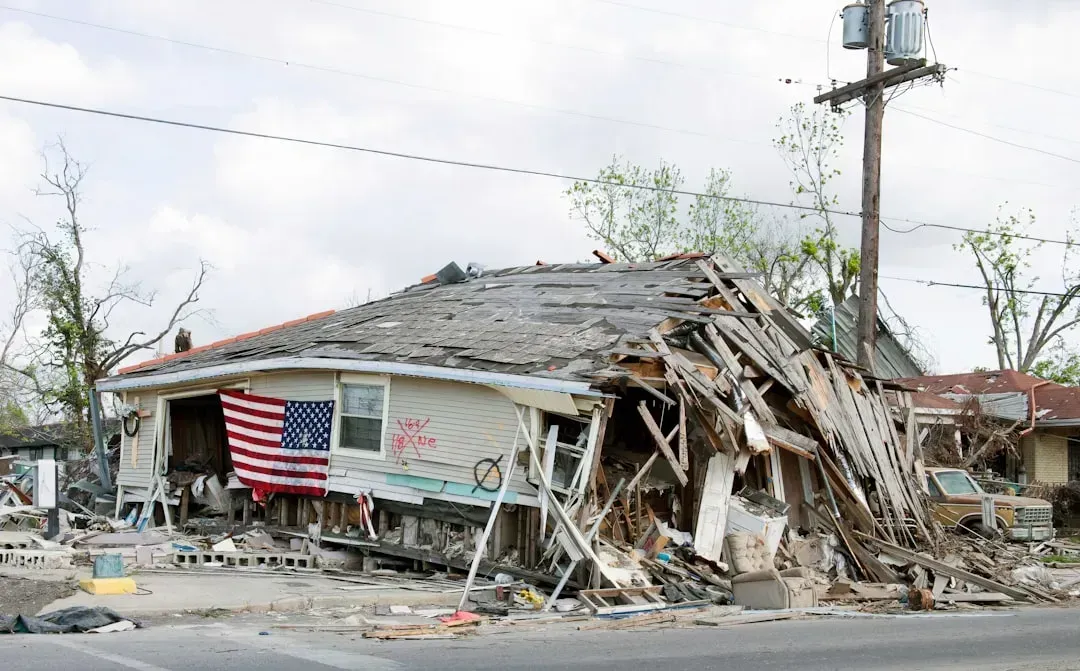
In North America, risk awareness isn’t theoretical. It comes with a price tag that keeps growing. Physical risks are increasingly salient in the short run. Consider the estimated 76 to 131 billion dollars in property loss and capital loss from the Los Angeles wildfires in 2025, and the 79 billion and 34 billion dollars of total costs from Hurricanes Helene and Milton in 2024, respectively.
As of December 2025, 25 states and districts had statewide adaptation plans in place or underway. The 2024 State Flood Plan in Texas is designed to identify existing risks and provides recommendations for preventing future increases, and the Florida Statewide Flooding and Sea Level Rise Resilience Plan identifies projects addressing risks of flooding and sea level rise. Still, there’s a paradox here. A survey of risk decision-makers revealed that nearly three in four underestimate their exposure to wind and flood risks. This awareness gap is widest in China and India, yet surprisingly consistent across developed markets including Australia, Canada, and the United Kingdom.
South Asia: Scale of Exposure Driving Urgency

South Asia faces an extraordinary scale of natural hazard exposure. Of the world’s total population exposed to floods each year, nearly two-thirds are in the South Asia region. Furthermore, within the developing world, South Asia is the second most exposed region to cyclones. It’s hard to ignore risk when it arrives at your doorstep this reliably every monsoon season.
A study found that the population at risk of flooding in Asia grew by over one billion people between 1975 and 2020. While the overall population grew by roughly 95 percent over those 45 years, the population at risk of flooding grew by about 130 percent, meaning flood-exposed populations are growing faster than the general population. That alarming statistic is driving governments in India, Bangladesh, and Pakistan toward stronger early warning systems and disaster finance instruments, even where resources remain constrained.
Global Business Community: Geopolitical Risk Becomes Impossible to Ignore

Perhaps the most telling sign that risk awareness is deepening globally comes from the corporate world itself. Geopolitical volatility has surged into the top 10 business risks, with cyber risk remaining the number one concern globally, followed by business interruption. Geopolitical volatility rose 12 places since the last survey in 2023, breaking into the top 10 global risks for the first time in the survey’s history, and is forecast to rise to fifth place by 2028.
With 2024 marking the hottest year on record and global insured catastrophe losses exceeding 145 billion dollars, leaders are increasingly treating climate as a systemic business risk. The 2026 World Economic Forum report describes a predominantly negative outlook as a new competitive, rather than cooperative, landscape takes shape. Geoeconomic confrontation ranked as the top global risk over the next two years, followed by misinformation, disinformation, and societal polarization. It’s hard to say for sure whether heightened awareness will translate fast enough into meaningful action, but the conversation has undeniably changed.
The Pacific: Small Islands, Enormous Stakes

The Pacific island nations may be small in land area, but their risk exposure is uniquely intense, and their awareness of it is among the sharpest in the world. In the same way that small island states have unique and differentiated risk factors and vulnerability to climate change, a cyberattack can have similarly devastating and lasting effects. These communities live with overlapping threats every single day.
In 2024, regional risk pools expanded their coverage to a total of 46 countries. Notably, the Pacific Catastrophe Risk Insurance Company’s coverage volume increased by 57 percent compared to 2023, partly due to premium support from the Global Shield Solutions Platform. From 1995 to 2024, more than 832,000 lives were lost and direct economic losses of nearly 4.5 trillion dollars were recorded, driven by more than 9,700 extreme weather events. The frequency and intensity of climate-related disasters continue to rise, and these figures underscore the urgent need for climate action. For Pacific communities, risk awareness isn’t a trend. It’s survival.
A World That Is Learning, Region by Region
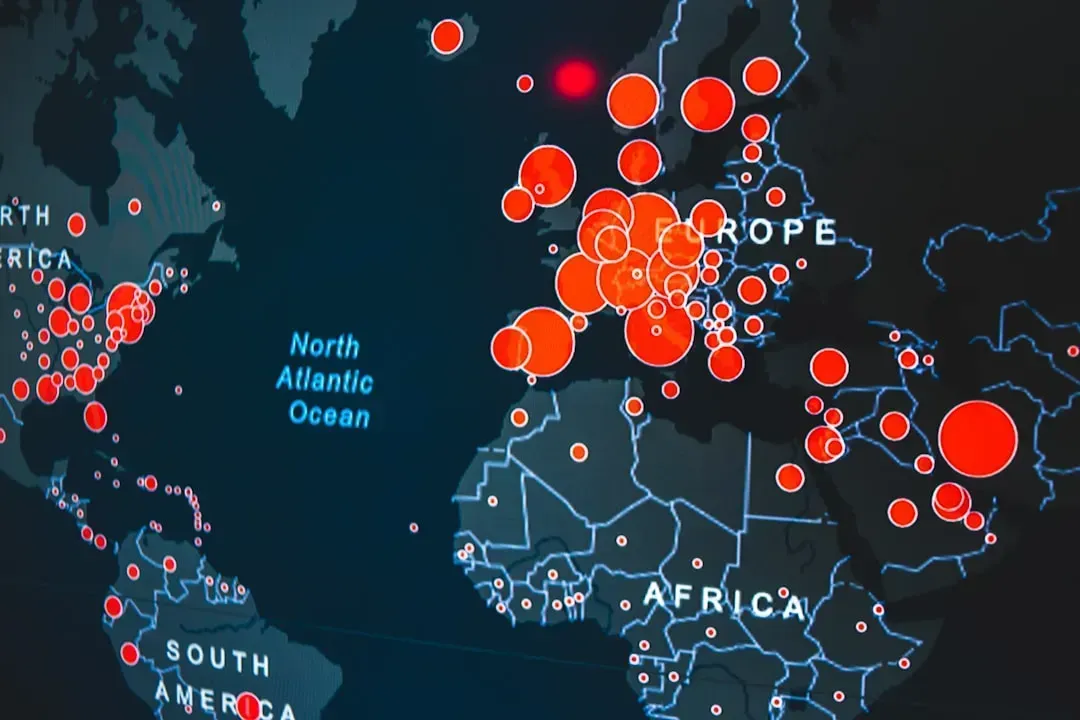
What connects all these regions is something fundamentally human: the realization, often painful and expensive, that ignoring risk doesn’t make it go away. The global risk landscape entering 2026 is louder, faster, and more difficult to decipher than ever before. Advances in artificial intelligence, rising geopolitical volatility, widespread social unrest, intensifying climate events, and rapidly evolving technology are no longer isolated challenges. They are increasingly interconnected, amplifying one another and compressing the time organizations have to respond.
As climate and nature-related risks continue to rise, and awareness of them among companies grows, the financial implications are also becoming increasingly pronounced, whether concerning managing transition risk, mounting costs from regulatory compliance, or dealing with operational disruptions caused by more extreme weather events. The regions showing the strongest growth in risk awareness today are not necessarily the safest ones. Often, they are the ones that have already been hurt enough to pay attention. What does that say about the places that haven’t been hurt yet?