There’s a funny thing about real money. The more of it you have, the less you seem to want anyone to know. Walk into any room full of genuinely wealthy people and the loudest outfit in the room almost certainly doesn’t belong to the richest person there. No oversized logos. No monogrammed tote in plain view. Just quiet, impeccably made clothing that most onlookers would completely overlook.
Quiet luxury is a lifestyle characterized by understated elegance and refined consumption, emphasizing exclusivity and discerning taste without overt displays of wealth. It’s a philosophy that has deep roots, but it’s never felt more relevant than right now. The wardrobes of the ultra-wealthy tell a fascinating story, and once you know what to look for, you can’t unsee it. Let’s dive in.
The Logo Backlash: How Gucci Became Everyone’s Bag
Here’s the thing about logos. They used to mean something exclusive. A Louis Vuitton monogram or a Gucci interlocking “G” belt once said, without apology, that you had arrived. Then something shifted.
Outlet malls proliferated. Entry-level products appeared at accessible price points. Logo-heavy items became attainable for aspirational buyers willing to stretch their budgets. Suddenly, the Gucci belt appeared on everyone from hedge fund managers to college students financing purchases through buy-now-pay-later apps.
The wealthy noticed. Their exclusive symbols had been diluted. The very visibility that once conferred status now suggested something else entirely: that the wearer needed validation from strangers.
Between January and April 2025, the mean Consideration score for a group of eight major luxury brands including Burberry, Dior, Gucci, Louis Vuitton, Prada, and Versace fell from 10.1% to 7.6% – a drop of nearly 25%. The logo era, honestly, is crumbling. And millionaires are leading that retreat.
The Psychology Behind Hiding Wealth
Why would someone worth hundreds of millions go out of their way to look ordinary? It sounds counterintuitive. Think of it like this: imagine a chess grandmaster who doesn’t need to tell you they’re a grandmaster. The knowledge is simply there, undeclared, and it’s far more powerful for it.
A study by Han, Nunes, and Drèze found that wealthy consumers with little need for status signalling tend to prefer inconspicuous luxury goods with subtle branding, while consumers with a stronger desire to signal status, regardless of their actual wealth, are more likely to prefer conspicuously branded luxury products.
Quiet luxury operates on a fundamentally different logic. The goal isn’t recognition by everyone. It’s recognition by the right people only. It’s a form of coded language. Notably, quiet luxury brands seek to harp upon consumer behavior that is fueled by the notion of “if you know, you know,” to appear exclusive to their consumer base.
The 2020 pandemic accelerated this shift: as millions faced uncertainty, the ultra-wealthy grew wary of flaunting their privilege. Instead, they embraced a more restrained aesthetic – one that signaled sophistication without sparking resentment. Social context matters enormously here, and the wealthy are acutely aware of it.
The Brands Millionaires Actually Avoid
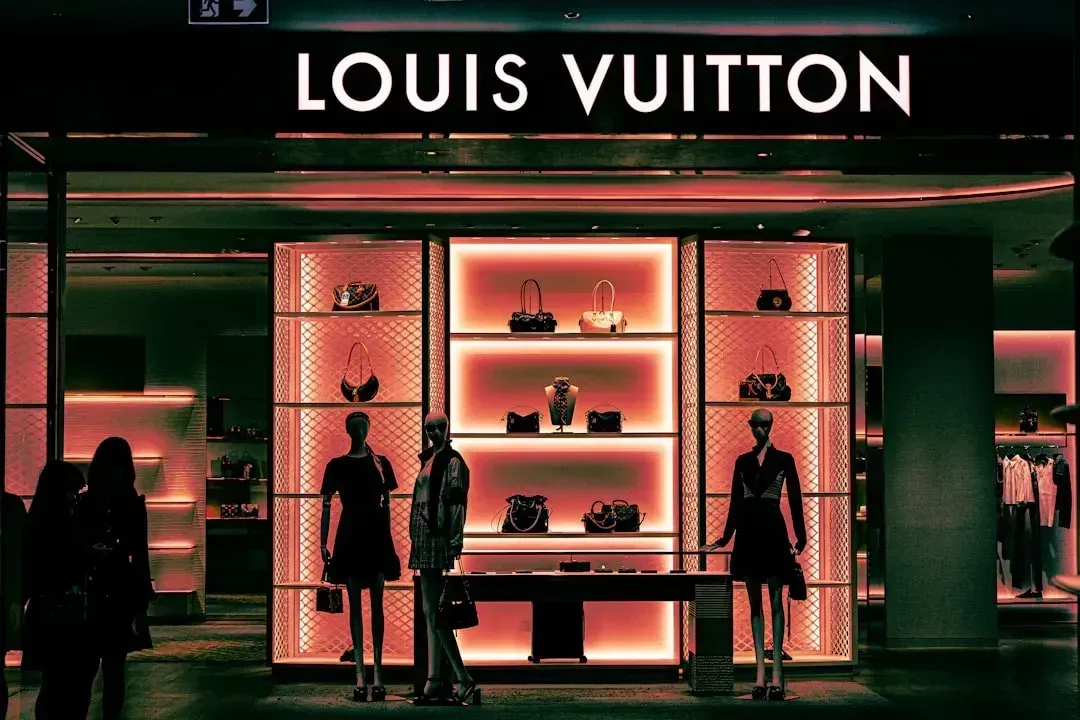
Let’s get specific. In the simplest terms, stealth wealth fashion is when you opt for designer clothing that bears no logo, monogram, or graphic of any kind that would indicate exactly what brand you’re wearing. That means no Louis Vuitton monogram bags, no Fendi logo crop tops.
Quiet luxury brands are noted to manufacture products without any logos or with low-key logos, and are made in muted colors with sustainable materials. This is contrasted by the rather conspicuous branding of loud luxury products with visibly splashed logos such as Balenciaga jackets, Chanel belts, or Louis Vuitton monogrammed bags.
Many stealth wealthy people want to avoid drawing attention to their money, so they purposely avoid buying bags like Louis Vuitton or Gucci and opt for other brands like Loewe or Loro Piana, which are more discreet. Instead, they wear clothing made of higher quality materials and construction, but to the uneducated consumer looking at them, their clothing will appear to be modest and mainstream.
Even in popular culture, this distinction is sharp. The Burberry check-print handbag was called “ludicrously capacious” and “monstrous” on Succession – even though the bag costs over £2,500, the print is too recognisable for old-money tastes. That scene became a cultural shorthand for exactly this dynamic.
The Brands They Actually Wear Instead
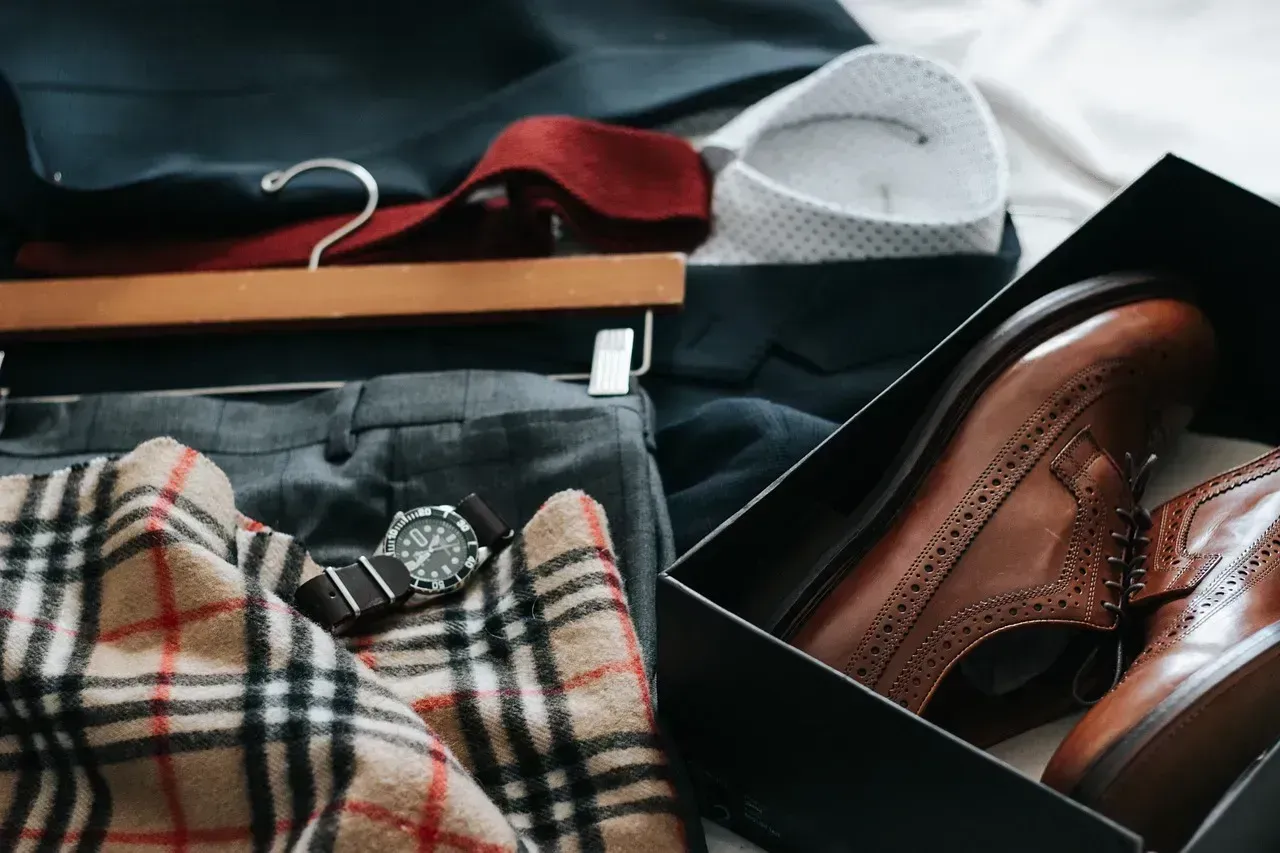
So what does the stealth wealthy wardrobe actually look like? Think invisible opulence. Pieces so refined they look plain to the uninitiated, yet made from materials that would astonish you.
Brands with the quiet luxury aesthetic include Loro Piana, Brunello Cucinelli, Zegna, Hermès, Brioni, Canali, Bottega Veneta, The Row, Valextra, and Celine under Phoebe Philo. These are the names whispered in boardrooms and worn by those who have absolutely nothing left to prove.
Brunello Cucinelli reported revenue growth of 23.5% in their most recent fiscal year. Loro Piana’s parent company LVMH highlighted the brand’s exceptional performance in investor calls. The Row, though privately held, has reportedly achieved profitability levels that competitors envy.
Loro Piana and The Row offer a notable 61% more items in premium fabrics when compared to Gucci and Prada. That number says everything. The investment is in the material itself, not the billboard on the label. A Loro Piana cashmere blazer might run $5,000 but features no visible branding beyond a tiny interior label.
The Market Has Spoken: Quiet Luxury Is Winning
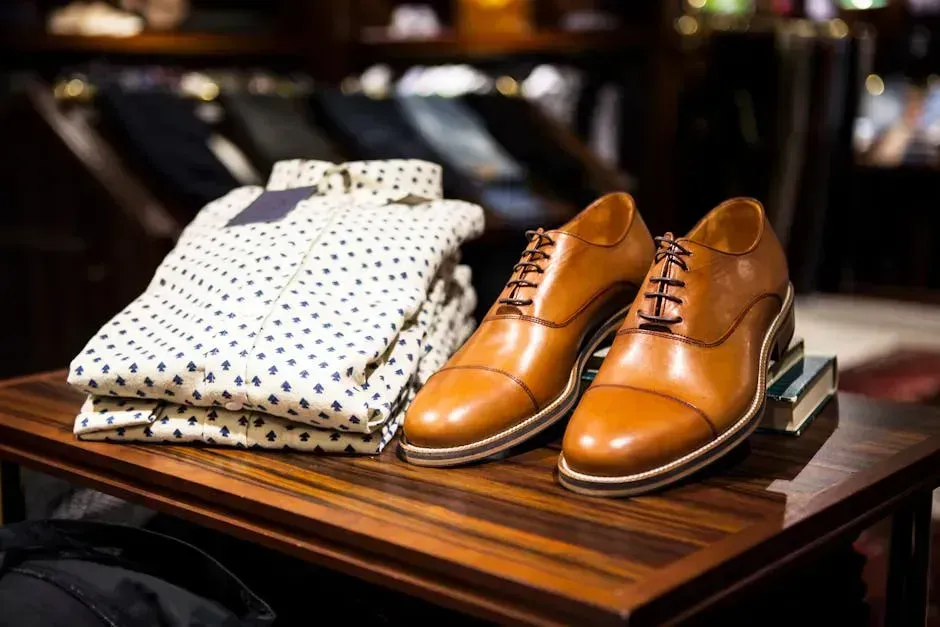
This isn’t just a philosophical preference. The numbers are telling a clear story about where fashion’s real money is flowing.
Bain and Company’s 2024 Luxury Report revealed something the fashion industry already suspected: while logo-heavy brands experienced their first contraction in 15 years, quiet luxury houses like Brunello Cucinelli and Loro Piana posted double-digit growth.
A McKinsey 2024 consumer sentiment survey reported that more than 60 percent of high-income shoppers are favoring “quality-over-quantity” buying behaviors. This explains the surge in demand for durable fabrics, tailored silhouettes, and subtle craftsmanship that doesn’t require loud branding to justify its value.
The 2024 Bain luxury market study found that more than 70 percent of younger luxury buyers consider “craftsmanship and material quality” as the top factor influencing repeat purchases. Younger consumers are moving in this direction too, which means this isn’t a passing phase. J.P. Morgan Global Research shows that high-net-worth individuals are becoming more sophisticated, opting for understated style over ostentatious logos – marking a shift toward quiet luxury.
Pop Culture’s Role: Succession, TikTok, and the New Billionaire Uniform
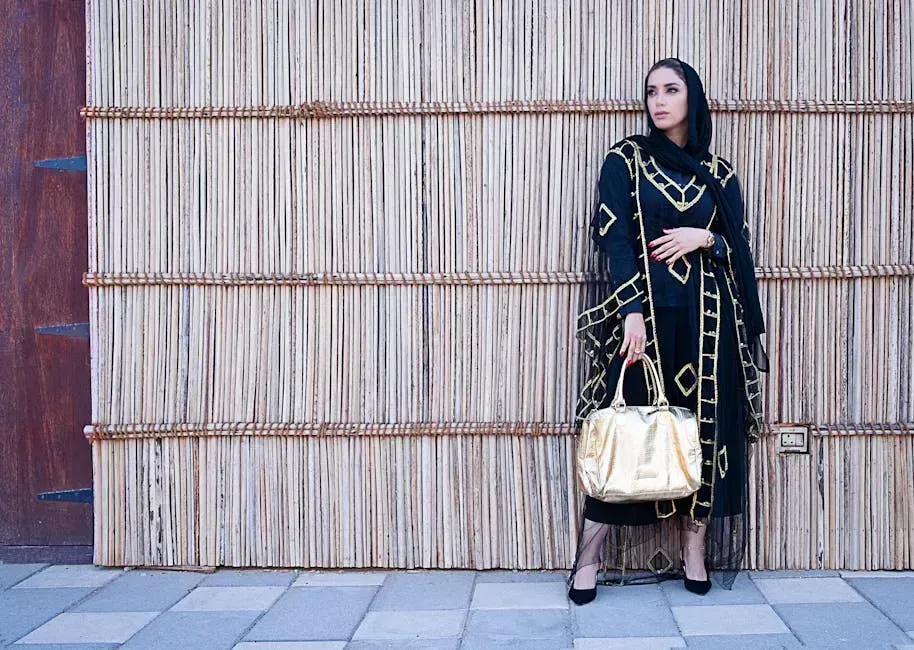
Honestly, it’s hard to overstate how much a single TV show changed public awareness of this world. The television series Succession portrayed some of the wealthiest New Yorkers wearing expensive, yet subtle pieces of fashion and has been attributed to fueling the trend.
Google searches for “quiet luxury” increased by an astounding 614% year-over-year, with related terms like “stealth wealth” and “old money style” seeing increases of 990% and 874% respectively after the airing of Succession. Those are genuinely staggering numbers for a fashion trend driven partly by a cable drama.
Gen Z consumers, who once drove the rise of fast-fashion hauls, now increasingly prefer “buy less, buy better” philosophies. Platforms like TikTok show a rise in “unboxing culture” that highlights quality construction rather than designer logos.
Real-world figures like Gwyneth Paltrow, Jennifer Aniston, Mark Zuckerberg, and Jeff Bezos have become associated with quiet luxury brands – gravitating toward Loro Piana, Brunello Cucinelli, and The Row rather than logo-heavy alternatives. When the world’s richest tech founders are wearing brand-less cashmere, that is a cultural signal that lands.
Is Stealth Wealth Here to Stay, or Just Another Trend?
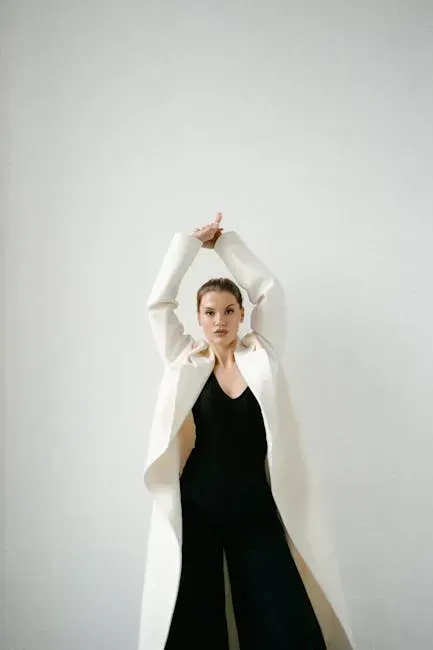
I think this is where it gets genuinely interesting. Every few years, fashion oscillates between quiet restraint and screaming maximalism. We’ve seen it before. The 2008 financial crash shifted public opinion to believe wearing flashy logos was tacky, leading fashion to become more discreet and minimalist. Then, years later, logomania roared back.
The luxury fashion market in late 2024 and throughout 2025 experienced a dynamic interplay between the enduring appeal of “quiet luxury” and a burgeoning resurgence of “loud luxury” or maximalist styles. While quiet luxury continues to hold significant sway, there is a noticeable shift towards more visible and expressive designs driven by economic factors and a desire for novelty.
While some analysts considered the quiet luxury trend to be potentially fleeting by early 2024, its continued presence in 2025 indicates its longevity and evolution into a more enduring movement. It’s hard to say for sure which direction the full swing will take, but what feels different this time is the structural reason behind the shift.
This shift is not merely aesthetic. It reflects deeper socio-economic currents – economic uncertainty, digital fatigue, and a desire for authenticity over ostentation. When the motivation is rooted in values rather than trends, movements tend to stick around much longer. The rise of stealth wealth is not simply a fleeting trend. It’s no longer about excess but intention. True luxury isn’t about accumulating more – it’s about refining what you already own and investing in pieces that truly matter.
The truly wealthy have always known that the most powerful statement you can make is no statement at all. The wardrobe that earns a second glance only from those who truly understand it is, in a way, the ultimate power move. What do you think – does dressing down to blend in make the wealthy smarter, or just more invisible? Tell us in the comments.