
The Ghost of the Mountains
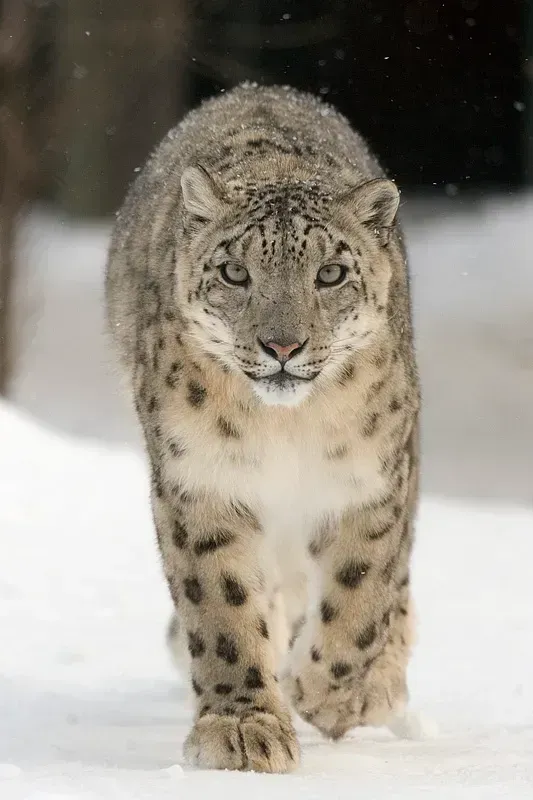
High in the rugged peaks of Central Asia, where the air is thin and the landscape harsh, lives one of the world’s most elusive predators. Snow leopards are generally shy and elusive, with no verified reports of them attacking humans in the wild. These magnificent cats have perfected the art of disappearing, earning them the nickname “ghost of the mountains.”
Snow leopards are solitary and elusive. The appearance of a snow leopard in the wild is an uncommon event. Studies on snow leopards’ behavior have shown that they are extremely wary of humans. Experts agree that they avoid human settlements and tend to be more elusive than other large predators. What makes these creatures so remarkable isn’t just their ability to survive in extreme conditions, but their instinctive understanding that staying invisible means staying alive.
Nature’s Ultimate Disappearing Act
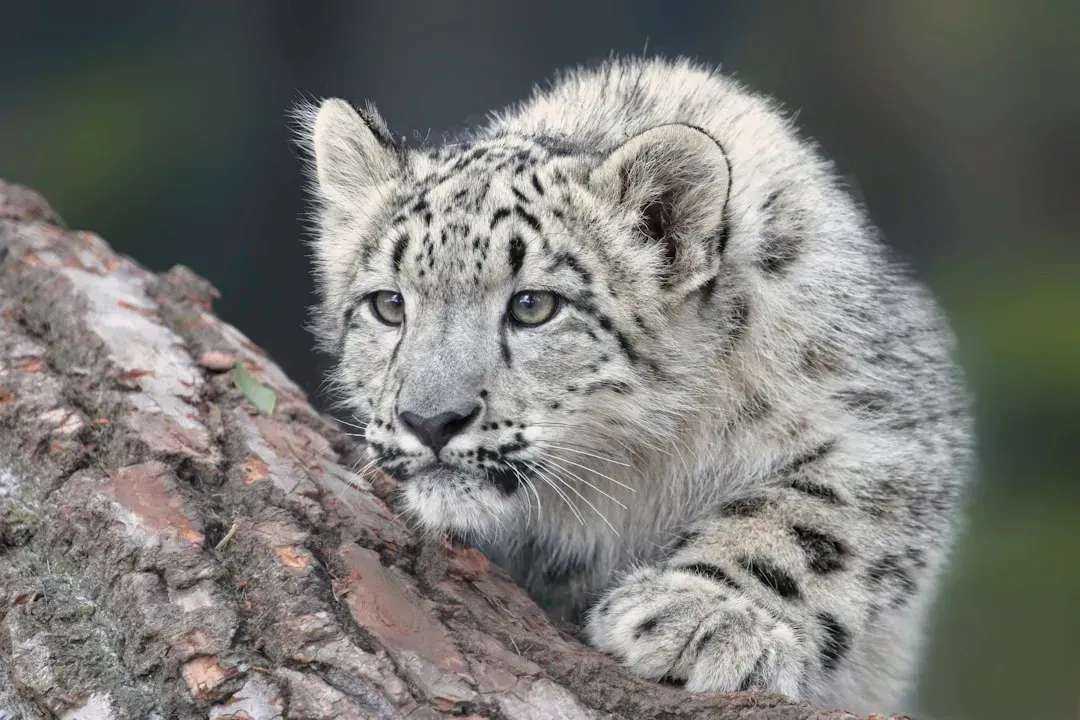
Although the cats freely cross the international boundaries of 12 countries, their secretive behavior and remote habitat among the highest mountains in the world add to their mystery. Because of their shy behavior and uncanny, almost mystical ability to disappear among the rocks, snow leopards have entered the folklore of local peoples in many countries and have been described as shape-changing mountain spirits.
The snow leopard’s talent for vanishing goes beyond simple hiding. They are comfortable being at least 1.24 miles away from the nearest snow leopard, and males don’t tolerate other males encroaching on their territory. This natural social distancing extends to humans as well. Due to the remote areas they inhabit, human interaction with snow leopards is limited. Even in these situations, snow leopards are more likely to remain hidden, as their keen senses allow them to detect humans from a considerable distance.
The Living Armor That Rolls Away
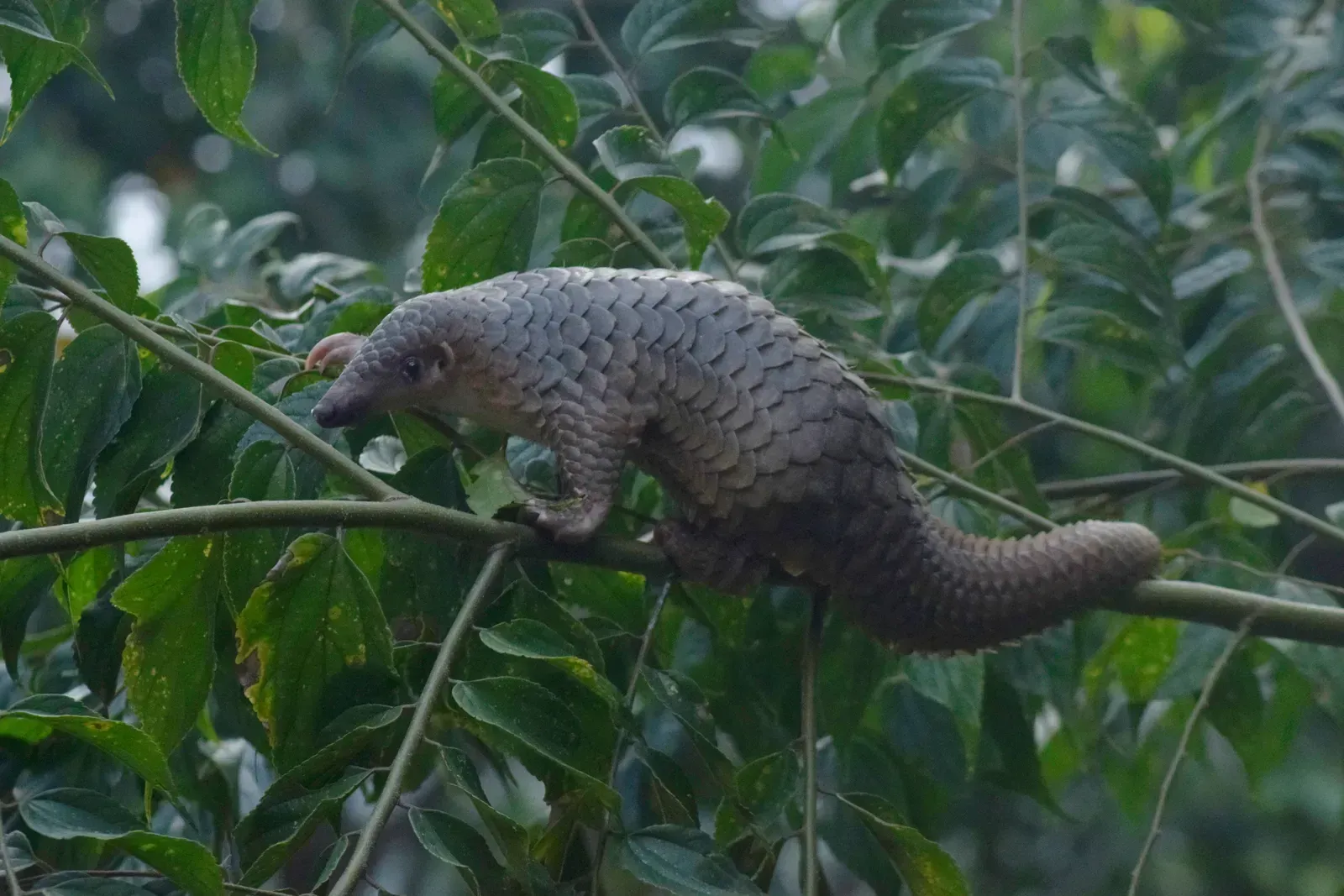
These solitary, primarily nocturnal animals, are easily recognized by their full armor of scales. A startled pangolin will cover its head with its front legs, exposing its scales to any potential predator. If touched or grabbed it will roll up completely into a ball, while the sharp scales on the tail can be used to lash out.
Pangolins represent the ultimate in defensive behavior combined with human avoidance. The solitary, nocturnal nature of the pangolin makes it difficult to assess how many there are in the wild. The huge demand for pangolin meat and scales for illicit international trade makes it likely that numbers are in decline. These remarkable creatures have developed such effective avoidance strategies that scientists struggle just to count them. Little is known about this elusive creature, so it’s difficult to estimate wild population sizes.
The Wolverine’s Vanishing Act
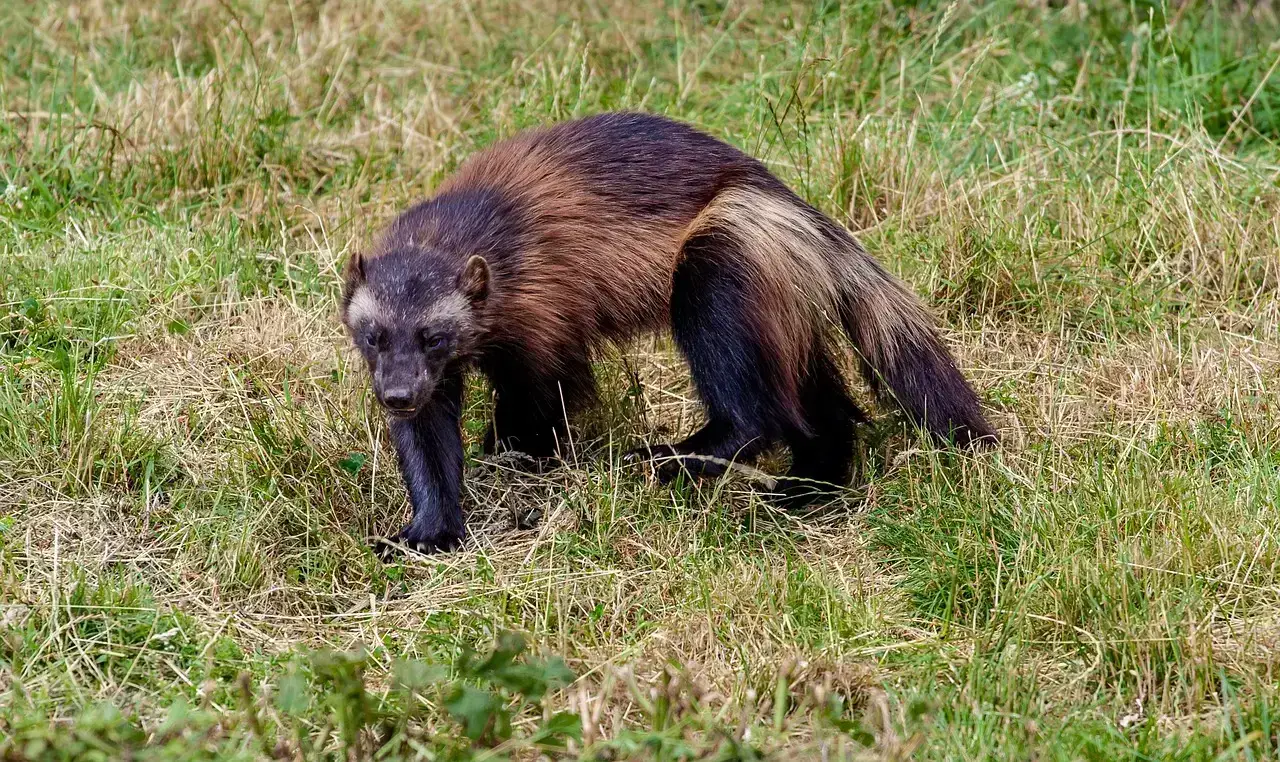
The wolverine’s low population density and wide-ranging territory make it nearly impossible to see in the wild. They can be found in remote areas of undisturbed wilderness. These fierce predators have mastered the art of staying unseen, with Washington Department of Fish and Wildlife estimates, the population is now hovering at less than 25 wolverines in certain regions.
What makes wolverines particularly effective at avoiding humans is their sensitivity to our presence. Many carnivorous species, like coyotes, wolves and wolverines, are sensitive to human scent. As Long explains, human visits to a site inevitably dissuade animals from dropping in. “The fewer times we can go into a site, the less human odor, the less human disturbance,” he says, “the more likely we are to get responses from animals.”
Forest Ghosts with Zebra Stripes
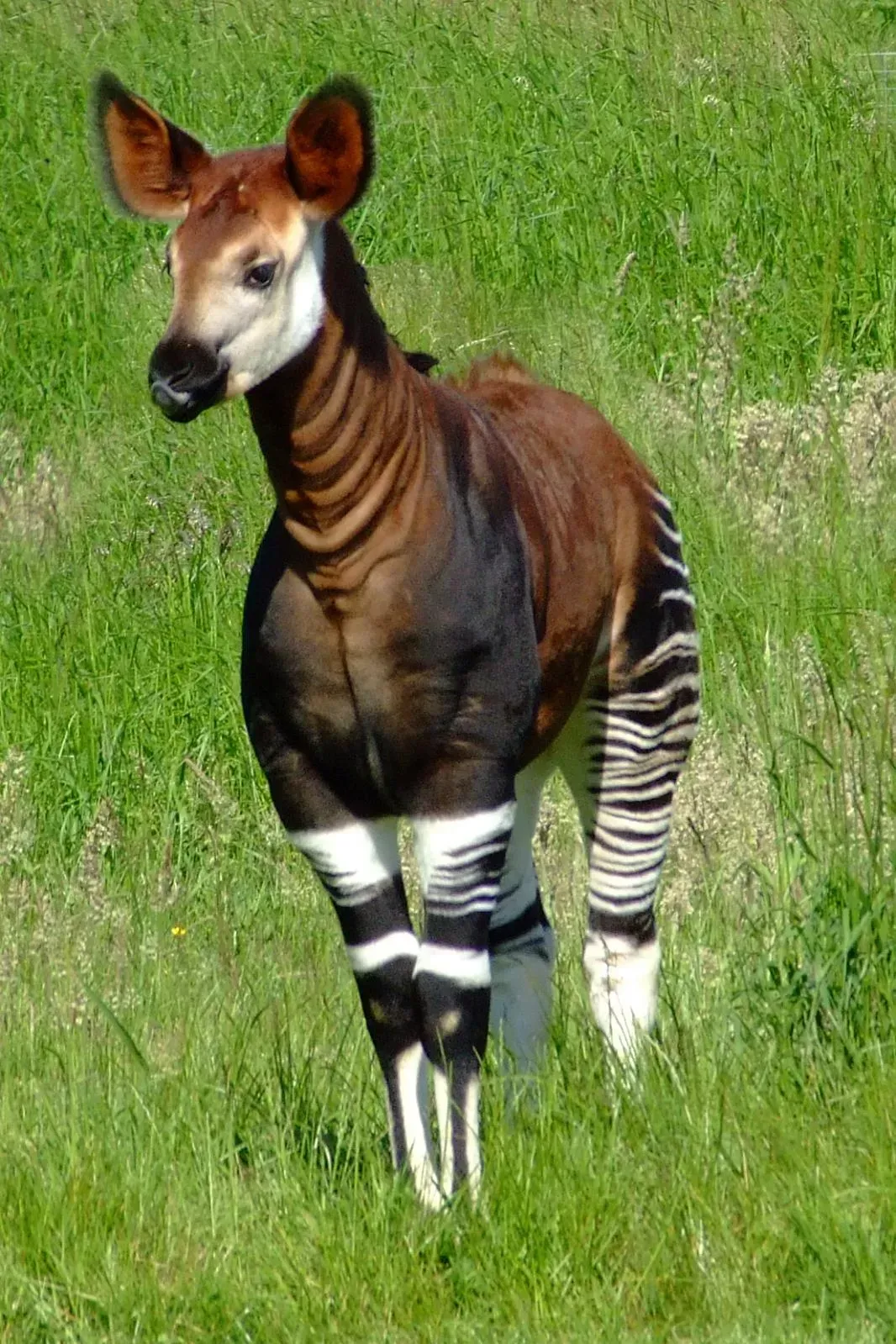
This animal is well-adapted to the environment where they live which helps them with avoiding predators including leopards and people. Okapis’ zebra-like markings and dark reddish fur help camouflage them among dense, shadowy forests. Their sharp hearing keeps them alert to approaching threats.
Though known locally, Western scientists did not know okapis existed until the early 1900s, and they remain difficult to observe in the wild today. The fact that an animal the size of a horse could remain hidden from Western science until the 20th century speaks volumes about its mastery of concealment.
Underground Masters of Evasion
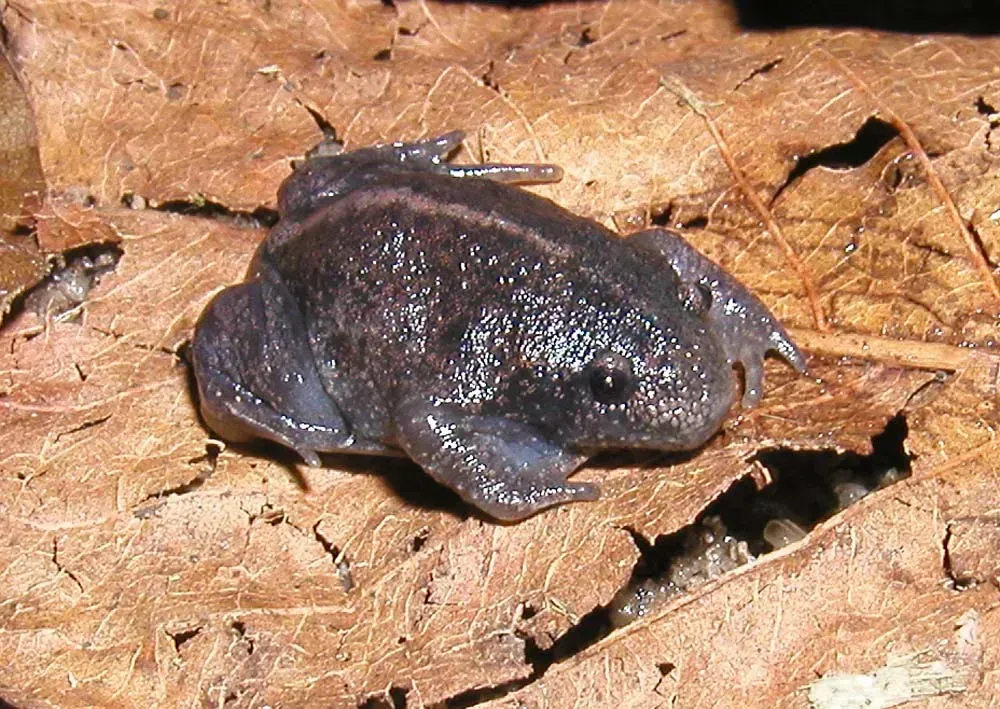
This mysterious toad spends most of its time hidden underground. It emerges only once a year, after heavy rainstorms when it comes out to breed. Researchers often find Mexican burrowing toads by following the sound of their wailing mating calls.
The Mexican burrowing toad has perfected the ultimate disappearing act by literally going underground for most of its life. This strategy of complete withdrawal from the surface world ensures minimal contact with humans and other potential threats. Their brief annual emergence is timed perfectly with weather patterns that provide maximum protection and minimal exposure.
The Bamboo Forest Hermit
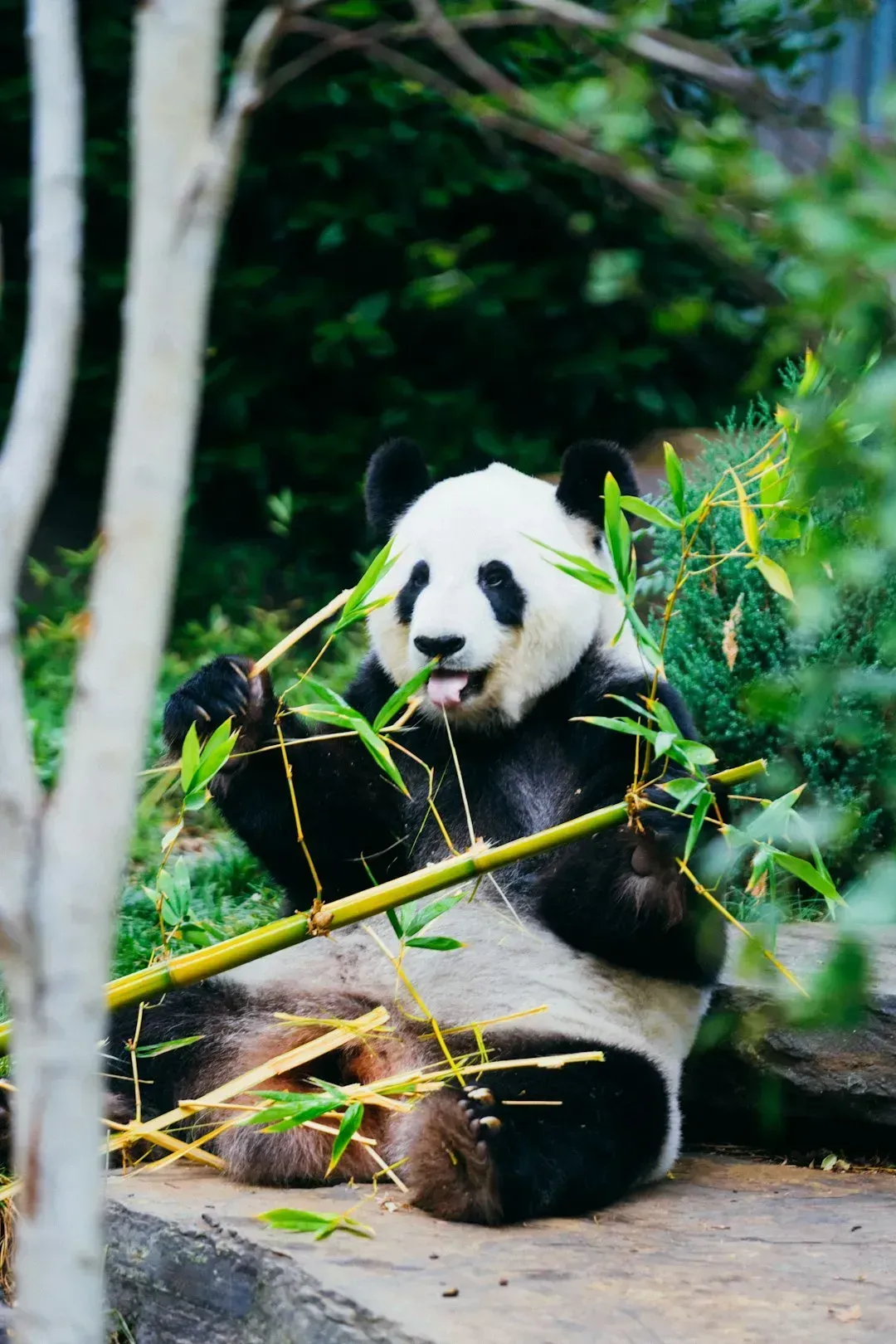
Like the red panda, the giant panda can only be found in bamboo forests, specifically those in mountainous regions of China. Outside of breeding season pandas live a solitary life, using their brilliant sense of smell to detect predators, humans and other pandas from miles away.
Giant pandas have evolved an extraordinary sensory system specifically designed for early detection and avoidance. Their ability to smell humans from miles away gives them an incredible advantage in staying hidden. This early warning system, combined with their remote mountainous habitat, creates multiple layers of protection from human contact.
The Bearcat That Vanishes at Dawn
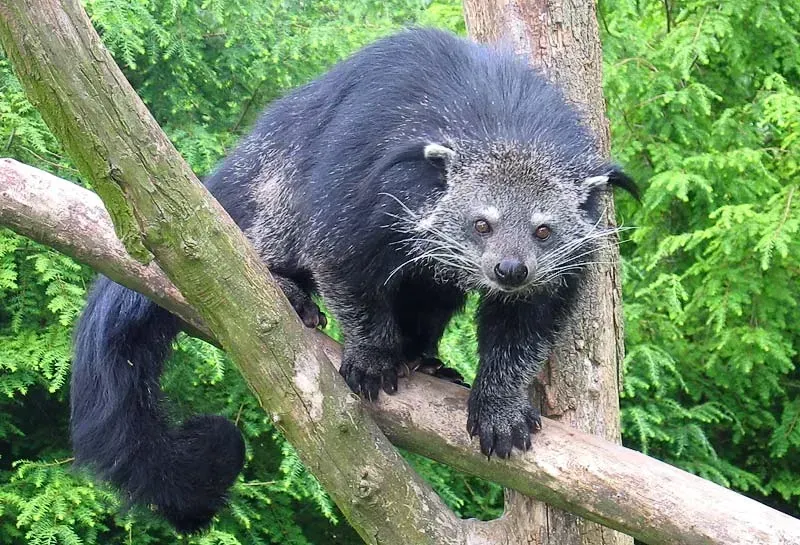
The binturong (Arctictis binturong), an elusive nocturnal tree-dweller also known as the bearcat, was photographed by tour guide Chirantanu Saikia in January 2024. The binturong is found exclusively in Northeast India and requires dense forest canopy for survival. It has become increasingly rare due to deforestation.
The binturong’s elusiveness is so complete that even photographing one makes international news. These arboreal creatures have mastered the art of moving through the forest canopy without detection, using the dense foliage as their shield against human eyes. Their nocturnal lifestyle adds another layer to their invisibility, emerging only when most humans are asleep.
Deep Sea Phantoms
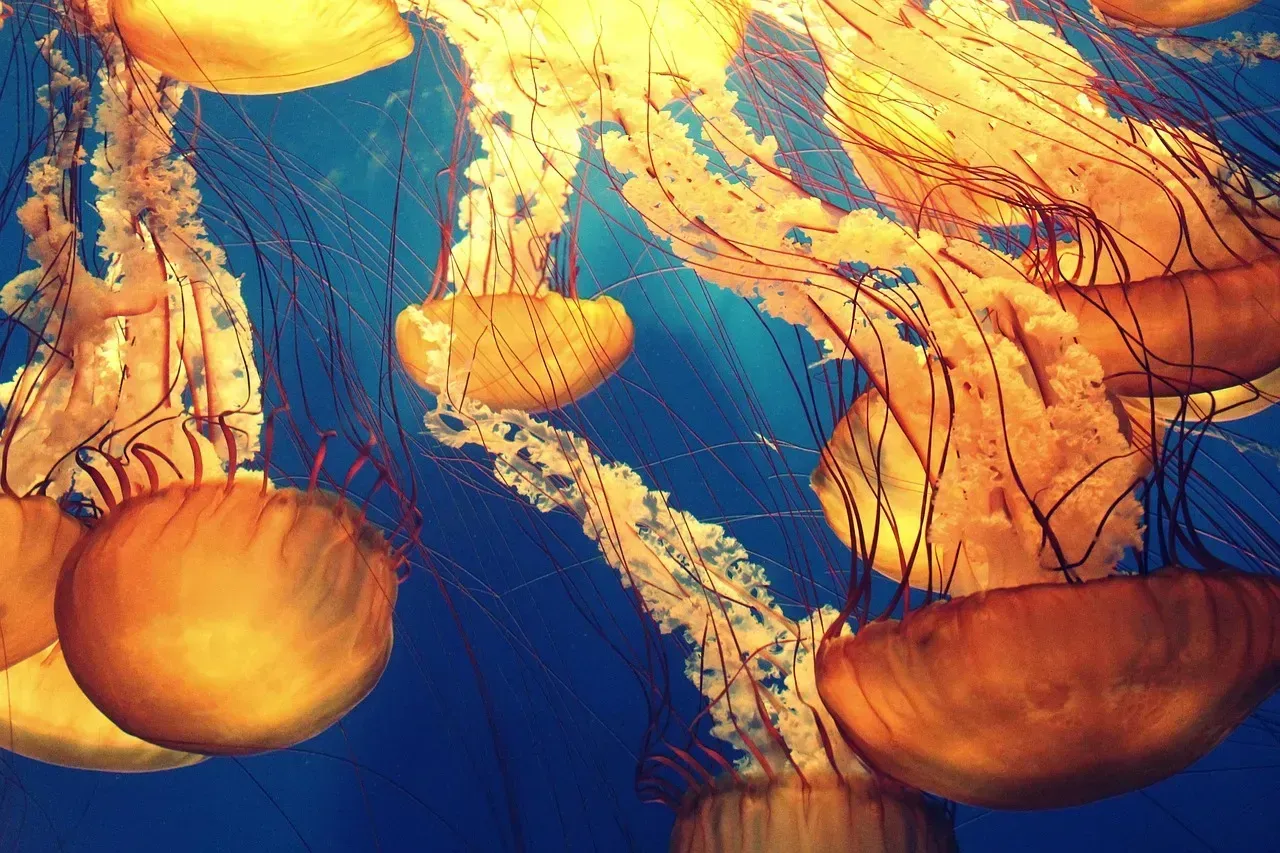
The ocean depths continued to surprise, with more than 100 potentially new species found on an unexplored underwater mountain off Chile’s coast. The deep ocean remains one of Earth’s final frontiers, where creatures have evolved in complete isolation from human contact.
These deep-sea inhabitants represent the ultimate in human avoidance simply by living in areas where humans cannot naturally survive. Valettietta synchlys (top) and Valettietta trottarum (bottom) – two species of deep-sea scavenging amphipod (shrimp-like crustaceans). They were collected in the Clarion-Clipperton Zone which is threatened by deep-sea mining. The pressure, darkness, and remoteness of their habitat create an almost perfect barrier against human interference.
The Painted Wolf’s Retreat
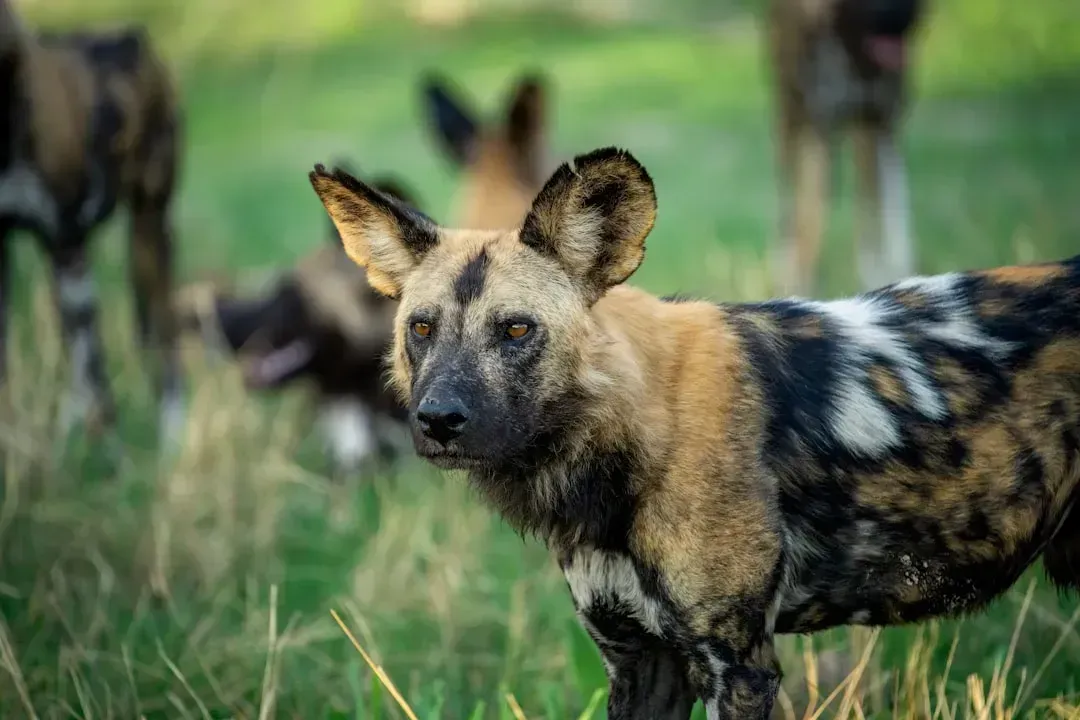
Domestic dogs are common, but the African wild dog is one of Africa’s most endangered carnivores. Their distinctive multi-coloured spotted coat has given it the scientific name, Lycaon pictus which means painted wolf. Habitat loss, culling by humans and disease have all reduced their numbers.
African wild dogs have learned through bitter experience that avoiding humans means survival. Their pack hunting strategies and wide-ranging territories naturally keep them away from human settlements. The species has developed an almost instinctive fear of human presence, learning that encounters rarely end well for their kind.
The Forest Elephant’s Silent Steps
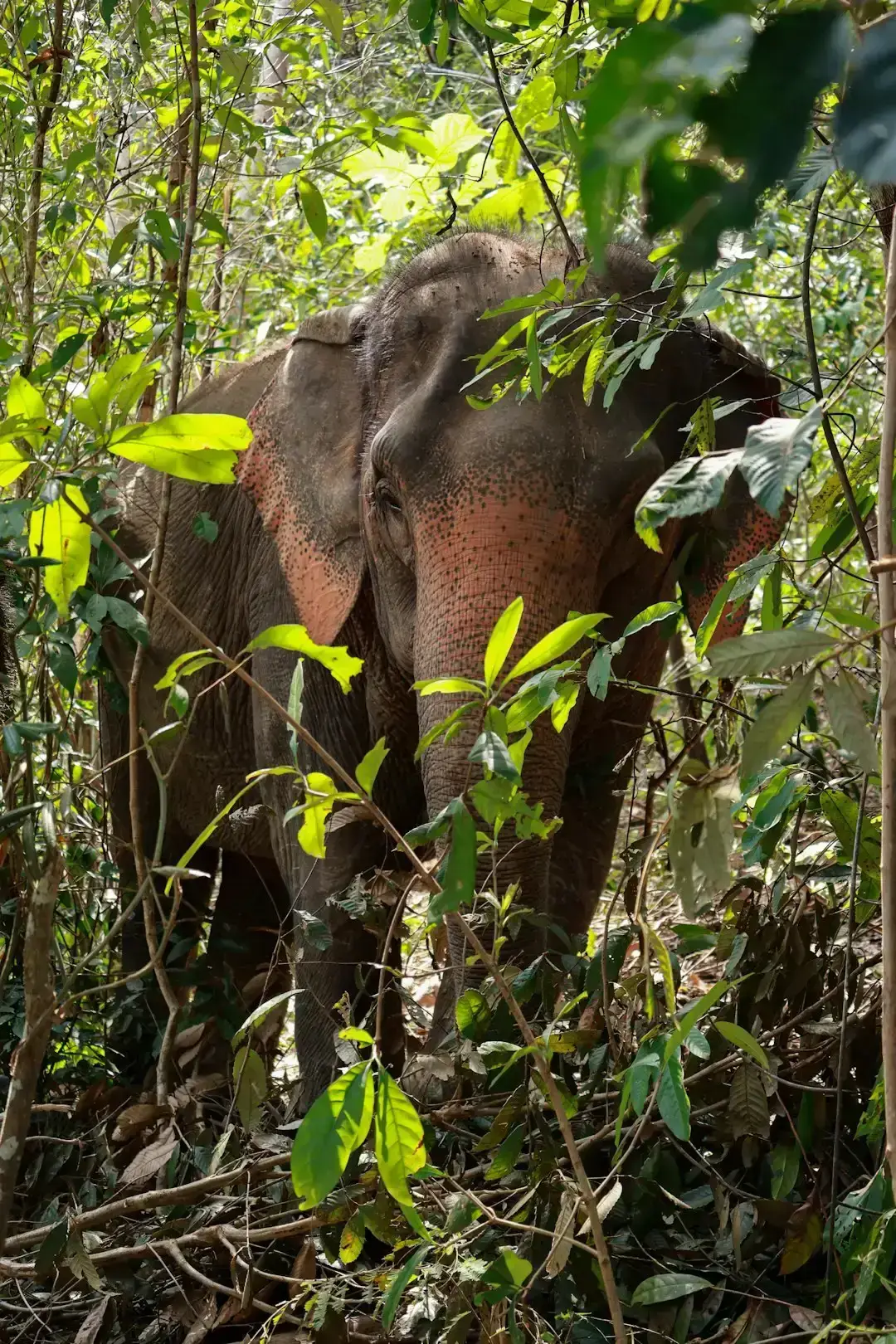
Deep in the dense, humid forests of West and Central Africa, you can find the elusive forest elephant, one of the two African elephant species, the other being the African savanna elephant. The exact number of wild African forest elephants remains uncertain due to their shy nature and the nature of the habitat they occur in.
Despite their massive size, forest elephants have mastered the art of moving silently through dense vegetation. Their shy nature, combined with the impenetrable forest habitat they prefer, makes them incredibly difficult to study or even spot. we do know that they are critically endangered species and have declined by over 80% in the last century. Their avoidance of humans has become a survival mechanism, though it may not be enough to save them from extinction.
Camera Trap Revelations
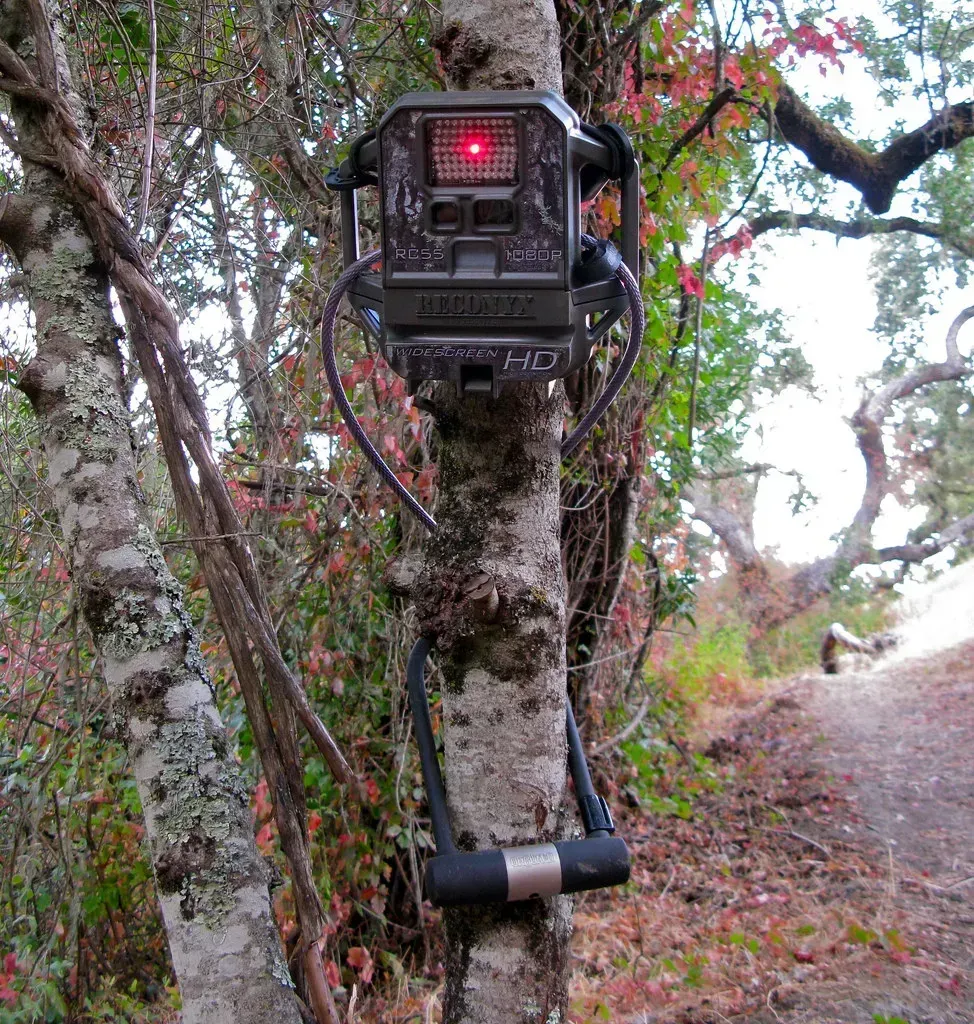
Motion-sensor “camera traps” enable collecting wildlife pictures inexpensively, unobtrusively, and frequently. However, extracting information from these pictures remains an expensive, time-consuming, manual task. Modern research has revealed fascinating insights into animal behavior through hidden cameras.
Camera traps can confirm the presence of nocturnal, rare, and cryptic species by monitoring continuously while removing the intrusive effects of human observers. Moreover, camera traps can be used to derive insights into morphology, behavior, phenology, activity, habitat use, distribution, abundance, and population dynamics of specific species. These devices have shown us just how many animals actively avoid areas with recent human activity, changing their behavior patterns when they detect human scent or disturbance.
When Animals Reshape Their Entire Lives Around Us
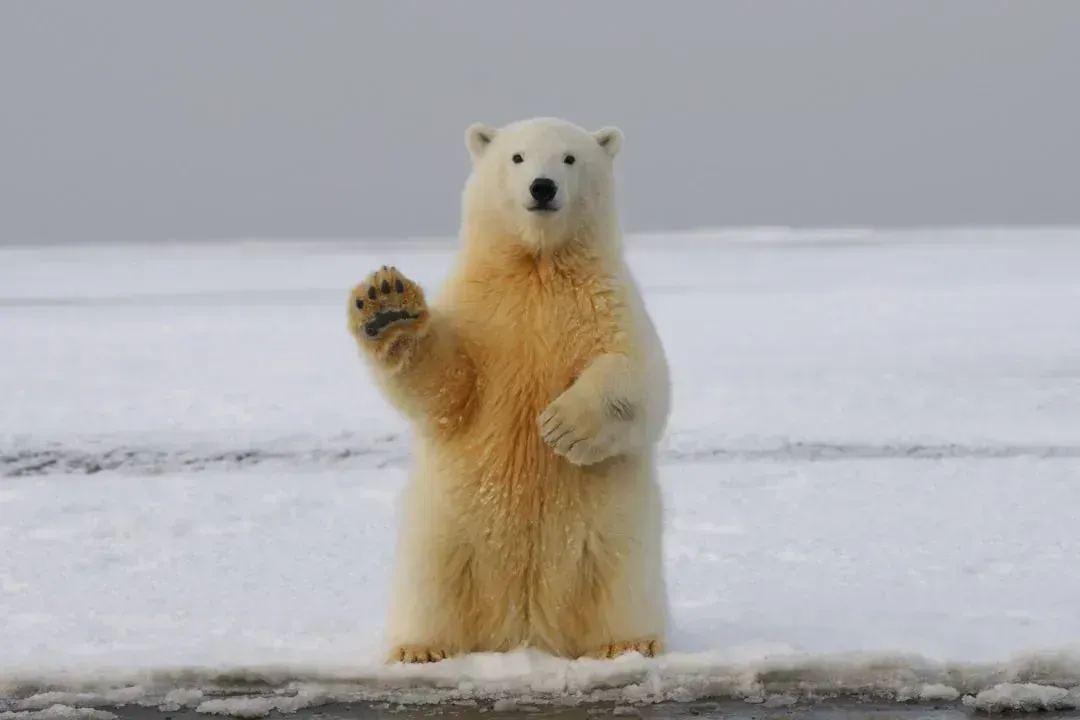
Here’s something that’ll blow your mind: animals don’t just avoid us in the moment – they’re actually restructuring their entire existence around human schedules. Recent studies have discovered that wildlife worldwide is becoming increasingly nocturnal, essentially flipping their biological clocks to avoid daytime encounters with people. Species that naturally hunted or foraged during daylight hours are now doing everything under cover of darkness, from deer and wild boar to coyotes and even some primates. It’s like the whole animal kingdom has collectively decided to work the night shift just to dodge us. Scientists monitoring this shift worry about the long-term consequences, since many animals aren’t naturally adapted for nighttime activity – their vision, hunting strategies, and social behaviors all evolved for different times of day. This massive behavioral adaptation represents one of the most profound ways humans are changing wildlife, and it’s happening silently across every continent where people and animals coexist.
The Psychological Toll of Living in Fear

What really gets under your skin is realizing that constant human avoidance isn’t just inconvenient for wildlife – it’s genuinely traumatic. Animals living in human-dominated landscapes exist in a perpetual state of stress, with elevated cortisol levels that mirror what humans experience with chronic anxiety disorders. Imagine never being able to relax, always scanning for threats, your heart racing every time you hear an unfamiliar sound. That’s the daily reality for countless species sharing space with us. Mother animals are so stressed they’re producing less nutritious milk for their young, and some species are even having fewer offspring because the energy cost of constant vigilance is just too damn high. Researchers have documented that this fear-induced stress weakens immune systems, making animals more susceptible to disease and parasites. The cruel irony? We don’t even need to be present for animals to suffer these effects – just the lingering scent of humans or the distant echo of our voices is enough to trigger full-blown panic responses that can last for hours or even days.