Something quiet is happening in backyards across America. People are pulling out their downspouts, ordering plastic barrels online, and doing something their grandparents might have considered completely ordinary. They are catching rain. Not as a quirky hobby, not as a survivalist fantasy – but out of something that feels increasingly like genuine urgency.
The numbers tell a story. Market data, drought reports, and shifting state policies all point in the same direction. Rain barrels are no longer just for eco-enthusiasts. They have crossed over into mainstream home improvement territory, driven by a mix of rising costs, climate anxiety, and a growing sense that water security is something you cannot take for granted anymore. Let’s dive in.
A Market That Is Growing Fast
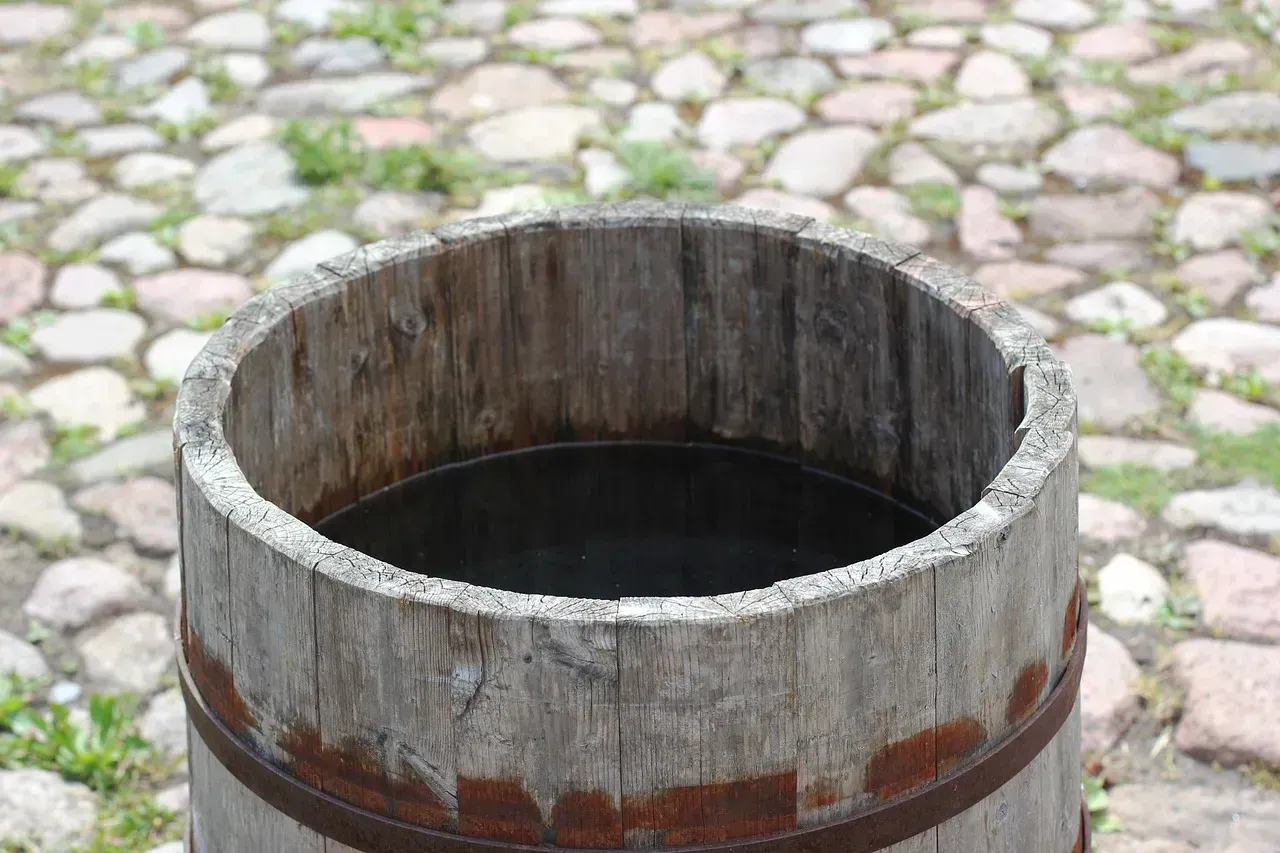
The global rain barrels market was valued at nearly 3 billion dollars in 2024 and is expected to reach close to 4 billion dollars by 2030, rising at a steady compound annual growth rate of roughly 4 percent. That is not a niche industry. That is a real, expanding market with serious momentum.
The residential segment is the largest driver of volume, growing somewhere between 3 and 8.5 percent annually, fueled by the rising “eco-landscaping” trend and the desire for household water autonomy during summer droughts. Honestly, when you frame it that way, a rain barrel starts to sound less like a gardening accessory and more like a form of personal insurance.
The rain barrels market is evolving from a simple gardening accessory into an essential tool for household water management. That evolution is happening fast, and the fears driving it are very real.
Drought Is No Longer Somebody Else’s Problem
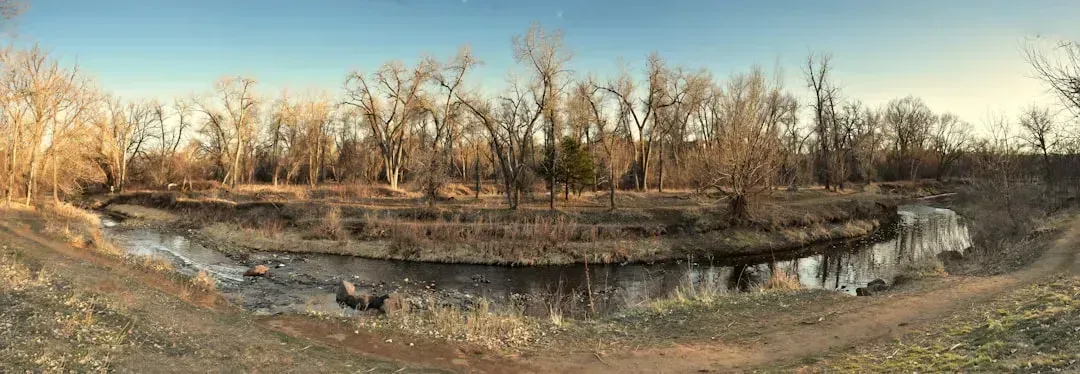
From catastrophic wildfires in Southern California to record-low streamflow in the Northeast, drought and its impacts touched nearly every corner of the country in 2025. The year saw the unusual return of two La Niña events and devastating weather whiplash that brought historic floods to drought-stricken Texas. 2025 showed that drought is even more devastating when compounded with other climate hazards, such as wildfire and flood.
By the end of September 2025, roughly one-third of the Northeast was in Severe or Extreme Drought. Vermont experienced its worst drought conditions since the U.S. Drought Monitor began in 2000. Record-low streamflows and groundwater levels were reported across the region. Numerous wells ran dry across Vermont and New Hampshire.
The last two decades have been the driest the Western United States has seen in almost 1,200 years. I think when a statistic like that lands, it has a way of making a plastic barrel in your backyard feel like the least you can do.
The Water Bill Is Getting Harder to Ignore

According to the Environmental Protection Agency, the average American family spends around 1,000 dollars annually on water usage. The most significant water use culprit might surprise you – the areas outside the house. Outdoor water use accounts for an average of 30 to 60 percent of water bills, so it is easy to see how rain barrels can help you save.
Most homeowners who install a basic rainwater harvesting setup see somewhere between 200 and 500 dollars in annual savings, and that is with a modest system. With a larger garden, multiple barrels, or life in a region with frequent rainfall, the savings could be significantly higher.
Savings can average 30 to 60 dollars each month. Over ten years, homeowners with rain barrels stand to save between 3,600 and 7,200 dollars. Put it that way, and the barrel pays for itself many times over. Think of it like buying a gym membership, except this one actually makes you money.
The Numbers Behind What a Barrel Actually Collects
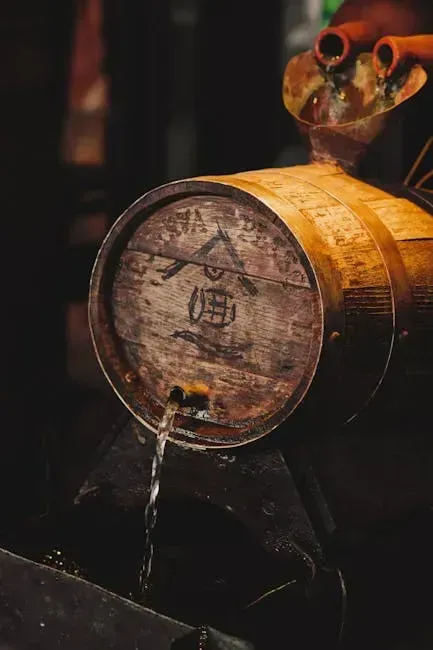
The average roof collects 600 gallons of water for every inch of rain. Capturing some of that stormwater could play an important role in protecting our freshwater resources. That is a stunning number when you first hear it. Most homeowners have no idea their roof is sitting on what amounts to a free water factory.
Just one quarter inch of rainfall on a typical roof will fill a rain barrel. A modest amount of rainfall can supply much or all of outdoor watering needs, as a full rain barrel will water a 200-square-foot garden. For most American backyards, that translates to meaningful coverage through the entire dry season.
The average American family directly consumes nearly 110,000 gallons of water each year, and if you include water used for producing food, energy, and consumer goods, that total jumps to 1.9 million gallons annually. Against numbers like those, rain barrels are only a partial fix. Still, every gallon captured is a gallon not billed.
Government Incentives Are Making It Easier
While no federal laws regulate rainwater harvesting, individual states set their own rules, ranging from full support with incentives to strict restrictions. States like Texas and Arizona encourage rainwater collection with tax incentives, while others like Colorado have strict limits on how much you can store.
Many cities, counties, and utility companies are offering rebates, tax credits, and grants to homeowners who make the switch. In places like Tucson, Arizona and Austin, Texas, residents can qualify for rebates of up to 3,000 dollars just for installing a qualifying rainwater harvesting system. That is not pocket change. That is a serious financial nudge.
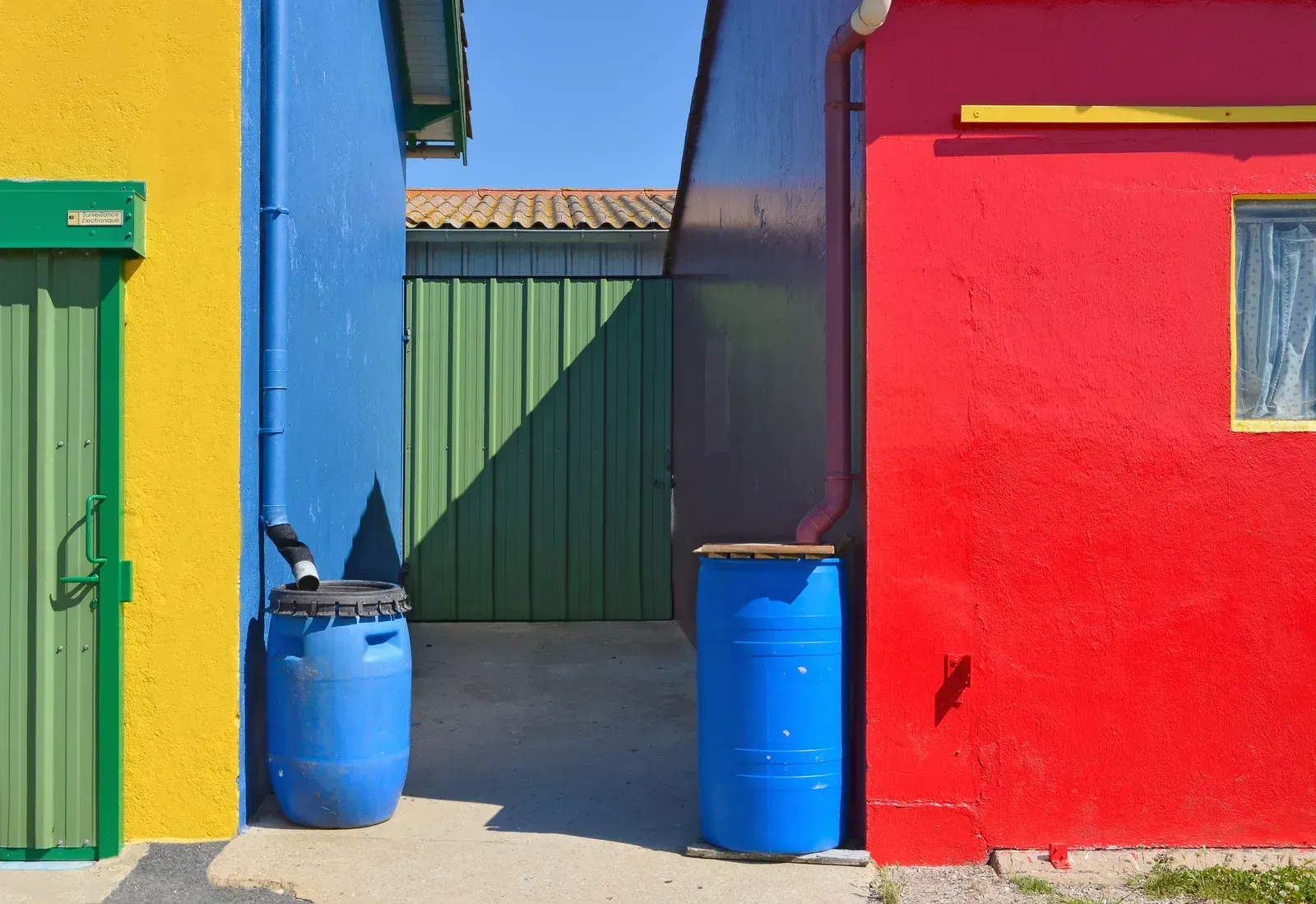
Consumers are increasingly moving away from basic blue utility drums toward high-capacity, aesthetically pleasing systems. Municipal rebate programs in various regions significantly lower the barrier to entry for homeowners, further accelerating adoption. The combination of beauty and budget-friendliness is clearly working.
Legal Landscape: Know Your State Before You Buy
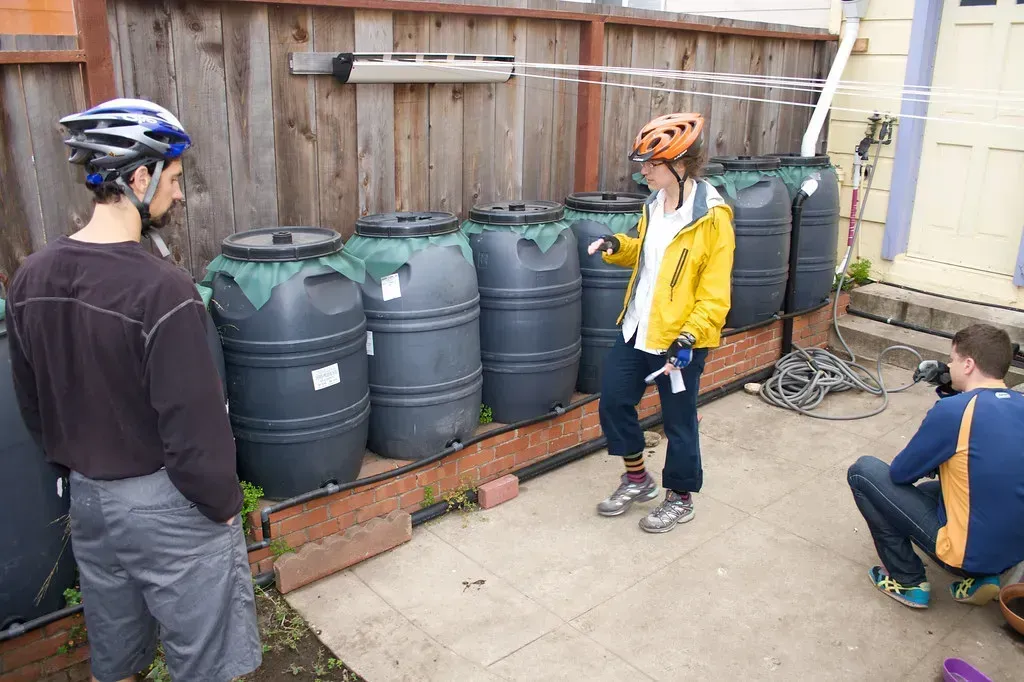
The federal government does not regulate rainwater harvesting at all. Instead, it is left up to individual state governments to determine the laws they wish to enforce. So if you are thinking about a rainwater harvesting solution, it is always best to check with local authorities to ensure the system complies with local codes and regulations.
Colorado has traditionally been one of the most restrictive states for rainwater harvesting. Two laws were passed in 2009 which loosened restrictions, allowing residents to use rainwater for non-potable purposes. In 2016, House Bill 16-1005 was passed, allowing residents to collect rainwater into two rain barrels with a combined capacity of 110 gallons. Here is the thing – that law actually traces back a full century to disputes over downstream water rights. It is a fascinating relic.
Texas allows residents to receive tax incentives for rainwater harvesting, which is regulated by the state’s Water Development Board, and harvesting equipment is exempt from sales tax and property taxes. Meanwhile, the Rain Check Rebate Program in Prince George’s County, Maryland offers 2 dollars per gallon, up to 4,000 dollars, as long as rain barrels collect at least 50 gallons. The financial case varies dramatically depending on where you live.
The Next Generation of Rain Barrels Is Already Here
Key trends include the shift toward smart and connected rain barrels that track water levels, forecast rainfall, and integrate with irrigation systems to maximize efficiency. It sounds almost sci-fi, but these systems already exist and are selling well. Your barrel can now send you a notification when it is full.
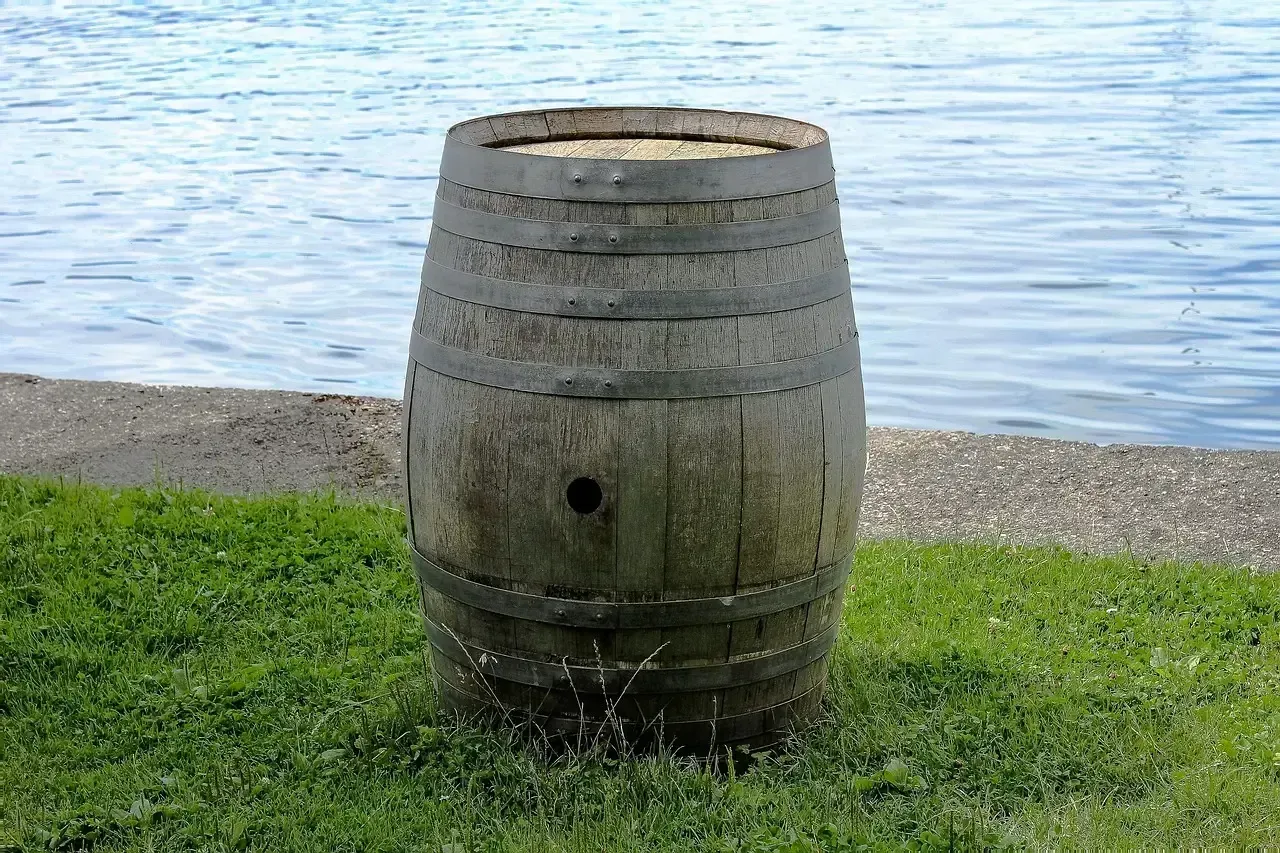
Modular and stackable barrel systems are also gaining popularity, allowing users to expand storage capacity gradually without major reinvestment. Decorative designs are becoming more common as homeowners want functional systems that also enhance landscape appearance. Aesthetics matter. Nobody wants an ugly green barrel ruining the view from their patio.
Using tap water to water gardens and lawns can actually harm plants due to the inorganic and fluoride compounds it contains. Rainwater is a “soft water,” meaning it does not contain chlorine, lime, or calcium. Compared to tap water, rainwater is more beneficial to plant life and can positively change the overall look and health of a garden. Your tomatoes, apparently, agree.
Conclusion
The rain barrel trend is real, it is growing, and it is being driven by something deeper than eco-fashion. It is rooted in a genuine and understandable anxiety about water availability, rising utility costs, and climate unpredictability. When droughts that once felt like “a Western problem” start drying out wells in Vermont and triggering wildfires in Los Angeles, people everywhere start looking at the sky differently.
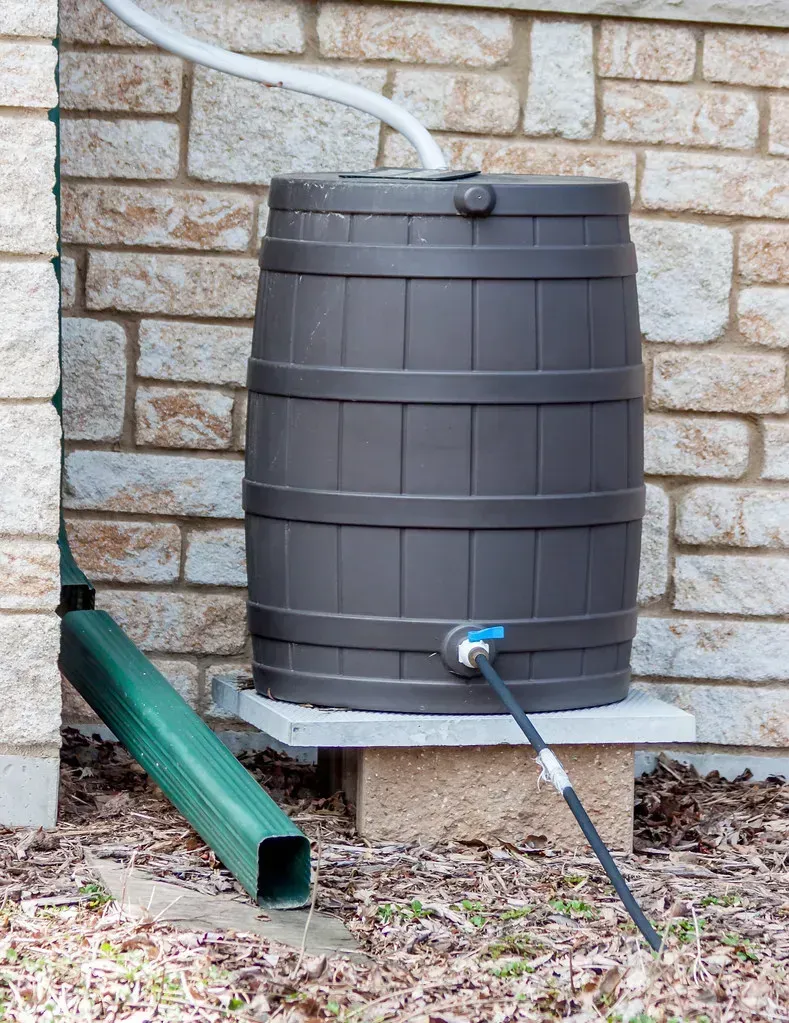
The encouraging thing is that the tools to act are accessible, affordable, and increasingly smart. Whether you live in Texas where the government actively rewards you for it, or in a state with no rules at all, the barrier to getting started has never been lower. A barrel, a downspout connection, and one decent rainstorm. That is really all it takes.
The deeper question is not whether rain barrels are worth it. The data makes that case clearly. The real question is whether personal action on this scale can keep pace with the scale of the problem. What do you think – is a barrel in the backyard a meaningful step, or just a drop in the bucket? Tell us in the comments.