
Great White Sharks – Ocean Predators on Life Support
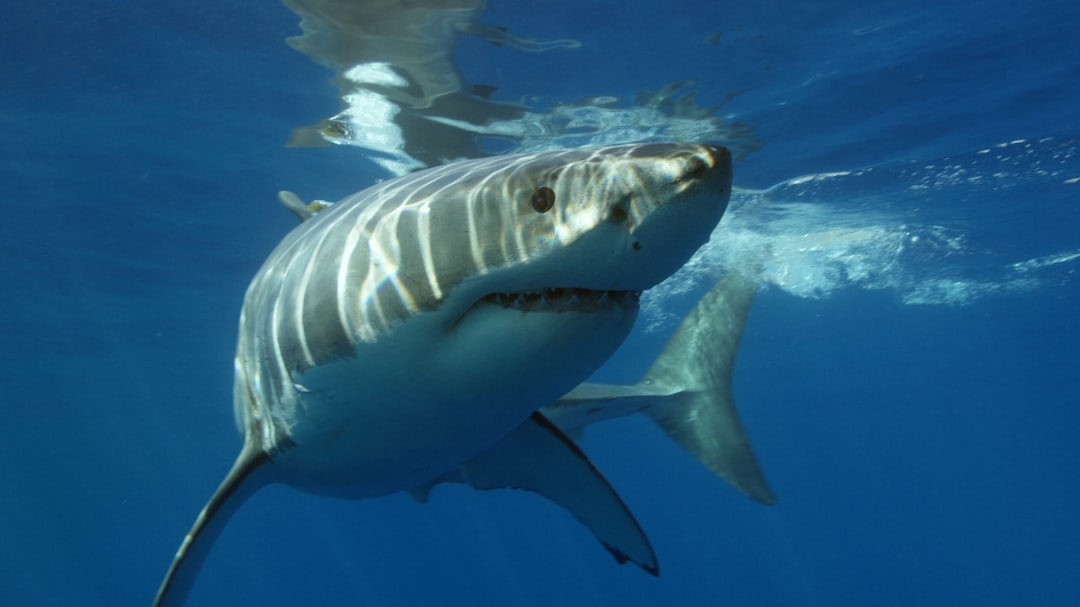
Picture this: the most feared predator in the ocean, responsible for countless nightmares and blockbuster movies, is actually fighting for its survival because of us. Great white sharks are now considered vulnerable worldwide, and critically endangered in Europe and the Mediterranean. It’s like discovering that the monster under your bed is actually more scared of you than you are of it.
The numbers tell a sobering story. The world has about 4,000 tigers and 25,000 African lions. Using the lowest estimates, global great white numbers resemble the estimate for tigers, an endangered species. That puts these apex predators in seriously dangerous territory – not from other animals, but from our fishing nets, pollution, and habitat destruction.
Tigers – The Vanishing Kings of the Jungle
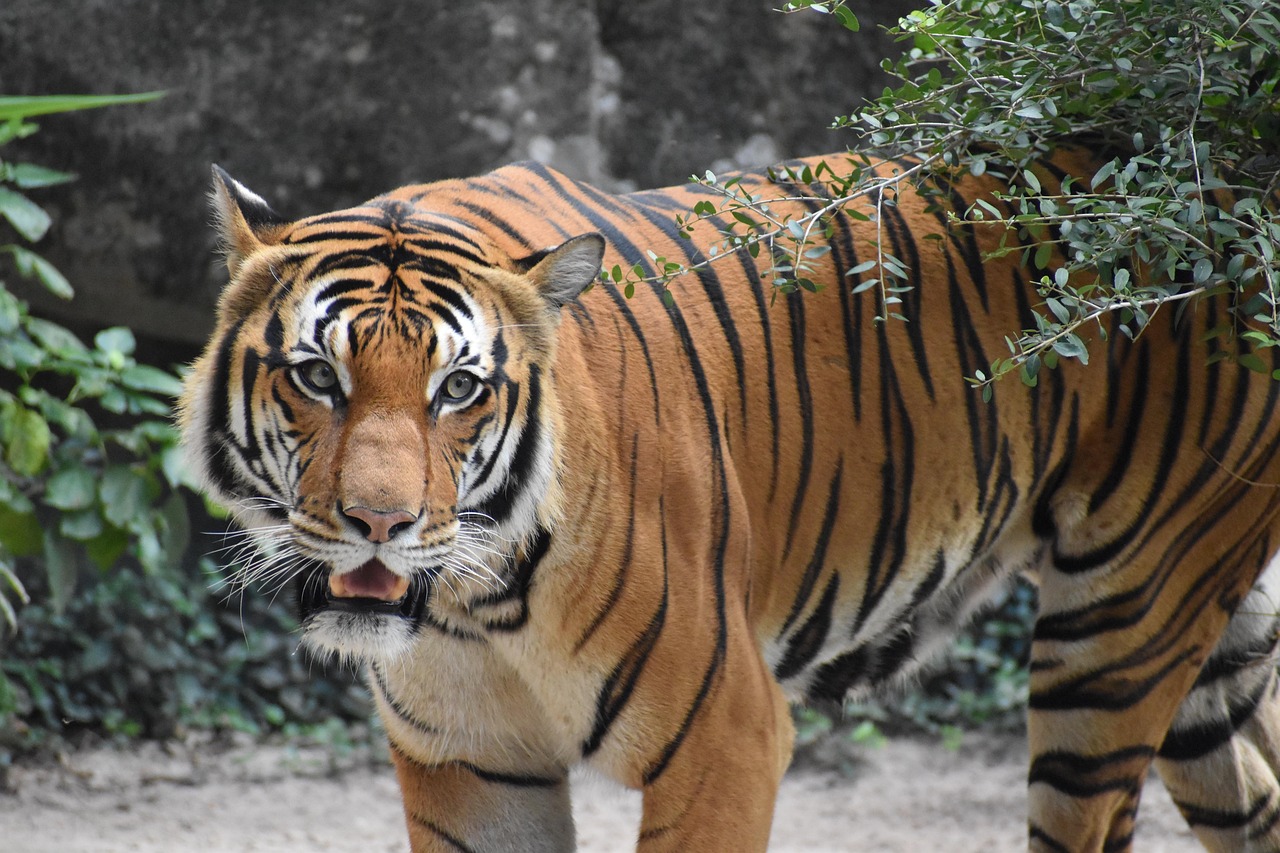
As per WWF, there are almost 3,900 tigers alive globally. This magnificent apex predator has seen its numbers plummet to dangerously low levels. Bengal tigers account for almost 50% of the global total tiger population; 70% of them can be found in India. Bengal tigers now live in only 7% of their historical habitat, and fewer than 2000 individuals are present in the wild.
What makes this decline particularly heartbreaking is that tigers don’t hunt humans as their primary prey. It doesn’t consider humans as primary prey, but given the opportunity, it may not resist. This is especially true if the human crosses the tiger’s territory. Tiger hunting has diminished the population to an endangered level. We’ve turned the tables on one of nature’s most powerful predators through habitat destruction and poaching.
Polar Bears – Arctic Giants Melting Away
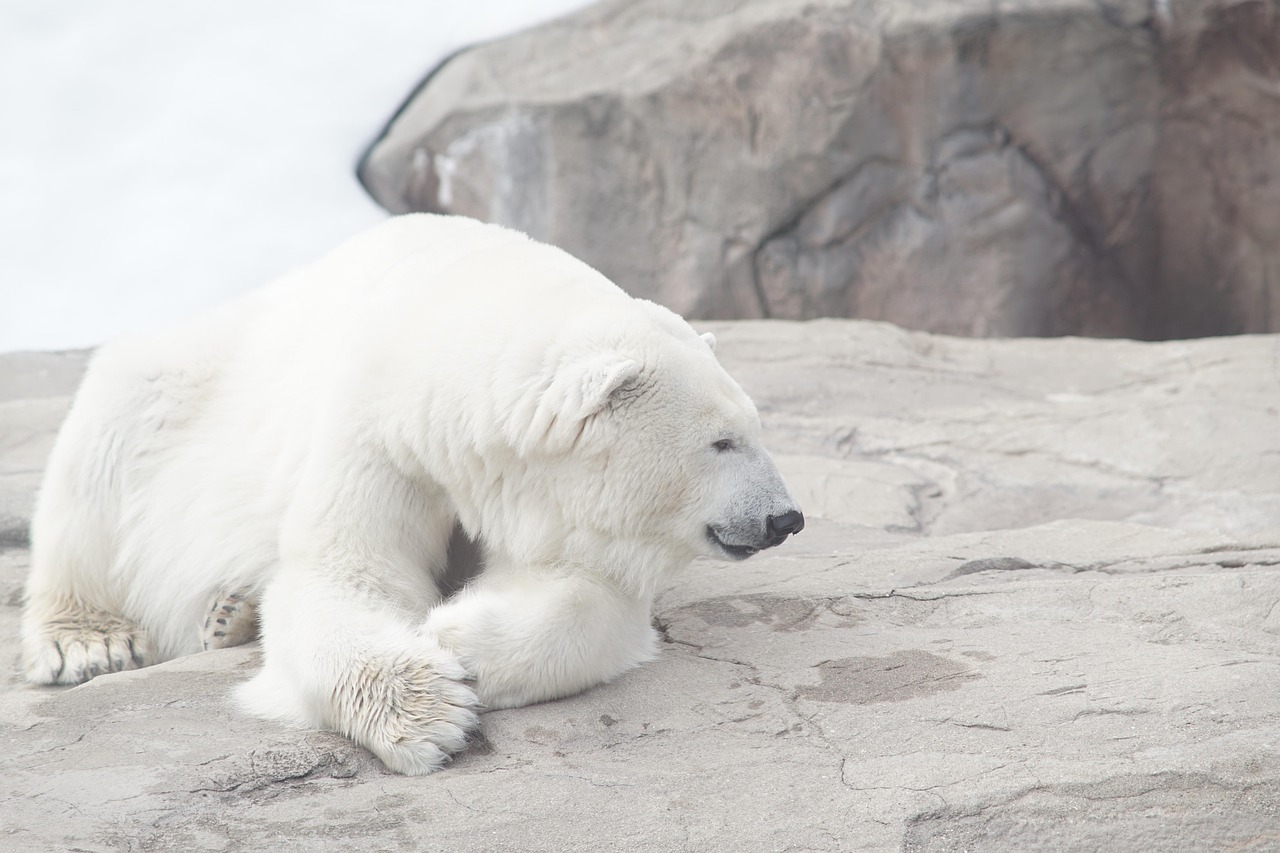
The polar bear’s story might be the most tragic of all. These massive predators, capable of taking down seals with devastating efficiency, are helpless against rising global temperatures. The IUCN estimates there are currently about 26,000 polar bears worldwide. But without action on climate change, we could lose all but a few polar bear populations by the end of the century.
But because of ongoing and potential loss of their sea ice habitat resulting from climate change–the primary threat to polar bears Arctic-wide–polar bears were listed as a threatened species in the US under the Endangered Species Act in May 2008. These giants of the Arctic are literally watching their world melt beneath their paws. In the Southern Beaufort Sea alone, That’s the stunning population loss for polar bears in the southern Beaufort Sea. The news comes from a new study linking the dramatic decline in this polar bear subpopulation in northeast Alaska and Canada to a loss of sea ice due to climate change.
Lions – The Vulnerable Pride of Africa
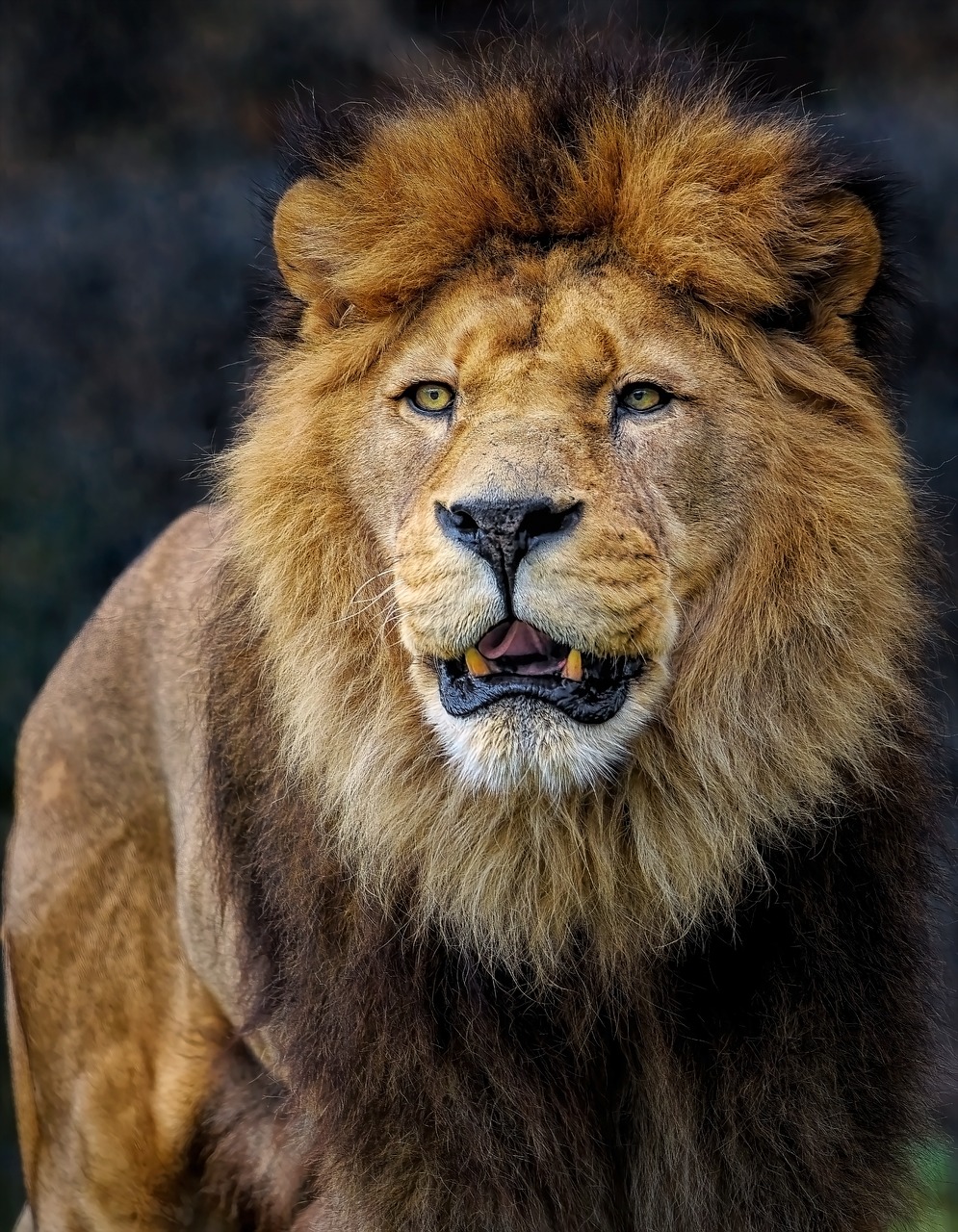
Lions are one of our core species, but populations are dwindling every year. The king of beasts faces multiple human-caused threats that are pushing populations toward dangerous declines. All lions are classed as vulnerable on the International Union for the Conservation of Nature (IUCN) Red List. This means that if the trade of lion parts and products isn’t closely controlled or banned soon, they will be threatened with extinction.
Human-lion conflict has become a major driver of population decline. Outside of national parks and wildlife conservancies, lion populations are declining, fast. Lions being killed to protect livestock, or in concern to their proximity to human settlements is a significant aspect driving this decline. This can be brought on by human encroachment into lion habitat, or through climate change – such as recent droughts decimating more typical prey populations.
Hammerhead Sharks – Distinctive Predators in Peril
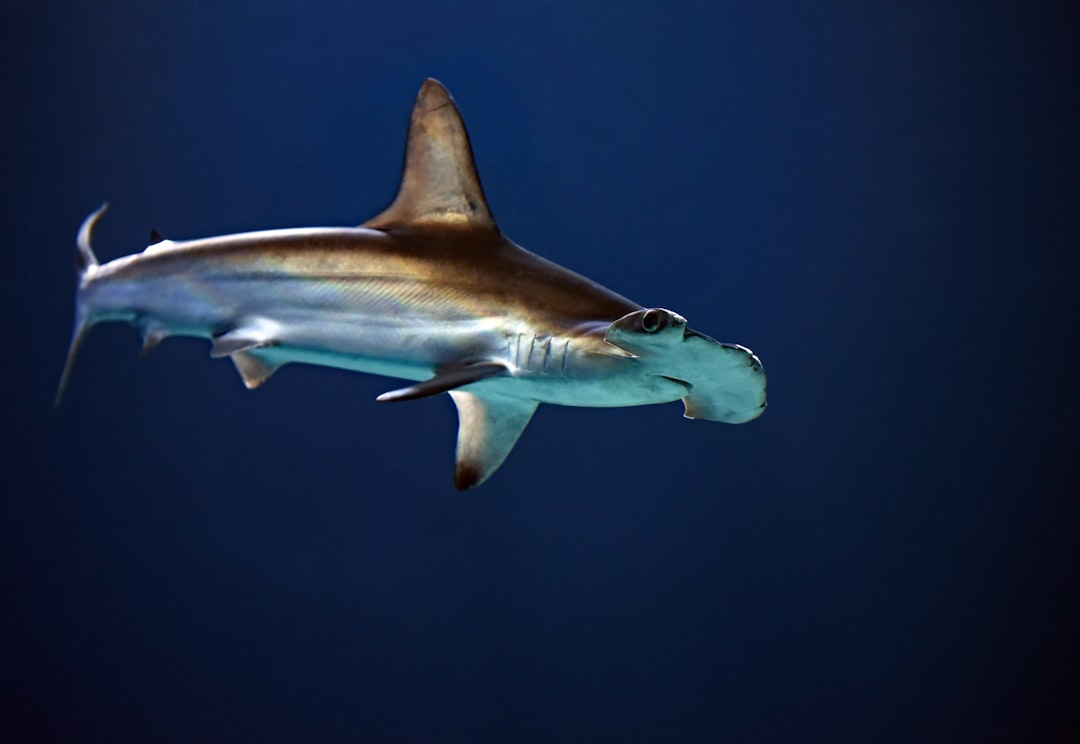
These uniquely shaped predators are among the ocean’s most recognizable sharks, yet they’re disappearing at alarming rates. Five out of the nine species of hammerhead sharks are critically endangered – the scalloped hammerhead, great hammerhead, smalleye hammerhead, scalloped bonnethead, and scoophead shark. It is unknown how many of these hammerhead sharks are left in the world – however, according to the IUCN, all of their populations are reportedly decreasing.
The irony is palpable – sharks that evolved perfectly designed heads for hunting are now hunted themselves to the brink of extinction. As a result, the oceanic whitetip, porbeagle, and the smooth hammerhead are classified as vulnerable by the IUCN, while scalloped and great hammerhead sharks are classified as endangered. These prehistoric survivors are losing a battle they’ve never faced before – systematic human exploitation.
Mountain Gorillas – Gentle Giants Under Siege
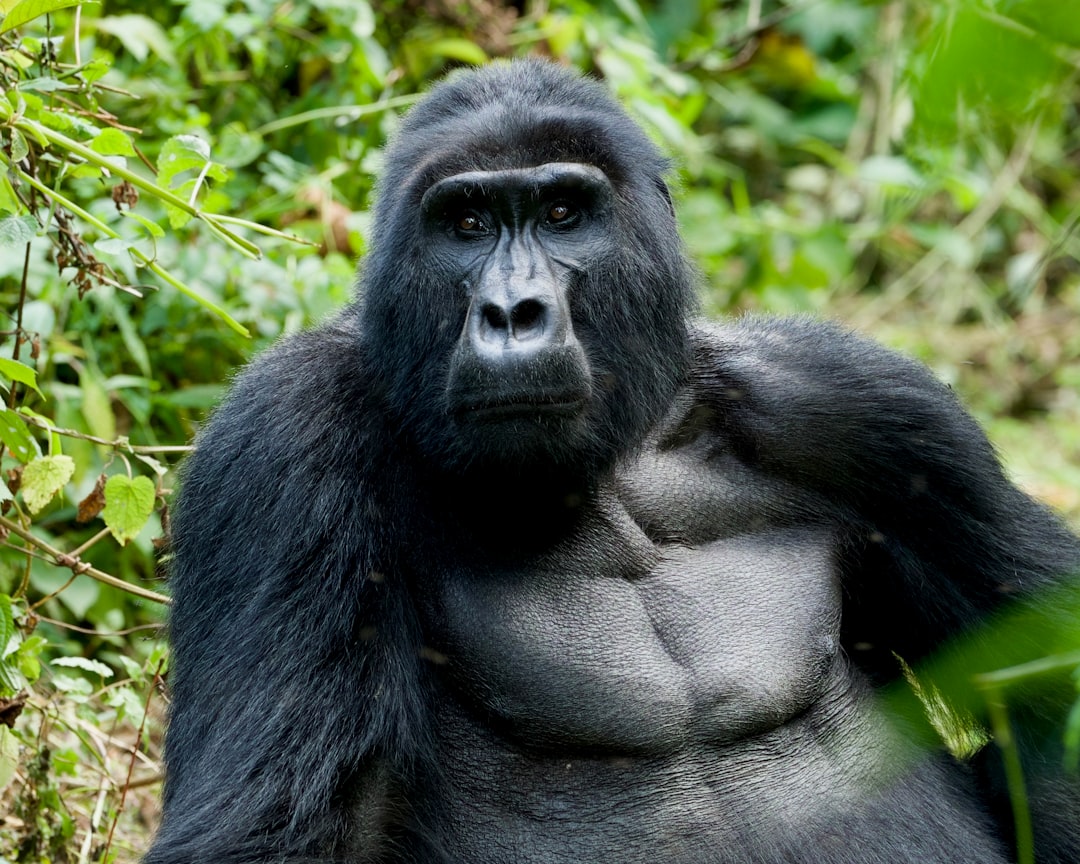
As per National Geographic, in 2020, almost 1,000 mountain gorillas were alive in the world. Despite their formidable appearance and incredible strength, these peaceful plant-eaters are critically endangered. They live in the volatile regions of Central Africa, where human conflict and habitat destruction threaten their survival daily.
What’s particularly striking about mountain gorillas is how gentle they actually are. Unlike their fearsome reputation in movies, these giants spend their days foraging for plants and caring for their families. Their endangered status stems entirely from human activities – deforestation, poaching, and civil unrest in their native regions. Between the 1980s and 2020, the human population of south-east Asia has nearly doubled, and this has had an impact on tiger numbers, which have been shrinking along with their habitats. As development expands in the region, Sunda tigers are increasingly likely to encounter people, which could lead to a further rise in human-tiger conflict.
Sumatran Rhinos – Ancient Armor Against Modern Threats
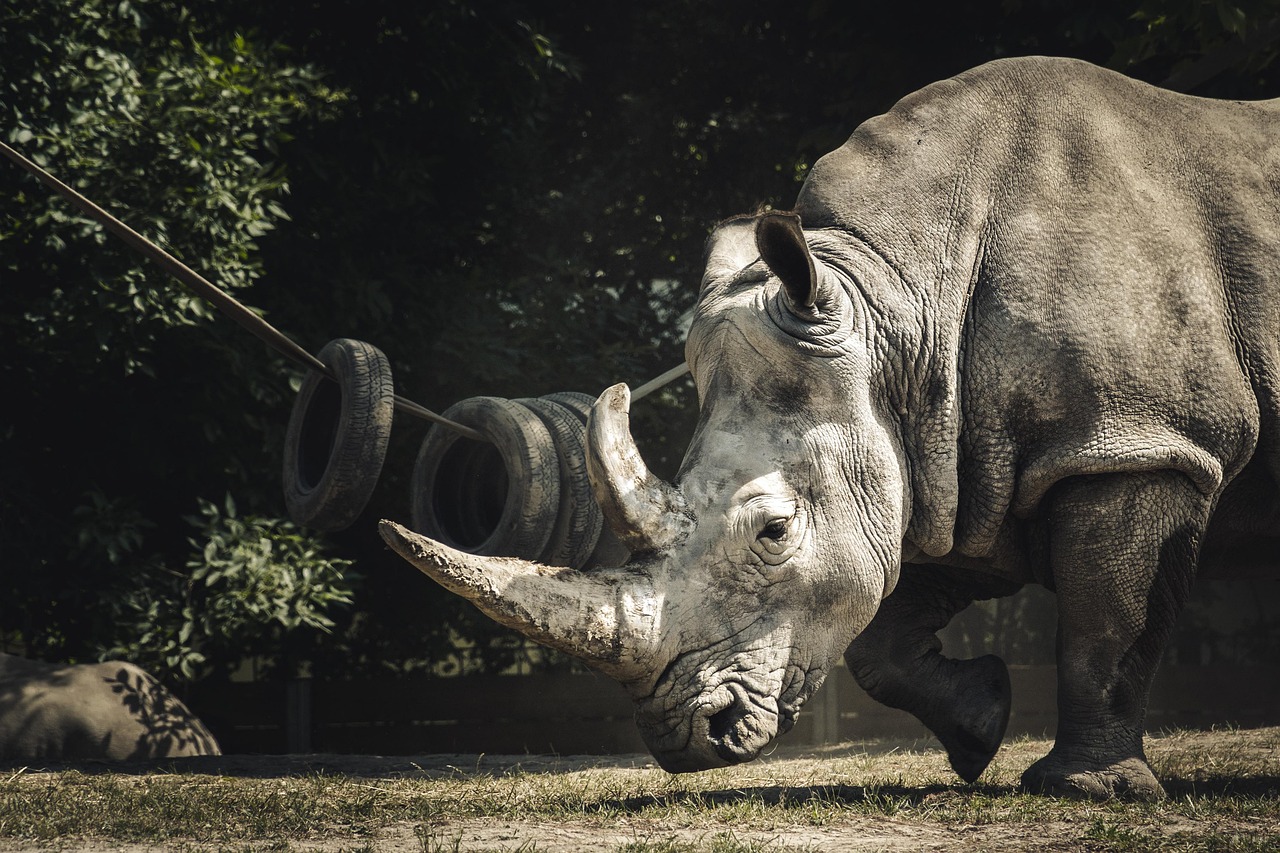
According to a survey done by Endangered Animals Statistics, 80 Sumatran rhinos are in the world. These prehistoric-looking creatures, covered in course hair and sporting impressive horns, are teetering on the edge of extinction. They’re not dangerous to humans – quite the opposite, they’re shy forest dwellers who prefer to avoid human contact entirely.
The tragedy of the Sumatran rhino lies in its perceived medicinal value. Their horns, made of the same material as human fingernails, are worth more than gold on the black market. This has led to relentless poaching that has reduced a once-widespread species to fewer than 80 individuals scattered across fragmented habitats in Indonesia.
Asiatic Lions – Royalty Reduced to Remnants
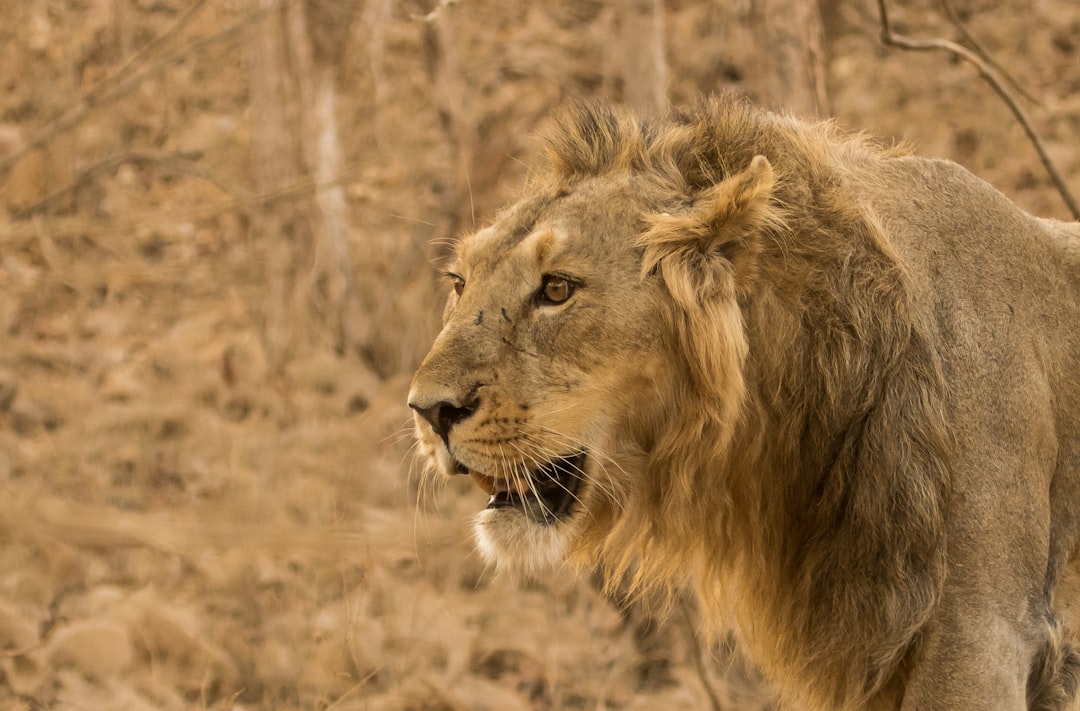
Asiatic lions are almost 10% to 20% smaller than their African cousins, and they have a big tail tuft and an endangered belly fold. The Asiatic Lion was natively found all around south-western Asia and eastern India. The full population of the listed species of an Asiatic lion can be found in India, specifically in the Gir National Park and environs in Gujarat.
These magnificent cats once roamed from Greece to India, but hunting and habitat loss have confined the entire population to a single location. Having all your eggs in one basket – or in this case, all your lions in one park – makes them extremely vulnerable to disease, natural disasters, or any single catastrophic event. It’s a stark reminder of how human activities can reduce apex predators to mere shadows of their former glory.
Snow Leopards – Ghost Cats of the Mountains
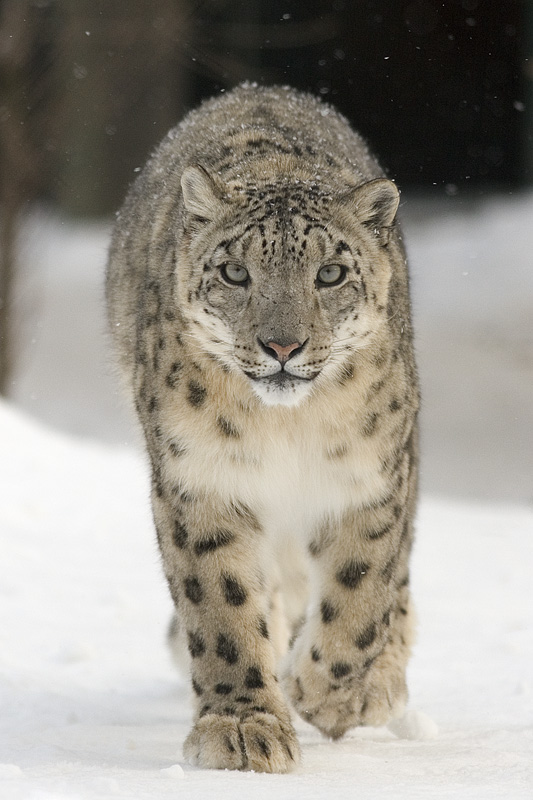
Snow Leopards are on the red list of IUCN, with an estimated number of 4,080 to 6,590. These elusive big cats, perfectly adapted to life in some of the world’s most hostile mountain environments, face an uncertain future. They’re called “ghost cats” not because they’re dangerous to humans, but because they’re so rarely seen.
Snow leopards are remarkable for their ability to survive in conditions that would kill most other large mammals. They can leap incredible distances, have fur-covered feet that act like snowshoes, and thick tails that serve as blankets in freezing temperatures. Yet all these amazing adaptations mean nothing against climate change, which is warming their mountain habitats and pushing their prey to higher elevations where there’s simply less room to live.
Vaquita Porpoises – The World’s Smallest Marine Disaster
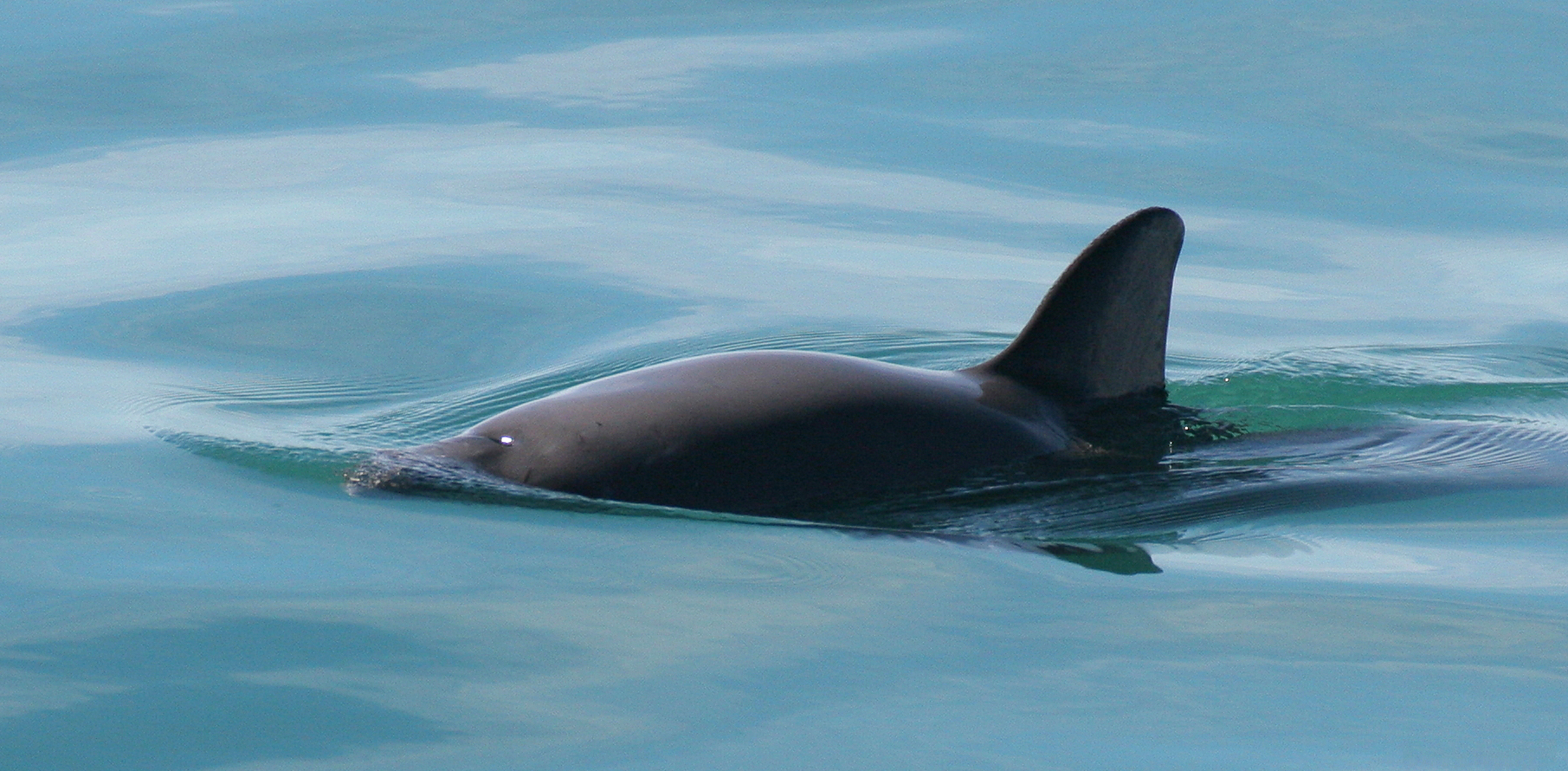
The vaquita are a small species of porpoise that lives in a very limited range in the Gulf of California, off the coast of Mexico. There are only 8 to 13 vaquitas remaining. They are the smallest species of cetaceans, the group that includes whales, dolphins, and porpoises.
The vaquita’s story is perhaps the most heartbreaking of all. These tiny porpoises aren’t aggressive – they’re actually quite shy and avoid human contact. They’re dying because they get caught in illegal fishing nets meant for another endangered species, the totoaba fish. It’s a cascade of human-caused extinctions, where trying to catch one endangered species is killing another. With fewer than 15 individuals left, the vaquita porpoise might become extinct before most people even learn they existed.
The Bigger Picture – Fear vs Reality
The devastating irony becomes clear when you look at the numbers. The IUCN classifies nearly 4,000 species as critically endangered, meaning they face such severe threats that they could soon become extinct in the wild. Meanwhile, The latest research suggests that around 100 million sharks may be killed annually, often targeted for their fins. The latest research suggests that around 100 million sharks may be killed annually, often targeted for their fins.
Our 2024 Living Planet Report shows the average size of wildlife populations has fallen by a staggering 73% since 1970. While there have been amazing and inspirational wildlife successes and stories in the past, many animals are still endangered mostly due to unsustainable human-led activities. The animals we fear most are actually the ones that should fear us most. Every year, humans kill millions of sharks, while sharks kill fewer than ten humans worldwide.
The truth is, we live in a world where apex predators – the very animals that fuel our nightmares and monster movies – are disappearing at unprecedented rates because of human activities. These magnificent creatures, shaped by millions of years of evolution to be perfect predators, are defenseless against habitat destruction, climate change, pollution, and our relentless exploitation of natural resources. Perhaps it’s time we stopped fearing these animals and started fearing a world without them. What kind of planet are we leaving behind when even the mightiest predators can’t survive our presence?