
Every year, an estimated 22 million pieces of furniture are discarded in the UK alone, much of which goes straight to landfill. The United States tells a similar story. Most of it is genuinely worthless. Some of it, though, is not – and the painful truth is that the pieces most likely to end up at the curb are often the exact ones that dealers and collectors are quietly hunting for.
The antique market is a shifting thing, shaped by taste, generational change, and renewed appreciation for quality. Many people unknowingly own valuable furniture that could significantly impact their financial planning or insurance coverage. Before you call the junk haulers, it’s worth knowing which pieces deserve a second look. These ten are at the top of every seasoned dealer’s most-dreaded list.
1. The Roll-Top Desk
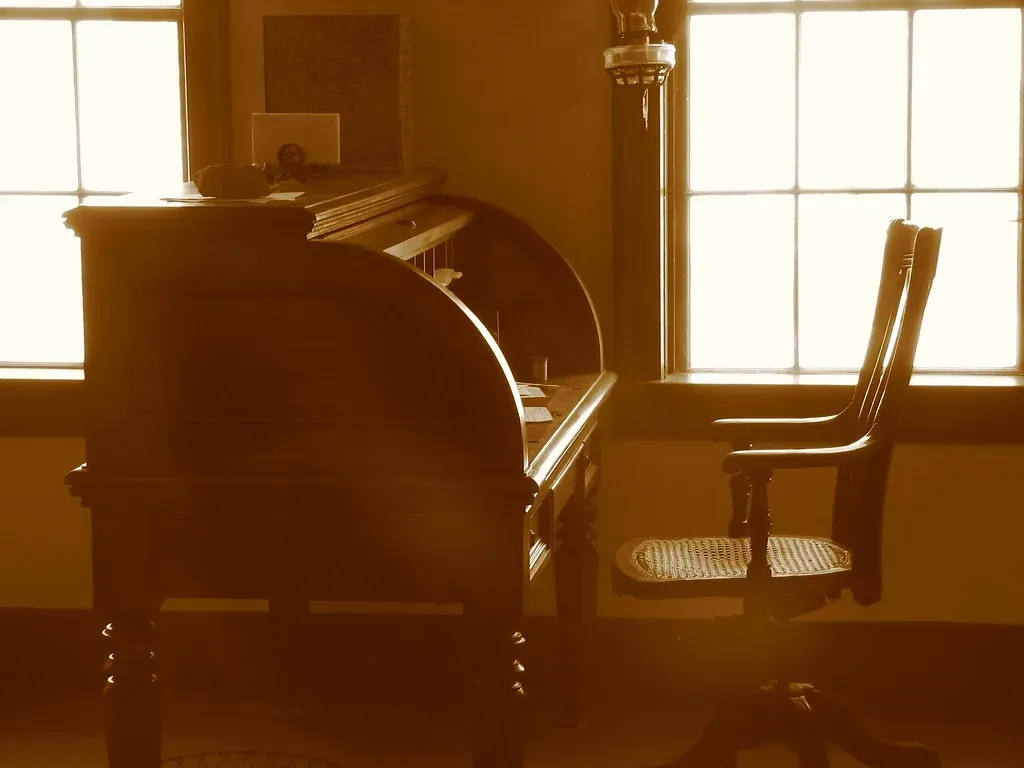
The roll-top desk is one of the most commonly cleared-out pieces in estate sales, often dismissed as clunky or out of place in a modern home. That instinct costs people real money. Handcrafted pieces from the 18th and 19th centuries typically command higher prices because they represent superior woodworking techniques that are rarely seen today. A Victorian-era oak roll-top in solid condition is exactly this kind of piece.
Fine antique American Victorian oak roll-top desks from 1880 regularly complete at auction in the range of two to three thousand dollars. That’s for average examples. Documented pieces with original hardware and untouched finishes push considerably higher. Original finishes, even if worn, are often more valuable than refinished pieces – a detail most people get backwards when they decide to “freshen up” grandpa’s old desk before selling it.
2. The Chippendale Chair or Side Table
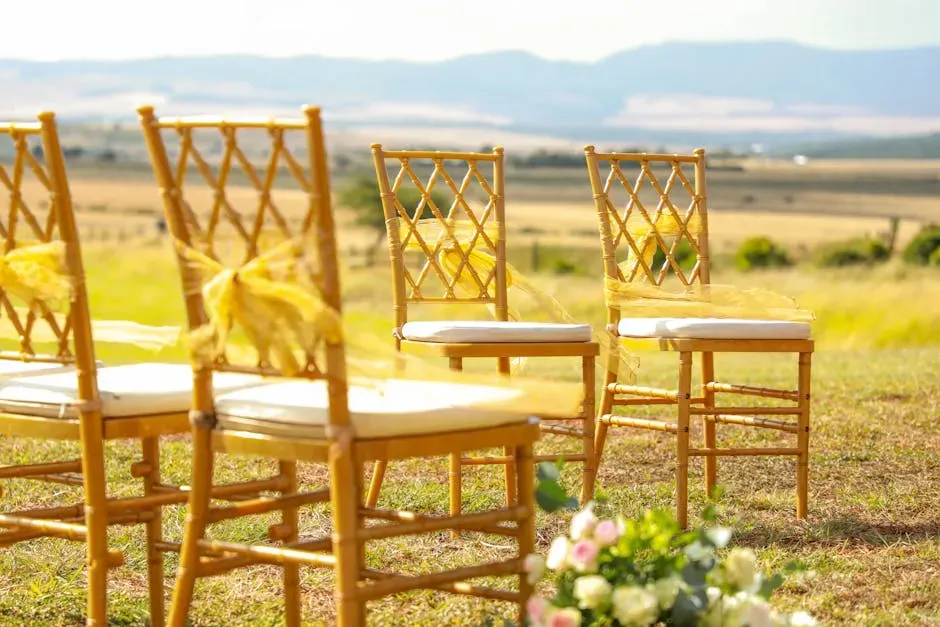
Few names carry as much weight in antique furniture as Thomas Chippendale. Considered the Shakespeare of English furniture makers, Thomas Chippendale became one of the most celebrated cabinetmakers of the 18th century. By 1754, he was already making a name for himself after launching his own furniture publication, sought after by everyone from tradespeople to wealthy nobles. Pieces genuinely made in his workshop or reliably attributed to his period are extraordinarily valuable.
Chippendale desks alone range from the $1,500 range and can exceed $68,500 for an authentic George III Mahogany Secretary. Even pieces in the broader Chippendale style, made by skilled American craftsmen during the colonial period, can surprise their owners. Original Chippendales feature irregularities due to being completely hand-made. You may notice carvings made on the right side do not perfectly match the left, joints are not flawless, and you may see obvious tool marks. Those imperfections are proof of authenticity, not flaws.
3. The Antique Secretary Desk
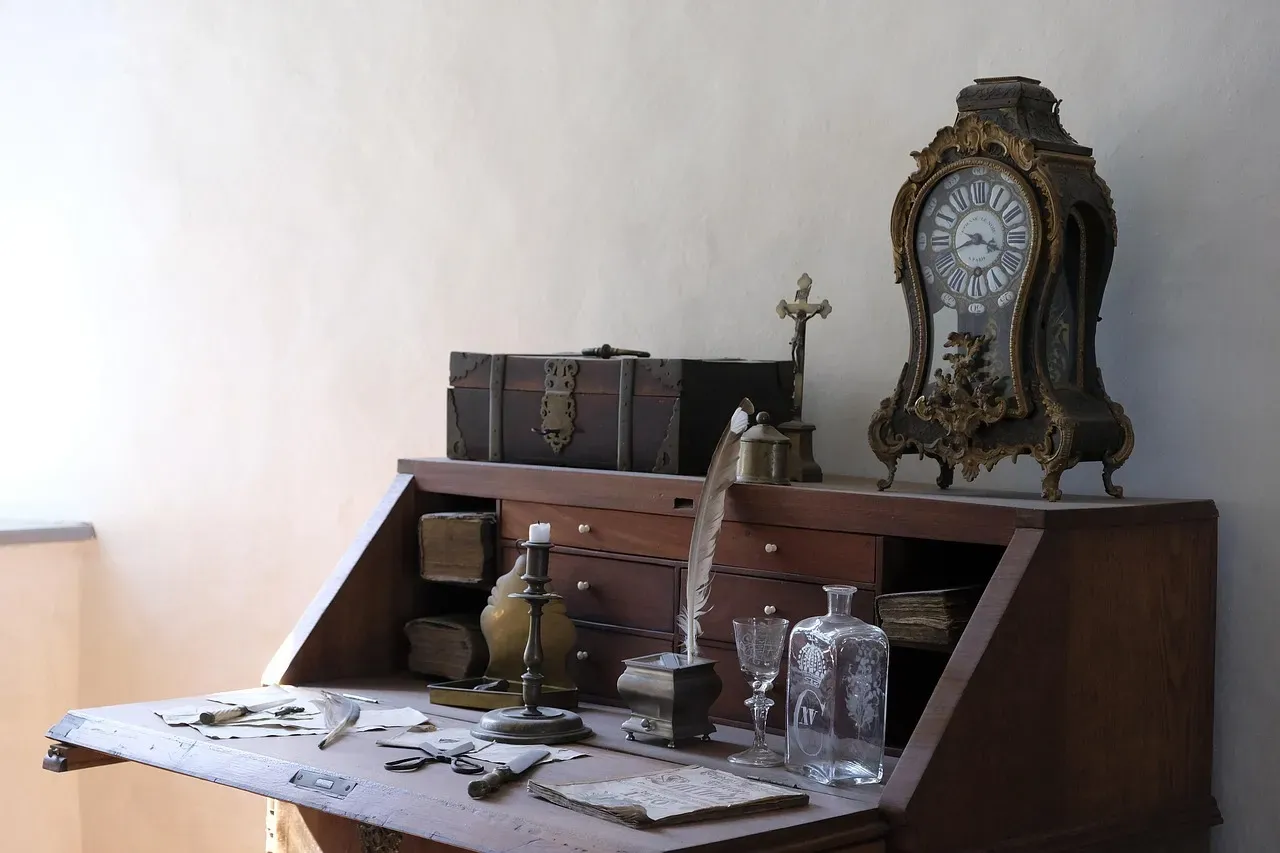
The fall-front secretary desk – that compact, elegant piece that closes flat against the wall – is one of the most misunderstood items in furniture history. People see a boxy old cabinet and overlook what’s inside it. A genuine antique secretary desk combines a fall-front writing surface with a fitted interior of small drawers, pigeonholes, and sometimes hidden compartments behind false panels, all housed within a compact architectural case that closes completely when not in use.
The most extreme example of how badly people underestimate these: crafted by the Goddard and Townsend families – preeminent American furniture makers of the 18th century – one Antique Secretary Desk is one of only nine ever produced. It embodies the golden age of American furniture, with beautifully carved mahogany, detailed drawers, and a graceful silhouette. Sold for $11.4 million in 1989, it remains the most expensive American furniture piece ever sold. Most secretary desks won’t reach those numbers, but even modest period examples from the 1800s routinely sell in the thousands.
4. The Biedermeier Cabinet or Writing Desk
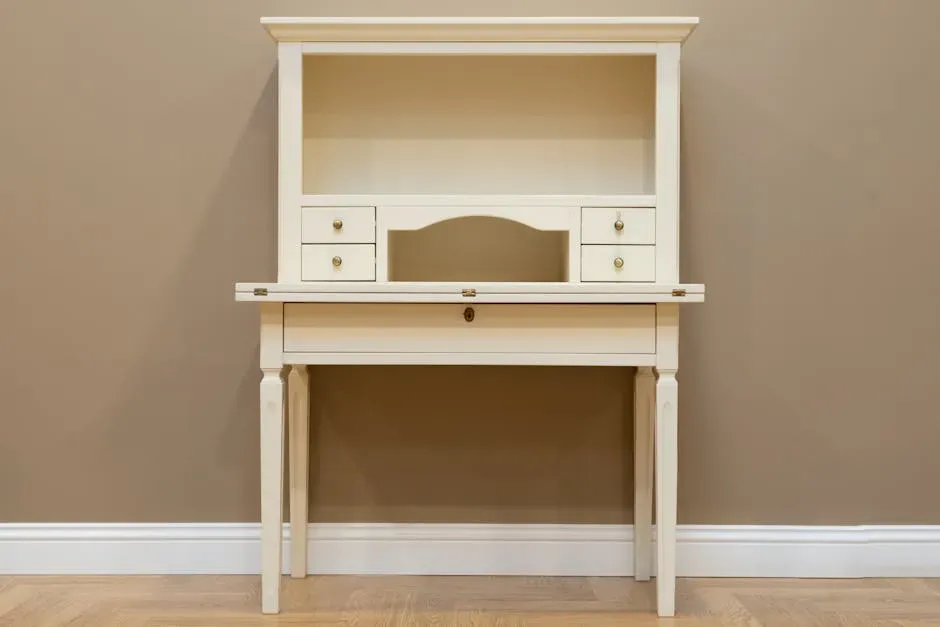
Biedermeier furniture does something that few other antique styles manage as naturally: it looks entirely at home in a contemporary interior without any period framing required. The clean lines, figured walnut veneers, and honest construction of the best antique pieces are as relevant today as they were two centuries ago. This is precisely why the style is surging in collector demand right now.
One notable trend is the renewed appreciation for Biedermeier furniture, particularly among New Orleans-based designers. They are drawn to the sleek and quirky design, beautiful veneers, and ebonizing of these pieces, which have experienced fluctuating popularity in the past. Biedermeier chests of drawers from southern Germany dating to around 1820 are currently listed by dealers at prices approaching and exceeding $19,000, with impeccable woodworking skills taking center stage in these furnishings, which are having a resurgence according to Chairish.
5. The Teak Mid-Century Modern Sideboard
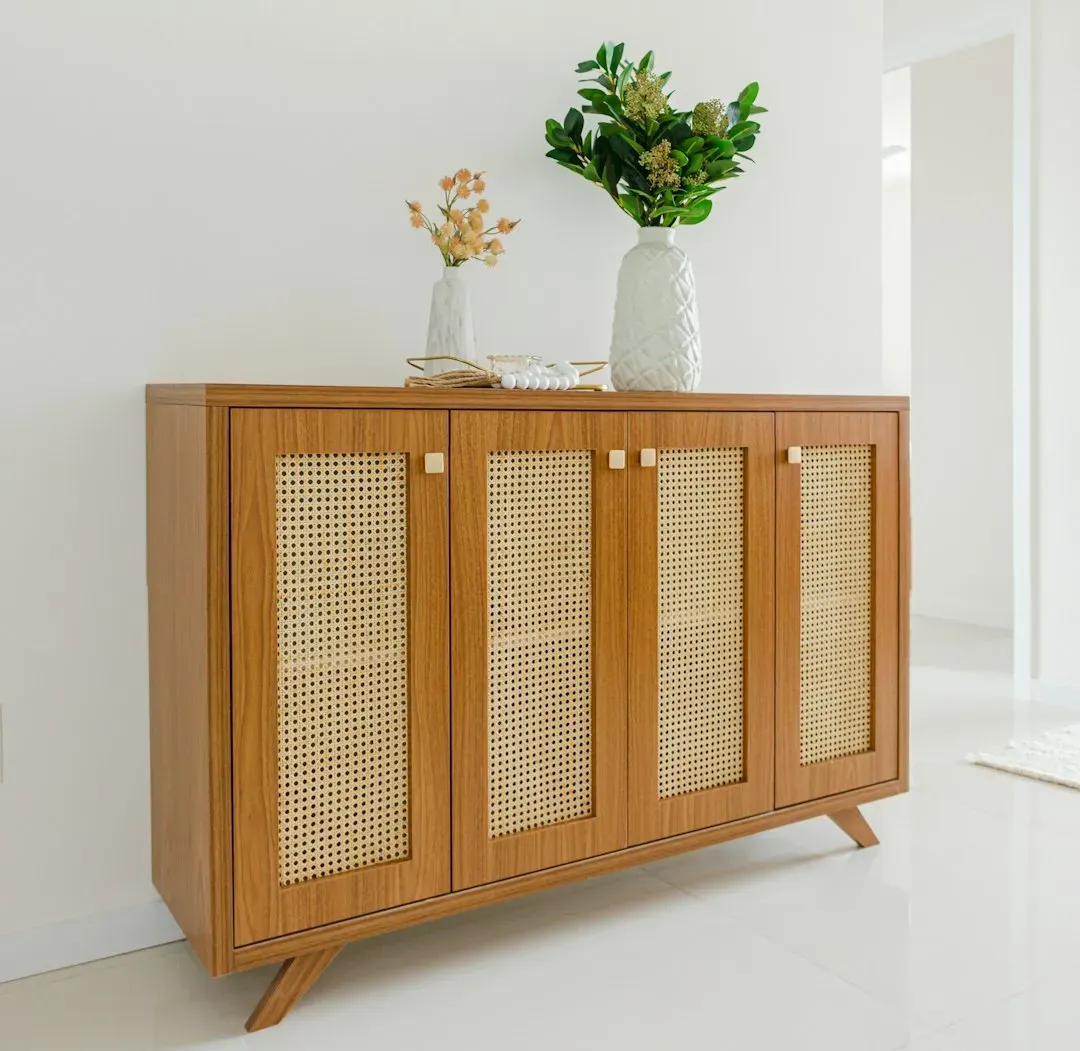
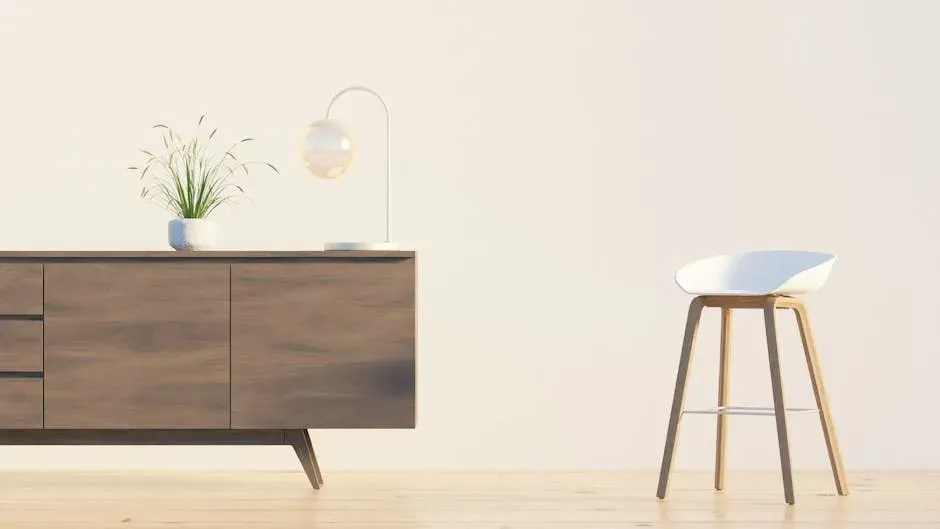
If there’s one category of furniture that has climbed the most dramatically in value over the past decade, it’s Danish and Scandinavian teak pieces from the 1950s and 1960s. People who grew up with these in the family living room often think of them as dated. Collectors think of them as gold. Mid-century sideboards are especially hot because they work beautifully as media consoles for flat TVs, giving them a practical second life in contemporary homes.
In 2025 and into 2026, pieces like teak sideboards, Eames chairs, and G-Plan coffee tables are highly sought after. Collectors value their timeless appeal and the craftsmanship that went into creating them. Keep an eye out for iconic designers such as Charles and Ray Eames, Arne Jacobsen, and Hans Wegner. A quality walnut credenza or sideboard in good condition commonly fetches well over two thousand dollars at retail, with early teak dining sets by acclaimed Danish designer Hans Wegner selling for nearly $20,000 online, showcasing the enduring appeal of mid-century modern design.
6. The Painted Blanket Chest
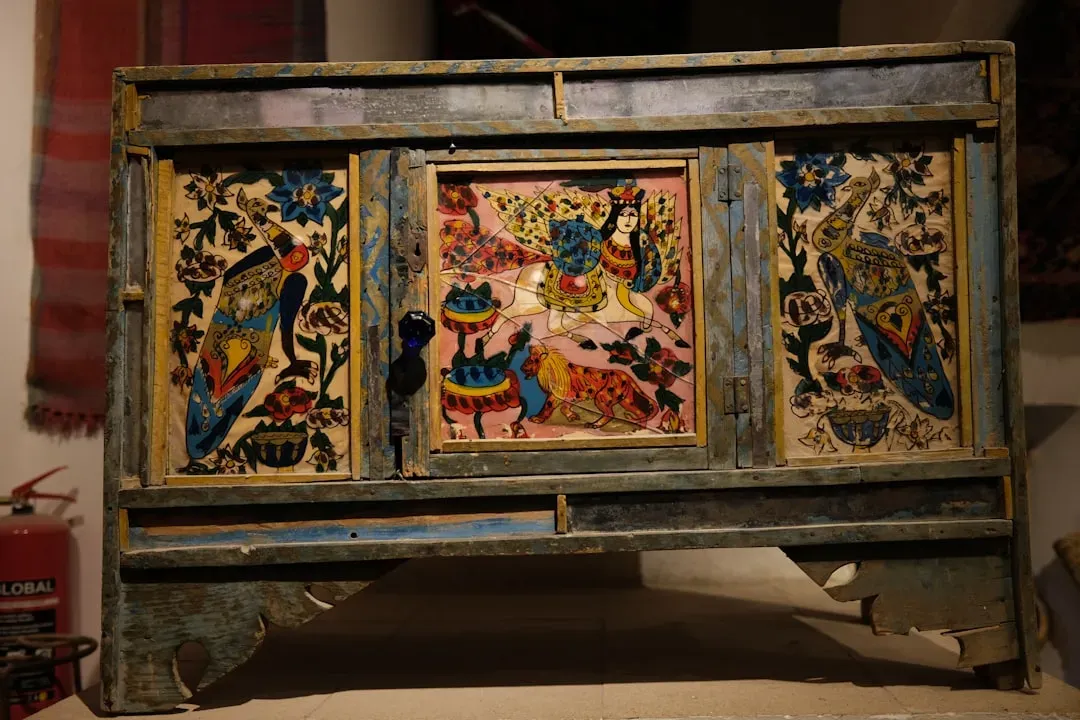
Blanket chests, especially those with original decorative painted surfaces, are one of the antique market’s most underappreciated finds. They tend to sit in corners or attics, used as storage, stripped of context, and often repainted by well-meaning owners. That repaint is frequently a costly mistake. If your antique furniture is valuable, painting the wood to cover up the original finish and grain will, in most cases, reduce its value.
Another category experiencing a resurgence is antique blanket chests. The online antiques and vintage marketplace Chairish reports a recent increase in sales of these items, especially those with original decorative painted finishes, both Swedish and Pennsylvania German. A Pennsylvania German painted blanket chest in authentic, untouched condition is considered a significant folk art find. Pennsylvania paint-decorated blanket chests regularly complete at auction for close to three thousand dollars, and rare examples with documented provenance push considerably beyond that.
7. The Antique Armoire or Wardrobe
The armoire has a perception problem. It’s big, it’s heavy, and modern homes don’t have obvious places for it. So it gets passed over, donated, or broken up for parts. Yet the craftsmanship inside a genuine 19th-century European armoire – particularly French or Central European examples – represents a quality of joinery and wood selection that simply isn’t reproduced today. The materials used to create these pieces are more durable and substantial than the laminates used on furniture today.
Storage furniture such as wardrobes, armoires, linen presses, chests, and chests-of-drawers have changed relatively little in function since the 18th century, which is part of what makes them so enduringly useful. A large Biedermeier cherry wood armoire from southern Germany, circa 1820, is the kind of piece that high-end dealers actively seek out. Regional styles can be particularly valuable in their areas of origin. A Pennsylvania German schrank might be worth significantly more in Pennsylvania than in California, while California mission-style furniture commands premium prices on the West Coast.
8. The Antique Wingback Chair
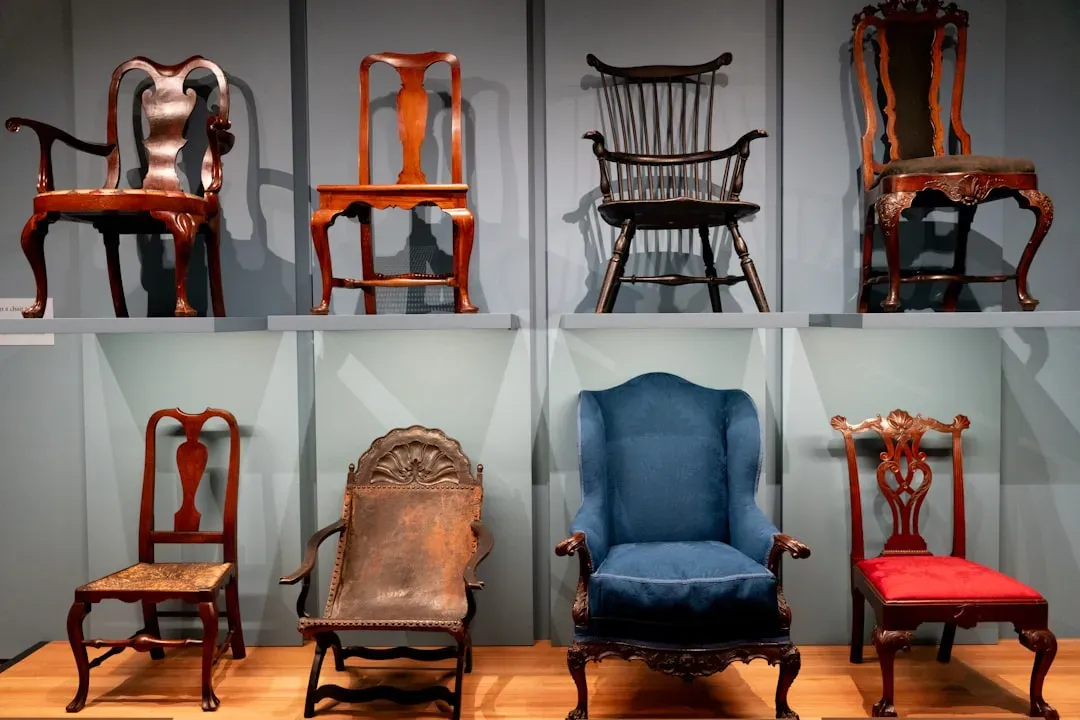
The wingback chair is one of those pieces that people either love or feel has no place in a modern interior. Those in the second camp tend to toss them out without a second thought. That’s a mistake that dealers quietly celebrate. One of the most important considerations when assessing antique furniture value is the quality of the original piece, determined by its craftsmanship, materials, and overall condition. The identity and reputation of the artist or maker also play a significant role. Pieces created by well-known or highly skilled artisans are often more sought after by collectors.
A wingback chair in its original 18th or early 19th-century form – with hand-cut joints, solid mahogany or walnut legs, and even worn original upholstery still in place – is something dealers actively seek. After a previous owner brought an armchair to a smaller auction house, neither of whom recognized the chair was worth anything more than $200 or $300, the chair was placed on auction and purchased by a knowledgeable collector. In November 2024, the armchair found its way back into a Phillips auction, and this time everyone apparently knew what the furniture was worth. The armchair sold for $315,580. Most won’t reach that ceiling, but the story illustrates what ignorance about value can actually cost.
9. The Mission-Style or Arts & Crafts Sideboard
Mission-style furniture – associated with makers like Stickley – has a reputation for being sturdy and plain. That plainness is actually the point, and collectors understand it deeply. Many antique furniture brands remain popular across generations. While trends in collecting do vary over time, some makers consistently remain highly sought after. Stickley is firmly on that list, alongside other Arts & Crafts movement makers.
Early 20th-century Stickley Arts & Crafts Mission oak sideboards regularly complete at auction for over $2,600, and more rare or documented pieces go significantly higher. The key quality markers are quartersawn oak construction, original hardware in copper or iron, and an unaltered finish. Look for hand-cut dovetail joints in drawers, mortise and tenon joints in chairs, and hand-forged hardware. These details indicate quality craftsmanship that adds value. Many Mission pieces have both.
10. The Antique French Commode
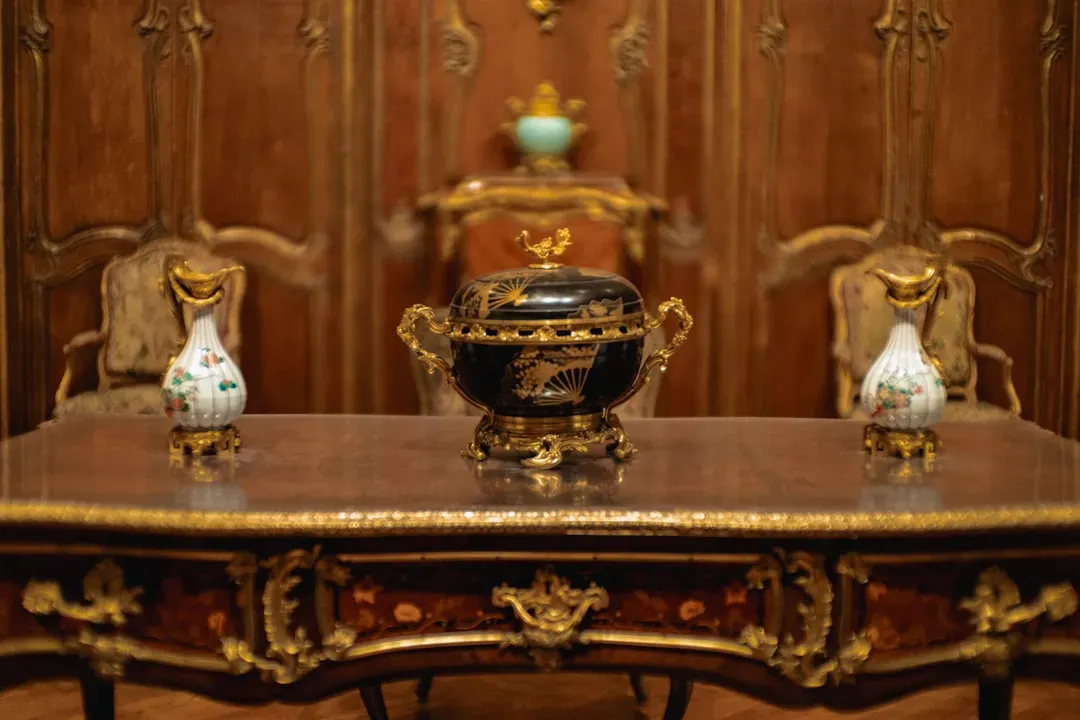
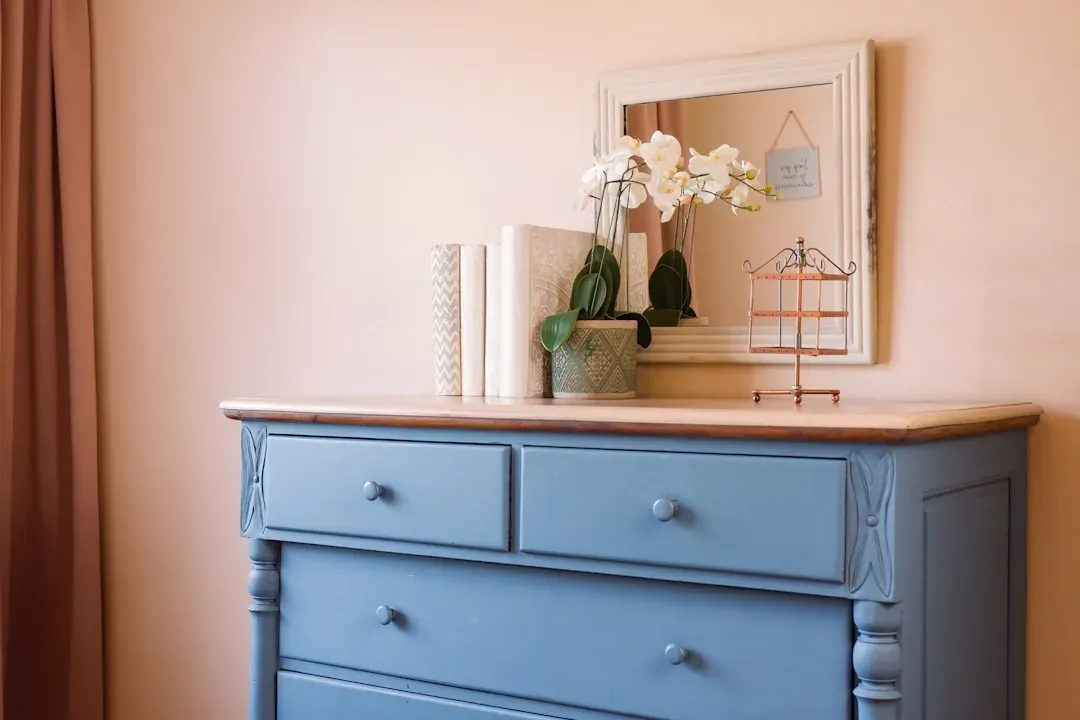
The French commode – essentially a decorative chest of drawers with pronounced legs – is regularly dismissed as fussy or impractical. Heirs clearing out a family home often view it as a dust-collecting liability. In reality, leave it to the French to create furniture styles from the 19th century that still look just as chic today. Louis Philippe case pieces combine incredible craftsmanship and high-quality materials, and commodes (the French term for a chest of drawers) are at the top of many antiquarians’ lists.
At the extreme end of the market, an opulent 18th-century commode adorned with intricate marquetry, gilded floral motifs, and lavish ormolu mounts sold for over a million dollars at a Christie’s auction in 2023. More accessible examples still command respect: an ornate mahogany chest of drawers crafted in the late 18th century, celebrated for its intricate carvings, molded edge top, and elegant finish, is currently listed for nearly $10,000 online. Before a French commode leaves your possession, it deserves at minimum a professional appraisal.
The common thread running through all ten of these pieces is something simple: what looks old, inconvenient, or out of fashion to an untrained eye often looks entirely different to someone who knows what they’re seeing. Rarity drives much of antique furniture’s value, but it’s not just about age. Some pieces were rare when they were made due to expensive materials or limited production runs. Others became rare due to historical events, changing tastes, or simple attrition over time.
If you’re clearing out a family home or reconsidering pieces that have been sitting in storage, the most valuable thing you can do before any decision is get a professional appraisal. When selling, having valuable pieces professionally appraised first is a sound investment. It can pay for itself by ensuring you don’t undersell a valuable item. That one step is the difference between a good decision and a permanent regret.