Most people walk into a grocery store thinking they’re in control of what goes in the cart. They have a list, a rough budget, maybe even a meal plan. Yet study after study confirms that a large portion of what ends up at the checkout was never planned at all. That gap between intention and spending isn’t accidental.
Modern grocery stores often feel carefully designed, yet many shoppers suspect those designs serve retailers more than customers. Layout strategies that once helped people find essentials quickly are increasingly used to encourage longer visits and higher spending, with many decisions guided by behavioral research and retail psychology. Understanding these tactics is the first step toward spending more intentionally.
1. Essentials Are Buried at the Back of the Store
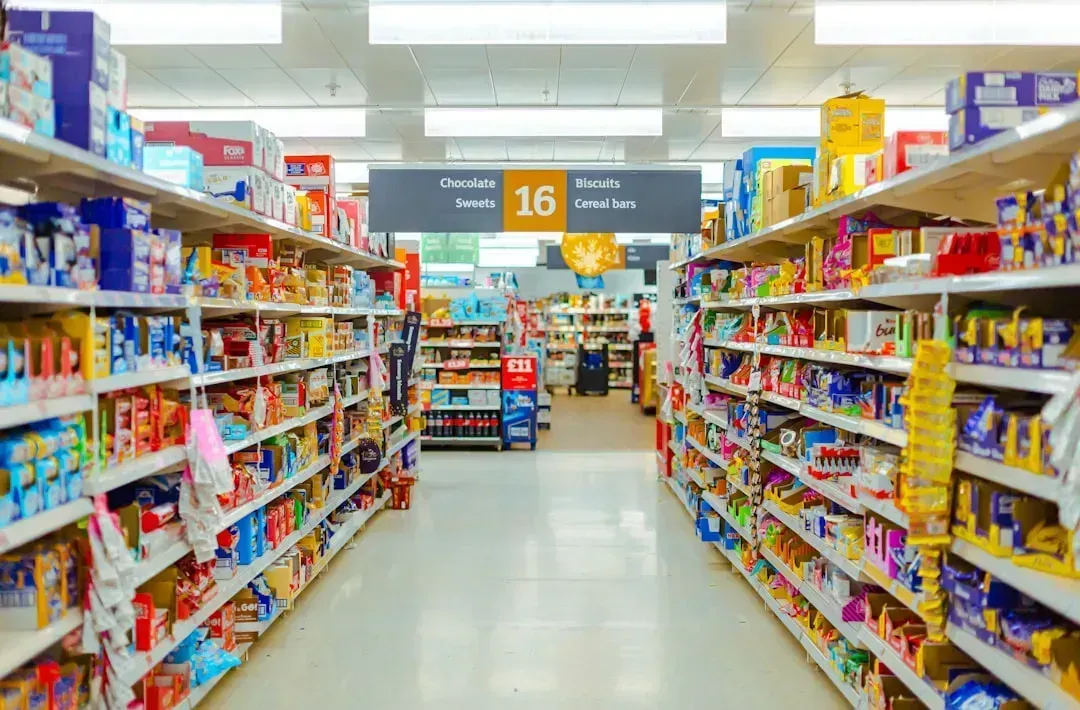
One of the most recognizable grocery store design strategies involves placing everyday essentials such as milk, eggs, and bread at the far end of the store. This layout approach became widespread during the late twentieth century, particularly after the supermarket expansion across North America and Europe. The reasoning is straightforward: shoppers entering the store must walk past dozens of other products before reaching the items they originally planned to buy, and along that path they encounter snacks, seasonal items, and promotional displays that can trigger impulse purchases.
The essential groceries most commonly placed on shopping lists, such as eggs, milk, fruit, and vegetables, are separated and strategically set around the store to force the customer into a full-length walk. That walk leads shoppers to be more likely to pick up higher-margin items, such as specialty and international foods, alcoholic beverages, and premium or gourmet products. This is why supermarkets don’t have one specific aisle containing all essential products – the whole process of meandering through product-filled middle aisles ensures that the shopper maximizes their time in the market.
2. Eye-Level Shelving Is Prime Real Estate
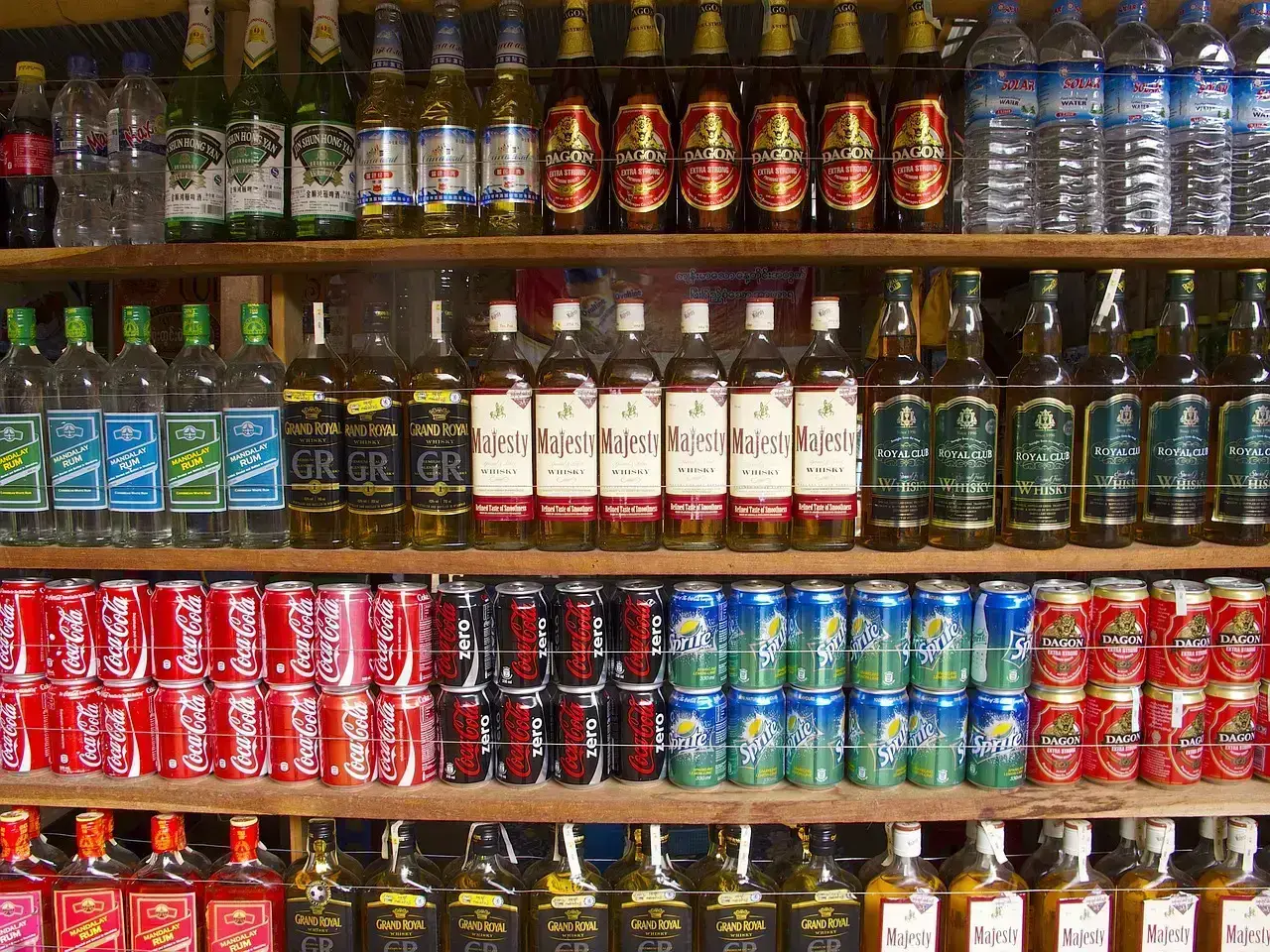
Eye-level placement is crucial in supermarkets as it can greatly influence consumer purchasing decisions. Research has shown that products placed at eye level are more likely to be noticed and purchased by shoppers. Eye-level placement is often used for premium or high-profit items, as they’re more likely to catch the attention of shoppers. Cheaper alternatives and store-brand versions are typically stocked on lower shelves, where shoppers have to make a deliberate effort to look for them.
The most expensive or high-margin products are often placed at eye level, making them the first thing you see. That eye-level spot is considered prime real estate, so product makers pay extra – also known as a “slotting fee” – to have their products placed in these spots. Foods meant to appeal to kids are set at kids’ eye level, and one study by researchers at Cornell found that kid-targeted cereal packaging is designed such that cartoon characters on the boxes make eye contact with shorter passersby.
3. Oversized Shopping Carts Inflate Your Spend
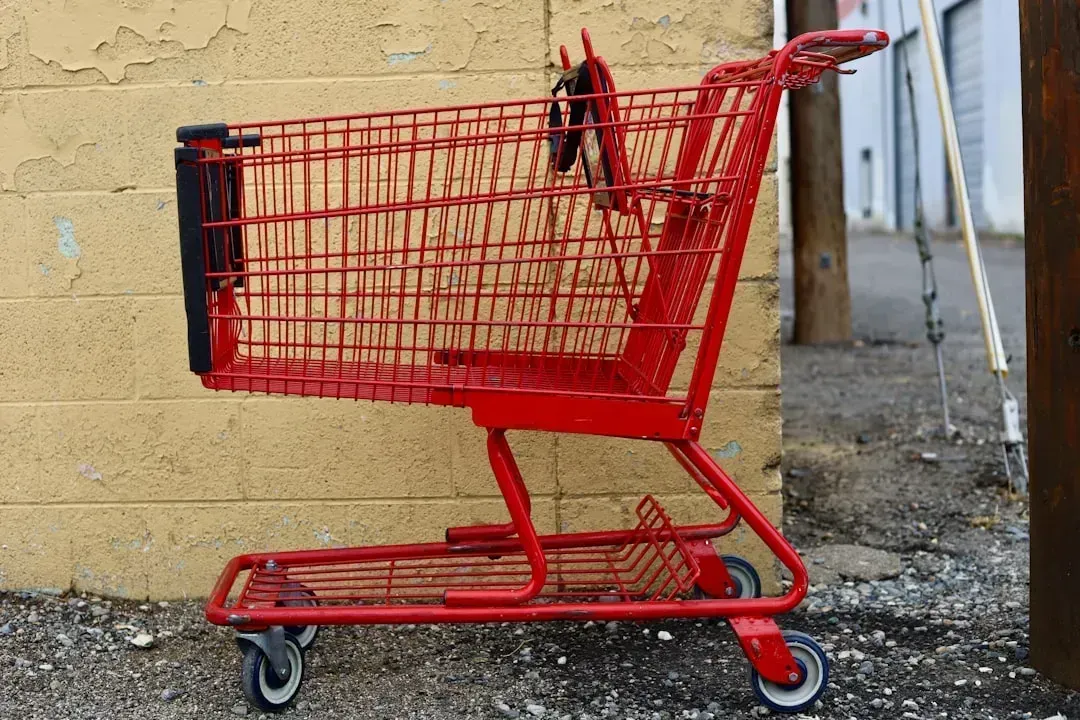
Just having a shopping cart increases the chance of buying more, which was part of the original impetus behind their invention by grocery-store owner Sylvan Goldman in 1937. Goldman’s original cart consisted of a modest pair of wire baskets on a folding frame. Carts have since tripled in size, and they’re still growing. According to Martin Lindstrom, doubling the size of the shopping cart leads shoppers to buy roughly forty percent more.
Oversized carts create the illusion that you’re buying less than you are, encouraging you to fill the space. The design of shopping carts in supermarkets takes advantage of the cognitive heuristic of “anchoring and adjustment,” essentially tricking the brain into feeling underprepared until the cart looks full. Reaching for a smaller hand basket instead is one of the simplest ways to counteract this effect.
4. Charm Pricing Makes Products Seem Cheaper
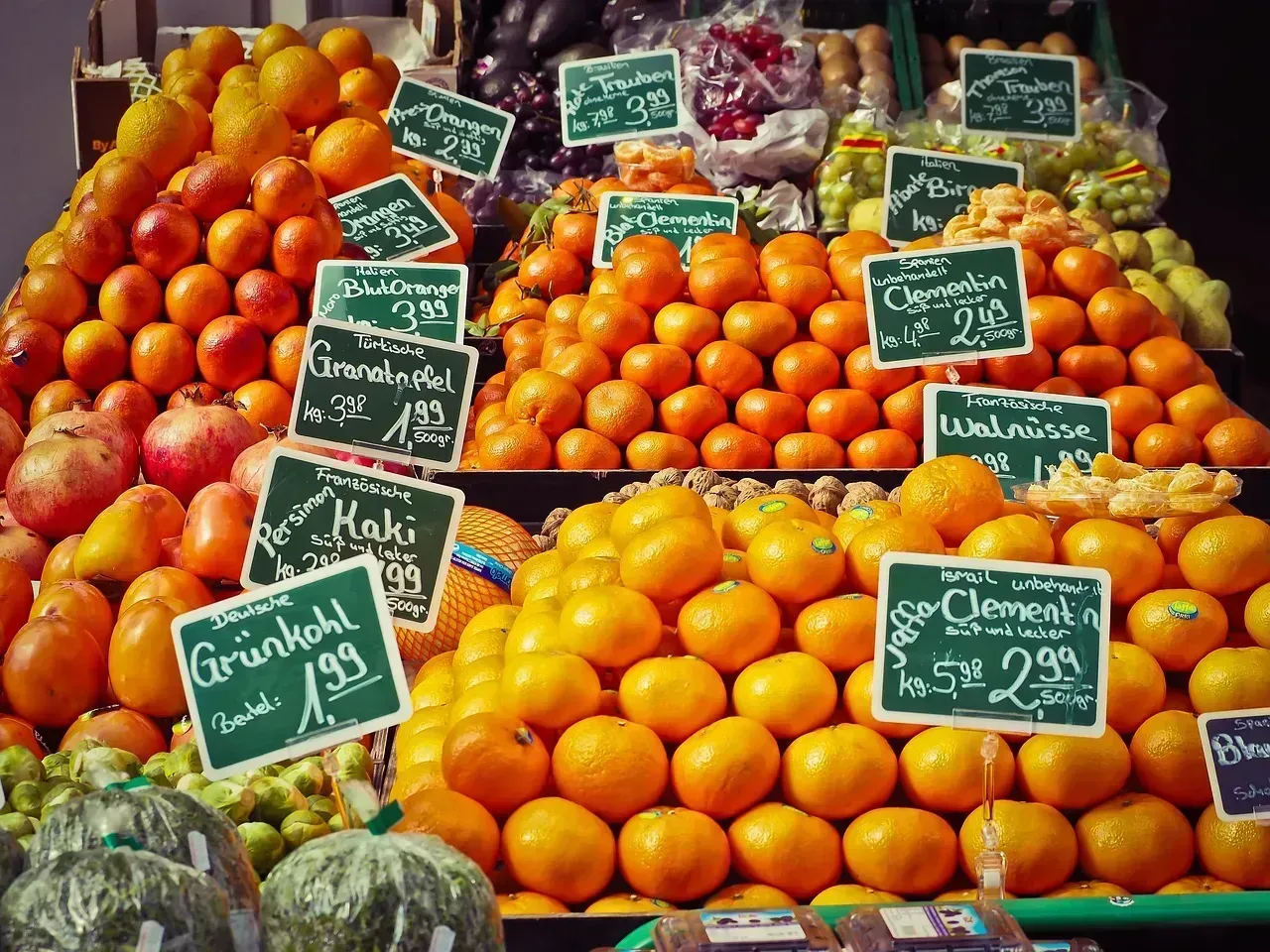
You’re probably familiar with prices ending in .99, like $9.99 instead of $10.00. This “charm pricing” makes us perceive the item as significantly cheaper than it actually is. Our brains tend to focus on the first digit, making $9.99 feel much closer to $9 than to $10. It’s a simple trick, but decades of retail use prove its enduring power over purchasing decisions.
Retailers also manipulate non-content-related visual elements of a price label, such as the use and size of a dollar sign, the use of decimal points, the 99-ending, colors, and wording. Such overabundance of information on a single price label, coupled with the high prevalence of price promotions, may result in information overload, which in turn can lead to consumer confusion. That confusion rarely works in the shopper’s favor.
5. End-Cap Displays Are Engineered for Impulse Buying
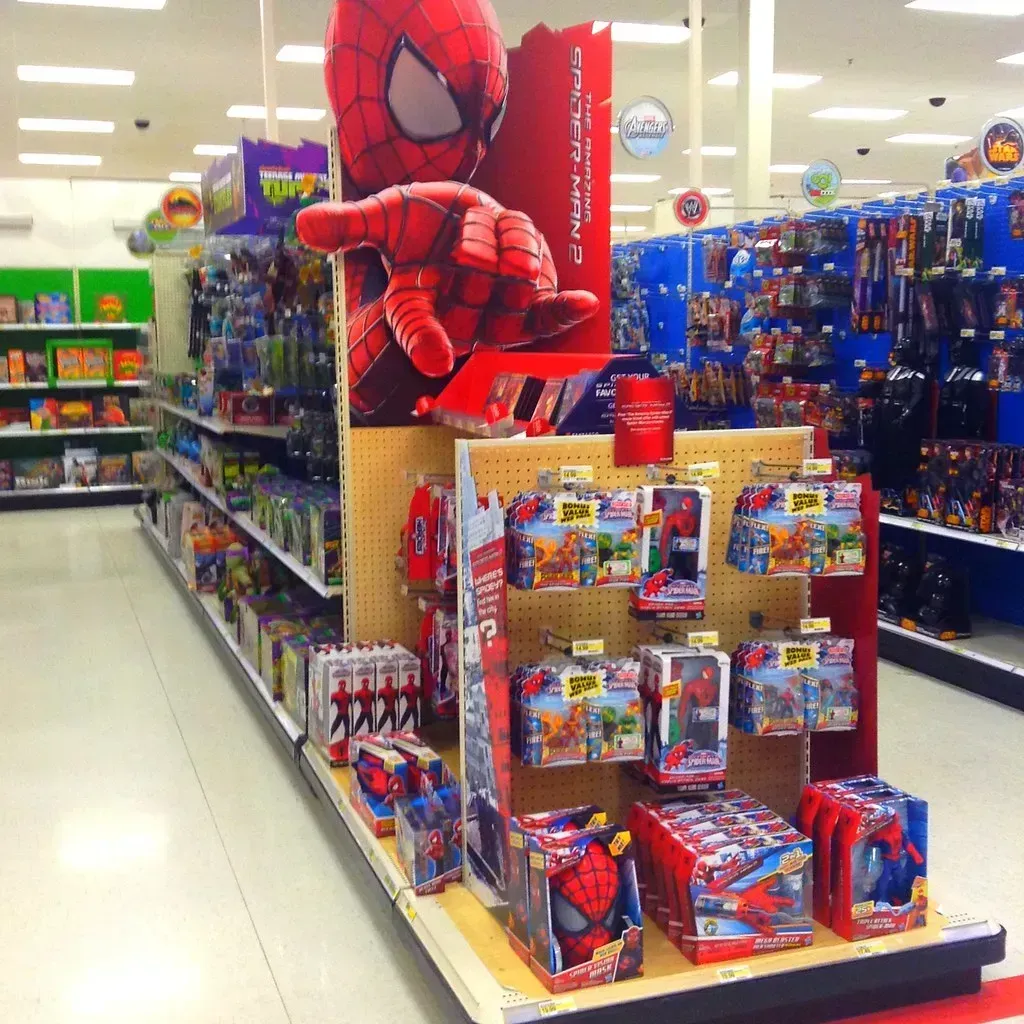
The displays at the ends of the aisles, known in the supermarket business as end caps, are astute shopper traps. Companies pay high prices to display their products there, since these are hot spots for impulse buying. According to the National Retail Hardware Association, a product at an end cap sells eight times faster than the same product shelved elsewhere on the aisle.
Retailers often place discounted products, seasonal goods, or newly launched items in end-cap spots to attract attention. Because shoppers naturally pause when entering a new aisle, the display creates a moment when unplanned decisions become more likely. While stores often advertise end-cap products as special deals, critics argue that some items are simply repositioned rather than discounted, relying mainly on visibility to increase sales.
6. In-Store Music Slows You Down on Purpose
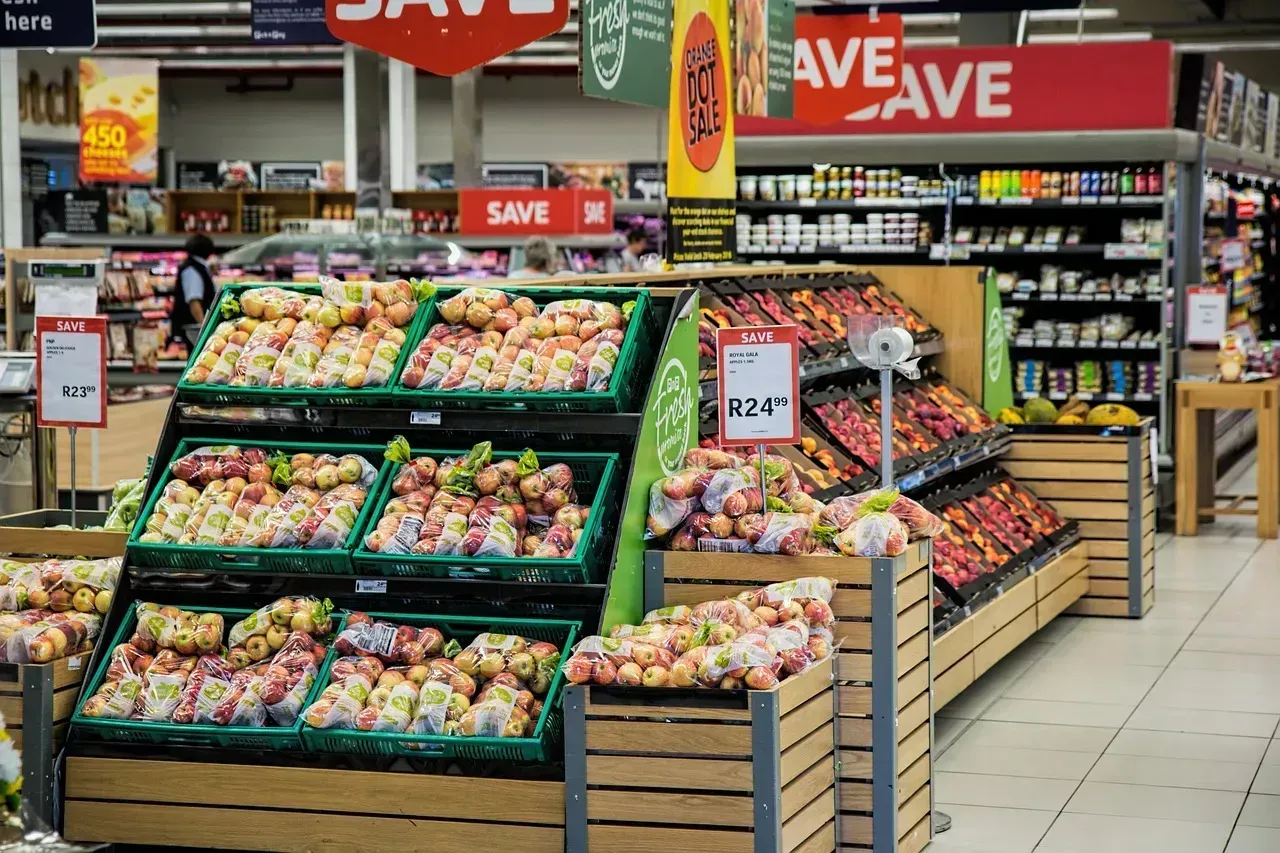
Bright, inviting lighting in the produce section makes fruits and vegetables look vibrant and fresh, while warm, ambient lighting appears in the bakery. Lighting plays a significant role in determining the appeal of products. As for music, studies show that slower-tempo music encourages shoppers to move more slowly and make more purchases. A ResearchGate study found that playing slow background music in stores increased sales by roughly a third above normal levels.
The sonic soundscape of the supermarket encourages a leisurely stroll through the aisles, maximizing the time customers spend within the store. Along with crafting a positive mood, the tempo and rhythm of the music can influence the rate at which one moves. An upbeat tune encourages quicker movements, while a slower beat creates more dwell time. Sonic soundscapes are also used to guide shoppers toward certain areas, most likely those with promotions or displays.
7. The Checkout Zone Is a Last-Minute Spending Trap
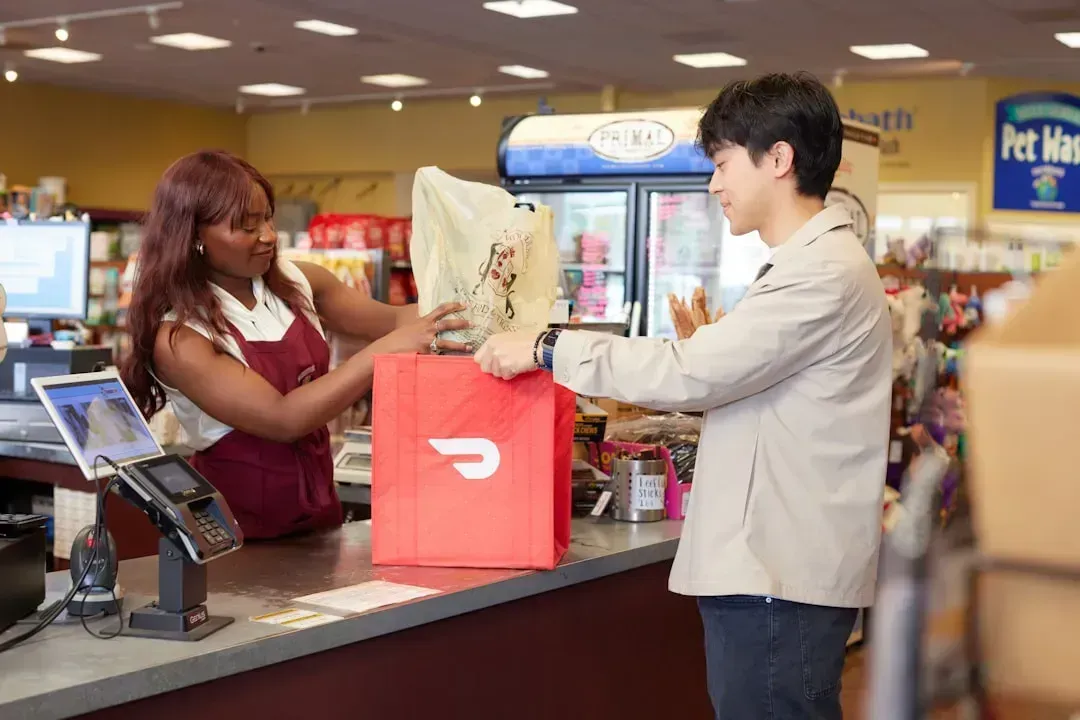
The checkout line is the final frontier for your budget. This area is packed with tempting, inexpensive items such as candy, magazines, gum, batteries, and small gadgets you never knew you needed. After a long shop, your willpower is often at its lowest, making you susceptible to these last-minute impulse purchases.
According to research by Capital One Shopping, roughly four in five consumers admit to shopping impulsively in brick-and-mortar stores. The same study shows that the average consumer spent nearly $282 per month on impulse purchases in 2024. A meaningful portion of that spending can almost certainly be traced back to what was sitting in line with them at the register.
8. Shrinkflation Quietly Raises the True Cost Per Unit

Shrinkflation has affected roughly one in three grocery items. It effectively increases the cost per unit and drives a notable share of grocery price inflation. Up to about two in five snack items have increased their price per unit. Some major brands reduced product sizes by over thirty percent in 2025 without reducing prices.
Per-unit price increases from shrinkflation ranged from twelve percent for paper towels to thirty-two percent for coffee between 2019 and 2024, according to the GAO’s July 2025 analysis. According to a survey conducted in March 2024, roughly three in five U.S. shoppers observed multiple items they typically purchased at grocery stores becoming smaller without a corresponding decrease in pricing. The package looks the same on the shelf. The price tag reads the same. Only the quantity quietly shrinks.
9. Loyalty Programs Collect More Than They Give Back

Those loyalty cards offering points or discounts seem like a win-win, but while they do offer savings, they also provide stores with invaluable data about your shopping habits. This data helps them personalize offers, leading to increased purchases. The promise of future savings often encourages larger basket sizes in the present. You might think you’re getting a deal, but they’re building a profile of every purchase you make.
Grocery stores are increasingly leveraging sophisticated loyalty programs as a key strategy to attract and retain customers. These programs offer personalized rewards, exclusive discounts, and tailored shopping experiences based on individual purchasing habits. Data shows that the average shopper today has eighteen loyalty programs on their mobile device, two to three of which are for grocery brands alone. The more stores know about your routine, the more precisely they can nudge it.
10. Fake Sale Signage and Urgent Language Drive Unnecessary Purchases
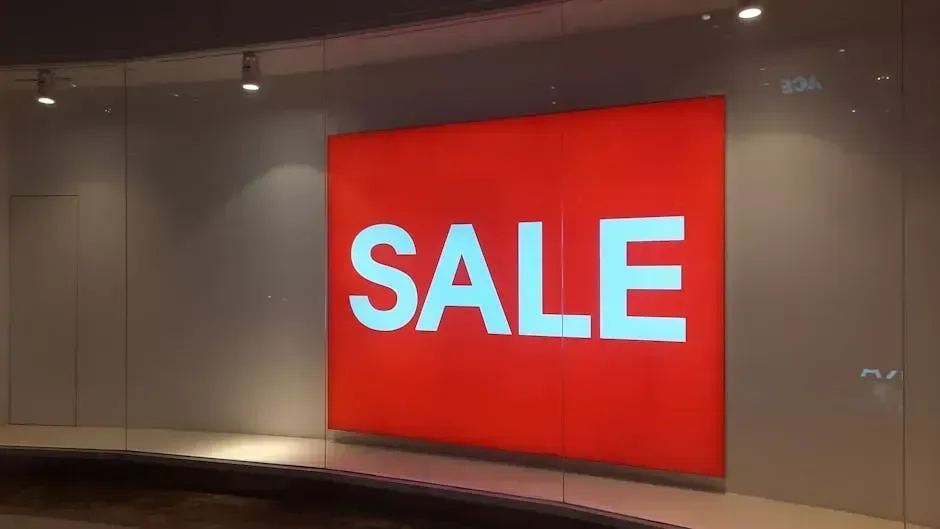
If you’re a shopper who gravitates toward deals, this one matters. Retailers know that customers are always looking for sales, so they often post “reduced prices” on items that never sold at a higher price. Sometimes, the item’s “sale price” isn’t much lower than its original price. Other times, retailers actually inflate the prices to accommodate the posted sale. This is a common tactic for popular grocery items where retailers raise the per-item cost but offer a buy-one-get-one deal.
Urgent language is another tool in the playbook. Phrases like “Limited Time,” “last chance,” “hurry,” “today only,” and “one per customer” are all examples designed to motivate customers to take action before they’ve had a moment to stop and consider whether they actually need the product. Cues such as the scarcity effect, where a product feels more valuable simply because it appears limited, can drive customers to act quickly with little conscious thought. Slowing down and asking whether you’d buy the item at its regular price is often the most powerful counter-move available.
None of these tactics are secret exactly – they’ve been documented and studied for decades. What changes is how much more precisely they’re applied today, supported by behavioral research, data analytics, and store layouts refined over years of observation. Awareness doesn’t make the strategies disappear, but it does change how much power they actually have over what ends up in the cart.