
Most of us have been in that situation – sitting across from someone who talks over you, stares at their phone mid-sentence, or snaps at a waiter for no apparent reason. Something feels off, even if you can’t immediately name it. What you’re likely sensing is the quiet but persistent friction that comes when someone simply never learned the social basics.
Bad manners are often rooted in a basic misunderstanding of how to present yourself around other people. People who were raised in households that didn’t emphasize respect might struggle with manners, since they don’t necessarily see beyond themselves to be considerate of others. That doesn’t make them a bad person. It means certain behavioral patterns were never modeled or reinforced. Here are the ten most telling signs – and why each one makes the people around them so uncomfortable.
1. They Never Say “Please” or “Thank You”
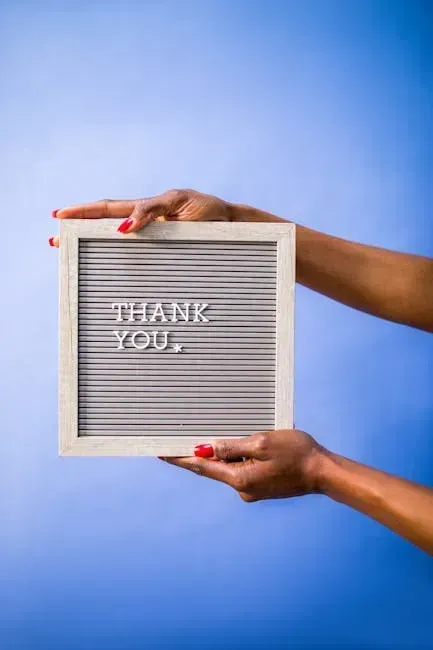
The most basic foundation of manners is saying please and thank you. It might be the first rule we’re taught as children – to acknowledge someone who has done something for us, whether big or small. Nevertheless, many people seem to have forgotten this golden rule, or otherwise neglected to use it. What makes this particularly jarring is that it requires zero effort. It’s a one-second acknowledgment that someone else’s time and help matter.
When this habit is missing, it registers to others as a kind of invisible dismissal. The person who helped you simply goes unrecognized, and that absence accumulates. Bad manners can damage personal and professional relationships, making it difficult to connect with others. Often, the person doing it has no idea they’re sending that signal at all.
2. They Interrupt Constantly

Interrupting others mid-conversation is a common faux pas that signals disrespect for their opinions. It suggests that what you have to say is more important, sidelining the value of their contribution. It’s one of those habits that tends to go unnoticed by the person doing it – because they’re already talking – but it leaves a clear impression on everyone else in the room.
It can be incredibly annoying when someone seems more interested in hearing their own voice than what you have to say. They might constantly interrupt, disregard others’ opinions, or simply dominate the entire conversation. This could be a sign that they were never taught the crucial skill of active listening. Over time, people quietly stop sharing things with them. It’s easier than being cut off again.
3. They’re Glued to Their Phone During Conversations
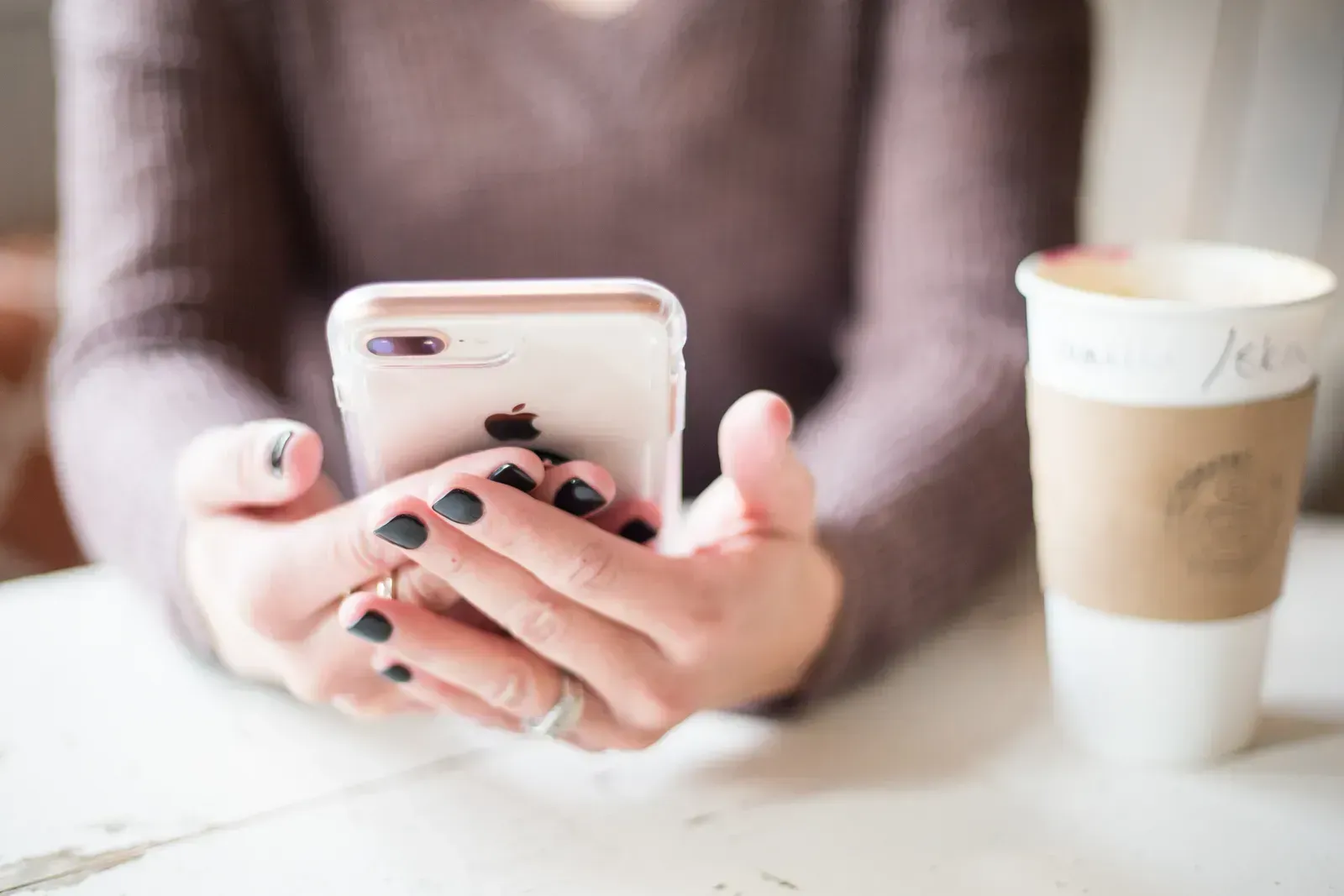
Scrolling on a phone during conversation sends the message that the screen is more important than the person you’re talking to. It shows a lack of connected engagement and a lack of consideration for the other person’s presence. This has become so normalized that many people don’t even register it as rude anymore – which might be exactly the problem.
Good manners involve being present and giving your undivided attention to the people around you. Constantly being absorbed in a digital device is not only disrespectful but also reduces the quality of our interactions. While technology can certainly enhance our lives, it’s crucial to remember that it should never take precedence over real-world, human connections. The discomfort others feel is a natural response to being treated as optional.
4. They’re Chronically Late Without Apology

Turning up late to parties, meals, and events can be seen as a sign of disrespect to the host and certainly a display of bad manners. If others have to wait for you, especially if it is a common occurrence, it can cause a lot of frustration and signal poor manners and respect. Occasional lateness happens to everyone. Habitual lateness, especially without acknowledgment, is a different matter entirely.
What makes it genuinely uncomfortable is what it communicates without words. When you’re late, you’re wasting someone else’s time. That person has done their part to meet you at a time you both agreed on. Even if it’s unintentional, making them wait is like shortchanging them. When someone never apologizes for it either, the message lands even harder.
5. They Treat Service Workers Poorly

One of the clearest ways to gauge someone’s manners is observing how they treat service staff. Do they dismiss waitstaff with a wave, talk down to store clerks, or ignore the janitorial staff? Such behavior is an unambiguous sign that they were never taught the importance of respect for all. Good manners involve treating everyone with kindness and respect, regardless of their job or status.
Some individuals treat service staff rudely, raise their voices, or even belittle them. This unkindness not only reflects poorly on them but also creates an uncomfortable environment for everyone present. People sitting nearby feel the discomfort too, even if they’re strangers. It’s a social disruption that radiates outward well beyond the conversation itself.
6. They Invade Personal Space Without Awareness

Invading someone’s personal space without their consent can make them feel uncomfortable or threatened. Personal space is a physical extension of a person’s comfort zone, and respecting it is crucial in all social interactions. Being mindful of boundaries fosters mutual respect and comfort. The tricky part is that people who grew up without this awareness often genuinely don’t feel what they’re doing. To them, it’s just being friendly.
Respecting personal space is a fundamental aspect of good manners, and those who fail to comprehend this might not have had the benefit of learning basic social etiquette during their childhood years. This lack of understanding can often lead to uncomfortable interactions in adulthood. It’s important to remember that while their behavior might seem intrusive, it could simply be a reflection of their upbringing and lack of awareness about this crucial aspect of social interaction.
7. They Talk Over Others or Dominate Every Conversation

Consistently talking over others in a conversation can be perceived as dominating and disrespectful. It prevents the free exchange of ideas and diminishes the contributions of others. Giving everyone a chance to speak and be heard enriches conversations and relationships. There’s a meaningful difference between being enthusiastic and being unable to share conversational space.
The character trait of bad-mannered refers to a person who behaves impolitely or rudely in social situations, often showing a lack of consideration for others and disregarding social norms and etiquette. This trait can manifest in various ways, such as interrupting others, speaking loudly, making inappropriate comments, or showing disrespect towards others. When someone does this repeatedly, others often pull back, speak less, or stop engaging altogether. It’s a quiet form of social withdrawal that the dominant talker rarely notices.
8. They Never Apologize or Acknowledge Fault
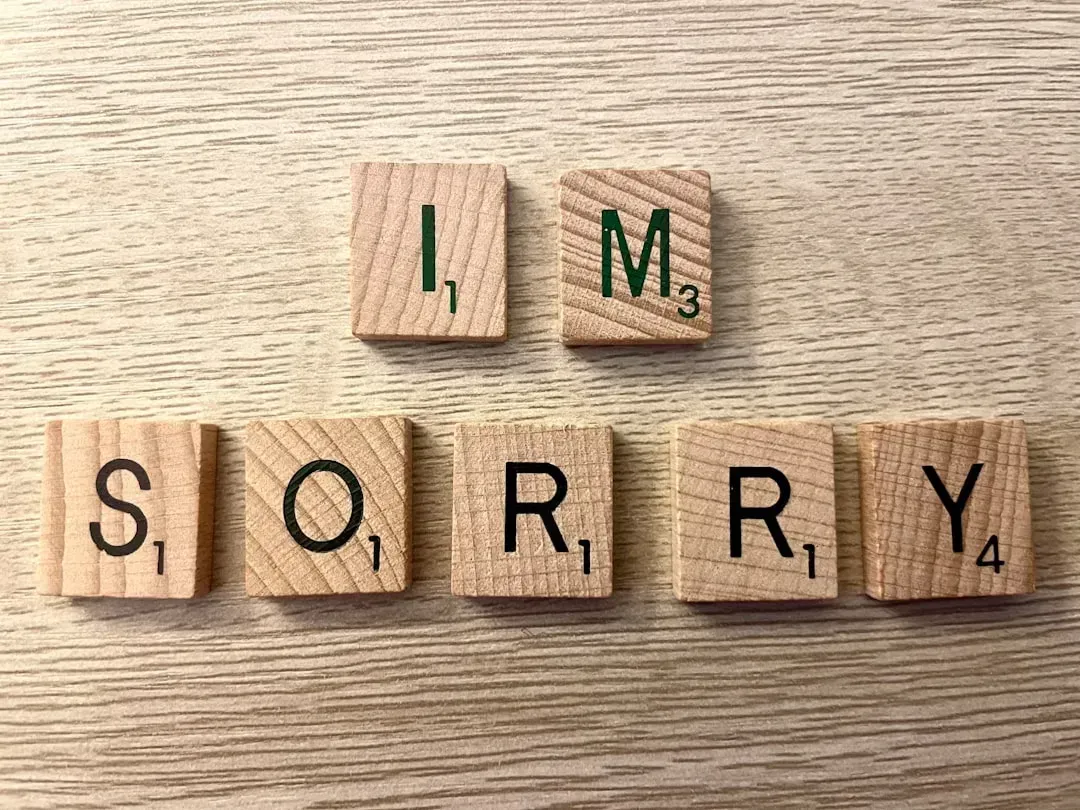
Admitting to your faults is not easy, and it’s even harder to do it in public, in front of everyone. It may be easier for people who were taught to do this in childhood. Bad parenting and bad examples make people get stuck in one paradigm: I’m always right, and that won’t change. This pattern makes those around them feel invisible, especially when an apology is clearly warranted and never arrives.
The person may be defensive and unwilling to admit fault or take responsibility for their actions. That defensiveness creates a particular kind of social friction – people start walking on eggshells, wary of bringing up anything that might trigger another dismissal. It’s exhausting, and it slowly erodes trust in ways that are hard to reverse.
9. They’re Excessively Loud in Inappropriate Settings
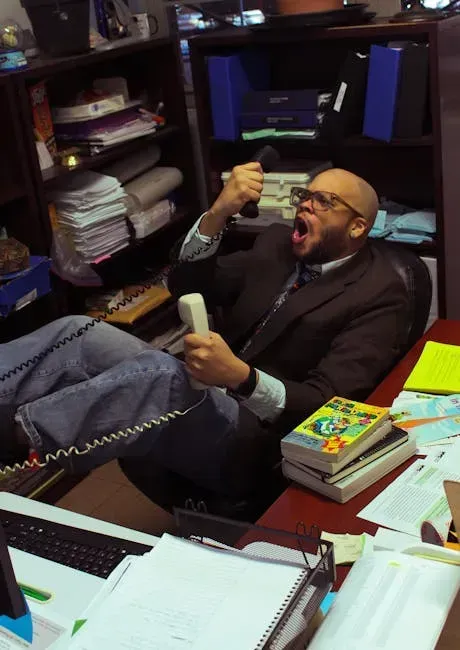
Being excessively loud and boisterous in inappropriate settings can disrupt others and draw negative attention. While enthusiasm can be infectious, there’s a time and a place for exuberant behavior. Modulating your volume and energy to suit the environment shows consideration for others and can prevent discomfort. Reading the room is a skill, and like most social skills, it has to be learned somewhere along the way.
Rudeness is a behavioral expression of disrespect or lack of courtesy toward other people that breaches social norms of conduct. The societal implications of rudeness are considerable, since even minor acts of incivility may spiral to interpersonal conflict, increased aggression, and revenge. A loud phone call in a quiet restaurant or a booming voice in a library might seem trivial in isolation. Repeated across contexts, it signals a consistent failure to consider how one’s presence affects the people sharing that space.
10. They Fail to RSVP – or Simply Don’t Follow Through
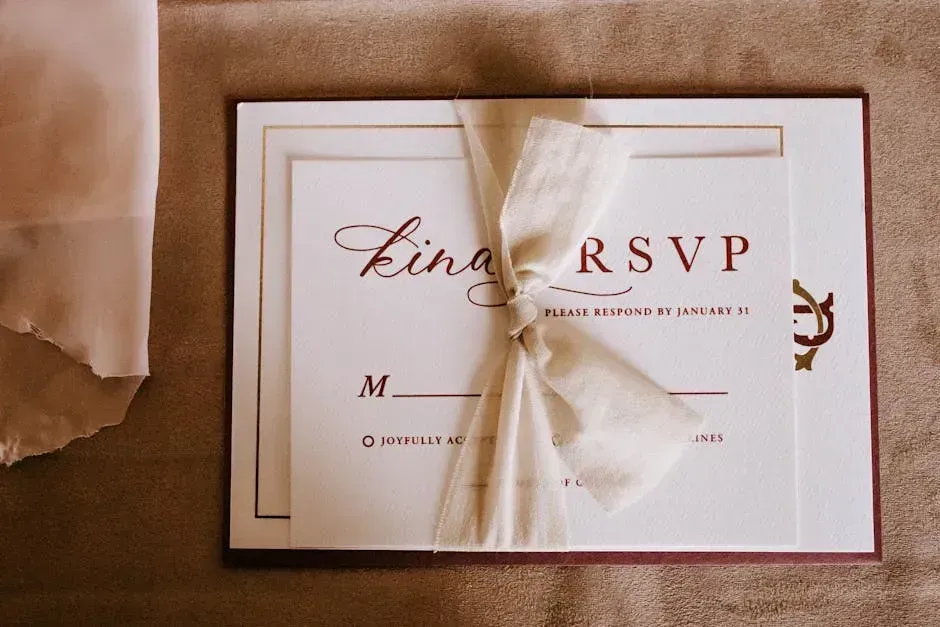
If there is a manners sin that gets etiquette experts most worked up, it may be this: people who either RSVP late or not at all. Late or missing RSVPs cause unnecessary logistical and emotional stress for hosts. It’s easy to dismiss this as a small thing, but to the person organizing the event, it’s one of the most visible signals that their effort isn’t being taken seriously.
Neglecting to respond to RSVP requests creates uncertainty for event hosts, complicating their planning process. It can come across as inconsiderate, implying that their event is not a priority for you. A simple reply reflects good manners and respect for their efforts. This pattern tends to show up in other areas too – not following through on commitments, forgetting plans, showing up half-prepared. It points to a broader gap in understanding that other people’s time and expectations deserve acknowledgment.
None of these behaviors necessarily mean someone is a bad person at heart. Having bad manners doesn’t make someone a bad person. It just means they weren’t taught certain behavioral touch points. Still, the discomfort these habits cause in others is real, and so is the research behind it. On a personal level, victims of rudeness report experiencing distress and negative emotions, especially anger, fear, and sadness. Recognizing these signs – in yourself or others – is the first step toward changing the dynamic. Awareness doesn’t fix everything, but it’s where the shift usually begins.