
There’s a particular kind of unease that settles in when a place you’ve traveled far to see doesn’t feel quite right. Sometimes it’s a rational fear backed by very real danger. Other times it’s pure anxiety triggered by dizzying heights, crushing crowds, or an environment that feels just a little too uncontrolled. Either way, the feeling is hard to shake.
The attractions on this list range from breathtaking natural wonders with serious safety histories to iconic landmarks where the sheer volume of humanity can make a visit feel genuinely stressful. None of them are secret. Most appear on bucket lists and travel brochures worldwide. That’s exactly what makes them worth a closer, more honest look.
1. The Cliffs of Moher, Ireland
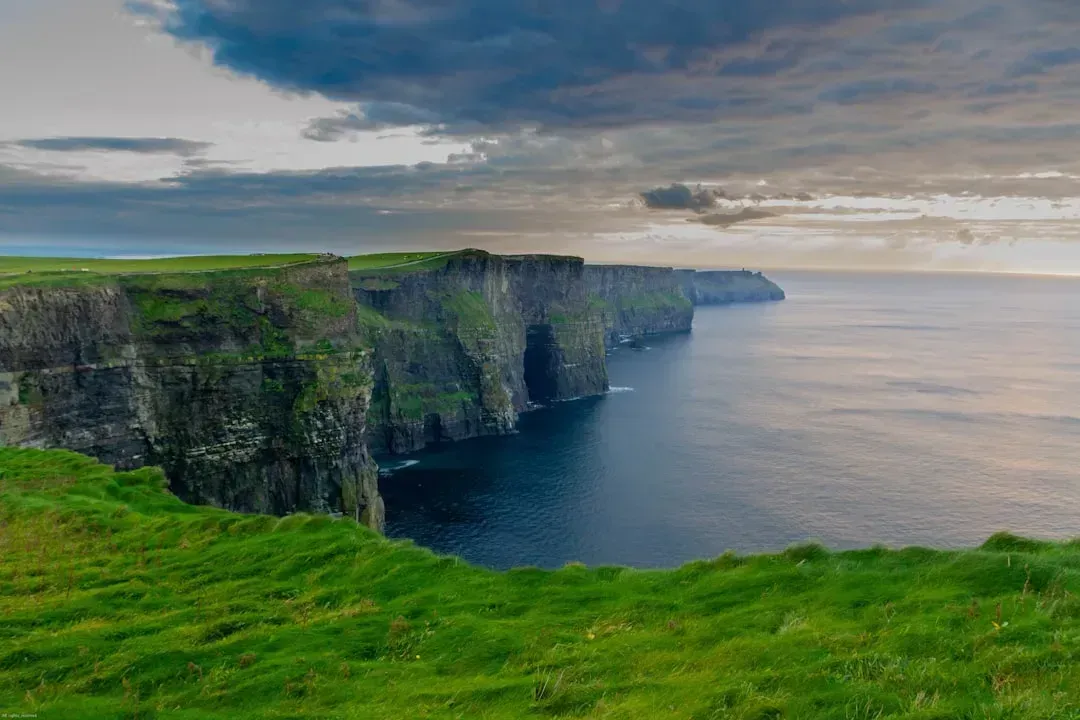
At the Cliffs of Moher, the rolling beauty of Ireland’s lush green landscape drops off suddenly at a 700-foot vertical cliff face. Located on the west coast of Ireland, the cliffs receive over 1.3 million visitors a year who come to walk the vertigo-inducing cliffside paths. The scenery is undeniably stunning. The danger, however, is just as real as the view.
Tragic incidents in 2024, including the death of a 12-year-old boy and a 20-year-old student, reinforced the need for urgent intervention. A subsequent inspection by Sport Ireland identified hazardous sections, leading to the partial closure of the popular route. The southern section, spanning approximately 6.5 kilometres, remains closed, while nearly 1.5 kilometres of the northern section is also off-limits. The closures carry into 2026, and the Cliffs of Moher Trail is classified as a grade 5 walking route by Sport Ireland, the most challenging designation possible.
2. The Blue Hole, Dahab, Egypt
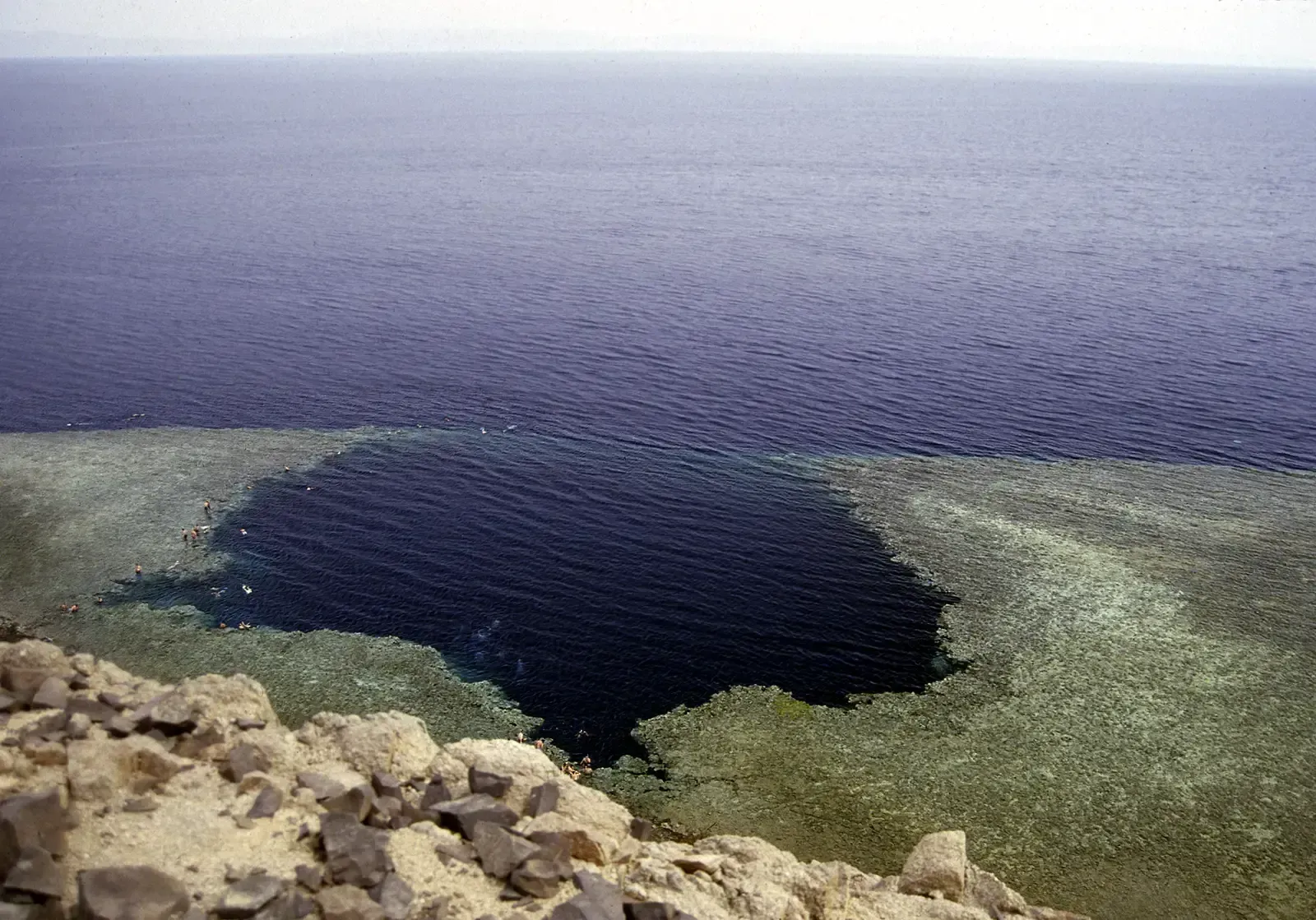
The famous Blue Hole in Dahab, Egypt, is a bucket-list dive site for almost every technical diver. The sinkhole plunges approximately 120 metres deep. At roughly 55 metres down lies the opening to the infamous “Arch,” a natural tunnel about 26 metres long that connects the Blue Hole to the open sea. The calm, clear water and easy shore access lull many divers into a dangerous false sense of security.
The dive site is reputed to have the most diver fatalities in the world. A technical diver from Dahab who has recovered bodies from the hole estimated that more than 130 divers lost their lives there in a preceding period. Multiple reputable sources estimate between 130 and 200 deaths over recent decades. A large number of fatalities are linked to attempts to pass through the Arch, whose entry point sits at around 55 metres, well beyond recreational diving limits.
3. Half Dome, Yosemite National Park, USA
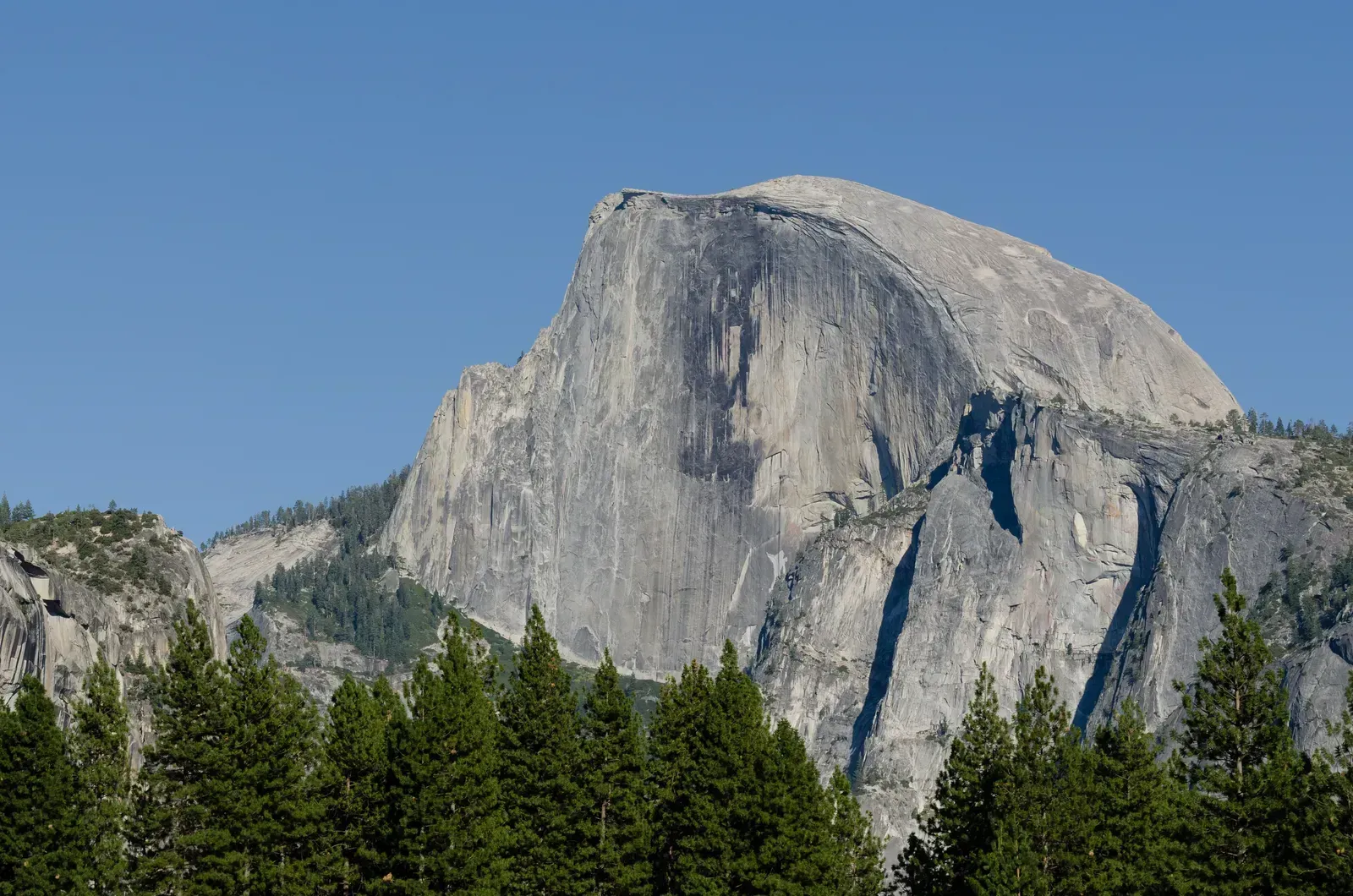
Looming above Yosemite National Park, Half Dome lures thousands of intrepid hikers every year, determined to scale its curved summit. The 14-mile round-trip to the top takes walkers into the wilderness and has a reputation for danger. The final stretch, which requires pulling yourself up using fixed steel cables bolted into the granite, is where anxiety reaches its peak for most visitors.
Falling is the biggest risk on Half Dome. Over the years, some people have slipped off the steep sides to their deaths, especially during wet conditions when the rock becomes slick. Thunderstorms can move in fast, and being on the cables or summit during lightning puts you at serious risk of being struck. A student tragically died in July 2024 after slipping while hiking with cables.
4. North Yungas Road (“Death Road”), Bolivia

North Yungas Road, known as Bolivia’s “Death Road,” stretches 34.8 miles from La Paz to Coroico along steep mountain cliffs. Built in the 1930s, it’s just 10.5 feet wide, with no asphalt and slippery clay surfaces. Frequent rain, fog, rockfalls, and landslides make it deadly, with up to 300 deaths yearly before a new road opened in 2006.
Extreme tourists now flock here for dangerous drives or downhill biking, which has claimed at least 13 lives in the past decade. The worst accident occurred in 1984 when a bus plunged off the cliff, killing 100 people. Today the road is a tourist draw in itself, yet the anxiety of cycling inches from a sheer drop of up to 2,000 feet is very much part of the experience, whether visitors anticipated it or not.
5. Mount Huashan Plank Walk, China
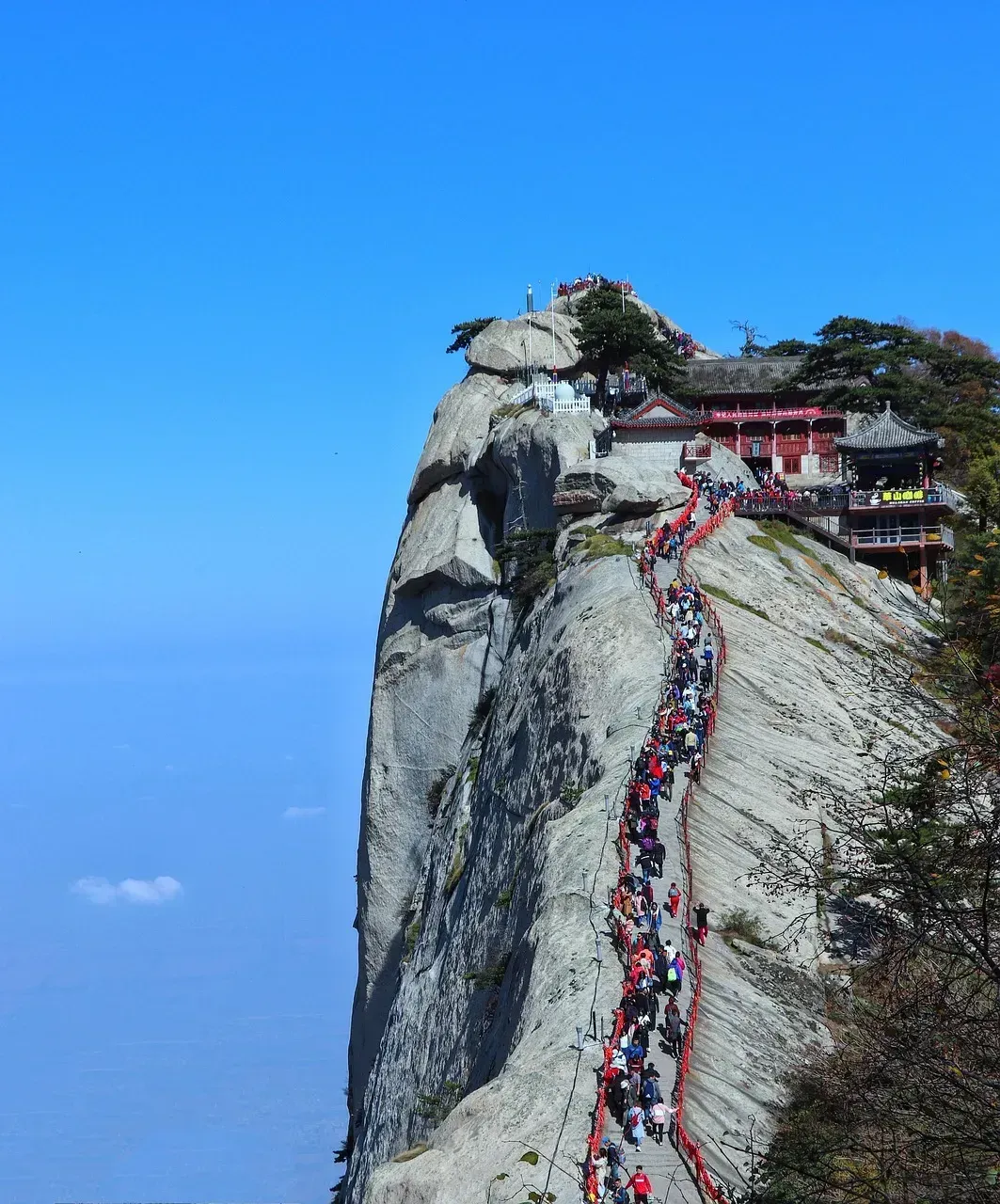
At its narrowest point, the path on Mount Huashan is just 11.8 inches (30 centimetres) wide, earning it a reputation as the world’s most dangerous hike. While rumors of large numbers of deaths annually are likely unfounded, safety harnesses are now mandatory on the most treacherous sections. Part of the mountain’s 700-year-old path is little more than rickety wooden slats affixed to the cliffside by metal bolts.
With two-way traffic and a height of more than 7,000 feet, it’s no surprise that this six-hour trek leaves even experienced hikers hanging on for dear life. Visitors who’ve completed it describe a sustained, grip-tightening anxiety that barely lets up the entire way. The combination of an exposed wooden walkway, a sheer vertical drop, and oncoming foot traffic creates conditions that test nerves in a way few attractions in the world can match.
6. The Darvaza Gas Crater (“Gateway to Hell”), Turkmenistan
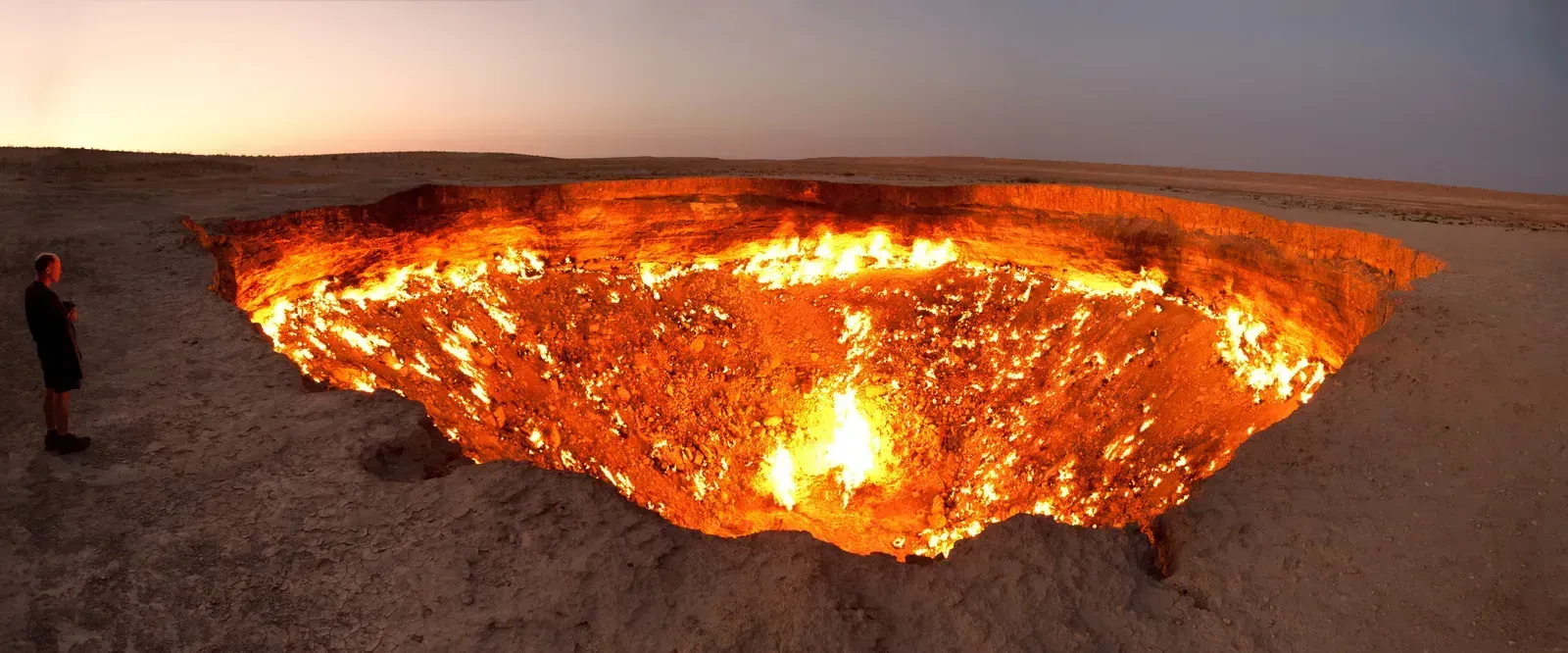
Deep in Turkmenistan’s Karakum Desert is a massive, burning gas crater of unknown origin, aptly named the “Gateway to Hell.” Geologists disagree as to how the hole was formed: while some believe it was a freak natural phenomenon, others say it was accidentally created by the Soviet Union in the 1960s while they drilled for oil. Either way, it’s still burning more than half a century later, and is one of the country’s most popular tourist destinations.
The crater is about 70 metres wide with no fence around it, just an open hole in the ground. Getting too close to the edge is extremely dangerous, as the ground could crumble, and a fall into the crater would obviously be fatal. The crater emits heat and fumes; standing downwind can make you dizzy or nauseous due to the burning gases. The area is very remote, so if an accident happens, medical help is not nearby.
7. Cape Town Tourist Landmarks, South Africa
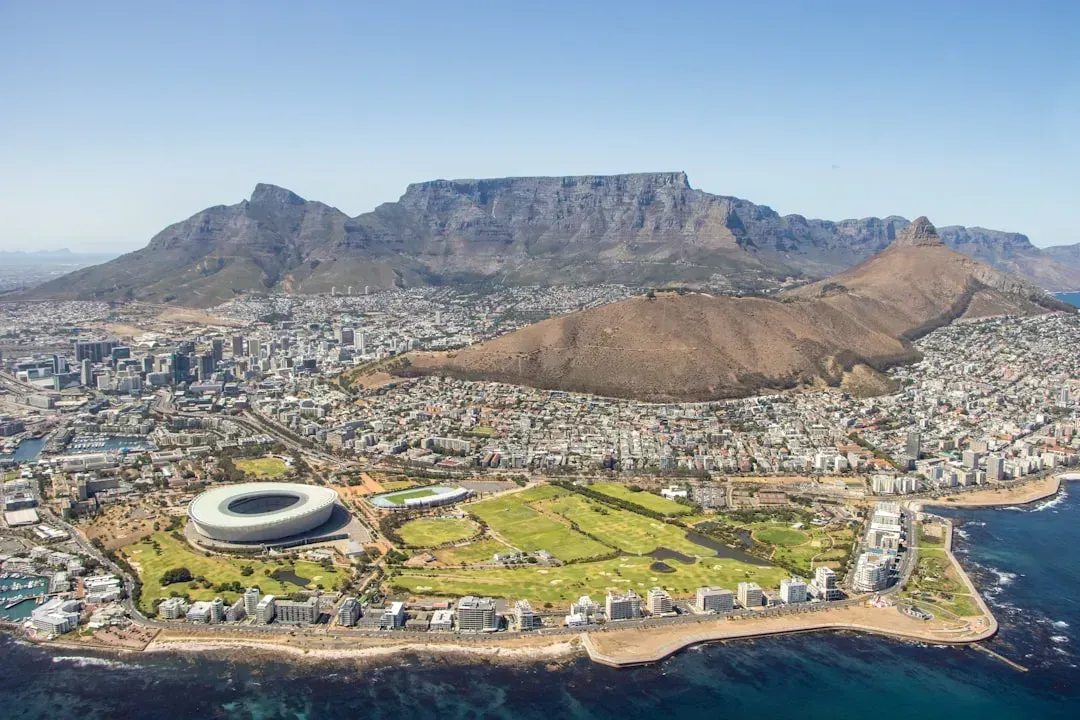
South Africa’s best-known city has many attractions that lure in travellers: flat-topped Table Mountain, beaches with great surf, a bustling harbour, and an incredible food scene. However, according to the annual report compiled by the Mexican Council for Public Security and Criminal Justice, Cape Town had the 16th-highest murder rate in the world in its 2024 to 2025 ranking of the 50 most violent cities.
Travelers often find the contrast jarring, with beautiful scenery on one street and potential danger on the next. Common risks include being robbed at knifepoint or gunpoint, especially if you wander into unfamiliar neighborhoods. Pickpockets operate in tourist-heavy areas and on public transit, snatching phones or wallets. There are also scams targeting foreigners. The anxiety experienced by many visitors is not manufactured – it’s rooted in a genuine and well-documented security reality.
8. The Arouca Bridge, Portugal
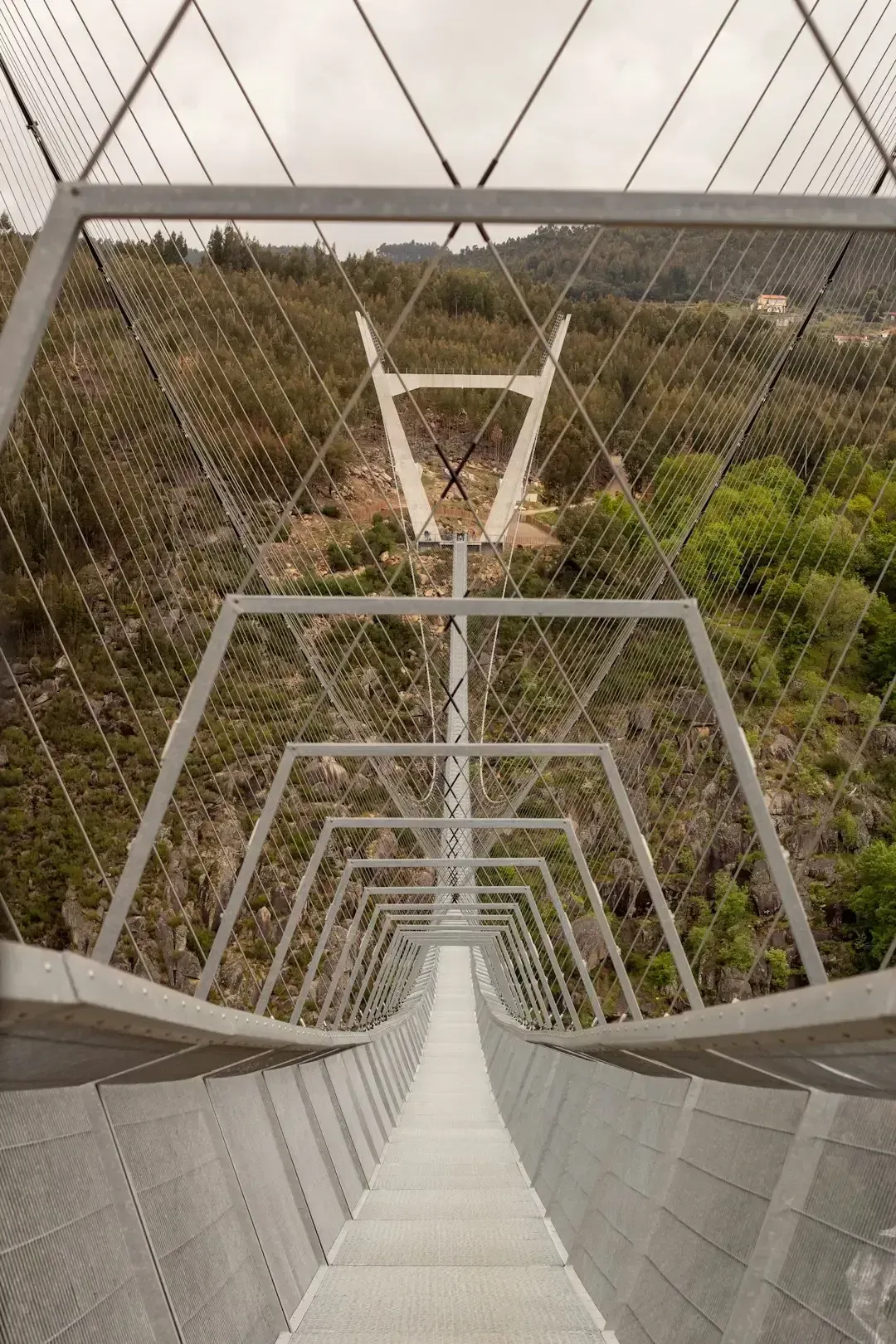
The Arouca Bridge, the world’s longest pedestrian suspension bridge, may be sturdy and very new, having only opened in 2021, but it’s still anxiety-inducing to cross. Suspended 574 feet above the Paiva River in Portugal’s Arouca UNESCO Global Geopark, the bridge stretches an astounding 1,693 feet. For most visitors, the crossing is breathtaking in the best and worst sense of the word simultaneously.
Inspired by ancient Tibetan footbridges, its metal grid floor and railings offer a breathtaking and nerve-wracking 360-degree view of the dramatic scenery below. Looking straight down through that grid floor to the river hundreds of feet below is enough to trigger vertigo even in people who wouldn’t normally describe themselves as afraid of heights. Many visitors report needing several minutes at the entrance before they feel ready to take the first step.
9. El Caminito del Rey, Spain
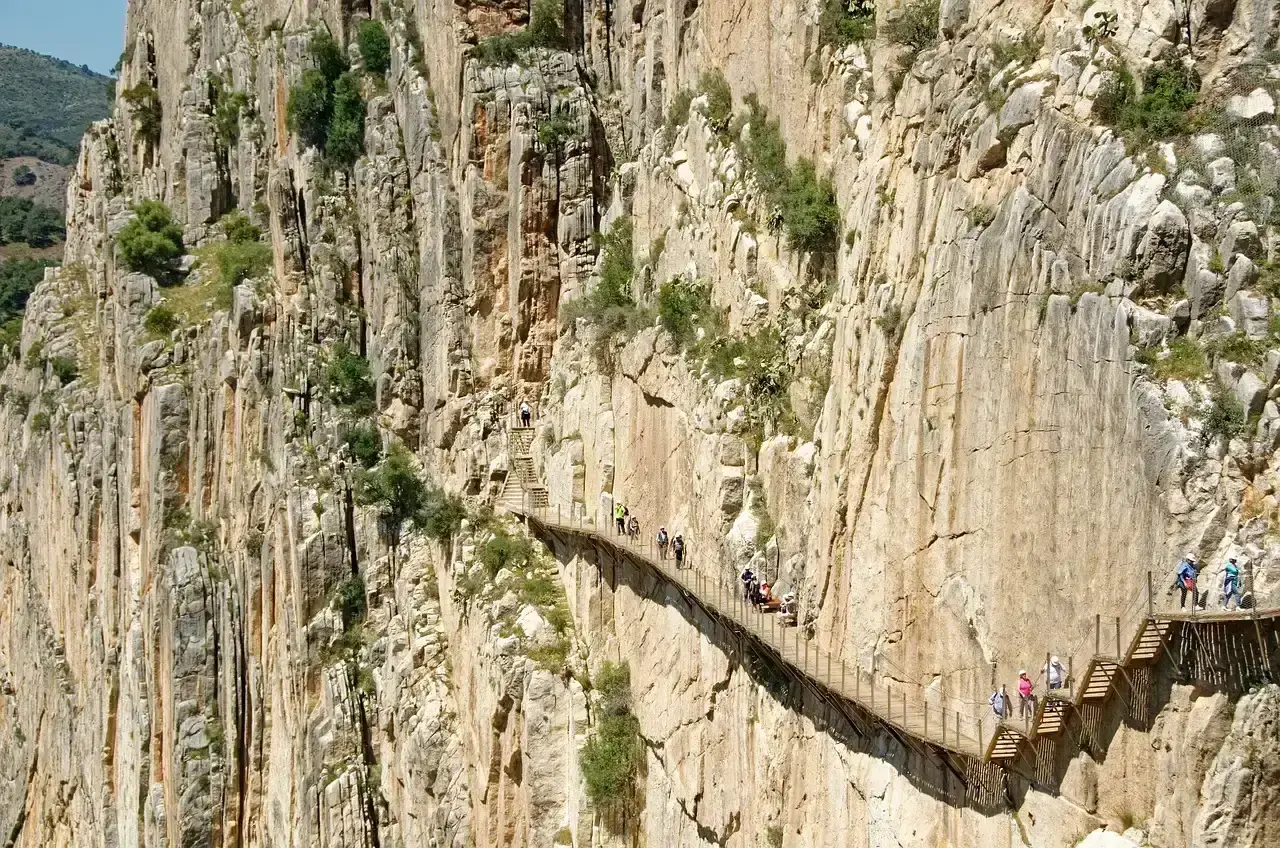
Once known as the world’s most dangerous walkway, Malaga’s Caminito del Rey has shaken off its fearsome reputation in recent years, thanks to a renovation completed in 2015. Constructed in 1905, it’s attached to the terrifyingly steep walls of the El Chorro gorge, and was originally used by construction workers transporting materials to the Guadalhorce dam. Throughout the 20th century, it fell into disrepair, closing to the public in 2000 after five deaths in just two years.
While the Caminito del Rey’s paths may no longer be narrow and rickety, and all walkers must now wear hard hats, those with a fear of heights would be wise to steer clear. El Caminito del Rey offers breathtaking views that come at a perilous price. The main danger lies in the high, narrow walkway that clings precariously to steep cliffs. The renovated version is safer than its predecessor, but visitors still report significant anxiety when confronting the sheer exposure of the route.
10. Death Valley National Park, USA
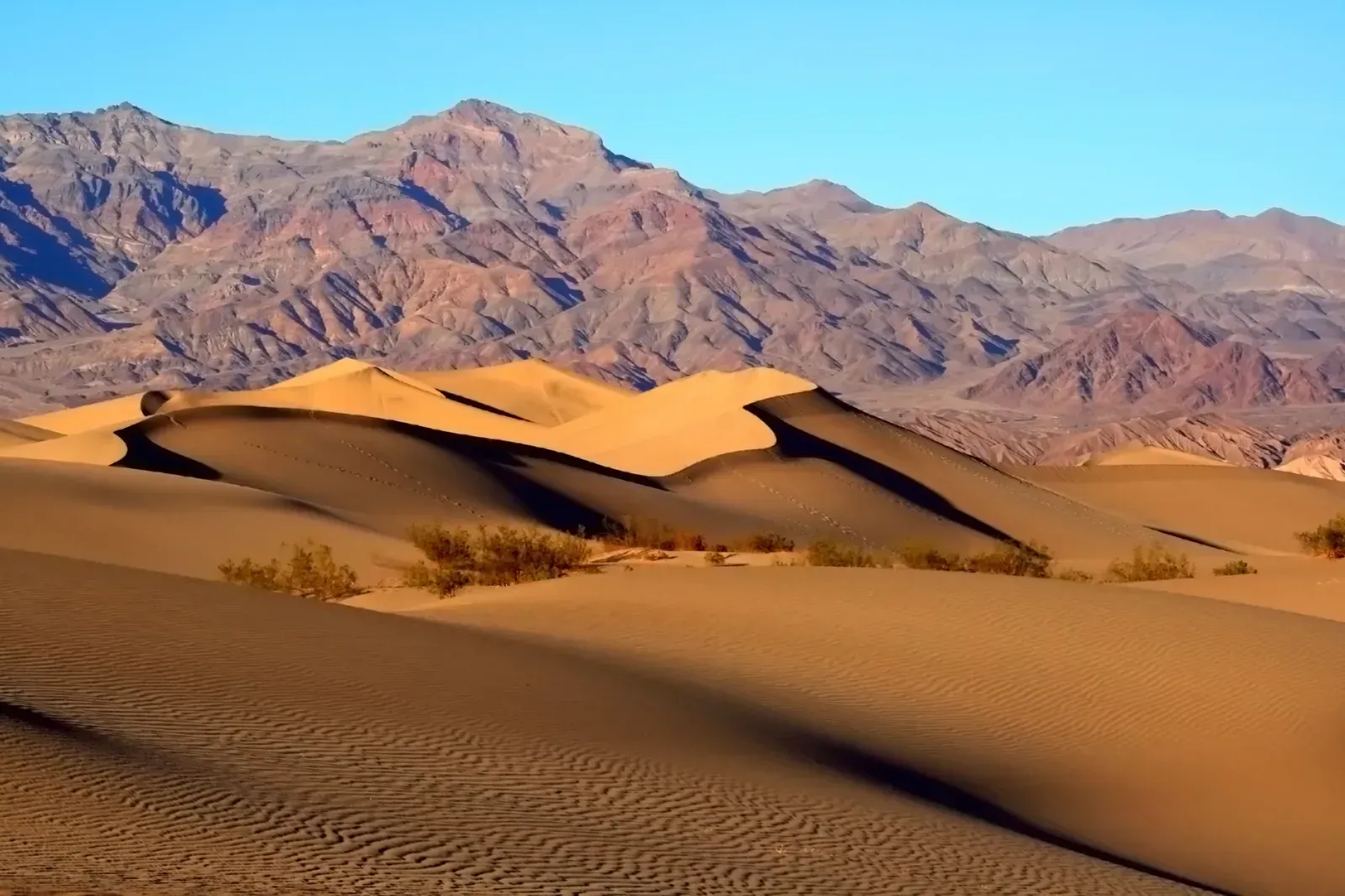
Deadly hot but visually stunning, Death Valley National Park lures visitors with its surreal landscape of undulating sand dunes, rock-salt spires, and salt flats. It’s wrought with hazards, from extreme heat and flash floods to rattlesnakes, scorpions, black widow spiders, and even a risk of stumbling into illegal marijuana cultivation sites. The park sits on the California-Nevada border and holds a set of dangers that can escalate quickly.
Death Valley National Park is the hottest and driest place in the United States, with summer temperatures reaching 122 degrees Fahrenheit, with a recorded extreme of 134 degrees Fahrenheit. The hottest place on the planet, Death Valley has seen numerous heat-related fatalities, and was given its foreboding name by a group of pioneers who got lost in the wilderness in the 19th century. Visitors who underestimate the pace at which conditions can turn dangerous are the ones who most often find themselves in trouble.
What connects all ten of these places is a gap between expectation and reality. They’re celebrated, widely photographed, and heavily marketed. Yet underneath the glossy images sits something more complicated: real risk, genuine anxiety, and for some, an experience that was nothing like what the brochure promised. Knowing what you’re walking into is the first, and most important, step of any visit.